
Collaborative Efforts: How Nonprofits and Indigenous Communities Unite for Language Revitalization

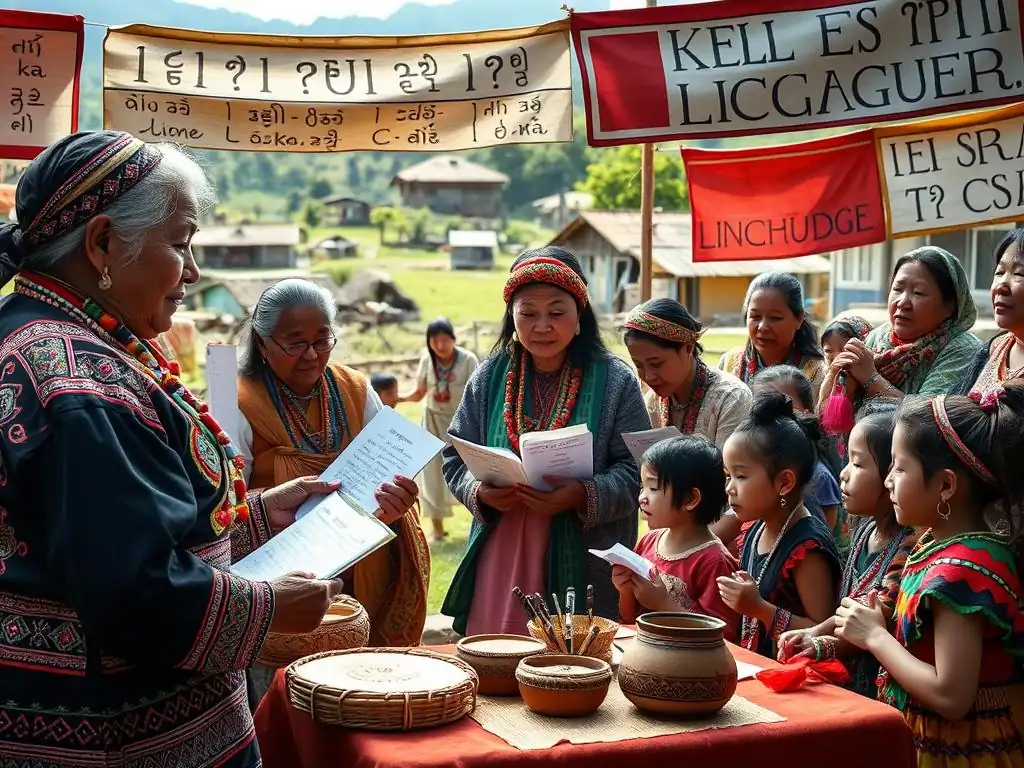
Welcome to Indigenous Civilizations of the Americas, where we invite you to embark on a journey through the rich tapestry of indigenous cultures that flourished long before European contact. In our featured article, “Collaborative Efforts: How Nonprofits and Indigenous Communities Unite for Language Revitalization,” we delve into the inspiring indigenous language revitalization efforts that are breathing new life into ancient tongues.
Discover how these passionate collaborations are not only preserving languages but also reviving the stories and identities of communities. Join us as we explore the profound achievements and vibrant societies of the past, igniting curiosity and fostering a deeper understanding of their lasting impact today.
Introduction to Indigenous Language Revitalization Efforts
Indigenous language revitalization efforts are crucial for preserving the rich cultural heritage and identity of Indigenous communities across the Americas. As many Indigenous languages face the threat of extinction due to historical marginalization and ongoing sociopolitical challenges, collaborative efforts between nonprofits and these communities have emerged as a powerful force in revitalizing and sustaining these languages. This article delves into the significance of language in Indigenous cultures, highlights current language endangerment issues, and explores how nonprofits play a pivotal role in supporting Indigenous language revitalization initiatives.
Importance of Language in Indigenous Cultures
Language is more than a mere communication tool; it is a vessel of culture, tradition, and identity. For Indigenous peoples, their languages encapsulate unique worldviews, histories, and knowledge systems that have been passed down through generations.
- Cultural Identity: Language is a cornerstone of cultural identity, allowing communities to maintain their traditions, stories, and beliefs.
- Knowledge Transmission: Many Indigenous languages carry specific ecological knowledge and practices, which are vital for sustainable living and environmental stewardship.
- Social Cohesion: Language fosters a sense of belonging and community, strengthening social ties among members.
As Indigenous languages decline, so too does the cultural richness they represent, making revitalization efforts essential not only for linguistic preservation but also for cultural survival.
Overview of Current Language Endangerment Issues
The current landscape of language endangerment is dire, with many Indigenous languages classified as endangered or critically endangered. According to UNESCO, approximately 40% of the world's languages are at risk of disappearing. Factors contributing to this alarming trend include:
- Colonization and Assimilation Policies: Historical policies aimed at assimilating Indigenous peoples have led to the suppression of Indigenous languages in favor of colonial languages.
- Urbanization and Globalization: Migration to urban areas often results in the displacement of Indigenous language speakers, further diminishing intergenerational language transmission.
- Limited Access to Educational Resources: Many Indigenous communities lack the necessary resources to teach and learn their languages effectively, perpetuating the cycle of language loss.
Given these challenges, the urgency for comprehensive language revitalization initiatives has never been greater.
Understanding the Role of Nonprofits in Language Revitalization
Nonprofit organizations have emerged as key players in the fight against language endangerment, often stepping in to fill gaps left by governmental efforts. These organizations work closely with Indigenous communities to develop tailored strategies for language revitalization.
How Nonprofits Support Indigenous Communities
Nonprofits provide a range of support services and resources that empower Indigenous communities in their language revitalization efforts:
- Educational Programs: They develop language immersion programs, workshops, and curricula designed to teach both children and adults.
- Resource Development: Many nonprofits create teaching materials, dictionaries, and multimedia resources that make learning accessible and engaging.
- Advocacy and Awareness: Nonprofits advocate for policy changes and increased funding for language preservation initiatives, raising awareness of the importance of Indigenous languages.
By facilitating collaboration between linguists, educators, and community members, nonprofits play a vital role in fostering environments where Indigenous languages can thrive.
Case Studies of Successful Nonprofit Initiatives
Several nonprofit organizations have made significant strides in revitalizing Indigenous languages, providing inspiring examples of successful collaboration:
- The Endangered Language Fund: This organization supports various projects aimed at revitalizing endangered languages through community grants and educational resources.
- The First Nations Development Institute: They have implemented programs that empower Indigenous communities to reclaim their languages and cultures through innovative educational practices.
These case studies illustrate the potential of collaborative efforts between nonprofits and Indigenous communities, highlighting the transformative impact of dedicated language revitalization initiatives.
As the movement for Indigenous language revitalization gains momentum, it is essential to recognize the collaborative nature of these efforts and the critical role that nonprofits play in supporting Indigenous languages as vital components of cultural heritage.
Indigenous Communities Leading Language Revitalization
Indigenous communities play a pivotal role in the revitalization of their languages, often spearheading efforts that are grounded in their cultural identities and historical contexts. Many of these communities recognize that their languages are not just a means of communication but a vessel for their traditions, stories, and worldviews. As such, they are actively engaged in various initiatives to reclaim and teach their languages to younger generations.
For instance, the Navajo Nation has implemented several language immersion programs in schools, where children are taught entirely in Navajo. This approach not only enhances language proficiency but also fosters a sense of pride and belonging among the youth. Similarly, the Māori community in New Zealand has established successful language nests, which are early childhood education centers that prioritize the Māori language, ensuring that children grow up speaking their ancestral tongue.
Furthermore, many Indigenous communities utilize technology to support language learning. This includes the creation of mobile applications, online courses, and social media campaigns aimed at engaging youth in language use. By leveraging modern tools while staying true to traditional practices, these communities are effectively bridging the gap between generations.
Traditional Methods of Language Preservation
Traditional methods of language preservation are vital in maintaining the integrity and authenticity of Indigenous languages. These methods often involve oral storytelling, song, and dance, which are integral components of cultural expression. Through storytelling, elders pass down knowledge, history, and values, ensuring that the language is not only preserved but also enriched with cultural significance.
Another method is the use of community gatherings and ceremonies, where language is spoken in its natural context. These events allow for the organic use of language and provide an opportunity for community members to engage in dialogue, reinforcing linguistic skills in a meaningful way.
Additionally, the practice of creating written records of oral traditions is becoming increasingly important. Many communities are undertaking projects to document their languages, including vocabulary lists, grammar guides, and story collections. This written preservation serves as a resource for both current and future language learners, helping to sustain linguistic heritage in the long term.
Community-Led Language Programs and Their Impact
Community-led language programs have shown remarkable success in revitalizing Indigenous languages. These initiatives often prioritize local knowledge and are tailored to the specific needs of the community, ensuring that they resonate with the participants.
For example, the Ojibwe language program in Minnesota employs a community-driven approach that involves fluent speakers working directly with learners. This model fosters a collaborative environment where language can be learned and practiced in real-life contexts, enhancing retention and fluency.
The impact of these programs extends beyond language acquisition; they also strengthen community ties and cultural identity. Participants often report a renewed sense of pride in their heritage, as language revitalization becomes intertwined with cultural reclamation. Moreover, these programs can combat the effects of colonization and assimilation by empowering individuals and communities to reclaim their linguistic heritage.
Collaborative Strategies for Effective Language Revitalization
Collaborative strategies are essential for the success of language revitalization efforts. By fostering partnerships among various stakeholders, including Indigenous communities, nonprofits, educational institutions, and government agencies, these strategies create a more comprehensive and supportive environment for language learning.
Partnerships Between Nonprofits and Indigenous Groups
Partnerships between nonprofits and Indigenous groups are a cornerstone of effective language revitalization efforts. Nonprofits often bring expertise in project management, fundraising, and educational methodologies, while Indigenous groups contribute deep cultural knowledge and community insights.
For instance, organizations like First Peoples' Cultural Council work closely with Indigenous communities in Canada to develop tailored language programs that honor traditional practices. By collaborating in this way, both parties can leverage their strengths, ensuring that language revitalization efforts are both culturally relevant and sustainable.
These partnerships can also facilitate access to a broader network of resources, including educational materials, trained facilitators, and technology. This collaboration is critical in addressing the multifaceted challenges of language loss and creating a robust framework for revitalization.
Funding and Resource Sharing for Language Programs
Funding and resource sharing are vital components of successful language revitalization programs. Many Indigenous communities operate with limited financial resources, making partnerships with nonprofits and other organizations crucial for securing funding.
Grants from government entities, private foundations, and philanthropic organizations can provide the necessary financial support for language programs. For example, the Native Language Immersion Program in the United States has received funding to help establish language nests and immersion schools, allowing communities to create sustainable language education models.
Moreover, resource sharing between communities can enhance the effectiveness of language programs. By exchanging teaching materials, curricula, and best practices, communities can learn from one another and adapt successful strategies to their specific contexts. This collaborative approach not only maximizes resources but also fosters a sense of solidarity among Indigenous groups, reinforcing their collective commitment to language revitalization efforts.
Challenges Faced in Indigenous Language Revitalization Efforts
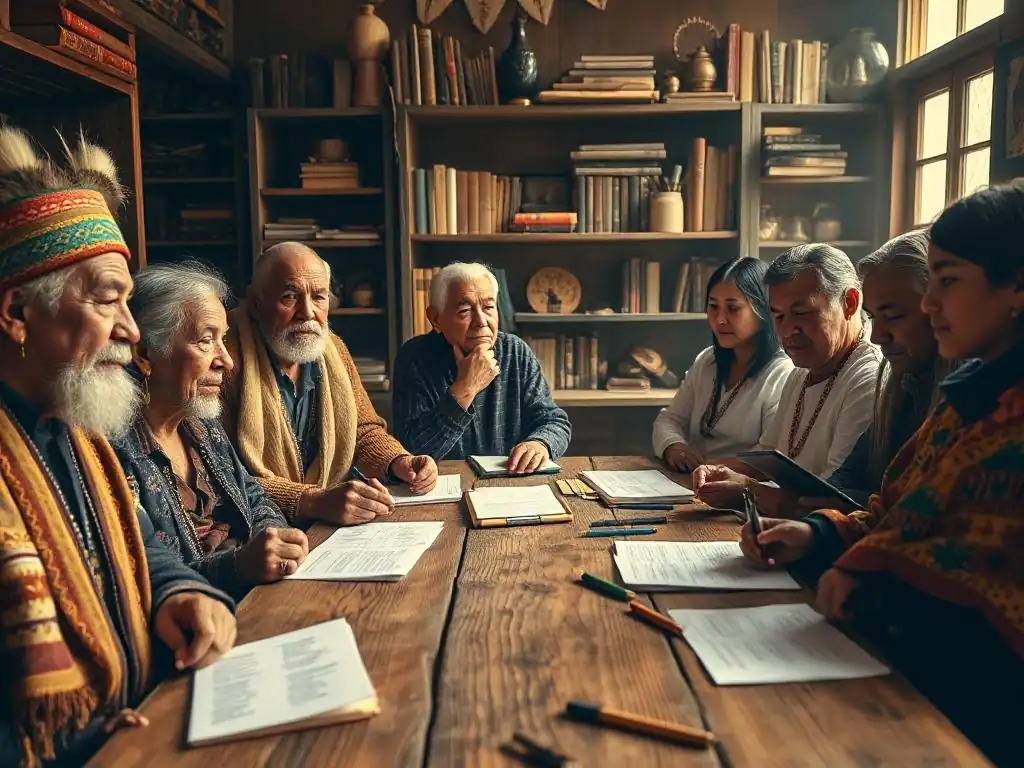
Revitalizing indigenous languages is a complex endeavor, often hindered by multiple interrelated challenges. These challenges can be broadly categorized into socioeconomic barriers, the impact of urbanization and globalization, and the historical context of language suppression. Each of these factors plays a pivotal role in determining the success of revitalization initiatives and underscores the need for tailored approaches that address the unique circumstances of each community.
Socioeconomic Barriers to Language Learning
Socioeconomic factors significantly influence language learning and transmission within indigenous communities. Many communities face poverty, limited access to education, and inadequate resources, which can stifle language acquisition efforts. For instance, linguistic programs may require funding for materials, trained educators, and community workshops, all of which can be challenging to secure in economically distressed areas.
Moreover, the prioritization of basic needs over cultural education in economically disadvantaged settings often leads to a diminished focus on language revitalization. When families struggle to meet daily necessities, the urgency of maintaining and teaching a language may take a backseat. This situation can create a generational gap in language fluency, where younger members of the community may not learn their ancestral language, limiting its use and viability.
The Impact of Urbanization and Globalization
Urbanization and globalization pose additional challenges to the preservation of indigenous languages. As individuals migrate to urban centers in search of better economic opportunities, they often encounter dominant languages that overshadow indigenous tongues. This shift can result in a decline in language use within families and communities, as members adopt the language of the urban environment to facilitate integration and economic mobility.
Globalization further exacerbates this challenge by promoting a homogenized culture that prioritizes global languages, such as English or Spanish, at the expense of local languages. The pervasive influence of media and technology also contributes to this phenomenon, as indigenous youth may gravitate towards content available in dominant languages, thus minimizing their exposure to their own linguistic heritage. The loss of language in turn affects cultural identity and community cohesion, making revitalization efforts even more critical.
Success Stories of Collaborative Language Revitalization
Despite the numerous challenges facing indigenous language revitalization, there are notable success stories that highlight the potential of collaborative efforts between nonprofits and indigenous communities. These initiatives often serve as models for how targeted strategies can effectively revitalize languages, foster cultural pride, and empower communities.
Highlighting Effective Programs and Their Outcomes
One exemplary program is the Kānaka Maoli Language Revitalization Initiative in Hawaii, which has successfully integrated language learning into public education through Hawaiian immersion schools. This program has seen a resurgence in the use of the Hawaiian language among young people, with many students achieving fluency and becoming advocates for their cultural heritage.
Another impactful initiative is the Ojibwe Language Program in Minnesota, where community-driven efforts have resulted in the establishment of language nests—immersion programs for young children. This approach prioritizes language learning in a natural setting, allowing children to hear and use Ojibwe in their daily lives. The results have been promising, with many children growing up bilingual and actively participating in cultural events.
Testimonials from Community Members and Activists
Community testimonials illustrate the profound impact of these revitalization efforts. For example, one Ojibwe elder shared, “Seeing our children speak the language fills my heart with joy. It’s a reminder that our culture will continue, and we are reclaiming what was lost.” Such statements underscore the emotional significance of language revitalization and its role in community identity.
Activists involved in these efforts often emphasize the importance of collaboration between nonprofits and indigenous leaders. As one activist noted, “Our languages are more than words; they are the essence of our identity. With the support of nonprofits, we can create spaces where our languages thrive again.” These voices highlight the critical need for partnerships that respect indigenous knowledge and prioritize community-driven solutions in revitalization efforts.
Through collaboration, communities are not only preserving their languages but also revitalizing cultural practices and fostering a sense of pride and belonging among younger generations. As these success stories illustrate, when indigenous communities and nonprofit organizations unite, they can create powerful movements that breathe new life into endangered languages.
Future Directions for Indigenous Language Revitalization Efforts
As the movement for Indigenous language revitalization evolves, new strategies and methodologies are emerging to enhance these efforts. Future directions may focus on increasing community involvement and integrating traditional knowledge with contemporary practices. One promising avenue is the development of immersive language programs that not only teach the language but also incorporate cultural practices, stories, and community values.
Moreover, educational institutions are beginning to collaborate more closely with Indigenous communities, creating curricula that respect and promote Indigenous languages. These partnerships can facilitate the training of fluent speakers and educators who can carry on the language into future generations. Another significant future direction involves creating digital resources, such as mobile apps and online platforms, that allow for language learning to occur in accessible and engaging ways.
The Role of Technology in Language Preservation
Technology plays a crucial role in modern Indigenous language revitalization efforts. Digital tools and platforms enable communities to document and archive their languages, ensuring that linguistic data is preserved for future generations. For instance, online databases can store audio recordings of native speakers, written texts, and educational materials.
Moreover, social media platforms have become vital for fostering language communities. These platforms allow users to share resources, practice speaking, and engage in conversations in their Indigenous languages. Mobile applications designed for language learning are also revolutionizing how individuals can immerse themselves in their heritage languages, making learning interactive and community-oriented.
Additionally, virtual reality (VR) and augmented reality (AR) technologies are being explored as innovative means of creating immersive language experiences. By providing users with the opportunity to engage in real-world scenarios where they can practice their language skills, these technologies can significantly enhance the learning experience.
Building Sustainable Practices for Ongoing Revitalization
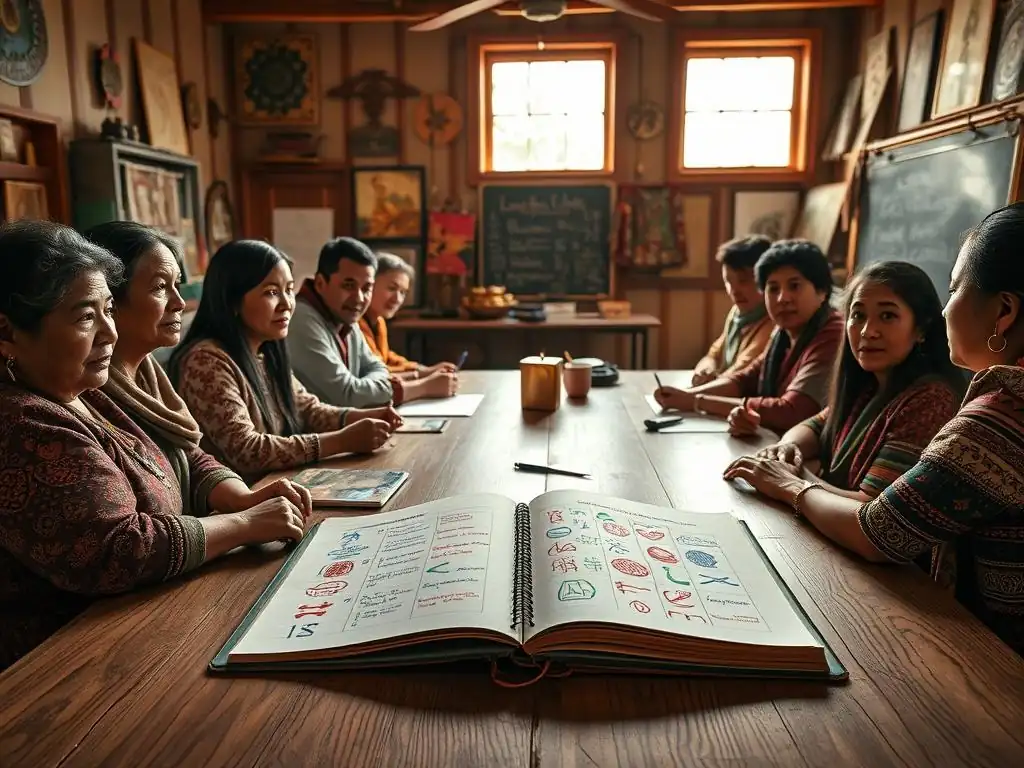
Creating sustainable practices for Indigenous language revitalization requires a long-term commitment from both Indigenous communities and their allies. This involves establishing frameworks that support language use in everyday life, such as integrating Indigenous languages into local government and public services.
Training programs for educators and community leaders are essential to ensure that language teaching methodologies remain relevant and effective. Additionally, fostering intergenerational relationships can help pass down linguistic knowledge from elders to younger community members.
Partnerships with nonprofits and academic institutions can further strengthen these practices, providing resources and expertise necessary for developing comprehensive language programs. It is crucial that such collaborations prioritize community input and leadership to ensure that revitalization efforts are culturally appropriate and effective.
Conclusion: The Importance of Collaboration in Language Preservation
Collaboration is at the heart of successful Indigenous language revitalization efforts. When nonprofits, educational institutions, and Indigenous communities work together, they can create robust strategies that are both effective and respectful of cultural contexts. This synergy enhances the sharing of knowledge, resources, and support, ultimately leading to more successful language revitalization initiatives.
By recognizing the unique strengths of each partner, collaborative efforts can lead to innovative solutions that address the distinct challenges faced by Indigenous languages today. It is essential for all stakeholders to commit to ongoing dialogue and cooperation, ensuring that revitalization efforts are not only sustainable but also empowering for Indigenous communities.
Summary of Key Points on Collaborative Efforts
- Community Involvement: Engaging Indigenous communities in the planning and execution of language programs is crucial for their success.
- Technological Integration: Utilizing digital tools can aid in documentation, teaching, and community engagement.
- Sustainable Practices: Developing frameworks that support ongoing language use and education is vital for long-term revitalization.
- Intergenerational Learning: Encouraging relationships between elders and youth fosters the transmission of language and culture.
Call to Action for Support and Engagement in Language Revitalization
To support Indigenous language revitalization efforts, individuals and organizations can take several actions:
- Participate in Local Programs: Join local initiatives or workshops focusing on Indigenous languages and cultures.
- Advocate for Funding: Support policies that allocate resources for language preservation projects.
- Spread Awareness: Share information about the importance of language revitalization on social media and within your community.
- Engage with Indigenous Communities: Listen to and learn from Indigenous leaders about how best to support their language revitalization efforts.
By taking these steps, everyone can contribute to the preservation and revitalization of Indigenous languages, ensuring they thrive for generations to come.
- Introduction to Indigenous Language Revitalization Efforts
- Understanding the Role of Nonprofits in Language Revitalization
- Indigenous Communities Leading Language Revitalization
- Collaborative Strategies for Effective Language Revitalization
- Challenges Faced in Indigenous Language Revitalization Efforts
- Success Stories of Collaborative Language Revitalization
- Future Directions for Indigenous Language Revitalization Efforts
- The Role of Technology in Language Preservation
- Building Sustainable Practices for Ongoing Revitalization
- Conclusion: The Importance of Collaboration in Language Preservation
- Summary of Key Points on Collaborative Efforts
- Call to Action for Support and Engagement in Language Revitalization
Frequently Asked Questions
What are Indigenous language revitalization efforts?
Indigenous language revitalization efforts are initiatives aimed at preserving and reviving Indigenous languages that have been endangered or lost due to colonization and cultural assimilation.
Why are these efforts important?
These efforts are crucial for maintaining cultural identity, traditions, and worldviews of Indigenous peoples, as language is a key component of their heritage and social cohesion.
How do nonprofits contribute to these initiatives?
Nonprofits often provide resources, funding, and training for Indigenous communities, helping to create language programs, educational materials, and community workshops to support revitalization.
What role do Indigenous communities play in language revitalization?
Indigenous communities are at the forefront of these efforts, as they possess the knowledge, cultural context, and motivation needed to teach and promote their languages effectively.
Can you give examples of successful language revitalization projects?
Yes, successful projects include immersion schools, community classes, and digital resources that allow younger generations to learn and use their Indigenous languages in daily life.
Final Reflection: The Power of Unity in Indigenous Language Revitalization
In today's rapidly changing world, the collaborative efforts between nonprofits and Indigenous communities stand as a beacon of hope for language revitalization. As we witness the erosion of languages that carry centuries of culture and wisdom, the importance of these partnerships becomes increasingly clear. They not only foster the preservation of unique linguistic identities but also empower communities to reclaim their heritage and assert their place in the modern narrative. The urgency of this mission cannot be overstated—our collective future depends on the stories and languages that shape our understanding of the world.
The impact of Indigenous language revitalization efforts resonates deeply within our cultural and social landscapes. These initiatives serve as a reminder that language is not merely a tool for communication but a vessel for identity, history, and community. The ongoing collaboration between nonprofits and Indigenous groups highlights the necessity of mutual respect and shared goals in preserving these languages. As noted by a prominent advocate, Language is the road map of a culture. It tells you where its people come from and where they are going.
This quote encapsulates the essence of why these revitalization efforts are crucial—not just for Indigenous communities, but for all of humanity.
As we reflect on the importance of language revitalization, I invite you to consider your role in this movement. How can you contribute to the preservation of languages and cultures that enrich our global tapestry? Whether through advocacy, education, or simply by supporting Indigenous voices, your actions can make a difference. Let us all commit to fostering an environment where every language is valued, and every story is heard, ensuring that the wisdom of the past continues to illuminate the path forward.
Unveil the Power of Collaboration for Language Revitalization!
Thank you for taking the time to explore the vital journey of language revitalization within Indigenous communities. Your interest in this topic not only enriches your understanding but also empowers collaborative efforts. Now, it’s time to turn that knowledge into action!
Here are a few ways you can contribute to and engage with this important movement:
- Join a Local Initiative: Find and volunteer with a nonprofit organization dedicated to language revitalization. Your active participation can make a direct impact on preserving cultural heritage.
- Share the Knowledge: Spread the word about this initiative and the resources you discover. Utilize social media or community boards to raise awareness and inspire others.
- Explore Online Resources: Seek out digital archives, language courses, or workshops offered by Indigenous communities. Engaging with these resources not only enhances your understanding but also supports their ongoing efforts.
What unique ways do you think you could contribute to preserving Indigenous languages in your community?