
Art and Craftsmanship
Discover the profound beauty and enduring legacy of Indigenous art and craftsmanship from across the Americas—where every piece tells a story of resilience, spirituality, and deep connection to the land. From intricate handwoven textiles that carry centuries-old patterns to symbolic jewelry designs rooted in ancestral traditions, this collection celebrates the mastery of native artisans who transform natural materials into living cultural treasures. Explore authentic indigenous art online, learn the meaning behind each motif, and find unique cultural gifts that honor heritage while supporting artisan communities directly. Whether you seek a statement piece for your home or a meaningful present, our curated insights bridge the past and present—empowering you to appreciate, preserve, and participate in the vibrant continuity of these living traditions. 🌿✨
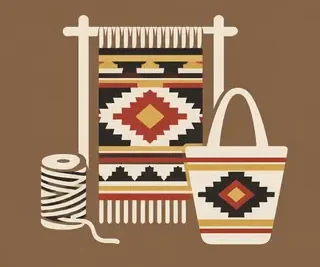 Traditional Textiles and Their Modern Uses
 Supporting Indigenous Artisan Communities
 Finding Authentic Indigenous Art Online
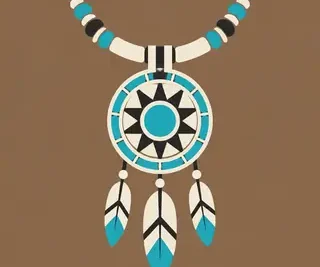 The Story Behind Indigenous Jewelry Designs
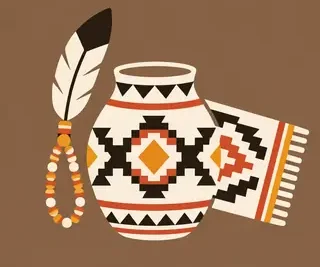 Unique Cultural Gifts Inspired by Indigenous Traditions
Art and Craftsmanship in Indigenous Civilizations of the Americas
Explore the rich, living legacy of Indigenous art and craftsmanship, from ancient techniques to contemporary expressions. This category showcases how traditional skills in jewelry, textiles, and gift-making continue to inspire modern design while supporting Native communities. Discover authentic pieces, learn their cultural stories, and find meaningful ways to engage with Indigenous creativity.
Unique Cultural Gifts Inspired by Indigenous Traditions 🎁
Here, you’ll find a curated selection of gifts that honor Indigenous heritage—from hand-painted pottery and carved wooden totems to woven baskets and beaded accessories. Each item carries symbolic meaning, often reflecting nature, spirituality, or ancestral stories. Expect practical guidance on choosing respectful, culturally accurate gifts that celebrate rather than appropriate, ensuring your present supports both artistry and tradition.
The Story Behind Indigenous Jewelry Designs 💍
Delve into the narratives etched in silver, turquoise, shell, and bone. This subcategory explains how each design element—like a Zuni needlepoint or a Navajo squash blossom—encodes history, status, or spiritual protection. Learn about the materials, regional styles, and the hands that craft them. You’ll gain insight into how modern jewelers preserve ancient patterns while innovating for today’s wearers, making every piece a wearable story.
Finding Authentic Indigenous Art Online 🖥️
Navigating the internet for genuine Indigenous art can be tricky. This section offers clear criteria for verifying authenticity—looking for artist signatures, tribal seals, or certifications from recognized Indigenous art markets. Expect tips on avoiding mass-produced imitations, understanding fair pricing, and using trusted platforms that promote Native artists directly. You’ll leave equipped to shop with confidence and cultural sensitivity.
Supporting Indigenous Artisan Communities 🤝
Your purchase can be a powerful act of solidarity. Here, we outline how to ethically support artisan cooperatives, fair-trade initiatives, and nonprofit organizations that reinvest in Native communities. Discover strategies like buying directly from artists, respecting intellectual property rights, and spreading awareness. This subcategory emphasizes economic empowerment, cultural preservation, and the long-term impact of conscious consumer choices.
Traditional Textiles and Their Modern Uses 🧶
From Andean backstrap-loom weavings to Navajo rugs, traditional textiles are both functional and symbolic. This section explores how these fabrics—dyed with natural pigments and woven with ancestral techniques—are being adapted for contemporary fashion, home décor, and art installations. Expect insights into care, design motifs, and how modern Indigenous weavers are blending old patterns with new purposes, keeping the looms alive.
Frequently Asked Questions
Are all Indigenous-inspired gifts culturally appropriate to purchase?
Not necessarily. Avoid “inspired” knockoffs that mimic sacred symbols without understanding. Instead, buy directly from Indigenous artists or certified authentic sources. Look for items that respect cultural significance, use traditional methods, and come with clear provenance. When in doubt, ask the artist about the meaning behind the piece—this supports dialogue and appreciation.
How can I tell if a piece of Indigenous jewelry is authentic?
Check for a hallmark or signature from the artist, a tribal seal, or certification from an Indigenous art organization (e.g., the Indian Arts and Crafts Act in the US). Authentic jewelry often uses natural stones, hand-stamped details, and subtle irregularities. Ask the seller about the origin story and materials. If the price is too low and the design is generic, it’s likely mass-produced.
What are the best websites to find authentic Indigenous art?
Look for platforms like Native American Art magazine’s directory, Indigenous-owned cooperatives (e.g., the Eight Northern Indian Pueblos Council), or national associations like the Canadian Aboriginal and Minority Supplier Council. Also explore Etsy filters for “Indigenous-owned” and check sellers’ bios. Always verify reviews and cross-check artist names for credibility.
How does buying Indigenous art help communities beyond income?
Every purchase supports cultural transmission—artists pass on technical skills and stories to younger generations. It also funds community projects, from language preservation to mentorship programs. Fair-trade sales can boost self-determination, allowing communities to control their narratives and economic futures. Your support reduces reliance on extractive industries, fostering sustainable livelihoods.
Can traditional textiles be used in everyday modern life without damaging them?
Yes, with care. Use weavings as wall art, throws, or table runners, but avoid direct sunlight and high-traffic areas. For clothing, choose blended versions or wear traditional pieces sparingly. Spot-clean with gentle soap and air-dry. Many artisans now design durable, modern versions (like bags or cushions) specifically for daily use. Always follow the maker’s care instructions.