
Cultural Inspirations
Discover how the enduring wisdom of Indigenous civilizations of the Americas continues to shape our modern world through cultural inspirations that blend tradition with contemporary life. From sustainable practices rooted in ancestral agroforestry and water stewardship to the bold revival of Indigenous patterns in fashion, these living legacies offer profound lessons for today. Explore the deep resonance of Indigenous symbolism in modern tattoos, where each motif carries centuries of storytelling, and taste the rise of Indigenous ingredients like amaranth, cacao, and wild rice in global cuisines. Even your living space can reflect this heritage, as geometric textiles and earth-toned motifs find new life in modern home décor. This category uncovers how pre-Columbian knowledge—once suppressed—now flourishes as a source of innovation, identity, and resilience, proving that the artistry and ecological intelligence of Native American, Mesoamerican, and Andean cultures are not relics but vibrant forces in today’s creative and ethical landscape.
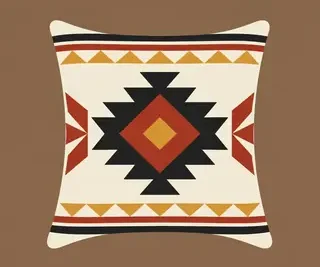 Patterns and Symbols in Modern Home Décor
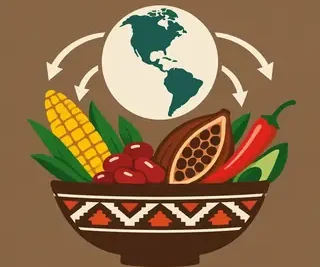 The Rise of Indigenous Ingredients in Global Cuisines
 Indigenous Symbolism in Modern Tattoos
 Indigenous Influences in Contemporary Fashion
 Lessons from Indigenous Practices for Sustainability
Cultural Inspirations: Indigenous Wisdom in the Modern World
Explore how the enduring legacies of pre-Columbian civilizations continue to shape contemporary life. From sustainable agriculture to global fashion runways, this category reveals the profound, ongoing influence of Indigenous knowledge, artistry, and worldview. Discover practical lessons, aesthetic trends, and symbolic meanings that bridge ancient traditions with today's culture.
🌱 Lessons from Indigenous Practices for Sustainability
Dive into time-tested agricultural and ecological methods like the Three Sisters planting, terracing (as used by the Inca), and controlled burns practiced by various North American tribes. These systems demonstrate how Indigenous civilizations maintained soil fertility, biodiversity, and water conservation for millennia. Readers will find actionable insights for permaculture, community land management, and climate resilience, proving that ancient wisdom offers modern solutions for environmental stewardship.
🧵 Indigenous Influences in Contemporary Fashion
From the Andean chullo hats to Navajo-inspired geometric weaves, runways and streetwear increasingly borrow from Indigenous aesthetics. This section examines how designers collaborate with Indigenous communities, the ethics of pattern appropriation, and the revival of natural dyes and handloom techniques. Expect a critical look at authenticity, cultural appreciation versus exploitation, and how modern fashion is reconnecting with ancestral textile traditions to create unique, meaningful garments.
💉 Indigenous Symbolism in Modern Tattoos
Tattoos are a living canvas for pre-Columbian iconography—think Aztec sun stones, Mayan calendrical glyphs, and Haida totemic animals. Here, we decode the spiritual and social meanings behind these symbols, from protection and status to cosmic balance. Learn about proper research practices, the importance of tribal consultation, and how contemporary artists blend ancient motifs with modern techniques to honor heritage while creating deeply personal body art.
🌽 The Rise of Indigenous Ingredients in Global Cuisines
Quinoa, amaranth, chia, cacao, maize—these are just a few staples that originated in Indigenous Americas. This subcategory traces the journey of these superfoods from sacred crops to global pantry essentials. Discover heirloom varieties, traditional preparation methods like nixtamalization, and how chefs are reviving ancestral recipes. We also highlight the economic impact on native farming communities and the push for fair-trade and biodiversity preservation in the modern food industry.
🏠 Patterns and Symbols in Modern Home Décor
Bring the spirit of the Americas into your living space with geometric Zapotec rugs, Maya-inspired murals, and Inca textile wall hangings. This section explores how interior designers incorporate Indigenous patterns—from stepped frets to feathered serpents—into contemporary furniture, ceramics, and textiles. Learn to distinguish culturally significant designs from generic bohemian clichés, and find guidance on sourcing ethically crafted pieces that support Indigenous artisans and preserve their visual language.
Frequently Asked Questions
What is the most important sustainability lesson from Indigenous practices?
The core principle is reciprocity—taking only what you need and giving back to the ecosystem. Techniques like crop rotation, companion planting, and minimal soil disturbance maintain long-term soil health. Unlike industrial monoculture, Indigenous systems prioritize biodiversity and resilience, offering a model for regenerative agriculture that is both productive and ecologically sound.
How can I wear Indigenous-inspired fashion without being disrespectful?
Focus on authentic, artist-made pieces from Indigenous-owned brands or cooperatives. Avoid mass-produced knockoffs that dilute sacred symbols. When in doubt, ask: does the design come from a specific community, and is that community credited and compensated? Supporting Indigenous designers ensures your clothing celebrates culture rather than appropriates it.
Are Indigenous tattoo symbols sacred and can anyone get them?
Many symbols, like the Aztec calendar or certain totems, hold religious or ancestral significance. While some designs are meant for public display, others are restricted to initiated members or hereditary rights. Research the specific meaning and consult Indigenous communities or cultural guides. A respectful approach is to commission an Indigenous tattoo artist or choose a design with documented, open use.
Which Indigenous ingredients are most underused in modern cooking?
Amaranth and tepary beans are prime examples. Amaranth, a protein-rich grain once central to Aztec rituals, is regaining popularity, while drought-resistant tepary beans were cultivated by desert tribes and offer amazing flavor and nutrition. Also explore nopales (cactus pads), chia seeds in savory dishes, and native berries like serviceberries for diverse culinary adventures.
What should I look for when buying Indigenous-inspired home décor?
Seek provenance and transparency—ask where and by whom the item was made. Look for natural materials like wool, clay, or wood, and traditional techniques like hand-weaving or hand-coiling. Support collectives that pay fair wages and use sustainable resources. Avoid lightweight imitations that lack cultural context; instead, invest in authentic pieces that carry the story of their makers.