
Olmec Urbanism: Insights into Social Hierarchies and Community Life

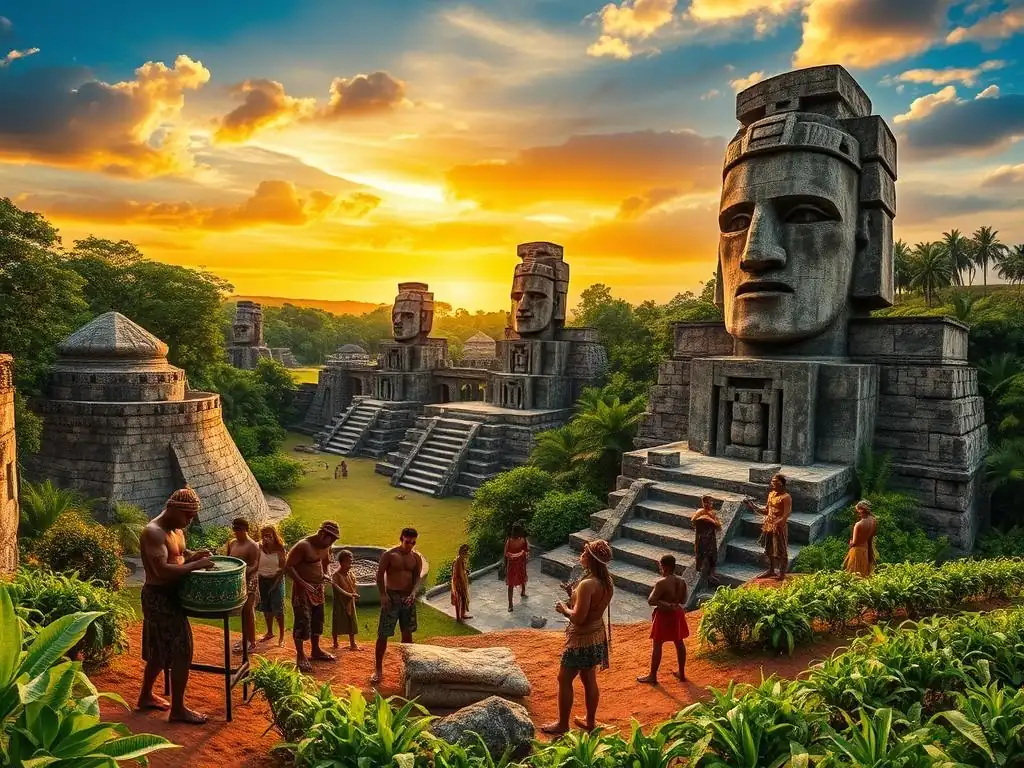
Welcome to Indigenous Civilizations of the Americas, where we invite you on a captivating journey through the rich tapestry of cultures that flourished long before European contact. Explore the intricate Olmec social hierarchies and community life that shaped one of the earliest civilizations in Mesoamerica. Discover how these ancient people organized their societies and the profound impact their innovations have had on the world. What secrets lie within their urban landscapes? Dive deeper to unearth the fascinating dynamics of Olmec urbanism and the legacy it has left behind. Your adventure begins here!
- Introduction to Olmec Urbanism and Social Hierarchies
- The Foundations of Olmec Urbanism
- Characteristics of Olmec Urban Design
- Olmec Social Hierarchies: An In-Depth Analysis
- Community Life in Olmec Cities
- The Influence of Olmec Urbanism on Later Mesoamerican Civilizations
- Conclusion: The Significance of Olmec Social Hierarchies and Community Life
-
Frequently Asked Questions
- What are the key features of Olmec social hierarchies?
- How did community life function in Olmec society?
- What role did urbanism play in Olmec civilization?
- How did Olmec achievements influence later Mesoamerican cultures?
- What lasting impact did the Olmecs have on indigenous cultures in the Americas?
- Final Reflection: Understanding Olmec Social Hierarchies and Community Life
- Unveil the Secrets of Olmec Civilization!
The Olmec civilization, often regarded as the "mother culture" of Mesoamerica, serves as a crucial focal point for understanding the intricate social hierarchies and community life that characterized ancient indigenous societies in the Americas. Flourishing between approximately 1200 BCE and 400 BCE in what is now modern-day Mexico, the Olmec left a rich legacy of monumental architecture, sophisticated artwork, and complex social organization.
This article delves into Olmec urbanism, examining how their architectural achievements reflect their social structures and the ways in which these communities interacted with one another. By exploring the nuances of Olmec social hierarchies and community life, we can gain valuable insights into the broader tapestry of indigenous civilizations in the Americas and their lasting impact on subsequent cultures.
Overview of Olmec Civilization
The Olmec civilization is renowned for its remarkable contributions to early Mesoamerican culture, including the establishment of urban centers such as San Lorenzo and La Venta. These cities were not only architectural marvels but also served as political and religious hubs, influencing neighboring cultures through trade, art, and innovations. The Olmec are particularly famous for their colossal stone heads, which are believed to represent rulers or important figures within their society.
- Key Features of Olmec Civilization:
- Urban Centers: Development of complex cities with advanced infrastructure.
- Artistic Expression: Creation of intricate sculptures and jade artifacts.
- Religious Practices: A rich spiritual life centered around deities and rituals.
- Agricultural Innovation: Implementation of sophisticated farming techniques to support large populations.
The Olmec civilization laid the groundwork for future Mesoamerican societies, including the Maya and Aztec, making their study essential for understanding the evolution of urbanism and social organization in the region.
Understanding Olmec social hierarchies is vital for several reasons. Firstly, it sheds light on how power and authority were distributed within their communities. The evidence suggests a stratified society where elite classes wielded significant influence over political and religious affairs. Moreover, the urban layout of Olmec cities indicates a planned environment that facilitated the interaction of different social groups, reflecting the complexities of their community life.
- Significance of Olmec Social Structures:
- Political Organization: Insights into governance and leadership roles.
- Economic Systems: Examination of trade networks and resource distribution.
- Cultural Exchange: Understanding how Olmec interactions with neighboring cultures shaped their own social dynamics.
- Legacy: The impact of Olmec social hierarchies on later Mesoamerican civilizations.
By studying Olmec social structures, we can better appreciate the sophisticated nature of their societies and the foundational role they played in the broader narrative of indigenous civilizations in the Americas. Each discovery about their urbanism and community life enhances our understanding of how these early cultures navigated the complexities of social organization, power dynamics, and cultural expression.
The Foundations of Olmec Urbanism
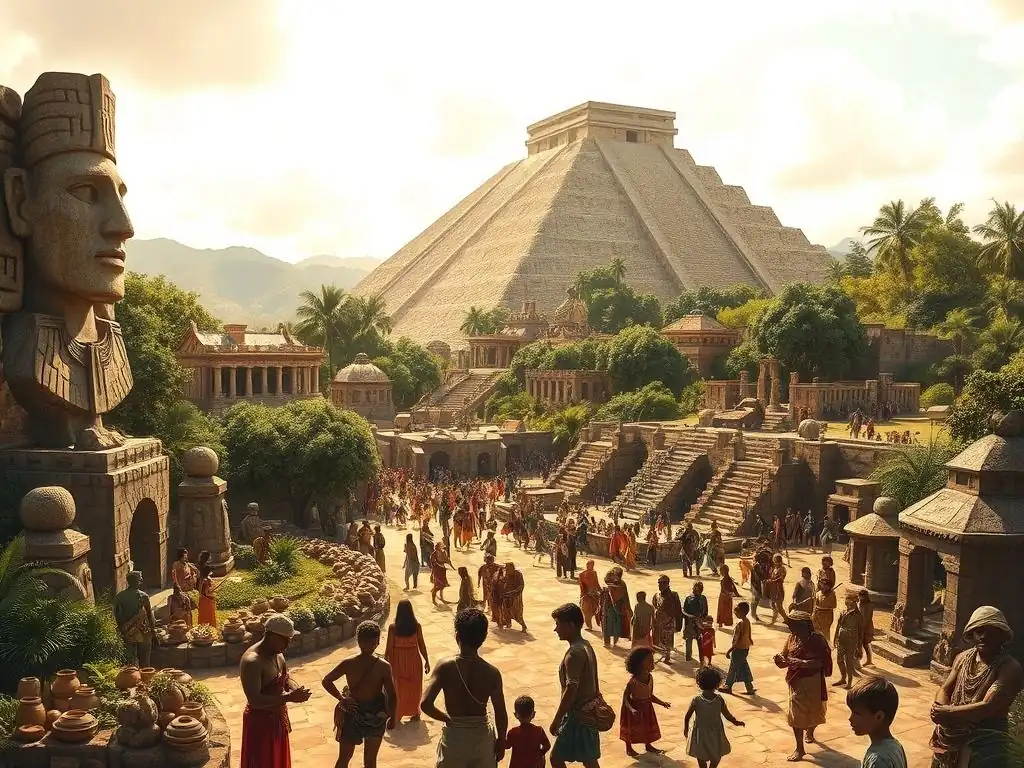
The Olmec civilization, often referred to as the "mother culture" of Mesoamerica, laid the groundwork for urban development in the Americas. Their unique approach to urbanism was characterized by a blend of geographic, environmental, and social factors that influenced the formation of their cities and the establishment of social hierarchies.
Geographic and Environmental Factors Influencing Urban Development
The Olmec civilization thrived in the tropical lowlands of present-day southern Mexico, particularly in the modern states of Veracruz and Tabasco. The region's geographic features and environmental conditions played a pivotal role in shaping Olmec urbanism.
- Fertile Land: The alluvial plains of the Gulf Coast provided rich soil, ideal for agriculture. This agricultural abundance allowed for the sustenance of larger populations, contributing to the growth of urban centers.
- Waterways: The Olmec were strategically located near major rivers like the Coatzacoalcos and Papaloapan rivers. These waterways facilitated trade, transportation, and communication, enabling the exchange of goods and ideas with neighboring cultures.
- Natural Resources: The availability of resources such as basalt, which was used for sculpting colossal heads and other ceremonial artifacts, underscored the significance of the Olmec in the region. The extraction and manipulation of these resources were crucial to the development of their cities.
- Climate: The humid, tropical climate allowed for year-round agriculture, which supported a stable food supply. This stability fostered population growth and urban expansion, as communities could sustain larger numbers of people without the constant threat of famine.
The interplay of these geographic and environmental factors created a fertile ground for the emergence of complex societies, characterized by distinct social hierarchies and communal life.
Key Olmec Urban Centers: San Lorenzo and La Venta
Among the most significant urban centers of the Olmec civilization are San Lorenzo and La Venta, both of which exemplify the sophisticated urban planning and social organization characteristic of Olmec society.
- San Lorenzo:
- Timeline: Flourished from approximately 1200 to 900 BCE, San Lorenzo is believed to be one of the earliest Olmec cities.
- Urban Layout: The city featured a series of earthen platforms, large plazas, and monumental architecture, including the famous colossal heads. The arrangement of buildings suggests a deliberate planning process aimed at organizing social and ceremonial activities.
- Social Hierarchies: Evidence from San Lorenzo indicates a clear stratification of society. Elite classes likely resided in areas with better access to resources and ceremonial spaces, while commoners lived in more peripheral zones.
- La Venta:
- Timeline: Following the decline of San Lorenzo, La Venta emerged as a prominent Olmec center around 900 BCE, thriving until about 400 BCE.
- Architectural Features: La Venta is renowned for its impressive ceremonial complexes, including large pyramids and intricate stone sculptures. The Great Pyramid, for instance, served as a focal point for religious and social gatherings.
- Cultural Significance: The layout of La Venta reflects the integration of social and spiritual life, with the arrangement of structures emphasizing the power of the ruling elite. The presence of altars and offerings suggests that ritual practices were central to community life.
Both San Lorenzo and La Venta not only served as administrative and ceremonial hubs but also as reflections of Olmec social hierarchies and community interactions. The monumental architecture and urban design of these centers reveal the complexity of Olmec society and its enduring impact on subsequent Mesoamerican cultures.
The Olmec civilization's urbanism was fundamentally shaped by environmental factors, geographic advantages, and the social dynamics of their communities. The cities of San Lorenzo and La Venta stand as testaments to the Olmec's innovative spirit and their lasting influence on the development of urban life in the Americas.
Characteristics of Olmec Urban Design
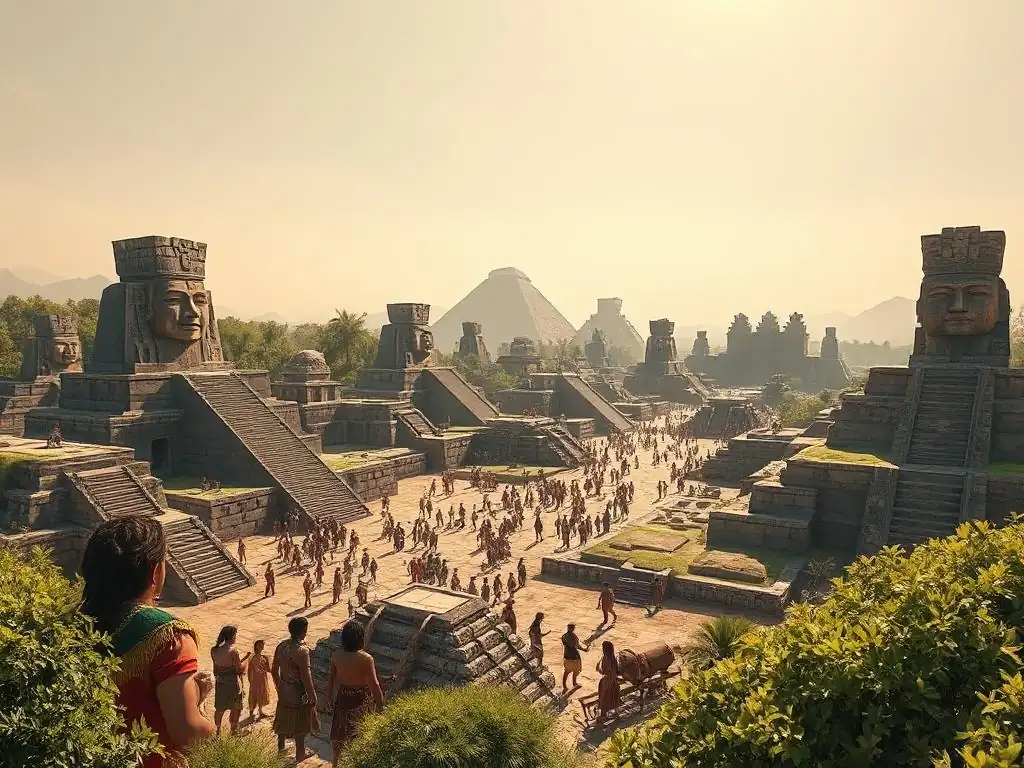
The Olmec civilization, often regarded as the "mother culture" of Mesoamerica, exhibited remarkable urban design features that reflect their complex society. Olmec urbanism is characterized by organized layouts, monumental architecture, and a strong emphasis on ceremonial spaces. The cities were strategically located near water sources and fertile land, facilitating agriculture and trade. This planning not only maximized environmental resources but also demonstrated a deep understanding of spatial organization.
Architectural Features of Olmec Cities
Olmec cities, such as San Lorenzo and La Venta, are known for their distinctive architectural elements that underscore their societal values:
- Monumental Structures: The most notable architectural feature includes colossal stone heads and altars, which likely held significant religious and political meaning. These monoliths often depict rulers or deities, signifying their importance within the community.
- Platform Mounds: Raised platforms served as foundations for important buildings and were often used for ceremonial activities. The construction of these mounds demonstrates advanced engineering skills and labor organization.
- Residential Areas: Houses were typically built from perishable materials such as wood and thatch. The layout of these residential areas indicates a degree of social stratification, with larger, more elaborate homes suggesting higher status within the community.
- Drainage Systems: Evidence of sophisticated drainage systems suggests that the Olmecs valued cleanliness and sanitation, which likely enhanced the quality of life and public health within urban spaces.
These architectural features not only showcase the Olmec's technical prowess but also reflect their social organization and cultural practices.
Public Spaces and Their Role in Community Life
Public spaces played a crucial role in Olmec urban life, serving as venues for social interaction, commerce, and ritual activities:
- Plazas: Central plazas were the heart of Olmec cities, facilitating gatherings, markets, and religious ceremonies. The design of these open spaces fostered community cohesion and collective identity.
- Ritual Sites: Dedicated areas for rituals and ceremonies highlight the importance of religion in Olmec society. These sites often featured altars and other ceremonial structures, indicating their function as focal points for spiritual and communal activities.
- Trade and Economy: Marketplaces within public spaces enabled trade and the exchange of goods, contributing to the economic vitality of Olmec cities. The accessibility of these areas encouraged interaction among diverse community members.
- Civic Engagement: The layout of public spaces suggests that the Olmec valued civic engagement and participation. Events and gatherings in these areas likely reinforced social ties and allowed for the expression of communal values.
Overall, public spaces were integral to the social fabric of Olmec civilization, providing platforms for community life and interaction.
The architectural design of Olmec cities is deeply intertwined with their social hierarchies, reflecting the complexities of their societal structure:
- Monumental Architecture as Power Symbols: The construction of large monuments and ceremonial centers often required considerable resources and labor. This indicates a centralized authority that could mobilize these resources, showcasing the power dynamics within the community.
- Differentiation of Space: The spatial organization of Olmec cities reveals distinctions in social status. Elite classes likely occupied more prominent locations, while lower-status individuals lived in less desirable areas. This stratification is further emphasized by the varying sizes and quality of residential structures.
- Ritual and Authority: The proximity of elite residences to ceremonial sites suggests that those in power had direct access to religious and political activities. This connection between architecture and authority reinforced the legitimacy of the ruling class.
- Community Cohesion vs. Hierarchical Structures: While the architectural layout reflects social hierarchies, it also fosters community cohesion through shared public spaces. The balance between individual status and collective identity is a defining feature of Olmec urbanism.
The relationship between architecture and social hierarchies in Olmec cities highlights the complexities of their civilization, illustrating how urban design not only served functional purposes but also communicated cultural values and social organization.
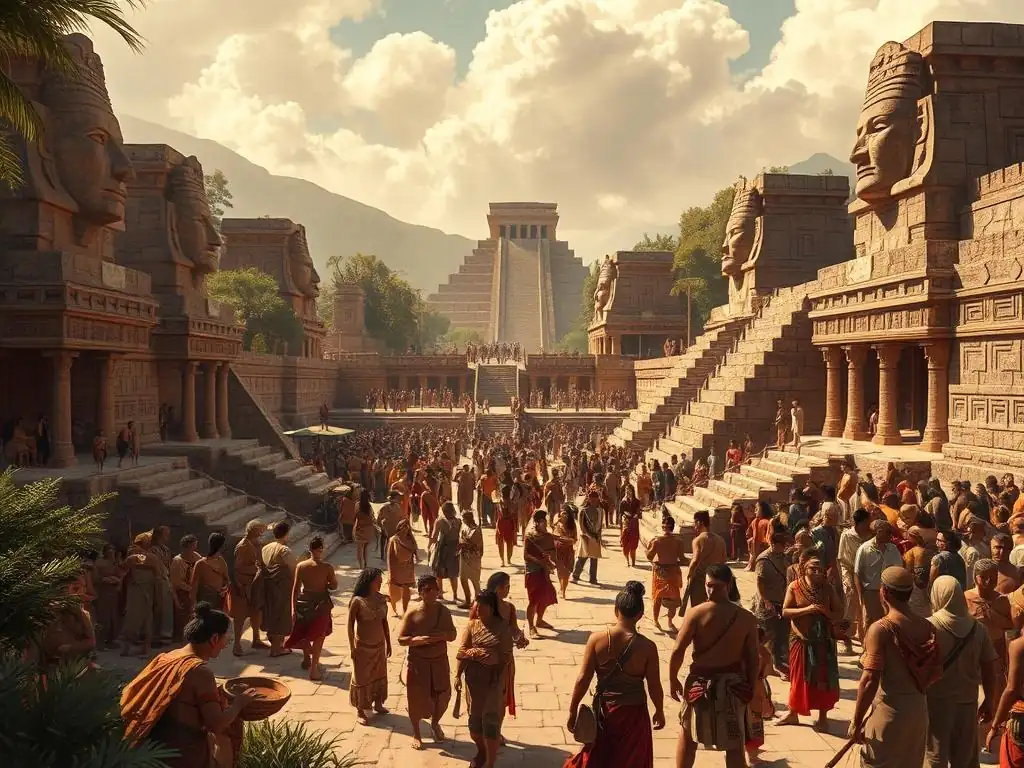
The Olmec civilization, often regarded as the "mother culture" of Mesoamerica, displayed a sophisticated social structure that played a critical role in their urban development and community life. Within this society, social hierarchies were prominent, influencing every aspect of daily life, governance, and cultural practices. This section delves into the intricacies of Olmec social hierarchies, exploring the roles of various classes and the evidence found in archaeological sites.
The Role of Elite Classes in Olmec Society
The elite classes in Olmec society held significant power and influence, primarily due to their control over resources, religious practices, and political structures. These elite individuals were typically associated with leadership roles, including chieftains and priests, which positioned them at the top of the social hierarchy.
- Political Power: The elite often governed city-states, overseeing the administration of laws and the distribution of resources. They were responsible for major decisions that affected the entire community, such as warfare, trade agreements, and religious ceremonies.
- Religious Authority: Religion was central to Olmec culture, with elite classes often serving as spiritual leaders. They conducted rituals and ceremonies that were believed to appease deities and ensure the community's prosperity. Their connection to the divine reinforced their status and justified their authority.
- Economic Control: The elite class had access to valuable resources, including agricultural surplus and luxury goods. They were crucial in managing trade relationships, both within Olmec territories and with neighboring cultures, which enhanced their wealth and influence.
Comparison of Elite and Commoner Lifestyles
The lifestyles of the Olmec elite and commoners were markedly different, reflecting the pronounced social stratification within the civilization.
- Housing and Living Conditions: Elite individuals resided in larger, more elaborate structures, often adorned with intricate carvings and artifacts. In contrast, commoners lived in simpler homes made from less durable materials, emphasizing their limited economic resources.
- Access to Resources: While the elite enjoyed a diet rich in diverse foods, including meat and exotic fruits, commoners primarily consumed a staple diet of maize, beans, and squash. This disparity in diet highlighted the unequal distribution of resources within Olmec society.
- Cultural Practices: The elite participated in grand ceremonies, often featuring elaborate costumes and rituals that showcased their status. Commoners, however, engaged in more modest practices, reflecting their daily life and community ties rather than individual prestige.
Archaeological evidence provides valuable insights into the social hierarchies of the Olmec civilization. Several key findings underscore the existence of social stratification:
- Burial Sites: Excavations of elite burial sites, such as those found in La Venta, revealed a wealth of grave goods, including jade artifacts, ceramics, and offerings, indicative of high status. In contrast, commoner graves contained fewer items, highlighting the differences in social rank.
- Urban Layout: The design of Olmec cities, such as San Lorenzo and La Venta, illustrates a clear division between elite and commoner areas. Elite districts featured monumental architecture, including temples and plazas, while commoner neighborhoods were more functional and less ornate.
- Artifacts and Iconography: The types of artifacts discovered at various sites reflect social roles. For example, ceremonial objects associated with the elite often depicted deities and mythological themes, while common artifacts were more practical in nature, utilized for daily tasks.
The Olmec civilization's social hierarchies had a profound influence on community life and urbanism. By examining the roles of elite classes, comparing their lifestyles with those of commoners, and analyzing archaeological evidence, we gain a clearer understanding of the complexities of Olmec social structures and their lasting impact on subsequent Mesoamerican cultures.
Community Life in Olmec Cities
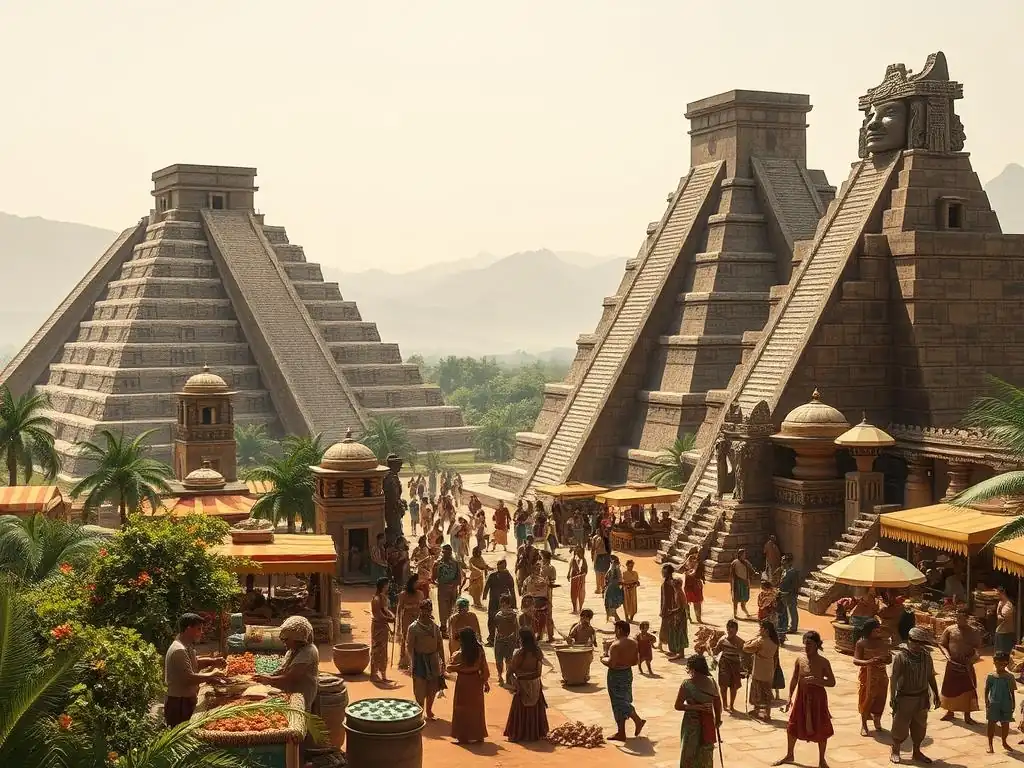
The Olmec civilization, often considered the "mother culture" of Mesoamerica, showcased a unique urbanism that reflected their intricate social hierarchies and community life. Their cities, such as San Lorenzo and La Venta, were not only centers of power but also hubs of daily activities, rituals, and trade. Understanding community life in Olmec cities provides critical insights into their social structure and cultural practices.
Daily Life and Community Activities
The daily life of the Olmec people was characterized by a blend of agricultural practices, craft specialization, and communal activities. Most Olmecs were engaged in farming, cultivating staple crops such as maize, beans, and squash. The agricultural calendar dictated the rhythm of life, with seasonal festivals marking planting and harvest times.
Key Aspects of Daily Life:
- Agriculture: The Olmec utilized advanced farming techniques, including the construction of raised fields and irrigation systems, to enhance crop yield.
- Craftsmanship: Skilled artisans produced pottery, jade carvings, and textiles, which were integral to both daily life and trade. These crafts not only served practical purposes but also held cultural significance.
- Social Interaction: Community gatherings often took place in plazas, where people exchanged goods, shared news, and participated in various communal activities.
This vibrant daily life fostered strong community ties, providing a framework for Olmec social hierarchies to manifest through roles and responsibilities within the community.
Rituals and religious practices were fundamental to Olmec society, reinforcing social hierarchies and community cohesion. The Olmecs believed in a pantheon of deities linked to natural elements and agricultural cycles, which were venerated through elaborate ceremonies.
Influential Rituals and Their Significance:
- Ceremonial Centers: Sites like La Venta featured large ceremonial mounds and platforms, where rituals were performed, reflecting the political and religious power of the elite.
- Offerings and Sacrifices: The practice of offering goods, food, and even human sacrifices to the gods highlighted the relationship between spirituality and social status. Elite individuals often conducted these rituals, reinforcing their authority within the community.
- Artistic Expression: Olmec art, including colossal heads and intricate jade artifacts, served both religious and political purposes, often depicting rulers or deities, thus intertwining community identity with social structure.
Through these rituals, the Olmec people expressed their beliefs and values, further solidifying the roles of leaders and priests within their complex social hierarchy.
Trade and economic interactions were pivotal in shaping Olmec community life and social hierarchies. The Olmecs engaged in extensive trade networks that not only facilitated the exchange of goods but also fostered relationships among different communities.
Elements of Olmec Trade and Economy:
- Trade Goods: The Olmecs traded various commodities, including rubber, obsidian, jade, and pottery. This trade was not limited to local exchanges but extended across regions, connecting them with other cultures.
- Marketplaces: Centralized marketplaces in Olmec cities served as venues for economic exchange, where people from various backgrounds gathered, contributing to social interaction and integration.
- Wealth and Power: Control over trade routes and goods enabled elite families to amass wealth, further entrenching social hierarchies. The accumulation of resources often translated into political power, influencing community decisions and leadership structures.
Trade was more than an economic function; it was a social catalyst, fostering relationships and interactions that defined the Olmec civilization's community life and social hierarchies.
Understanding the intricate dynamics of community life in Olmec cities reveals the complexities of their social hierarchies and underscores the significance of their cultural practices. Through daily activities, rituals, and trade, the Olmecs established a vibrant society that laid the foundation for future Mesoamerican civilizations.
The Influence of Olmec Urbanism on Later Mesoamerican Civilizations
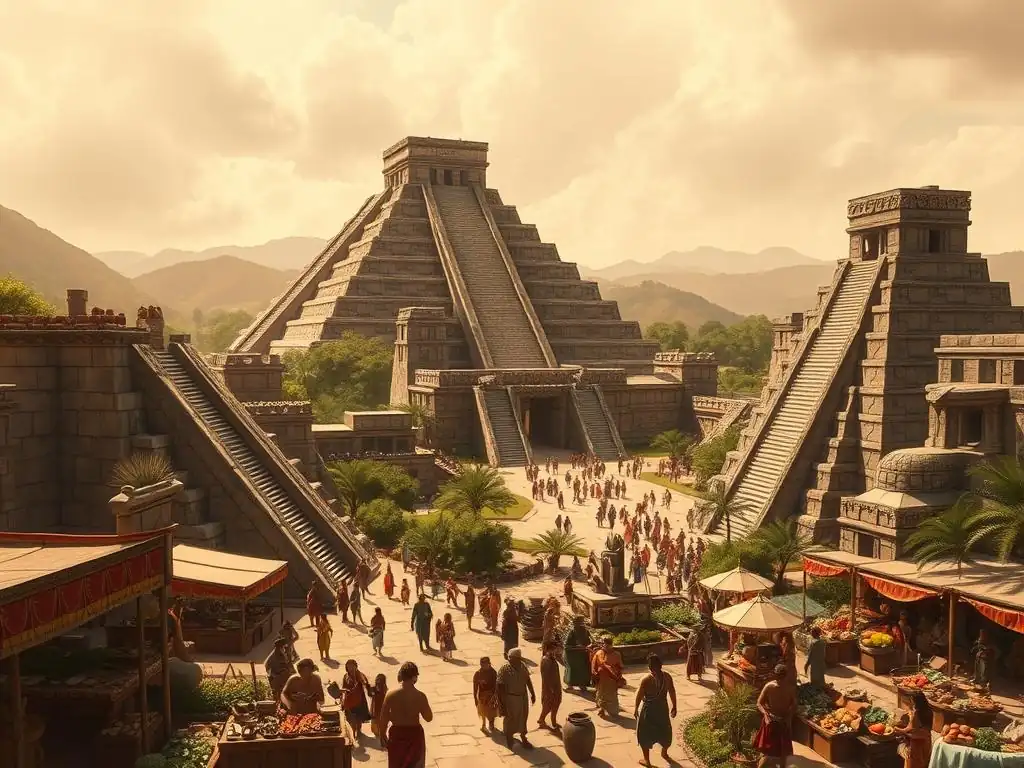
The Olmec civilization, often considered the "mother culture" of Mesoamerica, laid the foundational urban and architectural frameworks that significantly influenced subsequent civilizations such as the Maya and the Aztec. Their urbanism, characterized by complex settlements, monumental architecture, and intricate social structures, set the stage for the development of later Mesoamerican societies.
Legacy of Olmec Architecture and Urban Planning
The architectural innovations of the Olmecs, particularly in sites like La Venta and San Lorenzo, are remarkable for their sophistication. These cities featured large ceremonial complexes, plazas, and pyramids that served both religious and political functions. The layout of these urban centers was strategic, emphasizing the importance of central places that facilitated community gatherings and reinforced social hierarchies.
- Monumental Structures: The Olmecs constructed colossal heads and altars, which not only showcased their artistic skills but also served as a means of reinforcing political power. These monuments often depicted rulers or deities, symbolizing the intertwining of governance and spirituality.
- Urban Layout: The organization of Olmec cities was deliberate, often centered around a main plaza surrounded by important structures. This spatial arrangement influenced later Mesoamerican cities, which adopted similar designs, emphasizing communal spaces that reflected their social hierarchies.
- Infrastructure Development: Olmec urbanism included advanced infrastructure, such as drainage systems and raised platforms. These innovations were crucial for managing the tropical environment and set a precedent for later civilizations that adapted similar techniques to optimize urban living.
The architectural legacy of the Olmecs is evident in the monumental constructions and urban planning of later cultures, which borrowed elements of their design and organization, reflecting a continuity of influence throughout Mesoamerican history.
The Olmec social hierarchy was complex, marked by a stratified society where political, religious, and economic power was concentrated among a small elite. This system of social organization influenced subsequent Mesoamerican civilizations, but also underwent transformations that reflected changing dynamics.
- Social Stratification: The Olmecs established a clear social hierarchy, likely comprising rulers, priests, artisans, and laborers. This stratification persisted in later cultures, such as the Maya and the Aztecs, where elite classes continued to dominate political and religious life.
- Role of Religion: In Olmec society, religion played a pivotal role in reinforcing social hierarchies. Rulers were often seen as divine intermediaries, a concept that persisted in later Mesoamerican cultures, where the power of the elite was justified through religious doctrine.
- Economic Control and Trade: The Olmec civilization engaged in extensive trade networks, which allowed the elite to consolidate wealth and power. This model of economic stratification continued in later societies, where trade routes became vital for maintaining social hierarchies and the economic dominance of the ruling class.
- Cultural Adaptation: While the foundational elements of Olmec social hierarchies persisted, subsequent cultures adapted these frameworks to their unique contexts. For instance, the Maya developed more decentralized political structures, while the Aztecs created a highly centralized empire, demonstrating a shift in how social hierarchies were organized and maintained.
The influence of Olmec urbanism on later Mesoamerican civilizations is profound, shaping not only architectural practices but also social structures. The continuity of certain hierarchical principles, combined with adaptations to changing conditions, encapsulates the dynamic evolution of Mesoamerican societies in the wake of Olmec innovations.
The exploration of Olmec social hierarchies and community life reveals profound insights into one of the earliest complex societies in Mesoamerica. The Olmecs, often referred to as the "Mother Culture" of the region, laid foundational aspects of urbanism that would influence subsequent civilizations. Their societal structures were intricately woven into the fabric of their urban landscapes, demonstrating a sophisticated understanding of governance, trade, and social organization.
Summary of Key Insights
- Urban Planning and Social Stratification:
- The Olmec cities, such as San Lorenzo and La Venta, were meticulously designed, reflecting a clear division of spaces that corresponded to different social functions.
- Public spaces, ceremonial centers, and residential areas were organized in a manner that indicated the importance of social hierarchies.
- The presence of monumental architecture, such as colossal heads and altars, signified the power and status of elite classes while simultaneously reinforcing community identity.
- Role of Religion in Social Hierarchies:
- Religion played a significant role in the Olmec society, with shamans and priests often occupying high-status positions.
- Rituals and ceremonies were integral to community life, serving not only spiritual purposes but also reinforcing the power dynamics within the society.
- The construction of temples and altars showcased the importance of religious authority, which often intertwined with political leadership.
- Economic Structures and Trade:
- The Olmecs engaged in extensive trade networks that facilitated the exchange of goods, ideas, and cultural practices across Mesoamerica.
- This economic interdependence contributed to the complexity of their social hierarchies, as wealth accumulation often translated into increased status and influence.
- Craft specialization, particularly in jade and pottery, highlighted the skills of various community members and their roles within the social structure.
- Community Identity and Collective Efforts:
- While the Olmec civilization was marked by social stratification, community life thrived on collective identity and cooperation.
- Festivals, communal labor in agriculture, and participation in religious ceremonies fostered a sense of belonging among the populace, transcending social divisions.
- The balance between hierarchy and community cohesion illustrates the nuanced dynamics of Olmec society, where both elite and commoners contributed to the civilization's enduring legacy.
Reflection on the Impact of Olmec Civilization on Indigenous Cultures
The Olmec civilization's sophisticated urbanism and social hierarchies set a precedent for future indigenous cultures across the Americas. Their influence can be seen in the architectural styles, religious practices, and social structures of later civilizations such as the Maya and Aztecs.
- Cultural Continuity: The Olmec's innovations in monumental architecture and urban planning provided a template for subsequent societies, which adapted these elements to their contexts.
- Societal Structures: The concept of elite ruling classes supported by religious institutions became a hallmark of many later Mesoamerican civilizations, illustrating the lasting impact of Olmec social hierarchies.
- Artistic Legacy: The Olmec artistry, particularly in jade and sculpture, inspired a rich tradition of artistic expression that resonated throughout Mesoamerican history, influencing styles and techniques across cultures.
The study of Olmec social hierarchies and community life not only enriches our understanding of this remarkable civilization but also underscores its pivotal role in shaping the sociocultural landscape of the Americas. The Olmecs established a legacy that continues to be felt, reminding us of the complexity and depth of indigenous civilizations long before European contact.
Frequently Asked Questions
The Olmec social hierarchies were structured with a chiefdom at the top, followed by priests and artisans, indicating a complex social organization that facilitated governance and production.
How did community life function in Olmec society?
Community life among the Olmecs centered around agriculture, religious practices, and trade, fostering a strong sense of social cohesion and shared identity within their urban settlements.
What role did urbanism play in Olmec civilization?
Urbanism in Olmec civilization facilitated the development of large ceremonial centers and complex trade networks, enhancing their socioeconomic structure and cultural output.
How did Olmec achievements influence later Mesoamerican cultures?
The Olmec achievements, such as monumental architecture and early writing systems, laid the groundwork for later Mesoamerican civilizations, influencing their cultural practices and social structures.
What lasting impact did the Olmecs have on indigenous cultures in the Americas?
The lasting impact of the Olmecs includes the introduction of iconography and ritual practices, which continued to resonate in the traditions of subsequent indigenous cultures across the Americas.
The exploration of Olmec urbanism reveals profound insights into the intricate web of social hierarchies and community dynamics that shaped one of Mesoamerica's earliest civilizations. Today, as we navigate our own complex social structures, understanding the Olmec's approach to community organization and hierarchy offers valuable lessons about the interplay between power and social cohesion. The Olmec civilization, often regarded as the "mother culture" of Mesoamerica, serves as a reminder that the foundations of societal organization have deep historical roots that continue to influence contemporary social dynamics.
The legacy of the Olmec people is not merely an archaeological curiosity; it is a lens through which we can examine our current societal frameworks. Their ability to establish a thriving urban environment, while managing social stratification, speaks volumes about the human condition and our ongoing quest for balance between individual roles and collective identity.
As noted by anthropologist Michael D. Coe, "> The Olmec were not just creators of monumental art; they were architects of a complex society that laid the groundwork for future civilizations." This observation underscores the importance of recognizing how past societies inform our understanding of present-day community structures and social hierarchies.
As we reflect on the lessons gleaned from Olmec urbanism, I invite you to consider how these insights can be applied to your own life and community. What can we learn from the Olmec about fostering inclusive environments that honor diverse roles within our social fabric? Embrace the opportunity to engage with your community, challenge existing hierarchies, and contribute to a more equitable society. By doing so, we honor the legacy of the Olmec and pave the way for a future where social cohesion and respect for all individuals are paramount.
Unveil the Secrets of Olmec Civilization!
Thank you for exploring the world of Olmec urbanism with us! We hope this article has illuminated the fascinating structures of social hierarchies and community life within one of the ancient Americas' most intriguing civilizations. Now that you have gained valuable insights, it’s time to take action and deepen your understanding!
Here’s how you can continue your journey of discovery:
- Explore further: Delve into the rich array of cultural artifacts of the Olmec people to understand how they reflect their social dynamics.
- Engage with your community: Discuss your newfound knowledge with friends or local cultural groups to spark conversations about Indigenous civilizations.
- Get hands-on: Visit a local museum that features Mesoamerican exhibits or plan a trip to a historic site to experience the Olmec legacy firsthand.
What aspects of Olmec urban life resonate most with you and why? We invite you to share your thoughts in the comments below!