
The Clash of Civilizations: Toltecs and the Early European Explorers

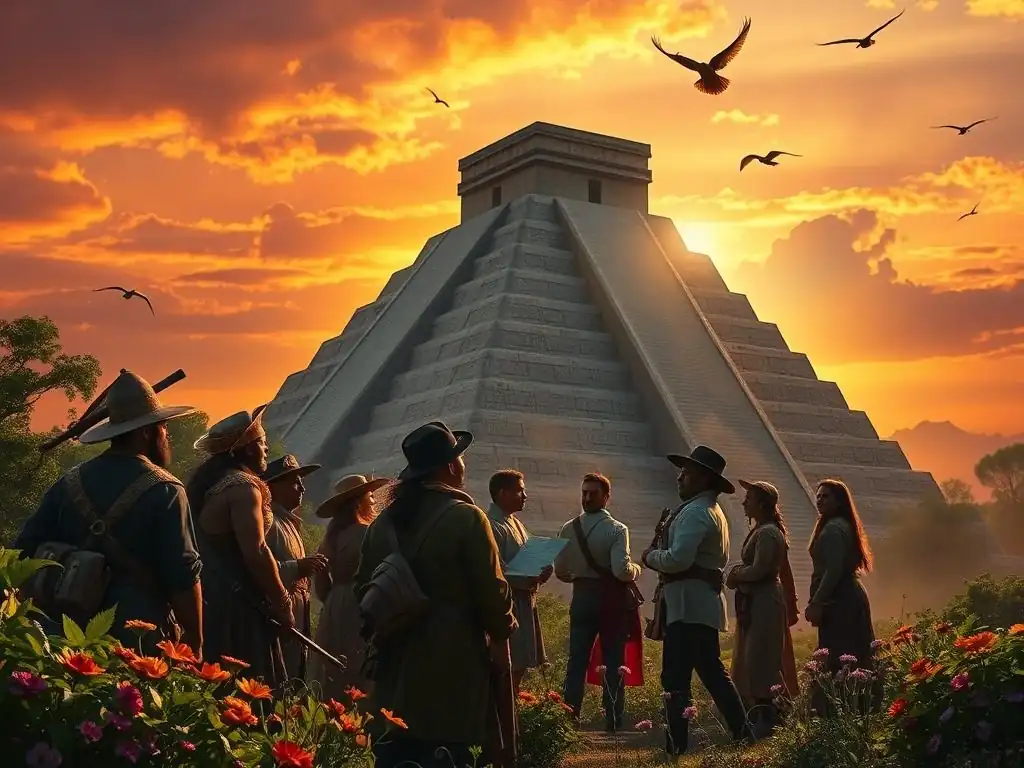
Welcome to Indigenous Civilizations of the Americas, where we invite you to embark on a fascinating journey through the rich tapestry of pre-colonial cultures. In this exploration, we delve into the remarkable Toltec civilization and European explorers, a captivating narrative that reveals the complex interactions between these ancient societies and the advent of European influence. As you navigate through our content, prepare to uncover the achievements and profound legacies of the Toltecs, and discover how their world collided with the ambitions of early explorers.
What secrets lie within this clash of civilizations? Join us as we unravel the stories that shaped history and continue to resonate today.
Introduction to the Toltec Civilization and European Explorers
The interactions between the Toltec civilization and early European explorers mark a significant chapter in the history of the Americas. This period encapsulates a dramatic clash of cultures, ideologies, and practices that shaped the trajectory of indigenous societies following European contact. The Toltecs, a prominent Mesoamerican civilization, flourished from approximately 900 to 1168 CE, known for their impressive architectural feats, artistic expressions, and complex social structures.
In contrast, European explorers, arriving in the late 15th and early 16th centuries, brought with them ambitions of conquest and colonization that would irreversibly alter the landscape of the Americas. This article delves into the intricate dynamics between the Toltecs and these early explorers, exploring their respective histories, achievements, and the profound impacts of their encounters.
Overview of the Toltec Civilization
The Toltec civilization is often regarded as a precursor to the Aztec Empire, influencing the cultural and political development of later Mesoamerican societies. Centered in what is now central Mexico, the Toltecs established their capital at Tula, a city renowned for its monumental architecture and sophisticated urban planning. The civilization is distinguished by its elaborate stone carvings, particularly the iconic warrior statues that symbolize Toltec militarism and spirituality.
Key aspects of the Toltec civilization include:
- Religion: The Toltecs practiced a polytheistic religion, worshipping deities associated with agriculture, war, and creation. The god Quetzalcoatl, often depicted as a feathered serpent, played a central role in their mythology.
- Economy: The economy was primarily agrarian, bolstered by trade networks that extended throughout Mesoamerica, facilitating the exchange of goods such as obsidian, textiles, and agricultural products.
- Art and Architecture: Toltec artistry is characterized by intricate sculptures and murals that reflect their religious beliefs and societal values. Their architectural style laid the groundwork for later Mesoamerican civilizations.
Introduction to European Explorers in the Americas
The arrival of European explorers in the Americas marked a pivotal moment in world history. During the Age of Exploration, various European nations sought new trade routes and territories, leading to encounters with established indigenous civilizations. Notable explorers such as Hernán Cortés and Francisco Pizarro embarked on expeditions that would ultimately reshape the Americas.
The motivations behind European exploration included:
- Economic Gain: The pursuit of gold, silver, and other valuable resources drove explorers to venture into uncharted territories.
- Religious Conversion: Many explorers viewed their missions as a means to spread Christianity and convert indigenous populations.
- Political Power: European nations sought to expand their empires and assert dominance over newly discovered lands.
The Significance of the Encounter Between Toltecs and European Explorers
The encounter between the Toltecs and European explorers represents a crucial intersection of two worlds. While the Toltecs had already declined by the time Europeans arrived, the remnants of their civilization, including their cultural practices and societal structures, had a lasting influence on indigenous societies that persisted through European contact.
This encounter is significant for several reasons:
- Cultural Exchange: The mingling of Toltec and European ideas led to the hybridization of cultures, seen in art, religion, and social practices.
- Conflict and Resistance: As European powers sought to impose their dominance, remnants of Toltec culture and their descendants often resisted colonization, leading to conflicts that would shape the region's history.
- Legacy: The legacies of both the Toltec civilization and European explorers continue to influence contemporary understandings of identity, culture, and history in the Americas.
Historical Context of the Toltec Civilization
Timeline of the Toltec Civilization
The history of the Toltec civilization can be mapped through key periods and events that highlight its rise, flourishing, and eventual decline:
| Year | Event |
|---|---|
| 900 CE | Emergence of the Toltec civilization |
| 1150 CE | Height of Toltec power and cultural influence |
| 1168 CE | Decline of the Toltec civilization |
| 1500s CE | European explorers begin to arrive in the Americas |
Major Achievements of the Toltecs
The Toltecs made significant contributions to Mesoamerican culture, which can be categorized as follows:
- Architectural Innovations: The construction of impressive pyramids and ceremonial centers, such as those found at Tula.
- Artistic Contributions: Mastery in stone carving and the creation of intricate murals depicting mythological scenes.
- Cultural Influence: Establishment of trade routes that allowed for the exchange of ideas and goods across Mesoamerica.
Social Structure and Cultural Practices of the Toltecs
The social structure of the Toltec civilization was complex and hierarchical, consisting of various classes:
- Nobility: The ruling elite, often associated with religious and political power.
- Warriors: A prestigious class known for their military exploits and defense of the civilization.
- Artisans and Merchants: Skilled craftsmen and traders who contributed to the economy and cultural life.
- Commoners: The majority of the population engaged in agriculture and labor.
Cultural practices were deeply intertwined with their religious beliefs, influencing everything from daily life to monumental ceremonies. The Toltecs are often credited with laying the groundwork for many of the customs and traditions that would later be adopted by the Aztecs, ensuring their place in the historical narrative of Mesoamerica.
The Arrival of European Explorers
The arrival of European explorers in the Americas marked a significant turning point in the history of indigenous civilizations, including the Toltec civilization. Beginning in the late 15th century, these encounters initiated a series of events that would drastically alter the social, political, and economic landscapes of the Americas. European nations, driven by a desire for new trade routes, wealth, and territorial expansion, set their sights on the rich cultures of the indigenous peoples.
The first significant contacts occurred in the early 16th century, with explorers such as Hernán Cortés and Francisco Pizarro leading expeditions that ultimately aimed to conquer and colonize vast territories. These explorers were often motivated by tales of wealth and prosperity, particularly regarding gold and silver, which were rumored to be abundant in the New World. As they ventured into regions once dominated by civilizations like the Toltecs, they encountered a complex tapestry of societies with rich histories, traditions, and achievements.
Key European Explorers and Their Motivations
Several key European explorers played pivotal roles in the early encounters with indigenous civilizations, each driven by distinct motivations:
- Hernán Cortés: Perhaps the most infamous of the Spanish conquistadors, Cortés arrived in the Americas in 1519. His primary motivation was the pursuit of wealth and glory, which led to his conquest of the Aztec Empire. Cortés was drawn to tales of gold and riches, which fueled his ambitions and ultimately set the stage for further exploration and colonization.
- Christopher Columbus: While he is often credited with 'discovering' the Americas in 1492, Columbus's expeditions were driven by the quest for a western route to the East Indies. His initial encounters with indigenous peoples laid the groundwork for subsequent exploration and exploitation of the continent.
- Francisco Pizarro: Following in Cortés’s footsteps, Pizarro's expeditions in the 1530s focused on the Inca Empire. His motivations were similar, centered around acquiring wealth and establishing Spanish dominance in South America.
- John Cabot: An early Italian explorer sailing under an English flag, Cabot's voyages in the late 15th century aimed to claim land for England and discover new trade routes. His explorations contributed to the growing European interest in North America.
These explorers’ ambitions were often intertwined with the broader goals of their respective nations, leading to competition for resources and territory, and ultimately resulting in the profound transformation of indigenous societies.
The Impact of European Exploration on Indigenous Cultures
The impact of European exploration on indigenous cultures, including the Toltecs, was profound and multifaceted. The arrival of explorers introduced new diseases, technologies, and ideologies that dramatically altered the lives of indigenous peoples.
- Diseases: European explorers brought with them diseases such as smallpox and influenza, to which indigenous populations had no immunity. This resulted in catastrophic epidemics that decimated communities across the Americas, leading to significant population declines.
- Cultural Disruption: The encounters led to a clash of cultures, as European explorers often imposed their beliefs, languages, and customs on indigenous societies. This cultural imperialism undermined traditional systems, leading to the erosion of indigenous identities and practices.
- Economic Changes: The introduction of European trade practices and mercantilism disrupted traditional economic systems. The Toltecs and other indigenous groups were often forced into new trading relationships that prioritized European goods over traditional local exchanges.
- Social Changes: The hierarchical structures of European societies clashed with the more egalitarian social systems of indigenous cultures, leading to conflicts over land and resources. These changes often resulted in the subjugation and exploitation of indigenous peoples.
Initial Encounters Between Toltecs and European Explorers
While the Toltec civilization had largely declined before significant European exploration, the legacy of their culture would nonetheless influence initial encounters. The remnants of Toltec society, characterized by impressive architectural structures and artistic achievements, encountered European explorers who were eager to understand and exploit the remnants of this once-powerful civilization.
The first significant European contact with the remnants of the Toltec civilization occurred during the expeditions of the early 16th century. Explorers like Cortés noted the impressive ruins of Toltec architecture, such as those found at Tula, and often misinterpreted these sites, attributing them to other cultures.
The explorers’ initial encounters were marked by a mix of curiosity and hostility. The misunderstandings regarding the nature of Toltec society led to a lack of respect for their traditions and beliefs. As Europeans sought to assert dominance, the initial interactions were often fraught with tension, setting the stage for further conflicts.
The Clash of Cultures: Toltecs vs. European Explorers
The clash of cultures between the Toltecs and European explorers was characterized by profound differences in beliefs, economic systems, and modes of communication. These differences fueled misunderstandings and conflicts that would have lasting repercussions on the indigenous populations.
Differences in Worldviews: Toltec Beliefs vs. European Ideologies
At the heart of the cultural clash were fundamentally different worldviews. The Toltecs held a rich spiritual belief system deeply connected to nature, the cosmos, and their ancestors. Their worldview emphasized harmony, balance, and the interconnectedness of all living things.
In contrast, European explorers often approached the New World through a lens of superiority, viewing indigenous beliefs as primitive or inferior. The European worldview was predominantly influenced by Christianity, which emphasized a dualistic view of good versus evil, often leading to a dismissive attitude towards the spiritual practices of the Toltecs.
These differing worldviews led to conflicts over land use, religious practices, and social structures. The imposition of European ideologies disregarded the complexities of Toltec spirituality and governance, resulting in a cultural disintegration that would echo through history.
Economic Systems: Toltec Trade and European Mercantilism
The economic systems of the Toltecs and European explorers were starkly different, leading to further tensions during their encounters. The Toltecs engaged in extensive trade networks that were characterized by mutual benefit and respect for local resources. Their economy was based on a system of barter, which involved the exchange of goods and services within a community-oriented framework.
In contrast, European explorers operated under a mercantilist system that prioritized the accumulation of wealth for the mother country. This economic model often resulted in exploitation, as Europeans sought to extract resources for export rather than engage in equitable trade with indigenous peoples. The introduction of crops and livestock from Europe also altered local economies, disrupting traditional practices and leading to shifts in agricultural production.
The clash of these economic systems not only fueled conflict but also led to the marginalization of indigenous trade networks and practices, further entrenching European dominance.
Communication Barriers and Misunderstandings
Communication barriers between the Toltecs and European explorers played a significant role in shaping their interactions. Language differences and cultural misunderstandings often led to misinterpretations of intent and meaning.
For instance, European explorers frequently underestimated the sophistication of Toltec society, viewing their customs and practices through a Eurocentric lens. This lack of understanding created an environment ripe for conflict, as explorers often imposed their own narratives onto indigenous practices without recognizing their significance.
Additionally, the absence of a common language complicated negotiations and interactions. Attempts at diplomacy were often marred by miscommunication, leading to distrust and hostility. The resulting misunderstandings not only affected individual encounters but also contributed to broader patterns of exploitation and colonization.
The clash of cultures between the Toltecs and European explorers was marked by profound differences in worldviews, economic practices, and communication styles. This cultural friction resulted in significant changes for both the explorers and the indigenous peoples they encountered, shaping the course of history in the Americas.
Consequences of the Encounter
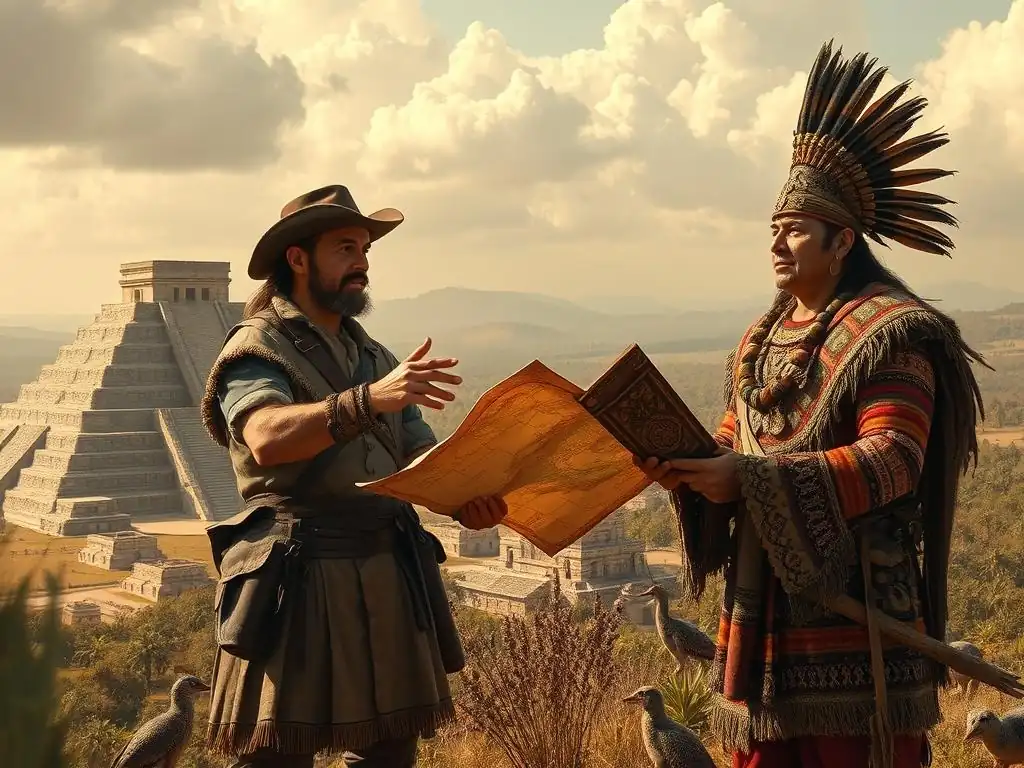
The encounter between the Toltec civilization and early European explorers marked a significant turning point in the history of the Americas. This clash of civilizations had profound consequences that shaped the trajectory of indigenous societies and their cultural heritage. The interactions between the Toltecs and Europeans initiated a complex process of exchange, conflict, and transformation, leading to both immediate and long-lasting effects.
Short-term Impacts on the Toltec Civilization
In the short term, the arrival of European explorers brought about dramatic changes for the Toltec civilization. The immediate effects were often detrimental, as the Toltecs faced violence, disease, and disruption of their social structures.
- Violence and Conquest: European explorers, motivated by conquest and colonization, often viewed indigenous societies as obstacles to their ambitions. This led to conflicts that decimated local populations.
- Introduction of Diseases: Europeans inadvertently introduced new diseases such as smallpox, which had devastating effects on the Toltec population, leading to significant mortality rates and weakening their societal frameworks.
- Cultural Disruption: The influx of Europeans disrupted traditional practices and governance, as the Toltecs were forced to adapt to new power dynamics and economic systems imposed by foreign entities.
Long-term Effects of European Colonization on Indigenous Societies
The long-term effects of European colonization on indigenous societies, including the Toltecs, were profound and multifaceted. These changes reshaped social, cultural, and economic structures for generations to come.
- Cultural Erosion: As European powers established dominance, indigenous cultures, including the Toltec way of life, faced erosion. Many traditional practices, languages, and belief systems were marginalized or lost altogether due to assimilation pressures.
- Land Dispossession: Colonization led to the appropriation of indigenous lands by European settlers, disrupting traditional land use and agricultural practices, which were central to Toltec identity.
- Societal Fragmentation: The imposition of European governance structures often resulted in the fragmentation of indigenous societies, leading to a loss of unity and social cohesion among groups that once thrived together.
Cultural Exchange and Its Implications
Despite the challenges posed by European colonization, the encounter also facilitated a complex cultural exchange that had significant implications for both the Toltecs and their European counterparts.
- Artistic Influence: The interaction led to a blending of artistic styles and techniques. European explorers were often captivated by Toltec art, which influenced their own artistic expressions and documentation of the New World.
- Knowledge Transfer: Exchanges included the sharing of agricultural practices, such as the cultivation of maize and other crops, which were crucial for sustaining populations on both sides.
- Religious Syncretism: The clash of civilizations also sparked a fusion of religious beliefs, as European explorers encountered and sometimes adopted elements of Toltec spirituality, leading to new forms of religious expression.
Legacy of the Toltec Civilization in the Context of European Exploration
The legacy of the Toltec civilization is intricately linked to the era of European exploration, as their achievements and cultural practices continued to influence subsequent generations even amid the tumult of colonization.
The Influence of Toltec Culture on Future Generations
The cultural contributions of the Toltecs have had a lasting impact on the subsequent civilizations in Mesoamerica. Their innovations in art, architecture, and governance left an indelible mark that shaped the identities of later societies.
- Architectural Innovations: The Toltec use of monumental architecture, including pyramids and temples, inspired future civilizations such as the Aztecs, who adopted and adapted Toltec designs.
- Cultural Narratives: The myths and legends of the Toltecs were woven into the fabric of later Mesoamerican cultures, influencing their storytelling traditions and religious practices.
Preservation of Toltec Heritage Amidst European Encroachment
Despite the overwhelming pressures of colonization, elements of Toltec heritage persisted, showcasing the resilience of indigenous cultures.
- Oral Traditions: Many aspects of Toltec culture were transmitted through oral traditions, ensuring that knowledge and practices were preserved in the face of adversity.
- Cultural Revivals: In contemporary times, there has been a resurgence of interest in Toltec heritage, with efforts to revive traditional practices and promote awareness of their historical significance.
Lessons Learned from the Clash of Civilizations
The encounter between the Toltec civilization and European explorers serves as a poignant reminder of the complexities surrounding cultural interactions.
- Cultural Resilience: The ability of indigenous cultures to adapt and survive despite colonization highlights the resilience of human societies in the face of external pressures.
- Importance of Cultural Understanding: The clash underscores the necessity for empathy and understanding in cross-cultural interactions, emphasizing the value of preserving diverse cultural heritages in today's globalized world.
- Historical Reflection: The events of this period encourage reflection on the consequences of colonization, urging contemporary societies to acknowledge and learn from the past to foster more equitable and respectful relationships among cultures.
Conclusion: Reflections on the Toltec Civilization and European Explorers
The interactions between the Toltec civilization and early European explorers represent a significant moment in history, characterized by cultural exchanges, misunderstandings, and conflicts. The Toltecs, known for their architectural prowess, intricate art, and advanced societal structures, stood as one of the prominent indigenous civilizations in Mesoamerica. Their legacy, however, was profoundly affected by the arrival of European explorers, who brought with them their own cultural narratives and ambitions. These encounters ultimately led to a complex interplay that reshaped the course of history in the Americas.
Summary of Key Points
- Cultural Significance of the Toltecs: The Toltecs are recognized for their contributions to Mesoamerican culture, particularly in areas such as religion, art, and architecture. Their influence extended beyond their time, setting a foundation for subsequent civilizations, including the Aztecs.
- Impact of European Exploration: The arrival of European explorers in the Americas marked a pivotal shift. While they were often in search of wealth and new territories, their expeditions led to both the documentation of indigenous cultures and the beginning of widespread colonization that would alter the socio-political landscape of the continent.
- Interactions and Misunderstandings: The initial encounters between the Toltecs and Europeans were fraught with misunderstandings. European explorers often misinterpreted indigenous customs and beliefs, leading to a narrative that frequently marginalized the complexities of Toltec society.
The Importance of Understanding Indigenous Civilizations in Historical Context
Understanding the Toltec civilization and their interactions with European explorers is crucial in comprehending the broader narrative of indigenous history in the Americas. It highlights the resilience of these civilizations in the face of external pressures and the profound impacts of colonization on their cultures.
Recognizing the achievements of indigenous societies like the Toltecs allows for a more nuanced view of history, one that acknowledges the depth of their contributions and the complexities of their interactions with European powers. This awareness not only enriches our understanding of the past but also informs contemporary discussions about identity, heritage, and cultural preservation among indigenous communities today.
Final Thoughts on the Toltec Legacy and European Contact
The legacy of the Toltec civilization is one of rich cultural heritage, ingenuity, and resilience. Despite the tumultuous encounters with European explorers, the Toltecs left an indelible mark on Mesoamerican civilization. Their advancements in art, architecture, and societal organization continue to be celebrated and studied.
As we reflect on this period of history, it is essential to approach the narrative with sensitivity and respect for the indigenous perspectives that have often been overlooked. Acknowledging the complexities of these interactions fosters a greater appreciation for the Toltec civilization's role in shaping the Americas and serves as a reminder of the importance of preserving indigenous histories.
References and Further Reading on Toltec Civilization and European Explorers
Recommended Books and Articles
- "The Toltec Heritage: Pre-Columbian Art and Culture": by John P. Schaefer – This book provides in-depth insights into Toltec art and cultural practices, offering a comprehensive understanding of their civilization.
- "1491: New Revelations of the Americas Before Columbus": by Charles C. Mann – A groundbreaking exploration of the Americas before European contact, detailing the complexity of indigenous societies, including the Toltecs.
- "The Conquest of New Spain" by Bernal Díaz del Castillo – An eyewitness account of the Spanish conquest, providing context on the interactions between European explorers and indigenous civilizations.
Online Resources for Learning More About Toltecs and European Exploration
- The Smithsonian National Museum of the American Indian – Offers a variety of resources and articles that delve into the history and culture of indigenous peoples, including the Toltecs.
- The Library of Congress: American Memory Collection: – A collection that provides access to primary sources related to the exploration and colonization of the Americas.
- Digital Commons Network – An open-access resource featuring scholarly articles and research on indigenous civilizations, including the impact of European exploration on the Toltec civilization.
These resources serve as valuable tools for anyone interested in deepening their understanding of the Toltec civilization and the broader context of European exploration in the Americas.
- Introduction to the Toltec Civilization and European Explorers
- Historical Context of the Toltec Civilization
- The Arrival of European Explorers
- The Clash of Cultures: Toltecs vs. European Explorers
- Consequences of the Encounter
- Legacy of the Toltec Civilization in the Context of European Exploration
- Conclusion: Reflections on the Toltec Civilization and European Explorers
- References and Further Reading on Toltec Civilization and European Explorers
Frequently Asked Questions
What is the Toltec civilization known for?
The Toltec civilization is recognized for its advanced architectural achievements, including the construction of pyramids and temples, and for its significant influence on later Mesoamerican cultures.
How did early European explorers interact with the Toltecs?
Early European explorers encountered remnants of Toltec culture and often misunderstood their achievements, viewing them through a lens of conquest and colonization.
What lasting impact did the Toltec civilization have on later societies?
The Toltec civilization profoundly influenced later civilizations such as the Aztecs, who adopted many of their cultural practices, religious beliefs, and architectural styles.
Why is the study of the Toltec civilization important today?
Studying the Toltec civilization is crucial for understanding the diversity and complexity of indigenous cultures in the Americas and their contributions to human history.
What challenges did the Toltecs face from European explorers?
The Toltecs faced significant challenges from European explorers who sought to conquer and colonize their lands, leading to the decline of their civilization and the disruption of their cultural heritage.
Final Reflection: Bridging Cultures in the Clash of Civilizations
The exploration of the Toltec civilization and the encounters with early European explorers is not just a historical narrative; it is a profound reminder of the complexities of cultural exchange and conflict. Today, as we navigate a world increasingly defined by globalization and cultural intermingling, understanding these historical interactions helps us appreciate the richness of our shared human experience. The clash of civilizations, as evidenced by the Toltecs and European explorers, reveals the enduring impact of these encounters on our contemporary society.
The legacy of the Toltec civilization continues to resonate in modern discussions about identity, heritage, and cultural preservation. The lessons learned from their interactions with European explorers serve as a crucial lens through which we can examine ongoing issues of cultural appropriation and the preservation of indigenous knowledge. As philosopher Edward Said once noted, “The clash of civilizations is not a clash of cultures, but a clash of understanding.” This highlights the importance of dialogue and mutual respect in fostering a more inclusive and harmonious world.
As we reflect on the lessons from the Toltec civilization and their encounters with European explorers, I invite you to consider how these historical narratives shape your own understanding of cultural diversity today. Let us embrace the complexities of our shared histories and strive to foster connections that honor the past while paving the way for a more inclusive future. By engaging with these stories, we can cultivate a deeper appreciation for the richness of human experience and work towards a world where diverse cultures coexist in harmony.
Unveil the Connections Between Cultures!
Thank you for diving into the fascinating world of the Toltecs and early European explorers. By exploring these rich histories, you've uncovered the intricate ways cultures have interacted and shaped one another. Now, let’s take the next step in this journey of discovery!
- Engage with the Community: Join our forum to share your thoughts on the impact of these two civilizations on modern society.
- Explore Further: Read related articles on our site to deepen your understanding of other Indigenous civilizations.
- Spread the Knowledge: Share this article with friends and invite them to explore the dynamics of cultural exchanges throughout history.
What insights have you gained about the influence of the Toltecs on European explorers? How do you believe these interactions shape our understanding of history today?