
The Toltec Legacy: Lessons from Conquest and Cultural Exchange

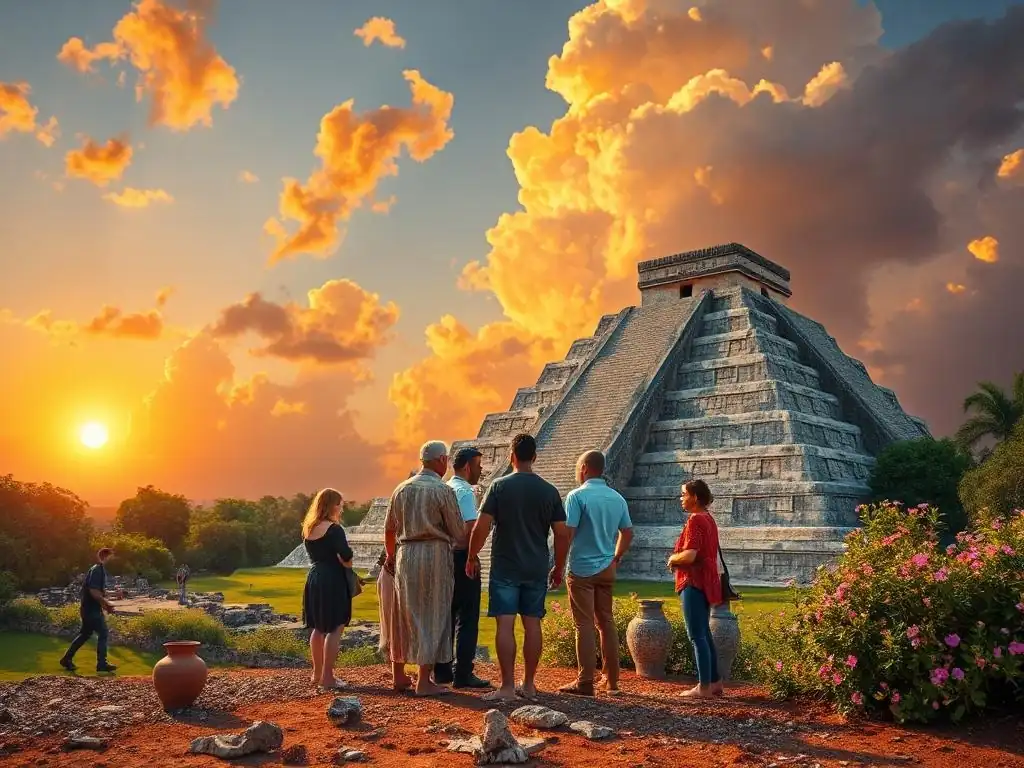
Welcome to Indigenous Civilizations of the Americas, where we invite you to embark on a fascinating journey through the rich tapestry of indigenous cultures that flourished long before European contact. In our featured article, "The Toltec Legacy: Lessons from Conquest and Cultural Exchange," we delve into the profound influence of the Toltec culture—a civilization renowned for its remarkable achievements and enduring legacy.
What can the Toltecs teach us about resilience and adaptation in the face of change? Join us as we unravel the threads of history and explore the vibrant societies that shaped the Americas, igniting your curiosity and broadening your understanding of their incredible stories.
Introduction to Toltec Culture and Legacy
The Toltec civilization played a pivotal role in shaping the cultural landscape of Mesoamerica and left an indelible mark on the history of indigenous peoples in the Americas. Flourishing between approximately 900 and 1168 CE, the Toltecs are often recognized as a precursor to later civilizations, such as the Aztecs. Their rich tapestry of achievements—including advancements in art, architecture, and governance—offers invaluable insights into the dynamics of cultural exchange and conquest. Understanding Toltec culture and legacy is crucial not only for comprehending the past but also for appreciating the enduring influence they have had on contemporary indigenous identities.
Overview of the Toltec Civilization
The Toltec civilization emerged in central Mexico, particularly in the region around Tula, which is considered their ceremonial capital. Characterized by:
- Architectural Innovations: The Toltecs are known for their monumental architecture, including pyramids and temples, which reflect their advanced engineering skills.
- Artistic Expression: Their art, often depicted in stone carvings and pottery, showcases a rich iconography that influenced subsequent cultures.
- Societal Structure: The Toltec society was hierarchical, with a ruling class that governed through a blend of military and religious authority.
This civilization served as a cultural bridge, facilitating the exchange of ideas and practices among various indigenous groups in Mesoamerica.
Importance of Understanding Toltec Contributions
Examining the contributions of the Toltecs allows us to grasp the complexity of indigenous civilizations that predated European contact. Their innovations in governance, trade, and religion not only shaped their society but also laid the groundwork for the thriving cultures that followed. By studying the Toltec legacy, we gain insights into:
- Cultural Resilience: The ways in which indigenous cultures adapted and transformed through interactions with other societies.
- Historical Continuity: The persistence of Toltec influences in later Mesoamerican cultures, particularly in areas such as mythology and artistic styles.
- Lessons in Conquest: Understanding the nuances of Toltec expansion and its implications for contemporary discussions on cultural exchange and colonization.
Historical Context of the Toltec Culture
To fully appreciate the Toltec legacy, it is essential to place their civilization within a broader historical context, examining how their rise and fall were influenced by various factors, including environmental conditions and interactions with neighboring peoples.
Timeline of the Toltec Civilization
The development of the Toltec civilization can be charted through a significant timeline, highlighting key events such as:
- 900 CE: Emergence of the Toltec civilization with the establishment of Tula.
- 10th-12th Century: Peak of Toltec power and influence, marked by extensive trade networks and military conquests.
- 1168 CE: Decline of the Toltec civilization, attributed to internal strife and external pressures.
This timeline illustrates the dynamic nature of Toltec society and the factors that contributed to its eventual decline.
Geographical Influence of the Toltecs
The geographical reach of the Toltecs was extensive, impacting regions far beyond their heartland in central Mexico. Their influence can be seen in:
- Trade Routes: Control over key trade routes facilitated economic exchanges with other Mesoamerican cultures.
- Cultural Diffusion: The spread of Toltec artistic styles and religious practices across various regions, shaping the cultural identities of neighboring civilizations.
Understanding the geographical influence of the Toltecs helps illuminate the interconnectedness of Mesoamerican societies.
Key Historical Figures in Toltec Society
Several prominent figures emerged during the Toltec period, each contributing to the civilization's legacy:
- Topiltzin Quetzalcoatl: A legendary ruler associated with the feathered serpent deity, symbolizing wisdom and cultural flourishing.
- Tlacaelel: An influential military leader and advisor who played a crucial role in expanding Toltec influence and integrating various cultures within the empire.
These figures exemplify the complexities of Toltec leadership and their contributions to the society's enduring legacy. Understanding their roles provides a glimpse into the dynamics of power, belief, and cultural identity within the Toltec civilization.
The Impact of Conquest on Toltec Culture
The conquest of the Americas by European powers had profound repercussions for the indigenous cultures, including the Toltecs. Despite the fact that the Toltec civilization had already declined by the time of European contact, the remnants of their culture were significantly impacted by the arrival of Spaniards. The legacy of the Toltecs, rooted in their achievements in architecture, art, and social organization, faced both transformation and erosion as new influences intermingled with traditional practices.
Overview of Conquest and Its Effects on Indigenous Societies
The conquest of indigenous societies in the Americas marked a dramatic shift in their social, political, and economic structures. European colonizers brought with them not only military power but also new ideologies, religion, and technologies. This resulted in the disruption of existing social orders, leading to the collapse of many indigenous civilizations. The introduction of European diseases, which decimated populations, compounded these effects, resulting in a significant loss of life and cultural knowledge. For the Toltecs and other indigenous groups, this meant a painful transition as they navigated the complexities of survival amidst overwhelming external pressures.
Specific Changes in Toltec Society Due to European Contact
Although the Toltec civilization itself was in decline by the time of European contact, the effects of conquest still reverberated through the communities that identified with their legacy. The imposition of European governance altered traditional leadership structures, leading to the marginalization of indigenous leaders. Additionally, the forced conversion to Christianity resulted in the suppression of traditional religious practices and beliefs.
As a consequence, many Toltec descendants began to adapt their cultural practices to fit within the framework imposed by European colonizers, blending elements of their spirituality with Christian rites. This adaptation reflects a broader phenomenon observed across Mesoamerica, where indigenous groups sought to negotiate their identity in the face of colonial rule.
Loss and Preservation of Toltec Traditions
While many Toltec traditions faced erosion due to conquest, some aspects were preserved, albeit in altered forms. The oral histories and myths of the Toltec civilization, which embodied their worldview and values, were transmitted through generations, often adapted to align with new realities.
Artifacts and architectural styles from the Toltec era continued to inspire subsequent generations, leading to a sense of pride and identity among the descendants. Moreover, the resilience of the Toltec legacy is evident in certain rituals and customs that persisted, showcasing the ability of indigenous cultures to endure and adapt despite the challenges posed by European domination.
Cultural Exchange and Its Role in the Toltec Legacy
Cultural exchange played a crucial role in shaping the legacy of the Toltecs, particularly as they interacted with other Mesoamerican civilizations. This exchange was not merely a one-way transfer of ideas; it involved mutual influence, adaptation, and synthesis, resulting in a rich tapestry of cultural innovation that would resonate long after the fall of the Toltec civilization.
Defining Cultural Exchange in the Context of the Toltecs
Cultural exchange among the Toltecs and neighboring civilizations, such as the Mexica (Aztecs) and other Mesoamerican groups, involved the sharing of beliefs, practices, and technologies. This exchange was facilitated through trade, warfare, and diplomatic relationships. The Toltecs, known for their artistic and architectural prowess, influenced the cultural landscape of Mesoamerica, with their styles and religious practices being adopted and adapted by other groups. The blending of cultures led to a new synthesis that enriched the region's cultural heritage.
Elements of Toltec Culture Influenced by Other Civilizations
The Toltec civilization itself was shaped by earlier cultures, such as the Olmecs and Teotihuacan, from which they inherited architectural styles, religious practices, and artistic techniques. Likewise, after the decline of the Toltecs, their cultural elements continued to influence the Mexica civilization, particularly in art, religion, and social organization. For instance, the iconic Toltec warrior motifs and the reverence for deities such as Quetzalcoatl were integrated into Mexica mythology, showcasing the dynamic nature of cultural exchange within Mesoamerica.
Lasting Cultural Contributions of the Toltecs to Mesoamerica
The contributions of the Toltecs to Mesoamerican culture are significant and enduring. Their architectural innovations, particularly the use of monumental stone carvings and intricate temple designs, set a precedent for later civilizations. The Toltec emphasis on artistry and craftsmanship influenced subsequent artistic movements, evident in the elaborate stonework and murals found in Mexica sites.
Furthermore, the philosophical and religious concepts developed by the Toltecs, particularly regarding duality and the balance of forces, resonate in the spiritual beliefs of many indigenous groups even today. The legacy of the Toltecs serves as a testament to their enduring impact on the cultural foundation of Mesoamerica, illustrating the complex interplay between conquest, adaptation, and cultural resilience.
Lessons from the Toltec Legacy
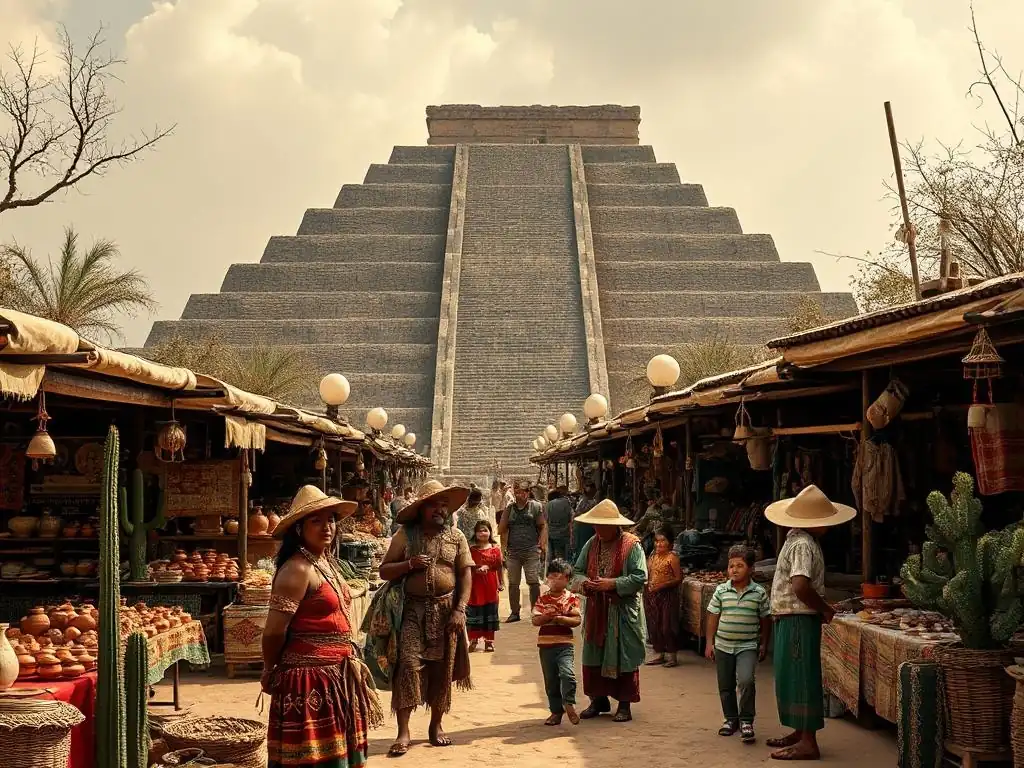
The Toltec civilization, renowned for its significant contributions to Mesoamerican culture, offers profound lessons that resonate through time. Their legacy serves as a testament to resilience, cultural identity, and the complexities of human interactions during periods of conquest and cooperation. Understanding these lessons is crucial for appreciating the depth of indigenous cultures and their ongoing relevance today.
Resilience and Adaptation in Toltec Society
The Toltecs are often celebrated for their ability to navigate the challenges posed by environmental changes, social upheaval, and external threats. Resilience in Toltec society was not merely a response to adversity; it was an integral part of their identity. The Toltecs adapted their agricultural practices to the varied landscapes of central Mexico, utilizing techniques such as chinampas (floating gardens) to maximize crop yields. This adaptability ensured food security and supported a thriving population.
Moreover, the Toltecs demonstrated resilience through their architectural achievements, exemplified by the grand city of Tula. They constructed impressive structures that not only served religious and political purposes but also reflected their artistic sophistication and engineering prowess. The ability to rebuild and innovate in the face of challenges illustrates a core aspect of Toltec culture: the understanding that change is a constant, and adaptability is key to survival.
The Importance of Cultural Identity and Heritage
Cultural identity played a pivotal role in the Toltec civilization, influencing their social structures, religious practices, and artistic expressions. The Toltecs revered their ancestors and maintained a strong connection to their heritage, which fostered a sense of belonging and continuity. This emphasis on cultural identity is evident in their elaborate ceremonies, art, and mythology, where deities and historical figures are often celebrated and commemorated.
Furthermore, the Toltec concept of "toltecayotl," which embodies wisdom and craftsmanship, highlights the significance of cultural knowledge and artistic expression within their society. This notion extends beyond mere survival; it emphasizes the importance of nurturing and transmitting cultural values and practices across generations, ensuring that their legacy endures.
Insights on Conquest and Cooperation among Indigenous Peoples
The history of the Toltecs also provides valuable insights into the dynamics of conquest and cooperation among indigenous peoples. While the Toltecs engaged in military conquests, they also demonstrated an understanding of the importance of alliances and cultural exchange. Their interactions with neighboring cultures were marked by both conflict and collaboration, leading to shared knowledge and cultural enrichment.
For instance, the Toltecs assimilated various aspects of the cultures they encountered, incorporating elements from the Olmec and Teotihuacan civilizations into their own practices. This blending of traditions fostered a rich cultural tapestry and illustrates the notion that cooperation can exist alongside competition. The ability to navigate these complex relationships showcases the Toltec's diplomatic acumen and adaptability.
Conclusion: Reflecting on the Toltec Culture and Legacy
The legacy of the Toltec civilization offers invaluable lessons that extend beyond historical analysis. By reflecting on their resilience, cultural identity, and interactions with other indigenous peoples, we can gain insights into the enduring nature of indigenous cultures and their contributions to the broader narrative of human history.
Summarizing the Key Takeaways from Toltec History
The key takeaways from Toltec history include:
- Resilience and Adaptation: The Toltecs exemplified adaptability in their agricultural practices and architectural achievements, showcasing their ability to thrive in diverse environments.
- Cultural Identity: The emphasis on cultural heritage and communal identity played a crucial role in shaping Toltec society, fostering a sense of belonging and continuity.
- Conquest and Cooperation: Their history illustrates the complexities of indigenous interactions, where conquest did not preclude cooperation and cultural exchange.
The Relevance of Toltec Lessons in Contemporary Indigenous Cultures
The lessons derived from the Toltec legacy continue to resonate in contemporary indigenous cultures. The emphasis on resilience and adaptation is particularly relevant today as many indigenous communities navigate the challenges of modernization and environmental changes. Cultural identity remains a vital aspect of community life, serving as a foundation for preserving traditions and fostering pride among indigenous peoples.
Moreover, the Toltec example of cooperation amid competition can inform current dialogues around collaboration between indigenous communities and other cultural groups. By embracing the lessons from the Toltec civilization, contemporary societies can foster a deeper understanding of cultural heritage and promote a more inclusive narrative that honors the contributions of indigenous peoples throughout history.
Additional Resources on Toltec Culture and Legacy
The exploration of Toltec culture and legacy offers rich insights into the complex societies of Mesoamerica. To deepen your understanding and appreciation of this remarkable civilization, several resources are available, ranging from academic texts to online articles. These resources not only illuminate the characteristics of Toltec society but also contextualize their interactions with neighboring cultures and the impacts of European contact.
Recommended Readings on Toltec Civilization
-
"The Toltecs: The History and Legacy of the Ancient Mesoamerican Civilization" by Charles River Editors
This book provides an accessible overview of the Toltec civilization, detailing their historical context, cultural achievements, and lasting influence on later Mesoamerican societies.
-
"The Fall of the Toltecs: A Historical Perspective" by David Carrasco
Carrasco's work delves into the reasons behind the decline of the Toltec civilization, examining the socio-political factors and the role of conquest and cultural exchange in Mesoamerica.
-
"Toltec Mythology: The Mythic World of the Toltecs" by Susan A. Milbrath
This academic text explores the mythology and religious beliefs of the Toltecs, offering insights into how these narratives shaped their cultural identity and societal structures.
-
"Mesoamerican Civilizations: The Toltecs and Their Influence" by Richard A. Diehl
A comprehensive overview that places the Toltecs within the broader context of Mesoamerican history, highlighting their contributions to art, architecture, and culture.
-
"The Toltec Legacy: An Overview of Their Achievements" by Michael D. Coe
Coe’s work is an exploration of the artistic and architectural achievements of the Toltecs, illustrating their influence on subsequent cultures, particularly the Aztecs.
Links to Related Articles on Indigenous Cultures of the Americas
-
"The Influence of Toltec Art on Aztec Civilization"
This article examines how the artistic traditions of the Toltecs shaped Aztec culture, emphasizing the continuity and transformation of styles and themes.
-
"Cultural Exchange in Pre-Columbian Mesoamerica"
A detailed analysis of how trade and interaction among indigenous cultures, including the Toltecs, facilitated the exchange of ideas, goods, and technologies.
-
"Legacy of Conquest: The Impact of European Contact on Indigenous Societies"
This piece discusses the broader consequences of European colonization on indigenous cultures, including the Toltecs, highlighting resilience and adaptation in the face of change.
-
"Understanding Mesoamerican Civilizations: An Overview"
An insightful introduction to various Mesoamerican societies, providing a comparative perspective that includes the Toltec civilization and its legacy.
-
"Toltec Society: Structure, Economy, and Religion"
This article explores the intricacies of Toltec social organization, economic practices, and spiritual beliefs, offering a comprehensive view of their civilization.
By exploring these recommended readings and related articles, readers can gain a multifaceted understanding of the Toltec culture and its enduring legacy in the context of indigenous civilizations in the Americas.
- Introduction to Toltec Culture and Legacy
- Historical Context of the Toltec Culture
- The Impact of Conquest on Toltec Culture
- Cultural Exchange and Its Role in the Toltec Legacy
- Lessons from the Toltec Legacy
- Conclusion: Reflecting on the Toltec Culture and Legacy
- Additional Resources on Toltec Culture and Legacy
Frequently Asked Questions
What is the Toltec culture known for?
The Toltec culture is known for its advanced architectural achievements, including the construction of pyramids and intricate stone carvings, as well as its influential art and religion.
How did the Toltec legacy influence later civilizations?
The Toltec legacy significantly influenced later civilizations, particularly the Aztecs, who adopted many religious practices, artistic styles, and social structures from the Toltecs.
What were the key achievements of the Toltecs?
The Toltecs are recognized for their military prowess, extensive trade networks, and the development of a rich mythological system that shaped their society and interactions with neighboring cultures.
How did cultural exchange affect the Toltec civilization?
Cultural exchange played a vital role in the Toltec civilization, as they engaged with various groups, which led to the sharing of ideas, technologies, and practices that enriched their own culture.
What lessons can be learned from the Toltec legacy?
The Toltec legacy teaches us about the importance of cultural resilience, adaptation, and the significance of interconnectedness among civilizations in the face of change and conflict.
Final Reflection: Embracing the Wisdom of the Toltec Legacy
The lessons of the Toltec culture and legacy resonate profoundly in today's world, reminding us that the past is not merely a series of events but a rich tapestry of wisdom that shapes our present and future. As we navigate an era marked by rapid change and cultural exchange, the insights gleaned from the Toltecs—who thrived through adaptation and resilience—serve as a beacon of hope and guidance. Their ability to blend conquest with cultural enrichment teaches us that true strength lies not in domination, but in the harmonious integration of diverse perspectives.
The enduring influence of the Toltec legacy is evident in our modern social landscape, where the values of community, respect for nature, and spiritual growth are increasingly recognized as essential for a balanced life. The Toltecs understood the importance of interconnectedness, a principle that is vital as we face global challenges today. As noted by renowned anthropologist Miguel León-Portilla, The Toltecs were not merely conquerors; they were creators of a culture that embraced the beauty of diversity.
This perspective invites us to reflect on how we can cultivate a similar appreciation for the myriad cultures that enrich our lives.
As we conclude this exploration of the Toltec legacy, I invite you to take a moment to reflect on how these ancient teachings can be applied in your own life. Consider how you can embrace the principles of adaptability, respect, and unity in your daily interactions and choices. Let the wisdom of the Toltecs inspire you to foster connections that transcend boundaries, creating a legacy of your own that honors the past while shaping a brighter future for all.
Unveil the Wisdom of the Toltec Legacy!
Thank you for exploring the rich history of the Toltecs and their profound influence on cultural exchange! You've gained insights into lessons that transcend time and geography, and now it’s time to embrace that knowledge.
Here are a few tangible ways you can carry forward your newfound appreciation for the Toltec legacy:
- Join a local cultural group that focuses on teachings from Indigenous cultures to deepen your understanding and connection.
- Explore related literature or documentaries about the Toltecs and other Indigenous civilizations to broaden your perspective.
- Share your insights! Post your thoughts or a summary of what you've learned on social media or in a community forum to inspire others.
How will you apply the timeless lessons of the Toltec civilization in your own life?