
Agriculture and Ancestral Knowledge: The Foundation of Indigenous Food Systems

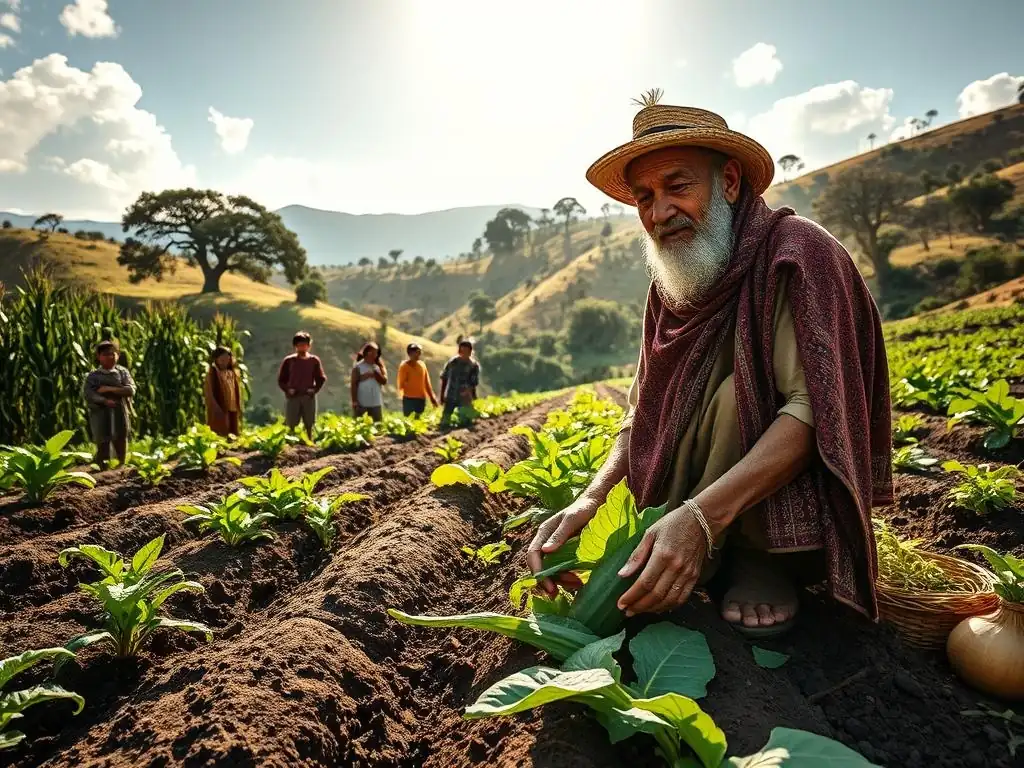
Welcome to Indigenous Civilizations of the Americas, where we invite you to embark on a journey through the rich tapestry of indigenous cultures that flourished long before European contact. Our featured article, “Agriculture and Ancestral Knowledge: The Foundation of Indigenous Food Systems,” delves into the profound history of indigenous food systems, unveiling the intricate relationship between agricultural practices and cultural identity. Discover how these ancient societies not only nurtured the land but also cultivated traditions that resonate to this day.
Join us as we explore the remarkable achievements and enduring legacies that continue to shape our world. Your adventure into the heart of indigenous history begins here!
- Introduction to Indigenous Food Systems History
- The Foundations of Indigenous Agriculture
- Historical Context of Indigenous Food Systems
- The Influence of Ancestral Knowledge on Food Security
- Environmental Adaptations in Indigenous Agriculture
- Challenges Facing Indigenous Food Systems Today
- Revitalizing Indigenous Food Systems
- Conclusion: The Legacy of Indigenous Food Systems History
-
Frequently Asked Questions
- What are the main features of Indigenous food systems?
- How did ancestral knowledge contribute to agriculture in Indigenous cultures?
- What impact did European colonization have on Indigenous food systems?
- Why is the history of Indigenous food systems important today?
- How can we support the revitalization of Indigenous food systems?
- Final Reflection: The Enduring Legacy of Indigenous Food Systems
- Embrace Ancestral Wisdom and Transform Your Food Choices!
Introduction to Indigenous Food Systems History
Indigenous food systems represent a rich tapestry of agricultural practices, environmental knowledge, and cultural traditions that have evolved over thousands of years across the Americas. Before European colonization, indigenous peoples developed unique methods of farming, foraging, and resource management that were deeply intertwined with their cultural identities and spiritual beliefs.
This article aims to delve into the history of these food systems, highlighting their significance in sustaining communities and maintaining ecological balance. As we explore the achievements and adaptations of various indigenous cultures, we will uncover how these historical practices continue to influence contemporary food systems and contribute to biodiversity conservation.
Overview of Indigenous Food Systems
Indigenous food systems are characterized by a profound understanding of local ecosystems and biodiversity, shaped by generations of observation and interaction with the environment. These systems were not merely about sustenance; they encompassed a holistic approach to life that embraced:
- Diverse Crops: Indigenous peoples cultivated a wide variety of crops, including maize, beans, squash, and various tubers, often referred to as the “Three Sisters.” This companion planting technique not only maximized yields but also enhanced soil health and nutrient cycling.
- Foraging Practices: In addition to agriculture, many indigenous groups relied on foraging wild plants, nuts, and berries, creating a balanced diet that reflected seasonal availability.
- Resource Management: Indigenous food systems often included sophisticated methods of land management, such as controlled burns and crop rotation, which promoted ecological resilience and biodiversity.
These practices reflect an intricate knowledge of local climates and ecosystems, enabling indigenous communities to thrive in diverse environments, from the arid deserts of the Southwest to the lush rainforests of the Amazon.
Importance of Ancestral Knowledge in Agriculture
Ancestral knowledge plays a critical role in the development and sustainability of indigenous food systems. This knowledge, passed down through generations, encompasses a wide array of practices and beliefs related to agriculture:
- Sustainable Practices: Indigenous peoples have long understood the importance of sustainable farming techniques that maintain soil fertility and water quality. Practices such as polyculture and agroforestry not only ensure food security but also conserve natural resources.
- Cultural Significance: Agriculture is deeply intertwined with cultural identity and spirituality. Many indigenous communities view farming not just as a means of survival, but as a sacred duty to the land and their ancestors. Rituals and ceremonies often accompany agricultural activities, reinforcing the connection between community and environment.
- Adaptation and Resilience: Traditional ecological knowledge has enabled indigenous peoples to adapt to changing environmental conditions, such as climate variability and soil degradation. This adaptability is crucial for sustaining food systems in the face of modern challenges.
The history of indigenous food systems is a testament to the ingenuity and resilience of indigenous cultures. Their agricultural practices, grounded in ancestral knowledge, provide essential insights into sustainable food production that can inform contemporary approaches to food security and environmental stewardship.
The Foundations of Indigenous Agriculture
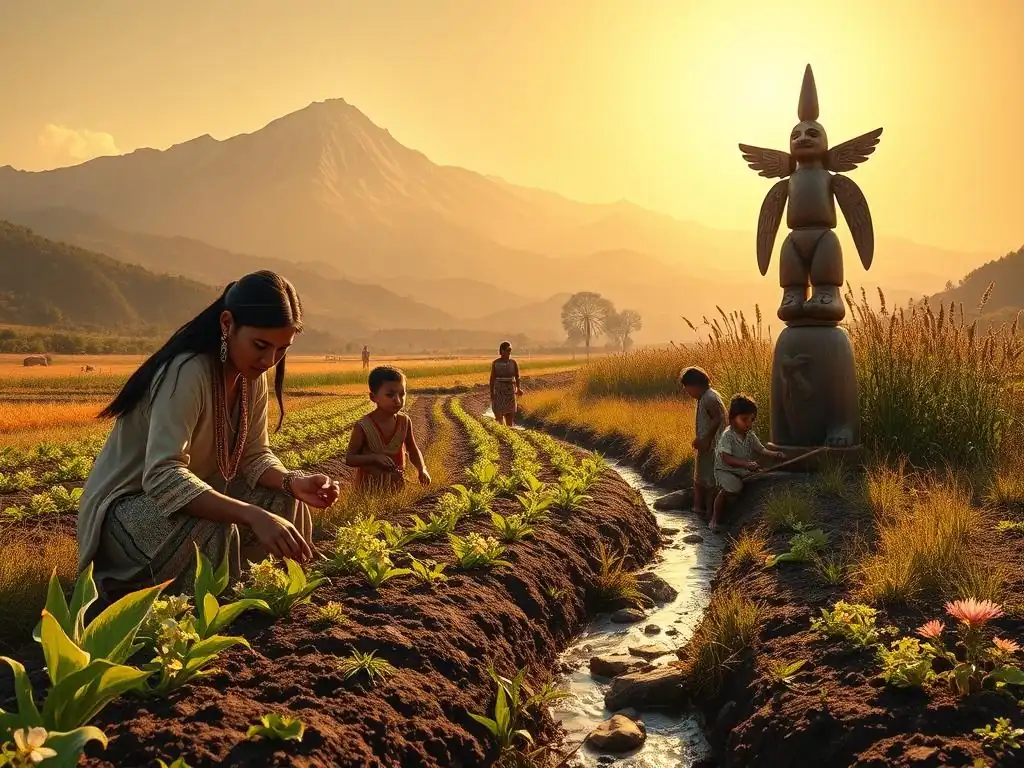
Indigenous agriculture in the Americas serves as a testament to the ingenuity and adaptability of native cultures. Before European colonization, these communities developed sophisticated agricultural systems that not only sustained their populations but also shaped their social structures, economies, and spiritual practices. The foundations of indigenous agriculture are deeply rooted in a profound understanding of local ecosystems, which allowed for the cultivation of a variety of crops that thrived in diverse environments.
The history of indigenous food systems is marked by innovation and sustainability. Indigenous peoples employed a range of techniques to cultivate crops in harmony with their surroundings. They utilized methods such as crop rotation, intercropping, and fallowing, which promoted soil fertility and reduced the risk of pest infestations. These practices were not merely practical; they were deeply embedded in the cultural narratives and community practices that guided agricultural life.
Traditional Agricultural Practices
Traditional agricultural practices among indigenous peoples varied widely across the Americas, reflecting the diverse climates, topographies, and cultural beliefs. For instance, the Three Sisters method, which involves planting corn, beans, and squash together, exemplifies an effective intercropping strategy. This technique takes advantage of the unique growth patterns of each plant:
- Corn provides support for the beans to climb.
- Beans fix nitrogen in the soil, enhancing fertility.
- Squash grows low to the ground, suppressing weeds and retaining moisture.
The knowledge of these practices was often passed down through generations, ensuring that communities maintained a deep connection to their land and its resources. Rituals and ceremonies surrounding planting and harvesting further emphasized the spiritual significance of agriculture.
Crop Diversity and Sustainable Farming Techniques
Indigenous food systems are characterized by remarkable crop diversity, which is essential for resilience against pests, diseases, and climate variability. Many indigenous groups cultivated a wide range of crops, including:
- Maize (Corn)
- Potatoes
- Quinoa
- Amaranth
- Chiles
- Beans
This diversity not only provided nutritional security but also supported ecological balance. Indigenous farmers often practiced agroforestry, integrating trees and shrubs into their agricultural systems, which enhanced biodiversity and provided additional resources such as fruits, nuts, and timber.
Sustainable farming techniques were integral to indigenous agriculture. Practices such as swidden agriculture (also known as slash-and-burn) allowed communities to clear land for cultivation while promoting soil regeneration. These methods were guided by a deep understanding of the seasonal cycles and the ecological relationships within their environments.
Role of Ancestral Knowledge in Crop Selection
Ancestral knowledge plays a pivotal role in the history of indigenous food systems. Indigenous peoples developed an intimate understanding of their local environments, which informed their crop selection and cultivation practices. This knowledge encompasses a wealth of information regarding:
- Soil types
- Water sources
- Climate conditions
- Pest behavior
For instance, many communities utilized local landraces, or traditional varieties of crops, that were well-adapted to specific conditions in their regions. This practice not only preserved genetic diversity but also ensured that crops could withstand local challenges, such as drought or flooding.
The preservation and transmission of this knowledge were often rooted in community traditions, oral histories, and educational practices. Elders played a crucial role in teaching younger generations about sustainable practices and the spiritual significance of their agricultural activities. By valuing and maintaining this ancestral knowledge, indigenous communities continue to uphold the resilience and sustainability of their food systems today.
The foundations of indigenous agriculture are built upon traditional practices, crop diversity, and ancestral knowledge, illustrating a rich history of indigenous food systems that not only nourished communities but also fostered a deep respect for the land and its resources. The legacy of these systems continues to inform contemporary agricultural practices and highlights the importance of sustainability in food production.
Historical Context of Indigenous Food Systems
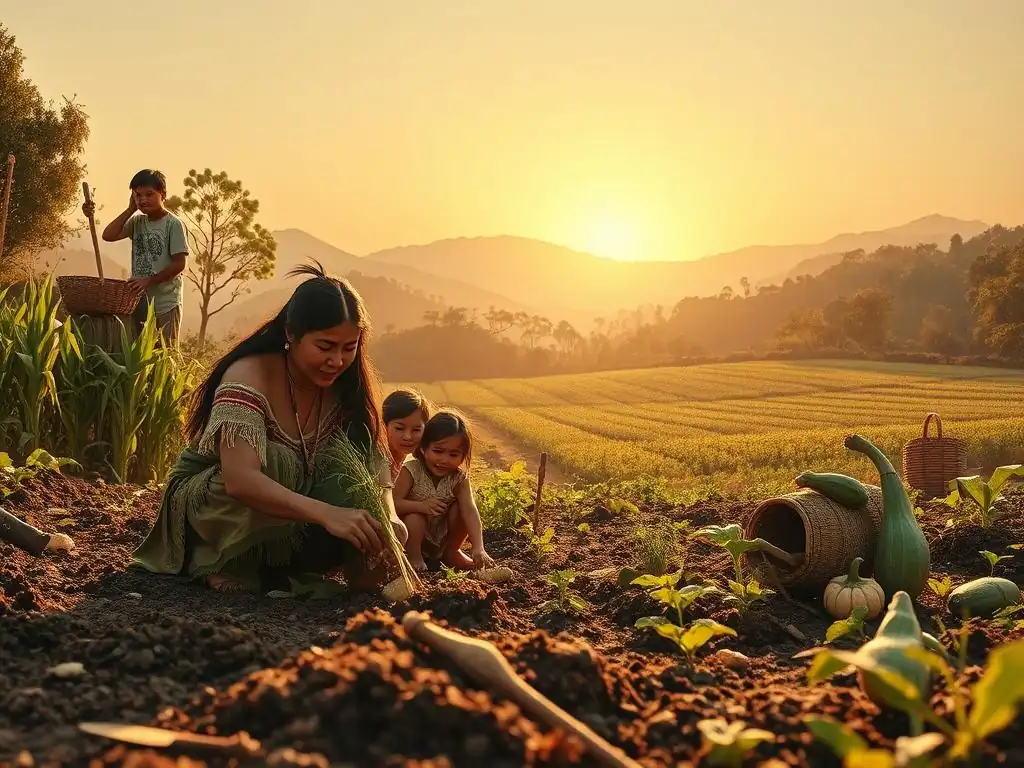
Pre-Colonial Agricultural Innovations
Indigenous food systems in the Americas are deeply rooted in a rich history of agricultural innovations that predate European colonization. These innovations were not merely responses to environmental challenges but were also reflections of the diverse cultures and societies that developed them.
One of the most significant advancements was the domestication of native crops. For instance, the Three Sisters—corn, beans, and squash—were cultivated together, creating a sustainable agricultural system. This method not only maximized land use but also improved soil fertility through complementary planting. Corn provided a structure for beans to climb, while beans enriched the soil with nitrogen, and squash spread across the ground to inhibit weeds. This symbiotic relationship exemplifies the sophisticated understanding Indigenous peoples had regarding ecological balance.
Additionally, Indigenous communities employed techniques such as slash-and-burn agriculture, which involved clearing small areas of forest to cultivate crops. This method allowed for nutrient-rich soil, but also required careful management to prevent over-exploitation of the land. The use of raised field agriculture in wetland areas, particularly by the ancient Maya, highlights the ingenuity in adapting to various landscapes. These raised fields helped manage water levels and improved crop yields.
Regional Variations in Indigenous Agriculture
The diversity of Indigenous food systems across the Americas is a testament to the various environmental conditions and cultural practices that shaped them. Each region developed unique agricultural practices tailored to local climates, soils, and ecosystems.
1. Mesoamerica
In Mesoamerica, the cultivation of maize was central to the diet and culture. The Maya and Aztec civilizations developed extensive agricultural systems that included terraces and irrigation to manage the challenging terrain. The Maya utilized swidden agriculture, rotating fields to maintain soil fertility, while the Aztecs constructed chinampas, floating gardens that provided a highly productive environment.
2. Northwest Coast
On the Northwest Coast, Indigenous peoples relied on a combination of fishing, hunting, and foraging, with agriculture playing a smaller role. However, they cultivated crops like potatoes and various berries in small plots, often using sophisticated techniques that maximized yield in the region's moist climate.
3. Great Plains
The Great Plains’ Indigenous peoples, such as the Lakota and Cheyenne, were primarily nomadic, following bison herds. However, they practiced small-scale farming when settled, growing crops like sunflowers and squash. Their agricultural practices were closely linked to their seasonal movements and hunting strategies.
4. Andean Region
In the Andean region, the Inca civilization excelled in agriculture through the use of advanced techniques such as terrace farming and irrigation. They cultivated a wide variety of crops, notably potatoes and quinoa, which were crucial to their diet and trade networks.
Case Studies of Successful Indigenous Farming Communities
The effectiveness of Indigenous food systems can be exemplified through various case studies that demonstrate resilience, sustainability, and community cohesion.
1. The Iroquois Confederacy
The Iroquois Confederacy, composed of several tribes in the northeastern United States, exemplified successful agricultural practices. Their sophisticated governance system, known as the Great Law of Peace, supported communal land management and agricultural cooperation. The Iroquois cultivated the Three Sisters method extensively, leading to stable food supplies and cultural cohesion.
2. The Aymara of the Andes
In the Andean region, the Aymara people developed intricate agricultural systems that included altiplano farming. They cultivated potatoes at high altitudes and used freeze-drying techniques to preserve food for lean seasons. Their knowledge of microclimates and soil types allowed them to thrive in a challenging environment.
3. The Hopi of the Southwestern United States
The Hopi tribe is renowned for its dry farming techniques in arid environments. Utilizing methods such as water catchment systems and mulching, they successfully cultivated crops like corn and beans with minimal water. Their farming practices are deeply intertwined with cultural ceremonies and spiritual beliefs, showcasing the importance of agriculture beyond mere sustenance.
The history of Indigenous food systems is a testament to the ingenuity and adaptability of these cultures. From Mesoamerica to the Andes, Indigenous peoples developed agricultural practices that were not only innovative but also sustainable, ensuring their survival and cultural continuity long before European contact.
The Influence of Ancestral Knowledge on Food Security
Understanding Food Sovereignty in Indigenous Cultures
Food sovereignty is a concept that emphasizes the right of peoples to define their own food systems, which is particularly significant in Indigenous cultures. This principle is rooted in a deep understanding and respect for local ecosystems, traditional agricultural practices, and the cultural significance of food. Indigenous communities have cultivated a unique relationship with the land, which has evolved over thousands of years.
- Cultural Significance:
- Indigenous food systems are not merely economic activities but are integral to the identity and cultural heritage of these communities. Traditional foods often carry deep spiritual meanings and are linked to ancestral practices that foster a sense of belonging and community.
- Biodiversity and Sustainability:
- Many Indigenous cultures prioritize biodiversity as a cornerstone of food sovereignty. The cultivation of a variety of crops, known as polyculture, allows for resilience against pests, diseases, and climate variability. For example, the "Three Sisters" farming method, which combines corn, beans, and squash, exemplifies how different crops can support each other’s growth and sustainability.
- Traditional Ecological Knowledge (TEK):
- TEK encompasses the wisdom and practices passed down through generations that inform sustainable land management. This knowledge includes understanding seasonal cycles, soil health, and natural pest control methods, which are critical for maintaining food security.
The Role of Community and Collective Farming
Community and collective farming practices are fundamental in Indigenous food systems, promoting cooperation and shared responsibility among community members. This collective approach has several advantages:
- Shared Resources: Communities often pool resources, such as land and tools, to cultivate larger plots of land, which can lead to increased yields and reduced labor costs.
- Cultural Engagement: Collective farming fosters a sense of community and reinforces cultural practices. Gathering for planting and harvesting is often a communal event, strengthening social bonds and cultural identity.
- Knowledge Exchange: Working together allows for the exchange of agricultural knowledge and techniques, ensuring that traditional practices are preserved and adapted to contemporary challenges.
- Resilience: Collective farming enhances food security by diversifying crops and sharing the risks associated with agriculture. This communal approach enables communities to better withstand environmental changes and economic pressures.
Lessons from Indigenous Food Systems for Modern Agriculture
Indigenous food systems offer valuable insights for modern agricultural practices, particularly in the context of sustainability and resilience.
- Agroecological Practices:
- Modern agriculture can benefit from the agroecological techniques employed by Indigenous peoples, such as crop rotation, intercropping, and permaculture. These methods promote soil health, reduce reliance on chemical fertilizers, and enhance biodiversity.
- Sustainable Resource Management:
- The emphasis on sustainable practices within Indigenous food systems can inform contemporary approaches to resource management. For instance, water conservation techniques and the preservation of native plant species are essential in developing resilient agricultural systems.
- Cultural Reconnection:
- Incorporating Indigenous knowledge into modern agricultural education can foster a deeper understanding of the cultural significance of food. This helps in creating a food system that respects diversity and promotes health and well-being across communities.
- Policy Implications:
- Recognizing and supporting Indigenous food systems within policy frameworks can lead to more equitable food systems. This includes advocating for land rights, access to traditional territories, and the integration of Indigenous practices in agricultural policies.
By learning from the rich history and practices of Indigenous food systems, modern agriculture can move towards a more sustainable and culturally-informed future, ensuring food security for generations to come.
Environmental Adaptations in Indigenous Agriculture
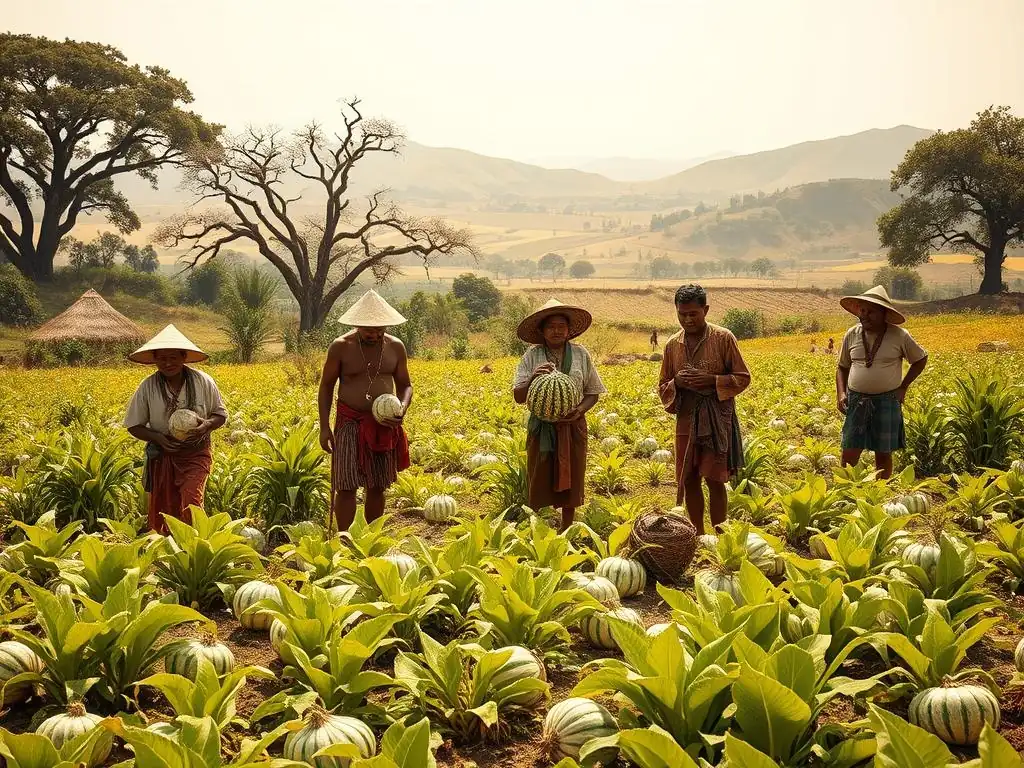
Indigenous food systems history is deeply intertwined with the environmental adaptations developed by various cultures across the Americas. Indigenous peoples cultivated diverse agricultural practices that reflected their intimate knowledge of local ecosystems. This environmental stewardship not only ensured the sustainability of their food sources but also fostered resilience against changing climatic conditions and ecological challenges.
Techniques for Soil Conservation and Management
Indigenous agricultural practices often incorporated sophisticated techniques for soil conservation and management that are still revered today. These techniques not only enhanced soil fertility but also preserved the integrity of the land over generations.
- Agroforestry: Many Indigenous cultures practiced agroforestry, integrating trees and shrubs with crops. This approach not only provided shade and shelter for crops but also enhanced biodiversity and prevented soil erosion.
- Raised Beds: In regions like the Amazon, Indigenous groups utilized raised beds to cultivate crops. This method improved drainage, reduced soil compaction, and allowed for better temperature regulation, particularly in flood-prone areas.
- Crop Rotation and Companion Planting: Indigenous farmers understood the importance of planting diverse crops and rotating them seasonally. Companion planting, where certain crops are grown together for mutual benefit (e.g., the “Three Sisters” of corn, beans, and squash), is a prime example of this knowledge, promoting soil health and pest management.
- Use of Organic Amendments: Many Indigenous communities relied on natural fertilizers, such as fish emulsion or animal manure, to enrich their soils. This practice not only improved soil fertility but also minimized reliance on synthetic fertilizers, preserving the ecosystem.
Water Resource Management in Indigenous Practices
Water management is crucial for successful agriculture, and Indigenous peoples developed innovative methods to harness and conserve water resources in diverse environments.
- Terracing: In mountainous regions, Indigenous groups constructed terraces to slow water runoff and maximize water retention. This technique reduced soil erosion and made steep landscapes more arable.
- Irrigation Systems: The Ancestral Puebloans of the American Southwest engineered intricate irrigation systems, utilizing canals and check dams to divert and store water from rivers, enabling them to cultivate crops in arid conditions.
- Wetland Agriculture: Indigenous communities in the Great Lakes region practiced wetland agriculture, utilizing the natural flooding and draining cycles to cultivate crops. This sustainable method capitalized on the unique hydrology of the area, promoting biodiversity and soil health.
- Water Harvesting: Rainwater harvesting techniques, such as the construction of small ponds and cisterns, were employed by many Indigenous cultures to collect and store precipitation for agricultural use, particularly in regions with irregular rainfall patterns.
Adapting to Climate Change through Ancestral Knowledge
Indigenous food systems history reveals a wealth of knowledge regarding adaptation to climate variability, passed down through generations. This ancestral knowledge remains relevant in the context of contemporary climate change.
- Diverse Crop Varieties: Indigenous farmers cultivated a wide range of crop varieties, each suited to different microclimates. This biodiversity provided resilience against pests, diseases, and harsh weather conditions.
- Seasonal Knowledge: Indigenous cultures had a profound understanding of seasonal patterns and natural indicators, which informed planting and harvesting times. This knowledge facilitated adaptation to shifting climatic conditions.
- Traditional Ecological Knowledge (TEK): TEK encompasses the cumulative body of knowledge that Indigenous peoples have developed over millennia regarding their local environments. This knowledge includes insights into sustainable practices, resource management, and ecosystem interrelationships.
- Cultural Practices and Spirituality: Many Indigenous communities integrate cultural rituals and spiritual beliefs into their agricultural practices, fostering a deep connection to the land. This holistic approach encourages sustainable stewardship and community resilience in the face of environmental changes.
The environmental adaptations employed by Indigenous cultures in their agricultural practices underscore a profound understanding of their ecosystems. The techniques for soil conservation, water management, and adaptations to climate change reflect a rich history of Indigenous food systems that continues to influence sustainable practices today.
Challenges Facing Indigenous Food Systems Today
Impact of Colonization on Traditional Agricultural Practices
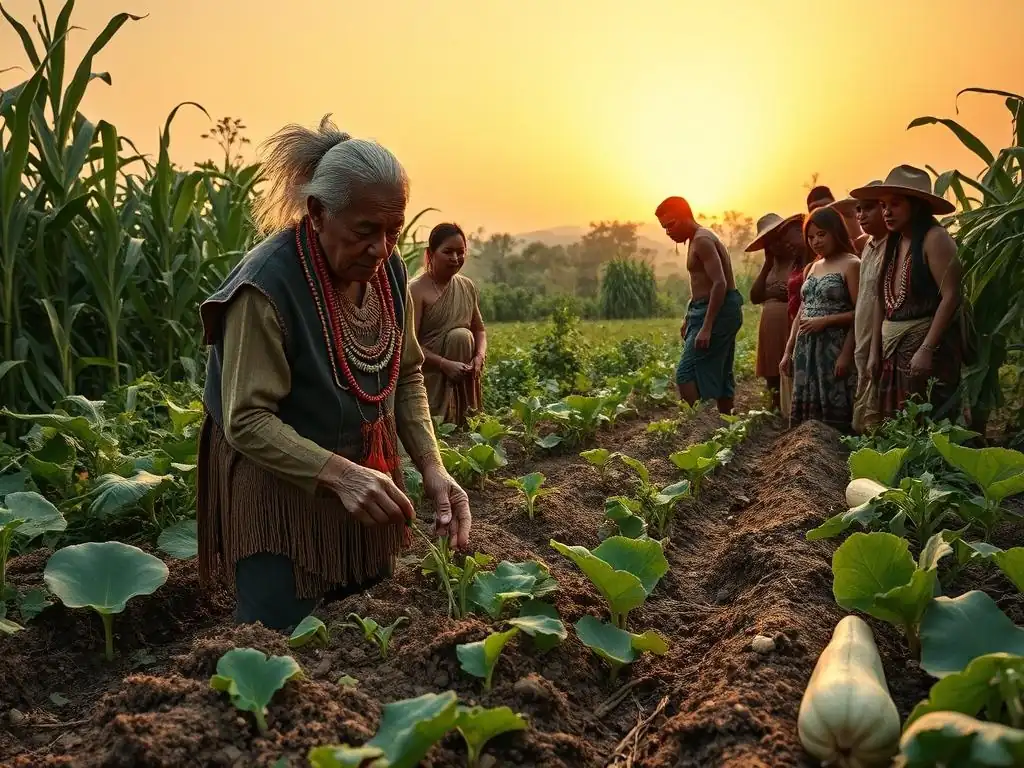
The impact of colonization on indigenous food systems is profound and far-reaching. European colonizers introduced new agricultural practices, crops, and livestock that disrupted traditional methods and crop varieties. Before colonization, indigenous peoples cultivated a diverse array of plants, utilizing techniques honed over thousands of years. This included the famous "Three Sisters" method, which involved planting corn, beans, and squash together to enhance soil fertility and crop yield.
However, with colonization came the introduction of monoculture practices, which emphasized the cultivation of single crops over diverse ecosystems. This shift not only diminished biodiversity but also eroded the ancestral knowledge surrounding indigenous agricultural practices. Colonizers often disregarded indigenous methods as inferior, leading to a loss of traditional cultivation techniques and a shift away from sustainable practices that had been in place for generations.
Furthermore, land dispossession played a critical role in the decline of indigenous food systems. Colonizers seized vast tracts of land, disrupting the agricultural practices that indigenous communities had developed in harmony with their environment. This loss of land not only affected food production but also severed the cultural ties that indigenous peoples had with the land, as agriculture was deeply intertwined with their spiritual and social identities.
Modern Agricultural Practices vs. Indigenous Methods
The contrast between modern agricultural practices and indigenous methods highlights significant differences in philosophy and sustainability. Modern agriculture often relies heavily on chemical fertilizers, pesticides, and genetically modified organisms (GMOs) to maximize yields. While these practices can be efficient in the short term, they often lead to soil degradation, loss of biodiversity, and adverse environmental impacts.
In contrast, indigenous food systems are characterized by a holistic approach that emphasizes balance and sustainability. Indigenous farmers practice polyculture, integrating various crops and livestock to create resilient ecosystems. This not only enhances biodiversity but also promotes soil health and reduces the need for chemical interventions. Techniques such as crop rotation, intercropping, and agroforestry are commonly employed, showcasing a deep understanding of ecological principles.
Moreover, indigenous food systems prioritize local knowledge and community involvement. Decisions regarding agricultural practices are often made collectively, ensuring that the wisdom of elders and the experiences of past generations are honored. This community-based approach contrasts sharply with the individualistic and profit-driven nature of modern agricultural practices, which can marginalize local voices and traditional knowledge.
The Fight for Recognition of Indigenous Land Rights
The struggle for recognition of indigenous land rights is a crucial aspect of revitalizing indigenous food systems. Many indigenous communities are advocating for their rights to land and resources, asserting that access to their ancestral territories is essential for the preservation of their cultural practices and food systems.
Legal battles and advocacy efforts aim to reclaim land that has been taken away through colonization and land policies that have historically marginalized indigenous peoples. For example, various movements across the Americas are working to restore land to indigenous groups, highlighting the connection between land rights and food sovereignty.
Food sovereignty, defined as the right of peoples to healthy and culturally appropriate food produced through ecologically sound and sustainable methods, is a central tenet of these movements. Indigenous communities are increasingly asserting their right to govern their food systems in a way that respects their cultural heritage and ecological knowledge.
Additionally, there is growing recognition of the importance of indigenous knowledge in contemporary discussions about sustainable agriculture and environmental stewardship. Policymakers and researchers are beginning to acknowledge that indigenous practices can offer valuable insights into addressing modern agricultural challenges, such as climate change and food insecurity.
The fight for recognition of indigenous land rights is not just a matter of reclaiming territory; it is essential for the revival and sustainability of indigenous food systems, which are rooted in ancestral knowledge and environmental stewardship.
Revitalizing Indigenous Food Systems
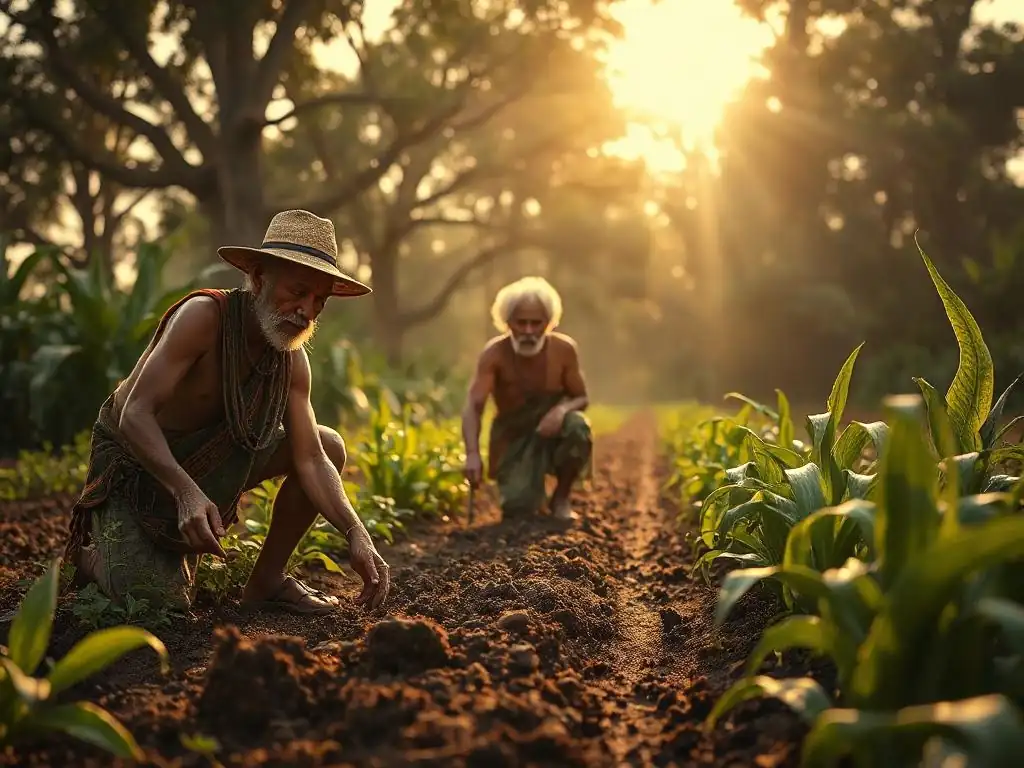
Revitalizing Indigenous food systems is essential for the cultural, social, and environmental sustainability of Indigenous communities across the Americas. These systems, deeply rooted in ancestral knowledge, are not only vital for the preservation of cultural identity but also play a crucial role in promoting biodiversity and ecological health. As societies increasingly face the challenges of globalization, climate change, and food insecurity, the revitalization of these systems has become more pressing.
Through a combination of cultural practices, traditional ecological knowledge, and community engagement, Indigenous peoples are working to restore and enhance their food systems. This involves re-establishing traditional crops, revitalizing ancient farming techniques, and fostering a deeper understanding of the relationship between land, food, and culture.
Efforts to Preserve Ancestral Agricultural Knowledge
Preserving ancestral agricultural knowledge is vital for maintaining the integrity of Indigenous food systems. This knowledge encompasses a wide range of practices, from seed saving to sustainable farming techniques that have been passed down through generations.
- Seed Sovereignty:
- Importance: Seeds are not just a means of production but are also carriers of cultural identity and biodiversity.
- Initiatives: Many Indigenous communities are establishing seed banks to preserve heirloom seeds, ensuring that traditional varieties remain available for future generations.
- Cultural Practices:
- Traditional Farming Techniques: Methods such as companion planting, crop rotation, and seasonal harvesting are integral to sustainable agriculture.
- Workshops and Education: Community-led workshops are being organized to teach younger generations about these practices, fostering a revival of traditional knowledge.
- Research and Documentation:
- Collaborative Projects: Collaborations between Indigenous communities and academic institutions are crucial for documenting traditional agricultural practices.
- Publications: The creation of literature and resources that share Indigenous agricultural knowledge with wider audiences helps to elevate these practices and ensure their longevity.
Community-Based Approaches to Food Sovereignty
Food sovereignty emphasizes the right of communities to control their own food systems, including production, distribution, and consumption. Indigenous communities are implementing various community-based approaches to reclaim and strengthen their food sovereignty.
- Local Food Systems:
- Farmers' Markets and Community Gardens: Establishing local markets allows Indigenous farmers to sell their products directly to consumers, promoting economic sustainability and community resilience.
- Cultural Celebrations: Events centered around traditional foods reinforce community bonds and educate others about Indigenous culinary traditions.
- Collaborative Governance:
- Decision-Making: Empowering community members to participate in decision-making processes regarding land use and food production reinforces the values of self-determination.
- Policy Advocacy: Indigenous groups are advocating for policies that protect their rights to land and resources, ensuring that their voices are heard at local, national, and international levels.
- Resilience through Diversity:
- Biodiversity: Indigenous food systems often incorporate a wide variety of crops and livestock, enhancing resilience to climate change and market fluctuations.
- Culinary Traditions: Emphasizing traditional foods not only supports health and nutrition but also fosters a sense of identity and pride within the community.
The Future of Indigenous Food Systems in a Globalized World
The future of Indigenous food systems in a globalized world presents both challenges and opportunities. While globalization can threaten traditional practices and food sovereignty, it also offers avenues for revitalization and innovation.
- Global Collaborations:
- Networking: Indigenous communities are forming networks to share knowledge and resources, allowing for a collective approach to food sovereignty.
- Cultural Exchange: Engaging with global movements focused on sustainability and food justice can amplify Indigenous voices and practices.
- Technological Integration:
- Sustainable Practices: The integration of modern technology with traditional practices can lead to more efficient agricultural methods while respecting cultural heritage.
- Digital Platforms: Utilizing social media and online platforms to promote Indigenous food systems can enhance visibility and attract support.
- Legislative Support:
- Policy Development: Advocacy for legislation that supports Indigenous rights and food sovereignty is essential for the continued survival of these systems.
- Recognition of Rights: International recognition of Indigenous land rights can help protect traditional food systems from exploitation and degradation.
Revitalizing Indigenous food systems is a multifaceted endeavor that requires the active participation and collaboration of Indigenous communities. By preserving ancestral agricultural knowledge, implementing community-based approaches, and navigating the complexities of a globalized world, these communities can secure a sustainable future for their food systems and cultural identity.
Conclusion: The Legacy of Indigenous Food Systems History
Reflection on the Importance of Ancestral Knowledge
Ancestral knowledge plays a pivotal role in the understanding and development of indigenous food systems. This knowledge encompasses not only agricultural practices but also the cultural, spiritual, and ecological wisdom passed down through generations. Indigenous peoples have historically adapted their agricultural practices to local environmental conditions, utilizing techniques such as crop rotation, companion planting, and the selection of native crops that thrive in specific climates.
For instance, the Three Sisters planting method—where corn, beans, and squash are grown together—demonstrates a sophisticated understanding of intercropping that enhances soil fertility and maximizes yield. This traditional method is a testament to the intricate relationship indigenous communities have with their environment and illustrates how ancestral knowledge informs sustainable agricultural practices.
Moreover, this body of knowledge has significant implications for biodiversity. Indigenous food systems often prioritize the cultivation of heirloom varieties, which are better suited to local conditions and climate resilience. The conservation of these varieties is crucial not only for food security but also for maintaining genetic diversity within ecosystems.
In contemporary contexts, there is a growing recognition of the value of this ancestral wisdom. Initiatives aimed at revitalizing indigenous practices are gaining traction, promoting sustainability and ecological stewardship. By integrating ancestral knowledge into modern agricultural practices, societies can cultivate a more resilient food system that honors cultural heritage while addressing contemporary environmental challenges.
The Role of Indigenous Food Systems in Contemporary Society
Indigenous food systems continue to play a vital role in contemporary society, serving as a foundation for food sovereignty, cultural identity, and environmental sustainability. The resurgence of interest in these systems is evident in various movements aimed at reclaiming traditional practices and promoting local food initiatives.
Food sovereignty is a key concept that emphasizes the right of indigenous peoples to define their own food systems, which are deeply rooted in local traditions and ecosystem management. By advocating for food sovereignty, indigenous communities are not only preserving their cultural heritage but also enhancing their resilience against external economic pressures and climate change.
In addition, indigenous food systems contribute significantly to community well-being. Access to traditional foods is linked to better health outcomes, as these foods are often more nutritious compared to processed alternatives. Furthermore, engaging in traditional food practices strengthens community ties and fosters knowledge sharing among generations.
The integration of indigenous food systems into modern urban contexts is also increasingly recognized. Many cities are now incorporating indigenous agricultural practices into urban planning, creating community gardens that reflect the local indigenous heritage. Such initiatives not only enhance urban biodiversity but also educate the broader population about the importance of indigenous cultures and their contributions to sustainable food practices.
The history of indigenous food systems is not merely a relic of the past; it is a living legacy that continues to inform contemporary agricultural practices and cultural identities. By valuing and integrating indigenous knowledge into current food systems, society can work towards a more equitable and sustainable future that honors the rich tapestry of indigenous cultures.
Frequently Asked Questions
What are the main features of Indigenous food systems?
Indigenous food systems are characterized by sustainable agricultural practices, deep knowledge of local ecosystems, and a focus on biodiversity. These systems are tailored to the unique environments of different regions.
How did ancestral knowledge contribute to agriculture in Indigenous cultures?
Ancestral knowledge, passed down through generations, provided insights into crop cultivation, seasonal cycles, and the management of natural resources, ensuring the sustainability and resilience of Indigenous food systems.
What impact did European colonization have on Indigenous food systems?
European colonization led to significant disruption of Indigenous food systems through land displacement, introduction of new agricultural practices, and a decline in biodiversity, which affected traditional food sources and cultural practices.
Why is the history of Indigenous food systems important today?
Understanding the history of Indigenous food systems is crucial as it highlights sustainable practices that can inform modern agriculture, promotes biodiversity conservation, and recognizes the importance of cultural heritage in contemporary food practices.
How can we support the revitalization of Indigenous food systems?
Supporting the revitalization of Indigenous food systems can be achieved by promoting native crops, respecting Indigenous rights to land and resources, and integrating traditional ecological knowledge into modern agricultural practices.
Final Reflection: The Enduring Legacy of Indigenous Food Systems
The history of Indigenous food systems is not just a relic of the past; it is a living testament to the resilience and wisdom of ancestral knowledge. Today, as we grapple with issues like climate change, food insecurity, and the loss of biodiversity, the lessons embedded in these traditional practices become increasingly relevant. The sustainable methods and deep-rooted connections to the land that Indigenous peoples have cultivated over generations offer invaluable insights for modern agriculture and food systems.
The influence of Indigenous food systems extends far beyond the fields; it shapes our cultural identities and fosters a profound respect for nature. As we witness a growing movement towards sustainable practices and local food sourcing, the teachings of Indigenous communities remind us of the importance of harmony with the environment. Indigenous peoples have always been the stewards of the land, and their knowledge is crucial for a sustainable future.
This ongoing dialogue between traditional wisdom and contemporary challenges highlights the need for a collective effort to honor and integrate these practices into our food systems.
As you reflect on the themes presented in this article, consider how you can contribute to the preservation and revitalization of Indigenous food systems in your own life. Embrace the opportunity to learn from these rich histories and practices, whether through supporting local Indigenous farmers, advocating for policy changes, or simply educating yourself and others about the importance of these systems. Your actions can help ensure that the legacy of Indigenous knowledge continues to thrive, fostering a more sustainable and equitable future for all.
Embrace Ancestral Wisdom and Transform Your Food Choices!
Thank you for exploring the rich tapestry of agriculture and ancestral knowledge that shapes Indigenous food systems. By delving into these vital connections, you've uncovered the profound impact they have on sustainability, health, and community resilience. Now, it’s time to put that knowledge into action!
Here’s how you can engage meaningfully with this incredible heritage:
- Start your own garden using traditional planting methods. Consider implementing companion planting to enhance biodiversity and improve crop yield.
- Share your newfound insights with friends and family. Host a discussion or cooking session featuring traditional ingredients and recipes that celebrate Indigenous culture.
- Support local Indigenous farmers and artisans in your area by purchasing fresh produce and authentic products. You might even discover a local market that showcases these valuable offerings!
What aspect of Indigenous food systems inspires you the most, and how will you incorporate it into your daily life?