
Rituals and Ceremonies of the Olmec: A Historical Look at Their Cultural Practices

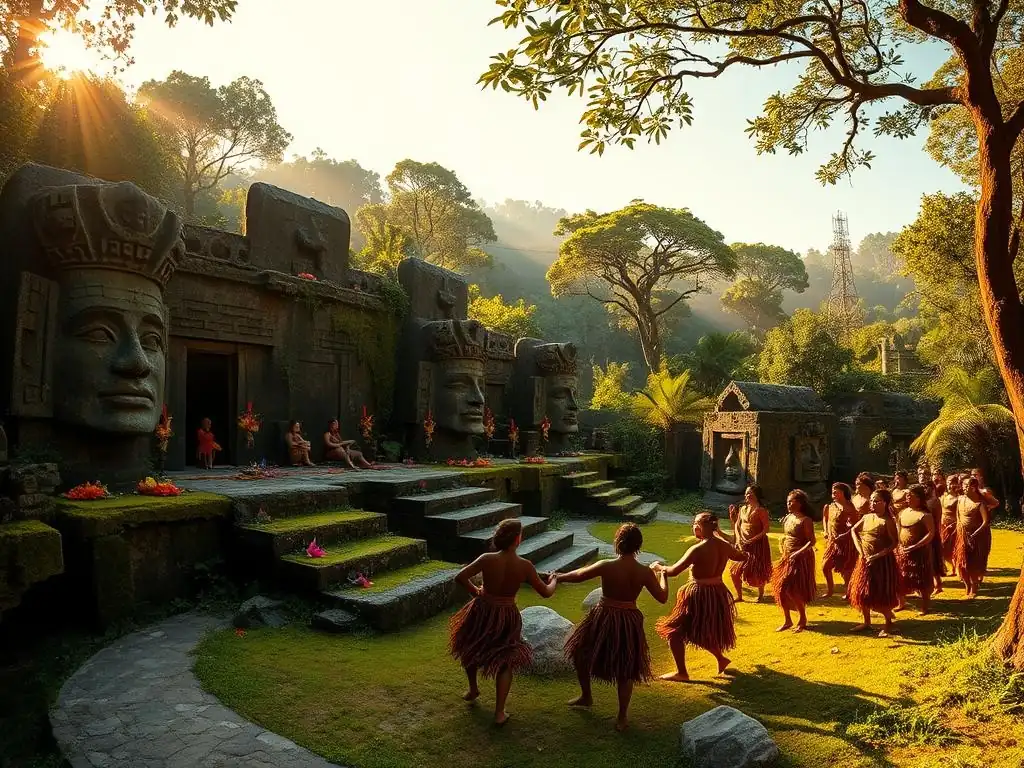
Welcome to Indigenous Civilizations of the Americas, where we invite you to journey through the rich tapestry of indigenous cultures that flourished long before European contact. Here, you will uncover the profound achievements and societal structures that have shaped the continent's history.
As we delve into our featured article, "Rituals and Ceremonies of the Olmec: A Historical Look at Their Cultural Practices," prepare to be fascinated by the intricate Olmec rituals and ceremonies that reveal not only their spiritual beliefs but also their connection to the land and community. Join us as we explore these captivating traditions and discover the enduring legacy of the Olmec civilization—your adventure into the past begins now!
- Introduction to Olmec Rituals and Ceremonies
- Types of Olmec Rituals and Ceremonies
- Symbolism in Olmec Rituals and Ceremonies
- Influences on Olmec Ritual Practices
- Contemporary Perspectives on Olmec Rituals
- Conclusion
-
Frequently Asked Questions
- What were the primary rituals of the Olmec civilization?
- How did Olmec ceremonies influence later Mesoamerican cultures?
- What role did artifacts play in Olmec rituals?
- Were Olmec rituals linked to specific seasonal events?
- How did the Olmec civilization view the afterlife in their ceremonial practices?
- Final Reflection: The Enduring Legacy of Olmec Rituals and Ceremonies
- Unveil the Ancient Wisdom of Olmec Rituals!
Introduction to Olmec Rituals and Ceremonies
The Olmec civilization, often regarded as the "mother culture" of Mesoamerica, boasts a rich tapestry of cultural practices that reflect their sophisticated society and spiritual beliefs. This article delves into the Olmec rituals and ceremonies, offering a historical perspective on their significance and the role they played in everyday life. By examining these rituals, we can gain insight into the values, social structures, and religious practices that defined the Olmec people.
These ceremonies not only served as expressions of devotion and community but also laid the groundwork for future civilizations in the region. Let us embark on a journey to uncover the depths of Olmec cultural practices, beginning with an overview of their civilization.
Overview of the Olmec Civilization
The Olmec civilization, which flourished from approximately 1200 to 400 BCE in what is now southern Mexico, is renowned for its monumental architecture, intricate artworks, and advanced societal organization. The Olmecs were primarily located in the lowlands of the Gulf Coast, with significant sites such as San Lorenzo and La Venta. They are credited with several groundbreaking achievements:
- Artistic Innovations: The Olmecs are famous for their colossal stone heads, intricate jade carvings, and other forms of art that reflect their sophisticated aesthetic sensibilities.
- Early Writing and Symbolism: Evidence suggests that the Olmecs may have developed one of the earliest forms of writing in the Americas, utilizing symbols to convey meaning.
- Agricultural Advancements: Their agricultural practices, which included the cultivation of maize, beans, and squash, helped sustain their growing populations and enabled urban development.
These aspects of Olmec civilization set the foundation for the cultural and societal advancements of subsequent Mesoamerican societies, including the Maya and Aztecs. Understanding the Olmecs is crucial to grasping the broader narrative of indigenous civilizations in the Americas.
Importance of Rituals and Ceremonies in Olmec Culture
Rituals and ceremonies were central to Olmec culture, serving as vital expressions of their spiritual beliefs and social cohesion. These practices reinforced community bonds and provided frameworks for understanding the world around them. Key elements include:
- Religious Significance: Olmec rituals often involved offerings to deities, ancestor worship, and other spiritual practices aimed at ensuring harmony and balance within their society.
- Societal Structure: Ceremonies often reflected the hierarchical nature of Olmec society, with elite members taking prominent roles in conducting rituals, thus maintaining their status and influence.
- Cultural Continuity: The transmission of rituals from one generation to another helped preserve Olmec traditions, allowing future civilizations to inherit and adapt these practices.
Through their rituals and ceremonies, the Olmecs not only expressed their beliefs and values but also shaped their identity as a civilization. The lasting impact of these cultural practices can still be felt in many contemporary indigenous communities throughout the Americas, emphasizing the profound legacy of the Olmec civilization.
Types of Olmec Rituals and Ceremonies
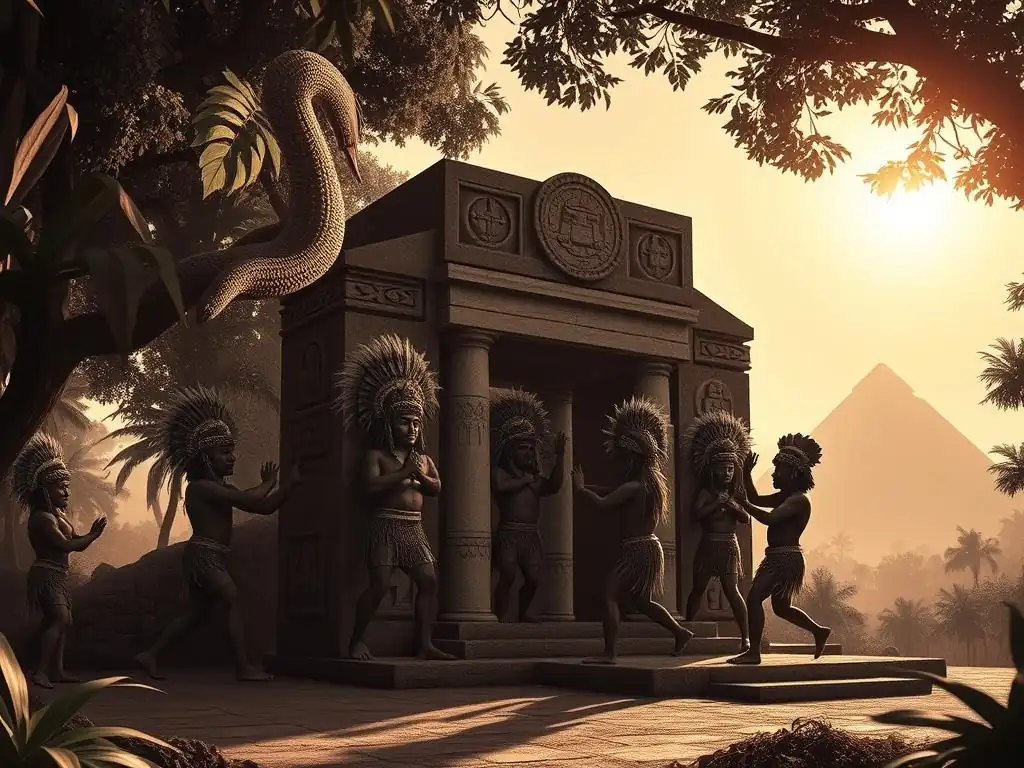
The Olmec civilization, often regarded as the "Mother Culture" of Mesoamerica, engaged in a variety of rituals and ceremonies that were deeply woven into the fabric of their society. These practices not only reflected their religious beliefs but also served to reinforce social hierarchies and community ties. The two primary types of Olmec rituals include religious ceremonies and funerary rituals, each serving distinct yet interconnected purposes within their culture.
Religious Ceremonies of the Olmec
Role of Deities in Olmec Worship
Olmec religious ceremonies were heavily centered around a pantheon of deities, each representing different aspects of life, nature, and the cosmos. The Olmecs believed in powerful gods who influenced fertility, agriculture, rain, and the cycles of life. The most significant deity was the Jaguar, often associated with strength, the underworld, and the hunt. Rituals dedicated to these deities sought to appease them and ensure favorable conditions for the community.
The worship of these gods often involved intricate ceremonies, including offerings of food and crafted goods, bloodletting, and even human sacrifices, particularly during moments of great need or celebration. These rituals were typically conducted by priests, who acted as intermediaries between the deities and the people.
Sacred Spaces and Altars
The Olmecs constructed specific sacred spaces, including temples and altars, which served as focal points for their rituals. These locations were often strategically situated in significant geographic areas, such as near water sources or elevated land, believed to enhance the spiritual energy of the ceremonies.
Altars were typically adorned with carvings and sculptures, showcasing both religious iconography and representations of the deities. Rituals conducted at these altars included offerings and prayers, meant to invoke the gods' favor and protection. The act of gathering in these sacred spaces not only fostered a sense of community but also reinforced the cultural identity of the Olmec civilization.
Funerary Rituals and Burial Practices
Significance of Death in Olmec Beliefs
Death held a profound significance in Olmec culture, viewed as a transition rather than an end. The Olmecs believed in an afterlife where the deceased would continue to exist in a different realm. This belief demanded elaborate funerary rituals to honor the dead and ensure their safe passage into the afterlife.
Funerary practices included the preparation of the body, often through methods like embalming or the use of natural preservation techniques. The deceased were typically buried with care, reflecting their status and role within society. These rituals underscored the community's respect for ancestors and the continuity of lineage, crucial aspects of Olmec belief systems.
Common Burial Artifacts and Their Meanings
Burial sites of the Olmec reveal a wealth of artifacts, each carrying significant meaning. Common burial items included ceramics, jewelry, figurines, and tools, which were often placed in graves as offerings to accompany the deceased into the afterlife.
- Ceramics: Often decorated with intricate designs, ceramics served both practical and ceremonial purposes, symbolizing the nourishment needed in the afterlife.
- Jewelry: Items crafted from jade, obsidian, and other materials indicated the social status of the deceased, suggesting that higher-status individuals were afforded more elaborate grave goods.
- Figurines: These often represented deities or ancestors, indicating a belief in the protective power of these figures during the journey after death.
The rituals and ceremonies of the Olmec civilization reveal a complex interplay between their religious beliefs and societal structures. These practices not only served to honor their gods and ancestors but also fostered a strong sense of identity and continuity within their culture, leaving a lasting impact on the civilizations that followed.
Agricultural and Seasonal Rituals
The Olmec civilization, often referred to as the "mother culture" of Mesoamerica, held a profound connection between their agricultural practices and spiritual beliefs. Agricultural and seasonal rituals were central to their society, reflecting the critical role that farming played in their survival and cultural identity. These rituals were meticulously timed to align with the agricultural calendar, ensuring that they coincided with planting, growth, and harvesting cycles.
The Olmecs cultivated staple crops such as maize, beans, and squash, and their rituals celebrated the life cycles of these plants. Ceremonies often involved offerings to deities believed to govern agriculture and fertility. The Olmecs would engage in activities such as singing, dancing, and the presentation of food offerings, which were believed to appease these deities and secure bountiful harvests.
Rituals were not only a means to honor the gods but also served as communal gatherings that reinforced social bonds within the Olmec society. These events brought together families and clans, fostering a sense of unity and shared purpose. The agricultural calendar was punctuated by significant rituals that marked transitions in the farming cycle, thus embedding agricultural practices deeply within their spiritual and cultural framework.
Connection Between Agriculture and Spirituality
The Olmec worldview was intricately tied to their environment, particularly in how they viewed agriculture as a divine gift. They believed that the fertility of the land was a reflection of the gods' favor, and thus, the cultivation of crops was imbued with spiritual significance. This connection was evident in their rituals, which often included offerings and sacrifices aimed at ensuring the health of the crops and the fertility of the soil.
Rituals associated with agriculture included the construction of ceremonial mounds and altars, where offerings of food, flowers, and even animal sacrifices were made. These acts were performed with the understanding that the well-being of the community depended on the success of their agricultural endeavors. The Olmecs also believed in a cyclical relationship between humans and nature, where the act of planting and harvesting was a form of communication with the divine.
Additionally, the Olmecs integrated their agricultural practices with their cosmology. They viewed the earth as a living entity, and the cycles of planting and harvesting mirrored the cycles of life, death, and rebirth. This belief system shaped how they approached farming, leading to the development of techniques that honored the land and its resources, ensuring sustainability for future generations.
Festivals Celebrating the Harvest
Harvest festivals were vibrant and significant events in Olmec culture, symbolizing gratitude, community, and the bounty of the earth. These festivals were typically celebrated at the end of the harvest season, marking a period of abundance and reflecting the importance of the agricultural cycle in Olmec life. The festivities included a variety of activities designed to honor the gods and celebrate the community's hard work.
During these festivals, the Olmecs would engage in elaborate ceremonies that featured music, dance, and theatrical performances. Participants donned ceremonial attire, often adorned with intricate designs that reflected their beliefs and cultural identity. The rituals included the preparation of special foods made from the newly harvested crops, which were shared among the community as both an offering to the gods and a means of strengthening social ties.
One of the most notable aspects of these festivals was the ritualistic feasting, where the community would gather to partake in a shared meal. This communal aspect reinforced social cohesion and highlighted the interconnectedness of individuals within the Olmec society. Additionally, these gatherings provided an opportunity for storytelling, where elders would recount tales of creation, the gods, and the significance of agriculture in their lives.
The Olmec harvest festivals not only celebrated the fruits of their labor but also reaffirmed their connection to the spiritual world, fostering a deep sense of community and cultural identity that would resonate throughout Mesoamerican history.
Symbolism in Olmec Rituals and Ceremonies
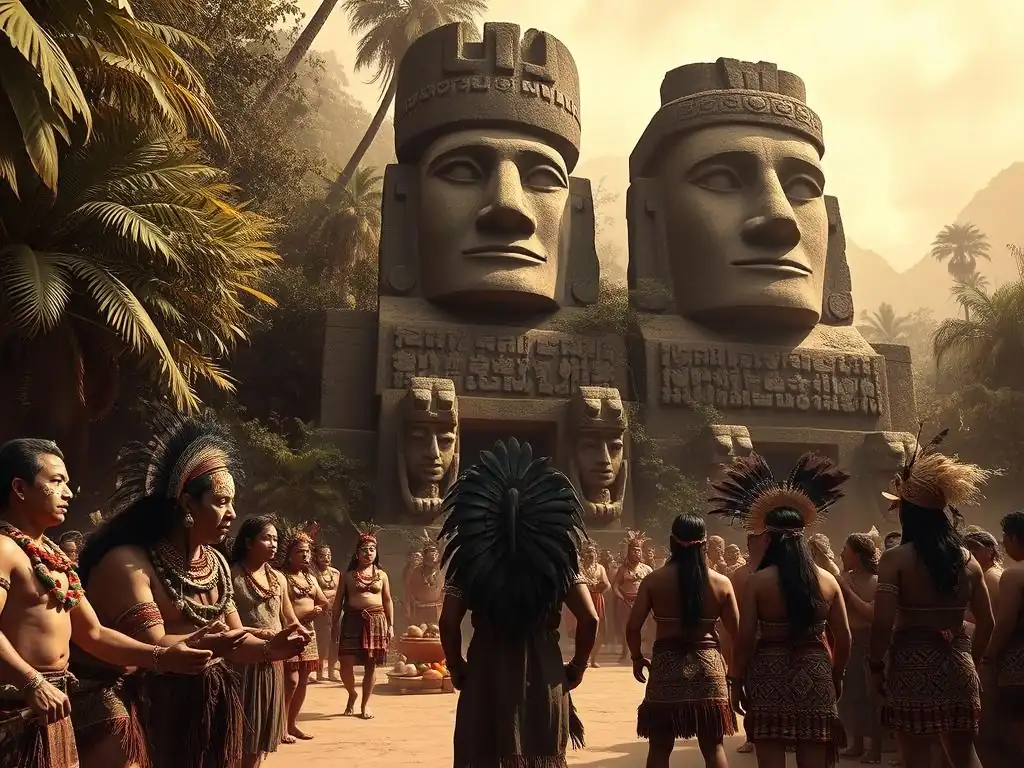
The Olmec civilization, often referred to as the "mother culture" of Mesoamerica, is renowned for its rich tapestry of rituals and ceremonies that reflect a deep connection between their spiritual beliefs and daily life. Symbolism plays a crucial role in these practices, as it serves to communicate complex ideas regarding life, death, and the cosmos. The Olmecs utilized various symbols in their rituals, often derived from their environment, mythology, and social structure, which helped to reinforce communal identity and spiritual beliefs.
Meaning of Iconography in Ritual Objects
The Olmecs are known for their exquisite craftsmanship in creating ritual objects adorned with intricate iconography. Each symbol and motif found in these artifacts holds significant meaning, often related to cosmology, mythology, and the natural world.
- Colossal Heads: The iconic colossal heads, sculpted from basalt, represent the Olmec elite or rulers. These monumental sculptures are believed to encapsulate the power and authority of the individual they depict. Their facial features often emphasize a distinct racial identity, suggesting the importance of lineage and ancestry in Olmec society.
- Jaguar Symbolism: The jaguar is a recurrent motif in Olmec art, often associated with power, fertility, and the underworld. Its representation in ceremonial contexts indicates a reverence for this creature as a spiritual guide, embodying strength and the mystery of the night.
- Ceremonial Masks: Masks crafted for rituals often depict deities or ancestors, and their designs can vary significantly, showcasing attributes such as fangs, large eyes, or elaborate headdresses. These masks facilitated communication with the spiritual realm, allowing the wearer to embody the qualities of the figure represented.
- Pyramids and Altars: The architectural elements of Olmec sites, such as pyramids and altars, were imbued with symbolic meaning. Pyramids often served as platforms for rituals, acting as a bridge between the earth and the heavens, while altars were focal points for offerings and sacrifices, reinforcing the connection between the living and the divine.
These icons and their meanings reveal the Olmec's sophisticated understanding of symbolism, serving both religious and social functions within their communities.
The Role of Music and Dance in Olmec Ceremonies
Music and dance were vital components of Olmec rituals, playing a fundamental role in expressing the community's beliefs and emotions. These elements not only enhanced the spiritual atmosphere of ceremonies but also served to unify participants in a shared experience.
- Musical Instruments: The Olmecs utilized various musical instruments, such as drums, flutes, and rattles, which were often made from materials such as wood, clay, and bone. These instruments created rhythms and melodies that accompanied dances and rituals, believed to attract deities and facilitate communication with the spiritual world.
- Dance as Expression: Dance in Olmec culture was not merely a form of entertainment; it was a profound expression of spirituality and cultural identity. Specific dances were performed during ceremonies to invoke rain, fertility, or the favor of the gods. The movements often mimicked animal behaviors, reflecting the deep connection between the Olmecs and their environment.
- Ceremonial Processions: Ceremonies often included processions where participants would dance and play music, leading offerings to sacred sites. These processions served as a communal act of devotion, reinforcing social ties and shared beliefs.
- Symbolic Gestures: The choreography of Olmec dances was rich with symbolic gestures, each movement designed to convey particular meanings or invoke specific deities. The integration of music and dance thus created a multi-sensory ritual experience, deepening participants' spiritual engagement.
Music and dance were essential to the Olmec rituals and ceremonies, enhancing the spiritual ambiance and fostering a sense of community. The interplay of sound, movement, and symbolism provided a profound connection to their beliefs and the universe around them.
Influences on Olmec Ritual Practices
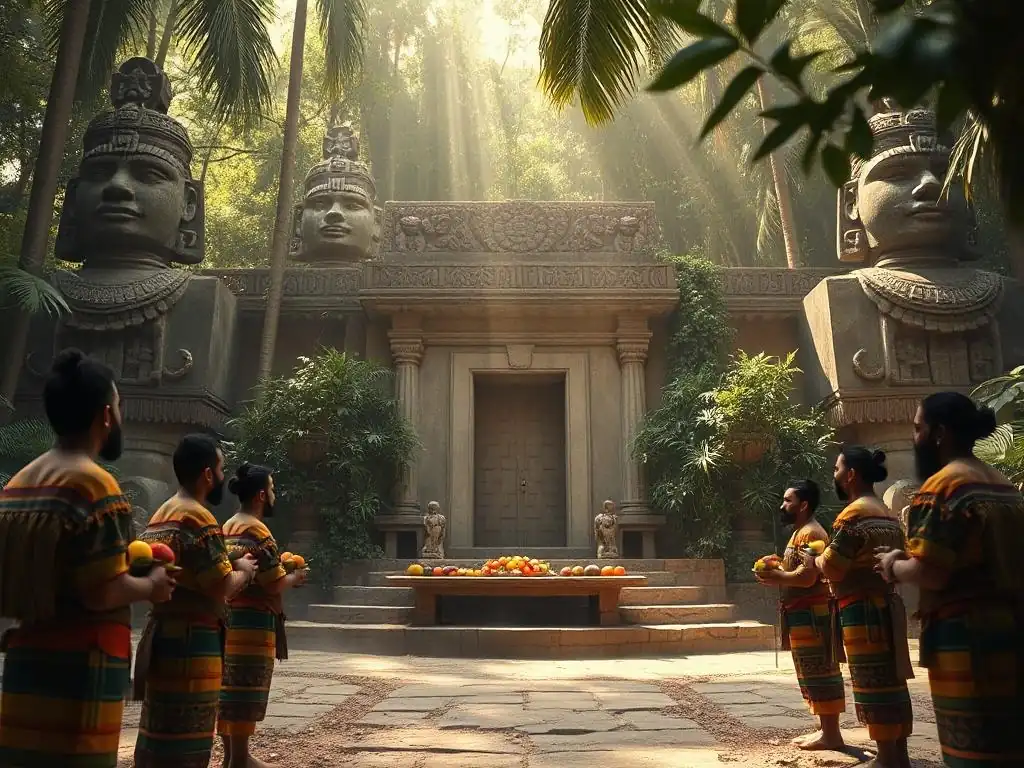
The Olmec civilization, often referred to as the "mother culture" of Mesoamerica, exhibited a rich tapestry of rituals and ceremonies that were deeply influenced by their geographical, social, and spiritual contexts. These influences can be traced through their connections to other Mesoamerican cultures as well as the evolution of their practices over time.
Connections to Other Mesoamerican Cultures
The Olmec rituals and ceremonies were not developed in a vacuum; they were the result of interactions with neighboring cultures and the broader Mesoamerican environment. The following points highlight significant connections:
- Cultural Exchange: The Olmecs engaged in extensive trade networks with other Mesoamerican societies, such as the Zapotecs and Mixtecs. This exchange facilitated the sharing of religious beliefs and ritual practices, which enriched the Olmec ceremonial life. For example, the use of jaguar symbolism, prominent in Olmec art and ritual, can also be found in the spiritual frameworks of later cultures, indicating a shared reverence for this powerful animal.
- Shamanistic Traditions: The Olmecs are believed to have practiced shamanism, a spiritual practice that involved mediating between the physical and spiritual worlds. This tradition was prevalent among other Mesoamerican cultures, including the Maya and Aztecs. Shamans played a crucial role in rituals, acting as healers and spiritual guides. Their techniques and beliefs likely influenced Olmec practices, particularly in rites of passage and agricultural ceremonies.
- Astronomical Observations: The Olmec civilization displayed a sophisticated understanding of astronomy, which was integral to their ritual calendar. This knowledge was shared and adapted by subsequent cultures, including the Maya, who developed a complex calendar system based on celestial events. Rituals related to agricultural cycles, such as planting and harvest, were often aligned with astronomical events, underscoring the interconnectedness of these cultures.
Evolution of Rituals Over Time
The Olmec rituals and ceremonies underwent significant evolution from their inception to the decline of their civilization. This evolution can be categorized into several phases:
- Early Ritual Development: In the formative period of Olmec civilization (circa 1200-400 BCE), rituals were primarily focused on fertility and agriculture. Evidence suggests that early ceremonies involved offerings to deities associated with rain and soil fertility, crucial for their agrarian society. These practices laid the foundation for more complex rituals that would emerge later.
- Integration of Iconography: As the Olmec civilization progressed, their rituals became increasingly elaborate, incorporating a distinct iconography that reflected their beliefs. The colossal heads and jade figurines found at sites like La Venta signify the growing importance of ancestor worship and the veneration of powerful deities. These artistic expressions were often central to ritual practices, serving as focal points during ceremonies.
- Transition to Ceremonial Complexity: By the Middle Formative period, rituals had evolved into more structured ceremonies involving communal participation. The construction of ceremonial centers, such as San Lorenzo, indicates a shift towards more public displays of worship. These complex rituals often included music, dance, and the consumption of ceremonial foods, reinforcing social cohesion among the Olmec people.
- Legacy and Influence: The decline of the Olmec civilization did not erase their cultural practices. Instead, elements of their rituals were absorbed by subsequent Mesoamerican cultures, particularly the Maya and Aztecs. The continuity of certain rituals, such as bloodletting and the use of incense, showcases the lasting impact of Olmec ceremonial life on future civilizations.
The influences on Olmec ritual practices were multifaceted, encompassing connections to other cultures and a dynamic evolution over time. The intricate web of beliefs and ceremonies that characterized the Olmec civilization not only shaped their society but also laid the groundwork for the rich tapestry of Mesoamerican spirituality that followed.
Contemporary Perspectives on Olmec Rituals
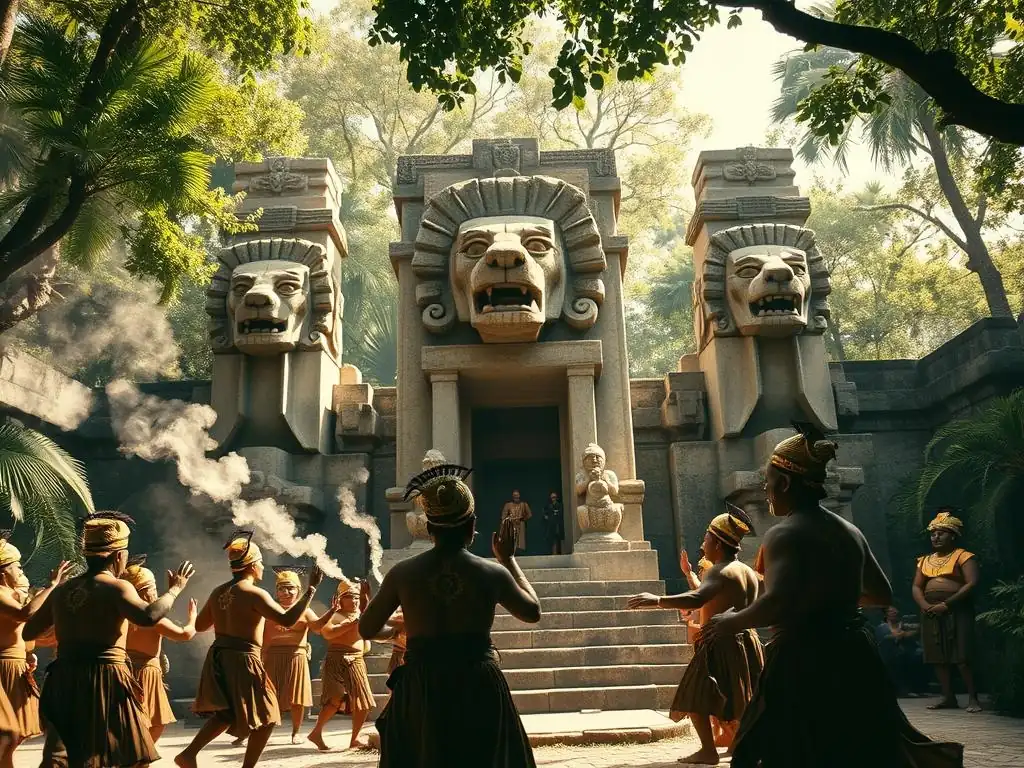
Modern Interpretations and Cultural Significance
Modern interpretations of Olmec rituals and ceremonies are crucial for understanding the depth and complexity of this ancient civilization. Scholars and cultural anthropologists have explored the symbolic meanings behind these practices, often linking them to the broader themes of identity, spirituality, and social cohesion among the Olmec people.
The Olmec civilization, which thrived from approximately 1200 BCE to 400 BCE, is often referred to as the "Mother Culture" of Mesoamerica due to its significant influence on subsequent civilizations. Their rituals, encompassing a range of activities from religious ceremonies to communal gatherings, played an integral role in expressing their beliefs and values.
For instance, the ballgame, which was not only a sport but also a ritualistic event, is often interpreted as a representation of the struggle between life and death, fertility, and the cosmos. The game's outcome was believed to have implications for the community’s agricultural cycles and overall well-being.
Additionally, the Olmec colossal heads, which are believed to represent rulers or deities, have sparked modern interpretations regarding the significance of leadership and divine authority in Olmec society. These monumental sculptures serve as symbols of power and identity, connecting the past with contemporary understandings of governance and societal structure.
Preservation of Olmec Heritage in Today’s Society
The preservation of Olmec heritage is essential for maintaining the cultural legacy that continues to inform modern communities. Many contemporary indigenous groups in Mexico, particularly those in the Gulf Coast region, trace their cultural lineage back to the Olmec. As such, there is a growing movement to revive and maintain traditional practices, languages, and rituals that have roots in Olmec civilization.
Efforts to preserve Olmec heritage include:
- Cultural Festivals: Many communities host festivals that celebrate Olmec traditions, featuring traditional dances, music, and storytelling. These events not only honor the past but also strengthen community bonds and educate younger generations about their ancestry.
- Archaeological Research: Ongoing archaeological efforts aim to uncover more about Olmec rituals and ceremonies. This research is often accompanied by public education initiatives that inform local communities about their heritage and its importance.
- Art and Craft Revivals: Artisans are increasingly incorporating traditional Olmec motifs and techniques into their work, bridging ancient practices with contemporary art forms. This not only helps preserve the aesthetic values of Olmec culture but also fosters a sense of pride among descendants.
The exploration of Olmec rituals and ceremonies through a modern lens reveals their continued relevance and significance. As communities strive to preserve their heritage, the impact of these ancient practices remains a critical part of their identity and cultural expression.
Conclusion
Summary of Key Points on Olmec Rituals and Ceremonies
The Olmec civilization, often referred to as the "mother culture" of Mesoamerica, exhibited a rich tapestry of rituals and ceremonies that were integral to their societal framework. Here are the key points that encapsulate their cultural practices:
- Cosmological Beliefs: The Olmec worldview was deeply intertwined with nature and the cosmos. Their rituals often reflected this connection, featuring ceremonies that honored deities associated with agriculture, rain, and fertility.
- Ritual Sites: Prominent archaeological sites such as La Venta and San Lorenzo served as central locations for ceremonial activities. These sites were adorned with colossal stone heads and altars, indicating their significance as places of worship and community gatherings.
- Ceremonial Offerings: The Olmec engaged in various offerings, including the sacrifice of animals and the presentation of jade objects, which they believed would appease their gods and ensure prosperity.
- Artistic Expressions: Rituals were accompanied by intricate artistic expressions, such as pottery and sculpture, which depicted deities, mythological scenes, and human figures in ceremonial attire. These artistic elements played a crucial role in the transmission of their cultural narratives.
- Social Hierarchy: The rituals were often presided over by a priestly class, emphasizing the social stratification within Olmec society. These individuals acted as intermediaries between the divine and the community, guiding the populace through complex spiritual practices.
The Lasting Impact of Olmec Ritual Practices on Indigenous Cultures
The Olmec rituals and ceremonies set a precedent that resonated throughout subsequent Mesoamerican civilizations, influencing a wide array of cultural practices across the region.
- Cultural Continuity: Many of the religious practices initiated by the Olmec were adopted and adapted by later cultures, such as the Maya and the Aztecs. This continuity can be seen in shared themes of worship, cosmology, and the use of ceremonial sites.
- Symbolism in Rituals: The Olmec's use of symbolic imagery, particularly in their art and iconography, laid the groundwork for the visual language of later indigenous cultures. Their motifs, such as jaguars and supernatural beings, became staples in the iconography of subsequent civilizations.
- Influence on Social Structures: The hierarchical organization seen in Olmec society, particularly in relation to ritual leadership, can be traced in later civilizations, which adopted similar structures to manage their ceremonial practices and religious affairs.
- Ritual Complexity: The Olmec's integration of various elements into their rituals, such as music, dance, and the use of sacred objects, influenced the complexity of ceremonial life in later indigenous cultures, enriching their spiritual experiences.
The Olmec rituals and ceremonies were not merely cultural expressions; they were foundational practices that shaped the spiritual and social landscapes of many indigenous cultures that followed. Their legacy continues to resonate, reminding us of the profound connections between past and present in the rich tapestry of Mesoamerican history.
Frequently Asked Questions
What were the primary rituals of the Olmec civilization?
The Olmec rituals often involved ceremonies related to agriculture, fertility, and ancestor worship, showcasing their deep spiritual beliefs and connection to the earth.
How did Olmec ceremonies influence later Mesoamerican cultures?
Many Olmec ceremonies established foundational practices that were later adopted and adapted by subsequent civilizations, such as the Maya and Aztecs, impacting their religious and social structures.
What role did artifacts play in Olmec rituals?
Artifacts, including sculptures and ceremonial objects, were integral to Olmec rituals, serving as both offerings and symbols of their deities, reflecting their rich cultural heritage.
Were Olmec rituals linked to specific seasonal events?
Yes, many Olmec rituals were closely tied to seasonal cycles, including planting and harvesting, emphasizing their reliance on agriculture and the natural world.
How did the Olmec civilization view the afterlife in their ceremonial practices?
The Olmec civilization believed in an afterlife, which was reflected in their ceremonial practices that honored the deceased, often involving elaborate rituals to ensure safe passage to the spiritual realm.
Final Reflection: The Enduring Legacy of Olmec Rituals and Ceremonies
The exploration of Olmec rituals and ceremonies reveals a profound connection between ancient practices and contemporary cultural identity. Today, as we navigate a world increasingly disconnected from its roots, the significance of these rituals serves as a reminder of the power of tradition in shaping community and belonging. The Olmec civilization, often regarded as the "mother culture" of Mesoamerica, laid the groundwork for many cultural practices that resonate even in modern society, illustrating that the echoes of the past can still inform our present.
Cultural practices such as those of the Olmec have a lasting impact on how we understand identity and heritage. The intricate ceremonies that honored deities, ancestors, and the cycles of nature not only fostered a sense of unity among the Olmec people but also established a framework for future civilizations. As we reflect on these rituals, we can appreciate the wisdom embedded in their practices. Rituals are the way we connect with the past, the present, and the future.
This quote encapsulates the essence of how rituals transcend time, reminding us that our cultural heritage is a living tapestry woven from the threads of history.
As you contemplate the significance of Olmec rituals and ceremonies, I invite you to consider how these ancient practices can inspire your own life. What traditions do you hold dear, and how do they shape your identity? Embrace the opportunity to honor your heritage, whether through personal rituals or community celebrations.
By doing so, you not only pay homage to the past but also contribute to the ongoing narrative of culture and identity that connects us all. Let the legacy of the Olmec inspire you to cultivate your own rituals, fostering a deeper understanding of yourself and your place in the world.
Unveil the Ancient Wisdom of Olmec Rituals!
Thank you for joining us to explore the fascinating world of Olmec rituals and ceremonies. You have gained a deeper understanding of the rich cultural practices that shaped one of the earliest civilizations in Mesoamerica. Now, let’s bring this knowledge to life!
Here are some steps to dive even deeper into the vibrant heritage of the Olmec:
- Participate in a local cultural event or workshop to experience rituals and celebrations inspired by indigenous traditions.
- Share this article with friends and family to spark conversations about ancient civilizations and their impact on modern culture.
- Discover related topics by visiting our website for more articles and resources on the diverse Indigenous cultures of the Americas.
Which aspect of Olmec rituals resonates with you the most, and in what ways do you think these practices continue to influence contemporary society?