
The Role of Toltec Achievements in Understanding European Conquest

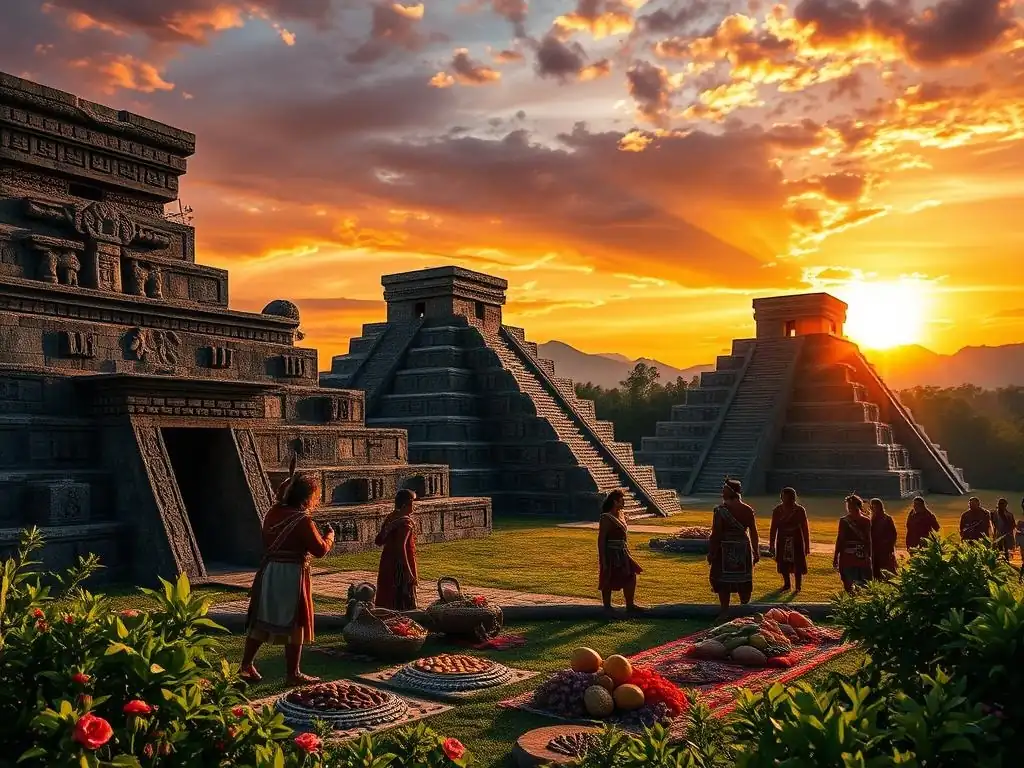
Welcome to Indigenous Civilizations of the Americas, where we embark on a fascinating journey through the rich tapestry of indigenous cultures that flourished long before European colonization. Here, we delve into the incredible Toltec achievements and European conquest, exploring how the advancements of the Toltecs shaped the narrative of their time and continue to influence our understanding of history today.
As you navigate through our comprehensive articles, prepare to uncover the intricate connections between these remarkable civilizations and the forces that sought to change their world forever. Join us as we unravel the past and ignite your curiosity about the enduring legacy of the Toltec civilization!
- Introduction to Toltec Achievements and European Conquest
- Key Achievements of the Toltecs
- The Context of European Conquest
- The Impact of Toltec Achievements on European Conquest
- Consequences of the European Conquest on Toltec Heritage
- Conclusion: Understanding the Legacy of Toltec Achievements in the Context of European Conquest
-
Frequently Asked Questions
- What were the major Toltec achievements?
- How did the Toltec civilization impact later cultures?
- What role did Toltec achievements play during the European conquest?
- How did Toltec society differ from other indigenous cultures?
- Why is it important to study Toltec achievements in the context of European conquest?
- Final Reflection: The Enduring Legacy of Toltec Achievements in the Face of Conquest
- Unveil the Impact of Toltec Wisdom Today!
Introduction to Toltec Achievements and European Conquest
The Toltec civilization, a remarkable pre-Columbian society, played a pivotal role in shaping the cultural and historical landscape of Mesoamerica. Their achievements in various domains, from architecture to art, have left a profound legacy that continues to influence our understanding of indigenous cultures in the Americas.
This article delves into the intricate relationship between Toltec achievements and European conquest, exploring how the knowledge and societal structures established by the Toltecs inform our comprehension of the dynamics during the European contact period. By examining the intricacies of Toltec civilization, we gain valuable insights into the factors that shaped colonial encounters and the lasting impacts on indigenous societies.
Overview of the Toltec Civilization
The Toltec civilization flourished in central Mexico from approximately 900 to 1168 CE, establishing a sophisticated society characterized by its monumental architecture, intricate artwork, and complex social organization. At the heart of Toltec culture was the city of Tula, which served as a political and religious center. The Toltecs are renowned for their impressive pyramids, such as the Pyramid of Quetzalcoatl, and their iconic warrior statues, which reflect their martial prowess and spiritual beliefs.
Key aspects of Toltec civilization include:
- Political Structure: The Toltecs developed a hierarchical society led by a ruler or "tlatoani," who wielded significant power over military and religious affairs.
- Cultural Achievements: They excelled in various art forms, including sculpture, pottery, and textiles, showcasing their advanced techniques and aesthetic sensibilities.
- Religious Practices: The Toltecs practiced a polytheistic religion, venerating deities associated with nature, war, and agriculture, which played a central role in their daily lives.
These aspects of the Toltec civilization not only highlight their achievements but also set the stage for understanding the complexities of their interactions with European colonizers.
Significance of Studying Toltec Contributions
Examining Toltec achievements is crucial for several reasons, especially in the context of European conquest:
- Cultural Continuity: The innovations and practices of the Toltecs influenced subsequent civilizations, such as the Aztecs, whose rise coincided with the arrival of Europeans. Understanding these contributions helps contextualize the historical narrative of indigenous resistance and adaptation to colonization.
- Resistance and Resilience: The Toltec legacy serves as a testament to the resilience of indigenous cultures. Their achievements in governance, architecture, and spirituality provided a foundation for later societies to navigate the challenges posed by European invaders.
- Historical Context: By studying the Toltec civilization, historians and scholars can better understand the socio-political landscape of Mesoamerica during the time of European contact, shedding light on the complexities of tribal alliances, conflicts, and cultural exchanges that occurred prior to conquest.
The exploration of Toltec achievements not only enriches our knowledge of indigenous civilizations but also aids in deciphering the intricate dynamics that unfolded during the European conquest of the Americas. By appreciating these contributions, we can honor the legacy of the Toltecs and recognize their enduring impact on the history of indigenous peoples.
Key Achievements of the Toltecs
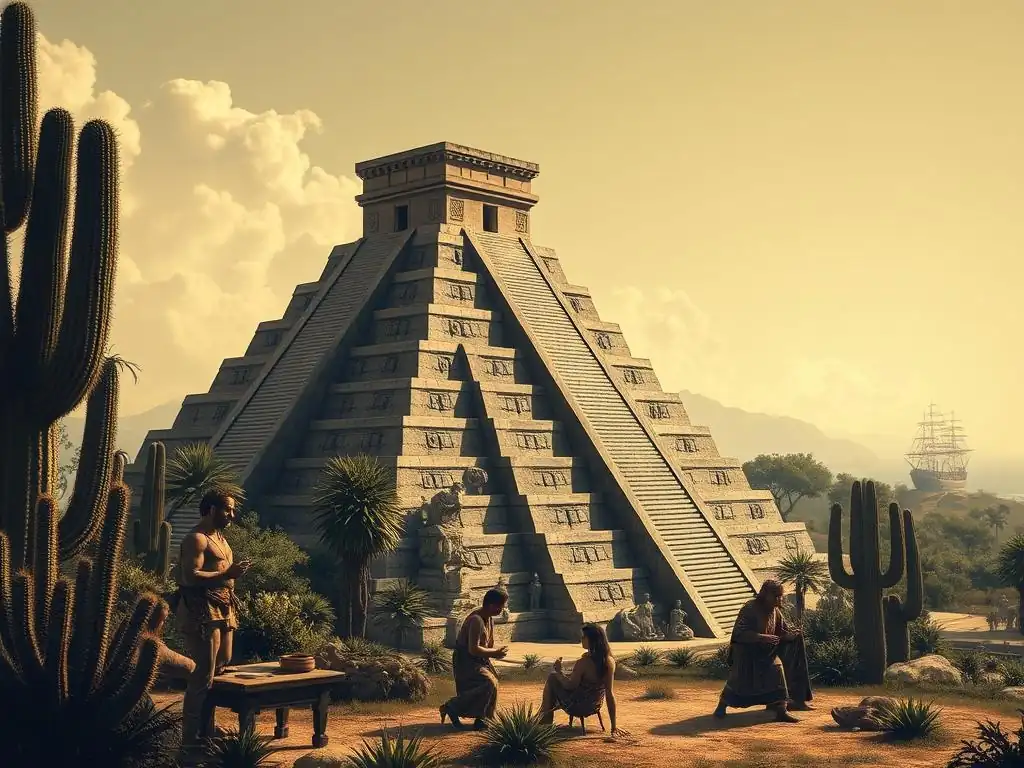
The Toltec civilization, which thrived in central Mexico from around 900 to 1168 CE, is renowned for its significant contributions to Mesoamerican culture. Their achievements in various fields played a crucial role in shaping the region's history and have implications for understanding the dynamics of European conquest. This section explores the key achievements of the Toltecs, focusing on their architectural innovations, advances in art and craftsmanship, and agricultural techniques.
Architectural Innovations and Urban Planning
The Toltecs are celebrated for their remarkable architectural accomplishments, particularly in urban planning and monumental construction. The city of Tula, the Toltec capital, serves as a prime example of their architectural prowess. Key features of Toltec architecture include:
- Pyramids and Temples: The Pyramid of Quetzalcoatl and the Temple of Tlahuizcalpantecuhtli exemplify the grand scale of Toltec religious structures. These pyramids often featured intricate carvings and were aligned with astronomical events, showcasing the Toltecs' understanding of celestial mechanics.
- Atlantean Statues: The iconic statues of warriors, known as Atlantes, that support the Temple of Quetzalcoatl, are a testament to Toltec artistry and engineering. These statues not only served as structural elements but also represented the militaristic and spiritual ideals of the Toltec society.
- Urban Layout: Tula was meticulously planned, featuring a grid layout that facilitated trade and communication. The organization of public spaces, residential areas, and ceremonial centers reflected the Toltec's advanced understanding of urban design, which influenced subsequent Mesoamerican cultures.
These architectural innovations not only reflect the Toltecs' aesthetic values but also their social organization and ability to mobilize labor for large-scale projects. Understanding these achievements is vital for comprehending how they influenced the cultural landscape prior to European contact.
Advances in Art and Craftsmanship
Toltec achievements in art and craftsmanship are characterized by the use of diverse materials and intricate techniques. Their artistry played a significant role in both religious and civic life, influencing later cultures in the region. Notable aspects include:
- Sculpture and Reliefs: Toltec artists excelled in stone carving, creating elaborate reliefs that depicted gods, mythological scenes, and historical events. These works often adorned temples and public spaces, conveying the civilization's values and beliefs.
- Ceramics: The Toltecs produced fine pottery decorated with intricate designs and motifs. The use of polychrome styles and innovative glazing techniques reflected their advanced understanding of materials and aesthetics.
- Textiles: Evidence suggests that the Toltecs were skilled weavers, producing textiles that showcased vibrant colors and complex patterns. These textiles were not only practical but also served as a medium for expressing cultural identity.
- Metalwork: Although less common, Toltec metalwork, particularly in gold and copper, demonstrated their ability to manipulate materials for both decorative and ceremonial purposes.
These artistic advancements highlight the Toltec's cultural richness and their ability to express complex ideas through various mediums. The legacy of Toltec art can be seen in the artifacts and artistic traditions of later civilizations, including the Aztecs.
Agricultural Techniques and Sustainability
The Toltec civilization's agricultural innovations were crucial for their economic stability and societal development. Their practices not only ensured food security but also demonstrated a sophisticated understanding of environmental sustainability. Key techniques included:
- Chinampas: The use of chinampas, or floating gardens, allowed the Toltecs to maximize agricultural output in wetland areas. This method involved creating small, rectangular plots of arable land on shallow lake beds, which were highly productive and efficient.
- Crop Diversification: The Toltecs cultivated a variety of crops, including maize, beans, squash, and chili peppers, which provided balanced nutrition and reduced the risk of crop failure. This diversification was essential for sustaining their population and supporting trade.
- Irrigation Systems: The development of sophisticated irrigation systems enabled the Toltecs to manage water resources effectively. By channeling water from rivers and lakes, they could support agriculture even in drier periods, showcasing their engineering skills.
- Soil Management: The Toltecs practiced methods to enrich and maintain soil fertility, such as crop rotation and the use of organic fertilizers. These sustainable practices contributed to their agricultural resilience and allowed for long-term cultivation of the land.
The agricultural techniques of the Toltecs underscore their innovative spirit and adaptability to environmental challenges. These advancements not only supported their civilization but also influenced later agricultural practices in the region, leaving a lasting impact on Mesoamerican societies and their encounter with European colonizers.
Religious and Philosophical Contributions
The Toltecs made significant religious and philosophical contributions that not only shaped their own civilization but also influenced subsequent cultures in Mesoamerica. Central to Toltec spirituality was the reverence for a pantheon of gods, which reflected their understanding of the cosmos and the human condition. Their religious practices were deeply intertwined with the agricultural calendar, emphasizing the importance of rituals tied to planting and harvesting cycles.
The Concept of Quetzalcoatl
One of the most prominent figures in Toltec religion was Quetzalcoatl, the Feathered Serpent, who embodied duality—both as a deity of creation and a god of wind and learning. Quetzalcoatl's teachings emphasized the importance of wisdom, self-reflection, and moral integrity. He was often associated with the arts and was believed to be a patron of civilization. His influence extended beyond the Toltec civilization, as he was later adopted and revered by the Aztecs, who viewed him as a vital figure in their own mythological narrative.
Ritual Practices and Ceremonies
Toltec religious life was marked by elaborate rituals that included offerings, bloodletting, and ceremonies to honor their deities. These practices were not merely acts of devotion but served as a means of maintaining cosmic order and balance. The Toltecs constructed ceremonial centers, such as Tula, which became a hub for religious gatherings and festivals. The architecture and art found in these centers often depicted religious iconography, showcasing their beliefs and the central role of religion in their society.
Philosophical Underpinnings
Philosophically, the Toltecs embraced a worldview that emphasized harmony between humanity and nature. They believed in the interconnectedness of all life and the importance of living in accordance with natural laws. This perspective fostered a sense of community and responsibility, which was reflected in their social structures and governance. The concept of "toltecayotl," or the Toltec way, encompassed ideals of wisdom, artistry, and ethical living, which were passed down through generations and continued to influence later civilizations.
Impact on Subsequent Cultures
The religious and philosophical contributions of the Toltecs laid foundational elements that would be adopted and adapted by later Mesoamerican civilizations, particularly the Aztecs. The reverence for Quetzalcoatl and the emphasis on rituals and ceremonies became integral parts of Aztec culture. Moreover, the Toltec philosophical emphasis on wisdom and moral conduct resonated through time, influencing not only indigenous societies but also the Spanish chroniclers who encountered these cultures during the European conquest.
The Toltec achievements in religion and philosophy were pivotal in shaping their society and left a lasting legacy that extended far beyond their civilization. Understanding these contributions provides valuable insight into the complexities of indigenous thought and the dynamics at play during the European conquest.
The Context of European Conquest
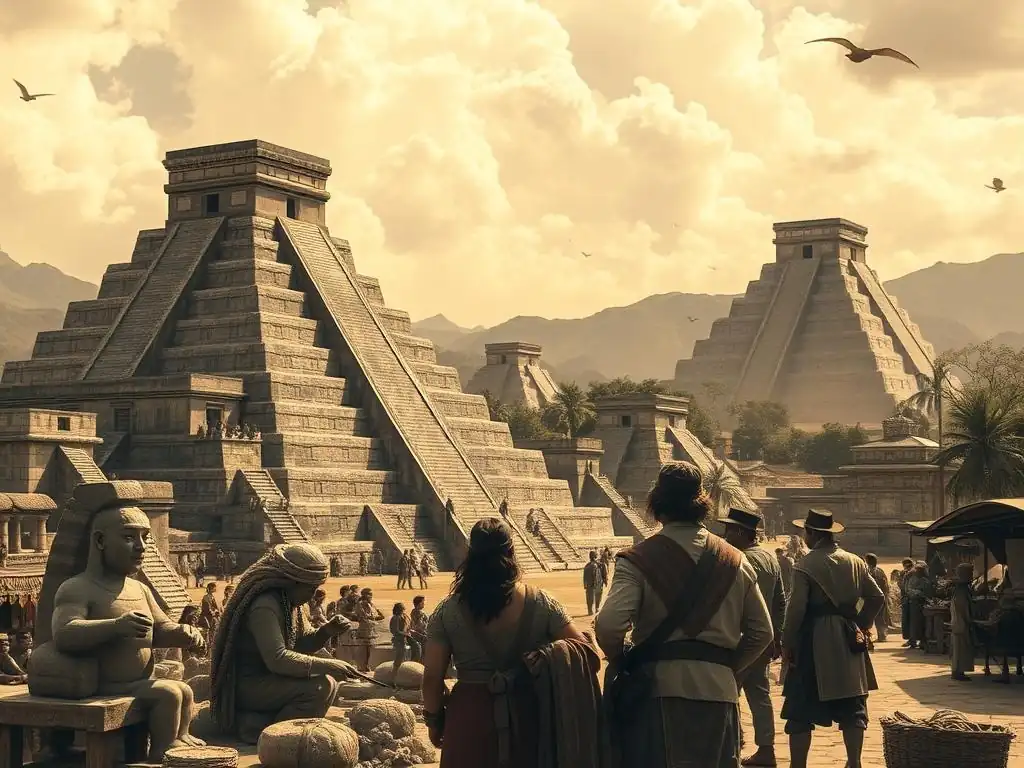
Historical Background of European Exploration
The late 15th century marked a pivotal era in global history, characterized by the rise of European exploration. This period, often referred to as the Age of Discovery, was driven by various factors, including the quest for new trade routes, the pursuit of wealth, and the spread of Christianity.
European nations such as Spain and Portugal sought expansion, motivated by economic interests and the promise of riches found in the newly discovered lands. The invention of navigational tools, such as the astrolabe and magnetic compass, facilitated longer sea voyages, enabling explorers like Christopher Columbus and Hernán Cortés to embark on their expeditions.
The Iberian Peninsula, particularly Spain, became a hub for these explorations. The Treaty of Tordesillas (1494) divided the newly discovered lands between Spain and Portugal, providing a framework for colonization. By the early 16th century, Spanish conquistadors began to arrive in the Americas, where they encountered complex indigenous civilizations, including the Toltecs.
The Encounter Between Toltecs and Europeans
The Toltecs, who flourished in central Mexico from approximately 900 to 1150 CE, were known for their significant contributions to Mesoamerican culture, including advancements in art, architecture, and societal organization. By the time Europeans arrived, the Toltec civilization had already declined, but their influence persisted in the region. The Aztecs, who rose to power after the Toltecs, revered their predecessors, adopting many of their cultural practices and architectural styles.
When Hernán Cortés and his men arrived in 1519, they were not directly interacting with the Toltecs, but rather with the Aztec Empire. However, the legacy of Toltec achievements played a crucial role in shaping the cultural landscape that the Spaniards encountered. The awe-inspiring pyramids, intricate stone carvings, and the concept of a centralized political system were remnants of the Toltec civilization that influenced the Aztecs and left a lasting impression on the Spanish conquerors.
Cortés and his men often misinterpreted the indigenous societies they encountered, viewing them through a Eurocentric lens that oversimplified complex social structures. The Toltec heritage, with its rich traditions, was seen as both a marvel and a target for European dominance.
Motivations Behind the European Conquest
The motivations behind the European conquest of indigenous civilizations like the Toltecs and Aztecs were multifaceted. Economic gain was paramount; Spain sought to acquire gold, silver, and other valuable resources. The wealth brought back to Spain from the New World fueled further conquests and established Spain as a dominant global power.
Religious motivations were also significant. The Spanish Crown aimed to spread Christianity and convert indigenous peoples, viewing this as both a divine mandate and a justification for their conquests. Missionary efforts were often intertwined with military campaigns, as seen in the actions of figures like Cortés, who claimed to be acting in the name of Christ.
Additionally, political motivations played a role. The desire for territorial expansion and the establishment of colonies were critical to the strategic interests of European powers. By conquering indigenous civilizations and claiming their lands, Spain sought to bolster its empire and outmaneuver rival nations.
The interplay of these motivations—economic, religious, and political—created a complex backdrop for the European conquest of the Americas. The legacy of the Toltecs, with their achievements in governance, art, and culture, ultimately colored the interactions between indigenous peoples and European conquistadors, revealing the profound implications of these encounters on both sides.
The Impact of Toltec Achievements on European Conquest
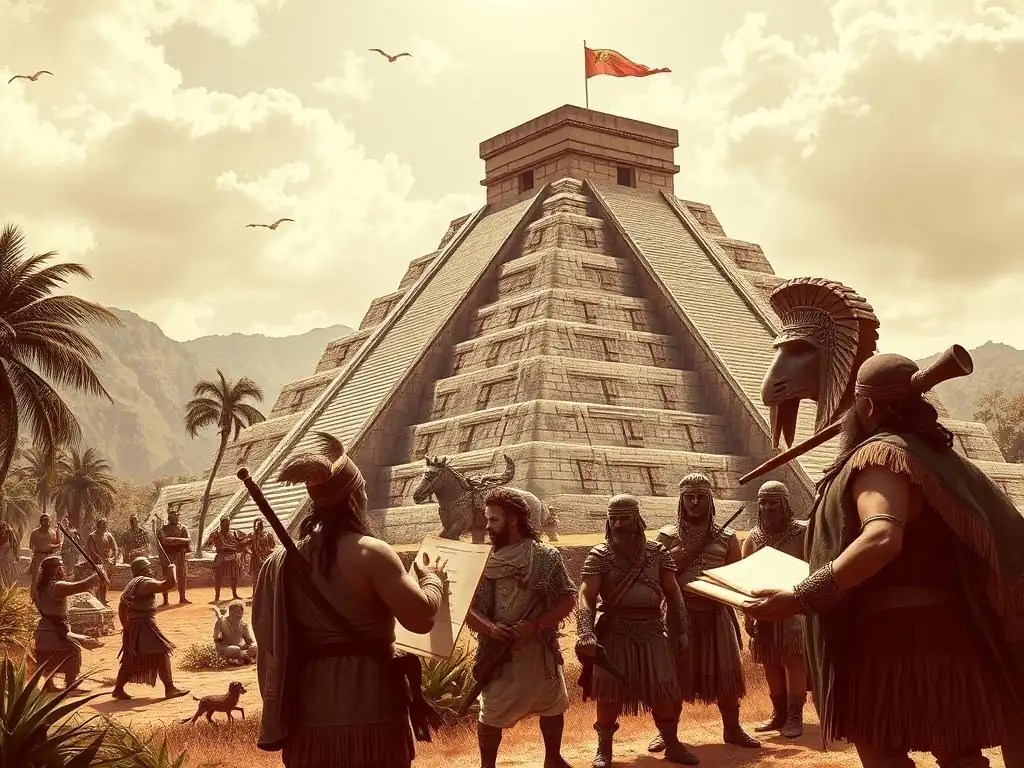
How Toltec Innovations Influenced European Strategies
The Toltec civilization, flourishing from the 10th to the 12th centuries, was notable for its sophisticated advancements in various fields, including architecture, agriculture, and military organization. These achievements significantly influenced European strategies during the conquest of the Americas.
- Architectural Mastery: The Toltecs are renowned for their architectural innovations, particularly their use of the Talud-tablero style, which combined sloping walls with horizontal panels. This style not only served aesthetic purposes but also enhanced structural integrity. European conquerors, impressed by the monumental structures such as those at Tula, sought to replicate similar designs in their settlements, reflecting a blend of admiration and appropriation.
- Agricultural Techniques: The Toltecs developed advanced agricultural practices, including the use of chinampas, or floating gardens, which maximized arable land in swampy areas. This innovation allowed for increased food production, crucial for sustaining large populations. European settlers adopted some of these techniques, recognizing their effectiveness in cultivating crops in unfamiliar environments.
- Military Organization: The Toltec military was well-organized and strategically adept, employing professional soldiers and advanced weaponry. European forces, particularly the Spanish, took note of these military strategies. The incorporation of cavalry and the use of horses, which were not native to the Americas, were effectively combined with the tactics observed in Toltec warfare, enhancing their own military campaigns.
The Role of Toltec Culture in Shaping European Perceptions
Toltec culture, rich in mythology, art, and religion, left a profound impact on European perceptions of the New World. The cultural narratives and artistic expressions of the Toltecs played a crucial role in how European conquerors viewed indigenous societies.
- Symbolism and Mythology: The Toltec civilization was steeped in mythology, with deities such as Quetzalcoatl symbolizing wisdom and the arts. These mythological figures intrigued European explorers, who often interpreted them through their own cultural lenses. The reverence for these gods led to a fascination with indigenous practices and beliefs, shaping European narratives about the spiritual depth of native cultures.
- Artistic Expression: Toltec art, characterized by intricate stone carvings and sculptures, showcased a high degree of sophistication. European artists and chroniclers documented these works, often romanticizing them. This portrayal contributed to a dual perception of the Americas: as a land of savage wilderness and as a cradle of refined civilization, influencing how Europeans justified their conquests and interactions.
- Cultural Exchange: The encounters between Europeans and Toltecs facilitated a cultural exchange that affected both sides. While Europeans imposed their own values and beliefs, they also adopted certain elements of Toltec culture, leading to a hybridization of practices. This blending can be observed in religious syncretism and artistic adaptations that emerged during and after the conquest.
Comparing Toltec Society to European Norms
Understanding Toltec achievements within the context of European norms provides critical insights into the dynamics of the conquest. The comparison reveals both contrasts and similarities that shaped interactions between these civilizations.
| Aspect | Toltec Society | European Norms |
|---|---|---|
| Social Structure | Hierarchical, with a ruling elite and priestly class | Feudal system, with nobility and serfs |
| Military Organization | Professional warriors with strategic planning | Nobility-led armies with feudal levies |
| Religious Beliefs | Polytheistic, with a strong emphasis on ritual | Predominantly Christian, with a focus on salvation |
| Artistic Expression | Highly symbolic and intricate stonework | Often religiously themed, with varying styles |
The Toltecs, similar to European societies, had complex social hierarchies and organized military forces. However, their polytheistic beliefs and the centrality of ritual in daily life contrasted sharply with the European focus on monotheism and salvation. This divergence in worldviews often led to misunderstandings and conflicts during the European conquest.
The examination of Toltec achievements provides valuable insights into how these innovations and cultural elements influenced European strategies and perceptions during the conquest. The interplay between Toltec society and European norms reveals a multifaceted relationship that shaped the historical trajectory of the Americas in profound ways.
Consequences of the European Conquest on Toltec Heritage
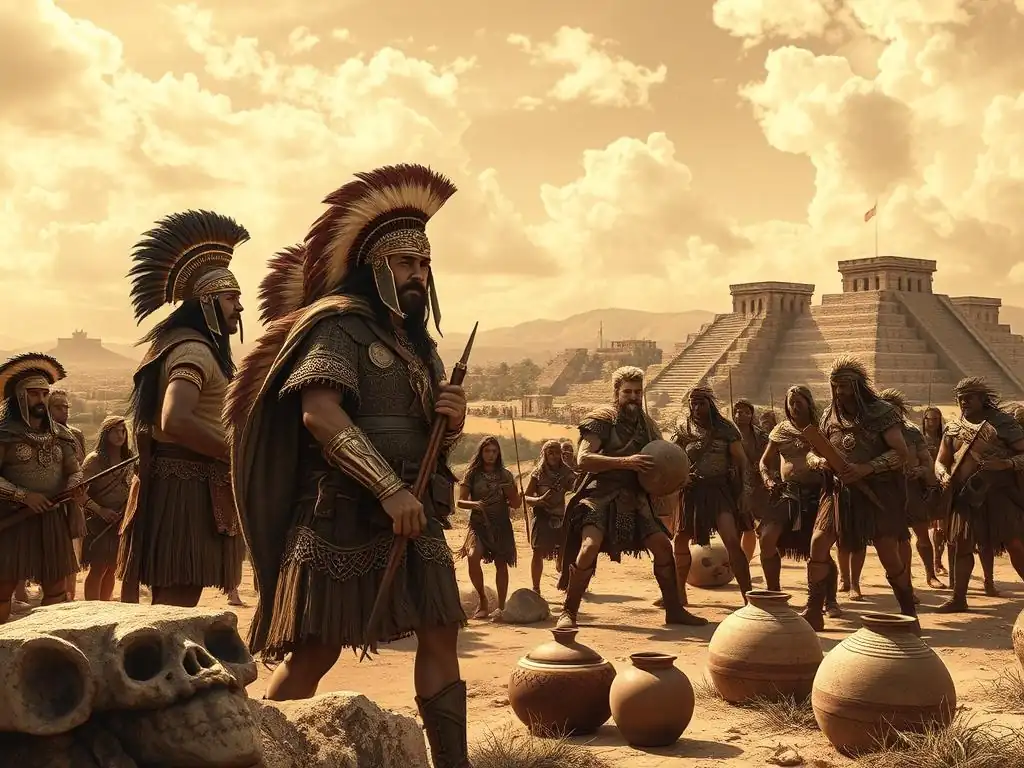
Disruption of Toltec Achievements
The European conquest had a profound impact on the achievements of the Toltec civilization, leading to significant disruptions across various aspects of their society. The arrival of Spanish conquistadors in the early 16th century marked the beginning of a period characterized by violence, cultural upheaval, and social disintegration. Key elements affected by this disruption included:
- Destruction of Cultural Sites: Many Toltec cities, such as Tula, experienced physical destruction. Temples, pyramids, and other monumental architecture were damaged or repurposed for European use, erasing vast portions of Toltec heritage.
- Loss of Traditional Knowledge: The conquest led to a significant decline in the transmission of Toltec knowledge, including their agricultural practices, religious beliefs, and artisanal skills. This knowledge was often orally transmitted, and with the decimation of the population due to violence and disease, many traditions were lost.
- Cultural Assimilation: The Spanish imposed their customs and religion upon the indigenous populations, leading to a blending of cultures that often marginalized traditional Toltec practices. This assimilation process disrupted the social fabric that had sustained the Toltec civilization for centuries.
Despite these disruptions, the legacy of Toltec achievements remains evident in various forms, influencing both indigenous and colonial societies.
Preservation of Toltec Knowledge Post-Conquest
While the European conquest disrupted many aspects of Toltec culture, certain elements of Toltec knowledge managed to endure and adapt. This preservation can be observed in several areas:
- Integration into Colonial Society: As the Spanish established their rule, they often relied on the surviving indigenous populations for labor and knowledge. Many Toltec agricultural techniques and local medicinal practices were integrated into colonial farming and health systems.
- Codices and Oral Traditions: Some aspects of Toltec culture were documented in codices created during and after the conquest. These documents provided valuable insights into Toltec history, mythology, and societal structure. Additionally, oral traditions persisted within communities, passing down stories and practices that trace back to Toltec origins.
- Cultural Resilience: Indigenous groups, including descendants of the Toltec, displayed remarkable resilience by adapting their cultural practices to the new realities imposed by European rule. This adaptation included the incorporation of Catholicism into traditional beliefs, thereby preserving essential aspects of their identity.
The preservation of Toltec knowledge is crucial for understanding the complexities of cultural survival in post-conquest Mexico.
Modern Interpretations of Toltec Contributions
In contemporary discourse, the achievements of the Toltec civilization are increasingly recognized for their contributions to broader indigenous heritage and identity in the Americas. Modern interpretations emphasize several key aspects:
- Artistic Legacy: The artistic achievements of the Toltecs, including their stone carvings, pottery, and mural paintings, have been influential in shaping the visual culture of subsequent Mesoamerican civilizations. The iconic Toltec warriors and serpent motifs continue to inspire modern artists and cultural expressions.
- Architectural Influence: The architectural innovations of the Toltecs, particularly in urban planning and monumental construction, have been studied and admired by modern architects and historians. Their designs laid the groundwork for later civilizations, including the Aztecs, who revered the Toltec as cultural predecessors.
- Cultural Symbolism: The Toltec civilization is often invoked in discussions surrounding indigenous identity and cultural pride. Modern movements seek to reconnect with Toltec heritage, reflecting a desire to reclaim and celebrate indigenous history in the face of colonial legacies.
Through these modern interpretations, the significance of Toltec achievements continues to resonate, highlighting their enduring impact on contemporary understanding of indigenous civilizations and their contributions to the Americas.
Conclusion: Understanding the Legacy of Toltec Achievements in the Context of European Conquest
The Toltec civilization, known for its significant contributions to Mesoamerican culture, presents a complex legacy that intertwines with the history of European conquest. Their advancements in architecture, art, and social organization not only shaped the cultural landscape of ancient Mexico but also laid a foundation that would be critically evaluated in the wake of European contact. Understanding Toltec achievements is essential for grasping the broader narrative of indigenous resilience and adaptation in the face of colonial forces.
The sophisticated urban planning exemplified by the Toltecs, particularly in cities like Tula, showcases their architectural prowess. The construction of monumental structures, such as pyramids and temples, reflects their advanced knowledge in engineering and design. Moreover, the Toltecs' contributions to art, including the iconic warrior statues and intricately carved stonework, reveal a rich cultural identity that influenced later civilizations, including the Aztecs.
The impact of these achievements becomes even more pronounced when examining the European conquest. As Spanish conquerors encountered the remnants of Toltec culture, they often misinterpreted these symbols of indigenous sophistication as evidence of barbarism. This misunderstanding played a crucial role in justifying the conquest and subsequent colonization efforts, as it allowed Europeans to impose their narratives on a complex and vibrant indigenous history.
Reflecting on the Importance of Indigenous Civilizations
Recognizing the significance of indigenous civilizations like the Toltecs is vital for a nuanced understanding of the Americas' pre-colonial history. The Toltec civilization not only contributed to the artistic and architectural heritage of the region but also established social and political structures that influenced subsequent cultures. Their achievements demonstrate the sophistication of indigenous societies, countering the simplistic portrayals often perpetuated in colonial narratives.
Moreover, the study of Toltec achievements invites a reevaluation of the interactions between indigenous peoples and European conquerors. The legacy of the Toltecs offers insights into how indigenous knowledge and practices were not only integral to the pre-Columbian world but also played a role in shaping the resistance against colonial forces. This history emphasizes the importance of acknowledging and honoring the contributions of indigenous peoples in contemporary discussions about identity, history, and culture.
Future Directions for Research on Toltec Achievements and European Conquest
The exploration of Toltec achievements in the context of European conquest is a field ripe for further research. Scholars can delve into various aspects, including:
- Comparative Studies: Investigating how Toltec culture influenced other Mesoamerican civilizations and how these interactions shifted during European contact.
- Archaeological Evidence: Conducting more in-depth archaeological studies to uncover artifacts and structures that can provide a clearer picture of Toltec life before and during the arrival of Europeans.
- Cultural Resilience: Examining the ways in which Toltec cultural elements persisted or transformed in the face of colonization, particularly in the context of contemporary indigenous identities.
By pursuing these research avenues, we can better appreciate the intricate tapestry of indigenous civilizations and their responses to European conquest, highlighting the enduring legacy of the Toltecs and similar cultures. This understanding is crucial for fostering a more inclusive historical narrative that recognizes the depth and richness of indigenous contributions to the Americas.
Frequently Asked Questions
What were the major Toltec achievements?
The Toltecs are known for their advancements in architecture, art, and agriculture, showcasing a complex society that influenced many Mesoamerican cultures.
How did the Toltec civilization impact later cultures?
The Toltecs set the foundation for later civilizations, including the Aztecs, who adopted many of their religious practices, artistic styles, and societal structures.
What role did Toltec achievements play during the European conquest?
Understanding Toltec achievements provides insight into how European conquerors interacted with established societies, often undermining their complex cultural frameworks.
How did Toltec society differ from other indigenous cultures?
Unlike many contemporaneous cultures, Toltec society was marked by a unique blend of militarism and spirituality, which shaped their interactions with both neighboring tribes and European invaders.
Why is it important to study Toltec achievements in the context of European conquest?
Studying Toltec achievements helps to contextualize the disruption caused by the European conquest, revealing the resilience and influence of indigenous cultures in the face of colonization.
Final Reflection: The Enduring Legacy of Toltec Achievements in the Face of Conquest
The exploration of Toltec achievements offers profound insights into the complexities of European conquest and its lasting implications. As we examine the intricate societal structures, artistic expressions, and technological advancements of the Toltecs, we uncover a narrative that challenges the simplistic dichotomy of conqueror and conquered. The resilience of these achievements serves as a testament to the enduring spirit of a civilization that continues to influence contemporary discussions about cultural identity and historical memory.
Cultural legacies, such as those of the Toltecs, shape our understanding of history and inform our present realities. The achievements of the Toltecs not only highlight their sophistication but also serve as a reminder of the rich tapestry of human experience that transcends borders and epochs. As noted by historian Miguel León-Portilla, “The past is not dead; it is not even past.” > This quote encapsulates the ongoing relevance of Toltec contributions, urging us to recognize their significance in the broader narrative of human history and the socio-political dynamics that followed European conquest.
As we reflect on the lessons drawn from Toltec achievements, let us challenge ourselves to appreciate the depth of history that informs our current world. Consider how the stories of resilience and innovation from the past can inspire us to foster understanding and respect among diverse cultures today. In embracing this perspective, we can cultivate a more nuanced appreciation of our shared history and work towards a future that honors the legacies of all civilizations, encouraging dialogue and collaboration rather than division.
Unveil the Impact of Toltec Wisdom Today!
Thank you for exploring the fascinating relationship between Toltec achievements and the European conquest! Your engagement with this topic enriches your understanding of how indigenous cultures have shaped history. Now, let's take that newfound knowledge a step further with some empowering actions.
- Dive deeper: Explore the contributions of various indigenous civilizations by visiting our articles section.
- Connect with others: Join our vibrant online community to share insights, ask questions, and exchange knowledge about indigenous cultures.
- Spread the word: Share this article with friends and family to promote awareness and inspire meaningful conversations about history.
What aspects of Toltec culture intrigue you the most, and how do you believe they influence our understanding of modern society?