
Technology Meets Tradition: The Role of Apps and Online Resources in Language Preservation

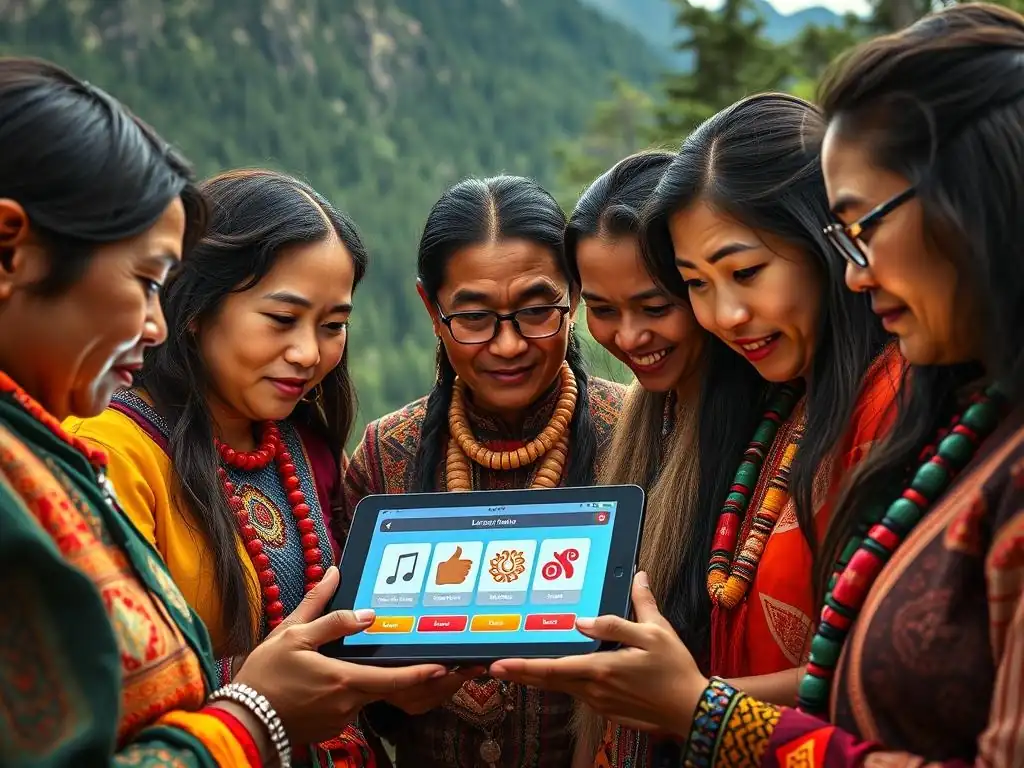
Welcome to Indigenous Civilizations of the Americas, where the rich tapestry of pre-colonial cultures comes alive through compelling stories and insights. Here, we delve into the remarkable achievements and vibrant societies that shaped the Americas long before European contact. In our featured article, "Technology Meets Tradition: The Role of Apps and Online Resources in Language Preservation," we explore how modern technology, particularly indigenous language preservation apps, is breathing new life into ancient languages and cultural identities.
Join us on this enlightening journey, and discover how the past and present intertwine to forge a path for future generations. Your exploration begins now!
The preservation of indigenous languages is a pressing issue as many of these languages are at risk of extinction. As global cultures converge and technology advances, the need for innovative solutions to safeguard these rich linguistic heritages has become more critical than ever.
In this context, indigenous language preservation apps and online resources have emerged as vital tools that not only assist in teaching and revitalizing languages but also foster a sense of community and cultural identity among speakers. This article delves into the importance of these preservation efforts, the challenges faced, and how modern technology is merging with traditional knowledge to ensure that indigenous languages thrive for future generations.
Introduction to Indigenous Language Preservation
Indigenous languages are more than just a means of communication; they embody unique worldviews, histories, and cultural practices. The decline of these languages can lead to a profound loss of identity and cultural heritage for many communities. Therefore, language preservation is not only about saving words and grammar; it is about preserving the very essence of a people’s identity.
Importance of Preserving Indigenous Languages
Preserving indigenous languages serves multiple purposes:
- Cultural Identity: Language is a key component of cultural identity. It connects individuals to their ancestors and traditions.
- Knowledge Transmission: Many indigenous languages carry traditional knowledge about local ecosystems, medicinal plants, and spiritual practices that are not easily translatable into dominant languages.
- Diversity: Linguistic diversity contributes to the overall richness of human culture. Each language represents a unique way of understanding the world.
Challenges Faced in Language Preservation Efforts
Despite the importance of preserving indigenous languages, there are several challenges:
- Declining Speaker Populations: Many languages have few remaining speakers, often due to historical trauma and assimilation policies.
- Limited Resources: There is often a lack of funding and resources dedicated to language education and revitalization programs.
- Technological Barriers: While technology offers solutions, not all communities have equal access to the necessary tools and internet connectivity.
Overview of Indigenous Language Preservation Apps
Indigenous language preservation apps are designed to support the revitalization and teaching of these languages through technology. These applications often include features such as interactive lessons, audio recordings from native speakers, and community forums for practice.
Definition and Purpose of Language Preservation Apps
Language preservation apps aim to:
- Facilitate Learning: They provide users with the tools to learn their ancestral languages at their own pace.
- Engage Communities: Many apps foster community engagement by connecting users with native speakers and language teachers.
- Document Languages: Some apps focus on documenting endangered languages, creating a digital archive for future generations.
Examples of Popular Indigenous Language Preservation Apps
Several apps have gained traction in the realm of indigenous language preservation, including:
- Duolingo: Offers courses in various indigenous languages, including Navajo and Hawaiian.
- Memrise: Features community-created courses that include indigenous languages alongside popular ones.
- Kakawaka: A dedicated app for learning the Tzeltal language, providing interactive lessons and cultural context.
Through these innovative solutions, the integration of technology into language preservation efforts demonstrates promising potential to revive and maintain the rich linguistic diversity of indigenous cultures across the Americas.
How Technology Aids in Indigenous Language Preservation
Technology plays a pivotal role in the preservation of indigenous languages, particularly as many of these languages face the threat of extinction. The integration of modern tools allows communities to document, teach, and revitalize their languages in ways that were previously unimaginable. By leveraging the capabilities of digital platforms, indigenous peoples can connect with younger generations, creating engaging learning experiences that foster a sense of identity and cultural pride.
The accessibility of technology enables language resources to reach wider audiences. Mobile phones, tablets, and computers can host applications and websites that provide interactive lessons, audio recordings, and visual aids. This not only makes learning more engaging but also allows for immediate access to language materials, even in remote areas. Additionally, technology fosters collaboration among communities, linguists, and educators, facilitating the sharing of resources and best practices in language preservation.
The Role of Mobile Applications in Language Learning
Mobile applications have revolutionized the way indigenous languages are taught and learned. These apps often provide immersive experiences through interactive features such as quizzes, games, and multimedia content. For instance, users can practice pronunciation with audio recordings from native speakers or engage in vocabulary-building exercises that reflect cultural contexts.
Many language preservation apps are designed with user-friendly interfaces, making them accessible to all age groups. This convenience encourages daily practice, as users can learn at their own pace and revisit lessons whenever they choose. Furthermore, some apps incorporate community-driven content, allowing users to submit new words or phrases, ensuring that the language continues to evolve alongside its speakers.
Notable examples of such apps include Duolingo and Memrise, which have introduced indigenous languages into their platforms, thus reaching a broader audience. These applications not only help preserve the language but also create a more substantial global awareness of indigenous cultures and their linguistic heritage.
Online Resources for Language Documentation and Revitalization
Online resources serve as invaluable tools for documenting and revitalizing indigenous languages. Digital archives, databases, and websites can house extensive collections of language materials, including dictionaries, grammatical guides, and folklore. This centralization of information allows both speakers and learners to access and contribute to a wealth of linguistic knowledge.
Moreover, numerous organizations and universities are dedicated to creating online platforms that support language preservation. These sites often feature educational resources, language courses, and community forums where learners can connect with speakers and other learners. For example, the Living Tongues Institute for Endangered Languages provides an array of resources aimed at documenting and revitalizing endangered languages through technology.
The collaboration between linguists and indigenous communities is crucial in these efforts. By employing technology for documentation, communities can create comprehensive records of their languages, which are essential for future generations. This collaborative approach ensures that the documentation process respects cultural contexts and incorporates the voices of the speakers themselves.
Community Engagement through Digital Platforms
Digital platforms have transformed the way communities engage with their languages. Social media, forums, and online groups allow speakers to practice their languages daily, share cultural stories, and discuss linguistic nuances. These interactions create a supportive environment that encourages language use in casual settings, further reinforcing its relevance in contemporary life.
Moreover, many communities have initiated campaigns to promote their languages online. These initiatives often include challenges, events, and collaborative projects that invite participation from both speakers and learners. For instance, hashtags related to language learning can trend on social media, generating interest and fostering a sense of community among users.
Engagement through digital platforms also facilitates the involvement of diaspora populations. Indigenous peoples living outside their traditional territories can reconnect with their languages and cultures through online resources, ensuring that the language is not confined to its geographic origins but thrives in diverse contexts.
Case Studies of Successful Language Preservation Initiatives

Case Study 1: The Cherokee Language App
The Cherokee Language App represents a groundbreaking initiative aimed at revitalizing the Cherokee language, which has been endangered for decades. Developed by the Cherokee Nation, this app provides a comprehensive learning experience, featuring audio pronunciations, vocabulary lessons, and cultural contexts that enrich the language-learning process.
Users can explore various modules, including basic phrases, numbers, and everyday vocabulary, all presented through engaging activities. The app also includes a quiz feature to test users' knowledge, encouraging regular practice. This initiative has successfully reached younger generations, fostering a renewed interest in learning Cherokee and encouraging community members to use the language in daily life.
Case Study 2: Māori Language App
The Māori Language App, known as “Kōrero Māori,” is an exemplary model of how technology can facilitate language revitalization. Launched by the Māori Language Commission, the app serves as a platform for users to learn Māori through interactive content, quizzes, and video lessons featuring fluent speakers.
This app is particularly significant as it aligns with the revitalization efforts in New Zealand, where Māori language education is increasingly incorporated into schools. The app not only provides language instruction but also emphasizes cultural practices, ensuring that users gain a holistic understanding of Māori traditions alongside their language learning.
The success of the Kōrero Māori app demonstrates the effectiveness of technology in bridging the gap between traditional knowledge and modern learning methods, making the Māori language accessible to a wider audience and contributing to its preservation for future generations.
The Future of Indigenous Language Preservation through Technology
The future of Indigenous language preservation is increasingly intertwined with technology, as digital tools become vital in keeping these languages alive. With the rapid advancement of technology, there are promising avenues for Indigenous communities to leverage innovation in their language revitalization efforts. By harnessing smartphones, tablets, and computers, these communities can create and access a wealth of resources that promote language learning and usage in everyday life.
Technological advancements are not just enhancing traditional language learning methods; they are also providing new platforms for cultural expression. Through social media, podcasts, and video sharing, Indigenous peoples can engage with younger generations, making the learning process both relevant and appealing. Moreover, the internet allows for the dissemination of language resources beyond geographical boundaries, connecting Indigenous speakers and learners globally.
As we look ahead, the integration of technology into Indigenous language preservation will likely continue to evolve. This evolution will necessitate ongoing community involvement and collaboration with tech developers to ensure that these tools are culturally appropriate and effective.
Emerging Trends in Language Preservation Apps
The landscape of language preservation apps is evolving rapidly, with several emerging trends shaping their development and use. One notable trend is the gamification of language learning, where apps incorporate game-like elements to enhance user engagement. This approach not only makes learning fun but also encourages consistent practice, which is crucial for language retention.
Another significant trend is the personalization of learning experiences. Apps are increasingly using algorithms to tailor lessons based on the learner's proficiency level, interests, and goals. This individualized approach ensures that users remain motivated and challenged, fostering a deeper connection with the language.
Moreover, the rise of community-driven platforms is noteworthy. Many apps now allow users to contribute content, share resources, and engage in language exchanges. This collaborative model helps to build a sense of community among learners and speakers, reinforcing the social aspect of language use.
Finally, the integration of cultural content within language apps is becoming more prevalent. By including traditional stories, songs, and cultural practices, these apps provide learners with a richer understanding of the language in its cultural context, enhancing both language skills and cultural appreciation.
The Potential of Artificial Intelligence in Language Learning
Artificial Intelligence (AI) holds significant potential in revolutionizing Indigenous language learning. With capabilities such as natural language processing and machine learning, AI can help create more effective and adaptive language preservation tools. For instance, AI-driven chatbots can simulate conversations in Indigenous languages, providing learners with real-time practice and feedback.
Additionally, AI can aid in speech recognition, allowing learners to practice pronunciation and receive instant corrections. This feature is particularly beneficial for languages with unique phonetic structures, as it helps users master the nuances of sound and intonation that are often challenging to learn from text alone.
AI also enables the development of smart dictionaries and translation tools that can evolve over time. These tools can incorporate new words, phrases, and cultural references, ensuring that the language remains vibrant and relevant. By continuously learning from user interactions, AI can provide increasingly accurate and contextually appropriate translations.
Overall, the integration of AI into language preservation efforts can significantly enhance the accessibility and effectiveness of learning Indigenous languages, empowering both new learners and fluent speakers to engage with their linguistic heritage more deeply.
Collaborations Between Tech Companies and Indigenous Communities
Collaborations between tech companies and Indigenous communities are crucial for the success of language preservation apps. These partnerships ensure that the technologies developed are culturally relevant and meet the specific needs of Indigenous language speakers. By involving community members in the design and development processes, tech companies can create tools that resonate with users and respect cultural nuances.
One successful example of such collaboration is the development of language apps that include input from fluent speakers and elders. This participatory approach not only enhances the authenticity of the content but also fosters a sense of ownership among community members. Additionally, these collaborations can help identify the most effective teaching methods and resources that align with traditional learning practices.
Furthermore, funding from tech companies can support initiatives aimed at training community members in digital literacy and app development. This empowerment enables Indigenous peoples to take charge of their language preservation efforts, ensuring sustainability and relevance in the long term.
Conclusion
Recap of the Importance of Technology in Language Preservation
Technology plays a transformative role in Indigenous language preservation. By embracing apps and online resources, communities can revitalize their languages and facilitate intergenerational transmission. The integration of emerging trends, AI capabilities, and collaborative efforts with tech companies creates a robust framework for ensuring that Indigenous languages not only survive but thrive in the digital age.
Call to Action for Supporting Indigenous Language Initiatives
As we move forward, it is essential to support Indigenous language initiatives that utilize technology for preservation. Individuals and organizations can contribute by advocating for funding, participating in language learning programs, and promoting the use of Indigenous language apps. By doing so, we can help secure a future where Indigenous languages flourish and continue to be a vital part of the cultural identity of their speakers. Together, we can honor and uplift the rich linguistic heritage of Indigenous peoples across the Americas. 🌍✨
- Introduction to Indigenous Language Preservation
- Overview of Indigenous Language Preservation Apps
- How Technology Aids in Indigenous Language Preservation
- Case Studies of Successful Language Preservation Initiatives
- The Future of Indigenous Language Preservation through Technology
- Conclusion
Frequently Asked Questions
What are indigenous language preservation apps?
Indigenous language preservation apps are digital tools designed to help revive and maintain native languages through interactive learning, vocabulary building, and cultural resources.
How do these apps support cultural heritage?
These apps play a significant role in cultural heritage by providing access to traditional stories, songs, and oral histories, enabling users to connect with their ancestral roots.
Can anyone use these apps, or are they specifically for indigenous communities?
While many apps are created for indigenous communities, they are often accessible to everyone, promoting awareness and appreciation of indigenous languages and cultures among a wider audience.
What features are commonly found in language preservation apps?
Common features include audio recordings, interactive exercises, flashcards, and community forums to encourage practice and discussion among learners, enhancing the overall language learning experience.
Are these apps effective in promoting language learning?
Yes, numerous studies suggest that indigenous language preservation apps can significantly enhance language learning and retention, especially when combined with community engagement and cultural activities.
Final Reflection: Bridging the Past and Future of Indigenous Languages
The intersection of technology and tradition is more crucial than ever in the fight for indigenous language preservation. As we navigate an increasingly digital world, the tools at our disposal—such as apps and online resources—offer unprecedented opportunities to revitalize and sustain languages that have been marginalized for generations. The urgency of this endeavor cannot be overstated; preserving these languages is not merely about saving words, but about safeguarding entire cultures and identities.
Cultural landscapes are continuously shaped by the languages we speak, and the rise of indigenous language preservation apps is a testament to the resilience of these communities. The integration of technology into language learning and preservation efforts is transforming how we engage with our heritage. As we embrace these innovations, we must also recognize their potential to foster connection and understanding across generations. Language is the road map of a culture. It tells you where its people come from and where they are going.
– Rita Mae Brown. This quote encapsulates the essence of why our commitment to preserving indigenous languages through modern means is vital for future generations.
As we reflect on the importance of this topic, I invite you to consider your role in this movement. How can you contribute to the preservation of indigenous languages in your community? Whether it's by downloading an app, participating in local language classes, or simply engaging in conversations about the significance of these languages, every action counts. Let us embrace the tools of technology to honor and elevate the traditions that define us, ensuring that the voices of indigenous peoples resonate for generations to come.
Embrace the Future: Take Action for Language Preservation!
Thank you for engaging with the crucial topic of how technology can uplift and sustain our invaluable languages! By examining the role of apps and online resources in language preservation, you've discovered tools that empower communities and enhance cultural heritage. Now, it's time to transform that knowledge into meaningful action.
Here are some impactful steps you can take right now:
- Download a language preservation app and start learning your chosen language today! Every word you master helps keep the culture alive.
- Share your journey on social media or within local groups to inspire others to engage with these resources and raise awareness.
- Connect with communities dedicated to language preservation efforts. Look for volunteering opportunities or virtual workshops to deepen your involvement!
What aspect of language preservation ignites your passion the most, and how will you contribute to this important movement?