
The Role of Natural Geography in Olmec Urban Development

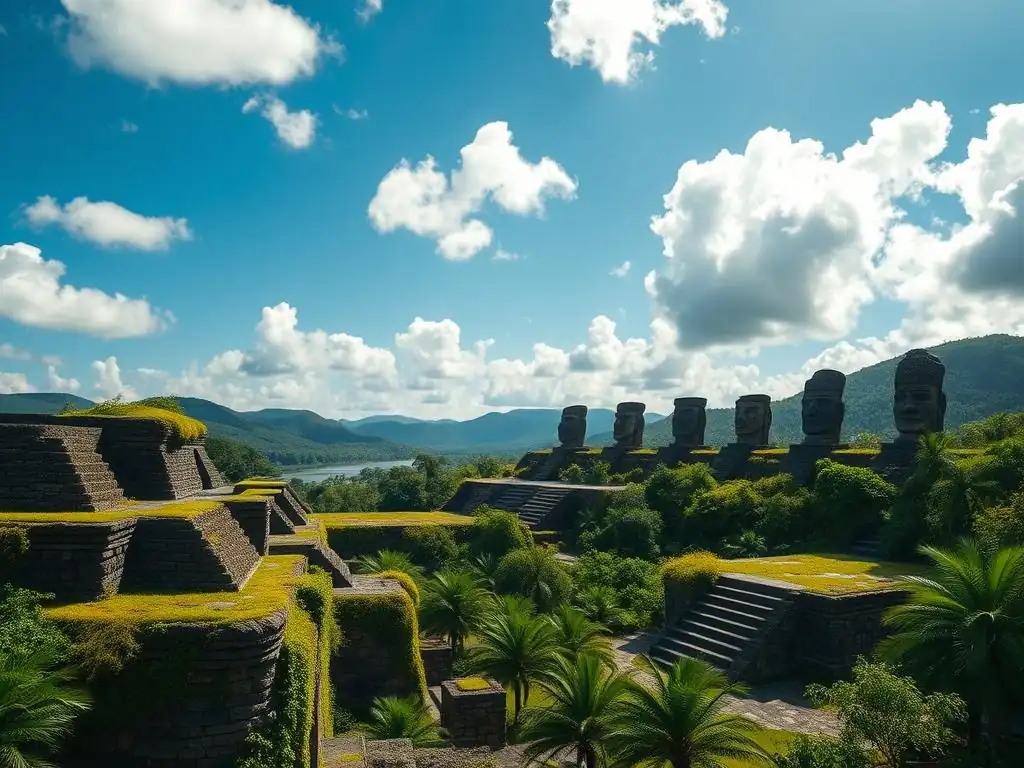
Welcome to Indigenous Civilizations of the Americas, where we embark on an enlightening journey through the rich tapestry of cultures that flourished across the continent long before European contact. In our featured article, “The Role of Natural Geography in Olmec Urban Development,” we delve into the remarkable interplay between the Olmec civilization and the unique geographical features that shaped their society.
Discover how these ancient people harnessed their environment to create thriving urban centers, and let your curiosity guide you as you explore the profound legacies they left behind. Join us as we uncover the secrets of the Olmec and their enduring influence on the Americas!
Introduction to Olmec Urban Development Geography
The Olmec civilization, often regarded as the "mother culture" of Mesoamerica, emerged around 1200 BCE and significantly influenced subsequent cultures across the region. Understanding the Olmec urban development geography is crucial for appreciating how natural landscapes and environmental factors shaped their cities and societal organization. This article delves into the intricate relationship between the Olmec's geographic setting and their urban planning strategies, highlighting how the natural environment provided both challenges and opportunities that led to the development of complex urban centers.
Overview of Olmec Civilization
The Olmecs were known for their advanced society, characterized by monumental architecture, intricate artwork, and a distinct social structure. They inhabited the Gulf Coast region of present-day Mexico, particularly in the states of Veracruz and Tabasco. Key achievements of the Olmec include:
- Colossal Heads: Remarkable stone carvings that stand as a testament to their artistic and engineering capabilities.
- Complex Societies: Evidence of stratified societies with social hierarchies, religious practices, and trade networks.
- Innovative Urban Planning: The establishment of urban centers like San Lorenzo and La Venta that reflected a sophisticated understanding of their environment.
This civilization laid the groundwork for future Mesoamerican cultures, making their study essential in historical discourse.
Significance of Geography in Urban Planning
Geography played a pivotal role in shaping Olmec urban development. The interplay of various geographic elements influenced not only the location of their cities but also the resources available for economic, cultural, and social activities. Key geographical factors included:
- Topography: The varied landscape, including mountains and plains, determined the layout and accessibility of urban centers.
- Climate: The humid tropical climate affected agricultural practices and resource availability.
- Natural Barriers: Rivers and forests served as both protective barriers and conduits for trade and communication.
These factors combined to create a unique urban environment that was both resilient and adaptive to the Olmec way of life.
Geographic Location of the Olmec Civilization
The Olmec Heartland: Geography and Climate
The Olmec civilization thrived in the heartland of Mesoamerica, where the geography was dominated by lush rainforests, fertile plains, and extensive river systems. This region's climate was characterized by:
- High rainfall: Averaging between 2,000 mm to 3,000 mm annually, supporting rich agricultural practices.
- Diverse ecosystems: Home to a variety of flora and fauna, which contributed to the Olmec diet and culture.
The geographical features allowed the Olmecs to develop a sustainable agricultural system that supported large populations and facilitated urban growth.
Rivers and Natural Resources: Key Factors in Urban Development
Rivers, particularly the Coatzacoalcos and Tonalá, were vital to the Olmec's urban development. These waterways provided:
- Irrigation: Essential for agriculture, allowing for the cultivation of staple crops such as maize, beans, and squash.
- Transportation: Facilitating trade and communication between urban centers and neighboring regions.
- Natural Resources: Access to materials like clay, stone, and timber, which were essential for construction and craftsmanship.
The strategic use of rivers and the abundance of natural resources significantly contributed to the urbanization of the Olmec civilization, highlighting the profound impact of geography on their development.
Influence of Natural Geography on Urban Layout
Natural geography played a pivotal role in shaping the urban layout of Olmec cities, influencing their design and functional aspects. The Olmec civilization, often regarded as the "mother culture" of Mesoamerica, thrived primarily in the lowland regions of present-day Veracruz and Tabasco. This area, characterized by its rich alluvial plains, rivers, and proximity to the Gulf of Mexico, provided both the physical space and the resources necessary for urban development.
The strategic placement of Olmec cities was largely determined by geographic features such as rivers, hills, and valleys. Urban centers like San Lorenzo and La Venta were often situated near rivers, which facilitated transportation and trade. The Olmecs utilized these waterways not only for commerce but also for irrigation, enhancing agricultural productivity. Additionally, the presence of elevated terrains allowed for strategic visibility and defense, influencing the overall urban layout and organization.
Terrain and Settlement Patterns in Olmec Cities
The diverse terrain of the Olmec region contributed significantly to settlement patterns. The Olmecs adapted their urban planning to the natural landscape, which included rolling hills, flat plains, and swampy areas. In places like San Lorenzo, the settlement was established on a series of terraces, enabling effective drainage and preventing flooding during seasonal rains. This adaptation demonstrates their sophisticated understanding of the environment and its challenges.
Moreover, the arrangement of residential and ceremonial spaces reflected the Olmecs' relationship with their surroundings. For instance, the use of raised platforms for temples and public spaces not only showcased their architectural skills but also served practical purposes, such as protection from flooding. The spatial organization within Olmec cities often mirrored the natural features of the landscape, indicating a harmonious integration of urban living with the environment.
Natural Landmarks and Their Role in Urban Design
Natural landmarks played a critical role in the urban design of Olmec cities, influencing both the aesthetic and functional aspects of their architecture. The Olmecs frequently incorporated significant geographic features into their urban plans, using them as focal points for ceremonial activities and public gatherings. For example, the presence of large basalt heads and altars in cities like La Venta not only served as artistic expressions but also as markers of cultural identity and spiritual significance.
The alignment of structures with natural landmarks also points to a deeper cosmological understanding among the Olmecs. They often oriented their temples and plazas in relation to celestial events and geographic features, creating spaces that reflected their beliefs and practices. This integration of natural geography into urban design is a hallmark of Olmec civilization, showcasing their ability to blend nature with human-made environments.
Resources and Economic Activities Shaped by Geography
Geography was a determining factor in the economic activities of the Olmec civilization, directly influencing their resource management and trade practices. The region's fertile soil, abundant water sources, and proximity to trade routes allowed the Olmecs to engage in diverse economic activities that supported their urban centers.
Agriculture: The Impact of Soil and Climate on Olmec Farming
The Olmec civilization benefitted immensely from the fertile soils of the Gulf Coast region, which were ideal for agriculture. The alluvial plains, enriched by sediment deposits from rivers, supported the cultivation of staple crops such as maize, beans, and squash. The climate, characterized by a tropical environment with seasonal rainfall, further facilitated agricultural productivity.
Olmec farmers employed advanced techniques such as slash-and-burn agriculture and irrigation systems to maximize crop yields. The strategic use of geography not only ensured food security for urban populations but also allowed surplus production, which was essential for trade and economic stability. This agricultural foundation was a critical component of Olmec urban development, supporting their growing cities and complex societies.
Trade Routes: How Geography Facilitated Economic Exchange
The geography of the Olmec region also played a significant role in establishing trade routes, which were integral to their economic exchange. The network of rivers and coastlines provided natural pathways for transporting goods, allowing the Olmecs to engage in extensive trade with neighboring cultures. They exchanged valuable resources such as jade, obsidian, and pottery, which were prized by other Mesoamerican civilizations.
The strategic location of Olmec cities near key waterways enhanced their status as trade hubs, facilitating interactions with distant regions. This economic connectivity not only contributed to the wealth of Olmec society but also facilitated the exchange of ideas, technologies, and cultural practices. The interplay between geography and trade is a testament to the Olmec's ability to leverage their environment for urban development and economic prosperity.
Architectural Innovations Influenced by Geography
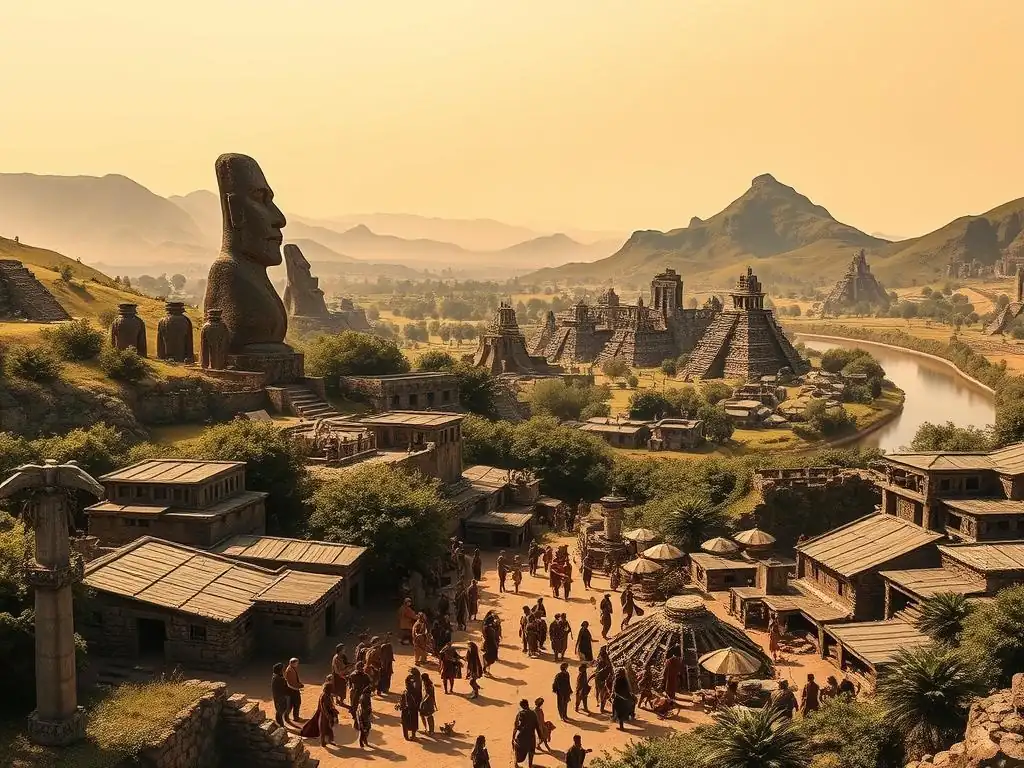
The geography of the Olmec civilization significantly shaped their architectural innovations. Nestled in the tropical lowlands of present-day Mexico, the Olmecs faced unique environmental conditions that influenced their urban development strategies. The region's abundant rainfall and fertile soil facilitated the growth of lush vegetation, which not only provided sustenance but also inspired the incorporation of natural elements into their architecture.
Key Innovations:
- Earthen Mounds: The Olmecs constructed large earthen mounds, utilizing the natural topography to enhance their civic spaces. These mounds served both ceremonial and residential purposes, demonstrating a harmonious relationship with the landscape.
- Stone Carving Techniques: The availability of basalt and other local stones allowed the Olmecs to develop sophisticated stone carving techniques. These materials were used to create monumental sculptures and intricate carvings that adorned temples and public buildings, reflecting their cultural significance and connection to the environment.
In addition to these innovations, the Olmec architectural style showcased a blend of functionality and aesthetics, where buildings were not only practical for urban living but also designed to resonate with the surrounding natural geography.
Use of Local Materials in Olmec Architecture
The Olmecs' utilization of local materials was pivotal in their architectural practices. The region's geography provided a wealth of resources that influenced both construction methods and aesthetic choices.
- Basalt and Clay: The proximity to basalt deposits allowed for the construction of impressive structures and sculptures, such as the colossal heads that are iconic to Olmec culture. Clay was also extensively used for creating adobe structures and pottery, making it a staple in everyday life and architecture.
- Timber and Thatch: Given the abundant forests in the region, timber became a primary material for building frameworks. Thatch roofs made from local grasses were common, providing effective insulation against the tropical climate.
The strategic use of these materials not only showcased the Olmecs' resourcefulness but also emphasized their connection to the land. By employing what was readily available, they created sustainable building practices that resonated with their environment.
Geographic Challenges and Solutions in Urban Construction
The varied geography of the Olmec region presented certain challenges that required innovative solutions in urban construction.
- Flooding Risks: The lowland areas were prone to seasonal flooding, necessitating the construction of elevated platforms and mounds for key structures. This strategic elevation minimized water damage and allowed for effective drainage systems.
- Transportation and Mobility: The dense vegetation and uneven terrain made transportation challenging. To address this, the Olmecs developed pathways and raised causeways that facilitated movement across their urban landscapes, connecting different areas of their cities.
These adaptive strategies highlight the Olmecs' ingenuity in overcoming geographic obstacles, ensuring the longevity and functionality of their urban centers.
Case Studies of Olmec Urban Centers
San Lorenzo: Urban Development in Relation to Geography
San Lorenzo, one of the earliest Olmec urban centers, exemplifies the profound impact of geography on urban development. Situated near the San Lorenzo River, the location afforded access to freshwater resources and fertile land for agriculture.
- Strategic Location: The river not only provided sustenance but also served as a transportation route, enhancing trade and communication with neighboring regions. This strategic positioning facilitated the growth of San Lorenzo into a bustling hub of cultural and economic activity.
- Architectural Layout: The urban layout of San Lorenzo was heavily influenced by its topography, with structures arranged to optimize views and access to water. The presence of monumental structures, including platforms and ceremonial centers, indicates a sophisticated understanding of spatial organization in relation to the natural landscape.
San Lorenzo's development illustrates how the Olmecs effectively leveraged their geographic advantages to establish a thriving urban center.
La Venta: Geographic Factors in Urban Planning and Growth
La Venta, another key Olmec urban center, showcases the intricate relationship between geography and urban planning. Located on a raised plateau, La Venta was strategically designed to mitigate flooding and harness natural resources.
- Elevation and Drainage: The elevated terrain allowed for effective drainage, preventing water accumulation during heavy rains. This geographical feature was crucial in maintaining the city's infrastructure and agricultural productivity.
- Ceremonial Significance: La Venta's layout included a large central plaza surrounded by monumental architecture, including pyramids and altars, all of which were meticulously aligned with the surrounding landscape. This alignment not only served ceremonial purposes but also reinforced the Olmec’s connection to their environment.
The geographic factors influencing La Venta’s urban growth underscore the Olmecs' sophisticated understanding of their landscape, allowing them to create a city that was both functional and culturally significant.
Conclusion: The Lasting Impact of Geography on Olmec Urban Development
The geography of the Olmec civilization played a crucial role in shaping their urban development. The unique environmental features of the Gulf Coast region, including fertile lands, abundant water sources, and favorable climatic conditions, allowed for the emergence of complex societies. These geographic advantages facilitated agricultural productivity, which in turn supported population growth and urbanization. The Olmecs strategically established their cities in locations that maximized access to resources and trade routes, fostering economic and cultural exchanges.
The implications of these geographic factors extend beyond the Olmec civilization itself. The urban planning principles and architectural innovations developed by the Olmecs laid foundational frameworks for subsequent Mesoamerican civilizations. Their ability to adapt and utilize their environment demonstrates the intrinsic relationship between geography and urban development, illustrating how natural landscapes can influence societal growth and cultural identity.
Summary of Key Geographic Influences
- Topography: The Olmec region's varied landscape, including hills, lowlands, and rivers, played a significant role in city planning and resource management. Cities like San Lorenzo and La Venta were strategically located to leverage these geographic features.
- Climate: The warm, humid climate of the Gulf Coast facilitated agricultural practices, allowing the Olmecs to cultivate staple crops such as maize and beans. This agricultural abundance underpinned their urban populations.
- Waterways: Proximity to rivers such as the Coatzacoalcos and Tonalá provided essential transportation routes for trade and communication, enhancing the Olmec's socio-economic interactions with neighboring regions.
- Natural Resources: The availability of materials like basalt for monumental architecture and jade for artistry and trade highlighted how geography dictated the resources that supported Olmec culture and economy.
Reflection on the Importance of Geography in Indigenous Urbanism
The Olmec civilization is a prime example of how indigenous societies harnessed their geographic surroundings to foster urban development. Geography was not merely a backdrop for their cities; it was a determining factor in their societal structures, economic systems, and cultural practices. The strategic location of Olmec cities facilitated trade networks and cultural exchanges that influenced later civilizations across Mesoamerica.
Understanding the significance of geography in the context of Olmec urbanism provides valuable insights into the broader patterns of indigenous urban development throughout the Americas. It highlights the adaptive strategies employed by ancient cultures in response to their environments, emphasizing the intricate interplay between human ingenuity and natural landscapes. This exploration fosters a deeper appreciation for the achievements of the Olmec and the lasting impact of geographic factors on their civilization.
References: Further Reading on Olmec Urban Development Geography
- Coe, Michael D. The Olmec World: Ritual and Rulership. New York: Thames & Hudson, 2013.
- Diehl, Richard A. The Olmecs: America's First Civilization. London: Thames & Hudson, 2004.
- Flannery, Kent V., and Joyce Marcus. The Creation of Inequality: How Our Prehistoric Ancestors Set the Stage for Monarchy, Slavery, and Empire. Cambridge: Harvard University Press, 2012.
- Pool, Christopher A. Olmec Archaeology and Early Mesoamerica. New York: Cambridge University Press, 2007.
- Smith, Michael E. The Aztecs. Oxford: Blackwell Publishing, 2003.
- Introduction to Olmec Urban Development Geography
- Geographic Location of the Olmec Civilization
- Influence of Natural Geography on Urban Layout
- Resources and Economic Activities Shaped by Geography
- Architectural Innovations Influenced by Geography
- Case Studies of Olmec Urban Centers
- Conclusion: The Lasting Impact of Geography on Olmec Urban Development
- References: Further Reading on Olmec Urban Development Geography
Frequently Asked Questions
What role did natural geography play in Olmec urban development?
Natural geography significantly influenced Olmec urban development by providing essential resources and strategic locations for settlements and trade networks.
How did the Olmec civilization utilize their environment?
The Olmec civilization skillfully utilized their environment by adapting to river systems for transportation and agriculture, which facilitated urban growth.
What were the key geographical features of Olmec cities?
Key geographical features included proximity to fertile lands, access to water sources, and the location of urban centers like San Lorenzo and La Venta, which enhanced their development.
How did the Olmecs influence the urban planning of later civilizations?
The Olmecs laid the groundwork for urban planning by implementing complex layouts, monumental architecture, and social organization, which were emulated by later Mesoamerican cultures.
What impact did geography have on Olmec trade?
Geography allowed the Olmecs to establish extensive trade routes, taking advantage of natural resources and connecting with neighboring cultures, which fostered economic and cultural exchanges.
Final Reflection: The Enduring Influence of Geography on Olmec Urban Development
The intricate relationship between natural geography and Olmec urban development remains profoundly relevant today, as it underscores the importance of environmental factors in shaping human settlements. The Olmec civilization, often regarded as the "mother culture" of Mesoamerica, thrived due to its strategic use of geographical features, demonstrating that the landscape is not merely a backdrop but a vital player in the narrative of urban evolution. This connection reminds us that understanding our environment is essential for sustainable development in our modern cities.
The legacy of the Olmec's geographical adaptability continues to resonate in contemporary discussions about urban planning and environmental stewardship. As we face challenges such as climate change and urban sprawl, the lessons from Olmec urban development geography serve as a poignant reminder of the need to harmonize our cities with the natural world. The greatest danger in times of turbulence is not the turbulence; it is to act with yesterday's logic.
– Peter Drucker. This quote encapsulates the necessity of evolving our understanding of geography's role in urban development, urging us to learn from the past while innovating for the future.
As you reflect on the insights gleaned from the Olmec civilization, consider how you can apply these lessons in your own life and community. Are you aware of the geographical factors that shape your environment? Embrace the opportunity to engage with your surroundings, advocate for sustainable practices, and contribute to a future where urban development respects and integrates with the natural landscape. By doing so, you not only honor the legacy of the Olmec but also pave the way for a more harmonious coexistence between humanity and nature.
Unveil the Secrets of Olmec Urban Mastery!
Thank you for taking the time to explore the fascinating connection between natural geography and Olmec urban development. You've gained valuable insights into how environmental factors shaped one of the first major civilizations in Mesoamerica! Now, it’s time to take your enthusiasm a step further.
Here’s how you can dive deeper into this captivating subject:
- Discover the ancient sites of the Olmec by planning a visit to the Gulf Coast of Mexico, or explore digital tours to experience their wonders from the comfort of your home!
- Share your newfound knowledge with friends or within online communities; initiate discussions about the influence of geography on urban planning in ancient civilizations.
- Explore related topics by reading about other indigenous cultures that thrived in harmony with their natural surroundings. You may be surprised by their remarkable innovations!
What aspect of Olmec urbanization intrigues you the most: their architectural techniques, their interaction with the environment, or their influence on later civilizations?