
European Chronicles: The First Encounters with Toltec Civilization

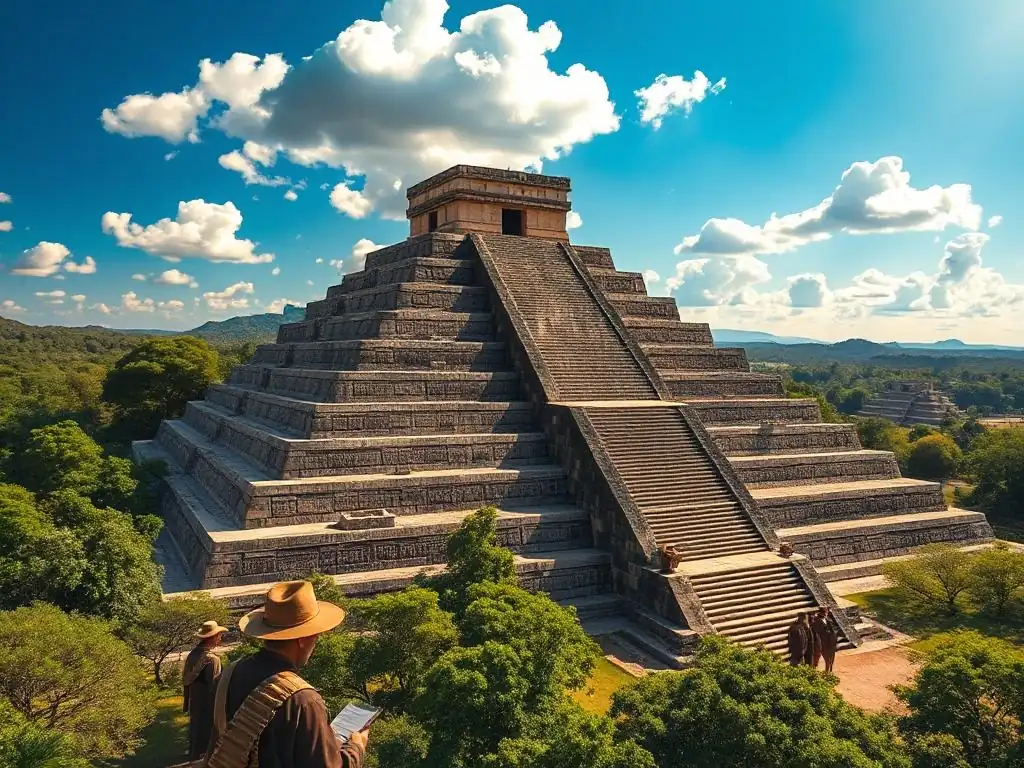
Welcome to Indigenous Civilizations of the Americas, where we embark on a fascinating journey through the rich tapestry of cultures that flourished long before European colonization. Here, we delve into the Toltec civilization encounters history, uncovering the intricate narratives and profound achievements of these remarkable societies. What stories do the chronicles hold about their first encounters with Europeans? Join us as we peel back the layers of time, revealing the legacy of the Toltecs and how their influence still resonates today. Your exploration begins now!
Introduction to the Toltec Civilization Encounters History
The Toltec civilization, which flourished in central Mexico from approximately the 10th to the 12th centuries, is a remarkable example of indigenous culture that significantly shaped the region's historical landscape. Known for their impressive architectural achievements, sophisticated societal structures, and rich artistic traditions, the Toltecs laid the foundation for future Mesoamerican civilizations, including the Aztecs.
Their encounters with European explorers during the Age of Discovery marked a pivotal moment in history, as these interactions brought together vastly different worlds. Understanding the complexities of these encounters is essential for grasping how the Toltec civilization influenced and was influenced by European contact.
Overview of the Toltec Civilization
The Toltec civilization is often regarded as a precursor to the more widely recognized Aztec Empire. Centered in the city of Tula (or Tollan), the Toltecs were known for their:
- Architectural Innovations: The Toltecs constructed monumental pyramids, palaces, and elaborate ceremonial centers that demonstrated advanced engineering and artistic skills.
- Cultural Contributions: They introduced a rich pantheon of deities and legends, many of which were later adopted by the Aztecs, including the worship of the feathered serpent deity, Quetzalcoatl.
- Economic Practices: The Toltecs engaged in extensive trade networks, facilitating the exchange of goods, ideas, and cultural practices across Mesoamerica.
The decline of the Toltec civilization in the 12th century set the stage for new powers to emerge, yet their legacy continued to resonate long after their political influence waned.
Significance of European Encounters in Toltec History
The arrival of Europeans in the 16th century introduced dramatic changes to the fabric of indigenous life in the Americas. For the Toltecs, these encounters were significant for several reasons:
- Cultural Exchange: Early accounts by European explorers and chroniclers provide insights into the Toltec way of life, allowing for a greater understanding of their cultural practices and beliefs.
- Impact on Indigenous Societies: The interactions led to the introduction of foreign diseases, which decimated indigenous populations, including those with Toltec heritage.
- Historical Documentation: European chronicles serve as valuable historical records, although they are often biased and reflect the perspectives of the conquerors. These documents are essential for reconstructing the history of the Toltecs and understanding their place in the broader narrative of Mesoamerican history.
Context of European Exploration
Understanding the context of European exploration is crucial to comprehending the encounters with the Toltec civilization.
Historical Background of European Exploration in the Americas
The Age of Exploration, which began in the late 15th century, was driven by various factors:
- Economic Interests: European nations sought new trade routes and resources, leading to expeditions across the Atlantic.
- Religious Motivations: The desire to spread Christianity among indigenous populations prompted many explorers to venture into the New World.
- Technological Advancements: Innovations in navigation and shipbuilding facilitated longer voyages.
These factors converged to create an environment ripe for contact between European explorers and indigenous civilizations like the Toltecs.
Key European Explorers Involved in Contact with Indigenous Civilizations
Several notable explorers played significant roles in the initial encounters with indigenous civilizations, including:
- Hernán Cortés: Although primarily associated with the Aztec conquest, Cortés's expeditions and accounts reflect the broader context of European interactions with indigenous cultures.
- Bernal Díaz del Castillo: As a chronicler of Cortés's expeditions, Díaz del Castillo offered firsthand insights into the indigenous societies encountered, including remnants of Toltec culture.
- Francisco Hernández de Córdoba: His voyages to the Yucatán and subsequent interactions with indigenous groups provide context for understanding the early European perspectives on Mesoamerican civilizations.
These explorers not only altered the trajectory of indigenous societies but also profoundly impacted the historical record of the Toltec civilization and its enduring legacy.
The Initial Encounters with the Toltec Civilization
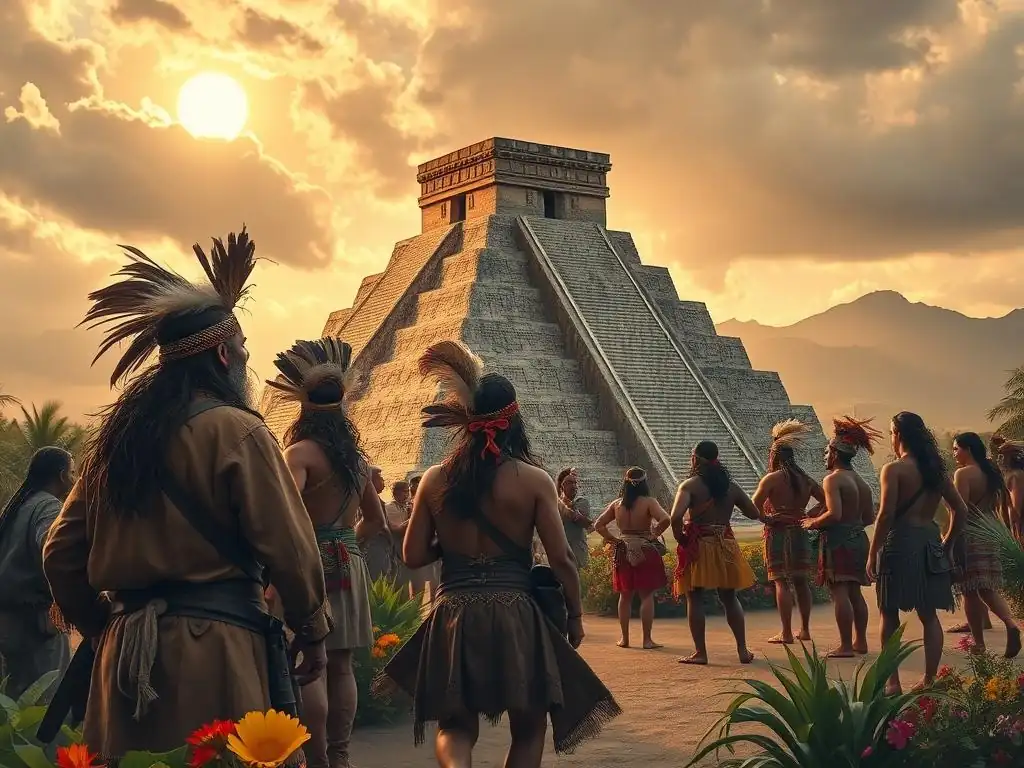
The initial encounters between Europeans and the Toltec civilization are shrouded in a blend of historical accounts, speculation, and myth. Predominantly, these interactions occurred during the early stages of European exploration in the Americas, particularly in the 16th century. The Toltec civilization, which thrived from approximately 900 to 1168 CE, had already experienced a decline by the time Europeans arrived. However, the remnants of their culture, architecture, and influence were still evident, and these encounters would shape the perceptions of the Toltecs in the European imagination.
As explorers ventured into Mesoamerica, they documented their experiences, often viewing the Toltecs through a lens of both admiration and misunderstanding. The Europeans were intrigued by the advanced architectural structures, elaborate art, and complex society that the Toltecs had established. These first encounters would contribute significantly to the narrative surrounding indigenous civilizations in the Americas, creating a foundation for future European interactions.
Description of the First Encounters: Timeline and Events
The timeline of the first encounters with the Toltec civilization can be traced back to the early 1500s. One of the most notable events was the arrival of Hernán Cortés in 1519, although direct contact with Toltec descendants was limited. By this time, the Toltec civilization as a political entity had largely dissipated, but their cultural legacy influenced the Mexica (Aztec) society, which was well-documented by European explorers.
- 1519: Hernán Cortés arrives in the Aztec Empire, encountering remnants of Toltec influence in the Aztec capital, Tenochtitlan. The Mexica held the Toltecs in high regard, referring to them as a "great culture" that had set the foundation for their own civilization.
- 1521: The fall of Tenochtitlan marks a significant moment in history, where the remnants of Toltec culture, including their architectural styles and religious practices, began to mingle with European influences as the Spaniards established control over the region.
- 1530s-1540s: Subsequent explorers and chroniclers, such as Bernal Díaz del Castillo, documented these encounters, often romanticizing the Toltec achievements and contributing to the mythos surrounding them.
Locations of Significant Encounters with Toltec People
Significant encounters with the remnants of Toltec culture primarily occurred in regions where archaeological sites, such as Tula, were located. These sites showcased the architectural and cultural advancements of the Toltecs.
- Tula (Tollan): The ancient capital of the Toltec civilization, Tula was a significant site of encounter. Explorers noted its impressive pyramids, warrior statues, and intricate carvings, which were later attributed to Toltec craftsmanship.
- Tenochtitlan: As the capital of the Mexica, Tenochtitlan was a melting pot of cultures, including Toltec influences. European explorers noted the reverence the Mexica had for Toltec artifacts, which were integral to their religious practices.
- Cholula: This site, famous for its great pyramid, also bore witness to the cultural remnants of the Toltec civilization. European accounts describe the elaborate ceremonies that took place there, showcasing the syncretism of Toltec and Mexica traditions.
Cultural Exchange and Interaction
The arrival of Europeans initiated a complex cultural exchange with the indigenous populations, including the Toltecs. This interaction led to the sharing of knowledge, practices, and technologies, albeit often under the duress of conquest and colonization. The cultural exchange was marked by both adaptation and resistance, as native societies navigated the new realities imposed by European presence.
Impact of European Arrival on Toltec Society
The impact of European arrival on Toltec society was profound, despite the civilization's decline by the time of these encounters. The Europeans brought new technologies, agricultural practices, and ideologies that would alter the course of indigenous life.
- Disruption of Traditional Practices: The introduction of European agricultural methods and livestock changed traditional farming practices, often leading to the displacement of indigenous methods.
- Religious Transformation: The arrival of Christianity led to the suppression of indigenous beliefs and practices. The Toltecs’ spiritual traditions faced challenges as new religious paradigms were enforced.
- Cultural Syncretism: Despite the disruption, elements of Toltec culture persisted and blended with European influences. For instance, architectural styles began to incorporate European designs while still reflecting Toltec aesthetics.
Toltec Contributions to European Knowledge and Understanding
The Toltec civilization left a lasting legacy that influenced European understanding of Mesoamerican cultures. European chroniclers and explorers often highlighted Toltec achievements in their writings, contributing to a broader understanding of indigenous civilizations.
- Architectural Influence: The impressive structures and urban planning of the Toltecs inspired European architects and explorers, who marveled at the sophistication of these ancient designs.
- Cultural Narratives: European accounts of the Toltecs provided insights into the complexity of pre-Columbian societies, challenging simplistic views of indigenous cultures as primitive. The stories of Toltec warriors, artisans, and their societal organization enriched the European narrative of the Americas.
- Artistic Inspiration: Toltec art, characterized by its intricate carvings and statues, influenced European perceptions of Mesoamerican aesthetics. This fascination contributed to a growing interest in the study of indigenous cultures and their artistic legacies.
Through these encounters, the Toltec civilization became an integral part of the narrative surrounding Mesoamerican history, shaping both indigenous identities and European perceptions for centuries to come.
Conflicts and Challenges Faced by the Toltecs
The Toltec civilization, which flourished between the 10th and 12th centuries in what is now central Mexico, encountered numerous conflicts and challenges that shaped its trajectory. Initially, the Toltecs faced rival city-states and neighboring cultures, such as the Chichimecas and the Tepanecs, which sought to assert their dominance over the region. These conflicts often arose from territorial disputes, resource competition, and differing cultural practices.
As external pressures mounted, the Toltecs fortified their cities and adapted their military strategies. They became known for their impressive architectural achievements and the construction of large ceremonial centers, which not only served as religious hubs but also as symbols of their power. However, despite their efforts to maintain stability, internal strife, including social stratification and class conflicts, began to emerge, weakening their societal cohesion.
The arrival of European explorers in the early 16th century introduced a new dimension of conflict. The advanced weaponry and military tactics of the Spanish conquistadors posed a significant threat to the already strained Toltec society. The combination of internal challenges and external pressures ultimately led to the decline of the Toltec civilization, marking a significant turning point in their history.
European Misunderstandings and Their Consequences
European encounters with the Toltec civilization were marked by profound misunderstandings, primarily stemming from cultural differences and preconceived notions held by the explorers. The Spanish, driven by a sense of superiority and a desire for conquest, often misinterpreted Toltec religious practices, social structures, and political organization. For instance, the Toltecs' reverence for their gods and elaborate rituals were frequently dismissed as barbaric or primitive by European chroniclers, leading to a distorted view of their culture.
These misunderstandings had dire consequences. The Spanish conquistadors, believing they were on a mission to "civilize" the indigenous peoples, often resorted to violence and forced conversions to Christianity. This not only resulted in significant loss of life but also the destruction of Toltec cultural artifacts and religious sites, which were seen as pagan.
Furthermore, the portrayal of the Toltecs in European accounts often romanticized or vilified their civilization, contributing to a historical narrative that overshadowed their actual achievements. This misrepresentation has had long-lasting effects on how the Toltec civilization is perceived in contemporary discussions of indigenous history.
Major Conflicts Between Toltecs and European Explorers
The major conflicts between the Toltec civilization and European explorers revolved around territorial disputes, resource exploitation, and cultural clashes. When Hernán Cortés and his expedition reached the region in the early 16th century, they encountered remnants of the Toltec civilization, which had already begun to decline. However, the Spanish viewed the area as ripe for conquest and colonization, leading to aggressive military campaigns.
One of the most notable conflicts occurred during the Spanish conquest of Tenochtitlán, where the memory of Toltec heritage was still influential among the Mexica (Aztecs). The Spanish, leveraging alliances with rival groups, engaged in fierce battles against the Mexica, who were heavily influenced by Toltec traditions. This not only led to significant bloodshed but also to the rapid decline of indigenous political structures that were reminiscent of the Toltec era.
The technological advantage of the Spanish, including firearms and horses, played a crucial role in their success. The Toltecs, meanwhile, were unable to unite against this common foe effectively, leading to their eventual defeat and the disintegration of their influence in the region.
Lasting Impact of European Encounters on Toltec Civilization
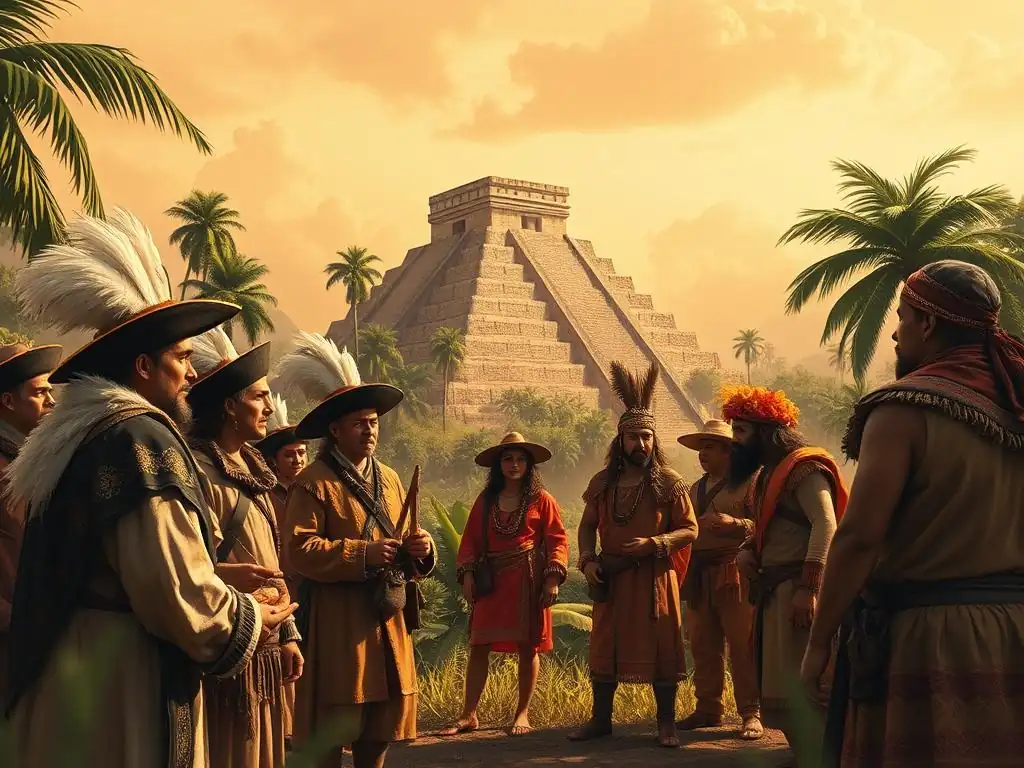
The European encounters had a profound and lasting impact on the Toltec civilization, catalyzing significant changes that shaped the future of indigenous cultures in the Americas. The initial interactions, marked by violence and exploitation, resulted in the disintegration of Toltec societal structures and the loss of cultural identity. Many traditional practices, languages, and social norms were disrupted or completely eradicated due to the imposition of European beliefs and systems.
Changes in Toltec Society Post-Encounter
Following the encounters with European explorers, the remnants of Toltec society faced numerous challenges that altered their way of life. The introduction of European diseases, against which the indigenous populations had no immunity, led to devastating mortality rates. This loss of population fundamentally changed the social fabric of the Toltec descendants, leading to further fragmentation of their communities.
Additionally, the forced conversions to Christianity resulted in the suppression of traditional religious practices. Temples and sacred sites were destroyed or repurposed, and many cultural memories were lost or transformed to fit the new colonial narrative. The social hierarchy also shifted, as European settlers imposed new class systems that marginalized indigenous peoples.
Despite these challenges, elements of Toltec culture persisted. The resilience of the indigenous people allowed for the adaptation and integration of certain aspects of their heritage into new socio-political contexts, albeit often in modified forms.
Legacy of Toltec Civilization in Contemporary Indigenous Cultures
The legacy of the Toltec civilization continues to resonate in contemporary indigenous cultures throughout Mexico and Central America. Many modern communities still celebrate Toltec heritage through festivals, rituals, and artistic expressions that reflect their ancestral practices. The influence of Toltec architectural styles, particularly in stone carvings and temple designs, can be observed in various indigenous works today.
Moreover, the Toltecs' emphasis on knowledge, artistry, and spirituality has been woven into the cultural identities of subsequent generations. Numerous indigenous groups look back to the Toltecs as a symbol of strength and resilience, drawing inspiration from their achievements and philosophies.
In educational contexts, the Toltec civilization serves as a vital reference point for discussions surrounding indigenous history, colonialism, and cultural preservation. Efforts to reclaim and honor this legacy play a crucial role in the ongoing journey of many indigenous peoples in asserting their identity and cultural pride in the face of historical challenges.
Conclusion: Reflections on Toltec Civilization Encounters History
The encounters between European explorers and the Toltec civilization provide a unique perspective on the complexities of indigenous societies in the Americas. This interaction not only highlights the sophistication of the Toltec culture but also sheds light on the broader implications of European colonization.
As we reflect on these early encounters, it is essential to recognize the resilience and adaptability of the Toltec people, as well as the profound impact that these encounters had on their society and heritage. The narratives surrounding the Toltec civilization serve as a reminder of the rich tapestry of history that existed prior to European intervention and the lasting influence of these cultures on contemporary society.
Summary of Key Points on Toltec Civilization and European Contact
- Cultural Sophistication: The Toltec civilization, known for its advanced architecture, art, and societal organization, stood as a testament to the ingenuity of indigenous cultures before European contact.
- Initial Encounters: Early European explorers documented their encounters with the Toltecs, often reflecting their biases and misunderstandings, which shaped the historical narrative surrounding these indigenous peoples.
- Impact of Contact: The arrival of Europeans brought about significant changes, including the introduction of new technologies, diseases, and ideologies that transformed Toltec society.
- Legacy: The legacy of the Toltec civilization continues to influence modern Mexican culture, with elements of their art, mythology, and social structures still evident today.
The Importance of Understanding Toltec History in the Context of Indigenous Civilizations
Understanding the history of the Toltec civilization is crucial for several reasons. Firstly, it provides insight into the diversity and richness of indigenous cultures before European colonization. The Toltecs were not merely a backdrop to European history; they were active participants in a vibrant cultural and political landscape. Recognizing their contributions allows for a more nuanced appreciation of indigenous histories.
Moreover, studying Toltec encounters with Europeans helps to unpack the broader themes of colonization, resistance, and adaptation. This understanding fosters a deeper awareness of the challenges faced by indigenous societies and highlights their resilience in the face of profound change. By examining these historical interactions, we can better appreciate the complexities of identity, culture, and heritage that continue to shape indigenous communities today.
Call to Action
Encouraging Further Exploration of Indigenous Cultures and Histories
We invite readers to delve deeper into the rich histories of indigenous cultures, such as the Toltec civilization. Engaging with these narratives not only enhances our understanding of the past but also promotes respect for the diverse traditions and contributions of indigenous peoples. Here are some ways to get involved:
- Read Books and Articles: Explore literature that focuses on the Toltec civilization and other indigenous cultures in the Americas to gain a broader perspective.
- Visit Museums and Cultural Centers: Many institutions offer exhibitions and programs dedicated to indigenous histories, providing a tangible connection to these rich cultures.
- Participate in Workshops and Events: Look for opportunities to attend events that celebrate indigenous art, music, and traditions, fostering a deeper appreciation for their lasting impact.
- Support Indigenous Voices: Follow and support indigenous authors, artists, and activists who are working to share their stories and perspectives.
By taking these steps, we can contribute to a more inclusive understanding of history that honors the legacies of indigenous civilizations like the Toltecs.
- Introduction to the Toltec Civilization Encounters History
- Overview of the Toltec Civilization
- Significance of European Encounters in Toltec History
- Context of European Exploration
- The Initial Encounters with the Toltec Civilization
- Cultural Exchange and Interaction
- Conflicts and Challenges Faced by the Toltecs
- Lasting Impact of European Encounters on Toltec Civilization
- Conclusion: Reflections on Toltec Civilization Encounters History
- Call to Action
- What is the Toltec civilization known for?
- How did European encounters with the Toltec civilization unfold?
- What impact did European colonization have on the Toltecs?
- Are there any artifacts that reflect the Toltec civilization's achievements?
- How does the history of the Toltecs contribute to understanding indigenous cultures?
Frequently Asked Questions
What is the Toltec civilization known for?
The Toltec civilization is renowned for its impressive architectural achievements, artistic contributions, and influence on later cultures, particularly the Aztecs.
How did European encounters with the Toltec civilization unfold?
European chronicles document the first encounters with the Toltecs, showcasing their advanced societal structures and interactions with early explorers, highlighting cultural exchanges.
What impact did European colonization have on the Toltecs?
The arrival of Europeans led to significant disruption of the Toltec civilization, resulting in the decline of their influence and the loss of many aspects of their rich culture.
Are there any artifacts that reflect the Toltec civilization's achievements?
Yes, numerous artifacts such as sculptures, pottery, and pyramid structures provide insight into the Toltec civilization's artistic and architectural prowess.
How does the history of the Toltecs contribute to understanding indigenous cultures?
The history of the Toltecs is crucial for understanding the diversity and complexity of indigenous cultures in the Americas, illustrating their achievements and lasting legacies.
Final Reflection: Embracing the Legacy of Toltec Civilization Encounters
The encounters between European explorers and the Toltec civilization remind us of the profound impact that cultural exchanges can have on history. As we navigate our increasingly interconnected world, understanding these early interactions helps us appreciate the complexities of cultural identity and the legacies that shape our societies today. The Toltec civilization, with its rich traditions and innovations, serves as a reminder that history is not merely a series of events but a tapestry woven from diverse threads of human experience.
The influence of the Toltec civilization continues to resonate in contemporary culture, inspiring artists, scholars, and communities alike. These early encounters not only shaped the perceptions of the New World but also laid the groundwork for future interactions between different cultures. As we reflect on this historical narrative, we can draw wisdom from the words of historian David Carrasco: The past is not a dead thing; it is a living force that shapes our present and future.
This perspective encourages us to acknowledge the ongoing relevance of these encounters and the lessons they impart about respect, understanding, and collaboration among cultures.
As we conclude our exploration of the Toltec civilization encounters, I invite you to reflect on your own interactions with diverse cultures in your life. Consider how these experiences can enrich your understanding of the world and foster a sense of unity among us all. Let the legacy of the Toltec civilization inspire you to seek out new perspectives, embrace cultural diversity, and contribute to a more inclusive future. Together, we can honor the past while building a brighter tomorrow.
Unveil the Riches of Toltec Civilization!
Thank you for exploring the fascinating first encounters with the Toltec civilization! By diving into their remarkable history, you've uncovered how their culture and innovations spurred significant influences across Mesoamerica. Now, it's time to take your newfound knowledge further!
Here are a few actions you can take to deepen your understanding and engagement:
- Explore further: Read about other Indigenous civilizations of the Americas to discover their unique contributions and rich histories.
- Share your thoughts: Discuss your insights about the Toltecs with friends or on social media—tag us to join the conversation!
- Join a local lecture or virtual event: Immerse yourself in the culture by attending discussions or workshops focused on Indigenous civilizations.
What aspects of Toltec civilization intrigue you the most, and how do you believe they shaped the future of other cultures in the Americas?