
From Desert to Jungle: The Diverse Environmental Adaptations of Indigenous Tribes


Welcome to Indigenous Civilizations of the Americas! Here, we invite you to embark on a fascinating journey through the rich tapestry of indigenous cultures that flourished long before European colonization. Our focus today is on the extraordinary environmental adaptations of various indigenous tribes, showcasing how they ingeniously thrived in diverse landscapes—from arid deserts to lush jungles. What innovative practices did these tribes develop to survive and flourish in their unique environments? Dive in with us to discover the remarkable stories behind their resilience and ingenuity that continue to influence the world today.
- Introduction to Indigenous Tribes Environmental Adaptations
- Understanding the Diverse Environments of Indigenous Tribes
- Indigenous Tribes in Desert Environments
- Indigenous Tribes in Jungle Environments
- Comparative Analysis of Adaptations
- The Impact of Environmental Adaptations on Indigenous Societies
- Contemporary Relevance of Indigenous Environmental Adaptations
- Conclusion on Indigenous Tribes Environmental Adaptations
-
Frequently Asked Questions
- What are some examples of environmental adaptations by indigenous tribes?
- How did the geographical diversity influence indigenous cultures?
- Why is it important to study indigenous tribes' environmental adaptations?
- What role did traditional knowledge play in environmental adaptations?
- How can we learn from the environmental adaptations of indigenous tribes today?
- Final Reflection: Embracing the Wisdom of Indigenous Tribes' Environmental Adaptations
- Embrace the Journey: Connect with Indigenous Wisdom!
Introduction to Indigenous Tribes Environmental Adaptations
The indigenous tribes of the Americas have demonstrated remarkable resilience and ingenuity in adapting to a myriad of environmental conditions across the continent. From the arid deserts of the Southwest to the lush jungles of the Amazon, these diverse cultures have developed unique strategies that reflect their profound relationship with the land.
This article delves into the various environmental adaptations of indigenous tribes, exploring how they have utilized natural resources, cultivated sustainable practices, and formed intricate social structures that enabled them to thrive in their respective ecosystems. By examining these adaptations, we gain valuable insights into the ingenuity of indigenous peoples and their enduring legacy in understanding and managing ecological systems.
Overview of Environmental Adaptations in Indigenous Cultures
Indigenous tribes across the Americas exhibit a stunning array of environmental adaptations, finely tuned to their specific habitats. Key examples include:
- Desert Adaptations:
- Water Conservation: Tribes such as the Hopi and Navajo have developed sophisticated methods for harvesting and conserving water, including the construction of intricate irrigation systems and the use of drought-resistant crops like maize.
- Shelter Construction: The use of adobe and other natural materials in building homes that provide insulation against extreme temperatures demonstrates their resourcefulness.
- Forest Adaptations:
- Food Gathering: Indigenous cultures in forested areas, such as the Tsimshian and the Iroquois, have developed extensive knowledge of local flora and fauna, practicing sustainable harvesting techniques that ensure ecological balance.
- Material Use: The crafting of tools and shelter from wood, bark, and other plant materials showcases their ability to utilize available resources efficiently.
- Coastal Adaptations:
- Fishing Techniques: Coastal tribes, such as the Haida and Tlingit, have mastered various fishing techniques, including the use of canoes and fish traps, to exploit the rich marine resources.
- Trade Networks: The establishment of trade routes for exchanging goods between coastal and inland tribes reflects their adaptability and understanding of different ecological zones.
These adaptations not only highlight the ingenuity of indigenous tribes but also their deep respect for the environment, which has allowed them to maintain their cultures and communities for generations.
Importance of Studying Indigenous Adaptations
Understanding the environmental adaptations of indigenous tribes is crucial for several reasons:
- Cultural Heritage:
- Indigenous adaptations are a vital part of cultural heritage, showcasing the unique ways societies have evolved in response to their environments. Preserving this knowledge helps maintain cultural identity and continuity.
- Sustainable Practices:
- Many indigenous practices offer valuable lessons in sustainability and ecological stewardship. By studying these adaptations, modern societies can learn how to manage resources responsibly, promoting environmental conservation.
- Biodiversity Conservation:
- Indigenous tribes often play a key role in preserving biodiversity through their traditional ecological knowledge. Recognizing and valuing their contributions can enhance conservation efforts and help protect endangered ecosystems.
- Resilience and Innovation:
- The adaptability of indigenous cultures serves as a testament to human resilience and innovation. Understanding how they have navigated challenges posed by their environments can inspire contemporary solutions to pressing global issues, such as climate change and resource management.
The study of indigenous tribes' environmental adaptations not only enriches our understanding of their cultures but also provides critical insights for addressing modern environmental challenges.
Understanding the Diverse Environments of Indigenous Tribes
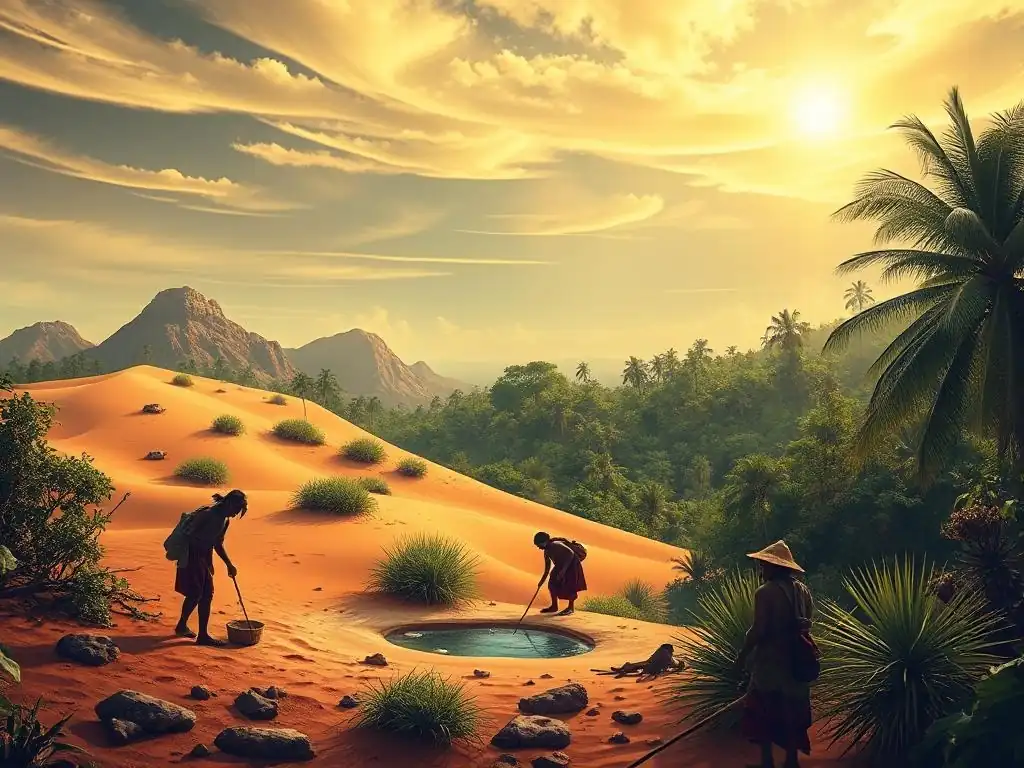
Indigenous tribes throughout the Americas have demonstrated remarkable adaptability to their diverse environments, showcasing their ingenuity and resilience. Understanding these adaptations is crucial in appreciating the rich tapestry of indigenous cultures and their survival strategies. From arid deserts to lush jungles, each environment presents unique challenges that necessitate specific responses, leading to a variety of cultural practices, technologies, and social structures.
Deserts: Unique Challenges and Opportunities
Deserts, characterized by extreme temperatures and limited water resources, have been home to various indigenous tribes, such as the Navajo and the Hopi. These tribes developed specific adaptations that allowed them to thrive in such harsh conditions.
-
Water Conservation Techniques:
Indigenous tribes employed innovative techniques to collect and conserve water. For example, the Hopi constructed cisterns and utilized natural rock formations to gather rainwater.
-
Diverse Diets:
The desert environment limited agricultural opportunities, prompting tribes to adopt a diverse diet that included:
- Foraging: Gathering wild plants like mesquite beans and prickly pear fruit.
- Hunting: Utilizing bows and arrows to hunt small game, such as rabbits and birds.
-
Shelter and Clothing:
The construction of shelters using local materials, such as adobe and wood, provided insulation against temperature fluctuations. Clothing made from animal hides offered protection from the sun and cold nights.
-
Cultural Practices:
Spiritual beliefs often revolved around the desert environment. For instance, rituals and ceremonies were conducted to honor water and rain, crucial for survival.
Jungles: Abundance and Complexity
In contrast to deserts, jungles present a lush, complex ecosystem filled with resources, but also require sophisticated knowledge to navigate. Indigenous tribes like the Yanomami and the Maya exemplify how cultures have adapted to these environments.
-
Agricultural Practices:
The Maya developed advanced agricultural techniques, including:
- Slash-and-Burn Farming: Clearing small plots of land to grow crops like maize, beans, and squash.
- Terracing: Creating elevated fields to manage water runoff and soil fertility.
-
Biodiversity Utilization:
The rich biodiversity of jungles allowed tribes to harvest a wide variety of plants for food, medicine, and materials. For instance:
- Medicinal Plants: Many indigenous tribes possess extensive knowledge of plants used for healing, such as the use of the bark of the cinchona tree for its quinine properties.
-
Housing and Tools:
Lightweight materials sourced from the forest, such as bamboo and palm leaves, were used to construct homes. Tools were crafted from stone, bone, and wood, demonstrating adaptability to available resources.
-
Social Structures:
The complexity of jungle environments fostered intricate social structures and trade networks, connecting various tribes and facilitating the exchange of goods and knowledge.
Plains and Grasslands: Adaptation to Mobility
The vast plains and grasslands of North America, inhabited by tribes such as the Sioux and the Comanche, demanded a different set of adaptations focused on mobility and resource management.
-
Nomadic Lifestyles:
Many tribes adopted a nomadic lifestyle, following the migration patterns of bison. This mobility allowed them to exploit seasonal resources effectively.
-
Efficient Hunting Techniques:
The use of horses, introduced by Europeans, transformed hunting practices. Tribes developed skills in horseback riding and coordinated hunting strategies to capture bison.
-
Cultural Expression:
Plains tribes created rich cultural traditions, including:
- Storytelling: Oral histories that conveyed knowledge of the land and hunting techniques.
- Art and Dance: Symbolic representations of their connection to nature and the bison.
-
Community Organization:
Social structures were often organized around clans and kinship, promoting cooperation among members for hunting and survival in a dynamic environment.
The indigenous tribes of the Americas have demonstrated remarkable environmental adaptations that reflect their deep understanding of and connection to their surroundings. By examining the adaptations of these cultures, we gain valuable insights into their histories and the lasting impacts they have left on the landscapes they inhabited.
Indigenous Tribes in Desert Environments

Survival Strategies in Arid Regions
Indigenous tribes living in desert environments have developed a remarkable array of survival strategies to thrive in harsh conditions characterized by limited water, extreme temperatures, and scarce resources. These adaptations are not merely practical; they are deeply intertwined with the cultural identities and social structures of these communities.
Water Conservation Techniques
Water is the most precious resource in desert ecosystems, and indigenous tribes have devised innovative methods to conserve it. Techniques such as:
- Rainwater Harvesting: Many tribes construct cisterns or use natural depressions to collect and store rainwater. For example, the Hohokam people of the Sonoran Desert developed an extensive network of irrigation canals to channel runoff and maximize their water supply.
- Deep Wells: In regions where surface water is scarce, tribes like the Navajo have traditionally dug deep wells to access groundwater. This practice requires knowledge of the landscape and geology to locate aquifers.
- Dew Collection: Some tribes utilize large, flat surfaces to capture dew at night, which can provide a small, yet essential, amount of moisture.
These strategies illustrate not only ingenuity but also a profound understanding of their environment.
Shelter Construction and Materials
The shelters constructed by indigenous tribes in desert regions reflect a deep understanding of their environment and available resources. Common practices include:
- Adobe Structures: Tribes such as the Pueblo people use adobe bricks made from clay, sand, and straw, which are effective at insulating against both heat and cold—key considerations in desert climates.
- Temporary Structures: Nomadic tribes often build temporary shelters, such as the Teepees used by the Plains tribes, which can be easily disassembled and moved as resources fluctuate.
- Natural Materials: The use of local materials, such as thatching from desert grasses or palm fronds, ensures that the shelters blend with the environment and provide natural camouflage from predators.
These construction techniques are not only functional but also reflect the aesthetic and cultural values of the tribes.
The desert environment shapes not only the survival strategies of indigenous tribes but also their cultural practices and beliefs. Many tribes incorporate elements of their surroundings into their spiritual lives and community activities.
- Rituals and Ceremonies: Seasonal changes and water scarcity often dictate the timing of rituals designed to honor the elements. For instance, the Zuni tribe holds ceremonies to pray for rain, reflecting their dependence on water and respect for its power.
- Storytelling: Oral traditions often include tales that explain the origins of their landscapes, the significance of certain plants and animals, and the lessons learned from living in such a challenging environment. These stories serve to pass down knowledge and reinforce communal bonds.
- Sustainable Practices: Many tribes emphasize a philosophy of reciprocity with nature, where conservation practices are embedded in their belief systems. This worldview fosters a respect for the land and a commitment to maintaining its health for future generations.
Through these cultural practices, indigenous tribes demonstrate a profound connection to their desert environment, ensuring that their knowledge and traditions endure across generations.
Indigenous Tribes in Jungle Environments
The lush jungles of the Americas have long been home to various Indigenous tribes, each adapting uniquely to the complex ecosystems they inhabit. These tribes have developed intricate knowledge of their surroundings, enabling them to thrive in environments characterized by dense foliage, diverse wildlife, and variable climate conditions. The adaptability of these tribes showcases their resilience and ingenuity in utilizing available resources while maintaining a profound connection with the jungle ecosystem.
Resource Utilization in Dense Forests
The dense forests of the Americas provide a wealth of resources that Indigenous tribes have learned to harness efficiently. Their resource utilization strategies can be categorized into two primary practices: hunting and gathering and agriculture.
Hunting and Gathering Techniques
Indigenous tribes living in jungle environments have developed sophisticated hunting and gathering techniques to exploit the rich biodiversity.
- Trapping: Many tribes employ traps made from natural materials to catch small mammals and birds. These traps are often camouflaged using foliage to blend seamlessly into the environment.
- Fishing: Rivers and streams in jungle regions are teeming with fish. Tribes utilize nets, spears, and fish poisons derived from local plants to catch fish efficiently.
- Gathering: The gathering of fruits, nuts, and edible plants plays a crucial role in the diet of these tribes. Knowledge of seasonal availability and the nutritional properties of various plants is vital for their survival.
These practices reflect a deep understanding of ecological balance, ensuring that resource use does not compromise the ecosystem's integrity.
Agriculture and Crop Cultivation
In addition to hunting and gathering, many Indigenous tribes have developed agriculture systems adapted to jungle environments.
- Swidden Agriculture: Also known as slash-and-burn agriculture, this technique involves clearing a small area of the forest to plant crops. Once the soil's fertility diminishes, the tribe moves to a new plot, allowing the original area to regenerate.
- Polyculture: Tribes often practice polyculture, planting multiple species together. This method enhances soil health and reduces pests, exemplifying sustainable agricultural practices.
- Crop Diversity: Crops such as cassava, maize, and various fruits are cultivated, each selected for its specific growth requirements and nutritional value.
This agricultural knowledge has allowed Indigenous tribes to thrive in harmony with their environment, ensuring food security while promoting biodiversity.
Spiritual Connections to the Jungle Ecosystem
The relationship between Indigenous tribes and the jungle extends beyond mere survival; it encompasses a profound spiritual connection to the land.
- Animism: Many tribes believe in animism, the idea that natural elements possess spiritual significance. Rivers, trees, and animals are often viewed as sacred, fostering a deep respect for the ecosystem.
- Rituals and Ceremonies: Spiritual practices often involve rituals that honor the jungle and its resources. These ceremonies can include offerings to deities associated with nature, ensuring the continued bounty of the land.
- Cultural Narratives: Stories passed down through generations reflect the tribes' relationship with the jungle. These narratives often emphasize the importance of conservation and living in balance with nature.
The environmental adaptations of Indigenous tribes in jungle environments exemplify their resourcefulness and profound respect for nature. Their sustainable practices and spiritual beliefs highlight a holistic understanding of the interconnectedness of life, emphasizing the importance of preserving these rich cultural heritages in the face of modern challenges.
Comparative Analysis of Adaptations
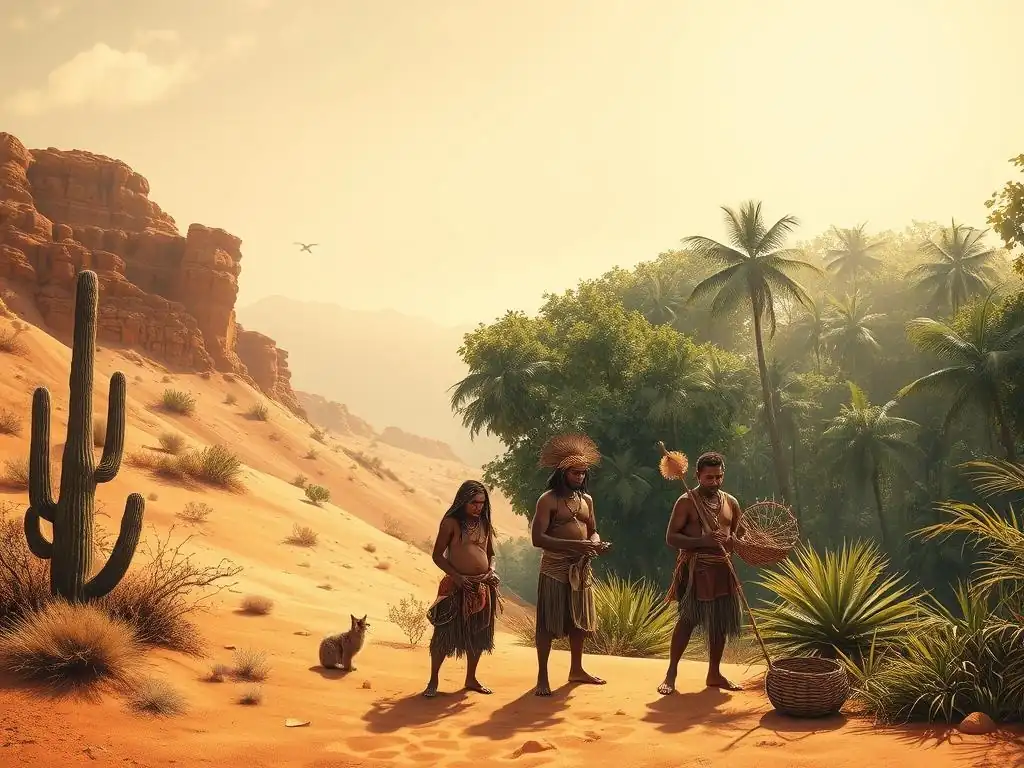
The indigenous tribes of the Americas displayed remarkable ingenuity and adaptability in response to the diverse environments they inhabited. This comparative analysis highlights the distinct survival techniques employed by tribes in arid desert regions versus those thriving in lush jungle ecosystems. By examining these adaptations, we can gain insight into the resourcefulness and resilience of these cultures.
Contrasting Desert and Jungle Survival Techniques
The survival techniques of indigenous tribes vary significantly between desert and jungle environments, reflecting their unique challenges and available resources.
Desert Adaptations
In arid regions such as the Southwest United States and Northern Mexico, indigenous tribes, including the Hopi and Navajo, developed specific adaptations to thrive in extreme conditions:
- Water Conservation: Techniques such as rainwater harvesting and the construction of underground cisterns enabled these tribes to maximize limited water resources.
- Housing Design: Homes made from adobe or rammed earth provided insulation against the heat of the day and the cold of night. These structures often featured thick walls and small windows to reduce heat exposure.
- Diet and Foraging: Desert tribes cultivated drought-resistant crops like maize, beans, and squash, known as the "Three Sisters." They also relied on foraging for wild plants and hunting game adapted to arid environments, such as rabbits and deer.
Conversely, indigenous tribes residing in jungle environments, such as the Yanomami and the Maya, employed vastly different survival techniques:
- Biodiversity Utilization: Jungle tribes exploited the rich biodiversity of their surroundings, utilizing a wide range of plants and animals for food, medicine, and materials. This included fruits, nuts, and tubers, as well as hunting fish and game.
- Building Techniques: Structures were often constructed using local materials such as bamboo and palm leaves, designed to cope with heavy rainfall and humidity. Elevated houses on stilts helped prevent flooding and deter pests.
- Agricultural Practices: Many jungle tribes practiced shifting cultivation, or slash-and-burn agriculture, allowing them to maintain soil fertility while managing forest resources sustainably. They cultivated crops like cassava, yams, and cacao, which thrived in the humid environment.
The stark contrast between these two ecosystems illustrates the diverse indigenous tribes' environmental adaptations, showcasing their deep understanding of and respect for their surroundings.
Lessons Learned from Indigenous Adaptations
The environmental adaptations of indigenous tribes provide valuable lessons that remain relevant today. By studying these practices, modern societies can gain insight into sustainability and resilience. Some key lessons include:
- Sustainable Resource Management: Indigenous tribes often practiced sustainable harvesting methods, ensuring that resources were not depleted. For instance, the use of rotational farming and controlled burns allowed them to maintain ecological balance.
- Cultural Knowledge and Biodiversity: The intricate knowledge of local ecosystems passed down through generations emphasizes the importance of biodiversity. Indigenous practices often highlight the interdependence of species and the need for conservation.
- Adaptation to Climate Change: The ability of these tribes to adapt to varying environmental conditions serves as a model for resilience in the face of modern climate challenges. Techniques such as water conservation and crop diversity can inform current agricultural practices.
By reflecting on the rich tapestry of indigenous environmental adaptations, we can better understand the importance of integrating traditional ecological knowledge into contemporary practices, ensuring a sustainable future for all.
The Impact of Environmental Adaptations on Indigenous Societies
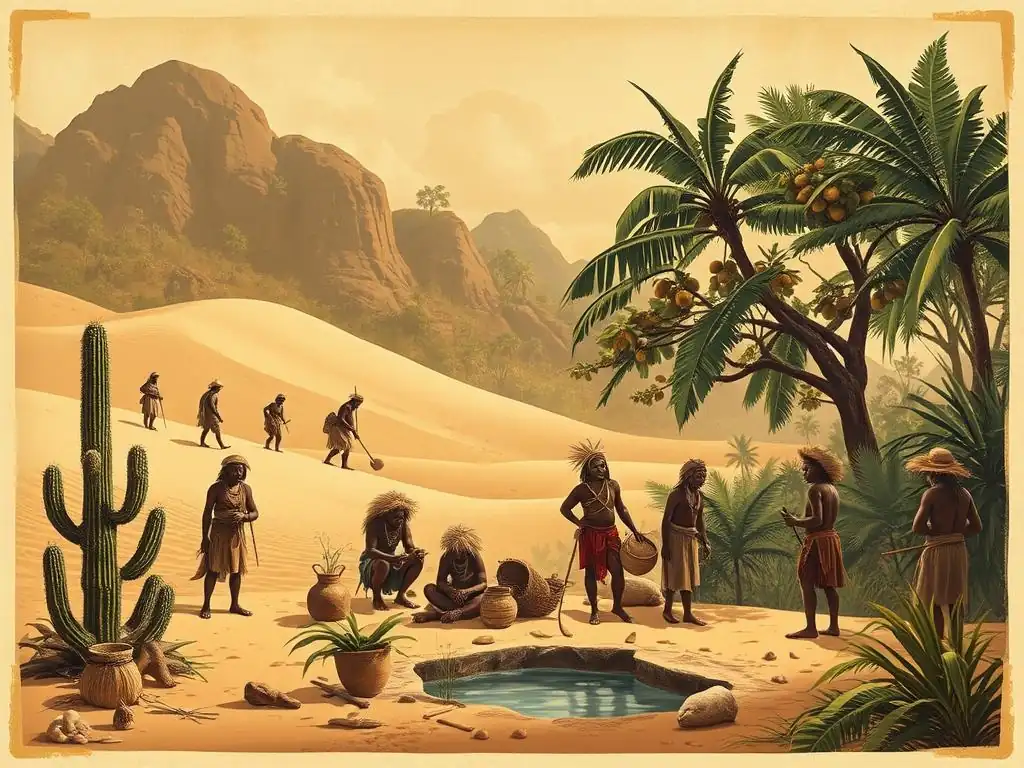
Indigenous tribes across the Americas have demonstrated remarkable ingenuity and resilience in adapting to their diverse environments. These adaptations significantly influenced their social structures, economic systems, and cultural practices. By examining the various ways in which environmental conditions shaped these societies, we gain insight into their development and the legacy they left behind.
Environmental adaptations played a crucial role in the social organization of Indigenous tribes. The availability of resources, climate conditions, and geographical features shaped community dynamics and social hierarchies.
- Resource Distribution: In arid regions, such as the Southwest, tribes like the Pueblo people developed complex irrigation systems to cultivate crops like maize and beans. This resource management led to settled communities and the establishment of social roles, where some individuals specialized in agriculture while others took on roles as artisans or spiritual leaders.
- Mobility and Kinship: In contrast, nomadic tribes such as the Plains Indigenous peoples adapted to the vast grasslands by following bison herds. Their social structures were often organized around kinship and clan systems, emphasizing cooperation and shared resources. The mobility of these groups allowed them to exploit seasonal resources effectively, reinforcing strong familial bonds.
- Cultural Expressions: The environment also influenced cultural practices and expressions. For instance, tribes in the Pacific Northwest, like the Tlingit and Haida, relied on marine resources. Their social structures reflected this reliance, as evidenced by totem pole carvings that depicted clan lineage and significant events, symbolizing their connection to the environment and each other.
Economic Systems and Trade Practices
The economic systems of Indigenous tribes were intricately linked to their environmental adaptations. These systems varied widely depending on the availability of resources and geographic location.
- Subsistence Practices: Different environments dictated distinct subsistence strategies. For example, coastal tribes engaged in fishing and gathering, while those in the Great Basin relied on foraging and hunting small game. These practices shaped not only their diets but also their economic interactions with neighboring tribes.
- Trade Networks: Indigenous tribes developed extensive trade networks that facilitated the exchange of goods and resources. The Mississippian culture, for instance, established large urban centers and engaged in long-distance trade, exchanging items like copper, shells, and agricultural products. This economic interdependence fostered connections between tribes and enriched their cultural exchanges.
- Specialization and Craftsmanship: Environmental conditions encouraged the specialization of crafts and goods. In regions rich in specific resources, such as the Andes, tribes like the Inca became known for their intricate textile production and metalworking. This specialization not only supported local economies but also played a role in cultural identity, with unique styles reflecting the environmental context.
The environmental adaptations of Indigenous tribes were foundational to their social structures and economic systems. By understanding these adaptations, we can appreciate the depth of their cultures and the sophisticated ways in which they navigated their diverse landscapes.
Contemporary Relevance of Indigenous Environmental Adaptations
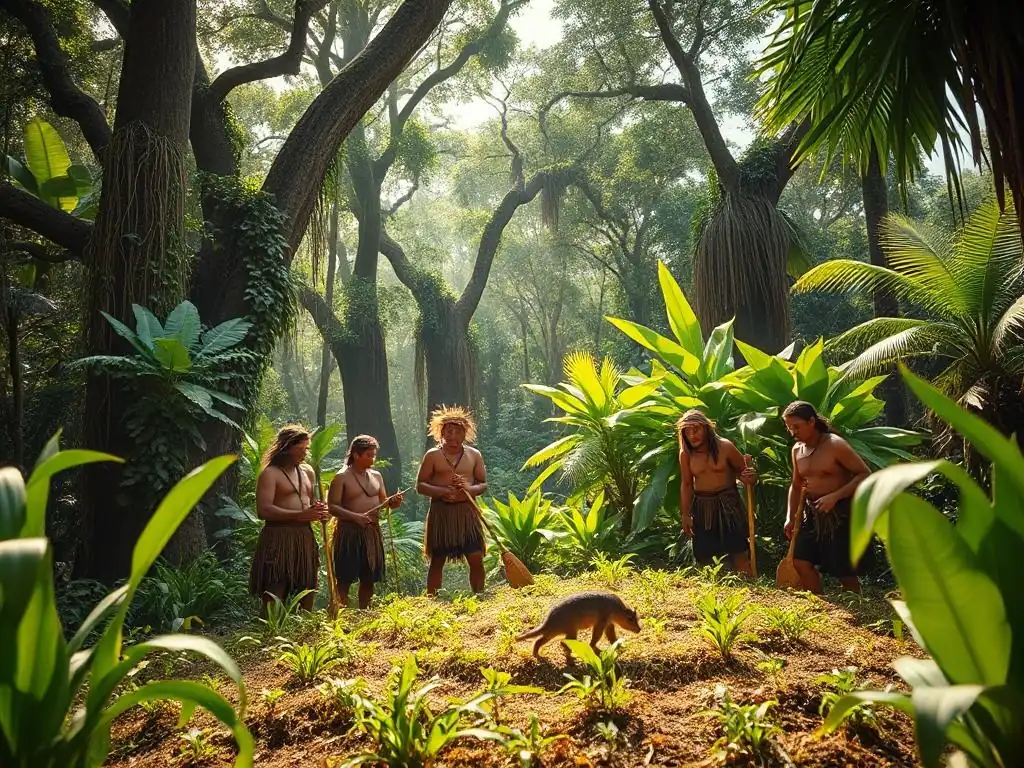
Indigenous tribes have demonstrated remarkable resilience and adaptability to their diverse environments throughout history. The environmental adaptations of these tribes are not only a testament to their ingenuity but also offer valuable lessons for contemporary society. As we face global environmental challenges such as climate change, biodiversity loss, and sustainable resource management, understanding and integrating indigenous knowledge can provide innovative solutions that respect ecological balance and cultural heritage.
Lessons for Modern Environmental Challenges
Indigenous tribes have thrived in various ecosystems, from arid deserts to lush jungles, and their environmental adaptations are a wealth of knowledge. Here are some key lessons that can be learned from these adaptations:
-
Sustainable Resource Management
Indigenous tribes have employed sustainable practices for millennia, ensuring that resources are used in a way that does not deplete them. For example, the Hopi people of the Southwest United States have developed intricate farming techniques that conserve water and maximize crop yield in arid conditions. Their practice of dry farming and crop rotation illustrates a deep understanding of land stewardship that can inform modern agricultural practices.
-
Biodiversity Conservation
Many indigenous cultures prioritize biodiversity as a means of ensuring ecological health. The Yoruba in West Africa, for instance, practice agroforestry, integrating crops and trees to enhance soil fertility and support diverse species. This approach not only increases food security but also fosters ecosystems that are resilient to climate fluctuations.
-
Adaptive Resilience
The ability of indigenous tribes to adapt to changing environments is critical. The Inuit in the Arctic have developed unique hunting and fishing techniques that reflect their understanding of seasonal changes in wildlife patterns. By studying these adaptive strategies, modern societies can develop more resilient responses to climate variability.
-
Holistic Worldviews
Indigenous tribes often view their relationship with the environment as interconnected. This holistic perspective can guide modern environmental policies towards more integrated approaches that consider social, cultural, and ecological factors. For example, the Māori in New Zealand emphasize the concept of kaitiakitanga, or guardianship, which promotes stewardship of the land and its resources.
Preservation of Indigenous Knowledge and Practices
The preservation of indigenous knowledge and practices is crucial for maintaining the ecological wisdom that has been passed down through generations. This knowledge is not merely historical; it is a living resource that can contribute to modern environmental strategies.
-
Cultural Heritage and Identity
Indigenous practices are deeply intertwined with cultural identity. Events like the International Day of Indigenous Peoples emphasize the importance of protecting these practices as part of cultural heritage. Recognizing the value of indigenous knowledge systems reinforces the identity of indigenous tribes while promoting cultural diversity in the face of globalization.
-
Collaborative Research Initiatives
Collaborative efforts between indigenous communities and researchers can enhance the preservation of traditional ecological knowledge (TEK). Programs that involve indigenous voices in environmental research and decision-making processes have been shown to yield more effective outcomes. For example, the Global Indigenous Data Alliance promotes the inclusion of indigenous perspectives in data governance.
-
Education and Awareness
Educating the public about the significance of indigenous environmental adaptations is essential. Schools and communities can benefit from integrating indigenous perspectives into curricula, fostering respect and understanding of these cultures. Workshops and community engagement initiatives can help bridge the gap between indigenous knowledge and contemporary environmental science.
-
Policy Advocacy
Advocating for policies that recognize and protect indigenous rights and knowledge is vital. This includes land rights, access to resources, and involvement in environmental governance. By aligning policies with the principles of indigenous environmental adaptations, societies can move towards more equitable and sustainable practices.
The environmental adaptations of indigenous tribes hold contemporary relevance, offering lessons that can help address modern environmental challenges. By preserving and integrating indigenous knowledge and practices, we can foster a more sustainable future that respects both cultural heritage and ecological integrity.
Conclusion on Indigenous Tribes Environmental Adaptations
Final Thoughts on the Importance of Cultural and Environmental Knowledge
The study of Indigenous tribes environmental adaptations is crucial for understanding how these communities not only survived but thrived in diverse environments across the Americas. Their ability to adapt to varying climates—from the arid deserts of the Southwest to the lush rainforests of the Amazon—demonstrates a profound relationship with their surroundings.
Indigenous tribes developed sophisticated knowledge systems that enabled them to utilize local resources sustainably. For example, the Pueblo peoples of the American Southwest designed intricate irrigation systems to cultivate crops in arid conditions, while the Amazonian tribes employed techniques like agroforestry and slash-and-burn agriculture to maintain soil fertility and biodiversity. These practices reflect a deep understanding of ecological balance that is often overlooked in modern agricultural practices.
Moreover, the cultural narratives, spiritual beliefs, and traditional practices of these tribes are inextricably linked to their environmental knowledge. The reverence for nature expressed in their stories and rituals underscores the importance of preserving both their cultures and the ecosystems they inhabit.
As we reflect on these adaptations, it becomes apparent that they offer valuable lessons for contemporary society, particularly in the face of climate change and environmental degradation. The sustainable practices and holistic worldview of Indigenous tribes can guide modern approaches to land management and conservation.
Call to Action for Further Exploration and Appreciation of Indigenous Cultures
To truly appreciate the depth of Indigenous tribes' environmental adaptations, we encourage readers to engage in further exploration of these cultures. Here are some ways to deepen your understanding:
- Read Indigenous Literature: Explore works by Indigenous authors that reflect their worldviews and experiences.
- Visit Indigenous Cultural Centers: These centers often provide insights into traditional practices and environmental knowledge.
- Participate in Workshops and Events: Look for opportunities to learn traditional ecological practices directly from Indigenous communities.
- Support Indigenous Art and Initiatives: Invest in Indigenous businesses and initiatives that promote cultural heritage and environmental stewardship.
By taking these steps, we can foster a greater appreciation for the rich tapestry of Indigenous cultures and their remarkable adaptations to the environment. Embracing this knowledge not only honors their legacy but also enriches our understanding of sustainable living in harmony with nature.
In doing so, we contribute to the preservation of these invaluable traditions and support the ongoing resilience of Indigenous peoples in the face of modern challenges. 🌍
Frequently Asked Questions
What are some examples of environmental adaptations by indigenous tribes?
Indigenous tribes developed unique adaptations to their environments, such as the agricultural techniques of the Inca in the Andes and the irrigation systems of the Hohokam in the deserts of Arizona.
How did the geographical diversity influence indigenous cultures?
The geographical diversity of the Americas led to a wide range of cultural practices and survival strategies, as tribes adapted their lifestyles to varying climates, from the arid deserts to the lush jungles.
Why is it important to study indigenous tribes' environmental adaptations?
Studying these adaptations helps us understand how indigenous tribes utilized their environments sustainably, offering valuable insights into biodiversity and ecosystem management that are relevant today.
What role did traditional knowledge play in environmental adaptations?
Traditional knowledge was crucial for indigenous tribes, as it encompassed practices and wisdom passed down through generations, which guided their farming, hunting, and resource management in harmony with nature.
How can we learn from the environmental adaptations of indigenous tribes today?
By examining these adaptations, we can adopt more sustainable practices in modern times, promoting a deeper respect for our natural resources and developing strategies that align with ecological balance.
Final Reflection: Embracing the Wisdom of Indigenous Tribes' Environmental Adaptations
The environmental adaptations of indigenous tribes are not just historical curiosities; they are vital lessons for our contemporary world. As we face unprecedented climate challenges, understanding how these communities have thrived in diverse ecosystems offers invaluable insights into sustainable living. The resilience and ingenuity of indigenous tribes remind us that harmony with nature is not merely a choice but a necessity for survival.
The cultural and social landscapes shaped by these adaptations continue to resonate today. From the arid deserts to lush jungles, the practices of indigenous tribes highlight a profound connection to the land that many modern societies have lost. As we navigate the complexities of environmental degradation and climate change, we must acknowledge the wisdom embedded in these traditions. In every walk with nature, one receives far more than he seeks.
– John Muir. This quote encapsulates the essence of what indigenous tribes teach us: that true understanding and respect for our environment can lead to a more sustainable future.
As you reflect on the lessons shared in this article, consider how you can incorporate the principles of environmental adaptation into your own life. Take a moment to connect with the natural world around you, learn from its rhythms, and embrace sustainable practices that honor the wisdom of those who have lived in harmony with their environments for generations. The journey from desert to jungle is not just a geographical transition; it is a call to action for all of us to adapt, learn, and thrive in a world that desperately needs our collective stewardship.
Embrace the Journey: Connect with Indigenous Wisdom!
Thank you for taking the time to explore the incredible environmental adaptations of Indigenous tribes. By diving into their stories, you've gained valuable insights into how cultures can thrive in diverse ecosystems. Now, let’s take action to deepen your understanding and appreciate this rich heritage.
- Engage with your community: Organize a local event or workshop to share your newfound knowledge and celebrate the vibrant cultures of Indigenous peoples in your area.
- Explore further: Read books, watch documentaries, or listen to podcasts that provide in-depth insights into Indigenous perspectives on environmental stewardship and adaptation.
- Support Indigenous initiatives: Seek out and follow organizations or projects that collaborate with Indigenous communities to amplify their voices and preserve their traditions.
Which adaptation or story from Indigenous tribes resonated most with you? How can you incorporate their wisdom into your daily life?