
Climate Resilience: How Ancient Civilizations Adapted to Changing Environments

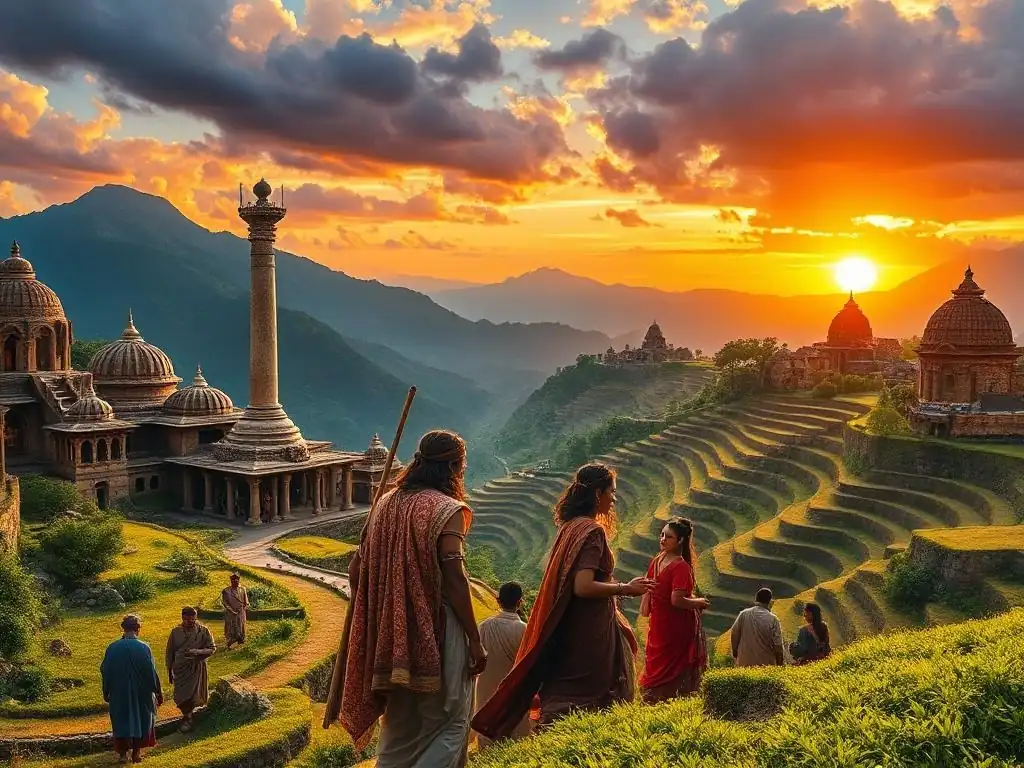
Welcome to Indigenous Civilizations of the Americas, where we invite you to journey through the rich tapestry of cultures that flourished long before European contact. In our featured article, "Climate Resilience: How Ancient Civilizations Adapted to Changing Environments," we delve into the remarkable strategies employed by these ancient peoples to thrive amidst shifting climates.
Discover how their innovative practices and deep understanding of the land not only sustained their communities but also left a legacy that continues to resonate today. Join us as we uncover the profound wisdom and resilience of these civilizations, sparking a curiosity that will inspire you to explore further.
Introduction to Ancient Civilizations Climate Resilience
The concept of climate resilience has gained significant attention in contemporary discussions surrounding environmental sustainability. However, it is essential to recognize that ancient civilizations, especially those located in the Americas, were pioneers in adapting to their ever-changing environments long before modern frameworks were established.
This article delves into how these civilizations developed intricate strategies to thrive amidst climatic challenges, showcasing their ingenuity, resourcefulness, and profound understanding of their ecosystems. We will explore the various adaptations made by ancient cultures, particularly focusing on their achievements in agriculture, architecture, and social organization, which enabled them to withstand the challenges posed by fluctuating climates.
Definition of Climate Resilience in Historical Context
In a historical context, climate resilience refers to the ability of societies to anticipate, prepare for, respond to, and recover from adverse environmental changes. This includes not only the physical aspects, such as infrastructure and agricultural practices but also the social and cultural adaptations that communities employed to ensure their survival. Ancient civilizations developed a keen awareness of their surroundings and employed diverse strategies that ranged from sophisticated irrigation systems to the cultivation of climate-resistant crops.
For instance, the Inca Empire engineered terraced farming techniques that maximized arable land on steep hillsides, enabling them to maintain agricultural productivity despite varying weather patterns. Similarly, the Maya civilization developed complex water management systems that captured and stored rainfall, allowing them to sustain their populations during dry seasons. These historical examples illustrate that climate resilience is not merely a modern concept, but a fundamental aspect of human adaptation throughout history.
Importance of Studying Ancient Civilizations' Adaptations
Understanding the climate resilience of ancient civilizations is crucial for several reasons:
- Learning from the Past: By examining how these societies addressed environmental challenges, we can glean valuable insights into sustainable practices that may be applicable today.
- Awareness of Cultural Heritage: Ancient adaptations reflect deep cultural knowledge and traditions that shaped the identities of these civilizations. Recognizing their achievements honors their legacy and promotes respect for indigenous knowledge.
- Inspiring Modern Solutions: The adaptive strategies of ancient cultures can inspire contemporary approaches to climate change, emphasizing the importance of local knowledge and practices in building resilience.
Overview of Indigenous Civilizations in the Americas
The Americas were home to a rich tapestry of indigenous civilizations, each uniquely adapted to their specific environments. From the arid deserts of the Southwest to the lush rainforests of the Amazon, these cultures showcased remarkable ingenuity in their responses to climatic challenges.
Major Civilizations and Their Environments
Here is an overview of some of the major indigenous civilizations in the Americas and the environments they inhabited:
| Civilization | Primary Environment | Notable Adaptations |
|---|---|---|
| Maya | Tropical Rainforest | Advanced agriculture with slash-and-burn techniques, water management systems (e.g., reservoirs) |
| Inca | Andean Mountains | Terraced farming, extensive road networks for trade and communication |
| Hohokam | Sonoran Desert | Irrigation canals for agriculture in arid conditions |
| Mississippian | River Valleys (e.g., Mississippi River) | Construction of earthen mounds, complex trade networks, and agricultural practices |
| Amazonian Tribes | Amazon Rainforest | Sustainable harvesting methods, extensive knowledge of biodiversity |
These civilizations exemplified the profound connection between human societies and their environments, demonstrating that adaptability was key to their survival and cultural development. By studying their methods and insights, we can better understand the foundations of climate resilience that can still inform our approaches today.
Key Strategies for Climate Resilience in Ancient Civilizations
Ancient civilizations across the Americas developed a multitude of strategies to adapt to and thrive in changing environmental conditions. These strategies were shaped by their unique geographical contexts, cultural practices, and available resources. Understanding these approaches provides valuable insights into how these societies managed to sustain themselves despite the challenges posed by climate variability. Key strategies included innovative agricultural practices, architectural adaptations, and robust social structures that facilitated resource management and community resilience.
Agricultural Innovations for Climate Adaptation
Agricultural innovations were at the forefront of ancient civilizations' strategies for climate resilience. The development of diverse cropping systems allowed societies to mitigate risks associated with fluctuating weather patterns. For instance, the Maya civilization implemented polyculture techniques, cultivating multiple crops such as maize, beans, and squash in the same fields. This not only diversified their food sources but also enhanced soil fertility and reduced pest outbreaks.
In the Andean region, the Inca civilization utilized terracing to create microclimates, enabling them to grow various crops at different altitudes. This method allowed them to adapt to changing weather conditions and optimize agricultural output. Additionally, they employed a sophisticated irrigation system, including aqueducts and canals, to efficiently manage water resources in arid areas. Such innovations illustrate the ingenuity of ancient peoples in developing sustainable practices that aligned with their environmental realities.
Architectural Adaptations to Environmental Changes
Ancient civilizations also showcased remarkable architectural adaptations in response to environmental changes. In the Southwest U.S., the Pueblo peoples constructed dwellings made of adobe, a material that provided insulation against extreme temperatures. These structures were often built into cliffs or mountainsides, offering natural protection from harsh weather and enhancing their resilience against floods and droughts.
Similarly, the Mississippian culture developed extensive earthen mounds, which served multiple purposes, such as ceremonial sites, habitation, and flood control. These mounds helped manage water runoff and provided elevated living spaces during periods of heavy rainfall. The architectural choices made by these civilizations reflect a deep understanding of their surroundings and a commitment to creating durable, sustainable habitats.
The social structures of ancient civilizations played a crucial role in supporting their climate resilience. These structures facilitated community cooperation, resource sharing, and knowledge transfer, all of which were essential for adapting to environmental pressures. The collaboration among community members fostered a sense of unity and collective responsibility, enabling societies to respond effectively to climate challenges.
Community-Based Resource Management
Community-based resource management was a hallmark of many ancient civilizations. For instance, the Hohokam people in the Sonoran Desert developed an extensive canal system that required collective effort for maintenance and operation. This communal approach ensured equitable access to water resources and enhanced agricultural production, contributing to the community's resilience against drought conditions.
In the Amazon Basin, indigenous groups practiced shifting cultivation, a system that allowed land to rest and regenerate, preventing soil depletion. This method was often governed by communal agreements, ensuring sustainable use of resources without overexploitation. By fostering cooperation and shared stewardship of natural resources, these societies demonstrated a profound understanding of ecological balance and sustainability.
Knowledge Transmission and Cultural Practices
Knowledge transmission and cultural practices were vital in maintaining climate resilience among ancient civilizations. Oral traditions, rituals, and communal gatherings served as platforms for sharing vital information about environmental changes and adaptive strategies. For example, agricultural calendars, which marked seasonal changes and optimal planting times, were passed down through generations, ensuring that communities remained attuned to their ecological surroundings.
Additionally, cultural practices often encapsulated sustainable management of natural resources. Many indigenous groups held spiritual beliefs that emphasized harmony with nature, guiding their interactions with the environment. These practices fostered a deep respect for biodiversity and encouraged sustainable practices that honored the interconnectedness of all living beings. Through these cultural frameworks, ancient civilizations not only survived but thrived in the face of climate variability, leaving a lasting legacy of resilience and adaptability.
Case Studies of Climate Resilience in Specific Civilizations
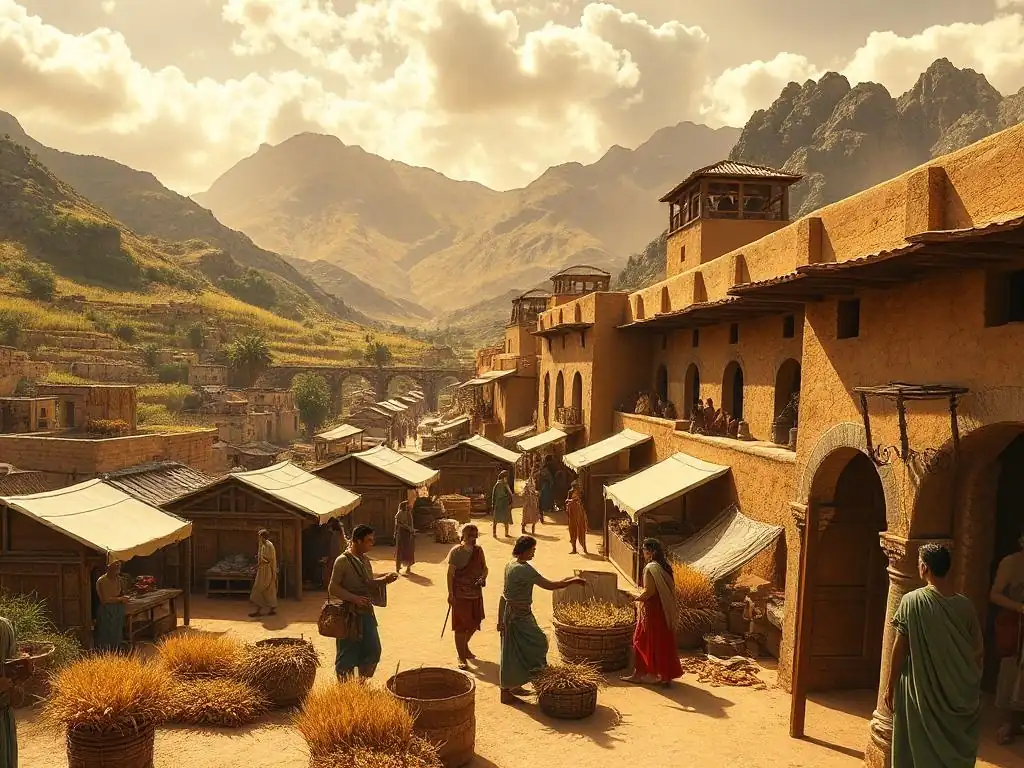
Ancient civilizations across the Americas showcased remarkable resilience to climate challenges through innovative practices and adaptations. By examining specific case studies, we can glean valuable insights into how these societies navigated environmental changes and resource limitations, which can inform contemporary strategies for climate resilience.
The Maya: Responding to Drought and Resource Scarcity
The Maya civilization, known for its sophisticated city-states, developed in the lowland rainforests of present-day Mexico, Guatemala, and Belize. This region experienced significant periods of drought, particularly between 800 and 1000 CE, which challenged the sustainability of their agricultural practices.
To combat drought, the Maya implemented several ingenious techniques, including:
- Terracing and Agroforestry: They constructed terraces on hillsides to maximize arable land and reduce soil erosion. This method allowed for the cultivation of diverse crops, including maize, beans, and squash, which were essential for their diet.
- Water Management Systems: The Maya built extensive reservoirs and canals to collect and store rainwater. This infrastructure enabled them to maintain agricultural productivity during dry spells and ensured a reliable water supply for their communities.
- Crop Diversification: By cultivating a variety of crops, the Maya reduced their dependence on any single crop, thereby enhancing their food security and resilience to climate variability.
These adaptive strategies not only helped the Maya thrive in challenging conditions but also highlight the importance of sustainable practices in the face of environmental changes.
The Inca: Engineering Marvels in Harsh Environments
The Inca Empire, stretching along the western coast of South America, faced diverse climatic challenges, from arid deserts to high-altitude mountain ranges. Their response to these challenges exemplifies advanced engineering and agricultural innovation.
Key features of Inca resilience include:
- Terracing: The Incas constructed extensive terraced fields, particularly in the steep Andean mountains. This not only maximized arable land but also improved water retention and reduced soil erosion, allowing them to cultivate crops like potatoes and quinoa.
- Road and Bridge Networks: The Inca developed an extensive network of roads and suspension bridges, facilitating trade and communication across varied terrains. This infrastructure allowed for the efficient distribution of resources, particularly crucial during times of scarcity.
- Quipu System: The Incas utilized a quipu, a system of knotted strings, to keep records of agricultural production and resource distribution. This method enabled effective management of surplus and shortages, enhancing their adaptive capacity.
The Inca’s engineering prowess and resource management reflect a profound understanding of their environment, showcasing how ancient civilizations can inform modern engineering and sustainability.
The Pueblo: Adapting to Water Scarcity and Temperature Fluctuations
The Pueblo peoples of the Southwestern United States faced significant challenges due to arid conditions and variable temperatures. Their adaptations illustrate resilience in a harsh climate, focusing on agriculture and community organization.
Pueblo adaptations included:
- Dryland Farming Techniques: The Pueblo utilized dry farming methods, including planting crops like maize, beans, and squash in shallow trenches to capture moisture. This technique allowed them to maximize yields in limited water conditions.
- Water Conservation Practices: They developed systems for collecting and storing rainwater, such as cisterns and check dams, which helped mitigate the effects of drought and ensured a steady water supply for their communities.
- Community Cooperation: The Pueblo societies emphasized communal efforts in agricultural practices and resource management. By working together, they enhanced their resilience to environmental stresses, fostering social cohesion and mutual support.
These strategies reflect a deep connection to their environment and a commitment to sustainable living, offering valuable lessons for contemporary water management and agriculture.
Lessons from Ancient Civilizations for Modern Climate Resilience
The study of ancient civilizations reveals invaluable lessons for addressing current climate challenges. By analyzing their adaptive strategies, we can develop modern approaches to resilience that draw on historical knowledge and practices.
Relevance of Historical Adaptations Today
The adaptive strategies employed by ancient civilizations are increasingly relevant in today’s context of climate change. Key takeaways include:
- Sustainable Resource Management: The emphasis on resource conservation and sustainable practices from the Maya, Inca, and Pueblo societies can inform modern policies aimed at sustainable agriculture and water usage.
- Diversity and Flexibility: The importance of crop diversity and flexible management strategies can help contemporary farmers adapt to changing climatic conditions, ensuring food security amid uncertainty.
- Community Engagement: The cooperative approaches seen in ancient societies highlight the significance of community involvement in resource management and climate adaptation efforts.
By integrating these lessons into modern practices, we can foster resilience and sustainability in the face of ongoing environmental challenges.
Integrating Traditional Knowledge with Modern Practices
Combining traditional ecological knowledge with modern scientific practices presents a powerful avenue for enhancing climate resilience. Strategies include:
- Collaborative Efforts: Engaging indigenous communities in environmental decision-making processes ensures that traditional knowledge informs modern practices, leading to more effective and culturally relevant solutions.
- Innovative Practices: Utilizing ancient techniques alongside modern technology can enhance agricultural productivity and resource management. For example, integrating traditional irrigation methods with contemporary water conservation technologies can optimize water use.
- Education and Awareness: Promoting awareness of traditional practices can foster appreciation for indigenous knowledge and empower communities to implement sustainable practices that have stood the test of time.
By valuing and integrating the wisdom of ancient civilizations, we can create resilient societies capable of navigating the complexities of modern climate challenges.
Conclusion: The Legacy of Climate Resilience in Indigenous Cultures
The legacy of climate resilience in ancient civilizations is a testament to the adaptive ingenuity of indigenous cultures across the Americas. These societies developed sophisticated strategies to manage and thrive within their environments, demonstrating a profound understanding of ecological principles. Their practices not only reflect a deep connection to the land but also reveal a legacy of sustainability that remains relevant today. As contemporary society grapples with climate change, these historical lessons can guide future efforts to cultivate resilience in our own communities.
Indigenous cultures such as the Maya, Inca, and Pueblo peoples showcased remarkable adaptability through agricultural innovation, water management, and architectural ingenuity. By studying their approaches, modern societies can glean insights into sustainable practices, emphasizing the importance of local knowledge and traditional ecological wisdom. The resilience built into these cultures serves as a reminder of the enduring relationship between people and the environment, advocating for a harmonious balance that is crucial for survival.
Summary of Key Points
- Innovative Agricultural Techniques: Ancient civilizations developed advanced farming methods, including terrace farming and crop rotation, to optimize yields and adapt to fluctuating climates.
- Water Management Systems: Civilizations like the Inca constructed extensive irrigation systems, demonstrating how effective water management can mitigate the impacts of drought and flooding.
- Architectural Adaptations: The use of local materials and designs in structures like the Pueblo cliff dwellings showcases an understanding of climate and geography, enhancing durability and comfort.
- Cultural Practices: Rituals and community governance often revolved around environmental cycles, illustrating a holistic approach to living in sync with nature.
- Knowledge Transmission: Oral histories and cultural traditions played a critical role in passing down ecological knowledge, ensuring that future generations retained essential survival skills.
The Importance of Preserving Indigenous Knowledge for Future Generations
Preserving indigenous knowledge is vital not only for honoring the rich histories of these cultures but also for equipping future generations with tools to navigate contemporary environmental challenges. As climate change accelerates, the traditional practices and insights of indigenous peoples can offer sustainable solutions that modern societies often overlook.
Indigenous practices are often founded on centuries of observation and adaptation, tailored to local ecosystems. For instance, many native agricultural methods encourage biodiversity, which can enhance ecological resilience. By integrating this knowledge into modern agricultural practices, society can foster more sustainable food systems.
Moreover, maintaining this knowledge supports cultural identity and resilience within indigenous communities. It empowers them to reclaim their narratives and adapt to changing circumstances while remaining rooted in their heritage. Collaborative efforts between indigenous peoples and modern scientists can further enhance understanding, leading to innovative solutions that bridge traditional wisdom and contemporary science.
The legacy of climate resilience in ancient civilizations offers invaluable lessons for today's society. By prioritizing the preservation and integration of indigenous knowledge, we not only honor the past but also forge a sustainable path forward in the face of ongoing environmental challenges.
- Introduction to Ancient Civilizations Climate Resilience
- Overview of Indigenous Civilizations in the Americas
- Key Strategies for Climate Resilience in Ancient Civilizations
- Social Structures Supporting Climate Resilience
- Case Studies of Climate Resilience in Specific Civilizations
- Lessons from Ancient Civilizations for Modern Climate Resilience
- Conclusion: The Legacy of Climate Resilience in Indigenous Cultures
- What is climate resilience in the context of ancient civilizations?
- How did indigenous cultures demonstrate climate resilience?
- What are some examples of ancient civilizations that showcased climate resilience?
- Why is it important to study the climate resilience of ancient civilizations today?
- How did climate change impact the development of ancient civilizations?
Frequently Asked Questions
What is climate resilience in the context of ancient civilizations?
Climate resilience refers to the ability of ancient civilizations to adapt and thrive in the face of changing environmental conditions. This includes strategies for managing resources, agriculture, and settlement patterns.
How did indigenous cultures demonstrate climate resilience?
Indigenous cultures employed various innovative agricultural techniques, such as terracing and irrigation, to maximize crop yields despite challenging climates. Their deep knowledge of the environment allowed for sustainable practices.
What are some examples of ancient civilizations that showcased climate resilience?
Civilizations like the Inca and Maya are prime examples, having developed sophisticated agricultural systems and urban planning that allowed them to thrive in diverse climates across the Americas.
Why is it important to study the climate resilience of ancient civilizations today?
Understanding the climate resilience of ancient civilizations can provide valuable insights into sustainable practices that can inform modern approaches to climate change and resource management.
How did climate change impact the development of ancient civilizations?
Significant climate changes often led to shifts in resource availability, prompting civilizations to adapt their social structures, agricultural methods, and settlement patterns to ensure their survival.
Final Reflection: Embracing the Wisdom of Ancient Civilizations for Climate Resilience
The lessons learned from ancient civilizations in their struggle for survival amidst changing environments are more relevant today than ever. As we face unprecedented climate challenges, the strategies employed by these societies remind us that adaptability and resilience are not just historical concepts but essential tools for our survival in the modern world. The ability to innovate and respond to environmental shifts is a legacy that we must honor and emulate in our own efforts to combat climate change.
The influence of ancient civilizations on our understanding of climate resilience extends beyond mere historical interest; it shapes our cultural and social narratives today. From the agricultural techniques of the Maya to the water management systems of the Romans, these civilizations provide a blueprint for sustainable living that resonates in contemporary discussions about environmental stewardship. As we navigate our current climate crisis, we can draw inspiration from their ingenuity.
> “The greatest danger in times of turbulence is not the turbulence; it is to act with yesterday’s logic.” – Peter Drucker. This quote encapsulates the need for forward-thinking solutions that honor the past while addressing the present.
As we reflect on the wisdom of our ancestors, I invite you to consider how you can incorporate the principles of resilience and adaptability into your own life. What lessons can you take from the past to inform your actions today? Whether it's adopting sustainable practices, advocating for environmental justice, or simply being more mindful of your ecological footprint, every small step contributes to a larger movement toward a more resilient future. Let us harness the spirit of ancient civilizations to inspire our collective journey toward a sustainable world.
Unleash the Power of Resilience!
Thank you for exploring our insights into how ancient civilizations adapted to environmental changes. Your interest paves the way for a deeper understanding of sustainability and resilience today. Now, let’s continue this journey toward a more sustainable future together!
Here’s how you can take action:
- Engage with your community: Start a conversation about climate resilience by hosting a discussion group or organizing a local workshop.
- Explore further: Research the practices of a specific ancient civilization and discover how their methods can inspire modern solutions to contemporary climate challenges.
- Share your insights: Share your learnings on social media to spark interest and encourage dialogue around climate adaptation and resilience strategies.
What steps will you take today to contribute to a more resilient future for your community?