
Bridging Generations: The Importance of Teaching Indigenous Languages to Youth

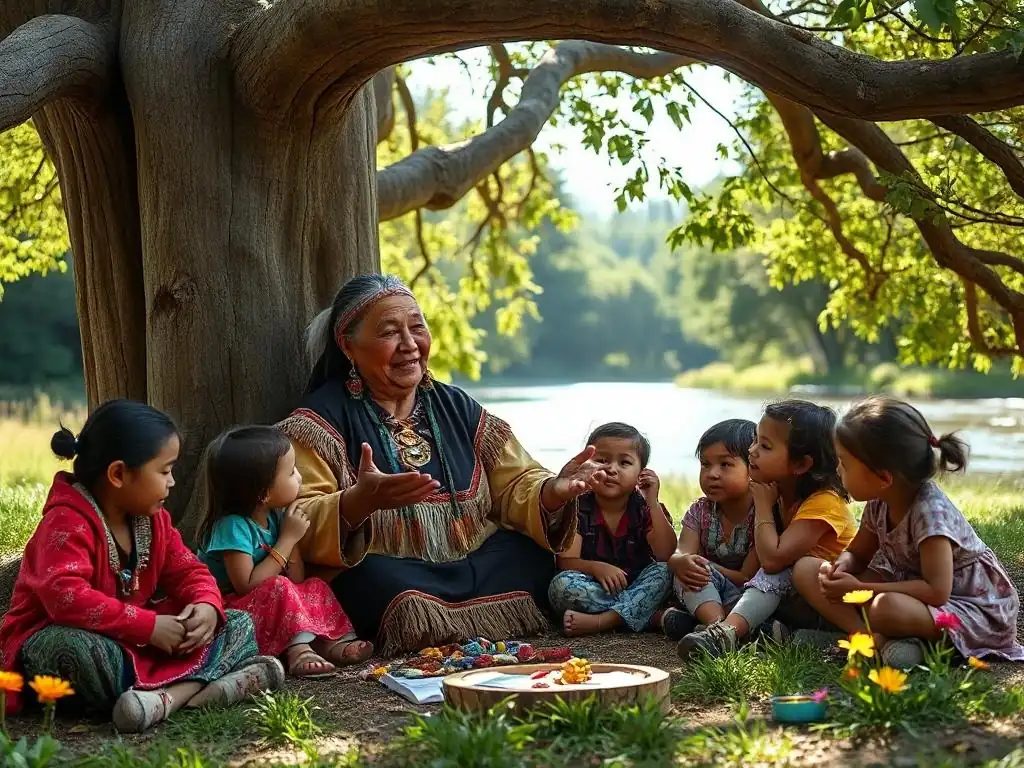
Welcome to Indigenous Civilizations of the Americas, where we embark on a journey through the rich tapestry of cultures that flourished long before European arrival. Here, we delve into the importance of indigenous languages education, uncovering how these languages serve as vital threads connecting generations, preserving wisdom, and fostering identity. As you explore our latest article, "Bridging Generations: The Importance of Teaching Indigenous Languages to Youth," prepare to be inspired by the profound legacy and resilience of indigenous communities.
Join us in celebrating their achievements and discover why understanding their languages is essential for a thriving future. Let the exploration begin!
Introduction to Indigenous Languages Education
The importance of indigenous languages education cannot be overstated, as it serves as a vital link between past and present generations. Indigenous languages are not merely tools for communication; they embody the histories, philosophies, and worldviews of diverse cultures that have flourished in the Americas for millennia.
In recent decades, the push for linguistic preservation has gained momentum, with educators and activists advocating for the revitalization of these languages within the youth demographic. By teaching indigenous languages to young people, we can ensure that cultural identities remain vibrant and relevant, fostering a sense of pride and belonging in the face of ongoing globalization and cultural homogenization.
The Role of Indigenous Languages in Cultural Identity
Indigenous languages are deeply intertwined with cultural identity. They carry unique expressions, stories, and traditions that are often untranslatable into other languages. For many indigenous communities, speaking their ancestral language is a form of resistance against colonial histories and a reaffirmation of their cultural heritage. Language shapes how individuals perceive the world around them, influences social interactions, and serves as a repository for collective memory.
- Cultural Narratives: Indigenous languages encapsulate traditional stories and oral histories that have been passed down through generations.
- Expressions of Identity: Language is a key identifier, providing individuals with a sense of belonging and connection to their community.
Overview of Linguistic Diversity Among Indigenous Cultures
The linguistic landscape of indigenous cultures in the Americas is incredibly rich and diverse. More than 300 languages are still spoken today, each with its own dialects, grammatical structures, and cultural significance. This variety is a testament to the complexity of social structures and worldviews among different indigenous groups.
| Region | Number of Languages | Notable Languages |
|---|---|---|
| North America | ~175 | Navajo, Cree, Lakota |
| Central America | ~60 | Maya, Nahuatl |
| South America | ~100 | Quechua, Guarani |
Understanding this diversity is essential for appreciating the unique contributions of each language to the overall fabric of human knowledge and experience.
The Importance of Indigenous Languages Education
The push for indigenous languages education is grounded in the understanding that language is not just a means of communication, but a vital element of cultural preservation and community resilience. Educating youth in their ancestral languages can bridge generational gaps and foster a deeper connection to their cultural heritage.
How Indigenous Languages Foster Cultural Heritage
Teaching indigenous languages is a powerful way to instill a sense of cultural pride in young people. These languages are carriers of cultural knowledge, traditions, and practices that are essential for community cohesion. By learning their ancestral language, youth can:
- Participate in Cultural Practices: Engage in traditional ceremonies and rituals that rely on language.
- Access Cultural Knowledge: Understand and convey the wisdom embedded in oral traditions.
Connection Between Language and Community Identity
Language is a cornerstone of community identity. For indigenous youth, learning their language strengthens their ties to their community, enabling them to engage more fully in cultural life. This connection fosters resilience against the pressures of assimilation and cultural erosion, helping to cultivate a strong sense of self within the community.
- Community Engagement: Young speakers are more likely to participate in community events and initiatives.
- Intergenerational Relationships: Language learning fosters bonds between generations, enhancing the passing down of cultural knowledge.
The Role of Language in Traditional Knowledge Preservation
Indigenous languages serve as vessels for traditional ecological knowledge, medicinal practices, and agricultural techniques. Many indigenous communities possess intricate knowledge about their local ecosystems, which is often encoded in their languages.
- Sustainable Practices: Language education can help document and preserve sustainable practices that have been honed over centuries.
- Holistic Understanding: Learning indigenous languages enables youth to grasp the interconnectedness of cultural, environmental, and social systems inherent in their communities.
The importance of indigenous languages education lies not only in the preservation of language but also in the safeguarding of cultural identities and knowledge systems that are essential for the future of indigenous peoples. By bridging generations through language, we can create a more inclusive and culturally rich society.
Current State of Indigenous Languages
Indigenous languages in the Americas are in a precarious state, with many on the brink of extinction. According to the latest reports, over half of the approximately 300 indigenous languages spoken in North America are classified as endangered. The decline in the number of speakers is primarily attributed to historical factors such as colonization, forced assimilation policies, and the dominance of colonial languages, which have marginalized indigenous languages over the years. As a result, many younger generations are not learning their ancestral languages, leading to a significant loss of cultural heritage and identity.
Statistics on Indigenous Language Speakers
- North America: It is estimated that there are around 175 indigenous languages spoken, with fewer than 20 languages having more than 1,000 speakers. Languages like Navajo and Cree have sizable speaker populations, while many others, such as Cherokee and Lakota, face rapid declines.
- South America: The situation varies across the continent. Countries like Peru and Bolivia have recognized indigenous languages as official, but many languages, such as the various Amazonian languages, remain critically endangered. Approximately 30% of indigenous languages in South America are at risk of disappearing within a generation.
These statistics highlight the urgent need for educational programs that support the teaching and learning of indigenous languages, particularly among youth.
Challenges Facing Indigenous Languages Today
The survival of indigenous languages faces several formidable challenges:
- Urbanization: Many indigenous people have migrated to urban areas, where they encounter environments dominated by dominant languages, leading to a disconnection from their linguistic roots.
- Education Systems: Mainstream education often overlooks indigenous languages, focusing predominantly on national languages. This results in young people not receiving instruction in their native tongues, leading to language attrition.
- Generational Transmission: As older speakers pass away, the transmission of language to younger generations diminishes, especially when parents and grandparents have not had the opportunity to teach their languages due to external societal pressures.
Addressing these challenges requires a concerted effort from governments, communities, and educational institutions to create supportive environments for language learning and usage.
Efforts Toward Revitalization and Preservation
In response to the alarming situation of indigenous languages, various revitalization efforts have emerged:
- Language Immersion Schools: Programs that immerse students in their indigenous languages from an early age are gaining traction. These schools not only teach the language but also incorporate cultural teachings and practices.
- Community Initiatives: Many indigenous communities are spearheading grassroots movement programs to teach languages. These include community classes, cultural camps, and workshops designed to engage youth and encourage them to learn their languages.
- Technology and Media: The use of technology, such as language apps, podcasts, and social media, has provided new avenues for language learning and preservation, making it easier for young people to access resources and connect with their linguistic heritage.
These combined efforts are crucial in ensuring that indigenous languages survive for future generations.
Teaching Indigenous Languages to Youth
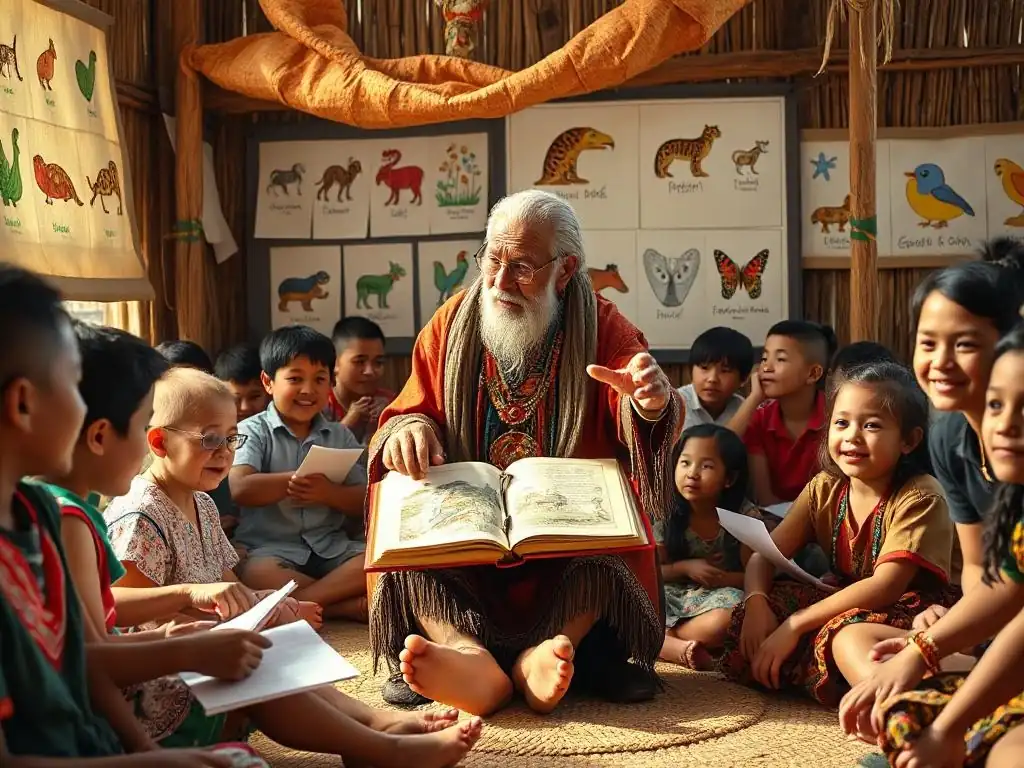
Teaching indigenous languages to youth is essential not only for the preservation of these languages but also for fostering a sense of identity and belonging among young speakers. Education in indigenous languages enhances cultural pride and strengthens community ties.
Benefits of Early Language Acquisition
The advantages of early language acquisition are manifold:
- Cognitive Development: Studies show that bilingualism enhances cognitive skills, including problem-solving and critical thinking abilities. Children who learn indigenous languages alongside dominant languages often perform better in various cognitive tasks.
- Cultural Connection: Learning an indigenous language from a young age allows children to connect deeply with their heritage, traditions, and cultural narratives, fostering a sense of identity and belonging.
- Social Benefits: Early exposure to indigenous languages can improve social skills and empathy, as children learn to navigate different cultural contexts and appreciate diverse perspectives.
These benefits underline the importance of integrating indigenous language education into early childhood curricula.
Methods for Effective Indigenous Language Instruction
Effective methods for teaching indigenous languages to youth include:
- Culturally Relevant Curriculum: Incorporating culturally significant stories, songs, and practices into the curriculum helps engage students and makes learning more meaningful. This approach encourages students to see the relevance of their language in their lives.
- Interactive Learning: Utilizing interactive methods such as games, storytelling, and role-playing can make learning more engaging and enjoyable for children. This hands-on approach helps reinforce language skills in a fun and memorable way.
- Community Involvement: Involving community elders and fluent speakers in the teaching process can enrich the learning experience. Their knowledge and stories provide context and depth to the language, fostering a sense of community and continuity in learning.
By implementing these methods, educators can create a supportive and effective environment for teaching indigenous languages, ensuring their survival and revitalization for generations to come.
Bridging Generational Gaps Through Language
Language serves as a vital link between generations, particularly within indigenous communities where traditions, stories, and cultural practices are often passed down through oral histories. Teaching indigenous languages to youth is crucial not just for preserving the language itself, but also for fostering a deeper understanding of cultural identity. When young people learn their ancestral languages, they gain access to a wealth of knowledge encapsulated in those languages – from medicinal plant names to traditional ecological practices. This connection promotes a sense of belonging and continuity, allowing youth to understand their roots and the values of their ancestors.
Moreover, the act of learning and using an indigenous language can empower youth to reclaim their cultural heritage in a world where globalization often threatens to erase local identities. By bridging generational gaps, language education nurtures respect for elders and encourages intergenerational dialogue, which is essential for the transmission of knowledge and cultural practices. The revival of indigenous languages thus becomes a pathway to strengthen community bonds and ensure that traditional ways of life persist in a modern context.
The Impact of Language on Intergenerational Communication
Language is more than a means of communication; it encapsulates worldviews and cultural philosophies. For indigenous peoples, the language often carries idiomatic expressions, proverbs, and narratives that reflect their unique relationship with the land and nature. When youth engage with their indigenous languages, they not only learn how to communicate but also how to think and perceive the world through the lens of their culture.
Effective intergenerational communication facilitated by language creates opportunities for storytelling, which is essential for cultural transmission. Elders can share their experiences, teachings, and histories, enriching the youth's understanding of their cultural identity. This exchange fosters respect and admiration for the wisdom of older generations, while also allowing elders to learn from the perspectives of younger members of the community. In this way, indigenous languages serve as a bridge that connects the past with the future, ensuring that valuable cultural knowledge is not lost but rather adapted and reinterpreted by new generations.
Case Studies of Successful Language Revitalization
Several indigenous communities have successfully implemented language revitalization programs that serve as compelling models for others. One notable example is the Hawaiian language immersion program, which began in the 1980s. This initiative aimed to combat the decline of the Hawaiian language by providing children with an education primarily conducted in Hawaiian. As a result, there has been a significant increase in fluent speakers, and the program has fostered a broader cultural resurgence in Hawaii.
Another successful case is the Maori language revitalization effort in New Zealand. The establishment of Kōhanga Reo (language nests) for preschool-aged children has been instrumental in teaching Maori to the younger generation. These centers not only focus on language acquisition but also integrate Maori culture and traditions into the curriculum, thereby creating a holistic educational environment.
These case studies illustrate that with community commitment, resources, and innovative educational approaches, it is possible to revitalize indigenous languages, thereby ensuring their continued relevance and use among future generations.
Supporting Indigenous Language Education
Supporting the education of indigenous languages requires a multifaceted approach that involves various stakeholders, including parents, educators, and the community at large. By creating a supportive environment for language learning, communities can inspire youth to embrace their cultural heritage and become active participants in its preservation.
The Role of Parents and Community in Language Learning
Parents and community members play a pivotal role in the success of indigenous language education. Their involvement is crucial in reinforcing the importance of language at home and within the community. When parents actively speak and promote the use of indigenous languages, they establish a linguistic foundation that children can build upon in formal education settings.
Community support further enhances language learning by providing opportunities for youth to engage in cultural activities that incorporate language use. Events such as storytelling nights, traditional ceremonies, and language clubs create immersive experiences that highlight the practical use of the language in everyday life. When children see their parents and community members using the language in meaningful contexts, it instills pride and motivation to learn.
Resources for Educators and Language Advocates
Educators and language advocates seeking to support indigenous language education can access a variety of resources tailored to their needs. Numerous organizations provide curriculum materials, teacher training, and language assessment tools designed specifically for indigenous languages.
For instance, the First Nations Development Institute offers resources aimed at strengthening indigenous language programs, while various online platforms provide digital content and interactive tools that can facilitate language learning in engaging ways. Additionally, collaboration with local indigenous leaders and elders can enhance educational efforts by integrating traditional knowledge and practices into the curriculum.
By utilizing these resources and fostering a community of support, educators can create dynamic and effective language education programs that not only teach the language but also celebrate and preserve the rich cultural heritage that it represents.
Conclusion: The Future of Indigenous Languages Education
As we reflect on the significance of teaching indigenous languages to youth, it becomes evident that this education is not merely about preserving a mode of communication; it is a vital thread in the tapestry of cultural identity and heritage. The future of indigenous languages education hinges on a collective commitment to integrating these languages into mainstream educational frameworks, fostering not only linguistic skills but also a deep appreciation for the rich histories and traditions they embody.
By prioritizing the inclusion of indigenous languages in schools, communities can empower the next generation to connect with their roots, engage with their cultures, and contribute to the ongoing narrative of their peoples.
Youth who are educated in their indigenous languages are better equipped to navigate the complexities of contemporary society while maintaining a strong sense of identity. This duality can lead to a resurgence of cultural confidence, infusing indigenous communities with resilience and a renewed sense of purpose. The path ahead is illuminated by the voices of young speakers who will carry the knowledge and wisdom of their ancestors into the future, ensuring that these languages do not merely survive but thrive.
Call to Action for Community Involvement
Community involvement is crucial in the movement to teach indigenous languages to youth. It is essential for families, local leaders, and educational institutions to collaborate on initiatives that promote language learning. This can be achieved through:
- Language Classes: Establishing community-run language classes where elders and fluent speakers can share their knowledge with younger generations.
- Cultural Events: Organizing cultural celebrations that incorporate indigenous languages, allowing youth to experience the language in a vibrant context.
- Resource Development: Creating and distributing educational materials, such as books, games, and digital resources, that are accessible and engaging for children.
- Mentorship Programs: Pairing youth with fluent speakers to foster language skills through informal settings, such as storytelling and traditional practices.
By actively participating in these initiatives, community members can create a supportive environment that encourages the learning and use of indigenous languages. This grassroots involvement is vital for instilling pride in linguistic heritage and ensuring that these languages remain vibrant and relevant.
The Importance of Sustaining Indigenous Languages for Future Generations
Sustaining indigenous languages is paramount for the preservation of cultural identity and diversity. Each language carries unique worldviews, traditions, and knowledge systems that are often untranslatable into other languages. The loss of a language equates to the loss of a community's history, traditions, and perspective on life. Teaching these languages to youth is critical for several reasons:
- Cultural Continuity: Youth who learn their indigenous languages are more likely to engage with their cultural practices and traditions, fostering a sense of belonging and connection to their heritage.
- Cognitive Benefits: Bilingualism has been shown to enhance cognitive skills, including problem-solving and critical thinking. Indigenous languages contribute to a broader understanding of linguistic diversity and cognitive flexibility.
- Social Cohesion: Language education fosters a sense of community and belonging, as youth engage with both their peers and elders, strengthening intergenerational bonds.
- Advocacy and Empowerment: Educated youth are more likely to advocate for their communities and preserve their cultural rights, ensuring that indigenous voices are represented in wider societal dialogues.
The importance of indigenous languages education cannot be overstated. By committing to their preservation and teaching them to the youth, we are not only safeguarding a mode of communication but also nurturing the spirit and resilience of indigenous cultures for generations to come.
- Introduction to Indigenous Languages Education
- The Role of Indigenous Languages in Cultural Identity
- The Importance of Indigenous Languages Education
- Current State of Indigenous Languages
- Teaching Indigenous Languages to Youth
- Bridging Generational Gaps Through Language
- Supporting Indigenous Language Education
- Conclusion: The Future of Indigenous Languages Education
- What is the main focus of the article "Bridging Generations: The Importance of Teaching Indigenous Languages to Youth"?
- Why is teaching indigenous languages crucial for youth?
- How do indigenous languages contribute to cultural preservation?
- What are some challenges in teaching indigenous languages today?
- How can communities support indigenous language education?
Frequently Asked Questions
What is the main focus of the article "Bridging Generations: The Importance of Teaching Indigenous Languages to Youth"?
The article emphasizes the importance of indigenous languages education as a means to preserve cultural heritage and empower youth by connecting them with their roots.
Why is teaching indigenous languages crucial for youth?
Teaching indigenous languages helps maintain cultural identity and fosters a sense of belonging among young people, ensuring that traditions and knowledge are passed down through generations.
How do indigenous languages contribute to cultural preservation?
Indigenous languages carry unique worldviews and traditional knowledge, making their education essential for the preservation of cultural practices and values that might otherwise be lost.
What are some challenges in teaching indigenous languages today?
Challenges include a lack of resources, limited access to qualified educators, and institutional neglect, which can hinder effective language education and revitalization efforts.
How can communities support indigenous language education?
Communities can support this education by creating language programs, fostering collaboration between schools and families, and promoting community involvement in language revitalization initiatives.
Final Reflection: Preserving Heritage Through Language Education
The importance of indigenous languages education cannot be overstated in today's rapidly globalizing world. As we witness the erosion of cultural identities and the marginalization of indigenous communities, the call to action becomes ever more urgent. Teaching indigenous languages to youth is not just about preserving words; it is about safeguarding entire worldviews, histories, and identities. In a time when cultural homogenization threatens diversity, embracing and promoting indigenous languages is a powerful statement of resilience and respect for heritage.
The influence of indigenous languages extends far beyond the classroom, shaping the cultural landscape and fostering a sense of belonging among young people. By connecting youth with their roots, we empower them to navigate their identities in a modern context. As the renowned linguist and activist, Dr. Leanne Hinton, once said, Language is the most powerful tool we have to connect with our culture and our community.
This connection is vital not only for individual growth but also for the collective strength of indigenous communities, ensuring that traditions and knowledge are passed down through generations.
As we reflect on the lessons of this article, I invite you to consider your role in this vital movement. How can you contribute to the revitalization of indigenous languages in your community? Whether through advocacy, education, or simply by engaging with indigenous cultures, every action counts. Let us commit to fostering an environment where indigenous languages thrive, ensuring that future generations inherit the rich tapestry of their cultural heritage. Together, we can bridge the gap between generations and celebrate the profound significance of indigenous languages in our shared human experience.
Thank you for taking the time to explore the vital role of teaching Indigenous languages to the youth! Your interest in this topic not only highlights its importance but also underscores your commitment to cultural preservation and education. Now, let’s harness that inspiration into action!
- Join a local workshop focused on Indigenous language teaching or preservation—become part of a community that values and nurtures these languages.
- Share your knowledge! Mentor a young person in your community, helping them connect with their Indigenous heritage through language.
- Document and share your learning journey—whether through social media or storytelling, your voice can inspire others to appreciate the beauty and necessity of revitalizing Indigenous languages.
What steps will you take today to ensure that Indigenous languages thrive for future generations?