
The Lasting Impact of Indigenous Environmental Adaptations on Modern Conservation Efforts

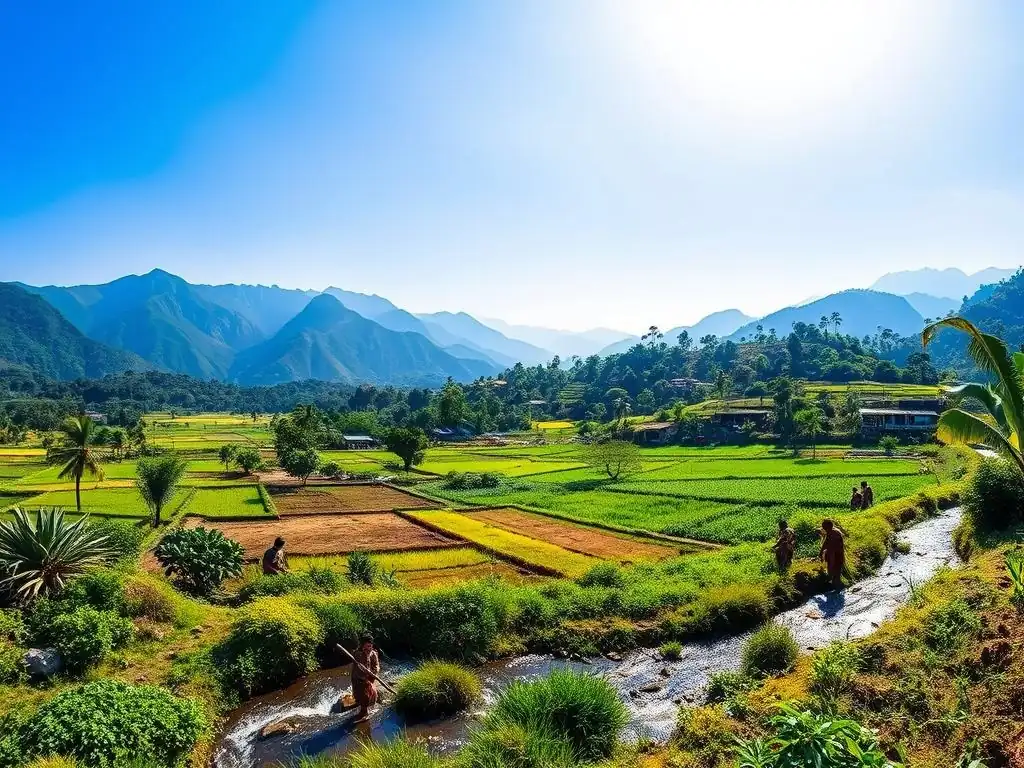
Welcome to Indigenous Civilizations of the Americas, where we invite you to embark on a fascinating journey through the rich tapestry of indigenous cultures that flourished long before European colonization. Here, we delve into the profound impact of indigenous environmental adaptations on today’s conservation efforts, revealing how ancient wisdom continues to inspire sustainable practices in our modern world. As you explore our comprehensive resources, you’ll uncover the remarkable achievements and resilient societies that shaped the Americas. Get ready to ignite your curiosity and discover the enduring legacy of these vibrant civilizations!
Indigenous cultures across the Americas have long demonstrated remarkable environmental adaptations that not only reflect their deep understanding of nature but also highlight their innovative approaches to sustainability. These adaptations, developed over millennia, have proven to be not only effective in managing local ecosystems but also invaluable in informing modern conservation efforts.
As we face pressing environmental challenges today, the integration of Indigenous knowledge and practices into contemporary conservation strategies has become crucial for fostering resilience and sustainability. This article explores the profound impact of Indigenous environmental adaptations on modern conservation efforts, revealing how these time-tested practices can enhance our understanding of biodiversity, ecosystem management, and sustainability.
Introduction to Indigenous Environmental Adaptations
Indigenous environmental adaptations encompass a wide range of practices, beliefs, and traditional ecological knowledge developed by Indigenous peoples to thrive in diverse ecosystems. These adaptations reflect a profound relationship between communities and their environments, characterized by sustainable practices that ensure the longevity of resources and the health of ecosystems. Understanding these adaptations is essential for appreciating their relevance in today's conservation landscape.
Understanding Indigenous Environmental Adaptations
Indigenous environmental adaptations can be defined as the methods and practices employed by Indigenous communities to interact with and manage their natural surroundings. These adaptations vary widely across different cultures and regions, but they often share common principles, including:
- Sustainable Resource Management: Indigenous peoples traditionally employed techniques that ensured the sustainable use of natural resources, such as rotational farming, controlled burns, and seasonal harvesting.
- Biodiversity Conservation: Many Indigenous practices promote biodiversity by maintaining a variety of species within ecosystems, which contributes to ecological balance and resilience.
- Cultural Significance: Environmental adaptations are often intertwined with cultural beliefs and practices, reinforcing the importance of maintaining harmony with nature.
Importance of Indigenous Knowledge in Conservation
The integration of Indigenous knowledge into modern conservation efforts is increasingly recognized as vital for addressing environmental challenges. This knowledge is characterized by:
- Holistic Understanding: Indigenous perspectives often encompass a holistic view of ecosystems, recognizing the interconnections between species, habitats, and human communities.
- Local Expertise: Indigenous peoples possess a deep understanding of their local environments, shaped by generations of experience and observation. This expertise can inform effective conservation strategies tailored to specific ecosystems.
- Adaptive Management: Many Indigenous communities employ adaptive management techniques that allow them to respond to changing environmental conditions, ensuring the sustainability of their practices over time.
Historical Context of Indigenous Environmental Practices
Understanding the historical context of Indigenous environmental practices is crucial for recognizing their lasting impact. Before European colonization, Indigenous peoples across the Americas had developed sophisticated systems for managing their environments, which were often disrupted by external forces.
Pre-Colonization Environmental Management Techniques
Before the arrival of Europeans, Indigenous communities employed various environmental management techniques that reflected their deep understanding of ecological systems. These included:
- Agroecological Practices: Many Indigenous cultures practiced agroecology, cultivating crops in ways that enhanced soil health and promoted biodiversity. For example, the "Three Sisters" method of planting corn, beans, and squash together exemplifies companion planting techniques that maximize yields and soil fertility.
- Fire Management: Controlled burns were used by various Indigenous groups to manage landscapes, promote new growth, and prevent larger, uncontrolled wildfires. This practice not only improved the health of the land but also supported the habitats of various species.
- Water Management: Indigenous peoples developed intricate systems for managing water resources, such as constructing canals and terraces, which allowed them to cultivate crops in arid regions.
Case Studies of Indigenous Adaptations in Various Regions
Examining specific case studies of Indigenous adaptations reveals the diversity and effectiveness of these practices across different regions:
- Amazon Rainforest: Indigenous tribes in the Amazon have utilized agroforestry techniques that integrate crops within the forest ecosystem, enhancing biodiversity while providing sustenance for their communities.
- Great Plains: Native American tribes in the Great Plains practiced bison management, utilizing the animal's grazing patterns to maintain healthy grasslands and support diverse wildlife.
- Andes Mountains: The Inca civilization is known for its advanced agricultural terraces, which utilized the region's mountainous terrain to create microclimates and prevent soil erosion.
These case studies illustrate how Indigenous environmental adaptations continue to inform and inspire modern conservation efforts, highlighting the importance of integrating traditional knowledge with contemporary practices for sustainable resource management.
The Role of Indigenous Environmental Adaptations in Modern Conservation
Indigenous environmental adaptations have played a critical role in shaping our understanding of sustainable practices and conservation efforts today. These adaptations, rooted in centuries of accumulated knowledge and experience, offer invaluable insights into how communities can live harmoniously with their environment. By studying these practices, modern conservationists are beginning to recognize the importance of integrating Indigenous wisdom into their methodologies to create more effective and sustainable conservation strategies. This acknowledgment is not only a tribute to the ingenuity of Indigenous peoples but also a necessary step toward addressing the pressing environmental challenges we face today.
Influence on Contemporary Conservation Strategies
The influence of Indigenous environmental adaptations on contemporary conservation strategies is profound. Many modern methods have been informed by traditional practices that prioritize the balance between human needs and ecological integrity. For instance, Indigenous fire management techniques, which involve controlled burns to maintain healthy ecosystems, are now being adopted in various regions to reduce wildfire risks and promote biodiversity.
Furthermore, the concept of stewardship, deeply embedded in Indigenous cultures, emphasizes the responsibility of individuals and communities to care for their environment. This principle is increasingly reflected in contemporary conservation initiatives that seek to empower local communities, ensuring that they play an active role in decision-making processes related to land and resource management.
Integrating Traditional Ecological Knowledge (TEK) in Modern Practices
Integrating Traditional Ecological Knowledge (TEK) with scientific research is essential for developing effective conservation practices. TEK encompasses a holistic understanding of ecosystems, including species interactions, seasonal changes, and sustainable usage practices that have been honed over generations. By valuing and incorporating TEK, conservationists can gain a more comprehensive perspective on ecological health and resilience.
Moreover, collaborative projects that combine TEK with modern science have demonstrated success in various regions. For example, in the Pacific Northwest, partnerships between Indigenous tribes and environmental organizations have led to the restoration of salmon habitats, utilizing both traditional knowledge and contemporary ecological science. This synergy not only enhances conservation outcomes but also respects and honors Indigenous cultural heritage.
Key Principles of Indigenous Environmental Adaptations
The key principles of Indigenous environmental adaptations are centered around sustainability, respect for nature, and community involvement. These principles guide the practices that have allowed Indigenous peoples to thrive in diverse environments across the Americas. By understanding these foundational elements, modern conservation efforts can better align with the ecological wisdom embedded in Indigenous traditions.
Sustainable Land Management Practices
Sustainable land management practices employed by Indigenous peoples prioritize ecological balance and resource conservation. Techniques such as crop rotation, agroforestry, and intercropping are commonly used to maintain soil health and enhance biodiversity. For example, the Indigenous practice of planting companion crops, where different species are cultivated together, not only optimizes land usage but also minimizes pest outbreaks, reducing the need for chemical interventions.
Additionally, many Indigenous communities practice rotational grazing, which allows pasturelands to recover and regenerate. This practice not only supports livestock health but also contributes to carbon sequestration, aiding in climate change mitigation efforts. The integration of these sustainable land management practices into modern agriculture can lead to more resilient food systems that honor both ecological principles and community needs.
Biodiversity Conservation Techniques Used by Indigenous Peoples
Indigenous peoples have developed a variety of biodiversity conservation techniques that have proven effective in maintaining ecological balance. One such technique is the use of sacred natural sites, which are areas held in spiritual regard and protected from exploitation. These sites serve as refuges for various species, contributing to the preservation of biodiversity.
Another important method is the selective harvesting of natural resources, where Indigenous communities take only what they need and ensure that the ecosystem remains intact. This practice prevents overexploitation and promotes regeneration, allowing for a sustainable yield over time. By adopting similar approaches, modern conservation initiatives can work towards preserving biodiversity while respecting the intrinsic value of ecosystems.
The lasting impact of Indigenous environmental adaptations on modern conservation efforts is significant. By embracing and integrating these traditional practices, contemporary strategies can become more effective and sustainable, ultimately leading to healthier ecosystems and more resilient communities.
Case Studies of Successful Integration
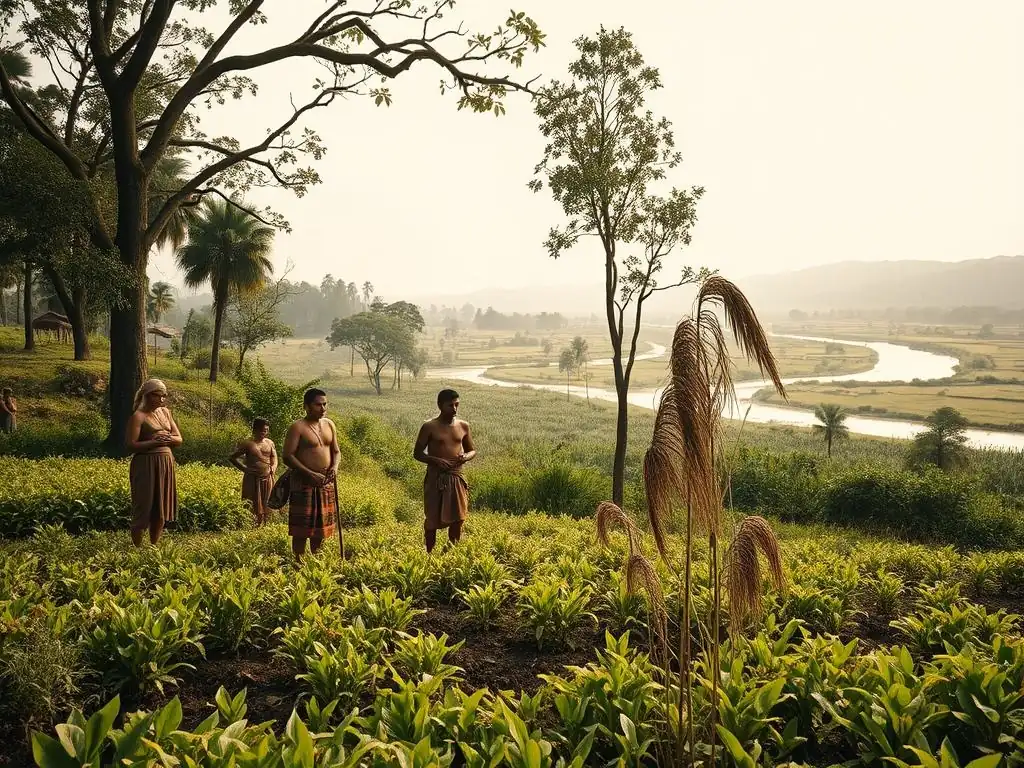
Indigenous communities around the world have developed unique environmental adaptations that not only sustained their societies but also contributed significantly to biodiversity and ecosystem health. In recent years, there has been a growing recognition of the importance of integrating these traditional practices into modern conservation efforts. This section explores notable case studies that highlight the successful integration of indigenous environmental adaptations into contemporary conservation strategies.
The Navajo Nation and Their Conservation Practices
The Navajo Nation, one of the largest indigenous territories in the United States, exemplifies the successful integration of traditional environmental knowledge into modern conservation practices. The Navajo people have long practiced sustainable livestock grazing that respects the ecological balance of their land. By employing rotational grazing techniques, they have minimized overgrazing, allowing vegetation to recover and maintain soil health.
Additionally, the Navajo Nation has implemented traditional farming practices, such as companion planting and the use of heirloom seeds, which enhance biodiversity and resilience in their agricultural systems. Their holistic approach to land management recognizes the interconnectedness of water, soil, plants, and animals. This perspective has informed modern conservation initiatives aimed at restoring native plant species and improving water conservation practices across the region.
In collaboration with environmental organizations, the Navajo Nation is also promoting educational programs that highlight traditional ecological knowledge (TEK). These programs aim to empower younger generations by reconnecting them with their heritage while fostering a sense of responsibility towards the environment. The integration of TEK in conservation efforts serves as a powerful reminder of the value of indigenous wisdom in addressing contemporary environmental challenges.
The Maori of New Zealand and Their Impact on Local Ecosystems
The Maori of New Zealand have a profound connection to their land, expressed through their traditional practices and beliefs that emphasize stewardship of natural resources. The concept of "kaitiakitanga," or guardianship, embodies their commitment to protecting the environment for future generations. This philosophy has led to successful initiatives that integrate indigenous knowledge with modern conservation efforts.
One notable example is the restoration of the Aotearoa (New Zealand) coastal ecosystems, where the Maori have worked alongside scientists to rehabilitate habitats. By employing traditional fishing practices, such as seasonal fishing and the prohibition of harvesting certain species during breeding seasons, the Maori have contributed to the regeneration of local fish populations.
Furthermore, the Maori have actively participated in reforestation projects that utilize native plants, which are essential for maintaining biodiversity and ecosystem stability. Their knowledge of indigenous species and their ecological roles has proven invaluable in these efforts. The collaboration between Maori communities and conservation groups has resulted in innovative approaches that respect cultural values while enhancing environmental resilience.
Challenges Faced in Recognizing Indigenous Contributions
Despite the significant contributions of indigenous communities to environmental conservation, several challenges hinder the full recognition and integration of their knowledge and practices. These challenges often stem from historical and systemic issues that have marginalized indigenous voices in environmental governance.
Overcoming Misconceptions about Indigenous Practices
One of the primary challenges is the widespread misconceptions surrounding indigenous practices. Many people view traditional ecological knowledge as outdated or less effective compared to modern scientific approaches. This viewpoint fails to recognize the depth of understanding that indigenous peoples have developed over centuries through their intimate relationship with the land.
To overcome these misconceptions, it is essential to promote education and awareness about the validity and relevance of indigenous knowledge systems. Initiatives that showcase successful case studies, like those of the Navajo Nation and the Maori, can help shift perceptions and highlight the potential for collaboration between indigenous peoples and conservationists.
Moreover, storytelling and cultural exchanges can play a critical role in bridging gaps between scientific and indigenous knowledge. By sharing experiences and insights, communities can foster mutual respect and understanding, ultimately leading to more inclusive conservation strategies.
Policy Barriers to Integrating Indigenous Knowledge
Policy barriers also pose significant challenges to integrating indigenous environmental adaptations into modern conservation efforts. Many existing environmental policies are often developed without the input of indigenous communities, which can lead to the exclusion of their knowledge and practices.
For effective integration, policymakers must prioritize engaging indigenous voices in the decision-making process. This includes recognizing land rights, ensuring equitable representation in environmental governance, and creating policies that acknowledge and support the use of traditional ecological knowledge.
Furthermore, building partnerships between indigenous communities and governmental or non-governmental organizations can facilitate the sharing of resources and knowledge. By fostering collaborative frameworks, conservation efforts can benefit from the richness of indigenous perspectives while promoting cultural preservation and environmental sustainability.
Future Directions for Conservation Efforts
As we look to the future, the integration of Indigenous environmental adaptations into modern conservation efforts is more crucial than ever. These adaptations provide invaluable insights into sustainable practices that have been honed over centuries. Future conservation strategies should prioritize:
- Incorporating Indigenous Knowledge: Recognizing and integrating Indigenous ecological knowledge can lead to more effective management of natural resources. This knowledge encompasses traditional practices that promote biodiversity, soil health, and ecosystem resilience.
- Community-Led Initiatives: Empowering Indigenous communities to lead conservation initiatives can ensure that efforts are culturally relevant and sustainable. This approach fosters ownership and stewardship of the land, ultimately leading to better environmental outcomes.
- Policy Development: Advocating for policies that recognize and protect Indigenous rights and land management practices is essential. Such policies should support collaborative efforts that allow Indigenous voices to guide conservation strategies.
- Research Partnerships: Future research should focus on partnerships between scientists and Indigenous communities to document and analyze traditional ecological practices. This collaboration can yield new insights and enhance the effectiveness of conservation efforts.
Collaborations Between Indigenous Communities and Conservationists
Collaboration between Indigenous communities and conservationists is a vital component in the evolution of modern conservation strategies. Such partnerships can take various forms, including:
- Co-Management Agreements: Establishing formal agreements that allow Indigenous peoples to co-manage natural resources alongside conservation organizations ensures that traditional knowledge informs decision-making processes.
- Joint Research Initiatives: Collaborative research efforts can bridge the gap between scientific knowledge and Indigenous wisdom. By working together, conservationists and Indigenous experts can develop comprehensive strategies that respect cultural practices while addressing environmental challenges.
- Cultural Exchange Programs: Facilitating cultural exchange between Indigenous communities and conservation practitioners can enhance mutual understanding and respect. These programs can help conservationists learn about Indigenous perspectives on land and resource management.
- Funding and Resource Sharing: Conservation organizations can allocate resources to support Indigenous-led initiatives, ensuring that these communities have the necessary tools and funding to implement their environmental adaptations.
The Importance of Revitalizing Indigenous Environmental Practices
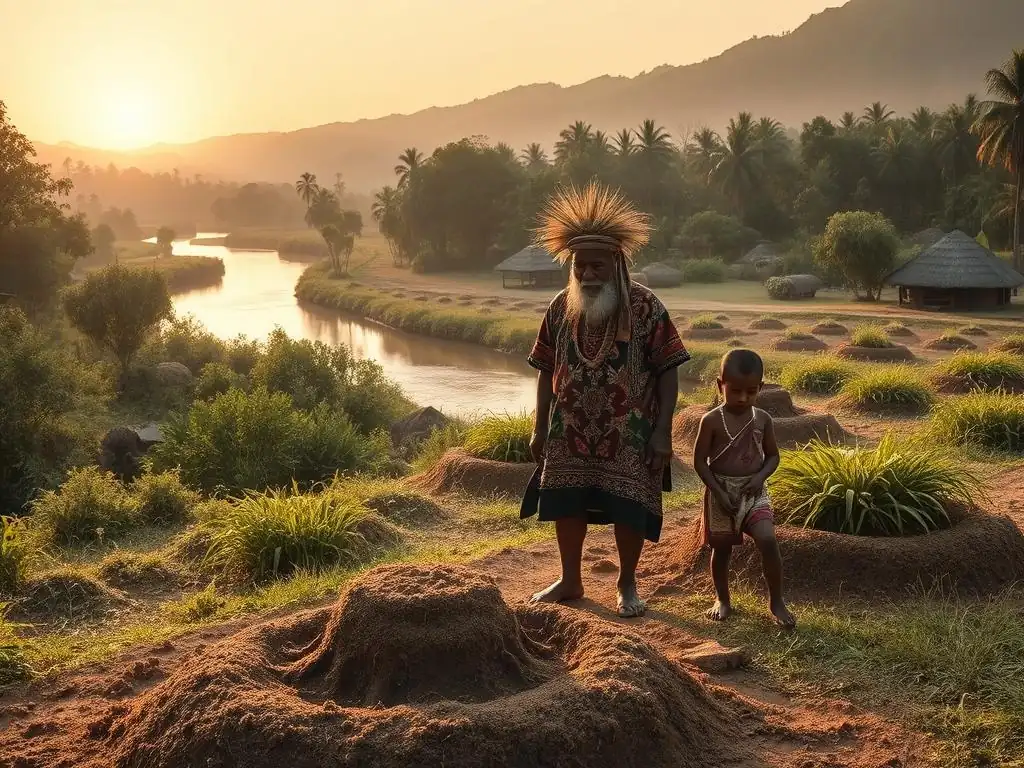
Revitalizing Indigenous environmental practices holds significant importance for both cultural preservation and environmental sustainability. Key aspects include:
- Cultural Heritage: Indigenous practices are deeply embedded in cultural identity and heritage. Revitalization efforts not only strengthen cultural ties but also encourage younger generations to engage with their ancestral knowledge.
- Ecosystem Health: Many Indigenous practices, such as controlled burns and rotational farming, promote biodiversity and ecosystem health. Reviving these techniques can enhance resilience to climate change and restore degraded landscapes.
- Community Empowerment: Revitalization fosters community empowerment by recognizing Indigenous expertise in environmental management. This acknowledgment can lead to greater agency in decision-making processes regarding land use and conservation.
- Holistic Approaches: Indigenous environmental practices often embrace a holistic view of ecosystems, emphasizing interconnectedness. Incorporating this perspective into modern conservation can lead to more comprehensive and effective strategies.
Conclusion
The lasting impact of Indigenous environmental adaptations on modern conservation efforts cannot be overstated. By acknowledging and integrating these time-tested practices, we can develop more effective strategies that respect both the environment and Indigenous cultures. It is essential to foster collaborative relationships between Indigenous communities and conservationists, ensuring that knowledge is shared and utilized to benefit all.
The Lasting Impact of Indigenous Environmental Adaptations on Society and Culture
Indigenous environmental adaptations have profoundly shaped both society and culture throughout history. The principles of sustainability, respect for nature, and community stewardship embedded in these practices continue to resonate today. They serve as a vital reminder of the importance of living in harmony with the environment, offering lessons that are increasingly relevant in the face of modern ecological challenges.
Call to Action for Recognizing Indigenous Contributions to Conservation
To truly honor the contributions of Indigenous peoples to conservation, we must actively work to recognize and support their rights and practices. This includes:
- Advocating for policies that integrate Indigenous knowledge into conservation frameworks.
- Supporting Indigenous-led conservation initiatives through funding and resources.
- Promoting education and awareness about the importance of Indigenous environmental adaptations in contemporary conservation efforts.
By taking these actions, we can ensure that Indigenous contributions are not only recognized but also celebrated as integral to the future of environmental stewardship.
- Introduction to Indigenous Environmental Adaptations
- Historical Context of Indigenous Environmental Practices
- The Role of Indigenous Environmental Adaptations in Modern Conservation
- Key Principles of Indigenous Environmental Adaptations
- Case Studies of Successful Integration
- Challenges Faced in Recognizing Indigenous Contributions
- Future Directions for Conservation Efforts
- Collaborations Between Indigenous Communities and Conservationists
- The Importance of Revitalizing Indigenous Environmental Practices
- Conclusion
- The Lasting Impact of Indigenous Environmental Adaptations on Society and Culture
- Call to Action for Recognizing Indigenous Contributions to Conservation
- What are indigenous environmental adaptations?
- How do indigenous environmental adaptations influence modern conservation?
- Can you provide examples of indigenous environmental adaptations?
- Why is it important to study indigenous cultures in the context of environmental adaptations?
- How can modern society benefit from indigenous environmental practices?
Frequently Asked Questions
What are indigenous environmental adaptations?
Indigenous environmental adaptations refer to the strategies and practices developed by native cultures to thrive in their specific ecosystems, optimizing resource use while ensuring sustainability.
How do indigenous environmental adaptations influence modern conservation?
The impact of these adaptations can be seen in modern conservation efforts, where understanding traditional ecological knowledge helps shape effective and sustainable management practices.
Can you provide examples of indigenous environmental adaptations?
Examples include agroforestry, crop rotation, and the use of controlled burns to manage landscapes, which have proven to enhance biodiversity and ecosystem health.
Why is it important to study indigenous cultures in the context of environmental adaptations?
Studying these cultures highlights the innovative practices they employed, offering valuable insights into sustainable living and resilience in the face of environmental challenges.
How can modern society benefit from indigenous environmental practices?
By integrating indigenous knowledge into contemporary conservation strategies, societies can foster more effective approaches that recognize the interconnectedness of ecosystems and humanity.
Final Reflection: The Enduring Legacy of Indigenous Environmental Adaptations
The relevance of Indigenous environmental adaptations in today's conservation efforts cannot be overstated; they represent a profound understanding of ecological balance that modern society is just beginning to grasp. As we face unprecedented environmental challenges, the wisdom embedded in these adaptations offers not only solutions but also a pathway to a more sustainable future. The striking reality is that these time-tested practices hold the key to harmonizing human activity with the natural world.
The influence of Indigenous environmental adaptations extends far beyond historical practices; it shapes our current cultural and social landscape, urging us to rethink our relationship with nature. As we witness the effects of climate change and biodiversity loss, the teachings of Indigenous communities remind us of the importance of stewardship and respect for the land. Indigenous peoples have been the original caretakers of the earth, and their knowledge is crucial for the survival of our planet.
This quote encapsulates the essence of why we must integrate Indigenous wisdom into contemporary conservation strategies, fostering a deeper connection to the ecosystems we inhabit.
As we move forward, I invite you to reflect on how you can incorporate the lessons of Indigenous environmental adaptations into your own life. Consider the ways in which you can advocate for these practices, support Indigenous rights, and promote sustainable living in your community. The future of our planet depends on our ability to learn from those who have long understood the delicate balance of nature. Let us embrace this opportunity to honor Indigenous knowledge and work together towards a more sustainable and equitable world.
Embrace the Wisdom of Indigenous Practices Today!
Thank you for exploring the lasting impact of Indigenous environmental adaptations. By understanding these invaluable practices, you can transform the way you engage with modern conservation efforts. Now, it’s time to take action and make a difference!
Here are a few ways you can connect with and apply these insights:
- Explore Indigenous-led conservation initiatives in your area—supporting these efforts can help revitalize local ecosystems.
- Share your newfound knowledge with friends and family; spreading awareness is essential for fostering a community committed to sustainable practices.
- Get involved with local environmental groups focused on Indigenous methodologies. Consider volunteering or attending workshops to learn directly from Indigenous leaders and communities.
How can you incorporate Indigenous perspectives into your lifestyle to enhance your connection with nature?