
Our Team
Meet the authors who contribute to this site. Each profile links to that author’s public archive.
Maria Sanchez
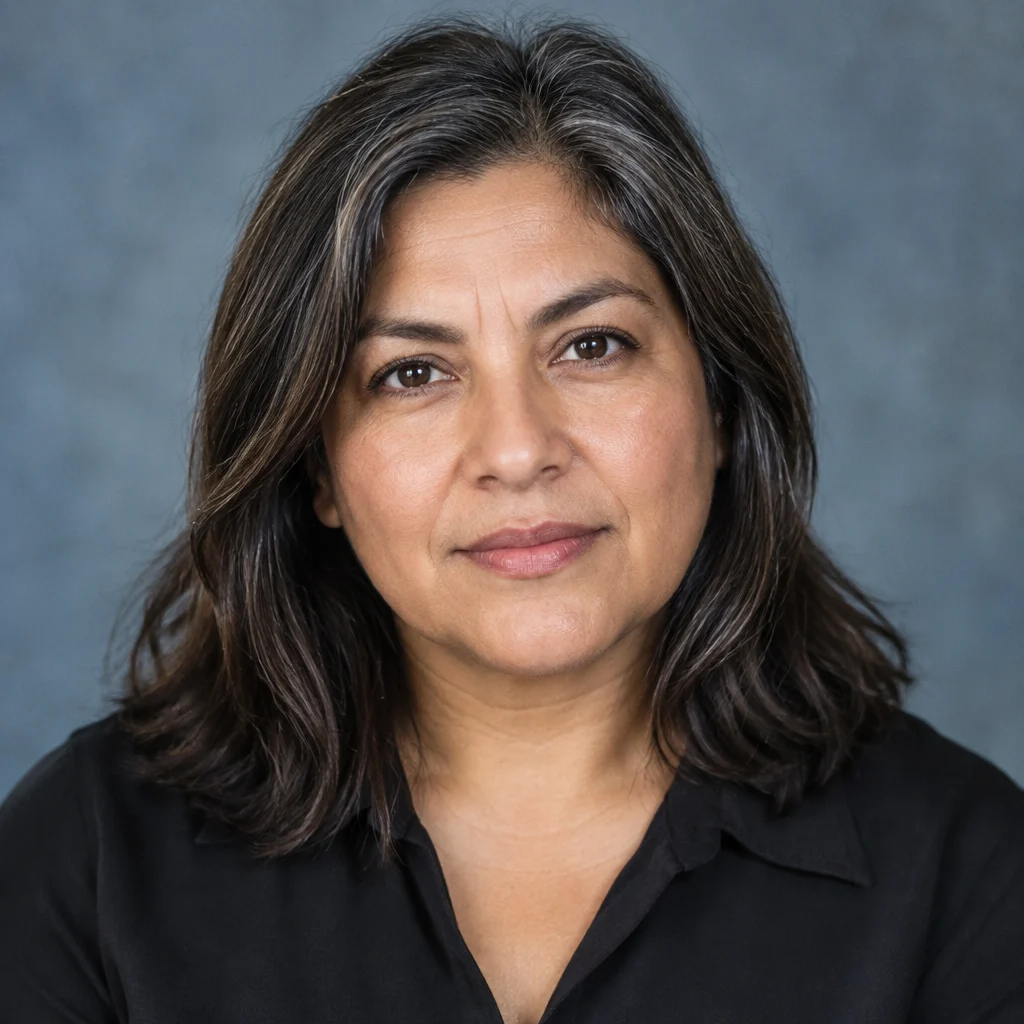
Maria is a dedicated ethnographer with a profound interest in the cultural practices and living traditions of indigenous communities in the Americas. Her extensive fieldwork involves collaborating closely with various indigenous groups across South America, focusing on the continuity and evolution of their pre-Columbian customs. Her research examines the social structures, belief systems, and daily life of these communities, and she emphasizes the need to amplify the voices of indigenous peoples. Maria is committed to the preservation of indigenous knowledge and perspectives, advocating for the inclusion of indigenous voices in academic and public discussions. Her work involves the study of oral histories, cultural rituals, artistic expressions, and the relationship between indigenous communities and their environment. She is a strong advocate for the rights of indigenous peoples and works towards promoting cross-cultural understanding and appreciation.
Dr. Isabella Rossi
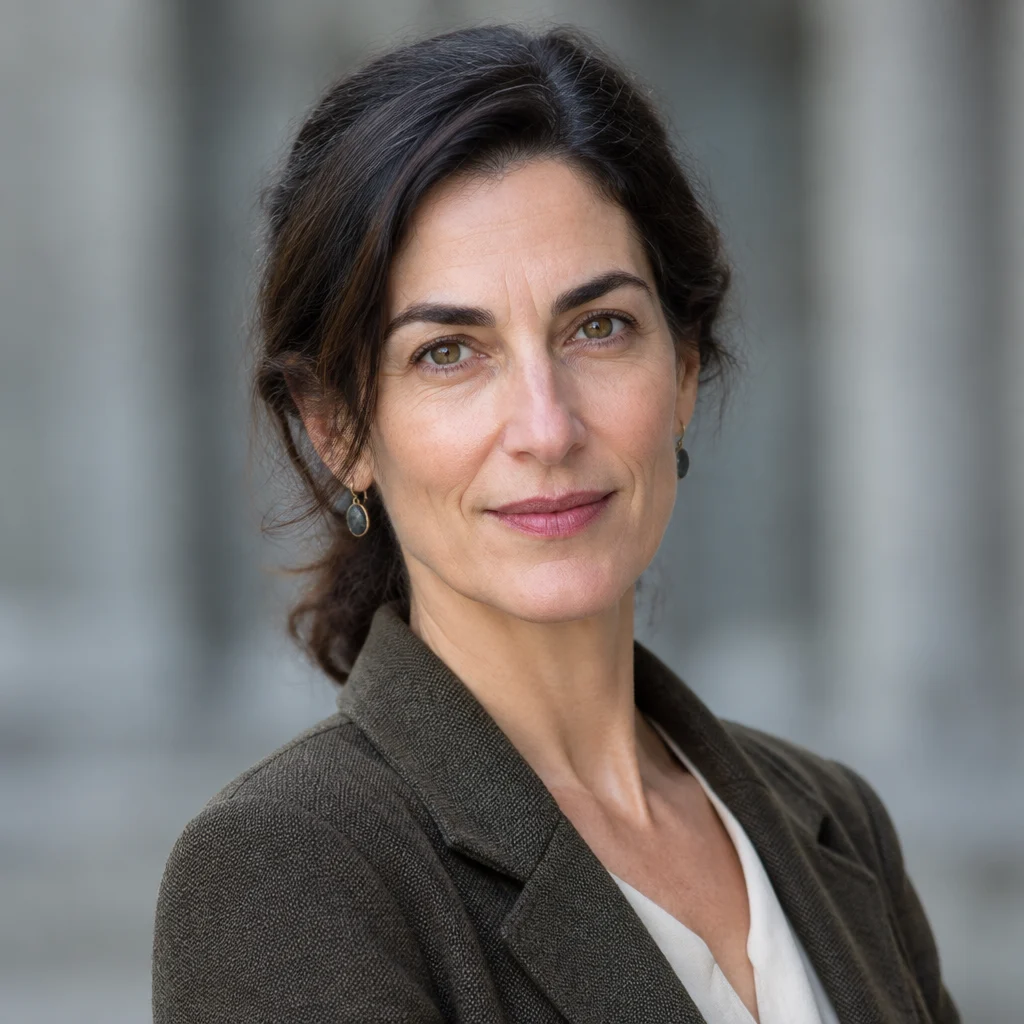
Dr. Rossi is a distinguished historian specializing in the impact of European colonization on the indigenous cultures of the Americas. Her scholarly work is characterized by in-depth analyses of the social, cultural, and political ramifications of the conquests and their lasting effects on indigenous communities. She has published extensively on the complexities of the colonial era and the indigenous peoples' resistance movements. Her research delves into the economic, political, and social transformations brought about by colonization, and she is known for her balanced yet critical approach to the historical narrative. Dr. Rossi is also involved in the study of post-colonial societies and the ongoing struggles for indigenous rights and sovereignty. Her insights are essential for understanding the enduring legacy of colonialism and its impact on contemporary indigenous communities. She is a strong advocate for historical accuracy and social justice.
Dr. Sarah Johnson

Dr. Johnson is a leading expert in North American archaeology with an extensive focus on mound-building cultures, particularly Cahokia. Her career has been dedicated to uncovering the intricate history and societies that thrived in North America before European contact. She is known for her methodical approach to archaeological excavation and her ability to extract and interpret complex data. Her research encompasses the cultural, social, and technological aspects of these ancient societies. Dr. Johnson is committed to sharing her findings with both the academic community and the general public, often presenting her work at conferences and in public outreach programs. She is also an advocate for the preservation of archaeological sites and the protection of indigenous cultural heritage. Her work emphasizes the sophisticated nature of these cultures and their enduring impact on the region.
Ricardo Morales
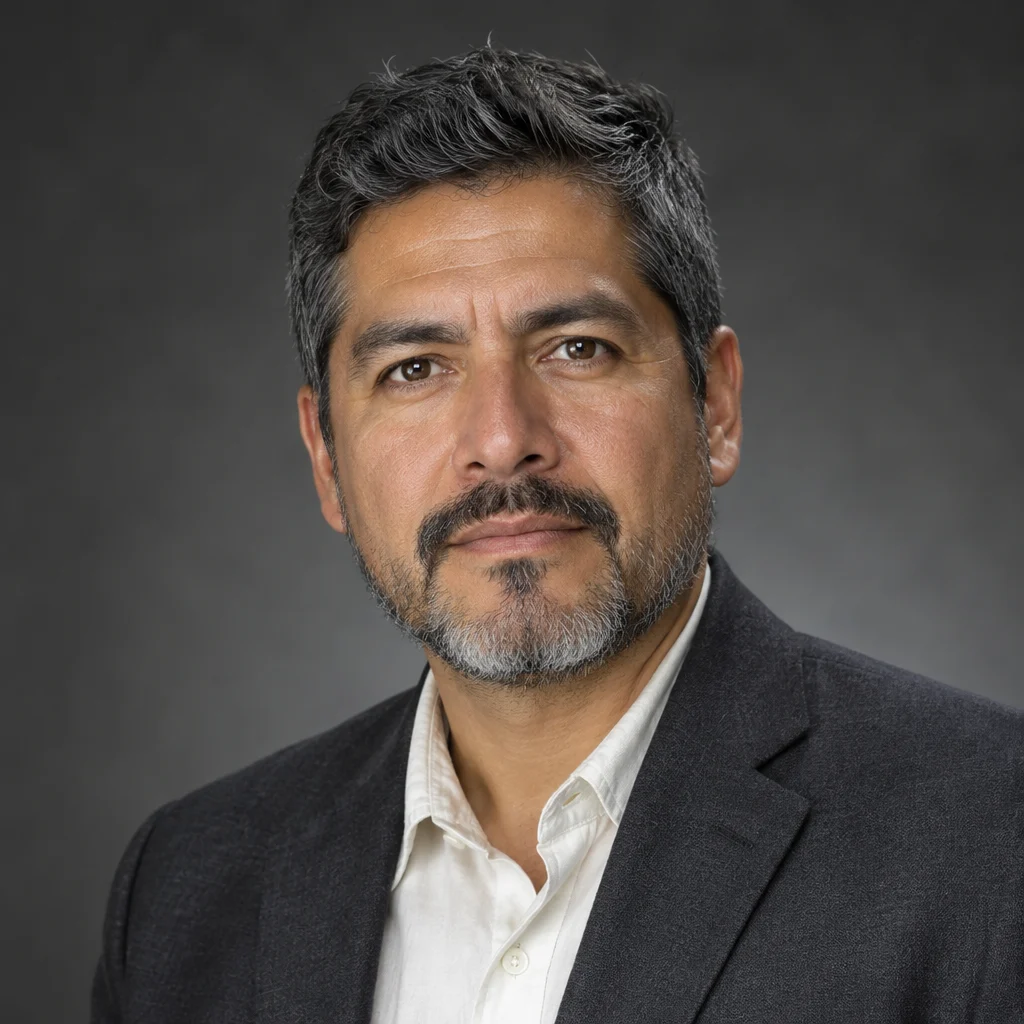
Ricardo Morales is an emerging scholar specializing in indigenous art and architecture, with a focus on the symbolic meanings embedded in pre-Columbian art forms. His research explores how these art forms shaped social and religious landscapes and how they reflect the unique worldviews of the artists and their societies. He has a keen interest in the artistic legacy of the Moche civilization, studying their stunning craftsmanship and aesthetic innovations. Ricardo is also adept at using modern digital tools to analyze and interpret ancient art and architecture, creating 3D models and detailed reconstructions. His work seeks to bridge the gap between scholarly analysis and public understanding, making ancient art accessible to diverse audiences. He is passionate about preserving and promoting indigenous art, advocating for its recognition as a crucial part of human history and cultural expression.
Dr. Kenji Tanaka
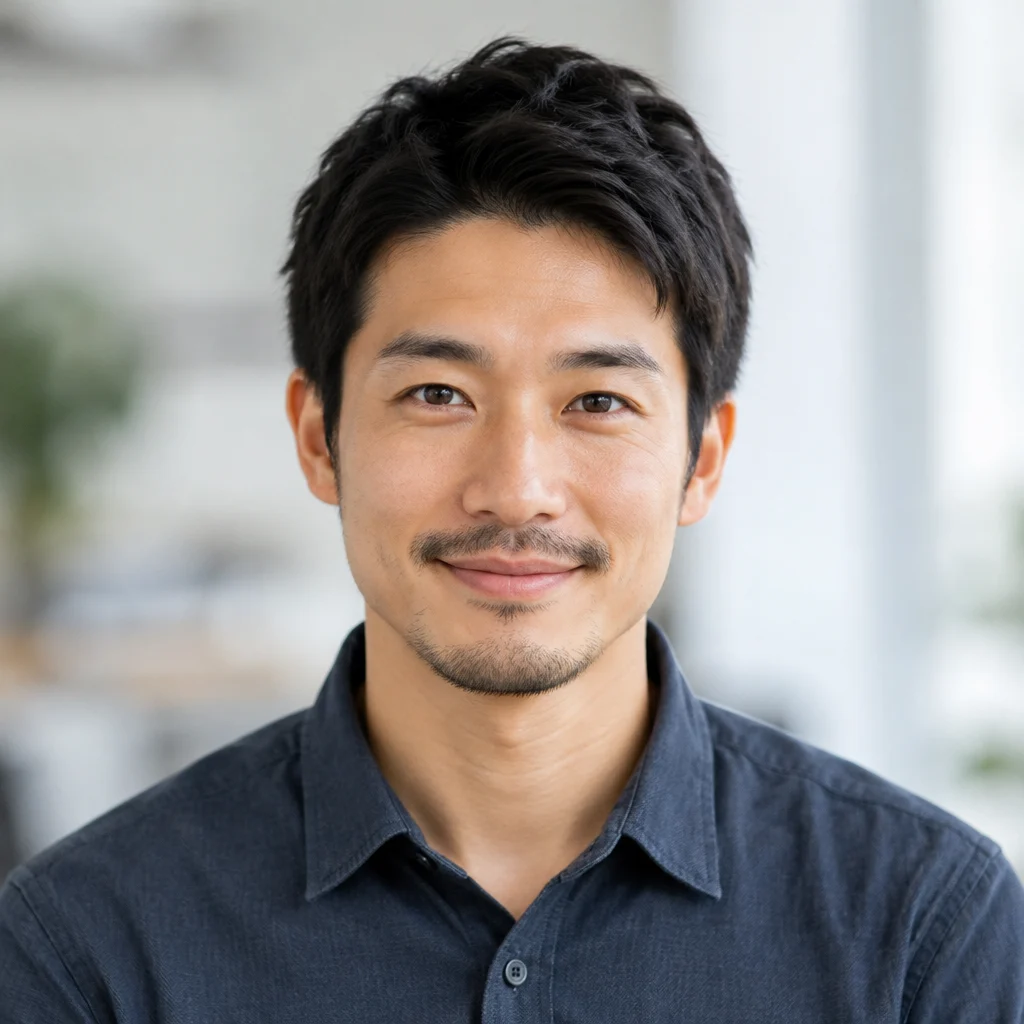
Dr. Tanaka is an expert in ancient astronomy and mathematics, particularly focusing on the advanced contributions of Mesoamerican civilizations. He has spent years deciphering the complex astronomical data and mathematical systems of the Mayans and other cultures. His expertise allows him to connect the complex data to the cultural and religious beliefs of the time. He also studies the architectural designs of ancient structures to understand the astronomical implications. Dr. Tanaka’s research delves into the intricacies of calendrical systems, the interpretation of astronomical events, and their alignment with significant cultural and religious practices. He is skilled at blending scientific analysis with historical context to offer a holistic understanding of the knowledge systems of ancient civilizations. His insights contribute significantly to the study of Mesoamerican intellectual history and their advanced comprehension of the cosmos.
Professor Ben Carter
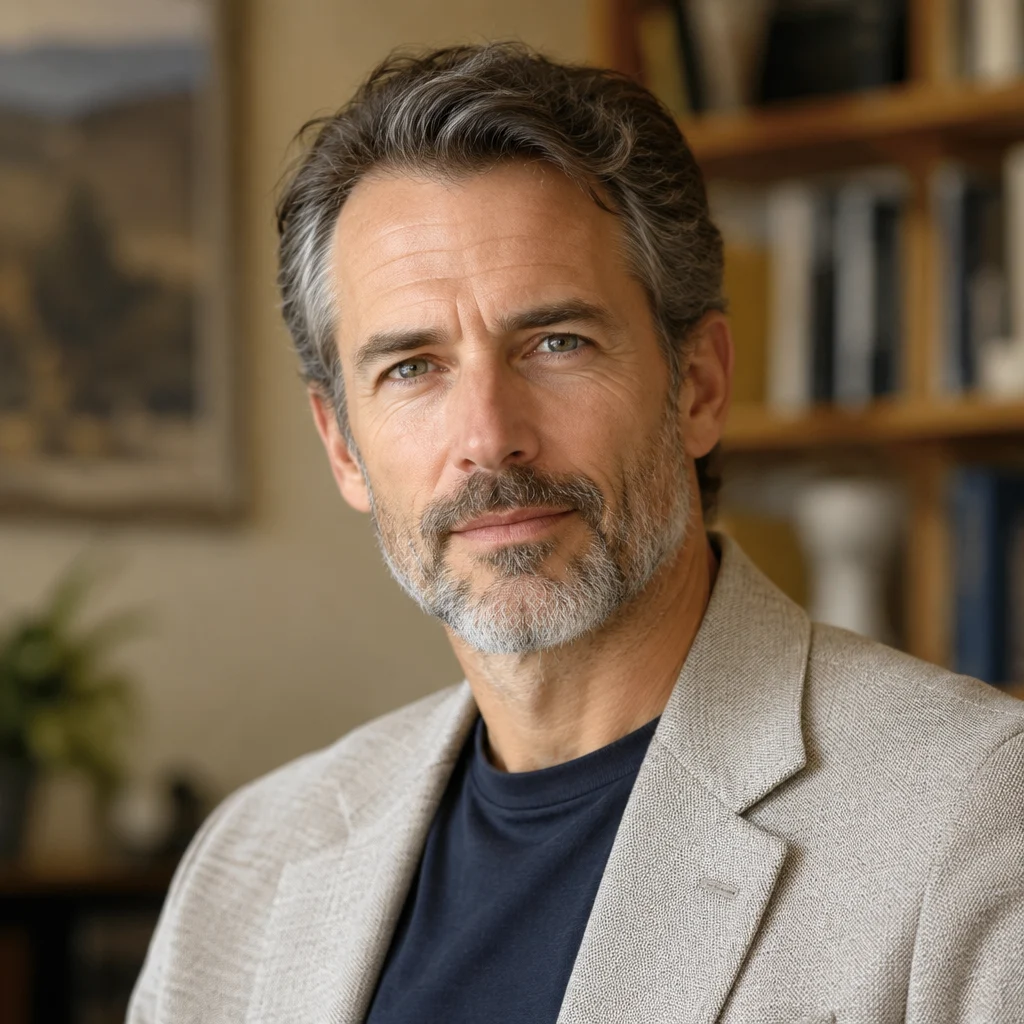
Professor Carter is a highly esteemed historian specializing in the Inca Empire and Andean civilizations. His work is characterized by meticulous research into the Inca's administrative, agricultural, and engineering prowess. He is a captivating lecturer known for his ability to break down complex historical events into digestible narratives for his students and the public. Professor Carter has spent significant time researching and documenting the Inca's intricate administrative systems, focusing on their socio-economic organization and sophisticated agricultural practices. He is deeply interested in the engineering feats of Andean cultures, such as the construction of terraces and roads. Beyond his scholarly work, he also participates in cultural heritage preservation initiatives, working with local communities to preserve their traditions and histories. His dedication to his field has made him a leading authority on Andean history and pre-Columbian governance.
David Miller
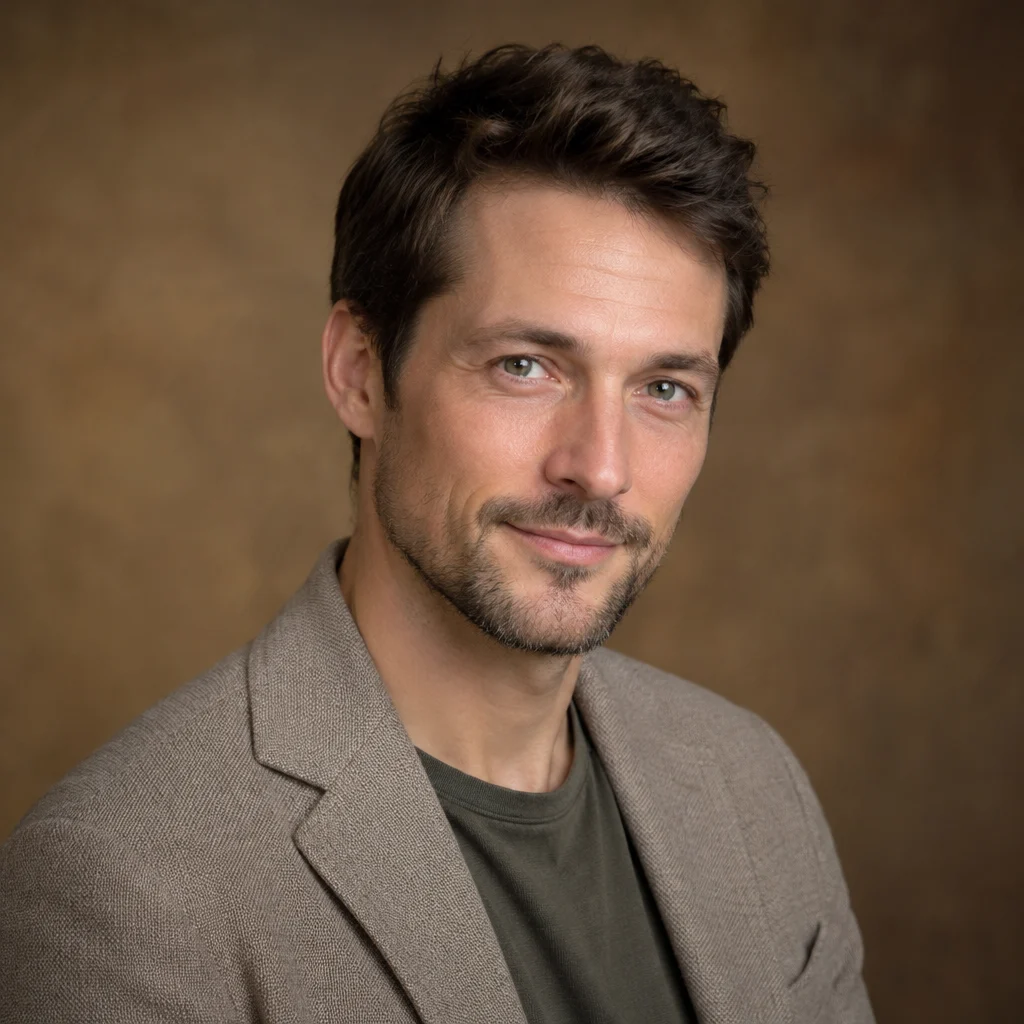
David Miller is a passionate history enthusiast with a strong background in digital media and independent research. He has a deep-seated interest in the lesser-known indigenous cultures of the Americas, particularly the Olmec, Toltec, and Tiahuanaco civilizations. He possesses an exceptional ability to synthesize complex historical information and present it in an engaging, accessible manner for a wide audience. David is dedicated to making detailed historical content available through digital media, leveraging his skills in content creation and online engagement. His focus on these underrepresented cultures drives him to explore their unique contributions and historical significance. His research encompasses social structures, artistic expressions, and architectural innovations, and he has an aptitude for uncovering hidden connections between these civilizations. He is also focused on leveraging modern technology to bring these historical narratives to life.
Dr. Elena Ramirez
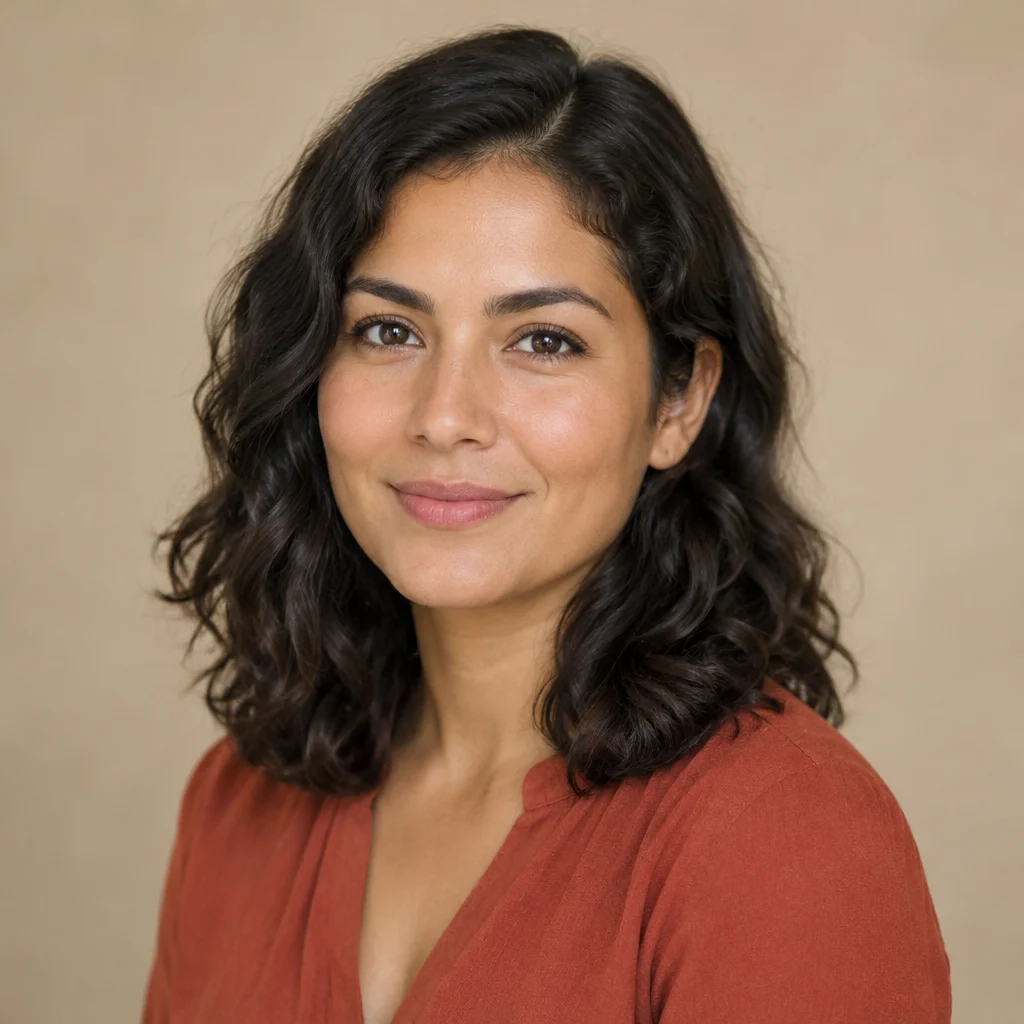
Dr. Ramirez is a distinguished archaeologist with over two decades of field experience, primarily in Mesoamerica. Her career has been marked by significant contributions to the understanding of Mayan civilization, including leading excavations at several major Mayan sites and publishing extensively in academic journals and popular science publications. She is renowned for her ability to synthesize complex archaeological data, epigraphic analysis, and historical context to reveal nuanced aspects of ancient Mesoamerican societies. Dr. Ramirez is also actively involved in public outreach, ensuring that her research is accessible to diverse audiences, and she is passionate about fostering appreciation for the rich cultural heritage of the Americas. Her expertise extends to the study of Olmec and Aztec societies, making her a versatile authority on the pre-Columbian history of the region. She is also adept at leveraging technology in archaeological research, including digital mapping and 3D modeling, to enhance her analyses.