
Feast Like a Maya: Exploring Festive Dishes and Their Meanings

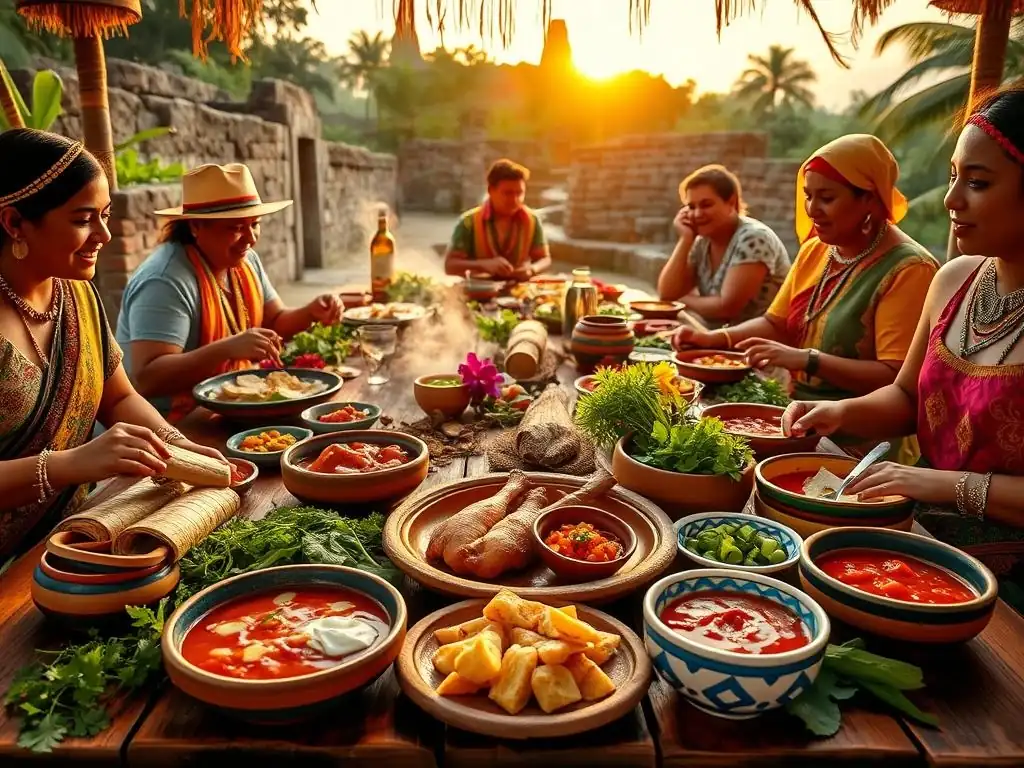
Welcome to Indigenous Civilizations of the Americas! Here, we invite you on a journey through time to uncover the rich tapestry of indigenous cultures that flourished long before European colonization. In our featured article, "Feast Like a Maya: Exploring Festive Dishes and Their Meanings," we delve into the fascinating world of Maya festive dishes and their profound significance.
Discover how these culinary traditions not only tantalize the palate but also serve as a reflection of a vibrant society steeped in history and culture. Prepare to awaken your curiosity and deepen your understanding of the legacies that continue to shape our world today!
Introduction to Maya Festive Dishes
The Maya civilization, with its rich tapestry of cultural practices and traditions, has long captivated the interest of historians, anthropologists, and culinary enthusiasts alike. Maya festive dishes are not merely food items; they are vibrant expressions of the community's identity, spirituality, and connection to the earth. These dishes often play a central role in various celebrations, rituals, and social gatherings, reflecting the intricate relationship between the Maya people and their environment. Through this exploration, we will delve into the meanings behind these festive dishes, highlighting their ingredients, preparation methods, and the cultural significance they hold.
The influence of Maya cuisine extends far beyond the plate, embodying a rich history that intertwines with the community's agricultural practices, religious beliefs, and social structures. Each dish tells a story, often linked to agricultural cycles or significant events in the Maya calendar. By understanding these connections, we can appreciate how the Maya have preserved their culinary heritage through generations. Join us on this journey to uncover the delightful world of Maya festive dishes and their profound meanings.
Historical Context of Maya Cuisine
To fully appreciate the significance of Maya festive dishes, it is essential to understand the historical context of Maya cuisine. The Maya civilization flourished in Mesoamerica, encompassing present-day Mexico, Guatemala, Belize, Honduras, and El Salvador. This region, characterized by its diverse ecosystems, provided the Maya with a wealth of ingredients that shaped their culinary practices.
Agricultural Foundations
The Maya were skilled agriculturalists who developed advanced farming techniques long before European contact. They cultivated a variety of staple crops, including:
- Maize (corn): The cornerstone of Maya diet, considered sacred and often associated with creation myths.
- Beans: A vital source of protein that complemented maize, forming a nutritious duo.
- Squash: Another staple that provided essential vitamins and minerals.
- Chiles: Widely used for flavoring, they added spice to many dishes.
These crops were not only essential for sustenance but also held significant cultural meanings, reflecting the Maya's deep connection to the land and their spiritual beliefs.
Culinary Traditions and Rituals
Maya cuisine is deeply intertwined with cultural rituals and festivities. Dishes served during celebrations often incorporate specific ingredients believed to carry symbolic meanings. For instance, certain foods may be offered to deities during religious ceremonies, while others are enjoyed during communal feasts that strengthen social bonds.
Through these practices, the Maya have maintained a culinary tradition that is both a reflection of their identity and a means of preserving their heritage. Understanding this historical context allows us to appreciate the depth and richness of Maya festive dishes and their meanings within the broader framework of Maya culture.
Key Ingredients in Maya Festive Dishes
Maya festive dishes are a vibrant reflection of the rich agricultural heritage and culinary traditions of the Maya civilization. The key ingredients used in these dishes highlight the diversity of the region's flora and fauna. Here are some of the essential components:
- Corn (Maize): The cornerstone of Maya cuisine, corn is not only a staple food but also holds deep cultural significance. It is used to make tortillas, tamales, and various other dishes.
- Beans: Often paired with corn, beans provide essential protein and are a vital part of the Maya diet. They are commonly featured in stews and as accompaniments.
- Chiles: These add spice and flavor to many dishes, with various types used depending on the desired heat and taste. They are integral to salsas and sauces.
- Tomatoes: Fresh and dried tomatoes are used in numerous preparations, lending acidity and sweetness to dishes.
- Sweet Potatoes and Squash: These root vegetables are popular in Maya cooking, often roasted or used in soups and stews.
- Herbs and Spices: A variety of herbs, such as cilantro, and spices like achiote, are used to enhance the flavors of festive dishes.
The combination and preparation of these ingredients not only create delicious meals but also reflect the Maya’s connection to their land and traditions.
Popular Maya Festive Dishes and Their Meanings
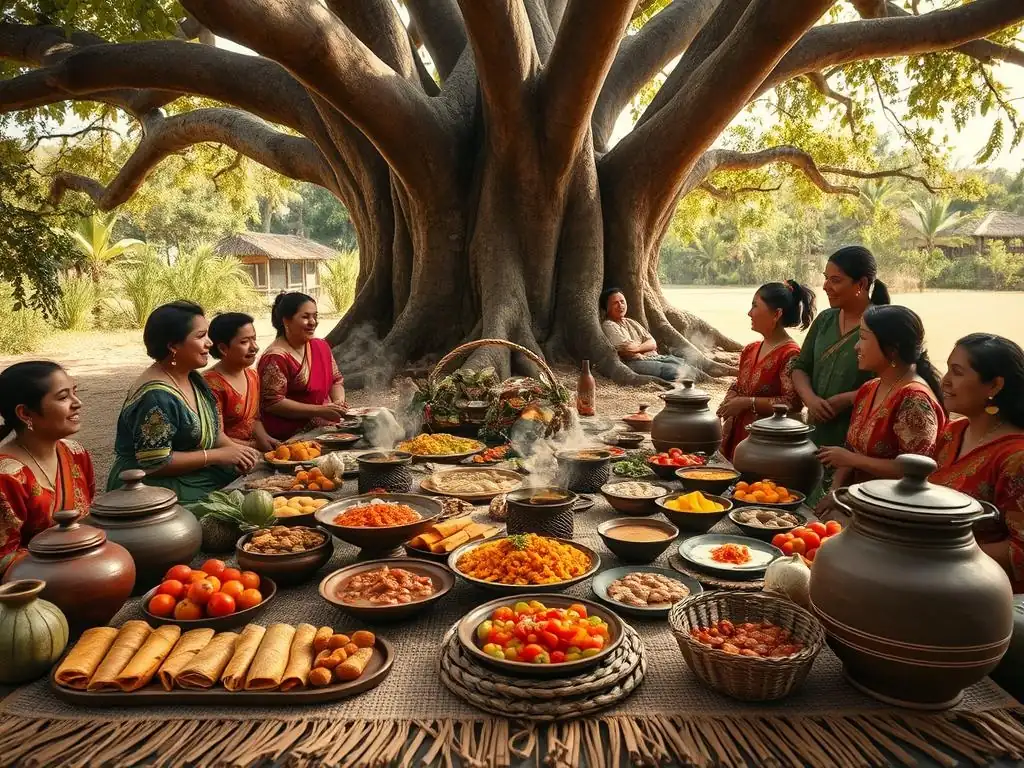
Maya festive dishes are rich in symbolism and often play a crucial role in social and religious ceremonies. Each dish carries its own unique meaning, reflecting the values and beliefs of the Maya people. Here are some popular dishes and their significance:
Tamales: A Symbol of Community and Celebration
Tamales are a beloved staple in Maya cuisine, often prepared during festive occasions and family gatherings. Made from masa (corn dough) filled with various ingredients such as meats, vegetables, or fruits, they are wrapped in corn husks or banana leaves and steamed.
- Community Aspect: The preparation of tamales is often a communal activity, where family and friends gather to make large batches, reinforcing social bonds and collective identity.
- Celebration of Life: Tamales are frequently served during important celebrations, such as weddings and religious ceremonies, symbolizing abundance and the sharing of blessings.
Pibil: The Ritual of Slow Cooking
Pibil refers to a traditional Maya cooking method that involves marinating meat, usually pork or chicken, in achiote paste and wrapping it in banana leaves before slow-cooking it in an underground pit.
- Culinary Ritual: This method is not just about flavor but also a ritualistic practice that connects the community to their ancestors and the earth.
- Symbolism of Transformation: The slow cooking process transforms the meat into a tender and flavorful dish, symbolizing rebirth and the cycle of life.
Sopes: A Canvas for Creativity
Sopes are thick corn tortillas topped with a variety of ingredients, making them a versatile dish in Maya cuisine. The base is often a simple masa, but the toppings can range from beans, meats, and vegetables to salsas and fresh cheese.
- Expression of Individuality: Each family may have their own unique take on sopes, allowing for creativity and personal expression in the kitchen.
- Celebration of Harvest: Sopes often feature seasonal ingredients, celebrating the bounty of the harvest and the connection to the land.
Atoles: Traditional Beverages for Celebrations
Atole is a warm, thick beverage made from masa, water, and various flavorings such as chocolate, fruits, or spices. It is often served during festivities and special occasions.
- Cultural Significance: Atole is not just a drink; it represents hospitality and comfort, often welcoming guests during celebrations.
- Nourishing Tradition: This beverage is also seen as nourishing, providing warmth and sustenance, making it a popular choice during communal gatherings and festivals.
Cooking Techniques in Maya Cuisine
Maya cuisine employs a variety of cooking techniques that reflect the rich cultural heritage and the natural resources of the region. Some core methods include:
- Nixtamalization: This ancient process involves soaking and cooking corn in an alkaline solution, usually limewater. This technique not only enhances the nutritional value of the corn but also improves its flavor and aroma, making it a staple in dishes like tortillas and tamales.
- Grilling (Asar): Grilling is a prevalent method for preparing meats, fish, and vegetables. The Maya often used open flames or hot stones, which impart a distinct smoky flavor to the food. Dishes such as tacos de cochinita pibil (slow-roasted pork tacos) showcase this technique.
- Steaming: Steaming is another traditional method, commonly used for tamales and other wrapped foods. The Maya would place food in banana leaves and steam it over boiling water, allowing the flavors to meld while keeping the dishes moist.
- Baking: Although less common, baking was used in some regions, particularly for bread-like items. The Maya utilized clay ovens called comales to cook flatbreads and similar foods, demonstrating their adaptability and resourcefulness.
These techniques not only highlight culinary skills but also the deep connection between the Maya and their environment. By utilizing local ingredients and traditional methods, they created dishes that were both nourishing and deeply tied to their cultural identity.
Celebratory Occasions for Maya Festive Dishes
Festive dishes in Maya culture are often tied to specific celebrations and rituals, reflecting the community's values, beliefs, and agricultural cycles. Some notable occasions include:
- Harvest Festivals: These celebrations mark the end of the harvest season and are characterized by communal feasting. Dishes like pibil (a slow-cooked meat dish wrapped in banana leaves) are prepared to honor the earth's bounty and give thanks for the crops.
- Religious Ceremonies: Many dishes are prepared for religious events, such as ceremonies honoring deities or ancestral spirits. Foods such as atole (a warm corn beverage) are commonly shared during these rituals, symbolizing the connection between the living and the spiritual world.
- Weddings and Birthdays: Personal milestones such as weddings and birthdays are celebrated with elaborate feasts. Special dishes, often featuring multiple courses, are prepared to honor the guests and signify the importance of community and family.
- New Year Celebrations: The Maya New Year is a time for reflection and renewal. Traditional dishes that incorporate seasonal ingredients are served, emphasizing the cyclical nature of life and the importance of agriculture in Maya cosmology.
These occasions not only provide an opportunity for culinary expression but also reinforce social bonds within the community. The sharing of festive dishes fosters a sense of belonging and cultural continuity.
Modern Interpretations of Maya Festive Dishes
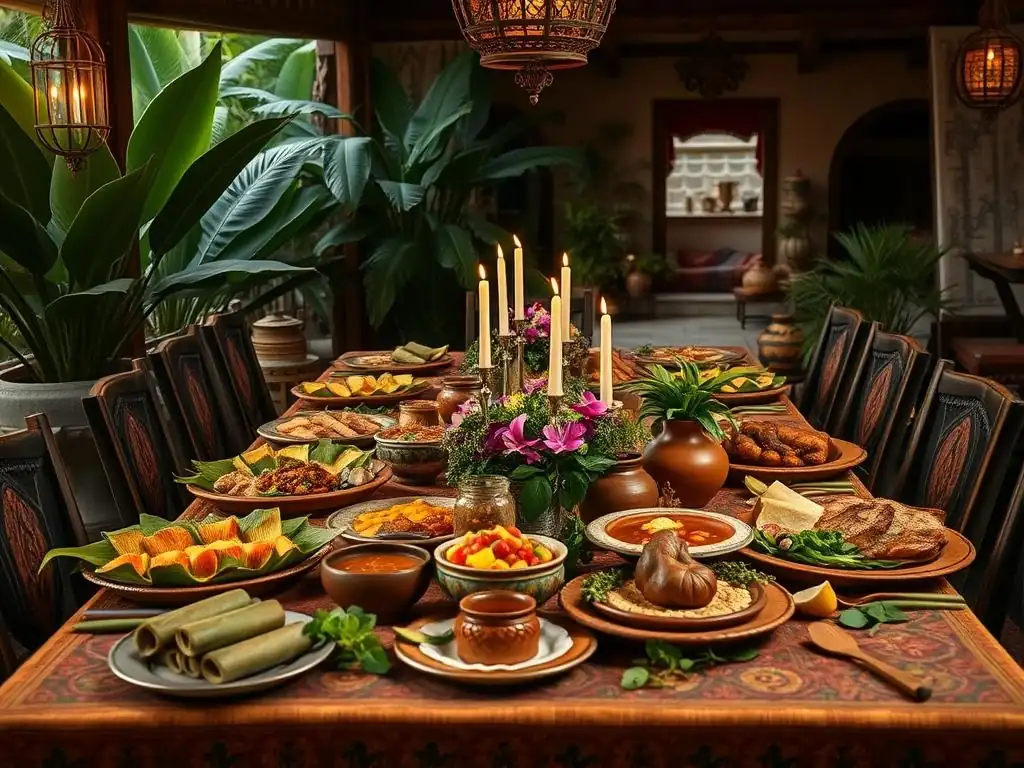
In contemporary culinary practices, Maya festive dishes are experiencing a renaissance as chefs and home cooks explore ways to adapt traditional recipes to modern tastes and dietary preferences. Some notable interpretations include:
- Fusion Cuisine: Many modern chefs are incorporating Maya ingredients and techniques into fusion dishes. For example, tamales may be filled with diverse ingredients like quinoa or exotic vegetables, blending traditional flavors with global culinary influences.
- Health-Conscious Adaptations: As awareness of health and nutrition grows, traditional recipes are being modified to accommodate various dietary needs. Gluten-free versions of tortillas made from alternative flours, such as almond or coconut flour, are gaining popularity while still honoring Maya culinary traditions.
- Sustainable Practices: Many chefs are focusing on sustainability by sourcing local and organic ingredients, echoing the Maya's respect for their environment. This approach not only enhances the flavor of dishes but also supports local farmers and promotes biodiversity.
- Culinary Tourism: The rise of culinary tourism has led to increased interest in traditional Maya dishes. Culinary workshops and food tours are becoming popular, allowing participants to learn about and experience the preparation of traditional dishes firsthand.
By reimagining these festive dishes, modern interpretations not only keep the Maya culinary heritage alive but also introduce it to new audiences, ensuring that the meanings and traditions behind these dishes continue to be celebrated and appreciated.
Conclusion: The Lasting Impact of Maya Culinary Traditions
The culinary traditions of the Maya civilization extend far beyond mere sustenance; they embody rich cultural narratives, rituals, and communal bonds that have persisted through centuries. The significance of Maya festive dishes lies not only in their ingredients and flavors but also in the stories they tell about the Maya worldview, spirituality, and community life. Each dish is often steeped in symbolism, representing agricultural cycles, religious practices, and social gatherings.
For instance, dishes such as tamales and atole are not just food; they are central to festive occasions, invoking the essence of family and community. The practices surrounding these dishes highlight the importance of sharing and connection, reinforcing social ties. Furthermore, the use of native ingredients like corn, beans, and chili peppers showcases the Maya’s deep relationship with their environment, emphasizing sustainability and respect for nature.
Today, the influence of Maya culinary traditions can still be observed in contemporary cuisine across Central America and beyond. Many modern dishes have roots in ancient recipes, and festivals celebrating Maya culture often feature traditional foods, keeping these culinary practices alive. This resilience and adaptability demonstrate the enduring legacy of the Maya civilization, which continues to inspire and inform culinary practices in the region.
Further Exploration of Maya Cuisine
To fully appreciate the depth of Maya cuisine, one can delve into various aspects that highlight its complexity and cultural significance. Here are several avenues for further exploration:
- Regional Variations: Investigate the different regional specialties within Maya cuisine, such as those found in the Yucatán Peninsula versus Guatemala. Each area boasts unique ingredients and cooking methods that reflect local resources and cultural influences.
- Traditional Cooking Techniques: Learn about traditional Maya cooking techniques, such as the use of the comal (a griddle) and pib (an underground oven), which reveal how food was prepared in ancient times and how these methods have influenced modern practices.
- Festivals and Celebrations: Explore the various festivals celebrated in Maya communities today that feature traditional dishes. Understanding the connection between food and ritual can provide insights into the ongoing cultural significance of these festive dishes.
- Culinary Influence on Modern Cuisine: Examine how traditional Maya ingredients and techniques have been integrated into contemporary cooking. This includes the rise of fusion dishes and the global appreciation for Maya flavors.
- Cultural Preservation Efforts: Investigate organizations and initiatives aimed at preserving and promoting Maya culinary heritage. This includes community workshops, culinary schools, and local markets that emphasize traditional practices.
By engaging with these topics, one can gain a deeper understanding of how Maya culinary traditions not only reflect the history of the civilization but also contribute to the cultural identity of modern Indigenous communities in the Americas. Embracing these culinary practices offers a delicious pathway to honor and celebrate the vibrant legacy of the Maya.
- Introduction to Maya Festive Dishes
- Historical Context of Maya Cuisine
- Key Ingredients in Maya Festive Dishes
- Popular Maya Festive Dishes and Their Meanings
- Cooking Techniques in Maya Cuisine
- Celebratory Occasions for Maya Festive Dishes
- Modern Interpretations of Maya Festive Dishes
- Conclusion: The Lasting Impact of Maya Culinary Traditions
- Further Exploration of Maya Cuisine
Frequently Asked Questions
What are some traditional Maya festive dishes?
Traditional Maya festive dishes include tamales, pibil, and cochinita, often made with local ingredients and served during important ceremonies and celebrations.
Why are festive dishes important in Maya culture?
Festive dishes hold significant cultural meaning as they are often linked to rituals, traditions, and community gatherings, reflecting the spiritual connection of the Maya to their food and heritage.
How do the ingredients in Maya festive dishes vary?
The ingredients in Maya festive dishes vary widely based on region, with staples like corn, beans, and chiles being common, while other elements reflect local biodiversity and agricultural practices.
Are there specific meanings associated with certain dishes?
Yes, many Maya festive dishes have specific meanings, often symbolizing fertility, harvest, or ancestral connections, and are prepared for particular ceremonial occasions.
How does the preparation of these dishes reflect Maya traditions?
The preparation of Maya festive dishes often involves traditional methods passed down through generations, emphasizing the importance of community, family, and the celebration of life events within Maya society.
Final Reflection: Embracing the Richness of Maya Festive Dishes and Their Meanings
The exploration of Maya festive dishes and their meanings reveals a vibrant tapestry of culture and tradition that resonates deeply in today's world. As we navigate an increasingly globalized society, the significance of these dishes transcends mere sustenance; they serve as a bridge connecting us to our ancestors and their rich heritage.
The culinary practices of the Maya are not just about food; they are about identity, community, and the celebration of life itself. In a time when many seek authenticity and connection, understanding these festive dishes offers a profound insight into the values and beliefs that have shaped a civilization.
The impact of Maya festive dishes extends beyond the dinner table, influencing contemporary culinary practices and cultural appreciation. These dishes are a testament to resilience, creativity, and the enduring spirit of the Maya people. As we savor the flavors and stories behind these meals, we recognize their role in fostering community bonds and preserving cultural identity. Food is a central part of culture, and through it, we can learn about the values and traditions of a people.
This observation underscores the importance of celebrating and sharing these culinary traditions, allowing them to flourish in modern society while honoring their historical roots.
As we reflect on the lessons embedded in Maya festive dishes, let us invite ourselves to engage more deeply with our own cultural practices and those of others. Consider how you can incorporate the spirit of celebration and community into your own life, whether through cooking, sharing meals with loved ones, or exploring the stories behind the foods you enjoy.
Embrace the opportunity to learn, connect, and celebrate the rich tapestry of human experience that food represents. By doing so, we not only honor the Maya heritage but also enrich our own lives and the lives of those around us.
Savor the Spirit of Maya Cuisine!
Thank you for joining us on this flavorful journey through the festive dishes of the Maya civilization! We hope you’ve discovered the rich meanings behind these vibrant culinary traditions. Now, it’s time to bring that inspiration to your own kitchen and community.
Here’s how you can keep the spirit of Maya culture alive:
- Create a Festive Dish: Begin by preparing a traditional Maya recipe that we've explored together. Share it with your family or friends and discuss its significance during your meal.
- Explore Local Ingredients: Visit your local market to find unique ingredients that are essential to Maya cooking. Experiment with these items in your next meal, and invite a friend to join you for the experience!
- Connect with Your Community: Organize a potluck and encourage everyone to bring a dish inspired by various indigenous cultures. This is a wonderful opportunity to celebrate diversity and learn from one another!
What new recipe or cultural insight are you eager to explore next? Share your thoughts in the comments below!