
Exploring Indigenous Voices: Essential Literature That Chronicles PreColonial Achievements

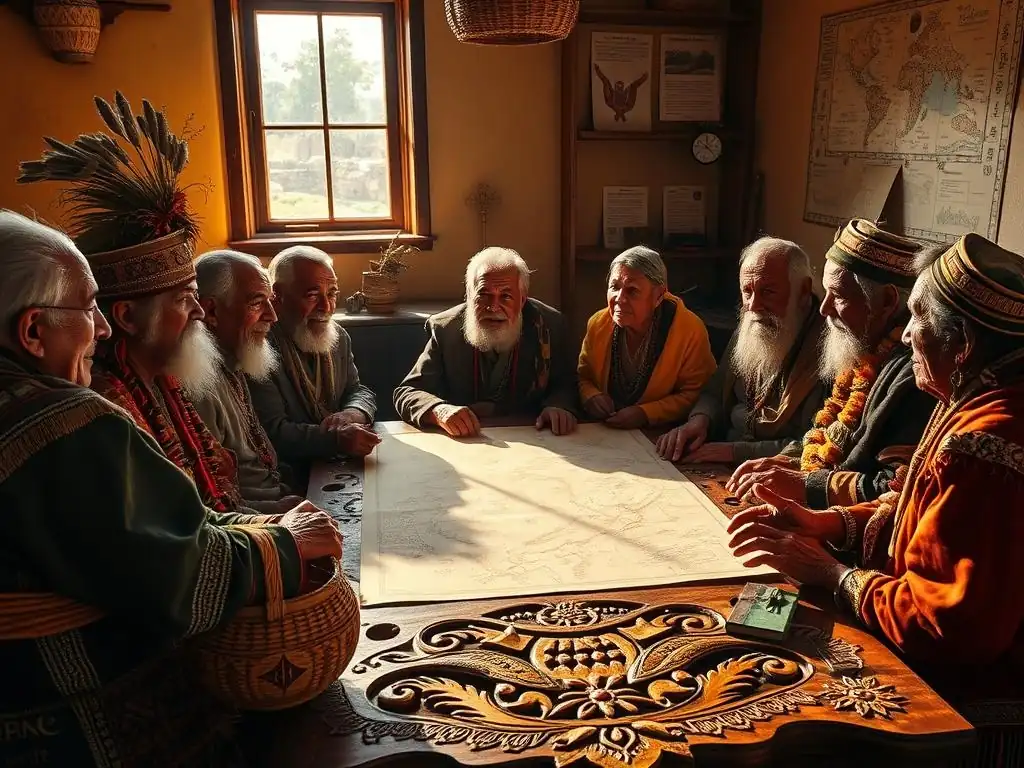
Welcome to Indigenous Civilizations of the Americas, where we embark on a captivating journey through the rich tapestry of indigenous cultures that flourished long before European colonization. In our featured article, "Exploring Indigenous Voices: Essential Literature That Chronicles PreColonial Achievements," we delve into the profound narratives and literary contributions that illuminate the wisdom and creativity of these remarkable societies.
Join us as we uncover the stories and achievements that shaped the Americas, and discover how these vibrant voices continue to resonate today. Your exploration of their legacy begins here—let's dive deeper into the world of indigenous literature and its enduring impact!
Introduction to Indigenous Literature and PreColonial Achievements
The rich tapestry of indigenous cultures across the Americas is not only marked by their remarkable achievements in art, science, and governance but also by their profound narratives that articulate their histories and identities. Indigenous literature serves as a crucial vessel through which these voices echo the experiences of precolonial societies, providing insights into their worldviews, values, and resilience.
This article delves into the essential literature that chronicles these achievements, illuminating the contributions of indigenous peoples prior to European colonization. By exploring this body of work, we gain a deeper appreciation for the complexities of these cultures and their lasting impact on contemporary society.
In studying indigenous literature precolonial achievements, we uncover stories that challenge prevailing narratives and highlight the sophistication of indigenous civilizations. These texts not only document historical events but also reflect the spiritual and cultural practices that shaped the identities of various tribes and nations. Through this exploration, we aim to foster a greater understanding of indigenous histories and the importance of preserving these narratives for future generations.
The Role of Indigenous Voices in Literature
Indigenous voices play a pivotal role in literature by offering unique perspectives that are often absent from mainstream historical accounts. These voices enrich our understanding of the past and present, emphasizing the diversity of indigenous experiences. They serve as a bridge, connecting readers to the rich legacies of indigenous cultures that have thrived for millennia.
Understanding Indigenous Perspectives
Indigenous literature often embodies a deep connection to land, community, and tradition. By prioritizing indigenous perspectives, authors articulate the significance of the environment, spirituality, and kinship ties. These narratives frequently challenge the dominant narratives imposed by colonial powers, emphasizing themes of survival, resistance, and cultural continuity.
Key characteristics of indigenous perspectives in literature include:
- Cultural Relativity: Understanding stories within their cultural context.
- Oral Tradition: Reflecting the oral histories that shape indigenous storytelling.
- Symbolism: Using symbols and metaphors rooted in indigenous cosmologies.
Key Themes in Indigenous Literature
Various themes permeate indigenous literature, reflecting the values and experiences of precolonial societies. These themes include:
- Connection to the Land: Many texts emphasize the sacred relationship between people and their environment, illustrating how land shapes identity and culture.
- Community and Kinship: Stories often highlight the importance of community ties, showcasing social structures and collective responsibilities.
- Spirituality and Belief Systems: Indigenous literature frequently explores spiritual beliefs, rituals, and the significance of ancestral knowledge.
- Resistance and Resilience: Narratives often recount struggles against colonization and the spirit of resilience that has characterized indigenous peoples throughout history.
By examining these themes, readers can appreciate the depth and richness of indigenous literary traditions, which continue to inspire and educate audiences about the vibrant histories and cultures of the Americas.
Essential Books on Indigenous Civilizations and Their Achievements
Indigenous literature offers profound insights into the rich tapestry of cultures that flourished in the Americas before European colonization. Several essential books stand out for their in-depth exploration of indigenous civilizations, their achievements, and their enduring legacies. These works not only chronicle significant events and practices but also give voice to the perspectives and experiences of indigenous peoples. Here are some of the most impactful titles in this genre.
"1491: New Revelations of the Americas Before Columbus" by Charles C. Mann
In "1491," Charles C. Mann challenges conventional narratives about the pre-Columbian Americas, presenting a compelling argument that these lands were far more populated and culturally sophisticated than previously assumed. Drawing on a wide range of archaeological evidence and historical accounts, Mann reveals that indigenous civilizations had developed complex societies with extensive trade networks, agricultural practices, and advanced knowledge of the environment.
Mann's work is notable for its interdisciplinary approach, blending anthropology, archaeology, and history. He explores various indigenous cultures, including the sophisticated urban centers of the Maya and the intricate societal structures of the Inca. The book emphasizes the resilience and adaptability of these civilizations, shedding light on their achievements in governance, architecture, and science. It serves as a vital resource for understanding the diversity and depth of indigenous cultures prior to European contact.
"The Broken Spears: The Aztec Account of the Conquest of Mexico" by Miguel León-Portilla
Miguel León-Portilla's "The Broken Spears" offers a unique perspective on the Aztec civilization and the catastrophic impact of the Spanish conquest. This seminal work compiles various Nahuatl accounts, including poetry, songs, and testimonies, presenting the events surrounding the fall of Tenochtitlán from an indigenous viewpoint.
León-Portilla's translation and interpretation highlight the emotional and cultural consequences of the conquest, providing readers with a deeper understanding of the Aztecs' values, beliefs, and social structures. The narratives reveal not only the destruction brought by colonization but also the resilience of the Aztec spirit. This book is essential for anyone seeking to grasp the complexities of indigenous experiences during a pivotal moment in history.
"An Indigenous Peoples’ History of the United States" by Roxanne Dunbar-Ortiz
Roxanne Dunbar-Ortiz's "An Indigenous Peoples’ History of the United States" reframes the history of the United States through the lens of indigenous experiences and perspectives. This groundbreaking work critiques traditional narratives that often marginalize or erase the contributions and histories of Native peoples.
Dunbar-Ortiz meticulously documents the ongoing impact of colonization on indigenous communities, emphasizing their agency and resistance throughout history. The book covers a wide range of topics, from the initial encounters with European settlers to contemporary struggles for sovereignty and rights. By centering indigenous voices, Dunbar-Ortiz provides a comprehensive understanding of the historical context surrounding indigenous achievements and challenges, making it an indispensable resource for learners and scholars alike.
Comparative Analysis of Indigenous Literature
Indigenous literature encompasses a vast array of voices and narratives, reflecting the diversity of cultures and experiences across the Americas. A comparative analysis of these works reveals both common themes and unique perspectives that contribute to our understanding of precolonial achievements.
PreColonial Achievements Across Different Cultures
The achievements of indigenous cultures prior to European contact are varied and reflect the distinct environments and histories of each civilization. For instance, the agricultural innovations of the Maya, including advanced irrigation systems and the development of maize cultivation, showcase their profound understanding of ecology and sustainability. Similarly, the political organization of the Iroquois Confederacy illustrates sophisticated governance structures and diplomatic practices.
In contrast, the achievements of the Inca, particularly their impressive engineering feats like the construction of Machu Picchu and their vast road networks, demonstrate their mastery over geography and resource management. These diverse accomplishments highlight the ingenuity and adaptability of indigenous peoples, emphasizing their roles as stewards of their lands.
Advantages and Disadvantages of Different Narratives
The narratives surrounding indigenous histories can vary significantly in their portrayal of precolonial achievements. One advantage of indigenous literature is its ability to reclaim narratives that have historically been distorted or overlooked. Works like "The Broken Spears" and "An Indigenous Peoples’ History of the United States" provide critical perspectives that challenge dominant historical accounts, allowing readers to acknowledge the complexities and truths often omitted from traditional histories.
However, there are also disadvantages to consider. Some narratives may unintentionally homogenize diverse indigenous experiences, leading to oversimplifications. Additionally, the challenge of translating and interpreting indigenous languages can result in loss of nuance in storytelling. It is essential for readers to approach these works with an awareness of the diversity within indigenous cultures and the potential limitations of any single narrative.
By engaging with this rich literature, readers gain a deeper appreciation for the accomplishments of indigenous civilizations and the ongoing relevance of their histories in contemporary discourse.
The Impact of Indigenous Literature on Contemporary Society
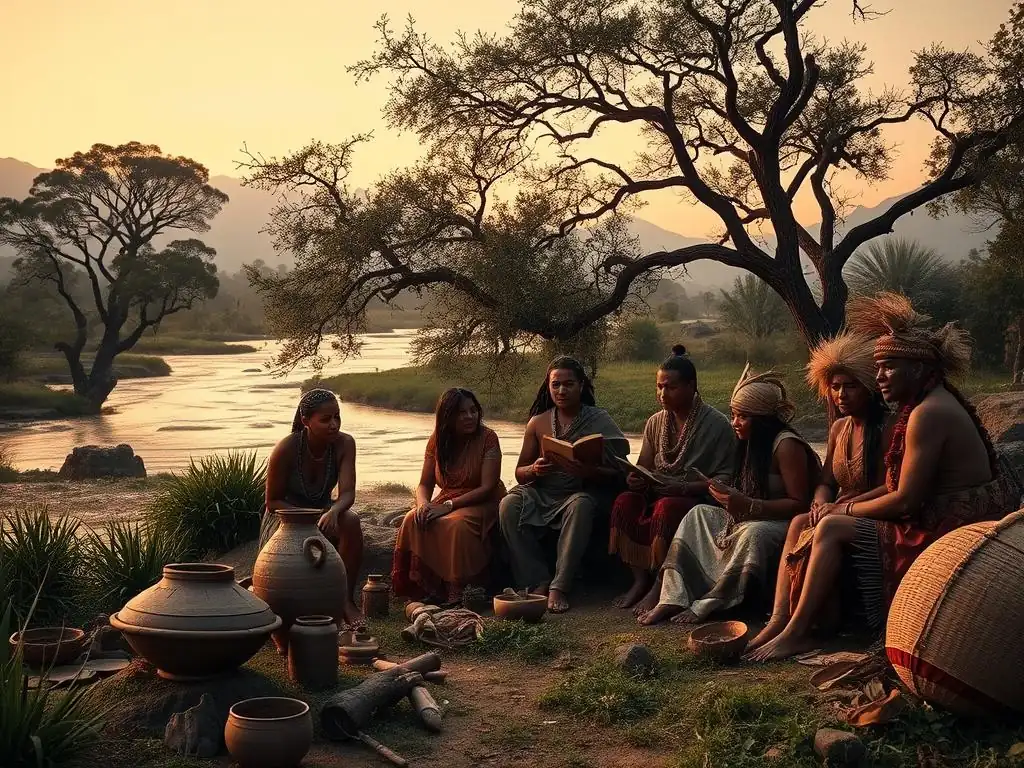
Indigenous literature serves as a pivotal conduit for understanding the rich tapestry of cultures that flourished in the Americas long before European intervention. Through storytelling, poetry, and historical narratives, indigenous authors have been instrumental in preserving their heritage, languages, and traditions. This literature not only recounts the past but also addresses contemporary issues, reflecting the ongoing struggles and resilience of indigenous communities.
As modern society grapples with themes of identity, colonialism, and cultural survival, indigenous literature offers profound insights that challenge dominant narratives. It fosters a greater awareness of the complexities surrounding indigenous identities and their contributions to global culture. By engaging with these texts, readers gain a deeper understanding of historical injustices and the vibrant cultural legacies that continue to shape indigenous life today.
Furthermore, the increased visibility of indigenous literature has inspired dialogues around reconciliation and social justice. Many contemporary authors blend traditional storytelling with modern themes, creating works that resonate with a broad audience while remaining rooted in their cultural contexts. This intersection of old and new not only enriches literary landscapes but also legitimizes indigenous perspectives in academia and beyond.
Reviving Indigenous Voices in Modern Literature
The revival of indigenous voices in modern literature is a testament to the resilience of these cultures in the face of historical erasure. Authors such as Tommy Orange, Louise Erdrich, and Joy Harjo have brought indigenous experiences to the forefront of contemporary literature, making powerful statements about identity, community, and survival. Their works explore the complexities of navigating a world that often marginalizes indigenous narratives, while simultaneously celebrating the richness of their heritage.
This revival is also supported by initiatives aimed at promoting indigenous languages and storytelling traditions. Many indigenous writers incorporate traditional oral storytelling techniques into their works, bridging the gap between past and present. By doing so, they not only preserve these rich traditions but also make them accessible to new generations of readers.
Moreover, literary festivals, workshops, and programs dedicated to indigenous authors have emerged, fostering a vibrant community that encourages collaboration and innovation. These platforms not only amplify indigenous voices but also educate non-indigenous audiences about the significance of these narratives in understanding the broader context of American history and culture.
The Role of Literature in Indigenous Activism
Literature has long been a powerful tool for activism within indigenous communities. It serves as a means of asserting identity, challenging stereotypes, and advocating for rights. Through their writings, indigenous authors address pressing social issues such as land rights, environmental justice, and cultural preservation, giving voice to the struggles of their communities.
Notable works, such as “An Indigenous Peoples’ History of the United States” by Roxanne Dunbar-Ortiz, have inspired movements that seek to reclaim indigenous narratives from the margins of history. Literature becomes a form of resistance, challenging colonial narratives and advocating for a more inclusive understanding of history that recognizes the agency and contributions of indigenous peoples.
Furthermore, the act of storytelling itself is a form of activism. It allows indigenous writers to share personal and communal experiences, fostering empathy and understanding among diverse audiences. By illuminating the voices of indigenous peoples, literature not only educates but also empowers readers to engage in meaningful conversations about justice and equity.
Conclusion: The Importance of Indigenous Literature in Understanding PreColonial Achievements
Indigenous literature is invaluable for comprehending the precolonial achievements of indigenous civilizations. These narratives offer rich insights into the sophisticated societies that existed across the Americas, highlighting their innovations in governance, agriculture, art, and spirituality.
By engaging with indigenous literature, readers can appreciate the complexity and richness of these cultures, recognizing their contributions as foundational to the history of the Americas. Literature acts as a bridge connecting the past with the present, ensuring that the voices of indigenous peoples are heard and honored. As we strive for a more inclusive understanding of history, the literature that chronicles precolonial achievements becomes essential in illuminating the diverse legacies that continue to impact contemporary society.
Embracing this literature not only enriches our understanding of indigenous histories but also fosters respect for the ongoing cultural vitality of indigenous communities today.
Recommended Resources for Further Exploration
Exploring indigenous literature that chronicles precolonial achievements opens a window into the rich tapestry of cultures that existed across the Americas prior to European colonization. To deepen your understanding and appreciation of these narratives, consider the following resources that highlight the voices and stories of indigenous peoples.
Additional Books and Articles
-
"1491: New Revelations of the Americas Before Columbus" by Charles C. Mann
This book challenges the preconceived notions of pre-colonial America by presenting evidence of large, complex civilizations that thrived before European contact. Mann's work is well-researched and offers a compelling narrative that integrates various indigenous perspectives.
-
"The Heartbeat of Wounded Knee: Native America from 1890 to the Present" by David Treuer
Treuer provides a continuation of indigenous history, presenting a nuanced view of Native American life after the events at Wounded Knee. His writing reflects on resilience and cultural survival, making it essential for understanding contemporary indigenous issues.
-
"An Indigenous Peoples' History of the United States" by Roxanne Dunbar-Ortiz
This groundbreaking book presents a history of the United States through the lens of indigenous peoples, emphasizing their struggles, resistance, and contributions. It is a fundamental resource for anyone seeking to understand the broader implications of indigenous history.
-
"The Indigenous Peoples of North America: A History" by Brian S. McNaughton
McNaughton’s work offers a comprehensive overview of the diverse cultures and histories of indigenous peoples across North America, providing context to their achievements and societal structures prior to colonization.
Podcasts and Documentaries on Indigenous Cultures
-
"Throughline" by NPR
This podcast delves into historical events and their modern implications. Episodes focusing on indigenous perspectives provide insight into precolonial achievements and the lasting impact of these cultures.
-
"Native America" (PBS Documentary Series)
This documentary series explores the history and culture of Native American tribes, featuring stories that highlight their achievements and resilience. The series is beautifully produced and informative, making it an excellent resource for visual learners.
-
"The Indigenous Experience" Podcast
This podcast features discussions with indigenous leaders and scholars, covering a range of topics from historical events to cultural practices. It provides a platform for indigenous voices to share their narratives and insights.
Final Thoughts on Indigenous Literature and Its Legacy
The exploration of indigenous literature that chronicles precolonial achievements is vital for understanding the depth and complexity of the civilizations that once flourished across the Americas. These literary works are not merely historical accounts; they are vibrant narratives that celebrate cultural heritage, resilience, and identity.
By engaging with these resources, readers can gain a richer appreciation of how indigenous peoples have shaped and continue to shape the cultural landscape of the Americas. The legacy of indigenous literature serves as a reminder of the importance of honoring and preserving these voices, ensuring that their stories are recognized and celebrated for generations to come. In an era of global interconnectivity, it is crucial to amplify indigenous perspectives, fostering a deeper understanding of their rich histories and contributions to the broader tapestry of human experience.
- Introduction to Indigenous Literature and PreColonial Achievements
- The Role of Indigenous Voices in Literature
- Essential Books on Indigenous Civilizations and Their Achievements
- Comparative Analysis of Indigenous Literature
- The Impact of Indigenous Literature on Contemporary Society
- Conclusion: The Importance of Indigenous Literature in Understanding PreColonial Achievements
- Recommended Resources for Further Exploration
- Final Thoughts on Indigenous Literature and Its Legacy
- What is the focus of the article on Indigenous Civilizations of the Americas?
- How does the article define indigenous literature?
- Why is it important to study precolonial achievements of indigenous cultures?
- What types of literature are highlighted in the article?
- How do indigenous voices impact modern understanding of history?
Frequently Asked Questions
What is the focus of the article on Indigenous Civilizations of the Americas?
The article emphasizes the diverse indigenous cultures that existed in the Americas before European colonization, particularly their achievements and societal structures.
How does the article define indigenous literature?
Indigenous literature is portrayed as a powerful means of chronicling the experiences, traditions, and achievements of precolonial societies, reflecting their rich cultural heritage.
Why is it important to study precolonial achievements of indigenous cultures?
Studying precolonial achievements helps to recognize the significant contributions of indigenous peoples to human civilization, offering insights into their complex societies and innovations.
What types of literature are highlighted in the article?
The article highlights various forms of literature including oral traditions, myths, and written texts that express the values, beliefs, and history of indigenous communities.
How do indigenous voices impact modern understanding of history?
Indigenous voices provide a unique perspective that challenges mainstream narratives, emphasizing the resilience and richness of indigenous cultures throughout history.
Final Reflection: Honoring Indigenous Voices Through Literature
In today's world, the significance of indigenous literature and its portrayal of precolonial achievements cannot be overstated. As we navigate an era marked by cultural rediscovery and social justice, the stories and perspectives of Indigenous peoples serve as crucial reminders of their rich histories and contributions. The recognition of these narratives is not merely an academic exercise; it is a powerful statement that acknowledges the resilience and brilliance of Indigenous cultures that have thrived long before colonial encounters.
The impact of indigenous literature on our cultural and social landscape is profound and ongoing. These narratives not only enrich our understanding of history but also foster a deeper appreciation for the diversity of human experience. They challenge dominant narratives and invite us to engage with the world through a more inclusive lens. As author and activist Leanne Betasamosake Simpson eloquently states, Indigenous stories are not just stories; they are the very fabric of our existence, woven through time and space.
This highlights the importance of these voices in shaping our collective consciousness and understanding of the past.
As we reflect on the lessons embedded in these powerful texts, I invite you to consider how you can integrate the wisdom of Indigenous literature into your own life. Take the time to explore these narratives, engage with Indigenous communities, and advocate for the recognition of their histories and contributions.
By doing so, you not only honor the voices of the past but also contribute to a more equitable and just future for all. Let us carry forward the stories that have been silenced for too long and ensure that they resonate in our hearts and minds for generations to come.
Uncover the Richness of Indigenous Narratives!
Thank you for diving into the world of Indigenous voices and their extraordinary pre-colonial achievements. By exploring their literature, you've taken a significant step toward understanding their rich heritage and enduring influence.
Now, let’s bring these narratives to life with some actionable steps!
- Read one of the featured works and reflect on its themes. Consider journaling your insights or discussing them with a friend.
- Share your newfound knowledge! Post a brief summary or your thoughts about these authors on social media to inspire others to explore Indigenous literature.
- Join a local or online book club dedicated to Indigenous authors. Connecting with a community will deepen your understanding and appreciation of these essential narratives.
What Indigenous story or voice has resonated with you the most, and how do you plan to share or explore it further?