
From Myths to Modern Tales: Children's Literature That Reflects Indigenous Wisdom

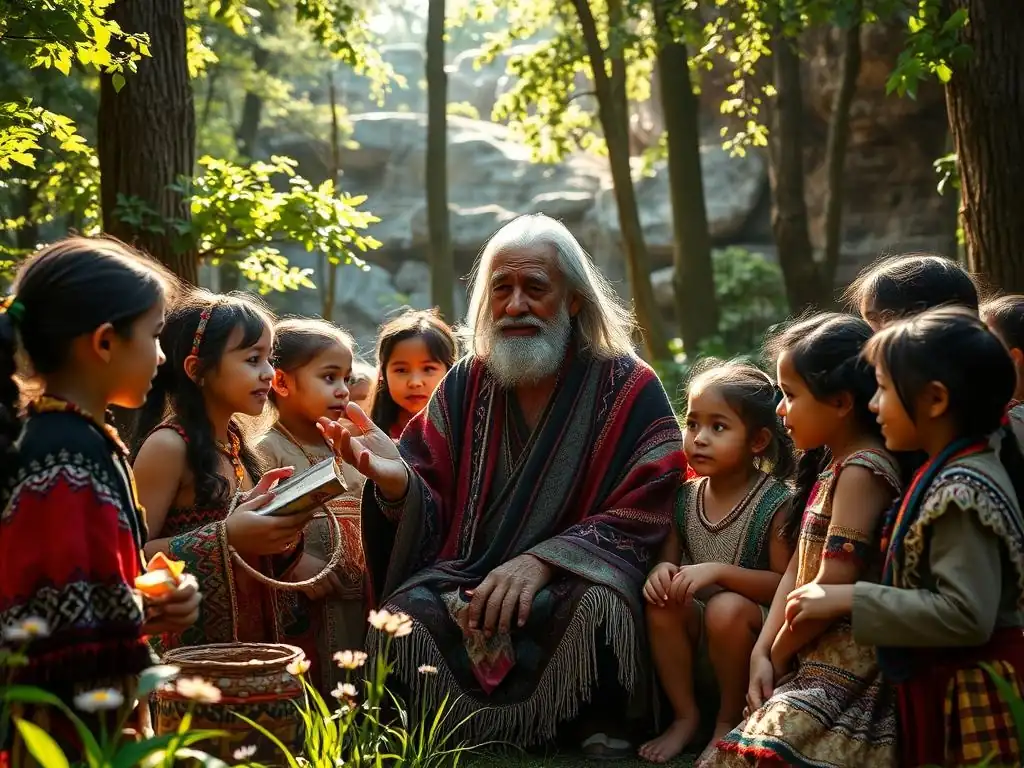
Welcome to Indigenous Civilizations of the Americas, where we invite you on a fascinating journey through the rich tapestry of indigenous cultures that flourished long before European influence. Dive into our featured article, "From Myths to Modern Tales: Children's Literature That Reflects Indigenous Wisdom," and uncover the profound themes that shape indigenous children's literature. As you explore, prepare to be captivated by the stories that resonate with timeless wisdom and cultural heritage, revealing how these narratives continue to inspire and educate. Join us in celebrating the vibrant history and ongoing legacy of indigenous voices across the Americas!
Introduction to Indigenous Children's Literature Themes
Indigenous children's literature serves as a vibrant tapestry woven from the rich narratives, traditions, and values of the diverse cultures that inhabited the Americas long before European colonization. This genre is not just a collection of stories; it is a powerful medium through which Indigenous wisdom, history, and identity are conveyed to younger generations.
By exploring themes inherent in these tales, we can gain insights into the unique worldviews and teachings that Indigenous peoples have passed down through generations. The presence of these themes in children's literature is vital, as they help foster understanding, respect, and appreciation for Indigenous cultures in a world that often overlooks their significance.
In this article, we will delve into the various themes found in Indigenous children's literature, emphasizing the importance of these narratives in shaping young minds and preserving cultural heritage. By examining the role of Indigenous wisdom in children's literature, we can appreciate how these stories not only entertain but also educate and inspire, bridging the past with the present and nurturing a deeper connection between children and the Indigenous world.
The Role of Indigenous Wisdom in Children's Literature
Indigenous wisdom plays a crucial role in children's literature by providing moral lessons, cultural teachings, and a sense of place within the natural world. These stories often reflect the values of community, respect for nature, and the importance of storytelling as a means of preserving history and identity. Through engaging narratives, children learn about the interconnectedness of life, the significance of traditions, and the power of resilience.
Moreover, Indigenous literature often challenges stereotypical representations and offers authentic voices that resonate with the experiences of Indigenous peoples. This authenticity enriches the literary landscape, allowing children from diverse backgrounds to engage with stories that reflect a wide array of human experiences and emotions.
Exploring Traditional Stories and Their Educational Significance
Traditional Indigenous stories, such as creation myths, trickster tales, and fables, serve as educational tools that impart important life lessons. These tales often embody moral teachings, encouraging children to think critically about their choices and actions. For example, many stories highlight the consequences of greed or disrespect towards nature, thus instilling a sense of responsibility and stewardship for the environment.
The educational significance of these narratives is further amplified by their incorporation into school curricula, where they can foster discussions about cultural diversity, social justice, and environmental awareness. By engaging with traditional stories, children not only learn about Indigenous cultures but also develop empathy and an understanding of different perspectives.
Key Elements of Indigenous Wisdom in Literature
Indigenous children's literature is characterized by several key elements that reflect Indigenous wisdom:
- Connection to Nature: Many stories emphasize the relationship between humans and the natural world, illustrating the importance of living in harmony with the environment.
- Cultural Identity: These narratives often explore themes of identity, helping children understand their heritage and the significance of their cultural roots.
- Community and Relationships: Stories frequently highlight the value of community, cooperation, and respect for elders, reinforcing the idea that individuals are part of a larger collective.
- Spirituality and Beliefs: Indigenous literature often incorporates spiritual elements, offering insights into the beliefs and practices that shape Indigenous worldviews.
By highlighting these elements, Indigenous children's literature not only preserves cultural heritage but also equips young readers with the wisdom and values necessary to navigate their own lives with respect and understanding.
Comparison of Notable Indigenous Children's Literature
Indigenous children's literature represents a rich tapestry of narratives that reflect the diverse cultures, traditions, and worldviews of Indigenous peoples across the Americas. This literature serves not only as entertainment but also as a vital educational tool, bridging the gap between historical context and contemporary understanding. Through the lens of storytelling, children can explore themes of identity, community, and resilience, all of which are integral to Indigenous cultures.
When comparing notable works within this genre, it is essential to recognize the evolution of these stories from classic tales rooted in oral traditions to contemporary works that address modern societal issues. Classic literature often focuses on folklore, myths, and legends that convey moral lessons, while contemporary literature tends to address current realities, such as cultural preservation, social justice, and environmental stewardship. This shift reflects a growing recognition of the importance of Indigenous voices in literature and the need for representation in children's books.
Classic vs. Contemporary Indigenous Children's Literature
Classic Indigenous children's literature typically draws from oral traditions and folklore, preserving ancient stories that have been passed down through generations. These narratives often feature animals, nature, and spiritual elements, emphasizing the interconnectedness of all living beings. For example, stories like "How the Raven Stole the Sun" or "The Girl Who Spun Gold" highlight cultural values such as respect for nature and the importance of community. These tales serve not only to entertain but also to instill moral lessons and cultural pride in young readers.
In contrast, contemporary Indigenous children's literature reflects the complexities of modern Indigenous life. Authors such as Debbie Reese, Cynthia Leitich Smith, and Joseph Bruchac create narratives that address issues like identity, colonialism, and the challenges faced by Indigenous communities today. For instance, books like "Indian No More" explore the impact of federal policies on Indigenous identity, while "Rain Is Not My Indian Name" tackles themes of belonging and self-discovery. This contemporary literature is crucial for fostering empathy and understanding among young readers, allowing them to engage with the realities of Indigenous peoples in today's world.
Featured Books that Exemplify Indigenous Themes
Several notable books exemplify the rich themes present in Indigenous children's literature. Here are a few that stand out:
-
"We Are Water Protectors" by Carole Lindstrom
This beautifully illustrated book highlights the importance of environmental stewardship and the Indigenous fight against pollution, particularly in relation to water sources. It draws on the traditional teachings of Indigenous peoples about the sacredness of water.
-
"The Birchbark House" by Louise Erdrich
Set in the 1840s, this novel provides a glimpse into the life of a young Ojibwe girl, Omakayas, and her family. It intertwines themes of resilience, family, and the impact of colonization on Indigenous lifestyles.
-
"Fry Bread: A Native American Family Story" by Kevin Noble Maillard
This award-winning book tells the story of fry bread, a traditional food that symbolizes resilience and cultural heritage. It beautifully illustrates the importance of food in Indigenous identity and community.
These books not only reflect Indigenous themes but also inspire dialogue about culture, tradition, and the importance of understanding diverse perspectives.
Engaging Children with Indigenous Stories
Engaging children with Indigenous stories is a powerful way to foster a deeper understanding of Indigenous cultures and histories. By incorporating these narratives into educational settings and home libraries, caregivers and educators can promote cultural awareness and empathy among young readers. The stories serve as a gateway for children to explore complex themes while encouraging critical thinking and reflection on their own identities and communities.
Methods for Integrating Indigenous Themes in Education
To effectively integrate Indigenous themes into education, several methods can be employed:
-
Storytelling Sessions
Inviting Indigenous storytellers to share traditional tales can create an immersive experience. Storytelling not only entertains but also educates children about the values and teachings embedded in these narratives.
-
Thematic Units
Developing thematic units that focus on specific aspects of Indigenous cultures—such as nature, community, or resilience—can provide a structured approach to exploring these themes. Incorporating literature, art, and history can enrich the learning experience.
-
Collaborative Projects
Engaging students in collaborative projects that explore Indigenous topics, such as creating their own stories or art inspired by Indigenous themes, fosters creativity and encourages personal connections to the material.
-
Culturally Relevant Resources
Utilizing books, films, and digital resources created by Indigenous authors and filmmakers ensures that the materials are authentic and respectful of Indigenous cultures.
By implementing these methods, educators can create an inclusive and respectful environment that honors Indigenous narratives and promotes a comprehensive understanding of their significance.
Recommended Indigenous Children's Literature for Young Readers
Here are some recommended titles that provide valuable insights into Indigenous cultures and themes for young readers:
-
"Jingle Dancer" by Cynthia Leitich Smith
This story follows a young girl who learns the importance of her cultural heritage as she prepares for a powwow. It highlights themes of identity and community.
-
"Thunder Boy Jr." by Sherman Alexie
This book tells the story of a young boy who wants to find his own identity separate from his father's legacy. It emphasizes the importance of self-discovery and cultural pride.
-
"A Coyote Solstice Tale" by Thomas King
A humorous take on the winter solstice, this story integrates traditional Coyote tales with contemporary themes, encouraging children to appreciate the blend of old and new narratives.
-
"My Heart Fills with Happiness" by Monique Gray Smith
This beautifully illustrated book celebrates the small joys in life through the lens of Indigenous culture, fostering gratitude and appreciation for one’s heritage.
These recommended books not only engage young readers but also serve to educate them about the richness and diversity of Indigenous cultures, fostering respect and understanding in future generations.
Common Misconceptions about Indigenous Children's Literature
Indigenous children's literature is often surrounded by misconceptions that can detract from its rich narratives and cultural significance. One prevalent misunderstanding is that all Indigenous stories are homogenous, failing to recognize the vast diversity among different tribes, nations, and communities across the Americas. Each group possesses unique traditions, languages, and worldviews, leading to a wide array of literary expressions that reflect their distinct experiences and values.
Another common misconception is that Indigenous children's literature is solely educational or didactic, primarily serving the purpose of teaching cultural history. While many works do include educational elements, they also embrace the artistic and imaginative aspects of storytelling. These narratives often incorporate humor, adventure, and fantasy, inviting young readers to engage with Indigenous wisdom in a way that is both enjoyable and enlightening.
Furthermore, some people assume that Indigenous children's literature is only relevant to Indigenous children. In reality, these stories serve as a bridge for all children to connect with different cultures and learn empathy and respect for diverse perspectives. By exploring Indigenous narratives, children from all backgrounds can gain insight into the values and experiences of Indigenous peoples, fostering a greater appreciation for cultural diversity.
Debunking Myths Surrounding Indigenous Narratives
The myths surrounding Indigenous narratives often stem from a lack of understanding or exposure to the complexities of Indigenous cultures. One such myth is that Indigenous stories are merely folklore or superstition. In contrast, these narratives are rich in historical context, spiritual significance, and moral teachings. They often encapsulate profound lessons about the environment, community, and personal responsibility, reflecting the deeply rooted philosophies of Indigenous peoples.
Another misconception is that Indigenous authors cannot write authentically about their cultures unless they conform to traditional storytelling methods or themes. This belief undermines the creativity and innovation present in contemporary Indigenous literature. Many Indigenous authors blend traditional elements with modern storytelling techniques, creating works that resonate with today's children while still honoring their heritage.
Additionally, there is a belief that Indigenous children's literature is a recent phenomenon. In truth, Indigenous storytelling has existed for centuries, with oral traditions passing down knowledge through generations. The emergence of written Indigenous children's literature is a continuation of this tradition, adapting to new mediums while maintaining the core values and teachings that have always been integral to these narratives.
Conclusion: The Lasting Impact of Indigenous Children's Literature Themes
The themes present in Indigenous children's literature have profound and lasting impacts on young readers and society as a whole. These narratives often emphasize key values such as respect for nature, the importance of community, and the significance of cultural identity. By weaving these themes into engaging stories, Indigenous authors provide children with the tools to navigate their own identities and understand their relationship with the world around them.
Moreover, Indigenous children's literature fosters a sense of belonging and pride among Indigenous youth. When children see their cultures and languages represented in literature, it validates their experiences and strengthens their connection to their heritage. This representation is crucial in counteracting stereotypes and promoting a more nuanced understanding of Indigenous peoples.
Furthermore, the themes explored in these stories encourage all children to think critically about their own cultures and the diverse world they inhabit. By introducing themes of interconnectedness, resilience, and respect for all living beings, Indigenous children's literature contributes to cultivating empathy and awareness among young readers, shaping future generations who are more inclusive and culturally sensitive.
Indigenous children's literature serves not only as a vehicle for storytelling but also as a powerful means of cultural preservation and education. Its themes resonate across boundaries, making it an essential component of children's literature that enriches the literary landscape and promotes a deeper understanding of Indigenous cultures.
Call to Action: Explore and Celebrate Indigenous Wisdom
Indigenous children's literature is a vibrant and essential part of the literary landscape that deserves recognition and exploration. It offers not only engaging stories but also profound insights into the values, beliefs, and traditions of Indigenous cultures. By diving into this genre, readers of all ages can gain a deeper understanding of the worldviews that shape Indigenous societies.
Here are several compelling reasons to explore and celebrate Indigenous wisdom through children's literature:
- Cultural Appreciation: Engaging with Indigenous stories helps cultivate respect and appreciation for the rich tapestry of cultures that existed long before colonization. It encourages readers to recognize the diversity and resilience of these communities.
- Empowerment: Indigenous children's literature often features protagonists from Indigenous backgrounds, allowing young readers to see themselves reflected in the stories. This representation fosters a sense of belonging and empowerment, encouraging children to embrace their identities.
- Moral Lessons: Many Indigenous tales are rich with moral lessons that emphasize community, respect for nature, and the importance of relationships. These themes resonate with universal values, making them relevant to readers from all backgrounds.
- Environmental Wisdom: Indigenous narratives frequently highlight the interconnectedness of all living beings and the importance of stewardship of the Earth. By sharing these stories, we can inspire a new generation to be more aware of environmental issues and the need for sustainable practices.
- Intergenerational Knowledge: Indigenous literature often serves as a bridge between generations, providing a medium for elders to pass down traditional knowledge and stories to the younger generations. This continuity of knowledge helps preserve languages and cultural practices.
Exploring Indigenous children's literature themes is not just an educational endeavor; it is a celebration of diverse heritages that enrich our world. By delving into these stories, we can foster empathy, understanding, and respect for the wisdom of Indigenous cultures. So, pick up a book, share a story, and embark on a journey through the beautiful landscapes of Indigenous wisdom! 🌿📚
- Introduction to Indigenous Children's Literature Themes
- The Role of Indigenous Wisdom in Children's Literature
- Comparison of Notable Indigenous Children's Literature
- Engaging Children with Indigenous Stories
- Common Misconceptions about Indigenous Children's Literature
- Conclusion: The Lasting Impact of Indigenous Children's Literature Themes
- Call to Action: Explore and Celebrate Indigenous Wisdom
- What are some themes found in Indigenous children's literature?
- How does Indigenous children's literature contribute to cultural understanding?
- Can Indigenous children's literature help combat stereotypes?
- What is the significance of myths in Indigenous children's stories?
- How can educators incorporate Indigenous children's literature into their curriculum?
Frequently Asked Questions
What are some themes found in Indigenous children's literature?
Indigenous children's literature often explores themes such as connection to nature, cultural heritage, and community values. These stories reflect the wisdom and traditions of Indigenous peoples.
How does Indigenous children's literature contribute to cultural understanding?
By presenting authentic narratives and perspectives, Indigenous children's literature fosters cultural understanding and appreciation among young readers, promoting diversity and inclusion.
Can Indigenous children's literature help combat stereotypes?
Yes, it plays a crucial role in combating stereotypes by offering nuanced portrayals of Indigenous cultures, challenging misconceptions, and highlighting the richness of their histories and traditions.
What is the significance of myths in Indigenous children's stories?
Myths serve as a foundational element, providing moral lessons, cultural identity, and a sense of belonging. They often convey important teachings about community and the natural world.
How can educators incorporate Indigenous children's literature into their curriculum?
Educators can integrate these texts by selecting stories that align with curricular themes, facilitating discussions about cultural perspectives, and encouraging students to reflect on the wisdom shared in these works.
Final Reflection: Embracing Indigenous Wisdom Through Children's Literature
In a world increasingly aware of the importance of cultural representation, the themes found in Indigenous children's literature resonate deeply with contemporary society. These narratives not only celebrate the rich tapestry of Indigenous cultures but also serve as vital tools for fostering understanding and empathy among young readers. As we navigate an era marked by a quest for authenticity and inclusivity, the stories that reflect Indigenous wisdom are more relevant than ever, reminding us of the profound connection between storytelling and identity.
The influence of Indigenous children's literature extends far beyond the pages of a book; it shapes the cultural landscape by instilling values of respect, community, and environmental stewardship. These stories empower children to embrace their heritage and learn from the teachings of their ancestors. As author and educator Dr. Kim Anderson poignantly states, Stories are the threads that weave our identities, connecting us to our past and guiding us toward a more inclusive future.
This ongoing dialogue between generations underscores the importance of preserving Indigenous narratives, ensuring they remain a vital part of our collective consciousness.
As we reflect on the lessons embedded in these tales, I invite you to consider how you can incorporate Indigenous wisdom into your own life and the lives of those around you. Take a moment to explore these narratives, share them with children, and engage in conversations that honor the voices of Indigenous communities.
By doing so, we not only enrich our understanding of the world but also contribute to a future where diverse stories are celebrated and cherished. Let us commit to being stewards of these narratives, ensuring that the wisdom of Indigenous cultures continues to inspire generations to come.
Embrace Indigenous Wisdom in Your Family's Storytime!
Thank you for taking the time to explore the rich tapestry of children’s literature that reflects Indigenous wisdom. By delving into these stories, you've uncovered treasures of cultural heritage and timeless teachings that enrich young minds. Now, it’s time to bring that wisdom into your home!
Here’s how you can seamlessly integrate Indigenous narratives into your family's reading practices:
- Choose a Book: Select a children’s book that celebrates Indigenous cultures to read together this week. Visit your local library or bookstore to find captivating stories that spark curiosity and conversation.
- Create Storytime Traditions: Establish a weekly ritual centered around reading these stories. Consider inviting family or friends to join in, fostering a community dedicated to learning and sharing.
- Share Your Thoughts: Engage in discussions about the lessons and values presented in the stories you read. Encourage your little ones to share their favorite parts or what they learned about the Indigenous cultures depicted.
What story inspired you the most today, and how do you plan to share that wisdom with the next generation?