
The Storytellers: How Documentaries Bring Indigenous Civilizations to Life

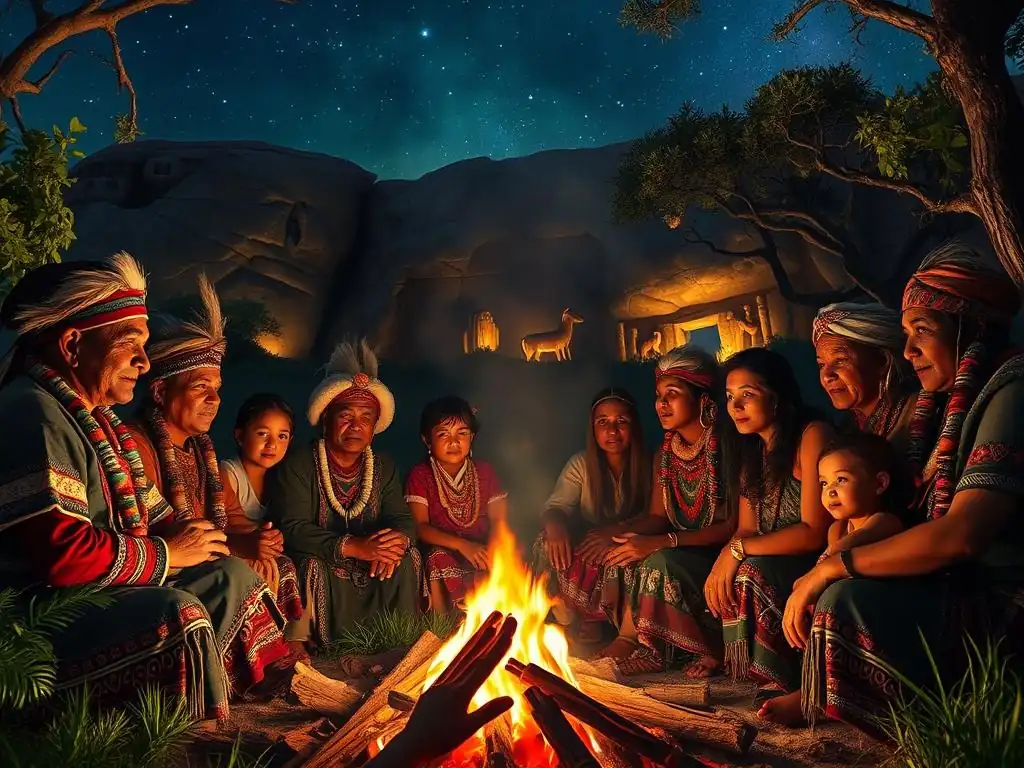
Welcome to Indigenous Civilizations of the Americas, where we embark on an enlightening journey through the rich tapestry of pre-colonial cultures that flourished across the continent. Here, you will discover how documentaries about indigenous civilizations serve as powerful storytelling tools, illuminating the remarkable achievements and vibrant societies of the past.
As you delve into our featured article, “The Storytellers: How Documentaries Bring Indigenous Civilizations to Life,” prepare to be captivated by narratives that not only educate but also celebrate the enduring legacy of these remarkable cultures. Join us in exploring the profound impact they have had on history and continue to have today!
- Introduction to Indigenous Civilizations Documentaries
- The Impact of Documentaries on Indigenous Civilizations Awareness
- Notable Indigenous Civilizations Documentaries to Watch
- How Documentaries Bring Indigenous Civilizations to Life
- Challenges in Producing Indigenous Civilizations Documentaries
- The Future of Indigenous Civilizations Documentaries
- Conclusion: The Continuing Legacy of Indigenous Civilizations Documentaries
- Call to Action: Explore More Indigenous Civilizations Documentaries
-
Frequently Asked Questions
- What is the focus of "The Storytellers" documentary?
- How do documentaries impact the perception of indigenous cultures?
- What are some notable indigenous civilizations featured in documentaries?
- Why are documentaries important for preserving indigenous stories?
- Where can I find indigenous civilizations documentaries?
- Final Reflection: Reviving Voices Through Indigenous Civilizations Documentaries
- Embrace the Legacy: Bring Indigenous Stories to Life!
Introduction to Indigenous Civilizations Documentaries
The rich tapestry of indigenous civilizations in the Americas is woven with vibrant cultures, profound histories, and remarkable achievements that have shaped the continent long before European contact. Documentaries serve as an essential medium for bringing these narratives to life, illuminating the diverse experiences of indigenous peoples and their enduring legacies.
In this article, we will explore how documentaries focusing on indigenous civilizations not only preserve their stories but also foster a deeper understanding of their contributions to humanity. From the intricate social structures of the Maya to the resilient traditions of the Native American tribes, these films play a crucial role in educating audiences and amplifying indigenous voices.
Understanding the Importance of Documentaries in Preserving Indigenous Cultures
Documentaries are powerful tools for education, enabling a wider audience to engage with the histories and cultures of indigenous peoples. Through visual storytelling, these films can:
- Highlight Unique Perspectives: Documentaries offer firsthand accounts from indigenous individuals, ensuring that their voices are central to the narrative.
- Preserve Cultural Heritage: By documenting traditional practices, languages, and stories, filmmakers help safeguard these elements from the threat of extinction.
- Promote Awareness and Understanding: A well-crafted documentary can challenge stereotypes and misconceptions about indigenous peoples, providing viewers with a more nuanced understanding of their histories and contemporary realities.
For instance, films like "In the Light of Reverence" showcase the spiritual connections that Native American tribes have with the land, while also addressing ongoing struggles for land rights and recognition.
The Role of Storytelling in Indigenous History and Representation
Storytelling is a foundational aspect of indigenous cultures, serving as a means of transmitting knowledge, values, and history across generations. It plays a vital role in the representation of indigenous civilizations in documentaries. Key aspects of this storytelling tradition include:
- Cultural Transmission: Stories are often woven with lessons about community, nature, and morality, reinforcing the values and beliefs of indigenous cultures.
- Representation and Identity: Documentaries that honor traditional storytelling methods can empower indigenous communities by portraying their narratives authentically and respectfully.
- Engagement and Connection: By utilizing various storytelling techniques—such as oral histories, myths, and legends—documentaries can create an emotional connection between viewers and the subjects, fostering empathy and understanding.
The intersection of documentaries and indigenous storytelling not only enriches our knowledge of these civilizations but also serves as a platform for indigenous voices to be heard and celebrated. Through this exploration, we can appreciate the resilience and vibrancy of indigenous cultures and the critical role that visual narratives play in their representation.
The Impact of Documentaries on Indigenous Civilizations Awareness
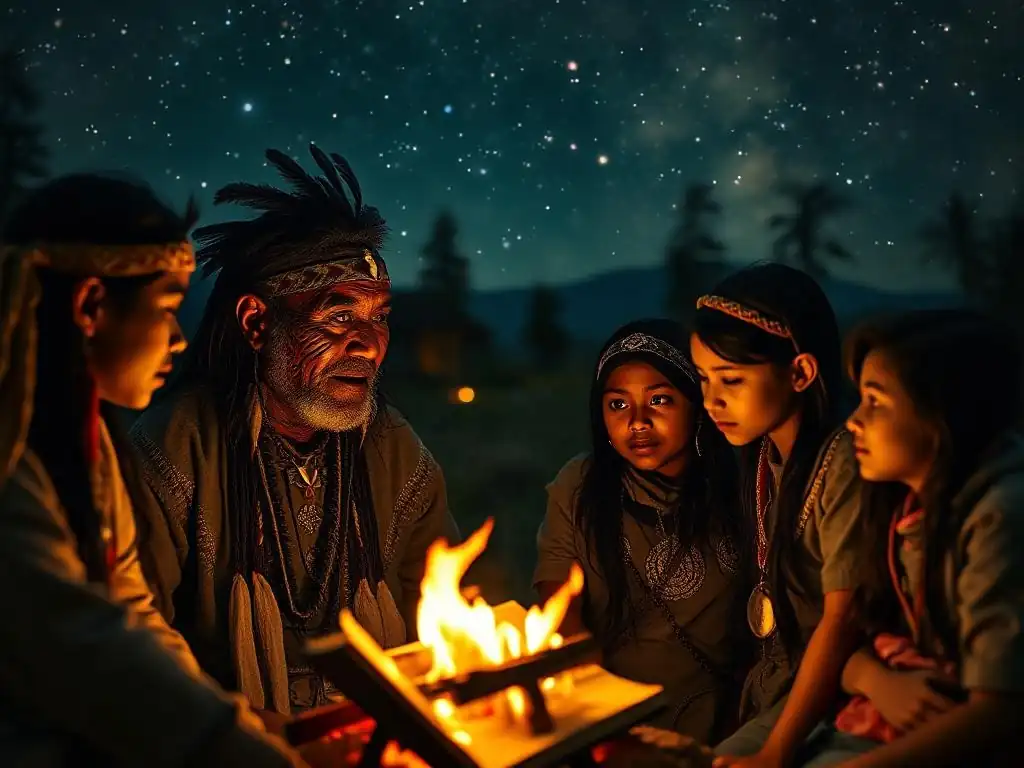
How Documentaries Educate Audiences about Indigenous Histories
Documentaries serve as powerful tools for educating audiences about indigenous civilizations by presenting their histories, cultures, and narratives in an engaging format. Through in-depth research and firsthand accounts, these films unearth the complexities of indigenous societies, often overlooked in traditional historical narratives.
The educational impact of documentaries can be observed in several key areas:
- Accurate Representation: Documentaries often collaborate with indigenous communities to ensure that their stories are told authentically. This collaboration helps rectify historical inaccuracies and misrepresentations that have persisted through mainstream media.
- Diverse Perspectives: By featuring interviews with indigenous leaders, elders, and historians, documentaries provide audiences with a multifaceted view of history that challenges monolithic narratives. This approach fosters a deeper understanding of the social, political, and spiritual aspects of indigenous life.
- Interactive Learning: Many documentaries are complemented by educational materials, discussion guides, and community screenings, encouraging viewers to engage critically with the content. This interactive experience promotes dialogue about indigenous issues and histories.
- Accessibility: With the proliferation of streaming services and online platforms, indigenous documentaries are more accessible than ever. This increased availability allows a wider audience to engage with the rich tapestry of indigenous cultures across the Americas.
The Influence of Visual Storytelling on Cultural Preservation
Visual storytelling through documentaries plays a crucial role in the preservation of indigenous cultures. By capturing traditions, languages, and practices on film, these documentaries serve as historical records that can be shared across generations. The influence of visual storytelling on cultural preservation can be highlighted in several ways:
- Documentation of Oral Traditions: Many indigenous cultures rely on oral storytelling to transmit knowledge and traditions. Documentaries provide a medium to record these oral histories, ensuring they are not lost to time. This preservation is vital, especially as many indigenous languages face extinction.
- Revitalization of Cultural Practices: Documentaries often showcase cultural ceremonies, rituals, and arts, which can inspire younger generations to participate in and sustain these practices. By bringing visibility to these traditions, the films encourage communities to take pride in their heritage.
- Raising Awareness of Contemporary Issues: Documentaries not only focus on historical narratives but also address current challenges facing indigenous peoples, such as land rights, environmental issues, and cultural appropriation. By highlighting these issues, filmmakers can galvanize support for indigenous movements and initiatives.
- Creating Emotional Connections: The visual and emotive power of documentaries can forge connections between viewers and indigenous cultures. This emotional resonance often leads to increased empathy and advocacy for indigenous rights and recognition.
Indigenous civilizations documentaries are instrumental in educating audiences about the rich histories and cultures of indigenous peoples while also playing a vital role in the preservation and revitalization of these cultures for future generations. Through visual storytelling, these films provide insights and connections that foster a greater appreciation for indigenous civilizations in the Americas.
Notable Indigenous Civilizations Documentaries to Watch
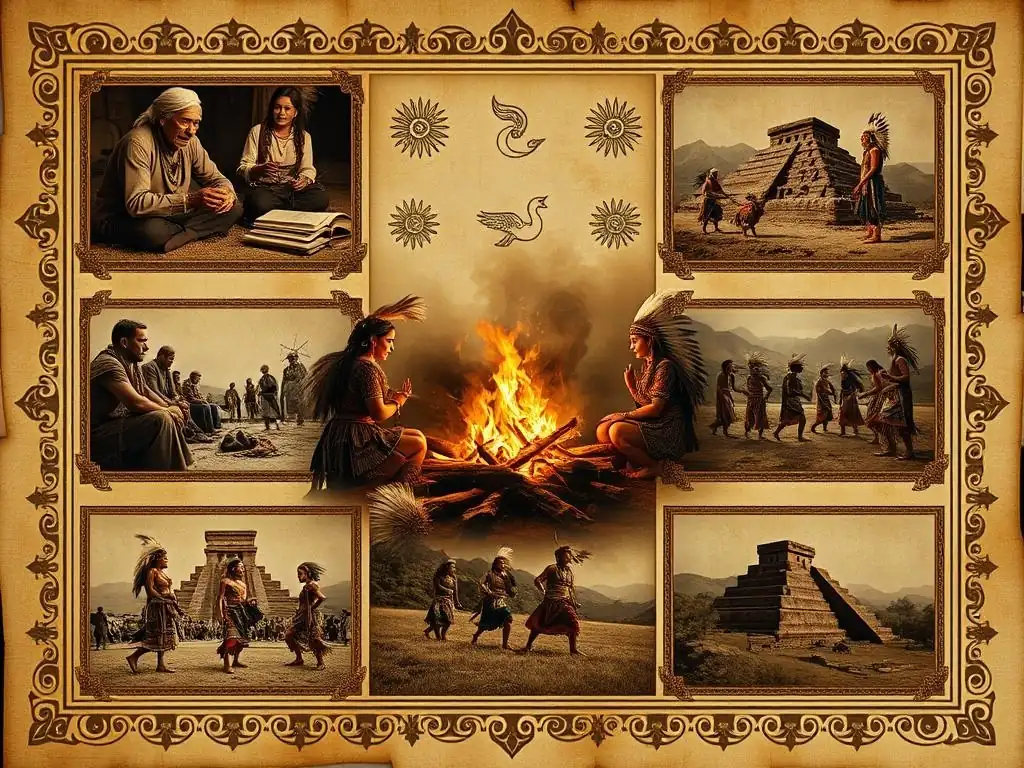
Exploring indigenous civilizations through documentaries provides a powerful medium for understanding and appreciating their rich histories and cultures. Below are notable documentaries that offer unique insights into specific indigenous groups.
"The Last of the Tsatsee" - A Glimpse into the Life of the Tsatsee Nation
Overview and Key Themes
"The Last of the Tsatsee" is a poignant documentary that captures the essence of the Tsatsee Nation, a community known for its deep connection to the land and rich oral traditions. The film delves into the everyday lives of the Tsatsee people, showcasing their customs, challenges, and resilience against external pressures.
Key themes explored in this documentary include:
- Cultural Preservation: The film emphasizes the importance of preserving the Tsatsee language, folklore, and traditional practices amidst modernization.
- Environmental Stewardship: It highlights the Tsatsee’s sustainable practices and their profound respect for nature, showcasing their role as stewards of the land.
- Intergenerational Wisdom: The documentary features interviews with elders, illustrating how knowledge is passed down through generations, and the significance of storytelling in their culture.
Reception and Impact on Viewers
"The Last of the Tsatsee" has received acclaim for its intimate portrayal of the Tsatsee Nation. Viewers have reported a deepened understanding of the challenges faced by indigenous communities today. Critics praise the documentary for its cinematography and authenticity, noting that it brings a fresh perspective to the representation of indigenous peoples in media.
- Audience Engagement: Many viewers have expressed a strong emotional connection to the Tsatsee stories, prompting discussions about the importance of cultural diversity.
- Educational Value: The documentary is often used in educational settings to facilitate conversations about indigenous rights, environmental issues, and cultural heritage.
"Our People, Our Land" - The Journey of the Aymara People
Overview and Key Themes
"Our People, Our Land" takes viewers on a journey through the highlands of the Andes, focusing on the Aymara people, one of the prominent indigenous groups in South America. The documentary offers an in-depth exploration of their unique customs, social structures, and the challenges they face in modern society.
Key themes highlighted in this documentary include:
- Cultural Identity: The Aymara’s struggle to maintain their cultural identity in the face of globalization is a central theme, showcasing their vibrant traditions and community bonds.
- Political Activism: The film sheds light on the Aymara’s activism for land rights and political representation, documenting their efforts to reclaim ancestral territories.
- Connection to Nature: It emphasizes the Aymara’s relationship with the land, illustrating how their agricultural practices are intertwined with their spiritual beliefs.
Reception and Impact on Viewers
"Our People, Our Land" has resonated with audiences globally, earning accolades for its heartfelt storytelling and educational impact. Viewers have praised the documentary for its respectful and authentic representation of the Aymara culture.
- Cultural Awareness: Many have reported increased awareness and appreciation for the Aymara’s contributions to cultural diversity, prompting further exploration into indigenous issues.
- Activism Inspiration: The documentary has inspired viewers to engage in activism for indigenous rights, reflecting its powerful messaging about justice and equality.
Both documentaries serve as vital resources for understanding indigenous civilizations and their contemporary realities, making them essential viewing for anyone interested in the rich tapestry of the Americas' indigenous cultures.
Before the White Man Came - Exploring Pre-Colonial Societies
Documentaries that delve into pre-colonial societies of indigenous civilizations provide a rich tapestry of history, culture, and resilience. “Before the White Man Came” stands out as a significant representation of this era, focusing on the intricate societies that thrived across the Americas long before European contact. By highlighting the everyday lives, belief systems, and achievements of these communities, the documentary serves as a crucial reminder of the sophistication and depth of indigenous cultures.
The film often features a variety of indigenous voices, allowing for a diverse range of perspectives on their histories. It emphasizes the interconnectedness of various tribes and their environmental stewardship, which showcases not only their survival strategies but also their profound respect for nature. This approach challenges the often simplistic narratives that dominate mainstream history, presenting a nuanced understanding of pre-colonial life.
Overview and Key Themes
“Before the White Man Came” covers several key themes that help to shape the viewer's understanding of indigenous civilizations.
- Cultural Diversity: The documentary illustrates the vast differences among various indigenous groups, from the advanced agricultural practices of the Maya to the nomadic lifestyles of the Plains tribes. It emphasizes that there was no singular indigenous experience, but rather a mosaic of cultures, languages, and traditions.
- Technological Innovations: The film showcases the technological advancements made by indigenous societies, including agricultural techniques, architectural marvels, and complex trade networks. For example, it explores the engineering feats of the Inca and the intricate irrigation systems developed by the Pueblo peoples.
- Spiritual Beliefs and Practices: Central to the narrative are the spiritual beliefs that governed the lives of indigenous peoples. The documentary highlights rituals, cosmologies, and the relationship between spirituality and nature, illustrating how these elements were woven into the fabric of daily life.
- Resistance and Resilience: As the title suggests, the documentary not only focuses on the time before European contact but also touches upon the resilience of these cultures in the face of colonization. It frames indigenous peoples as active agents in their history rather than passive victims, showcasing their resistance and adaptations.
Reception and Impact on Viewers
The reception of “Before the White Man Came” has generally been positive, both critically and among audiences. Viewers appreciate the documentary's commitment to authenticity, often praising its use of indigenous narrators and experts who provide insight grounded in lived experiences and historical context. This authenticity resonates with many who seek a deeper understanding of indigenous histories beyond the Eurocentric narratives often portrayed in mainstream media.
The impact on viewers is significant, fostering a greater appreciation for the complexities of indigenous civilizations. Many audience members report feeling a sense of connection to the subjects portrayed in the documentary, leading to increased awareness and advocacy for indigenous rights and cultural preservation.
Furthermore, educators and scholars have incorporated the documentary into curricula, recognizing its potential as a teaching tool that sparks discussions about history, culture, and identity. By presenting indigenous civilizations in a manner that emphasizes their richness and diversity, “Before the White Man Came” not only educates but also inspires a renewed respect for these ancient cultures and their enduring legacies.
How Documentaries Bring Indigenous Civilizations to Life
Visual Representation of Indigenous Traditions and Practices
Documentaries about indigenous civilizations are invaluable resources that vividly present the rich tapestry of cultural traditions and practices that have shaped these societies throughout history. The visual medium allows filmmakers to capture rituals, ceremonies, and daily activities in a way that text alone cannot convey. For instance, documentaries often showcase intricate dances, traditional clothing, and vibrant art forms that reflect the spiritual and social fabric of indigenous communities.
These visual representations serve multiple purposes:
- Cultural Preservation: By documenting traditional practices, filmmakers help preserve these cultures for future generations. The visual record can serve as a reference for both indigenous peoples and scholars.
- Educational Impact: Stunning visuals attract viewers' attention, making educational content more engaging. This approach can spark interest in viewers who may have little prior knowledge of indigenous cultures.
- Empathy and Understanding: Seeing the beauty and complexity of indigenous traditions fosters a deeper understanding and appreciation among broader audiences. This is crucial in combating stereotypes and misconceptions that often surround these cultures.
An example of a powerful documentary in this realm is "Inuit: The Last Place on Earth," which captures the daily life and traditions of the Inuit people through breathtaking cinematography. The documentary not only showcases traditional hunting practices but also delves into the impact of climate change on their way of life.
Interviews with Indigenous Leaders and Historians
Interviews with indigenous leaders and historians play a pivotal role in documentaries focused on indigenous civilizations. These interviews provide firsthand accounts and insights that enrich the narrative and ensure that the perspectives of indigenous peoples are front and center.
Key aspects of these interviews include:
- Authenticity: Indigenous leaders share their stories, beliefs, and histories, offering viewers an authentic voice that is often missing in traditional narratives. This authenticity is essential for understanding the complexities of indigenous identities.
- Contextualization: Historians provide context for the stories being told, helping to situate events within a broader historical framework. This dual perspective—combining personal narratives with academic insights—offers a comprehensive understanding of indigenous civilizations.
- Empowerment: Featuring indigenous voices empowers these communities and promotes a sense of agency. It allows them to narrate their own history, challenging dominant narratives often presented in mainstream media.
A notable documentary that exemplifies this approach is "Rumble: The Indians Who Rocked the World." Through interviews with indigenous musicians and historians, the film explores the profound influence of indigenous culture on the music industry, highlighting its significance beyond the confines of traditional practices.
The Use of Authentic Narratives and Language
The incorporation of authentic narratives and language in documentaries about indigenous civilizations is crucial for accurately representing these cultures. By using the original languages and storytelling methods, filmmakers can convey the richness of indigenous cultures more effectively.
Important elements to consider include:
- Language Revitalization: Many documentaries utilize indigenous languages, contributing to revitalization efforts. This practice not only honors the culture but also encourages younger generations to learn and use their ancestral tongues.
- Storytelling Techniques: Indigenous storytelling often employs unique techniques, such as oral traditions, symbolism, and metaphors. Documentaries that embrace these methods can create a more immersive experience for viewers, allowing them to connect deeply with the content.
- Cultural Nuances: Authentic narratives capture the nuances and complexities of indigenous life that may be lost in translation. Using indigenous storytellers ensures that the subtleties of their experiences and values are preserved and communicated effectively.
A striking example is the documentary series "The 1491s," which combines humor and historical accuracy, incorporating indigenous languages and storytelling styles. This series not only entertains but also educates viewers about the realities of indigenous life before and after European contact, showcasing the resilience and adaptability of these cultures.
Documentaries that focus on indigenous civilizations serve as powerful tools for education, preservation, and cultural appreciation. By employing visual storytelling, authentic interviews, and genuine narratives, these documentaries bring indigenous cultures to life, fostering empathy and understanding across diverse audiences.
Challenges in Producing Indigenous Civilizations Documentaries
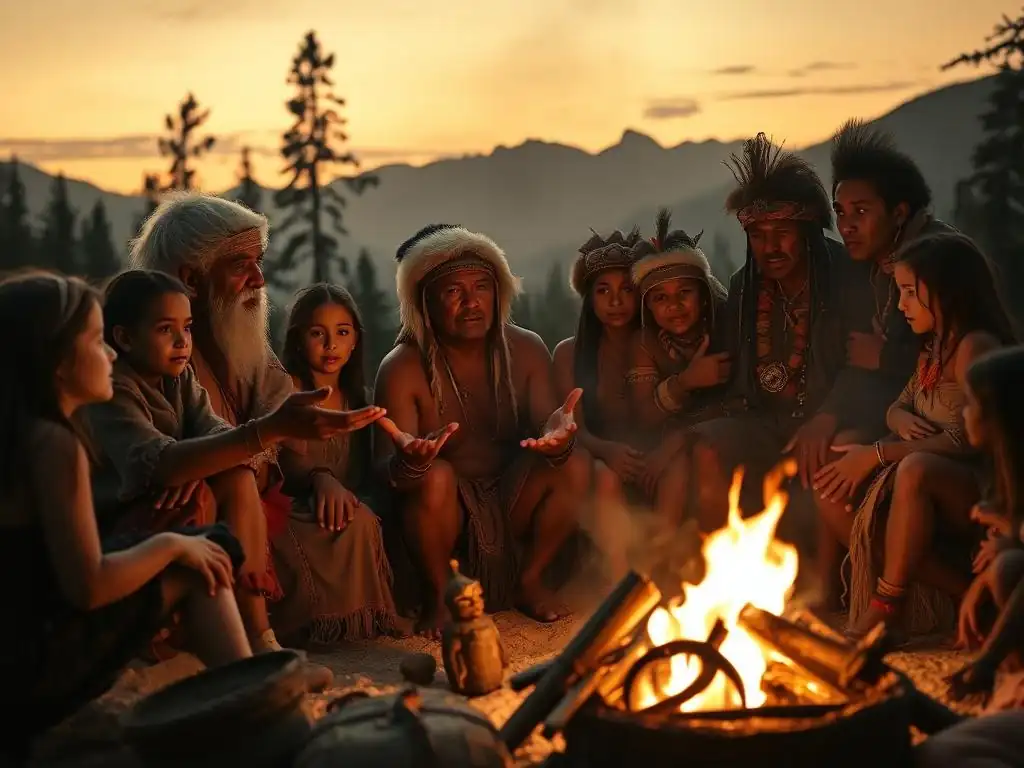
Creating documentaries about indigenous civilizations presents unique challenges that filmmakers must navigate to ensure a respectful and accurate representation of these rich cultures. Understanding the intricacies of indigenous history, beliefs, and practices is crucial for producing content that honors the legacy of these societies while engaging a broader audience.
Cultural Sensitivity and Authenticity in Storytelling
Cultural sensitivity is paramount when producing documentaries on indigenous civilizations. Filmmakers must recognize that these cultures are not merely subjects to be explored but are living, breathing communities with their own stories, values, and traditions.
Key Considerations for Cultural Sensitivity:
- Engagement with Indigenous Communities: Collaboration with indigenous peoples is essential. Filmmakers should involve community members in the storytelling process, ensuring that their perspectives and voices are represented authentically.
- Understanding Sacred Traditions: Many aspects of indigenous cultures are sacred and should not be portrayed without permission or respect. Documentarians must discern which elements are appropriate to share and which should remain private.
- Avoiding Stereotypes: The portrayal of indigenous civilizations in media has historically been fraught with stereotypes and misrepresentations. Documentaries should strive to present multifaceted narratives that highlight the diversity and complexity of these cultures.
A notable example of cultural sensitivity in documentary filmmaking is the series "We Shall Remain," which features the stories of Native American experiences told from their perspective, actively involving indigenous consultants throughout the production process.
Balancing historical accuracy with artistic interpretation is another significant challenge in the creation of documentaries about indigenous civilizations. Filmmakers often face the dilemma of how to convey complex historical narratives while making them accessible and engaging for audiences.
Strategies to Achieve Balance:
- Thorough Research: Filmmakers should commit to extensive research, utilizing primary sources, academic studies, and oral histories from indigenous communities to ensure an accurate portrayal of events and cultures.
- Consultation with Experts: Collaborating with historians, anthropologists, and indigenous scholars can enhance the accuracy of the content. These experts can provide insights that enrich the narrative and clarify historical contexts.
- Creative Presentation: While artistic interpretation can enhance storytelling, it is crucial to avoid distorting the truth. Documentarians can use visuals, animations, and dramatizations to illustrate historical events while maintaining fidelity to the actual experiences of the peoples involved.
An example of this balance can be seen in the documentary "The Last of the Tsatli," which utilizes reenactments to bring historical events to life while ensuring that the core narrative remains grounded in documented history.
Producing documentaries about indigenous civilizations requires a thoughtful approach that prioritizes cultural sensitivity, authenticity, and a commitment to historical accuracy. By engaging with indigenous communities and respecting their narratives, filmmakers can create powerful documentaries that educate and inspire audiences about the rich tapestry of indigenous cultures across the Americas.
The Future of Indigenous Civilizations Documentaries
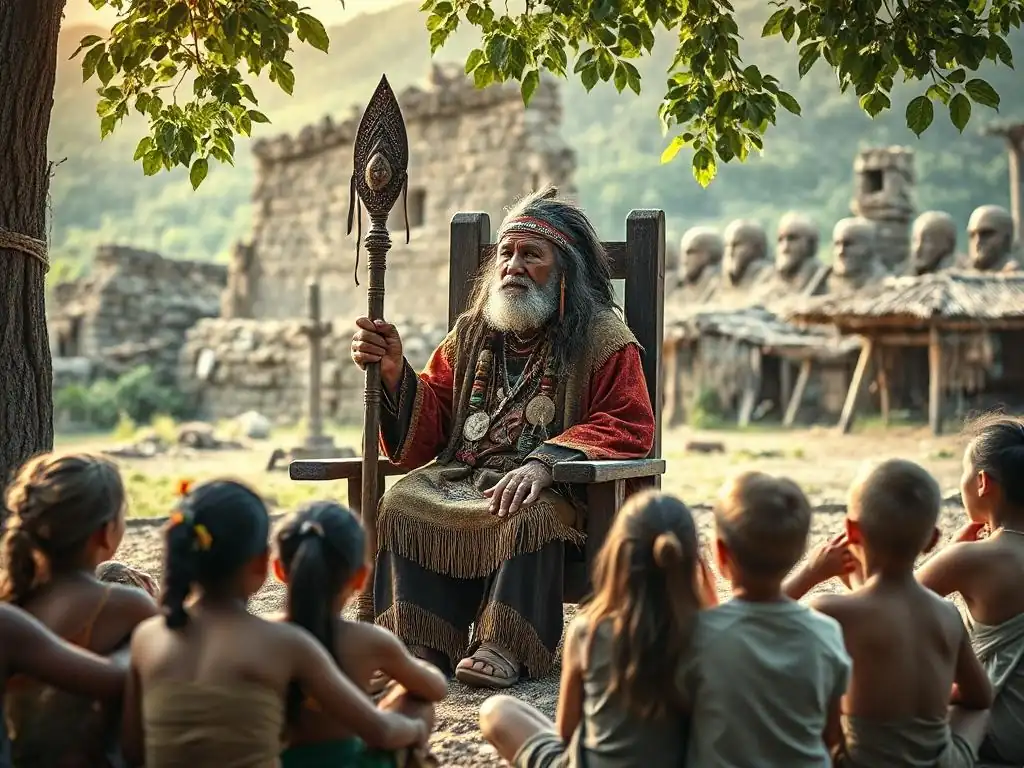
As the narrative surrounding indigenous civilizations continues to evolve, the future of documentaries in this realm promises to be both innovative and transformative. With a growing emphasis on authenticity and representation, filmmakers are increasingly seeking to collaborate with indigenous communities to tell their stories. This shift not only enriches the content but also fosters a deeper understanding of the cultures being portrayed.
Innovations in Documentary Filmmaking for Indigenous Stories
Documentary filmmaking is undergoing significant innovations aimed at bringing indigenous stories to the forefront. Here are some key trends shaping this evolution:
- Collaborative Filmmaking: Many documentaries are now being co-produced with indigenous communities, allowing for a more authentic representation of their cultures and histories. This collaboration ensures that the narratives are not only accurate but also resonate with the community's values and perspectives.
- Interactive Documentaries: The rise of interactive media allows viewers to engage with content in a more immersive way. Projects that incorporate virtual reality (VR) or augmented reality (AR) can transport audiences to historical sites or cultural events, creating a profound connection with indigenous civilizations.
- Narrative Diversity: Filmmakers are increasingly diversifying the narratives presented in documentaries. Instead of focusing solely on the struggles faced by indigenous peoples, there is a growing trend to highlight their achievements, innovations, and contributions to society—showcasing a more holistic view of their civilizations.
- Use of Archival Footage: Recent documentaries have begun utilizing archival footage and oral histories to create a richer tapestry of indigenous narratives. By integrating historical documents and firsthand accounts, filmmakers can provide context and depth to contemporary issues faced by indigenous communities.
The Role of Technology and Streaming Platforms in Accessibility
The advent of technology, particularly streaming platforms, has revolutionized how indigenous civilizations documentaries reach audiences. Here are several ways this transformation is occurring:
- Wider Reach: Platforms like Netflix, Hulu, and Amazon Prime have become essential for distributing indigenous documentaries to global audiences. This increased accessibility allows stories that were once confined to local screenings to gain international recognition.
- On-Demand Viewing: Streaming services offer the convenience of on-demand viewing, enabling audiences to engage with documentaries at their own pace and convenience. This flexibility can enhance viewer engagement and encourage deeper reflection on the subject matter.
- Diverse Content Libraries: Technology enables the curation of extensive libraries dedicated to indigenous documentaries. Viewers can find a variety of films exploring different cultures, histories, and contemporary issues, broadening their understanding of indigenous civilizations.
- Engagement through Social Media: Filmmakers and distributors are leveraging social media to promote indigenous documentaries, creating communities around these narratives. Interactive discussions and online screenings can foster dialogue and raise awareness about the significance of indigenous cultures.
As we look to the future, the integration of innovative filmmaking techniques and the accessibility provided by technology and streaming platforms will play a crucial role in shaping the discourse around indigenous civilizations. These advancements not only showcase the rich tapestry of indigenous cultures but also ensure that their stories are told with authenticity and respect.
Conclusion: The Continuing Legacy of Indigenous Civilizations Documentaries
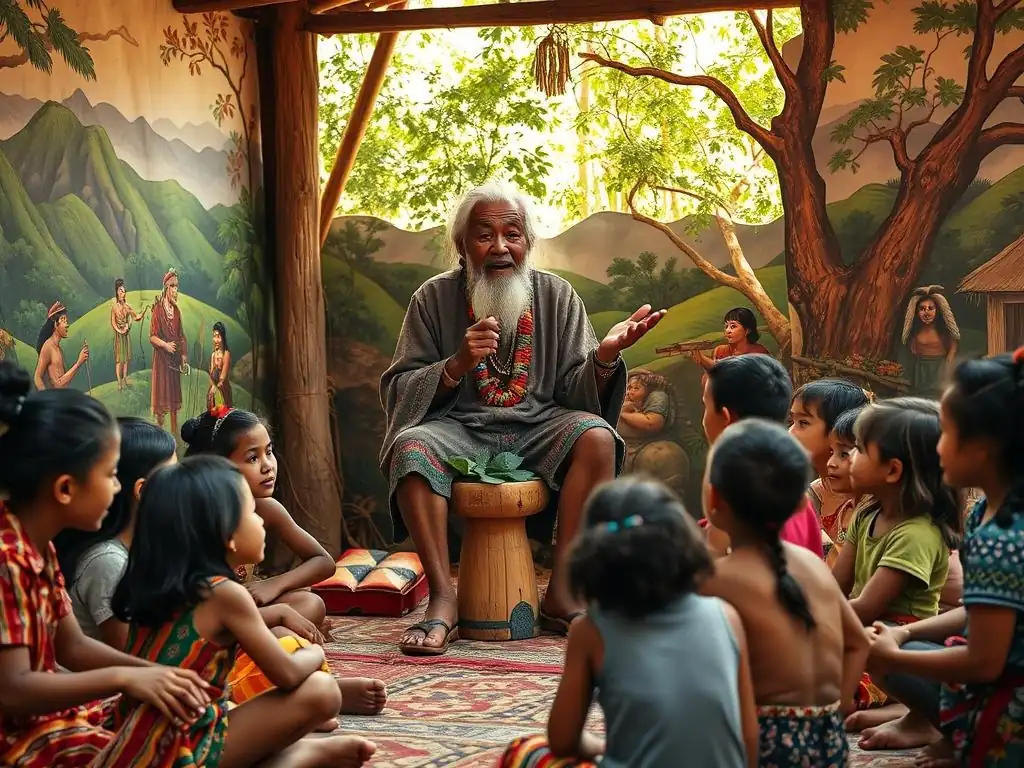
The legacy of indigenous civilizations documentaries extends far beyond mere storytelling; these films serve as vital conduits for understanding the rich heritage of indigenous peoples, their cultures, and their ongoing struggles. Documentaries about indigenous civilizations not only illuminate the past but also challenge misconceptions and foster respect for the diverse traditions that have survived through adversity. As viewers engage with these narratives, they contribute to a broader appreciation of the complexities and achievements of indigenous cultures.
Encouraging Viewers to Engage with Indigenous Cultures
Engaging with indigenous cultures through documentaries can deepen one's understanding and appreciation for their histories, traditions, and contemporary realities. Here are some ways to encourage viewers to become more involved:
- Active Viewing: Encourage audiences to approach documentaries with a critical mindset. This means not just passively consuming content but actively thinking about the narratives presented, questioning biases, and reflecting on the implications of the stories told.
- Community Discussions: Facilitate local screenings followed by discussions. Engaging with community members in dialogue can enrich viewers' perspectives and foster a sense of connection with the cultures represented.
- Educational Programs: Implement educational initiatives that utilize these documentaries in schools and universities. By incorporating indigenous documentaries into curricula, educators can promote awareness and understanding among younger generations.
- Social Media Engagement: Encourage viewers to share their thoughts on social media platforms using dedicated hashtags. This can help spread awareness and create a community of individuals passionate about indigenous cultures.
- Support Indigenous Filmmakers: Highlight and promote works by indigenous filmmakers, as they bring authentic and nuanced perspectives to the narratives. Support can be shown through viewership, reviews, and advocacy for their projects.
The Importance of Supporting Indigenous Voices in Media
Supporting indigenous voices in media is essential for the accurate representation of their stories and cultures. Here are several key reasons why this support is crucial:
- Authenticity: Indigenous filmmakers and storytellers provide genuine insights into their cultures. Supporting their work ensures that narratives are told from the perspective of those who have lived and experienced them, preserving cultural integrity.
- Representation: Indigenous communities have historically been underrepresented or misrepresented in mainstream media. By supporting indigenous documentaries, viewers can help amplify these voices and promote diverse narratives that reflect the true richness of indigenous civilizations.
- Cultural Preservation: Documentaries serve as a tool for preserving languages, traditions, and histories that may be at risk of being forgotten. Supporting these films contributes to the documentation of cultural practices and stories for future generations.
- Social Justice: By elevating indigenous voices, documentaries can shed light on ongoing social issues faced by these communities, such as land rights, environmental challenges, and cultural erasure. Support for these narratives can foster advocacy and inspire action.
- Building Alliances: Engaging with and supporting indigenous media can help build bridges between different communities. It fosters understanding, respect, and collaboration in addressing shared challenges.
The impact of indigenous civilizations documentaries is profound, encouraging engagement, understanding, and advocacy for indigenous cultures. By supporting these voices, viewers play an essential role in honoring the rich legacy of indigenous civilizations and ensuring their stories continue to be told.
Call to Action: Explore More Indigenous Civilizations Documentaries
Documentaries play a crucial role in highlighting the rich histories and cultures of indigenous civilizations, providing powerful narratives that often go untold. To fully appreciate the depth and diversity of these stories, we encourage viewers to explore a variety of documentaries that delve into the lives and legacies of indigenous peoples across the Americas. From contemporary issues to historical achievements, these films are not only educational but also serve as a vital connection to the past.
Whether you're a student, educator, or simply a curious viewer, immersing yourself in these documentaries can help foster a deeper understanding of indigenous cultures and their impact on the world today.
Recommended Streaming Services for Indigenous Documentaries
Several streaming platforms offer an impressive array of documentaries focused on indigenous civilizations. Here are some of the best options to consider:
- Netflix
- Offers a selection of documentaries that explore various indigenous cultures, including titles such as "When They See Us" and "Our Planet" which feature indigenous narratives.
- Amazon Prime Video
- Features documentaries like "Rumble: The Indians Who Rocked the World" and "The Last of the Tsars," showcasing indigenous perspectives on music and history.
- PBS
- Known for its educational content, PBS has a robust collection of documentaries, such as "We Shall Remain," which chronicles the history of Native America.
- Kanopy
- This platform collaborates with libraries to offer a wide range of documentaries, including many focused on indigenous issues and cultures.
- YouTube
- While it may vary in quality, many independent filmmakers and organizations share insightful documentaries and short films about indigenous civilizations on this platform.
- Indigenous Media
- This platform specifically focuses on indigenous stories and provides a wide selection of documentaries that highlight native voices and histories.
These services not only provide access to compelling content but also support the distribution of indigenous voices and stories.
How to Support Indigenous Filmmakers and Organizations
Supporting indigenous filmmakers and organizations is essential for the continued growth and visibility of indigenous narratives in media. Here are several ways to contribute:
- Engage with Content
- Watch and share documentaries that focus on indigenous civilizations. Your viewership helps to raise awareness and increase funding for future projects.
- Donate to Indigenous Organizations
- Many organizations are dedicated to promoting indigenous culture through film and media. Consider donating to organizations such as:
- The Sundance Institute
- Native American Media Alliance
- Indigenous Film Festival
- Many organizations are dedicated to promoting indigenous culture through film and media. Consider donating to organizations such as:
- Participate in Film Festivals
- Attend indigenous film festivals, either virtually or in person. Events like the American Indian Film Festival and ImagineNative showcase indigenous filmmakers and provide opportunities for networking and collaboration.
- Support Crowdfunding Campaigns
- Many independent filmmakers launch crowdfunding campaigns to fund their projects. Support these initiatives through platforms like Kickstarter or Indiegogo.
- Promote Indigenous Voices
- Use social media to amplify the work of indigenous filmmakers and share their projects with your network. Highlighting these stories can help shift the narrative and bring more attention to their work.
By taking these actions, you not only help sustain the rich storytelling tradition of indigenous civilizations but also contribute to a more inclusive media landscape.
Frequently Asked Questions
What is the focus of "The Storytellers" documentary?
"The Storytellers" focuses on how documentaries effectively convey the rich history and cultural achievements of indigenous civilizations in the Americas, showcasing their unique stories.
How do documentaries impact the perception of indigenous cultures?
Documentaries can significantly shift public perception by highlighting the diversity and complexity of indigenous cultures, helping to counter stereotypes and promote understanding.
What are some notable indigenous civilizations featured in documentaries?
Many documentaries explore civilizations such as the Maya, Aztec, and Inca, showcasing their achievements, social structures, and contributions to human history.
Why are documentaries important for preserving indigenous stories?
Documentaries serve as a vital tool for preserving stories, ensuring that the voices and experiences of indigenous peoples are documented and shared with future generations.
Where can I find indigenous civilizations documentaries?
You can find a variety of indigenous civilizations documentaries on platforms like streaming services, educational websites, and dedicated film festivals that celebrate indigenous narratives.
Final Reflection: Reviving Voices Through Indigenous Civilizations Documentaries
In an era where narratives are often dominated by mainstream perspectives, the power of indigenous civilizations documentaries serves as a vital conduit for authentic storytelling. These films not only illuminate the rich histories and cultures of indigenous peoples but also challenge the misconceptions that have long persisted in society. As we navigate a world increasingly aware of the importance of representation, the role of these documentaries becomes even more crucial in fostering understanding and respect for diverse cultures.
The impact of indigenous documentaries extends beyond mere entertainment; they are instrumental in reshaping cultural narratives and promoting social justice. Through the lens of these films, we witness the resilience and vibrancy of indigenous communities, which often remain overlooked in traditional media. As renowned filmmaker Alanis Obomsawin once said, Indigenous stories are not just stories; they are a way of life.
This sentiment underscores the ongoing influence of these documentaries, as they not only preserve histories but also empower indigenous voices to reclaim their narratives and assert their identities in a contemporary context.
As we reflect on the insights gained from exploring indigenous civilizations through documentaries, I invite you to consider how you can engage with these stories in your own life. Take the time to watch these films, share them with others, and support indigenous creators. By doing so, you contribute to a broader movement that honors and amplifies the voices of those who have been historically marginalized. Let us all become storytellers in our own right, advocating for a more inclusive and respectful understanding of the rich tapestry of human experience.
Embrace the Legacy: Bring Indigenous Stories to Life!
Thank you for diving into the world of Indigenous civilizations through our article on the power of documentaries! Your interest in this rich tapestry of history is vital. Now, let’s take inspiring steps to deepen your connection and appreciation for these cultures.
Take action today to amplify Indigenous stories:
- Watch a documentary that highlights the narratives of Indigenous peoples and their resilient cultures.
- Share your newfound knowledge on social media, encouraging others to join this enlightening journey.
- Join local forums or online groups focused on Indigenous issues to engage, discuss, and learn from community members.
How can you be a catalyst for change in your community by sharing these powerful narratives?