
Olmec Sculpture: An Analysis of Themes and Techniques in Ancient Art

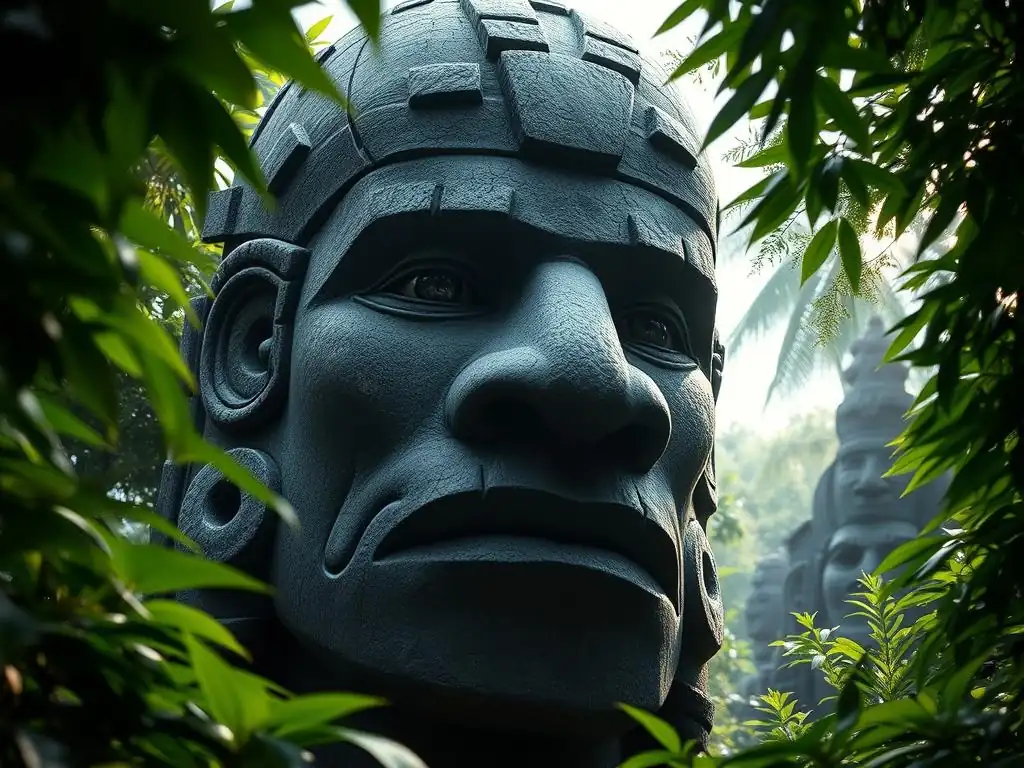
Welcome to "Indigenous Civilizations of the Americas"! Here, we invite you to embark on a captivating journey through the rich tapestry of indigenous cultures that flourished long before European colonization. Our in-depth exploration begins with a fascinating look at Olmec sculpture techniques and themes, unveiling the artistry and innovation of one of the earliest civilizations in Mesoamerica. What secrets do these ancient artworks hold? As you delve deeper into our articles, prepare to uncover the profound achievements and enduring legacies of these remarkable societies. Join us and discover the stories that shaped the Americas!
- Introduction to Olmec Sculpture
- Key Themes in Olmec Sculpture
- Olmec Sculpture Techniques
- Analysis of Iconography in Olmec Sculpture
- Comparative Analysis of Olmec Sculpture Techniques and Themes
- Conclusion
-
Frequently Asked Questions
- What are the main themes found in Olmec sculpture?
- What techniques did the Olmecs use in their sculptures?
- How did Olmec sculpture influence later Mesoamerican cultures?
- What materials were primarily used in Olmec sculptures?
- Why is the study of Olmec sculpture important for understanding indigenous civilizations?
- Final Reflection: The Enduring Legacy of Olmec Sculpture
- Unleash Your Curiosity about Olmec Art!
Introduction to Olmec Sculpture
The Olmec civilization, often regarded as the "mother culture" of Mesoamerica, flourished in what is now southern Mexico from approximately 1200 to 400 BCE. Renowned for their impressive artistic expressions, Olmec sculpture stands out as a testament to the sophistication, creativity, and rich cultural heritage of this ancient society.
This article delves into the intricate themes and techniques employed in Olmec sculpture, highlighting the significance of these artworks in understanding the broader context of Olmec civilization and its enduring influence on subsequent cultures in the Americas. Through this exploration, we aim to illuminate the artistic mastery and cultural narratives embedded within these remarkable sculptural forms, revealing their profound impact on the identity and legacy of indigenous peoples in the region.
Overview of the Olmec Civilization
The Olmec civilization is considered one of the earliest complex societies in Mesoamerica, emerging around 1500 BCE in the fertile lowlands of present-day Veracruz and Tabasco. Characterized by its monumental architecture, sophisticated social organization, and rich artistic traditions, the Olmecs laid the foundation for many cultural developments that would follow in Mesoamerica.
- Key Features of Olmec Society:
- Monumental Architecture: The construction of large ceremonial centers, such as La Venta and San Lorenzo, which featured colossal stone heads and intricate altars.
- Social Hierarchy: Evidence suggests a stratified society with elites who likely controlled trade and religious activities.
- Cultural Exchange: The Olmecs engaged in extensive trade networks, influencing and being influenced by neighboring cultures.
The legacy of the Olmecs is profoundly seen in their artistic techniques and thematic representations, particularly in their sculpture, which reflects both their worldview and societal values.
Importance of Sculpture in Olmec Culture
Sculpture played a pivotal role in Olmec culture, serving not just as artistic expression but also as a means of communication, religious devotion, and political power.
- Functions of Olmec Sculpture:
- Religious Significance: Many sculptures were created for ceremonial purposes, often depicting deities or supernatural beings central to Olmec spirituality.
- Political Symbolism: Colossal heads and other monumental sculptures likely represented rulers or important figures, reinforcing their status and authority within the community.
- Cultural Identity: The distinct styles and motifs in Olmec sculpture contributed to a shared cultural identity among the Olmec people, fostering unity and continuity.
Through these sculptural works, the Olmecs conveyed complex narratives about their beliefs, social structures, and interactions with the surrounding world, making sculpture an essential aspect of their civilization.
Purpose of the Article: Themes and Techniques
This article aims to provide an in-depth analysis of the various themes and techniques utilized in Olmec sculpture, shedding light on the artistic innovations that defined this civilization. We will explore:
- Thematic Elements:
- Religious iconography
- Depictions of social hierarchy
- Nature and its symbolism
- Artistic Techniques:
- Material selection and carving techniques
- Stylistic characteristics
- Innovations in form and scale
By examining these aspects, we hope to offer a comprehensive understanding of how Olmec sculpture not only reflects the aesthetics of the time but also serves as a crucial lens through which we can view the complexities of Olmec society and its lasting impact on the indigenous cultures of the Americas.
Key Themes in Olmec Sculpture
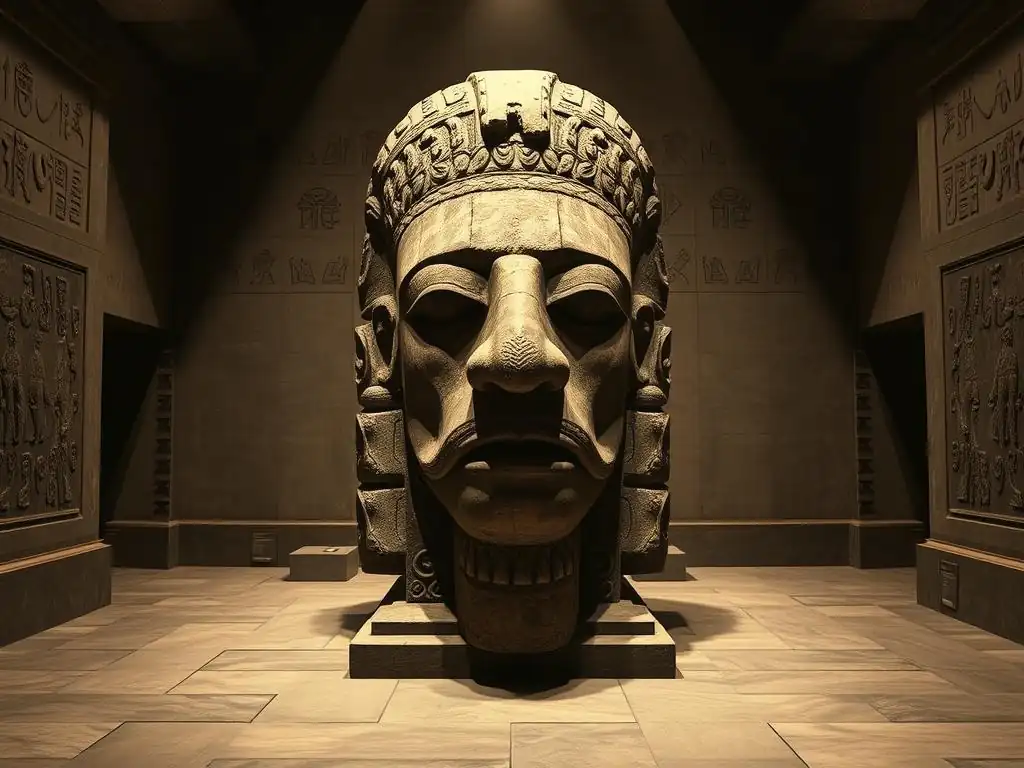
Olmec sculpture is renowned for its intricate designs and profound thematic depth, reflecting the cultural, religious, and political dynamics of one of the earliest civilizations in Mesoamerica. To fully appreciate Olmec sculpture techniques and themes, it is essential to delve into the key thematic elements that permeate these ancient artworks.
Religious and Spiritual Symbolism in Olmec Art
Olmec sculptures are rich in religious and spiritual symbolism, often serving as conduits for the Olmec understanding of the cosmos and the divine. The use of specific motifs and materials in their artworks reveals a deep connection to their spiritual beliefs.
- Sacred Materials: Olmec artists frequently used jade and basalt, materials that held significant value in Olmec cosmology. Jade, in particular, was believed to symbolize life, fertility, and the underworld, making it a preferred medium for various religious artifacts.
- Ceremonial Functions: Many sculptures were created for ceremonial purposes, often depicting deities or important figures involved in rituals. This underscores the role of sculpture not just as art, but as an integral part of religious practice.
- Symbolic Imagery: The presence of motifs such as serpents, jaguars, and other animals in Olmec sculpture speaks to their spiritual beliefs. For instance, the jaguar is often associated with strength and the underworld, embodying the power of nature and the spiritual realm.
Representation of Deities and Mythical Creatures
The Olmec civilization portrayed their deities and mythical creatures with remarkable complexity, which provides insight into their worldview and belief systems.
- Distinctive Features: Olmec sculptures often feature exaggerated facial features and stylized forms, which serve to emphasize the divine or supernatural characteristics of these beings. For example, the "were-jaguar" motif combines human and jaguar traits, symbolizing the connection between humans and powerful animal spirits.
- Iconographic Analysis: By examining the iconography of Olmec sculpture, scholars can identify specific attributes linked to various deities. For instance, the downturned mouth and large eyes often signify a connection to the spiritual or a state of trance, typical in depictions of shamans or divine figures.
- Cultural Significance: These representations not only highlight the Olmec understanding of the divine but also their societal values. The emphasis on powerful beings reflects the civilization's hierarchical structure and the importance of lineage and divine right in governance.
Olmec sculpture also serves as a historical record of social and political themes, illustrating the complexities of their societal structure and interactions.
- Leadership and Authority: Many sculptures depict rulers or elite figures, often adorned with elaborate headdresses and jewelry, signifying their status. These representations communicate the importance of leadership and the divine mandate believed to underpin their authority.
- Community and Warfare: Some sculptures reflect themes of community and conflict, showcasing warriors or scenes of battle. This not only illustrates the Olmec's military prowess but also their communal identity and collective effort in maintaining power and territory.
- Cultural Exchange: The presence of certain motifs and techniques in Olmec sculpture suggests interactions with neighboring cultures. This exchange is evident in the adaptation of styles and themes, which can be seen in other Mesoamerican civilizations that followed.
The analysis of Olmec sculpture reveals a rich tapestry of themes interwoven with their religious beliefs, social hierarchies, and political structures. Understanding these themes not only enhances our appreciation of Olmec art but also provides valuable insights into the civilization's enduring legacy in the Americas.
Olmec Sculpture Techniques
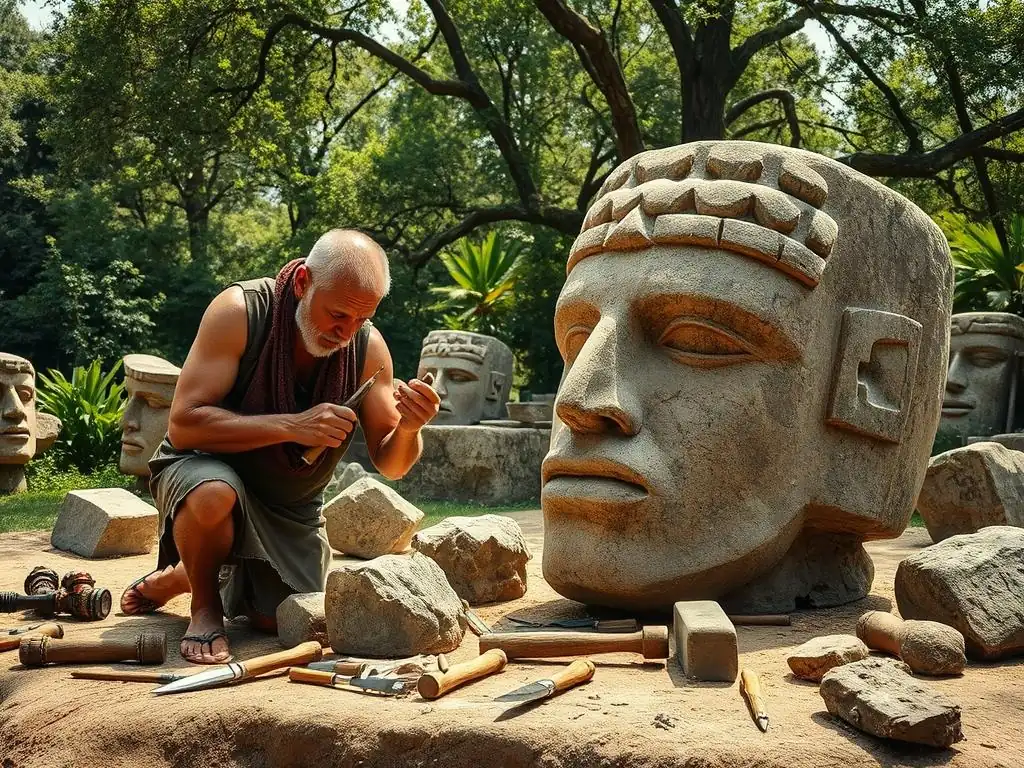
The Olmec civilization, often regarded as the "mother culture" of Mesoamerica, is renowned for its remarkable sculptures that encapsulate their artistic prowess and cultural significance. The techniques employed by Olmec artists not only highlight their mastery of materials but also reflect the themes prevalent in their society. This section delves into the specific methods and materials used in Olmec sculpture, providing insights into their artistic practices.
Materials Used in Olmec Sculpture
The choice of materials is fundamental in understanding Olmec sculpture techniques. The Olmecs predominantly utilized stone and clay, each offering unique properties and aesthetic qualities.
Stone Carving Techniques
Stone was the primary material for Olmec sculptors, with basalt being the most frequently used type. The processes involved in stone carving were intricate and labor-intensive, reflecting the artists' skill and dedication. Here are some key aspects of stone carving techniques:
- Quarrying: The Olmecs sourced stone from nearby riverbeds and mountains, often transporting large boulders over considerable distances. This required advanced logistical planning and communal effort.
- Rough Shaping: Artists began by chiseling away excess material using harder stones or tools made from obsidian. This phase was crucial for defining the general form of the sculpture.
- Detailing: Fine details were added using smaller chisels and abrasives. The Olmecs exhibited exceptional attention to detail, as seen in the intricate facial features and headdresses of their colossal heads and other figures.
- Symbolism: The choice of stone often carried symbolic significance, with certain stones being associated with specific deities or cultural beliefs.
Clay and Ceramics in Olmec Art
In addition to stone, the Olmecs also utilized clay for a variety of artistic expressions, particularly in ceramics and figurines. The techniques involved in clay work included:
- Hand-Building: Most clay sculptures were hand-formed, allowing for a high degree of customization and detail. Artists employed techniques such as coiling and pinching to create shapes.
- Molding: Some artifacts were produced using molds, which enabled the mass production of certain designs, particularly in ceremonial contexts.
- Firing: Once shaped, the clay pieces were fired in kilns or open fires, a process that solidified the material and brought vibrancy to painted designs. The firing temperature and duration significantly affected the finish and durability of the ceramics.
Tools and Methods Employed by Olmec Artists
The effectiveness of Olmec sculpture techniques was largely determined by the tools and methods utilized by artists. These tools were often made from locally available materials and tailored for specific tasks.
Techniques for Shaping and Detailing
The shaping and detailing techniques used by Olmec artists were pivotal in achieving the lifelike qualities seen in their sculptures. Key methods included:
- Direct Carving: This technique involved shaping the sculpture directly from the stone, allowing for spontaneous adjustments and organic forms.
- Abstraction and Stylization: While many Olmec sculptures depict realistic human features, artists also employed abstraction. This involved exaggerating certain features or symbolic elements to convey cultural narratives.
- Layering Techniques: For clay sculptures, layering allowed artists to build up textures and forms, enhancing the visual complexity of their work.
Polishing and Finishing Techniques
The final stages of sculpture creation were essential for achieving the desired aesthetic qualities. Olmec artists employed several finishing techniques:
- Polishing: After shaping, sculptures were polished using finer abrasives, enhancing the surface sheen and highlighting intricate details. This technique contributed to the tactile quality of the sculptures.
- Surface Treatments: Artists often applied natural pigments or coatings to add color and protection to their works. These treatments not only served practical purposes but also enriched the symbolic imagery of the sculptures.
- Contextual Placement: The final presentation of sculptures in public or ceremonial spaces was also a part of the finishing process. The context in which sculptures were displayed added layers of meaning and significance to the artwork.
The techniques and materials used in Olmec sculpture reflect a sophisticated understanding of artistry and cultural expression. Through their innovative practices, Olmec artists created timeless works that continue to captivate and inform our understanding of this ancient civilization.
Analysis of Iconography in Olmec Sculpture
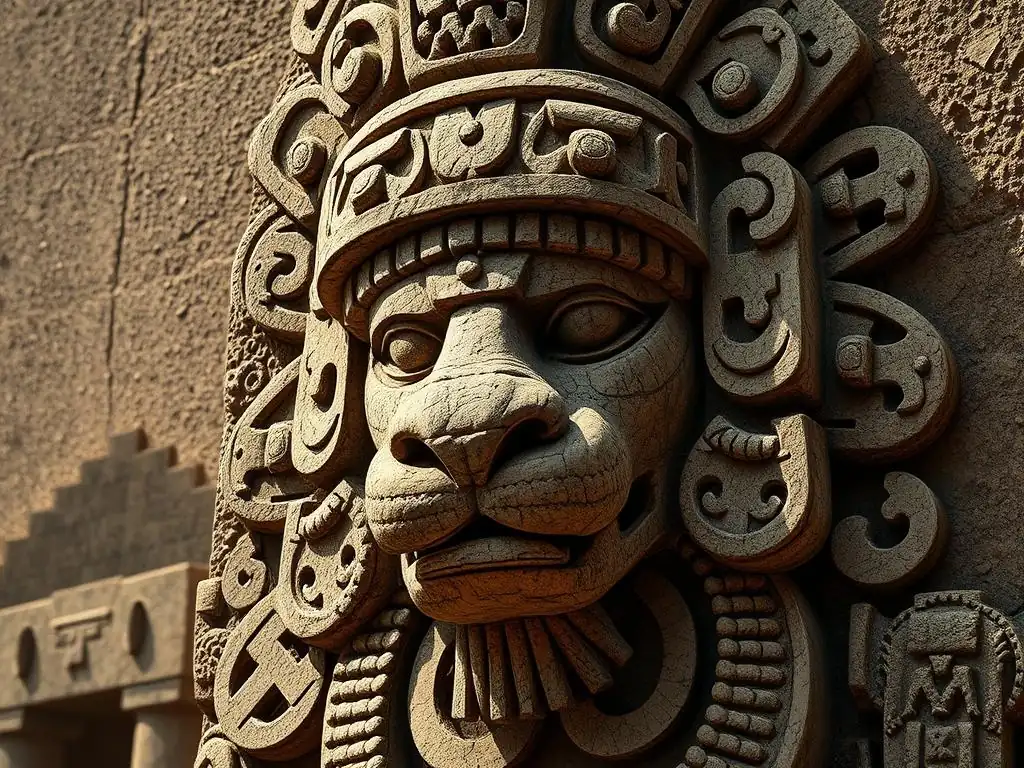
The Olmec civilization, often regarded as the "mother culture" of Mesoamerica, left an indelible mark on the artistic landscape of the region through its unique and highly developed sculptural traditions. The iconography in Olmec sculpture serves not only as a form of artistic expression but also as a vital means of communication, conveying complex social, political, and spiritual messages. This analysis seeks to delve into the iconographic elements, the role of sculpture in rituals, and the interpretation of common motifs that are characteristic of Olmec artistry.
Iconographic Elements in Olmec Art
Olmec sculpture is distinguished by its distinctive iconographic elements that often embody dual meanings and layered symbolism. Some of the most notable features include:
- Colossal Heads: Perhaps the most iconic representation of Olmec artistry, these monumental stone heads, ranging from 5 to 11 feet tall, are believed to depict rulers or important figures. Each head is characterized by a unique facial expression and headdress, which may signify status or authority.
- Jaguar Imagery: The jaguar is a recurring motif in Olmec sculpture, often symbolizing power, strength, and the underworld. This can be seen in various artifacts, where jaguar features are integrated into human forms, suggesting a shamanic connection between humans and this revered animal.
- Human-Animal Hybrids: Many sculptures exhibit a fusion of human and animal traits, reflecting the Olmec belief in the interconnectedness of all living beings. These hybrid figures may represent deities or spiritual entities, serving as a bridge between the earthly and the divine.
- Ceremonial Objects: Objects such as altars, thrones, and stelae are often adorned with intricate carvings that depict scenes of ritual and cosmology. The careful arrangement of these elements within the sculptures indicates their significance in religious practices.
These iconographic elements highlight the Olmec's sophisticated understanding of symbolism and their ability to communicate complex ideas through art.
The Role of Olmec Sculpture in Rituals and Ceremonies
Olmec sculptures played a crucial role in various rituals and ceremonies, serving as focal points for spiritual and communal activities. The following aspects illustrate their importance:
- Ritual Offerings: Many sculptures were used as offerings in religious ceremonies. They were often placed in sacred spaces to honor deities or ancestors, reinforcing social hierarchies and communal identity.
- Burial Practices: Sculptural artifacts have been discovered in burial sites, indicating their significance in funerary rites. These sculptures likely acted as guardians for the deceased, ensuring safe passage to the afterlife.
- Public Displays: Colossal heads and other large sculptures were often placed in public areas, serving as symbols of power and prestige. They reinforced the authority of rulers and acted as a reminder of the civilization's achievements.
- Shamanistic Practices: The hybrid figures, particularly those depicting human-animal forms, suggest a connection to shamanistic rituals. These sculptures may have been used in ceremonies aimed at invoking spiritual protection or guidance.
The multifaceted role of sculpture in Olmec rituals underscores the integral connection between art and spirituality in their society.
Interpretation of Common Motifs in Olmec Sculpture
Understanding the motifs present in Olmec sculpture requires an analysis of their cultural significance. Key motifs include:
- The Olmec Dragon: This motif combines elements of different animals, symbolizing a powerful entity that embodies chaos and creation. The dragon is often associated with water and fertility, reflecting the Olmec's reliance on agriculture.
- Cleft Heads: Often seen in smaller figurines, cleft heads may represent themes of duality or transformation. They suggest a concept of identity that transcends the physical realm, possibly connected to shamanistic beliefs.
- The Earth Monster: Depicted as a creature emerging from the earth, this motif signifies the relationship between the Olmec and their environment. It emphasizes themes of life, death, and rebirth, which were crucial to their cosmology.
- Symbolic Postures: The positioning of figures—whether seated, standing, or reclining—carries meaning related to status, power, and ritual significance. The careful portrayal of these postures indicates the importance of body language in Olmec culture.
The motifs found in Olmec sculpture reflect the complex worldview of the Olmec civilization, intertwining themes of power, spirituality, and nature. By analyzing these elements, we gain insight into the profound cultural significance of Olmec art and its enduring legacy.
Comparative Analysis of Olmec Sculpture Techniques and Themes
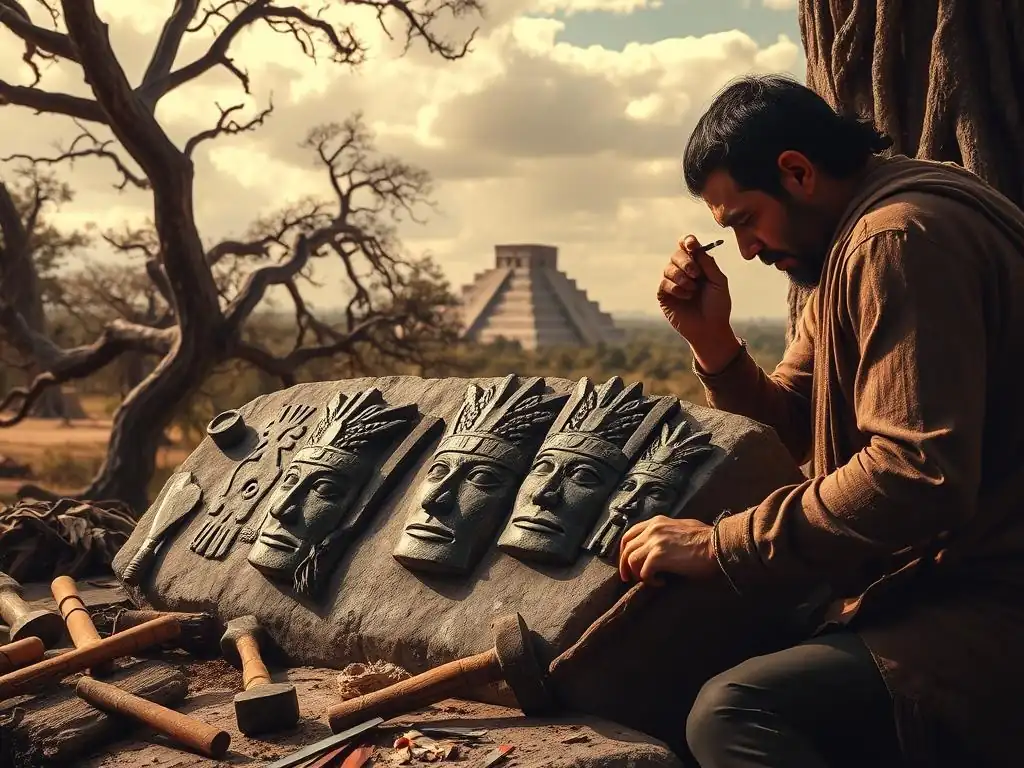
Comparison with Other Mesoamerican Cultures
The Olmec civilization, often regarded as the "mother culture" of Mesoamerica, has left a profound legacy in the realm of sculpture. To fully appreciate Olmec sculpture techniques and themes, it is essential to compare them with those of contemporaneous and subsequent Mesoamerican cultures such as the Maya and the Zapotecs.
Similarities and Differences in Techniques
-
Material Usage:
Olmec artists predominantly utilized basalt and jade for their sculptures, reflecting both the availability of these materials in their environment and their cultural significance. In contrast, the Maya often employed limestone, which was abundant in their territories. This choice of materials influenced the texture and durability of the sculptures produced by each civilization.
-
Carving Techniques:
The Olmecs are known for their highly polished surfaces and intricate details, which were achieved through advanced techniques such as pecking and polishing. This meticulous approach can be seen in their colossal heads, which display a remarkable level of craftsmanship. The Maya, while also skilled carvers, often incorporated more varied techniques, such as incising and painting, which provided a different aesthetic experience.
-
Scale and Composition:
Olmec sculptures often feature large, monumental forms, such as the colossal heads that can reach heights of over three meters. This emphasis on scale is less pronounced in Maya sculpture, where a variety of sizes, from monumental to small figurines, were common. The Zapotecs, on the other hand, created sculptural elements that were often integrated into architectural features, blending art with their structures.
Thematic Connections Across Cultures
The thematic elements present in Olmec sculpture resonate with those found in later Mesoamerican art, revealing a shared cultural narrative.
-
Representation of Rulers and Deities:
Both Olmec and Maya sculptures frequently depict rulers and divine figures, underscoring the importance of leadership and religion in their societies. The Olmec colossal heads are often interpreted as representations of rulers, while Maya stelae often feature carved images of kings engaging in ritual activities.
-
Symbolism and Mythology:
The Olmec culture is rich in symbolism, with many sculptures believed to depict mythological themes, such as jaguars and other powerful animals. This symbolic language persisted in later Mesoamerican cultures, where animals and natural elements held significant meaning, often reflecting the culture's worldview and cosmology.
-
Ceremonial Function:
Both Olmec and Maya sculptures served ceremonial purposes, often associated with rituals and public displays. The placement of Olmec sculptures in ceremonial centers indicates their role in social and religious activities, a theme that continued with the Maya's use of sculpture in temples and plazas.
Influence of Olmec Sculpture on Later Civilizations
The impact of Olmec sculpture techniques and themes on subsequent Mesoamerican civilizations is undeniable and multifaceted.
-
Artistic Techniques:
The precision and craftsmanship exhibited in Olmec sculpture set a standard for later civilizations. The Maya, for instance, adopted and adapted Olmec carving techniques, leading to the creation of their own intricate sculptures, which reflect both continuity and innovation in artistic practices.
-
Cultural Themes:
The thematic focus on rulers and deities observed in Olmec art influenced the iconography of later Mesoamerican cultures. The reverence for powerful figures and the integration of mythology into art can be traced back to Olmec precedents, shaping how later societies expressed their identities and beliefs through sculpture.
-
Architectural Integration:
The Olmec practice of monumental sculpture laid the groundwork for the architectural styles of later civilizations. The combination of sculpture with architecture, seen in the grand temples of the Maya and the Zapotecs, can be linked to Olmec traditions, illustrating the evolution of artistic expression through cultural exchange and adaptation.
The comparative analysis of Olmec sculpture techniques and themes reveals significant similarities and differences with other Mesoamerican cultures. The Olmec legacy, in terms of both technique and thematic content, has profoundly influenced the artistic expressions of later civilizations, underscoring the interconnectedness of Mesoamerican cultures throughout history.
Conclusion
Summary of Key Olmec Sculpture Techniques and Themes
The Olmec civilization, often referred to as the "mother culture" of Mesoamerica, is renowned for its distinctive sculpture techniques and thematic expressions that have left a lasting legacy in the realm of ancient art. Key techniques include:
- Stone Carving: The Olmecs primarily used basalt to create their monumental sculptures, such as colossal heads and altars. The precision in their carving showcases advanced artistic skill, with tools likely made from harder stones like obsidian or jade.
- Naturalistic Representation: Olmec artists excelled in creating lifelike forms, capturing not only physical characteristics but also the essence of their subjects. This is evident in the intricate facial expressions and body postures of their sculptures.
- Iconography: The themes often reflect a blend of religious and societal beliefs, with motifs like jaguars, serpents, and human figures signifying power and divinity. The use of these symbols reveals a complex worldview that intertwined nature and mythology.
- Polychromy: Some sculptures were originally painted with vibrant colors, a technique that added depth and vibrancy to their works, though much of this has faded over time.
The combination of these techniques contributes to the overall aesthetic and cultural significance of Olmec sculpture, making it a pivotal study in understanding the artistic traditions of ancient Mesoamerica.
The Lasting Impact of Olmec Art on Indigenous Cultures
Olmec sculpture has significantly influenced subsequent indigenous cultures across Mesoamerica. The adoption and adaptation of Olmec artistic elements can be seen in various later civilizations, including the Maya and the Zapotecs. Several aspects of this impact include:
- Artistic Techniques: The sculptural practices developed by the Olmecs set a foundation for stone carving that would be refined and expanded by later cultures. The attention to detail and the use of iconography became standard practices in Mesoamerican art.
- Cultural Symbolism: The thematic elements introduced by the Olmecs, such as the reverence for natural forces and the divine, permeated the art and mythology of later civilizations. These motifs remained central in the iconography of subsequent cultures, signifying a continuity of cultural expression.
- Architectural Influence: The monumental scale of Olmec sculpture also influenced the architectural styles of later Mesoamerican societies, where large-scale stone constructions became a hallmark of cultural identity.
- Spiritual Connections: Many of the themes found in Olmec art are echoed in the spiritual practices of later indigenous peoples, emphasizing the interconnectedness of art, religion, and community identity.
Overall, the Olmec civilization's artistic legacy continues to resonate through the rich tapestry of Mesoamerican cultures, underscoring the importance of their contributions to the continent's indigenous heritage.
Future Research Directions in Olmec Sculpture Studies
The study of Olmec sculpture is an evolving field, offering numerous avenues for future research. Potential directions include:
- Technological Analysis: Advancements in technology, such as 3D scanning and imaging, can provide deeper insights into the techniques used by Olmec artists, enabling researchers to reconstruct ancient methods of sculpture-making.
- Cultural Context Studies: Further examination of the social and political contexts in which these sculptures were created can enhance our understanding of their significance. Investigating the relationship between the art and the ruling elite may reveal insights into the Olmec societal structure.
- Comparative Studies: Analyzing Olmec sculpture in relation to contemporaneous cultures across the Americas could shed light on shared influences and distinct practices, highlighting the diversity of indigenous artistic expression.
- Preservation Efforts: As many Olmec sculptures face threats from environmental factors and human activity, research into preservation techniques is vital. This will ensure the longevity of these culturally significant artifacts for future generations.
By pursuing these research directions, scholars can continue to enrich our understanding of Olmec sculpture techniques and themes, ensuring that the legacy of this remarkable civilization remains a focal point in the study of ancient indigenous art.
Frequently Asked Questions
What are the main themes found in Olmec sculpture?
Olmec sculptures often depict mythological figures, animal motifs, and human forms. These themes reflect their spiritual beliefs and societal values.
What techniques did the Olmecs use in their sculptures?
The Olmecs employed techniques such as carving from stone, modeling clay, and using bas-relief to create intricate details in their artworks.
How did Olmec sculpture influence later Mesoamerican cultures?
Olmec sculpture laid the groundwork for later Mesoamerican civilizations by establishing stylistic conventions and artistic themes that would be adopted and adapted by cultures like the Maya and Aztecs.
What materials were primarily used in Olmec sculptures?
The Olmecs commonly used materials like basalt, jade, and serpentine. These materials were prized for their durability and beauty, allowing for detailed artistry.
Why is the study of Olmec sculpture important for understanding indigenous civilizations?
Studying Olmec sculpture provides insight into the cultural practices, social structures, and belief systems of ancient civilizations, highlighting their artistic achievements and historical significance.
Final Reflection: The Enduring Legacy of Olmec Sculpture
The intricate themes and techniques of Olmec sculpture resonate profoundly in today's artistic and cultural landscape. As we explore the rich heritage of this ancient civilization, we uncover not only the technical prowess of the Olmec artists but also the deep symbolism embedded in their work. These sculptures serve as a testament to the creativity and complexity of human expression, reminding us that art is a timeless bridge connecting past and present.
Contemplating the influence of Olmec sculpture on contemporary art and culture reveals a tapestry of inspiration that continues to weave its way through modern creativity. The themes of identity, spirituality, and nature found in Olmec art have paved the way for countless artists to explore similar motifs in their own work. > “Art is the most beautiful of all lies.” This quote encapsulates the essence of how ancient techniques and themes can inspire new narratives, encouraging us to reinterpret our own experiences through the lens of history.
As we reflect on the lessons gleaned from Olmec sculpture, let us embrace the call to create and innovate in our own lives. Consider how the themes of the past can inform your present and future artistic endeavors. Whether you are an artist, a student, or simply an admirer of art, take a moment to explore the depths of your creativity and the stories you wish to tell, drawing inspiration from the rich legacy of the Olmec civilization.
Unleash Your Curiosity about Olmec Art!
Thank you for taking the time to delve into the fascinating world of Olmec sculpture with us! We hope you gained valuable insights into the themes and techniques that define this ancient art form. Now, let’s take the next step on this journey of exploration and appreciation.
Here are a few ways you can deepen your understanding and connection to Olmec art:
- Visit a local museum or cultural center that features Indigenous art and ask about their exhibits on Olmec culture. Experiencing these pieces in person can truly bring them to life!
- Join an online discussion group focused on Indigenous art to share your thoughts and learn from others. Connect with fellow enthusiasts and expand your network!
- Create your own art inspired by Olmec themes or techniques. Try your hand at sculpting or drawing, channeling the deep symbolism and intricate patterns of this remarkable culture!
What aspect of Olmec art resonates with you the most, and how do you plan to explore it further? We’d love to hear your thoughts!