
The Interconnections Between Indigenous Slavery and European Colonization

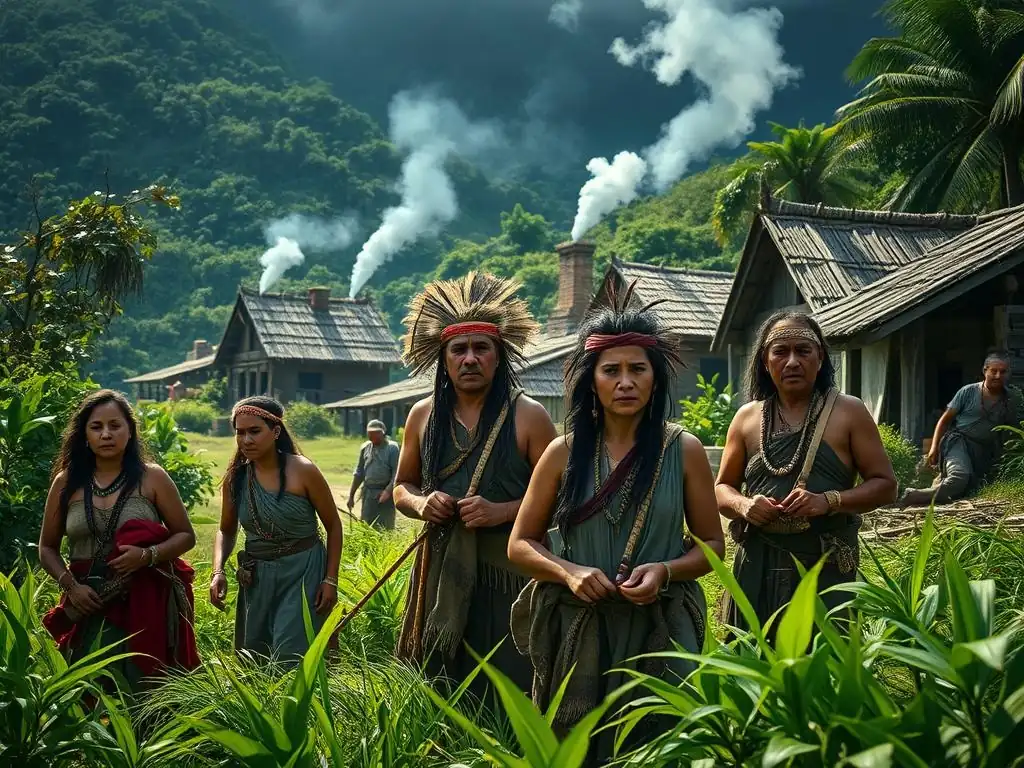
Welcome to Indigenous Civilizations of the Americas, where we embark on a captivating journey through the rich tapestry of indigenous cultures that flourished long before European contact. In our exploration of Indigenous slavery and colonization impact, we uncover the profound and often overlooked connections between these two pivotal historical phenomena. What were the true consequences of colonization on indigenous societies?
How did these cultures adapt and resist? Join us as we delve deeper into their stories, achievements, and the lasting legacies that continue to shape our world today. Prepare to be enlightened and inspired as you navigate through the pages of history!
- Introduction to Indigenous Slavery and European Colonization
- Historical Background of European Colonization
- The Nature of Indigenous Slavery
- The Interconnection Between Indigenous Slavery and Colonization
- Case Studies of Indigenous Slavery in Different Regions
- The Long-term Impact of Indigenous Slavery and Colonization
- Myths and Realities of Indigenous Slavery and Colonization
- Conclusion: Understanding the Interconnections
-
Frequently Asked Questions
- What is the main focus of the article "The Interconnections Between Indigenous Slavery and European Colonization"?
- How did European colonization affect indigenous cultures?
- What role did indigenous slavery play during colonization?
- What are the long-term impacts of indigenous slavery and colonization?
- How can understanding these interconnections help us today?
- Final Reflection: Understanding the Deep Roots of Indigenous Slavery and Colonization Impact
- Unveil the Hidden Connections and Take Action!
Introduction to Indigenous Slavery and European Colonization
The history of the Americas is rich with the stories of diverse indigenous cultures that flourished long before European contact. However, the arrival of European colonizers brought profound changes, leading to complex interconnections between indigenous slavery and colonization. This article seeks to explore the intricate dynamics of these relationships, focusing on how indigenous slavery was both a consequence of and a contributor to the processes of colonization.
By examining the impact of colonization on indigenous societies, we can gain a deeper understanding of the struggles and resilience of these cultures amidst profound societal shifts. The keyword "Indigenous slavery and colonization impact" will guide our exploration of this significant historical narrative.
Overview of Indigenous Cultures in the Americas
Indigenous cultures in the Americas were incredibly diverse, encompassing a wide range of societies, languages, and traditions. From the complex urban centers of the Aztecs and Incas to the nomadic tribes of the Great Plains, these civilizations demonstrated remarkable adaptability and innovation.
- Societal Structures: Many indigenous societies had intricate social hierarchies and governance systems. For instance:
- The Iroquois Confederacy established a sophisticated political alliance among different nations.
- The Maya civilization developed a highly organized city-state system with advanced agricultural practices.
- Cultural Achievements: Indigenous peoples contributed significantly to art, science, and agriculture:
- Agricultural Innovations: Crops such as maize, potatoes, and beans were cultivated extensively.
- Artistic Expression: From intricate pottery to elaborate textiles, indigenous art reflects a deep connection to their environment and beliefs.
Understanding these cultures is crucial to grasping the drastic changes that occurred with European colonization and the subsequent emergence of indigenous slavery.
Definition and Context of Indigenous Slavery
Indigenous slavery refers to the practice of enslaving individuals from indigenous communities, which was prevalent in various forms before and during the European colonization of the Americas. This practice can be contextualized in several ways:
- Pre-Colonial Practices: Some indigenous societies engaged in forms of servitude, often as a result of warfare or social stratification. For example:
- Among the Aztecs, captives taken in battle could be forced into labor or servitude.
- Impact of European Colonization: The arrival of Europeans intensified the practice of indigenous slavery:
- Colonizers often exploited existing social structures, leading to the enslavement of indigenous populations for labor in mines, plantations, and households.
- The encomienda system exemplified this, as Spanish settlers were granted rights to indigenous labor in exchange for their protection and Christianization.
This context highlights how indigenous slavery was not only a continuation of pre-existing practices but was also transformed under colonial pressures.
Significance of Colonization in Indigenous Societies
Colonization had far-reaching effects on indigenous societies that went beyond slavery. The significance of this period can be understood through various lenses:
- Demographic Changes: The introduction of diseases such as smallpox decimated indigenous populations, leading to significant societal upheaval.
- Cultural Disruption: Colonization often resulted in the erosion of traditional practices and languages as European powers imposed their own systems.
- Resistance and Resilience: Despite the harsh realities of colonization and slavery, many indigenous groups displayed remarkable resilience through acts of resistance, adaptation, and preservation of their cultures.
The interplay between indigenous slavery and European colonization reveals a complex historical narrative that underscores the resilience of indigenous peoples and highlights the profound impacts of colonization on their cultures and societies. This exploration serves not only to illuminate a crucial aspect of history but also to honor the legacy of these civilizations that continue to influence the Americas today.
Historical Background of European Colonization
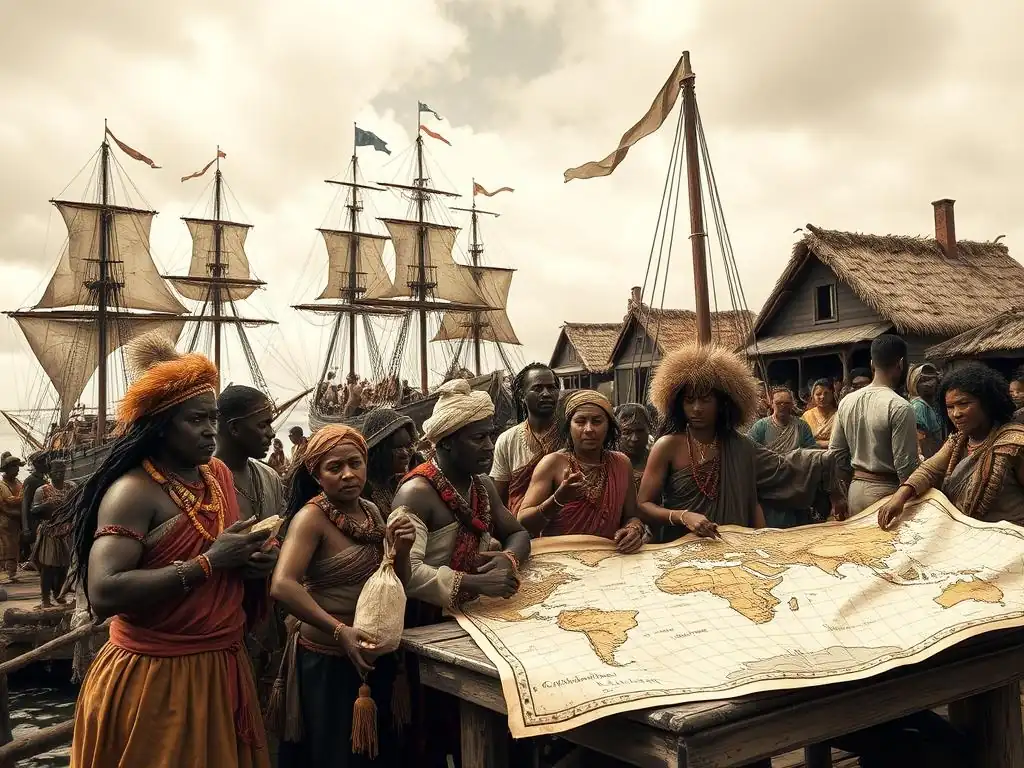
The arrival of Europeans in the Americas marked a significant turning point in global history, leading to profound changes in the lives of indigenous populations. This section delves into the timeline of European arrival, key figures involved in the colonization process, and the initial interactions that set the stage for subsequent events.
Timeline of European Arrival in the Americas
The timeline of European arrival in the Americas highlights crucial events that shaped the encounter between indigenous peoples and European colonizers. Below is a brief overview:
- 1492: Christopher Columbus lands in the Bahamas, initiating widespread European exploration and claims in the New World.
- 1497: John Cabot reaches the northeastern coast of North America, further stimulating European interest in the continent.
- 1513: Juan Ponce de León explores Florida, marking the beginning of Spanish colonization in North America.
- 1533: The Spanish conquest of the Inca Empire begins, demonstrating the military prowess and ambitions of European powers in the region.
- 1607: The establishment of Jamestown in Virginia marks the first permanent English settlement in America.
- 1620: The Pilgrims arrive at Plymouth Rock, leading to further English colonization efforts in New England.
- 1670: The founding of Charles Town (now Charleston) in South Carolina signifies increasing European settlement and its impact on indigenous populations.
This timeline underscores the rapid escalation of European colonization and its implications for indigenous communities, setting the groundwork for indigenous slavery and colonization impact.
Key Figures in the Colonization Process
Numerous individuals played pivotal roles in shaping the landscape of the Americas during the colonization era. Below are some key figures and their contributions:
- Christopher Columbus: Often credited with "discovering" the Americas, his voyages initiated extensive European exploration and exploitation of indigenous lands.
- Hernán Cortés: The Spanish conquistador who led the expedition that resulted in the fall of the Aztec Empire, showcasing the violent nature of European expansion.
- Francisco Pizarro: Responsible for the conquest of the Inca Empire, his actions exemplified the devastating impact of European colonization on indigenous societies.
- Samuel de Champlain: Known as the "Father of New France," he played a crucial role in establishing French settlements and alliances with various indigenous groups.
- William Penn: Founder of Pennsylvania, he promoted peaceful relations with Native Americans, contrasting with the often violent approaches of other colonizers.
These figures exemplified the diverse motivations and methods behind European colonization, deeply influencing the dynamics of indigenous slavery and colonization impact.
Initial Interactions Between Europeans and Indigenous Peoples
The initial interactions between Europeans and indigenous peoples were complex and varied widely depending on the region and the groups involved. Key aspects of these interactions include:
- Cultural Exchanges: Early encounters often involved trade, where indigenous peoples exchanged goods such as furs, food, and knowledge for European items like metal tools and textiles. This exchange laid the groundwork for future economic interactions.
- Misunderstandings and Conflicts: Differing worldviews and values often led to misunderstandings. Europeans viewed land ownership differently than indigenous peoples, leading to conflict over land use and rights. For instance, the concept of land as a commodity was foreign to many indigenous cultures.
- Diseases: The arrival of Europeans brought devastating diseases such as smallpox, which decimated indigenous populations who had no immunity to these foreign pathogens. This biological impact was one of the most significant consequences of early interactions.
- Slavery and Servitude: As colonization progressed, some indigenous groups were enslaved or forced into servitude, profoundly affecting their societies. The transition from initial trade relationships to exploitation set the stage for broader systems of indigenous slavery that emerged as colonization intensified.
These initial interactions illustrate the multifaceted nature of the early encounters between Europeans and indigenous peoples, highlighting the profound and often tragic consequences of European colonization on indigenous societies.
The Nature of Indigenous Slavery
Forms of Indigenous Slavery Before Colonization
Before European colonization, various forms of indigenous slavery existed among the diverse cultures of the Americas. These systems were often contextual, reflecting the social, economic, and spiritual frameworks of the communities involved. Notably, slavery among indigenous peoples was not uniform and could vary significantly from one region to another.
- War Captives: Many indigenous societies practiced slavery primarily as a result of warfare. Captives taken during conflicts were often integrated into the victor's community as slaves. This form of slavery could serve multiple purposes, including labor, ritual sacrifice, and even as a means of maintaining social balance by absorbing defeated enemies.
- Debt Servitude: In some cultures, individuals could become enslaved as a result of indebtedness. This practice allowed individuals to work off their debts, sometimes temporarily, reflecting a more flexible and socially integrated form of servitude than what would later be imposed by European colonizers.
- Hereditary Slavery: Certain tribes practiced hereditary slavery, where the status of being a slave was passed down through generations. This often led to complex social systems where slaves could be assimilated into the community while still maintaining their lower status.
- Ritual Slavery: Some indigenous cultures engaged in ritual slavery, where specific individuals were enslaved for religious or ceremonial purposes. This form of slavery often held significant cultural importance, intertwining with the community's spiritual beliefs.
Impact of European Demand on Indigenous Labor
The arrival of European colonizers dramatically transformed the landscape of indigenous slavery. European demand for labor led to significant changes in the indigenous systems already in place:
- Exploitation of Existing Systems: European colonizers exploited existing indigenous slavery systems, often forcing indigenous groups to capture and enslave members of rival tribes to meet labor demands. This practice intensified intertribal conflicts and disrupted longstanding social structures.
- Introduction of New Labor Practices: Europeans introduced new agricultural practices and production methods that required large labor forces. Indigenous peoples were coerced into working on plantations, mines, and in households, often under brutal conditions. The shift towards cash crops, such as sugar and tobacco, led to an increased demand for labor that outstripped the availability of willing workers.
- Decline of Indigenous Populations: The introduction of European diseases devastated indigenous populations, leading to a labor shortage that further intensified the demand for enslaved individuals. As indigenous communities struggled to maintain their numbers, colonizers increasingly turned to importing enslaved Africans, creating a devastating shift in the region's labor dynamics.
- Legal Codification: European powers began to codify and formalize slavery within their colonies, creating a legal framework that stripped indigenous peoples of their rights and reduced them to property. This legal recognition of slavery further entrenched the institution and facilitated its expansion.
Comparison of Indigenous Slavery and European Slave Systems
The systems of slavery practiced by indigenous peoples and those imposed by European colonizers exhibited significant differences, reflecting their distinct cultural and economic contexts:
| Aspect | Indigenous Slavery | European Slave Systems |
|---|---|---|
| Origins | Often based on war, debt, or ritual | Primarily based on race and economic exploitation |
| Treatment of Slaves | Varied; could include integration into society | Generally dehumanizing and brutal, with little to no rights |
| Social Mobility | Some opportunities for integration and mobility | Rare; slaves were seen as property and had no rights |
| Heritability | Sometimes hereditary, but not universally | Generally hereditary; children of slaves were born into slavery |
| Purpose | Labor, ritual, and social balance | Primarily economic gain and labor exploitation |
The differences in these systems highlight the complexities of indigenous slavery and its transformation under European colonization. While indigenous slavery often stemmed from social and cultural practices, European systems were driven by economic motives and racial ideologies, leading to a far more oppressive and inhumane institution. Understanding these distinctions is crucial in analyzing the broader impacts of colonization on indigenous societies and their labor systems.
The Interconnection Between Indigenous Slavery and Colonization
The relationship between indigenous slavery and European colonization is multifaceted and deeply intertwined. As European powers sought to expand their empires in the Americas, they not only imposed their cultural and political systems but also exploited the existing social structures of indigenous populations. This exploitation often manifested in the form of slavery, which played a crucial role in shaping the economic systems of the colonies while simultaneously altering the fabric of indigenous societies.
The Role of Indigenous Slavery in European Economic Systems
Indigenous slavery became a foundational element of European colonial economies. European settlers, particularly in regions like the Caribbean and parts of South America, relied heavily on the enslavement of indigenous peoples to cultivate cash crops such as sugar, tobacco, and cotton. This reliance was driven by several factors:
- Labor Shortages: The initial attempts to enslave African populations were met with challenges, leading to a greater reliance on indigenous labor. European colonizers often viewed indigenous peoples as a readily available workforce.
- Economic Exploitation: Indigenous slaves were exploited for their knowledge of local agriculture and land management. Many European settlers lacked the expertise to cultivate the land effectively and relied on indigenous knowledge to maximize production.
- Trade Networks: The enslavement of indigenous peoples facilitated the establishment of trade networks. Indigenous slaves were often traded among European powers, creating a market that further entrenched the practice of slavery within colonial economies.
- Revenue Generation: The profits generated from the exploitation of indigenous labor significantly contributed to the wealth of colonial powers. This economic gain fueled further colonial expansion and reinforced the systems of oppression.
Through these mechanisms, indigenous slavery not only supported the economic interests of European colonizers but also laid the groundwork for a system of exploitation that would persist for centuries.
The introduction of European colonization profoundly altered existing social structures within indigenous communities. The dynamics of power, governance, and cultural practices were significantly impacted:
- Disruption of Traditional Leadership: European colonizers often dismantled existing political structures, undermining traditional leaders and establishing new hierarchies that favored European interests. This led to a loss of autonomy and cultural identity among indigenous groups.
- Gender Roles: The imposition of European gender norms transformed the roles of men and women within indigenous societies. Many indigenous cultures traditionally held egalitarian views regarding gender, but colonization often enforced patriarchal structures that marginalized women.
- Cultural Assimilation: The forced integration of European customs and practices led to a decline in indigenous languages, religions, and traditions. Many indigenous peoples were coerced into adopting Christianity, which further eroded their cultural heritage.
- Conflict and Resistance: The changes brought about by colonization frequently resulted in conflict, as indigenous groups resisted enslavement and the loss of their lands. This resistance often took the form of uprisings, which were met with brutal retaliation from colonial powers.
The social upheaval caused by colonization was profound, resulting in lasting impacts that continue to affect indigenous communities today.
The Transformation of Indigenous Societies Under European Rule
The transformation of indigenous societies under European rule was marked by both resilience and adaptation. While many communities faced devastating losses, others found ways to navigate the challenges posed by colonization:
- Cultural Syncretism: In response to the pressures of colonization, some indigenous groups blended their traditional practices with European influences, creating new cultural forms. This syncretism can be seen in music, art, and religious practices, which reflect a fusion of indigenous and European elements.
- Adaptation of Economic Practices: Many indigenous peoples adapted their economic practices to survive within the colonial system. This included engaging in trade with Europeans, utilizing new agricultural techniques, or even participating in the slave trade themselves as a means of survival.
- Preservation of Identity: Despite the overwhelming pressures to assimilate, many indigenous communities took active measures to preserve their identities. This included maintaining their languages, traditions, and spiritual practices in the face of colonial oppression.
- Formation of Alliances: In some cases, indigenous groups formed alliances with European powers to resist other colonial entities or rival indigenous groups. This strategic cooperation often reflected a pragmatic approach to survival amid the complexities of colonial dynamics.
The transformation of indigenous societies under European rule was not merely a process of loss; it also involved adaptation and resilience in the face of profound change. Understanding these dynamics is crucial to grasping the full impact of indigenous slavery and colonization on the cultures of the Americas.
Case Studies of Indigenous Slavery in Different Regions
Indigenous Slavery in North America
Indigenous slavery in North America was a complex institution that varied across different tribes and regions. While many Native American societies practiced forms of servitude, these practices were distinct from European notions of chattel slavery. Instead, captives were often incorporated into the tribe, sometimes being adopted into families or used as laborers without the permanent status of property.
Forms of Slavery
- War Captives: Many tribes, such as the Iroquois and Sioux, captured members of rival tribes during conflicts. These captives were sometimes adopted, while others were forced into labor or ritual sacrifice.
- Debt Slavery: In some cultures, individuals could become enslaved due to debts. This form of servitude was temporary and often aimed at restoring balance within the community.
Impact of European Colonization
The arrival of European colonizers drastically altered the dynamics of indigenous slavery. European powers sought to exploit the existing systems, leading to:
- Increased Demand: The fur trade and agricultural expansion created a demand for labor, often leading to the increased capture and enslavement of indigenous peoples.
- Intertribal Warfare: European colonizers supplied weapons to tribes, exacerbating conflicts and increasing the number of captives taken.
Indigenous Slavery in Central America
In Central America, indigenous slavery was embedded in the socio-economic structures of pre-Columbian civilizations, such as the Maya and Aztec. These societies had intricate systems of labor and servitude that were transformed by European colonization.
Characteristics of Indigenous Slavery
- Maya Civilization: The Maya engaged in various forms of slavery, which included ajawil, a term for slaves who could own property and had certain rights. Slaves were typically acquired through warfare or as punishment for crimes.
- Aztec Empire: The Aztecs practiced a form of slavery known as tlacotin, where individuals could become slaves due to war, debt, or as punishment. Unlike European slavery, these individuals had opportunities for social mobility.
Consequences of Colonization
European colonization had profound effects on indigenous slavery in Central America:
- Encomienda System: The Spanish established the encomienda system, which granted colonizers the right to extract labor from indigenous communities, effectively replacing existing forms of servitude with a system that resembled slavery.
- Decline of Indigenous Populations: Diseases brought by Europeans, coupled with harsh labor conditions, led to significant declines in indigenous populations, further entrenching the reliance on enslaved labor from Africa.
Indigenous Slavery in South America
In South America, indigenous slavery was prevalent among various civilizations, including the Inca and the Guarani. These societies had complex hierarchies and systems of labor that were significantly impacted by European colonization.
Structure of Indigenous Slavery
- Inca Empire: The Inca utilized a system of mit'a, a form of labor draft where community members were required to work on state projects, but this was not slavery in the European sense. Captives from enemy tribes could be forced into labor but often had the potential for integration into Inca society.
- Guarani Peoples: The Guarani practiced forms of servitude, where captives could be absorbed into the tribe. However, with the arrival of Europeans, many Guarani were enslaved for labor in plantations.
Effects of European Colonization
The impact of European colonization on indigenous slavery in South America was profound:
- Expansion of Slave Trade: The demand for labor in sugar and tobacco plantations led to the increased capture and enslavement of indigenous peoples, often pushing them into European-style slavery.
- Cultural Disruption: The introduction of European systems of exploitation disrupted traditional practices and contributed to the collapse of indigenous societies.
The study of indigenous slavery across North America, Central America, and South America reveals a variety of practices that were fundamentally altered by European colonization. The intersection of indigenous slavery and colonization has had lasting implications on the social, cultural, and economic landscapes of the Americas. Understanding these dynamics is essential in exploring the broader impacts of colonization on indigenous civilizations.
The Long-term Impact of Indigenous Slavery and Colonization
Cultural Consequences of Indigenous Enslavement
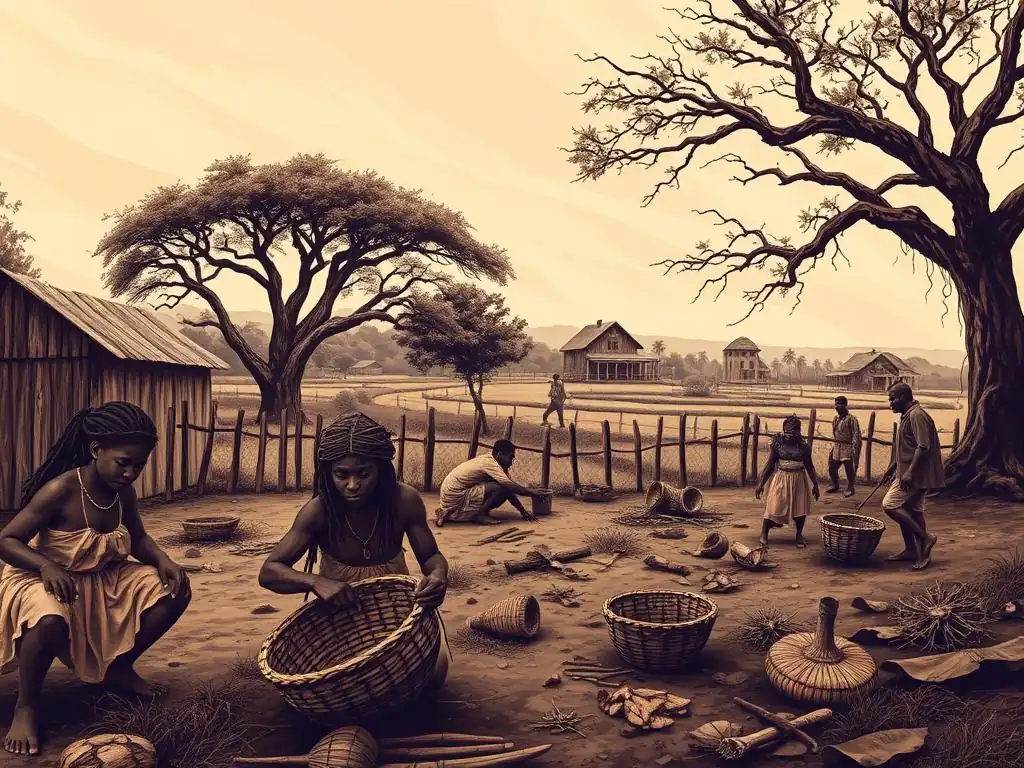
The enslavement of Indigenous peoples in the Americas had profound cultural consequences that reverberated through generations. As European colonizers imposed their systems, they disrupted the intricate social fabrics of Indigenous societies. Enslaved individuals were often removed from their cultural contexts, leading to the erosion of traditional practices, languages, and belief systems.
- Loss of Language and Oral Traditions
- Many Indigenous languages faced extinction as enslaved individuals were forced to adopt the languages of their oppressors.
- Oral histories and storytelling traditions were significantly diminished, as these practices were integral to cultural identity and transmission of knowledge.
- Displacement of Cultural Practices
- Traditional rituals, agricultural practices, and social customs faced significant alteration or complete eradication.
- Enslaved Indigenous peoples often had to adapt European customs and integrate them into their lives, leading to a syncretism that obscured original practices.
- Formation of Hybrid Cultures
- The blending of Indigenous and European cultural elements gave rise to new cultural identities, which can be seen in music, art, and religious practices today.
- For instance, the incorporation of African, European, and Indigenous influences can be observed in various Latin American cultural expressions.
Demographic Changes and Population Decline
The demographic impact of Indigenous slavery was catastrophic, leading to significant population declines across the Americas. Following European contact, a combination of violence, disease, and enslavement drastically altered the demographic landscape.
- Population Reduction
- Estimates suggest that Indigenous populations declined by as much as 90% in some regions due to the combined effects of colonization and enslavement.
- This decline was exacerbated by diseases brought by Europeans, which decimated communities that had no prior exposure.
- Disruption of Social Structures
- The removal of large segments of the population destabilized social hierarchies and kinship networks within Indigenous societies.
- Communities that survived were often left fragmented, struggling to maintain cohesion amidst the chaos of colonization.
- Shifts in Labor Dynamics
- The introduction of Indigenous slavery altered labor dynamics, leading to new forms of exploitation and economic systems heavily reliant on enslaved labor.
- These changes laid the groundwork for future labor systems, including African slavery, further entrenching exploitative practices in the Americas.
Legacy of Indigenous Slavery in Contemporary Society
The legacy of Indigenous slavery is still palpable in contemporary society, influencing social, economic, and cultural dimensions. Understanding this legacy is crucial for recognizing the ongoing repercussions of colonization and the importance of Indigenous rights.
- Continued Marginalization
- Descendants of enslaved Indigenous peoples often face systemic inequalities, including limited access to education, healthcare, and economic opportunities.
- The historical trauma associated with slavery continues to affect Indigenous communities, manifesting in various social challenges.
- Cultural Resurgence
- In recent decades, there has been a revival of interest in Indigenous cultures, languages, and traditions.
- Movements aimed at reclaiming cultural heritage and addressing historical injustices are gaining momentum, fostering a sense of identity and community.
- Advocacy for Rights and Recognition
- Contemporary Indigenous movements often focus on the recognition of historical injustices, including the impact of slavery and colonization.
- Activism seeks to address land rights, cultural preservation, and reparations, emphasizing the need for justice and reconciliation.
The interconnections between Indigenous slavery and European colonization have resulted in lasting impacts that continue to shape the realities of Indigenous peoples today. Understanding these complex dynamics is essential for fostering meaningful dialogue and promoting healing within affected communities.
Myths and Realities of Indigenous Slavery and Colonization
Common Misconceptions About Indigenous Slavery
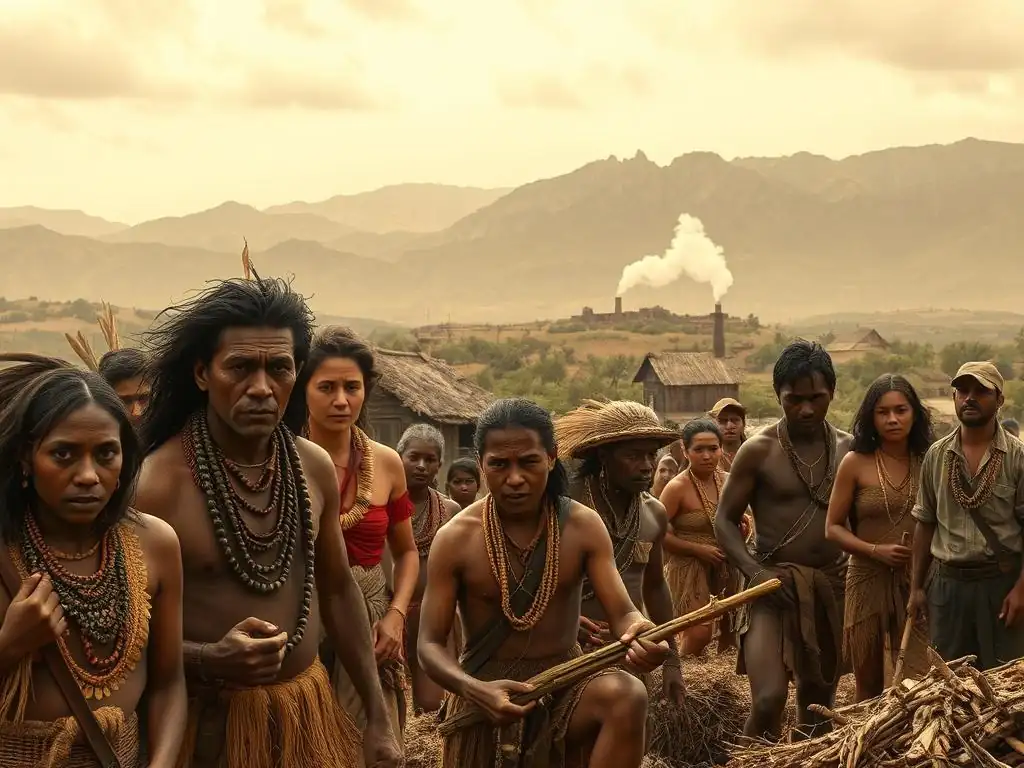
Indigenous slavery in the Americas is often shrouded in misconceptions that dilute the historical realities faced by native populations. One prevalent myth is that Indigenous slavery was akin to the African chattel slavery system, which was characterized by a complete denial of personhood and perpetual servitude. In reality, Indigenous forms of slavery varied significantly across different cultures and were often more complex.
- Types of Slavery: Indigenous slavery could include forms of servitude that were not permanent. Many Indigenous societies practiced a form of slavery that allowed for the possibility of reintegration into the community, unlike the harsher systems introduced by European colonizers. For instance, in some cases, captives from warfare might be adopted into the tribe or serve as temporary laborers.
- Economic Context: It is a misconception that Indigenous slavery was primarily about economic exploitation. While it did serve economic functions, it was also intertwined with social and cultural practices. The capture and incorporation of individuals could signify status, power, and alliance-building within and between tribes.
- European Influence: Many believe that Indigenous slavery was solely a result of European colonization. However, Indigenous societies had their own systems of capturing and enslaving rivals long before European contact. The arrival of Europeans intensified these practices, as they introduced new demands for labor and resources.
The Reality of European Colonization's Impact on Indigenous Peoples
The impact of European colonization on Indigenous slavery and the broader Indigenous populations was profound and multifaceted, reshaping societies across the Americas in several ways.
- Escalation of Enslavement Practices: European colonization introduced a significant demand for labor, leading to the escalation of Indigenous slavery. Colonizers often relied on Indigenous populations for labor in agriculture, mining, and other enterprises, which resulted in the widespread capture and enslavement of Indigenous peoples.
- Population Decline: The introduction of European diseases, to which Indigenous peoples had no immunity, resulted in catastrophic population declines. This demographic collapse weakened Indigenous societies, making them more vulnerable to enslavement and exploitation. Estimates suggest that the Indigenous population in some areas fell by as much as 90% within a few decades of European contact.
- Cultural Disruption: The intertwining of Indigenous slavery and European colonization led to significant cultural disruption. Traditional practices, social structures, and community relations were severely affected as tribes faced the dual pressures of enslavement and disease. Many Indigenous cultures were forced to adapt or were irrevocably altered, leading to a loss of languages, customs, and identities.
- Legal and Social Frameworks: European colonizers enacted laws that formalized and expanded the systems of slavery, impacting Indigenous peoples' rights and status. In many regions, Indigenous slaves were denied legal protections, rendering them vulnerable to abuse and exploitation. As a result, the consequences of colonization established a framework of inequality that persisted long after the initial contact.
Understanding the myths and realities of Indigenous slavery and the impact of European colonization is crucial to grasping the profound changes experienced by Indigenous peoples in the Americas. These historical realities continue to resonate, influencing contemporary discussions around identity, heritage, and the legacy of colonialism.
Conclusion: Understanding the Interconnections
Summary of Key Points on Indigenous Slavery and Colonization Impact
The relationship between indigenous slavery and colonization impact is a complex and multifaceted historical narrative that has shaped the Americas significantly. Here are the key points that summarize this intricate connection:
- Pre-Colonial Practices: Indigenous societies had their own systems of servitude and slavery, which were often based on warfare, debt, or social status. These practices varied widely among different cultures, with some employing forms of servitude that were more akin to labor obligations than the chattel slavery introduced by Europeans.
- European Arrival: The arrival of European colonizers marked a dramatic shift in the dynamics of slavery in the Americas. Colonizers quickly recognized the potential for exploiting indigenous populations for labor, particularly in agriculture and mining, leading to widespread abuse and forced servitude.
- Transformed Systems: The European model of slavery was characterized by its racialized and hereditary nature, fundamentally altering existing indigenous practices. This new system often resulted in the complete dehumanization of indigenous individuals, who were subjected to brutal conditions and stripped of their cultural identities.
- Resistance and Resilience: Indigenous peoples did not accept their subjugation passively. Many resisted through revolts, escape, and the establishment of maroon communities. Their resilience highlights the enduring spirit of indigenous cultures in the face of colonization.
- Lasting Impact: The effects of indigenous slavery and colonization are still felt today. These historical injustices have contributed to ongoing social, economic, and political challenges facing indigenous communities across the Americas. Understanding this history is crucial for addressing contemporary issues related to indigenous rights and reparations.
The Importance of Acknowledging Indigenous Histories and Experiences
Acknowledging the histories and experiences of indigenous peoples is vital for several reasons:
- Recognition of Trauma: Understanding the impact of colonization and slavery on indigenous populations helps to recognize the historical trauma experienced by these communities. This acknowledgment is critical for healing and reconciliation.
- Cultural Preservation: By studying and respecting the diverse cultures of indigenous peoples, we can contribute to the preservation of their languages, traditions, and histories, which are often at risk of erasure due to colonial legacies.
- Informed Advocacy: Knowledge of indigenous experiences allows for more informed advocacy for their rights and sovereignty. Acknowledging the past is a step towards creating equitable policies that address the needs and aspirations of indigenous communities today.
- Educational Responsibility: It is essential for educational systems to incorporate accurate representations of indigenous histories in curricula. This fosters a more inclusive understanding of American history, encouraging respect and appreciation for the contributions of indigenous peoples.
- Building Relationships: Recognizing and respecting indigenous histories can lead to stronger relationships between indigenous communities and non-indigenous populations, promoting dialogue and collaboration towards mutual understanding and respect.
The interplay between indigenous slavery and colonization impact is an essential aspect of understanding the broader historical context of the Americas. Acknowledging these histories not only honors the experiences of indigenous peoples but also paves the way for a more just and equitable future.
Frequently Asked Questions
What is the main focus of the article "The Interconnections Between Indigenous Slavery and European Colonization"?
The article explores the complex relationships between indigenous slavery and European colonization, emphasizing how these factors shaped the social structures and cultures of indigenous peoples in the Americas.
How did European colonization affect indigenous cultures?
European colonization led to significant disruption of indigenous cultures, resulting in loss of land, resources, and traditional practices, fundamentally altering their ways of life and societal structures.
What role did indigenous slavery play during colonization?
Indigenous slavery was a systematic practice that emerged as a result of colonization, where native peoples were often forced into labor and servitude, impacting their communities and social hierarchies.
What are the long-term impacts of indigenous slavery and colonization?
The long-term impacts include diminished population numbers, cultural loss, and ongoing socioeconomic challenges for indigenous communities, echoing through generations and affecting their rights and recognition today.
How can understanding these interconnections help us today?
Understanding the interconnections between indigenous slavery and colonization can foster greater awareness of historical injustices and guide efforts toward reconciliation, cultural preservation, and social justice for indigenous peoples.
Final Reflection: Understanding the Deep Roots of Indigenous Slavery and Colonization Impact
The interconnections between Indigenous slavery and European colonization are not just historical footnotes; they are vital narratives that shape our understanding of contemporary social justice issues. As we navigate a world that grapples with the legacies of colonialism, it becomes increasingly clear that acknowledging these histories is essential for fostering reconciliation and healing. The impact of Indigenous slavery and colonization continues to resonate today, influencing discussions around identity, rights, and reparative justice.
Cultural narratives surrounding Indigenous slavery have profoundly influenced our collective consciousness and societal structures. The stories of resilience and resistance among Indigenous peoples are not merely relics of the past; they are living legacies that inform current movements for Indigenous rights and sovereignty. As we reflect on these histories, we are reminded of the words of author and activist Roxanne Dunbar-Ortiz: > “The history of the United States is a history of settler colonialism.” This observation underscores the ongoing struggle for recognition and justice faced by Indigenous communities, urging us to confront uncomfortable truths about our shared past.
As we close this exploration of Indigenous slavery and colonization, I invite you to reflect on your own role in this narrative. Consider how the lessons learned from these histories can inspire you to advocate for justice and equity in your community. Whether through education, activism, or simply engaging in meaningful conversations, each of us has the power to contribute to a more just future. Let us honor the resilience of Indigenous peoples by committing to a path of understanding, respect, and action.
Thank you for exploring the profound interconnections between Indigenous slavery and European colonization. You've taken an important step in understanding these complex histories that shape our world today. Now, let’s transform that awareness into meaningful action!
Here’s how you can deepen your engagement and make a significant contribution:
- Educate Yourself Further: Explore more articles and resources about Indigenous history to gain a richer perspective. Consider reading works by Indigenous authors to amplify their voices.
- Share the Knowledge: Spread awareness by sharing this article on social media or discussing it in your community. Initiating conversations can inspire others to learn and reflect.
- Get Involved: Seek out local organizations that support Indigenous rights and cultures. Volunteer your time or make donations to help promote Indigenous initiatives.
What insights have you gained today that challenge your previous views about colonization and its impact on Indigenous communities?