
Maya Hieroglyphics: A Window into the Spiritual Life of the Ancient Maya

Welcome to Indigenous Civilizations of the Americas, where we invite you to embark on a journey through time to uncover the rich tapestry of indigenous cultures that flourished across the American continents. In our featured article, “Maya Hieroglyphics: A Window into the Spiritual Life of the Ancient Maya,” we delve into the profound spiritual significance of these intricate symbols, revealing how they shaped the beliefs and practices of the Maya civilization.
Prepare to be captivated by the stories of wisdom, art, and resilience that echo through the ages. Join us as we explore the legacies that continue to inspire and inform our understanding of these remarkable societies.
- Introduction to Maya Hieroglyphics and Spiritual Significance
- Historical Context of Maya Hieroglyphics
- The Spiritual Significance of Maya Hieroglyphics
- Key Themes in Maya Hieroglyphics Related to Spiritual Life
- Case Studies of Spiritual Texts in Maya Hieroglyphics
- The Legacy of Maya Hieroglyphics in Understanding Spiritual Life
- Conclusion: The Enduring Spiritual Legacy of Maya Hieroglyphics
- Frequently Asked Questions
- Final Reflection: The Enduring Spiritual Significance of Maya Hieroglyphics
- Unveil the Secrets of Maya Hieroglyphics!
Introduction to Maya Hieroglyphics and Spiritual Significance
Maya hieroglyphics serve as a fascinating gateway into the spiritual life and belief systems of the ancient Maya civilization. This intricate writing system not only communicated information but also conveyed profound spiritual meanings, reflecting the values, rituals, and cosmology of a society that flourished for centuries in Mesoamerica. The significance of Maya hieroglyphics extends beyond mere words; they encapsulate the very essence of the Maya worldview, intertwining the sacred and the mundane. As we delve into the intricacies of this ancient script, we will explore its historical context, cultural importance, and the deep spiritual significance embedded within its symbols.
Overview of Maya Civilization
The Maya civilization was one of the most advanced and influential societies in pre-Columbian America, spanning present-day Mexico, Guatemala, Belize, Honduras, and El Salvador. Flourishing from approximately 2000 BCE to 1500 CE, the Maya were known for their remarkable achievements in various fields, including:
- Architecture: Constructing impressive cities with grand temples, palaces, and observatories.
- Astronomy: Developing sophisticated calendars and understanding celestial movements.
- Mathematics: Creating a vigesimal (base-20) numeral system that included the concept of zero.
The Maya civilization was characterized by its city-states, each with its own ruler and patron deities, leading to a rich tapestry of cultural diversity. Religion was central to Maya life, influencing their art, architecture, and social structure. Spirituality permeated every aspect of their existence, making the study of their hieroglyphics essential for understanding their worldview.
Importance of Writing in Maya Culture
Writing played a pivotal role in Maya culture, serving as a tool for governance, historical record-keeping, and spiritual expression. The Maya developed one of the most sophisticated writing systems in the ancient Americas, combining logograms and syllabic signs to create an extensive corpus of texts. The importance of writing in Maya culture can be highlighted through several key functions:
- Historical Documentation: Hieroglyphics were used to record significant events, such as battles, royal lineage, and the accomplishments of rulers, ensuring the preservation of history.
- Ritual and Ceremony: Many texts were inscribed on monuments, altars, and pottery, often linked to religious ceremonies and myths, highlighting the divine connection to their rulers and deities.
- Communication of Knowledge: Writing facilitated the transmission of knowledge across generations, encompassing everything from agricultural practices to astronomical calculations.
Through these various functions, Maya hieroglyphics became integral to both the administration and spirituality of their society, cementing their importance in understanding the Maya legacy.
Definition of Maya Hieroglyphics
Maya hieroglyphics, also known as Maya glyphs, consist of a complex system of symbols used by the ancient Maya to convey language and meaning. This writing system is unique for its combination of pictorial elements and phonetic signs, allowing for a rich and nuanced expression of ideas. Key features of Maya hieroglyphics include:
- Logograms: Symbols representing words or morphemes, often depicting objects or concepts integral to Maya life.
- Syllabic Signs: Characters that represent sounds, enabling the writing of names and other non-logographic terms.
- Contextual Variability: The meaning of glyphs could change based on their placement within a text or their association with other symbols, reflecting the complexity of Maya thought.
The study of Maya hieroglyphics not only reveals the linguistic capabilities of the Maya but also opens a window into their spiritual life, as many symbols were imbued with religious significance, reflecting their deep connection to the cosmos and the divine.
Historical Context of Maya Hieroglyphics
Origins of Maya Writing Systems
The origins of Maya writing systems can be traced back to the Preclassic period, around 400 BCE, when the first pictographs were developed. The Maya civilization, located in present-day Mexico, Guatemala, Belize, and Honduras, created a complex system that combined logograms (symbols representing words) and syllabic signs. This dual system allowed for a greater range of expression, enabling the Maya to document their history, culture, and spirituality.
The earliest known inscriptions were found at sites such as San Bartolo and Tikal, revealing that the Maya were already engaged in recording important events and rituals. The transition from simple pictographs to a more sophisticated hieroglyphic script occurred as the civilization advanced, with significant contributions from various city-states. The development of hieroglyphics was not merely a writing system; it was deeply intertwined with the Maya worldview, reflecting their beliefs, mythology, and social structure.
Key Developments in Hieroglyphic Writing
As the Maya civilization progressed, so did their writing system. By the Classic period (approximately 250–900 CE), hieroglyphics had become a highly developed and intricate script, consisting of over 800 distinct symbols. Key developments during this time included:
- Standardization of Glyphs: The Maya established a more uniform set of glyphs that could be recognized across different city-states, allowing for greater communication and record-keeping.
- Monumental Inscriptions: Hieroglyphics were prominently displayed on stelae, altars, and other public monuments, often recounting the achievements of rulers, significant battles, and religious ceremonies.
- Codices: The Maya created codices, or folding books made from bark paper, which contained a wealth of knowledge on astronomy, mythology, and rituals. The surviving codices, such as the Dresden Codex, provide valuable insights into the spiritual significance of hieroglyphics.
These developments not only showcased the artistic prowess of the Maya but also served as a vital tool for maintaining their cultural identity and religious practices.
Influence of Spiritual Beliefs on Hieroglyphics
Maya hieroglyphics were inextricably linked to the spiritual life of the ancient Maya. The glyphs often represented deities, cosmological events, and sacred rituals, reflecting the Maya's profound connection to the spiritual realm. Several key aspects highlight this influence:
- Cosmology and Creation Myths: Many inscriptions recount creation myths and cosmological narratives, such as the Popol Vuh, which illustrates the Maya's understanding of the world. These texts were essential for preserving their spiritual beliefs and teachings.
- Ritual and Ceremony: Hieroglyphics were frequently used to document rituals and ceremonies vital to Maya spirituality. This included recording dates of religious significance, such as solstices and equinoxes, which were celebrated with various rites.
- Divination: The Maya utilized their writing system for divination practices, interpreting glyphs to understand the will of the gods and the fate of individuals and communities.
The spiritual significance of Maya hieroglyphics extends beyond mere communication; it serves as a testament to their worldview, encapsulating their beliefs, rituals, and the very essence of their civilization. By studying these ancient symbols, we gain insight into the rich spiritual tapestry that defined the lives of the Maya people.
The Spiritual Significance of Maya Hieroglyphics
Connection Between Writing and Spirituality
The spiritual significance of Maya hieroglyphics is deeply intertwined with the culture's understanding of the universe and the divine. For the ancient Maya, writing was not merely a tool for communication; it was a sacred act that linked the physical world with the spiritual realm. The Maya believed that language had the power to influence reality, and as such, hieroglyphics were often used in religious contexts to invoke blessings or appease deities.
Hieroglyphics served as a medium to express the Maya's worldview, encapsulating their beliefs about creation, the afterlife, and the interconnectedness of all beings. The act of inscribing glyphs was considered a way to maintain harmony with the cosmos and the gods. Each glyph was imbued with meaning, and its placement within a text could alter the interpretation, reflecting the dynamic relationship between the practitioner and the divine forces at play.
Furthermore, the Maya often associated specific glyphs with certain deities or natural phenomena, reinforcing the idea that writing was a conduit for spiritual communication. This connection is evident in the way hieroglyphs were used in ceremonial contexts, where their recitation could summon spiritual energy and facilitate communication with the gods, thereby influencing the course of events on Earth.
Depictions of Deities and Cosmology in Hieroglyphics
Maya hieroglyphics are rich in imagery that reflects the civilization's complex pantheon of deities and their intricate cosmology. Glyphs frequently depict gods, celestial bodies, and mythological narratives, serving as visual representations of the Maya's spiritual beliefs. For example, glyphs representing the sun and moon are abundant, symbolizing not only the passage of time but also the duality of existence that the Maya revered.
The use of deities within hieroglyphics often conveyed specific attributes or powers associated with each god, which could include fertility, warfare, or agriculture. This allowed the Maya to articulate their understanding of the divine and the forces of nature, integrating these elements into their daily lives. The visuals were not merely artistic; they were vital components of religious rituals and stories that conveyed moral lessons and historical narratives.
Additionally, the cosmological aspects depicted in hieroglyphics reflect the Maya's belief in a cyclical universe, where time and events are interconnected. Hieroglyphs often illustrate significant mythological events, such as the creation of the world or the descent of gods to Earth, which are essential for understanding the spiritual framework in which the Maya operated.
Rituals and Ceremonies Reflected in Hieroglyphic Texts
Rituals and ceremonies played a crucial role in Maya society, and hieroglyphic texts serve as valuable records of these spiritual practices. The inscriptions often detail specific rituals, such as bloodletting, offerings, or the playing of the Mesoamerican ballgame, which were believed to honor the gods and ensure cosmic balance. These acts were not only physical expressions of faith but were also encoded in the hieroglyphs, thus preserving the spiritual significance of the rituals for future generations.
Many hieroglyphs describe the ceremonial calendar, which dictated the timing of various rituals. This calendar was intricately tied to agricultural cycles, celestial events, and societal events, illustrating the Maya’s deep connection to the rhythms of nature and spirituality. Each glyph could denote a specific date or event, emphasizing the importance of timing in their religious observance.
Moreover, hieroglyphic texts often include the names of kings and nobles who participated in these rituals, underscoring the belief that leadership and spirituality were interconnected. By documenting these events, the Maya not only preserved their cultural heritage but also reinforced the idea that their spiritual life was a communal endeavor, essential for maintaining harmony and balance in their world.
The spiritual significance of Maya hieroglyphics is multi-faceted, rooted in their connection to writing, depictions of deities, and reflections of rituals. Through these elements, the hieroglyphics offer a profound insight into the spiritual life of the ancient Maya, revealing a civilization that viewed the written word as a vital link to the divine.
The Role of Ancestors in Maya Spirituality
The ancestral reverence is a cornerstone of Maya spirituality, intricately woven into their social fabric and expressed prominently through their hieroglyphics. The Maya believed that ancestors played an active role in the lives of the living, providing guidance, protection, and blessings. This belief is visually represented in their hieroglyphics, where symbols often depict ancestors, emphasizing their importance in rituals and daily life.
- Ancestral Spirits: The Maya viewed their ancestors as intermediaries between the living and the divine. This connection is evident in inscriptions that honor specific ancestors, often highlighting their achievements and contributions to society. These symbols served not only as a historical record but also as a means to invoke their presence in spiritual practices.
- Rituals and Offerings: Hieroglyphics related to ancestors often feature in ceremonial contexts, indicating the significance of rituals aimed at appeasing these spirits. For instance, glyphs might be found alongside depictions of offerings, such as food, incense, or crafted items, which were believed to nourish and honor the ancestors.
The consistent portrayal of ancestors in Maya hieroglyphics underscores their pivotal role in maintaining the spiritual and cultural continuity of the community, emphasizing the belief that the spirits of the past are ever-present in the lives of the living.
Concepts of Life, Death, and the Afterlife
The Maya had complex beliefs surrounding life, death, and the afterlife, which are vividly captured in their hieroglyphic writing. This writing system not only recorded historical events but also conveyed deeper philosophical and spiritual meanings regarding existence.
- Life Cycles: Hieroglyphics often illustrate the cyclical nature of life, reflecting the Maya's understanding of existence as a continuous journey. Symbols representing birth, growth, maturity, and decay are prevalent, emphasizing the transient nature of life. Each stage was revered and marked by specific rituals designed to honor the transitions.
- Death and Transformation: Death was not seen as an end but rather as a transformation into another state of being. Glyphs associated with death often depict the journey of the soul to the underworld, known as Xibalba. This journey was fraught with challenges, and the hieroglyphics served as a guide for the deceased, ensuring safe passage and a favorable reception in the afterlife.
- The Afterlife: The Maya envisioned the afterlife as a continuation of life on Earth, where ancestors could interact with the living. Hieroglyphics that reference the afterlife often include imagery of paradise-like settings, reinforcing the idea that spiritual existence is a desirable continuation of earthly life.
Through these themes, Maya hieroglyphics encapsulate a rich tapestry of beliefs regarding life, death, and the afterlife, reflecting the profound spiritual significance these concepts held within their culture.
Calendrical Systems and Their Spiritual Implications
The Maya developed sophisticated calendrical systems that are intricately linked to their spiritual life, with hieroglyphics serving as a crucial means of recording and interpreting these cycles. Their calendars, particularly the Tzolk'in (a 260-day ritual calendar) and the Haab' (a 365-day solar calendar), were not merely tools for tracking time but were deeply spiritual in nature.
- Ritual Timing: Each day in the Tzolk'in calendar was associated with specific deities and spiritual energies, dictating the timing of rituals and ceremonies. Hieroglyphics representing these days conveyed essential spiritual meanings, guiding the Maya in their daily activities and ceremonial practices.
- Agricultural Cycles: The Haab' calendar was aligned with agricultural cycles, reflecting the Maya's dependence on crops for sustenance. Hieroglyphics related to planting and harvest times often included symbols of fertility and abundance, highlighting the spiritual connection between agriculture, survival, and divine favor.
- Cosmological Significance: The synchronization of these calendars reflected the Maya's understanding of the cosmos, where celestial events were believed to influence earthly affairs. Hieroglyphics depicting astronomical phenomena, such as eclipses or planetary alignments, were integral to their spiritual worldview, reinforcing the belief in a universe interconnected with human destiny.
The calendrical systems of the Maya, as depicted through their hieroglyphics, illustrate the profound spiritual significance of time and its cyclical nature, emphasizing the integration of their cosmology, rituals, and daily life.
Case Studies of Spiritual Texts in Maya Hieroglyphics
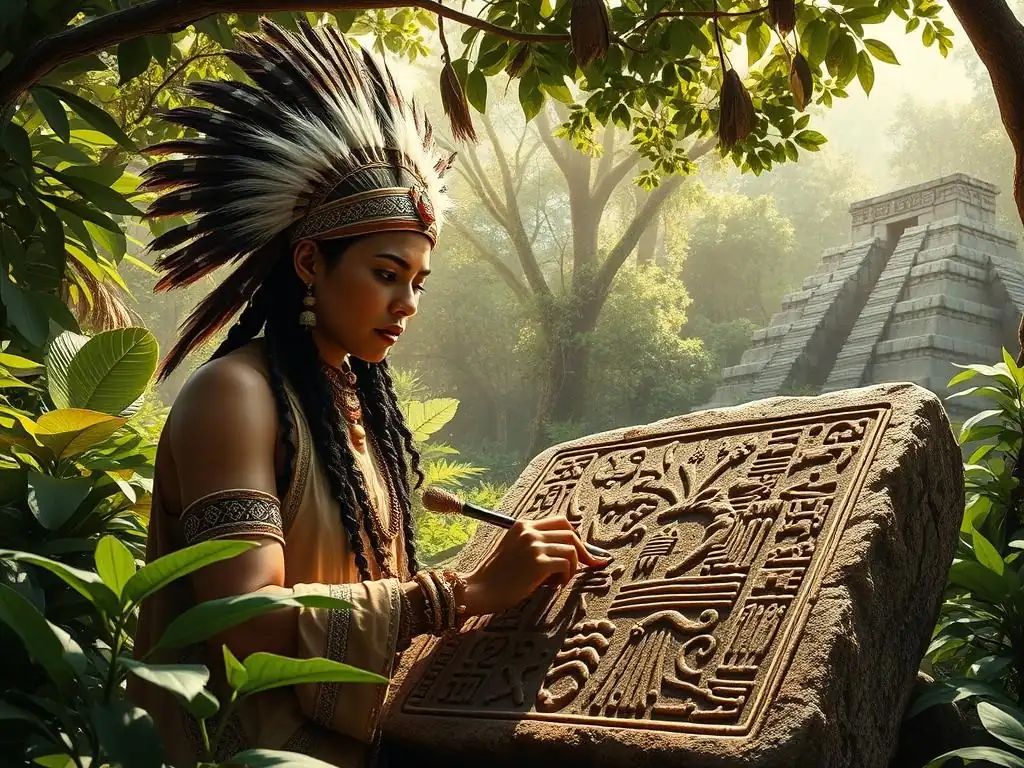
Analysis of Codex Mendoza
The Codex Mendoza is one of the most significant historical documents that offers a glimpse into the spiritual life of the Maya civilization. Although primarily associated with the Aztec culture, it contains elements that reflect Maya influences and practices. This codex, created in the early colonial period, provides valuable insights into various aspects of indigenous life, including religion, rituals, and the socio-political structure.
- Spiritual Rituals: The illustrations within the Codex Mendoza depict various ceremonies, such as the New Fire Ceremony, which was integral to Maya spiritual beliefs. This ceremony marked the end of a cycle and the beginning of another, symbolizing renewal and the importance of fire in Maya cosmology.
- Deities and Offerings: The codex details the offerings made to various gods, showcasing the spiritual hierarchy within Maya society. Each god represented different natural elements and phenomena, and the rituals conducted to honor them were believed to maintain balance in the universe.
- Symbolic Representation: The use of hieroglyphics in the codex illustrates how the Maya encoded their spiritual beliefs. Characters often represented not just sounds but also complex ideas and concepts associated with their deities and cosmology. The spiritual significance of these symbols cannot be overstated, as they served as a means of communicating with the divine.
Interpretation of Inscriptions at Tikal
Tikal, a major Maya city, boasts an array of inscriptions that reveal much about the spiritual beliefs of its inhabitants. The inscriptions found on stelae and altars in Tikal are rich with references to mythology, religious practices, and the divine right of rulers.
- Royal Rituals: Many inscriptions at Tikal commemorate the achievements of rulers, linking them directly to the divine. For instance, certain glyphs indicate that a king performed a ritual to communicate with the gods, thereby legitimizing his rule through divine sanction. This connection between leadership and spirituality illustrates the pervasive nature of religious practices in governance.
- Creation Myths: The hieroglyphics often incorporate elements from the Popol Vuh, a sacred text that includes creation myths. These inscriptions serve not only as historical records but also as spiritual narratives that explain the origins of the Maya and their relationship with the cosmos.
- Calendar and Timekeeping: The inscriptions also reflect the Maya's advanced understanding of astronomy and timekeeping, which were closely tied to their spiritual life. The alignment of temples with celestial events underscores the spiritual significance of these occurrences, illustrating how the Maya viewed time as cyclical and sacred.
Insights from the Tomb of Pakal the Great
The Tomb of Pakal the Great, located in the Temple of the Inscriptions at Palenque, is an extraordinary site that provides profound insights into Maya spirituality through its elaborate hieroglyphic inscriptions and funerary practices.
- Funerary Rituals: The tomb itself is a testament to the importance of the afterlife in Maya spirituality. The inscriptions detail the rituals performed during Pakal's burial, highlighting the belief in an ongoing relationship with the divine after death. This indicates that the Maya viewed death as a transition rather than an end.
- Cosmic Symbolism: The hieroglyphs found within the tomb often reference the World Tree, a central motif in Maya cosmology symbolizing the connection between the earth, the underworld, and the heavens. This imagery reinforces the spiritual significance of Pakal's journey in the afterlife and his role as a mediator between worlds.
- Divine Associations: Pakal’s tomb inscriptions also link him to various deities, emphasizing his divine ancestry and the belief that rulers were directly descended from the gods. This connection not only legitimized his power but also illustrated the deep intertwining of spirituality with political authority in Maya society.
The analysis of these case studies demonstrates that Maya hieroglyphics serve as a crucial lens through which we can explore the spiritual significance of the ancient Maya civilization. Each inscription and symbol carries profound meaning, reflecting a rich tapestry of beliefs that shaped their worldview and cultural identity.
The Legacy of Maya Hieroglyphics in Understanding Spiritual Life
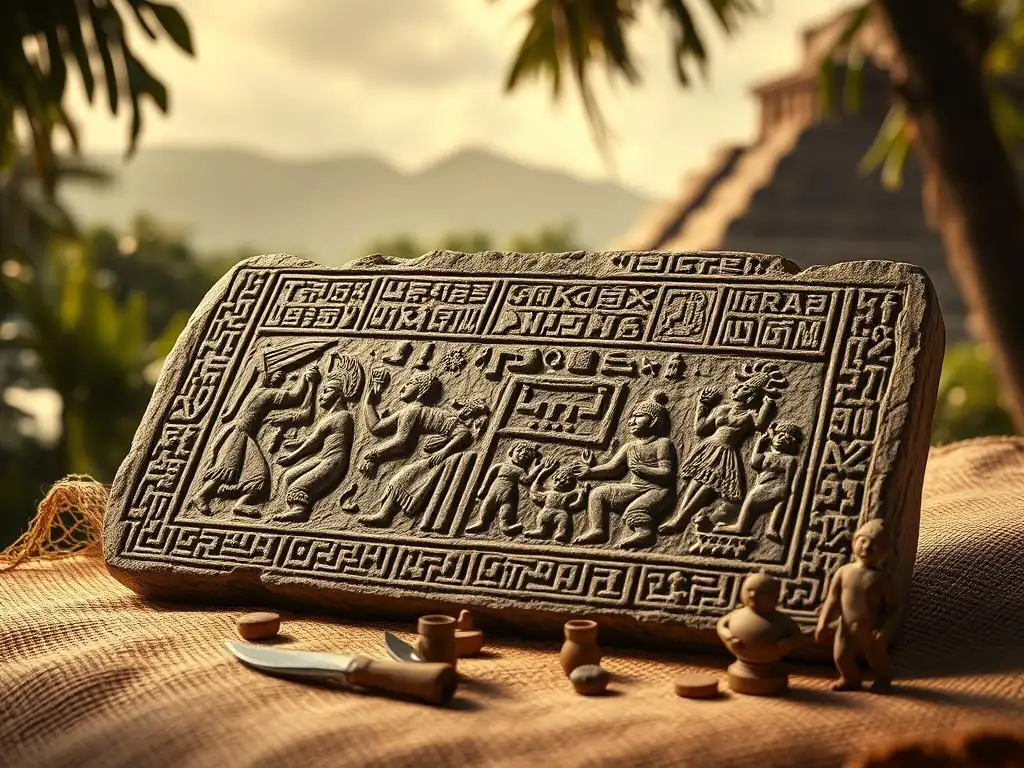
Maya hieroglyphics serve as a crucial key to unlocking the spiritual life of the ancient Maya civilization. This intricate writing system, composed of logograms and syllabic symbols, not only recorded historical events and daily life but also encapsulated the profound spiritual beliefs and cosmologies of the Maya people. The complexity of these glyphs reflects the multifaceted nature of their spirituality, which intertwined with their social, political, and environmental contexts.
The hieroglyphics are found in various formats, including inscriptions on monuments, pottery, and codices, each providing unique insights into Maya spirituality. For instance, the inscriptions on stelae often commemorated important rituals or events tied to the divine, whereas the codices offered a glimpse into calendrical ceremonies and mythological narratives. This diverse range of texts illustrates how deeply spirituality was woven into the fabric of Maya life.
Evolution of Interpretations Over Time
The interpretation of Maya hieroglyphics has evolved significantly since their initial discovery in the 19th century. Early scholars approached these glyphs with a Eurocentric lens, often misunderstanding their spiritual significance. Initial translations focused on deciphering the phonetic components, which led to an incomplete understanding of the complex spiritual narratives encoded within the texts.
As archaeological methods and linguistic studies advanced, scholars began to appreciate the contextual and symbolic meanings behind the hieroglyphs. The work of prominent epigraphers, such as David Stuart and Linda Schele, has been pivotal in reshaping our understanding. Their research revealed that many glyphs were not merely phonetic or descriptive but were imbued with spiritual significance, often tied to the Maya cosmology and their understanding of the universe.
For example, the glyph representing the "world tree" not only refers to a physical entity but symbolizes the connection between the heavens, earth, and the underworld—integral to Maya spiritual beliefs. This evolution in interpretation highlights the importance of viewing Maya hieroglyphics not just as a means of communication but as a vital expression of their spiritual worldview.
Modern Implications of Ancient Spiritual Insights
The spiritual insights derived from Maya hieroglyphics continue to resonate in contemporary discussions about spirituality and identity. Modern Maya communities often draw upon their ancestral knowledge as a means of cultural preservation and revitalization. The spiritual narratives encapsulated in hieroglyphs serve as a source of pride and identity for these communities, reinforcing their connection to their ancestors and their heritage.
Furthermore, the study of Maya hieroglyphics has implications for understanding broader themes in spirituality, such as the relationship between humans and the cosmos. Contemporary spiritual practices among some Maya groups reflect ancient beliefs, emphasizing harmony with nature, the importance of rituals, and the cyclical nature of existence—concepts that are deeply rooted in their hieroglyphic texts.
In this way, the legacy of Maya hieroglyphics extends beyond academia; it informs modern spiritual practices and cultural expressions, bridging the gap between past and present. The spiritual significance embedded in these ancient symbols offers valuable insights into the ongoing search for meaning and connection in today’s world.
Preservation Efforts for Maya Hieroglyphic Texts
Preserving the integrity of Maya hieroglyphic texts is essential for maintaining the spiritual legacy of the ancient Maya civilization. Numerous efforts are underway to protect these invaluable resources from degradation, looting, and environmental factors. Archaeological sites, where many hieroglyphic inscriptions are found, face threats from urban development, climate change, and tourism.
Organizations dedicated to the preservation of Maya heritage are actively working to document and conserve these texts. For instance, initiatives like the Maya Hieroglyphic Initiative focus on the digital documentation and translation of ancient texts, making them accessible to researchers and the public. Additionally, community-led preservation projects engage local populations in safeguarding their cultural heritage, fostering a sense of ownership and responsibility.
The importance of education cannot be overstated in these preservation efforts. By teaching younger generations about the significance of Maya hieroglyphics and their spiritual implications, communities can ensure that this knowledge remains alive. Workshops, seminars, and cultural exchanges play a crucial role in raising awareness and promoting the value of these ancient texts.
The preservation of Maya hieroglyphics is not just about maintaining physical texts; it is about sustaining the spiritual narratives and cultural identity that they represent. Through collaborative efforts, the legacy of these ancient inscriptions can endure, continuing to inspire and educate future generations about the rich spiritual life of the Maya civilization.
Conclusion: The Enduring Spiritual Legacy of Maya Hieroglyphics
Summary of Key Insights
Maya hieroglyphics represent more than just a written language; they embody the spiritual significance of the Maya civilization. The intricate symbols and their meanings reflect deep philosophical and cosmological beliefs held by the Maya people. Key insights include:
- Symbolic Representation: Each glyph often signifies not only sounds but also entire ideas or concepts, allowing for a rich tapestry of spiritual narratives to be conveyed.
- Connection to the Divine: Many hieroglyphs are linked to deities, sacred rituals, and the cosmos, illustrating how the Maya viewed their existence as intertwined with the spiritual realm.
- Cultural Practices: Hieroglyphics were integral to various practices, including ceremonies and the recording of historical events, serving as a means to communicate with the divine and preserve collective memory.
The legacy of these glyphs continues to influence contemporary understanding of Maya spirituality and culture.
The Importance of Continued Research and Exploration
As scholars delve deeper into the study of Maya hieroglyphics, the importance of continued research cannot be overstated. The ongoing discovery of new artifacts and texts provides invaluable insights into the spiritual and cultural life of the Maya. Some critical areas of focus include:
- Deciphering New Glyphs: As researchers work to decode yet-undeciphered glyphs, they may uncover new facets of Maya spirituality that have remained hidden.
- Interdisciplinary Approaches: Collaboration between linguists, archaeologists, and historians is essential to gain a holistic understanding of the spiritual significance embedded in the hieroglyphs.
- Preservation of Knowledge: Documenting and preserving the findings related to Maya hieroglyphics ensures that future generations can appreciate and learn from these ancient texts.
The continued exploration of these symbols not only enriches academic knowledge but also honors the spiritual legacy of the Maya civilization.
Final Thoughts on Maya Spirituality and Writing
Maya hieroglyphics serve as a profound testament to the spiritual life of the ancient Maya, illuminating their beliefs, practices, and worldview. The intricate system of writing reflects a society that placed immense value on the relationship between the material and the spiritual. In summary:
- A Holistic Approach: Understanding Maya hieroglyphics requires a holistic approach, considering not just the linguistic aspects but also the broader implications for spirituality and culture.
- Cultural Resilience: The ongoing interest in and study of Maya hieroglyphics exemplify the resilience of indigenous cultures and their enduring impact on modern society.
- Invitation to Explore: As we continue to uncover the layers of meaning found within these ancient symbols, we invite readers to engage with Maya spirituality and recognize its lasting significance.
In essence, Maya hieroglyphics stand as a bridge between the past and present, offering a unique window into the spiritual life of one of the Americas' most remarkable civilizations.
Frequently Asked Questions
What are Maya hieroglyphics?
Maya hieroglyphics are a complex writing system used by the ancient Maya civilization, encompassing over 800 distinct symbols that represent sounds, words, and ideas.
How did Maya hieroglyphics influence spiritual practices?
Maya hieroglyphics played a crucial role in their spiritual life, as they were often used to convey religious texts, rituals, and the cosmology of the Maya world, thus linking the divine with everyday life.
What is the significance of spirituality in Maya culture?
Spirituality was central to Maya culture, influencing their art, architecture, and daily practices, as they believed in a multidimensional universe where gods and ancestors were actively involved in human affairs.
How were Maya hieroglyphics used in rituals?
Maya hieroglyphics were often inscribed on ceremonial objects, stelae, and in codices, serving to record ritual events, commemorate rulers, and invoke the favor of deities during ceremonies.
What can we learn about the Maya's spiritual beliefs through their hieroglyphics?
The study of Maya hieroglyphics reveals insights into their mythology, cosmology, and ritual practices, highlighting the interconnectedness of their spiritual beliefs and daily life.
Final Reflection: The Enduring Spiritual Significance of Maya Hieroglyphics
Maya hieroglyphics serve as a profound testament to the spiritual life of the ancient Maya, revealing insights that resonate with our contemporary quest for meaning. In an era where many seek to understand their place in the world, the intricate symbols and narratives of the Maya remind us that spirituality is a timeless pursuit, deeply woven into the fabric of human existence. The significance of these hieroglyphics transcends mere historical curiosity; they invite us to explore the depths of our own spiritual journeys.
The impact of Maya hieroglyphics on our cultural and social landscape is profound, as they continue to inspire artists, scholars, and spiritual seekers alike. The stories etched in stone and written on bark reflect a worldview that honors the interconnectedness of life, the cosmos, and the divine. As we navigate our modern lives, these ancient symbols encourage us to pause and reflect on our own beliefs and practices. The past is never dead. It's not even past.
— William Faulkner. This quote encapsulates the idea that the spiritual insights of the Maya are not relics of a bygone era but living lessons that can inform our present and future.
As you ponder the spiritual significance of Maya hieroglyphics, I invite you to embark on your own journey of exploration and reflection. Consider how the themes of interconnectedness, reverence for nature, and the quest for understanding can enrich your life today. Let the wisdom of the ancient Maya inspire you to seek deeper connections within yourself and with the world around you, fostering a sense of purpose and belonging in an ever-evolving landscape.
Unveil the Secrets of Maya Hieroglyphics!
Thank you for joining us on this journey through the fascinating world of Maya hieroglyphics! By exploring their intricate symbols and meanings, you’ve taken a step toward understanding the spiritual life of one of history's most profound civilizations. Now, it's time to take that knowledge and deepen your connection to the Maya legacy.
Here’s how you can continue your adventure:
- Dive deeper into the rich culture of the Maya by visiting local museums or cultural centers to experience artifacts firsthand.
- Share your newfound knowledge with friends or on social media to spark discussions about ancient civilizations and their relevance today.
- Join online forums or local groups focused on indigenous studies to connect with like-minded individuals and exchange insights.
What aspect of Maya culture fascinates you the most, and how do you plan to share this knowledge with your community?