
The Symbolism of Food in Indigenous Ceremonies and Festivals

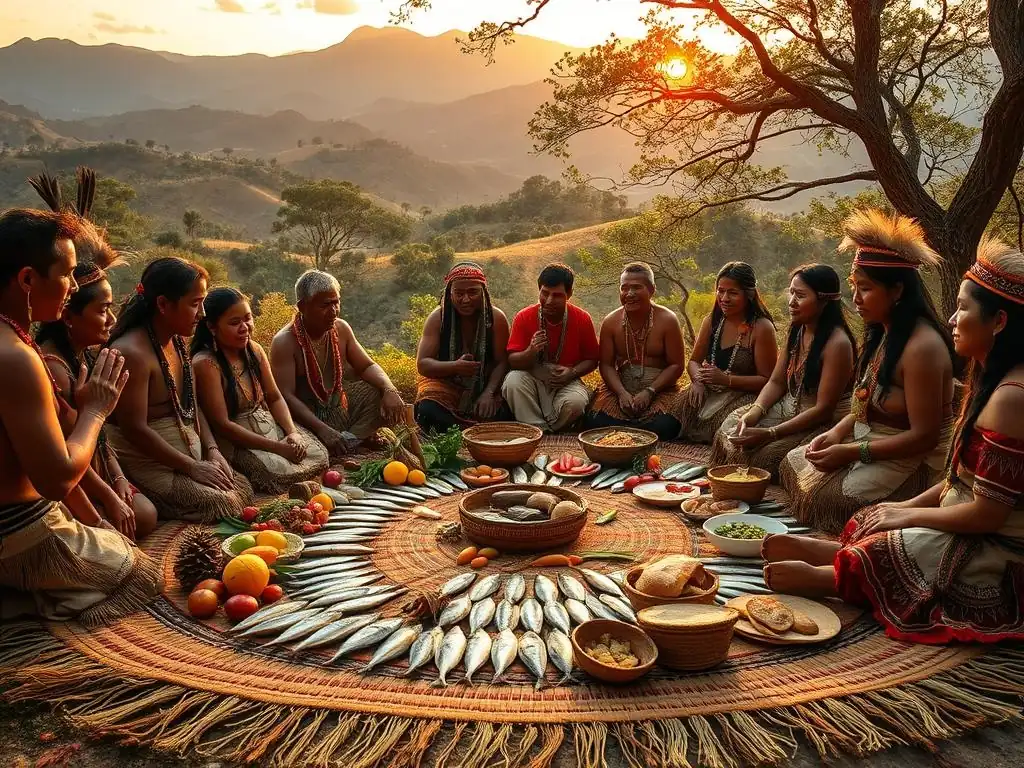
Welcome to Indigenous Civilizations of the Americas, where we invite you to embark on a fascinating journey through the rich tapestry of pre-colonial cultures that shaped the Americas. In our featured article, "The Symbolism of Food in Indigenous Ceremonies and Festivals," we delve into the profound meanings behind traditional food practices and their integral roles in indigenous celebrations.
Discover how these vibrant customs not only nourish the body but also connect communities to their history, spirituality, and the natural world. Join us as we unveil the secrets and stories that lie within indigenous food symbolism, sparking curiosity and inviting you to explore the deep-rooted traditions that continue to resonate today.
Introduction to Indigenous Food Symbolism
Food has always been more than just sustenance; it is a profound element of cultural identity, spirituality, and community bonding, especially within Indigenous cultures across the Americas. In the context of Indigenous food symbolism ceremonies, each ingredient often carries rich meanings, reflecting the relationship between the people and their environment.
This article delves into the intricate tapestry of food symbolism in Indigenous ceremonies and festivals, revealing how these practices not only celebrate heritage but also reinforce community values and beliefs. By examining the significance of food within these contexts, we can gain a deeper appreciation for the diverse customs and traditions that have endured through generations.
Definition of Indigenous Food Symbolism
Indigenous food symbolism refers to the meanings and associations attributed to various foods within Indigenous cultures. These meanings can vary widely between different tribes and regions, often shaped by local resources, historical experiences, and spiritual beliefs. For example, maize is more than a staple crop for many Indigenous peoples; it symbolizes life, sustenance, and cultural continuity. Similarly, wild game may represent the interconnectedness of human life with nature, embodying respect for the animals that sustain them.
Importance of Food in Indigenous Cultures
Food plays a crucial role in Indigenous cultures, serving as a medium for storytelling, rituals, and community gatherings. It is often intertwined with spiritual practices, where food offerings are presented to honor ancestors and deities. The communal preparation and sharing of meals foster bonds among community members, reinforcing a sense of belonging and collective identity. Furthermore, Indigenous food practices often emphasize sustainable harvesting and respect for the land, reflecting a deep understanding of ecological balance that has been passed down through generations.
Historical Context of Food in Indigenous Ceremonies
Overview of Indigenous Ceremonial Practices
Ceremonial practices among Indigenous peoples are diverse and multifaceted, encompassing a wide range of rituals and celebrations that are integral to their cultural heritage. These may include seasonal festivals, rites of passage, and harvest celebrations, all of which often feature significant food elements. For instance, the Potlatch ceremony of the Pacific Northwest tribes involves elaborate feasts where food serves as a symbol of wealth and social status. Similarly, the Green Corn Festival celebrated by various tribes in the southeastern United States signifies gratitude for the harvest and involves communal meals that reinforce cultural ties.
The Role of Food in Traditional Festivals
Food takes center stage during traditional festivals, where it is not only consumed but also revered as a symbol of life and renewal. Each dish often carries specific meanings or stories, making the act of eating a ritualistic experience. Festivals such as the Day of the Dead in Mexico incorporate food offerings to honor deceased loved ones, blending remembrance with nourishment. The sharing of traditional foods during such events strengthens community bonds and ensures the transmission of cultural values to future generations.
By exploring the symbolism of food in these ceremonies and festivals, we uncover a captivating narrative that highlights the resilience and richness of Indigenous cultures, revealing how they continue to thrive and adapt in a modern world.
Types of Food Used in Indigenous Ceremonies
Indigenous ceremonies and festivals are rich in cultural significance, where food plays a fundamental role in expressing beliefs, values, and connections to the earth. Various types of food are utilized, each imbued with unique meanings and traditions that reflect the community's identity and spirituality.
Sacred Plants and Their Symbolism
Sacred plants are essential in many indigenous ceremonies, often serving as offerings or as part of ritualistic practices. For instance, tobacco is revered among many North American tribes, symbolizing respect and a connection to the spiritual world. It is often used in prayer and offerings to the Great Spirit or other deities, representing a means of communication with the divine.
Similarly, corn holds profound significance in many Mesoamerican cultures, symbolizing sustenance and life. In ceremonies, it may be ground into flour for traditional foods or offered to deities in its natural form. Other sacred plants include sage, used for purification, and sweetgrass, which symbolizes kindness and is often braided and burned in ceremonies for blessings.
Animal Offerings and Their Cultural Significance
Animal offerings are integral to many indigenous rituals, reflecting respect for the natural world and the interconnectedness of life. Specific animals are chosen based on their traits and the messages they convey. For example, the eagle is often seen as a messenger between humans and the spiritual realm, and its feathers may be used in ceremonies to invoke protection and wisdom.
In some cultures, deer may be sacrificed to honor ancestors, with the shared meal symbolizing community and unity. The act of giving thanks for the animal’s life is a vital part of the ceremony, reinforcing the belief in reciprocity and respect for nature. This practice highlights the deep connection indigenous people have with their environment and the spiritual significance they attribute to animal life.
Seasonal Foods: Harvest and Celebration
Seasonal foods play a crucial role in indigenous ceremonies, particularly those surrounding harvest time. These events are often marked by communal feasts celebrating the earth’s bounty and giving thanks for the food that sustains life. For instance, the Three Sisters—corn, beans, and squash—are celebrated in many Native American cultures, symbolizing the interdependent relationship among these crops.
During harvest festivals, traditional dishes made from seasonal ingredients are prepared and shared among the community. These gatherings not only nourish the body but also strengthen social bonds and cultural identity. The act of preparing and consuming food together in a ceremonial context reinforces communal ties and reflects gratitude for the land's productivity.
Regional Variations in Food Symbolism
Indigenous food symbolism varies significantly across different regions, shaped by local resources, cultural practices, and historical contexts. These variations illustrate the diverse ways in which food is integrated into spiritual and communal life.
North American Indigenous Food Practices
In North America, food symbolism is deeply rooted in the relationship between tribes and their natural surroundings. For instance, the Maize Ceremony among the Pueblo peoples celebrates the importance of corn and its role in their sustenance and spirituality. Rituals may include planting or harvesting corn, accompanied by prayers and songs that express gratitude.
Moreover, fish and game, such as salmon and bison, are often central to ceremonial practices. Their abundance is celebrated through feasts that honor the animals and their vital role in the community’s diet, emphasizing respect for the resources provided by the land.
Mesoamerican Food Traditions in Ceremonies
Mesoamerican food traditions are rich with symbolism, particularly in relation to maize, which is considered sacred. The Day of the Dead celebrations in Mexico prominently feature pan de muerto (bread of the dead) and other offerings made from corn, honoring ancestors and inviting them to partake in the festivities.
In addition, the use of cacao in rituals reflects its historical significance as a luxury item and a symbol of wealth and fertility. Cacao drinks are often prepared for ceremonial purposes, enhancing social interactions and spiritual connections during important occasions.
South American Indigenous Food Symbolism
South American indigenous cultures also possess unique food symbolism tied to their ecological and cultural landscapes. The Andean cultures, for example, venerate potatoes and quinoa, which are seen as gifts from the earth. Rituals often accompany planting and harvesting these crops, emphasizing their nutritional and spiritual importance.
The Inti Raymi festival, dedicated to the sun god, showcases traditional foods such as chicha (fermented corn drink) and roasted meats, symbolizing fertility, abundance, and a deep connection to agricultural cycles. These foods not only nourish the body but also serve as offerings to deities, reinforcing the community’s relationship with nature and the cosmos.
The Role of Food in Rituals and Spiritual Practices
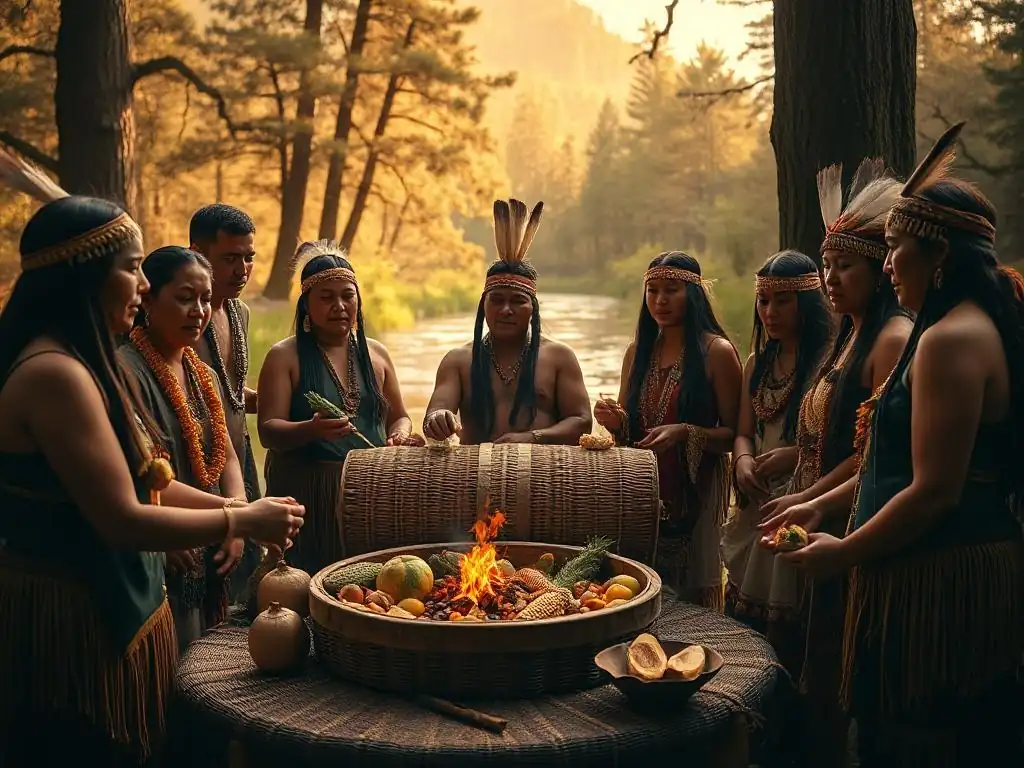
Food plays a pivotal role in the rituals and spiritual practices of Indigenous cultures across the Americas. It is not merely sustenance; rather, it serves as a conduit for cultural expression, community bonding, and spiritual connection. In many Indigenous traditions, food is viewed as a gift from the Earth, imbued with life and energy. It is often treated with reverence, acknowledging the deep interrelationships between the land, the people, and the spiritual world.
Indigenous ceremonies frequently incorporate food as a central element, transforming meals into sacred acts. For example, during a potlatch or a sun dance, specific foods are prepared and consumed not only to nourish but to symbolize aspects of life, death, and the cycles of nature. The preparation, presentation, and sharing of food reflect the values and beliefs of the community, reinforcing their identity and continuity through generations.
Food as a Means of Connection to Ancestors
In many Indigenous cultures, food serves as a powerful link to ancestors and the spiritual realm. Traditional recipes and food practices are often passed down through generations, embodying the wisdom and experiences of those who came before. The act of preparing and consuming traditional foods can evoke memories of ancestors, fostering a sense of belonging and continuity.
Ceremonial foods are frequently associated with specific ancestral spirits. For instance, certain tribes may prepare particular dishes during ceremonies to honor their forebears, believing that the spirits partake in the meal and bless the community. This connection to the past reinforces cultural identity and the importance of honoring those who have shaped the present.
The Significance of Sharing Food in Ceremonies
Sharing food in Indigenous ceremonies signifies community, unity, and reciprocity. When food is shared, it fosters a sense of belonging among participants, reinforcing social bonds and collective identity. This act is often seen as a form of gratitude to the Earth and its resources, promoting stewardship and respect for nature.
In many cultures, communal feasts are integral to celebrations and ceremonies, where the act of sharing food symbolizes peace, harmony, and the interconnectedness of all beings. For example, during powwows, participants gather to share traditional dishes, reinforcing cultural ties and celebrating heritage. The sharing of food not only nurtures the body but also nourishes the spirit, creating a vibrant, supportive community.
Food Offerings and Their Spiritual Implications
Food offerings are a significant aspect of Indigenous ceremonial practices, serving as a means to communicate with the spiritual world. These offerings are often made to honor deities, ancestors, or natural elements, reflecting a deep respect for the forces that sustain life. The act of offering food is considered a sacred exchange, where it is believed that the spirits receive nourishment and blessings in return.
Different foods carry distinct meanings and purposes in these offerings. For instance, corn, beans, and squash—often referred to as the "Three Sisters"—represent balance and harmony in many Indigenous cultures. Offering these foods during rituals symbolizes gratitude for the harvest and acknowledgment of the interconnectedness of all life. Such practices underscore the spiritual dimensions of food and its importance in maintaining relationships with the natural and supernatural realms.
Contemporary Perspectives on Indigenous Food Symbolism
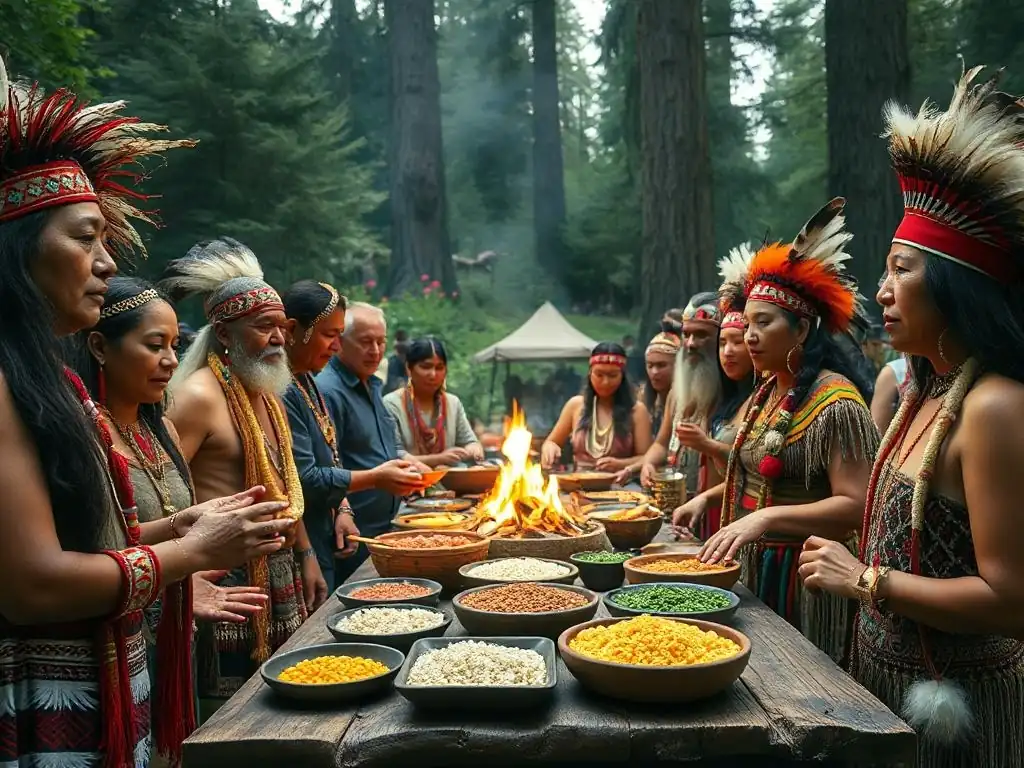
In contemporary society, there is a growing recognition of the importance of Indigenous food symbolism and its role in cultural resilience. Many Indigenous communities are revitalizing traditional food practices to preserve their cultural heritage and identity. This resurgence is often tied to broader movements advocating for food sovereignty and the reclamation of ancestral lands and resources.
Through modern initiatives, Indigenous chefs and community leaders are highlighting the significance of traditional foods in contemporary life. These efforts help educate both Indigenous and non-Indigenous populations about the historical and cultural importance of these foods, fostering greater appreciation and understanding.
Revitalization of Traditional Food Practices
The revitalization of traditional food practices is a vital aspect of cultural resurgence among Indigenous communities. Many groups are reclaiming their culinary heritage by reintroducing traditional crops, recipes, and cooking techniques that have been sidelined due to colonial influences. This movement emphasizes the significance of indigenous foods as carriers of cultural knowledge and identity.
Initiatives such as community gardens, seed-saving programs, and culinary workshops are playing crucial roles in this revitalization process. By engaging younger generations in the preparation and consumption of traditional foods, communities are fostering a deeper connection to their heritage and encouraging the continuation of these practices for future generations.
The Impact of Globalization on Indigenous Ceremonies
Globalization has had a profound impact on Indigenous cultures, including their food practices and ceremonies. While it has facilitated the exchange of ideas and ingredients, it has also led to the erosion of traditional food systems and cultural practices. Many Indigenous communities face challenges in maintaining their culinary traditions in a rapidly changing world dominated by industrialized food systems.
The encroachment of commercial food products can dilute the cultural significance of traditional foods, leading to a disconnection from ancestral practices. However, this challenge has also sparked movements aimed at preserving and promoting Indigenous food sovereignty, where communities assert their right to control their food systems and revitalize their cultural identities.
Modern Festivals Celebrating Indigenous Food Symbolism
Modern festivals celebrating Indigenous food symbolism serve as platforms for showcasing traditional culinary practices while fostering cultural pride and community engagement. Events such as Indigenous food festivals and powwows not only highlight traditional dishes but also educate attendees about their historical and cultural significance.
These festivals often feature cooking demonstrations, storytelling, and workshops, allowing participants to experience Indigenous food culture firsthand. Additionally, they provide opportunities for intergenerational exchange, where elders pass down knowledge and skills to younger community members. Through these celebrations, Indigenous food symbolism is honored and preserved, ensuring that it remains a vibrant part of contemporary Indigenous identity.
Conclusion: The Lasting Impact of Food Symbolism in Indigenous Cultures
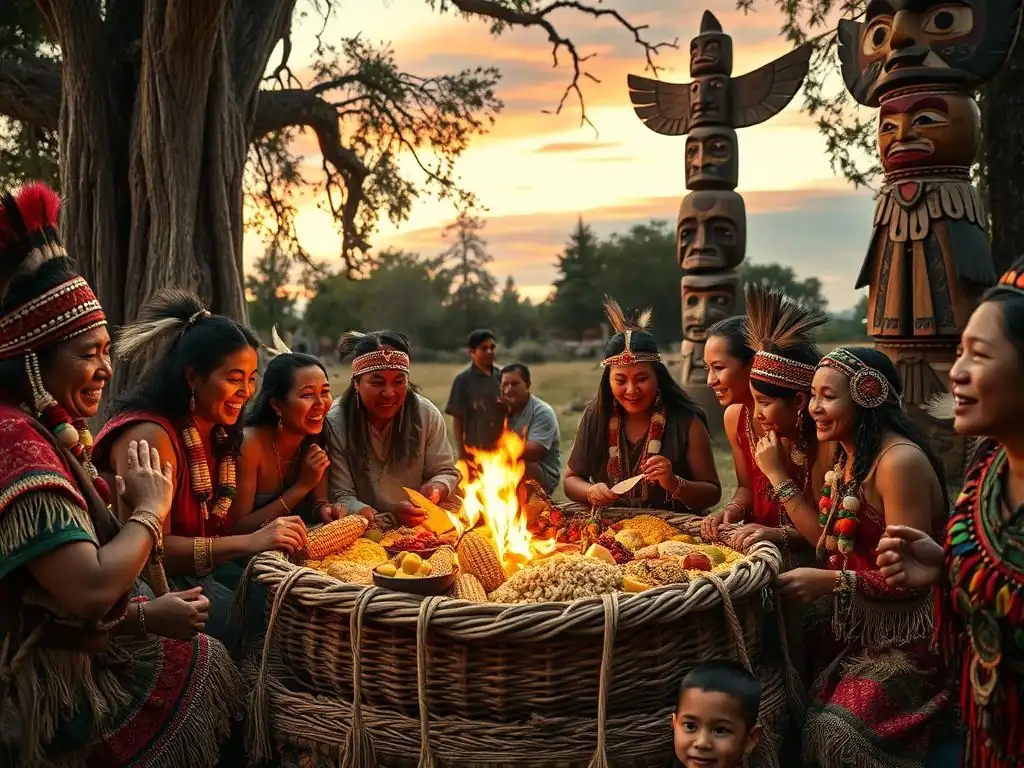
The symbolism of food within Indigenous ceremonies and festivals is not merely a reflection of culinary practices but a profound expression of cultural identity, spirituality, and community ties. The meanings attributed to various foods often transcend their physical properties, embodying ancestral wisdom, ecological knowledge, and the interconnectedness of all life forms. This complex interplay of food and symbolism fosters a deep sense of belonging and continuity among Indigenous peoples, linking past, present, and future generations.
Moreover, Indigenous food symbolism serves as a vehicle for storytelling and the transmission of cultural values. Traditional foods are often intertwined with myths, legends, and teachings that convey essential life lessons and ethical frameworks. These narratives, passed down through generations, not only celebrate the heritage of Indigenous communities but also serve to educate others about their rich cultural legacies. As such, the impact of food symbolism is far-reaching, influencing not only Indigenous societies but also offering insights into sustainable practices and holistic living for broader audiences.
Reflection on the Importance of Preserving Indigenous Food Traditions
Preserving Indigenous food traditions is crucial for several reasons. Firstly, these traditions encapsulate unique agricultural practices, biodiversity, and ecological knowledge that have been honed over millennia. The loss of these traditions could lead to a decline in the variety of native crops and a significant reduction in sustainable farming practices that align with the natural ecosystems.
Furthermore, food traditions are integral to the identity and social fabric of Indigenous communities. They foster a sense of pride and belonging while providing a means of cultural expression. Rituals surrounding food preparation, sharing, and consumption often involve communal participation, reinforcing social bonds and collective memory. By actively preserving these traditions, Indigenous peoples can safeguard their cultural heritage against the pressures of globalization and assimilation, ensuring that future generations can continue to engage with their ancestral practices.
In addition, the revival and promotion of Indigenous foodways can contribute to health and well-being within communities. Many traditional foods are nutrient-dense and well-suited to local climates, promoting not just physical health but also mental and spiritual wellness. Recognizing and valuing these food traditions can empower Indigenous communities to reclaim their narratives and influence broader discussions about food sovereignty and justice.
Future of Indigenous Food Symbolism in Ceremonies and Festivals
The future of Indigenous food symbolism in ceremonies and festivals holds promise as communities increasingly recognize the importance of cultural revitalization. As younger generations become more involved in their cultural practices, there is a renewed interest in traditional foods and their meanings. This trend is bolstered by movements advocating for food sovereignty, which emphasize the right of Indigenous peoples to control their food systems and protect their culinary heritage.
Educational initiatives are also playing a vital role in the future of Indigenous food symbolism. Workshops, cultural exchanges, and collaborations between Indigenous chefs and culinary schools are helping to elevate traditional foods and their significance. These efforts not only foster appreciation for Indigenous cuisines among wider audiences but also empower Indigenous peoples to reclaim their narratives and showcase their culinary arts.
Moreover, as the world becomes increasingly aware of the environmental impacts of contemporary food systems, Indigenous food traditions offer valuable lessons in sustainability and ecological stewardship. The holistic understanding of food as interconnected with land, culture, and spirituality can inspire broader movements toward sustainable agricultural practices and food justice.
The future of Indigenous food symbolism in ceremonies and festivals is not only about preserving the past but also about embracing the potential for cultural resurgence and innovation. As Indigenous peoples continue to adapt and thrive, their food traditions will remain a powerful testament to their resilience and enduring legacy.
- Introduction to Indigenous Food Symbolism
- Historical Context of Food in Indigenous Ceremonies
- Types of Food Used in Indigenous Ceremonies
- Regional Variations in Food Symbolism
- The Role of Food in Rituals and Spiritual Practices
- Food as a Means of Connection to Ancestors
- The Significance of Sharing Food in Ceremonies
- Food Offerings and Their Spiritual Implications
- Contemporary Perspectives on Indigenous Food Symbolism
- Revitalization of Traditional Food Practices
- The Impact of Globalization on Indigenous Ceremonies
- Modern Festivals Celebrating Indigenous Food Symbolism
- Conclusion: The Lasting Impact of Food Symbolism in Indigenous Cultures
- Reflection on the Importance of Preserving Indigenous Food Traditions
- Future of Indigenous Food Symbolism in Ceremonies and Festivals
Frequently Asked Questions
What is the significance of food in Indigenous ceremonies?
Food plays a central role in Indigenous ceremonies, symbolizing community, gratitude, and the connection between people and nature.
How do different Indigenous cultures use food symbolism?
Various cultures utilize food to express spiritual beliefs and cultural identity, often incorporating specific ingredients that hold cultural significance during rituals and festivals.
Can you provide examples of food used in Indigenous festivals?
Common examples include corn, beans, and squash, often referred to as the Three Sisters, which symbolize interdependence and the importance of agriculture in Indigenous life.
How is food prepared for ceremonies?
Food preparation often involves traditional methods and rituals, ensuring that the process conveys respect for nature and the spiritual elements of the food being offered.
What impact do these ceremonies have on Indigenous communities today?
These ceremonies reinforce cultural heritage and foster community bonds, ensuring that traditional practices and values are passed down through generations.
Final Reflection: The Profound Significance of Indigenous Food Symbolism in Ceremonies
The exploration of Indigenous food symbolism in ceremonies and festivals is not merely an academic pursuit; it is a vital connection to cultural identity and heritage that resonates deeply in today's world. As we navigate an increasingly globalized society, the rich traditions surrounding food in Indigenous cultures serve as a powerful reminder of the importance of community, spirituality, and the environment. The way food is integrated into ceremonies is a striking testament to the intricate relationship between people and the land, highlighting the need for a deeper understanding and appreciation of these practices.
The ongoing influence of Indigenous food symbolism continues to shape our cultural landscape, inviting us to reflect on our own connections to food and tradition. As we witness a resurgence of interest in sustainable practices and local food movements, the teachings embedded in Indigenous ceremonies offer invaluable lessons on stewardship and respect for nature. Food is not just sustenance; it is a way to connect with our ancestors and the earth.
This perspective encourages us to honor the traditions that have been passed down through generations, fostering a sense of belonging and continuity in our rapidly changing world.
As we conclude this exploration, I invite you to reflect on your own relationship with food and the traditions that shape your life. Consider how you can incorporate the lessons of Indigenous food symbolism into your daily practices, whether through mindful eating, supporting local farmers, or participating in community gatherings. By embracing these teachings, we not only honor Indigenous cultures but also enrich our own lives, creating a tapestry of shared experiences that celebrates the beauty and significance of food in our collective journey.
Embrace the Richness of Indigenous Culinary Traditions!
Thank you for diving into the fascinating world of Indigenous ceremonies and the profound symbolism of food within them. We hope you've gained valuable insights that deepen your appreciation for these vibrant cultures. Now, it's time to take that knowledge further and celebrate Indigenous culinary heritage!
Here are some steps you can take to continue your journey:
- Participate in local Indigenous events: Seek out festivals or ceremonies in your area that highlight traditional foods and practices. Immerse yourself in the experience and connect with the community.
- Explore Indigenous recipes: Try cooking a traditional dish from an Indigenous culture. Not only will it be a delicious experience, but it will also help you appreciate the stories and significance behind each meal.
- Share your knowledge: Discuss what you've learned with friends or on social media. Encourage others to explore the culinary traditions that enrich our understanding of Indigenous cultures.
What traditional food or ceremony have you always wanted to experience, and why does it resonate with you? Let's keep the conversation going!