
Agricultural Innovations: The Toltec Mastery of Sustainable Farming Techniques

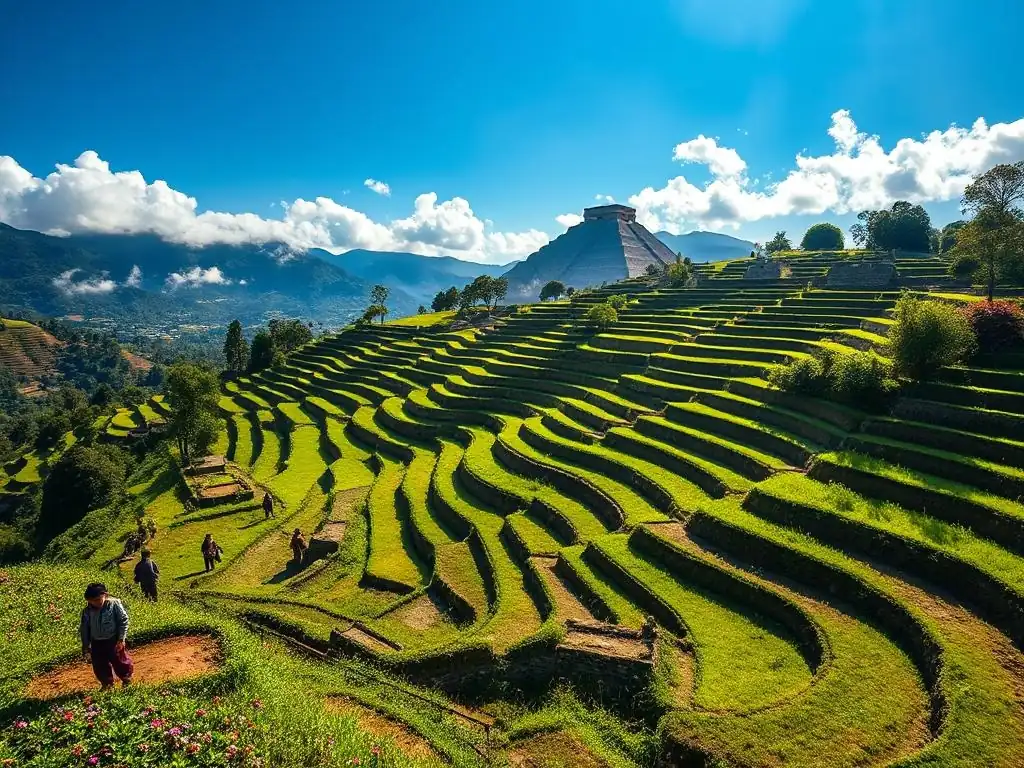
Welcome to Indigenous Civilizations of the Americas, where we embark on a fascinating journey through the rich tapestry of indigenous cultures that flourished long before European contact. Here, we delve into the remarkable achievements and enduring legacies of these societies, with a particular focus on the Toltec sustainable farming techniques. Discover how the Toltecs mastered the art of agriculture, employing innovative methods that not only sustained their communities but also harmonized with the environment. Curious about how these ancient practices can inspire modern sustainability? Join us as we uncover the secrets of the past that continue to resonate today!
- Introduction to Toltec Sustainable Farming Techniques
- Historical Context of Toltec Agricultural Practices
- Key Toltec Sustainable Farming Techniques
- The Impact of Toltec Farming Innovations
- Comparison of Toltec Sustainable Techniques with Other Indigenous Practices
- Modern Relevance of Toltec Sustainable Farming Techniques
- Conclusion: Legacy of Toltec Agricultural Innovations
-
Frequently Asked Questions
- What were the Toltec sustainable farming techniques?
- How did the Toltec civilization influence farming in the Americas?
- What crops were primarily cultivated using Toltec agricultural methods?
- How did sustainable farming practices benefit the Toltec society?
- Are Toltec sustainable farming techniques still relevant today?
- Final Reflection: Embracing the Wisdom of Toltec Sustainable Farming Techniques
- Unlock the Secrets of Sustainable Farming!
Introduction to Toltec Sustainable Farming Techniques
The Toltec civilization, a prominent culture that flourished in central Mexico from approximately 900 to 1168 CE, is renowned for its advanced agricultural practices and sustainable farming techniques. As a precursor to the Aztecs, the Toltecs developed innovative methods that not only maximized crop yields but also preserved the delicate balance of their environment.
This article delves into the Toltec mastery of sustainable farming techniques, exploring how their practices contributed to food security and ecological stewardship. By examining the agricultural innovations of the Toltecs, we can gain valuable insights into the sustainable practices that have been vital throughout history and continue to influence contemporary agricultural approaches.
Overview of the Toltec Civilization
The Toltec civilization is often regarded as a cultural and political precursor to the later Aztec Empire. Centered in the region of Tula, the Toltecs are celebrated for their significant contributions to art, architecture, and philosophy. Their society was characterized by:
- Social Structure: The Toltecs had a complex social hierarchy, including nobles, priests, artisans, and farmers. Each class played a crucial role in maintaining the civilization's prosperity.
- Religious Beliefs: The Toltecs worshipped a pantheon of gods, with Quetzalcoatl, the Feathered Serpent, being one of the most significant deities. Their religious practices often intertwined with their agricultural cycles, emphasizing the importance of nature.
- Art and Architecture: The Toltecs are known for their impressive architectural feats, including pyramids and temples, and their intricate stone carvings that depicted their deities and daily life.
- Trade Networks: Engaging in extensive trade with neighboring cultures, the Toltecs exchanged agricultural products, textiles, and goods, further enriching their society.
Through these elements, the Toltecs established a robust civilization that thrived for centuries, laying the groundwork for future indigenous cultures across the Americas.
Importance of Sustainable Farming in Indigenous Cultures
Sustainable farming techniques were not just practical approaches to agriculture among indigenous cultures; they were integral to their identity and survival. The importance of sustainable farming practices includes:
- Ecological Balance: Indigenous farming methods often focused on maintaining harmony with the environment. This included crop rotation, intercropping, and the use of organic fertilizers, which helped to preserve soil health and biodiversity.
- Food Security: By employing sustainable practices, indigenous peoples ensured a reliable food supply, which was vital for their communities' growth and resilience. This adaptability allowed them to thrive in diverse ecosystems, from arid deserts to lush rainforests.
- Cultural Heritage: Farming techniques were often passed down through generations, embedding cultural values and knowledge into the very fabric of indigenous societies. This connection to the land fostered a deep respect for nature and an understanding of sustainable practices that are still relevant today.
- Innovation and Adaptation: Indigenous cultures, including the Toltecs, showcased remarkable ingenuity in adapting their farming techniques to local conditions. Their innovations, such as chinampas (floating gardens) and agroforestry, exemplify how traditional knowledge can lead to sustainable agricultural practices.
The Toltec civilization's sustainable farming techniques not only reflect their adaptability and respect for the environment but also highlight the broader significance of indigenous agricultural practices in promoting ecological balance and food security throughout history.
Historical Context of Toltec Agricultural Practices
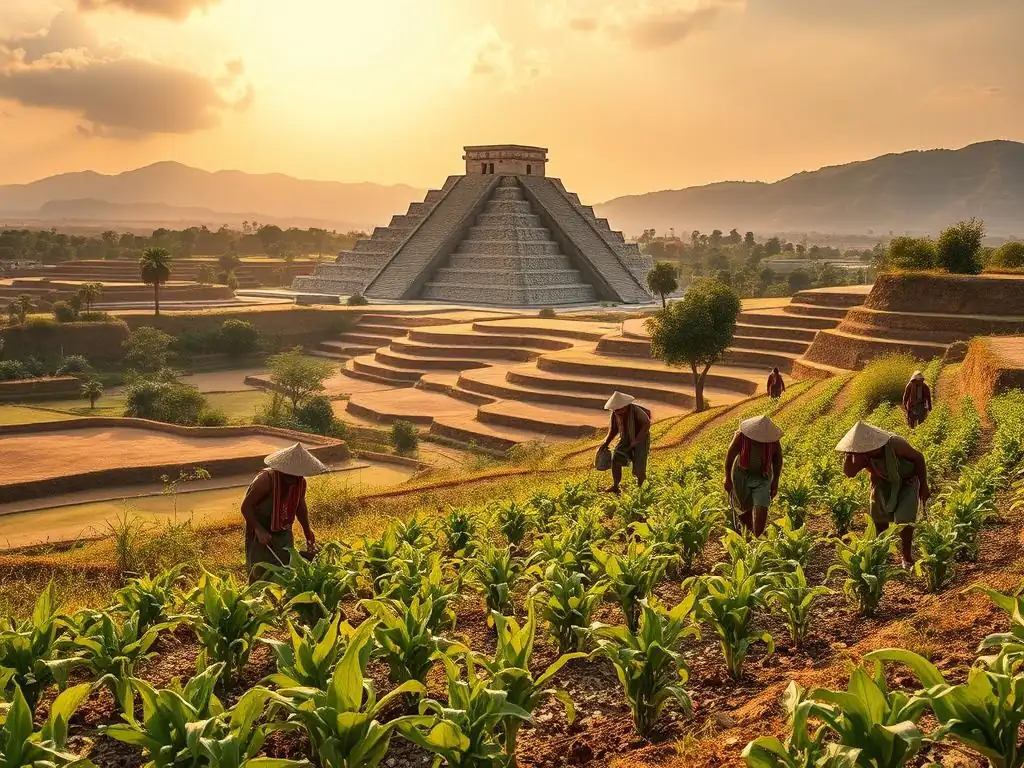
The Toltec civilization, flourishing in central Mexico from approximately 900 to 1168 CE, is renowned for its remarkable contributions to agriculture, which were pivotal to its societal development. Understanding the historical context of Toltec agricultural practices illuminates how these innovations were not only a response to environmental conditions but also a reflection of their complex social structures and spiritual beliefs.
The Toltecs inherited agricultural knowledge from earlier Mesoamerican cultures, particularly the Teotihuacan and the Olmec. They adopted and refined various farming techniques, which allowed them to cultivate a diverse range of crops, such as maize, beans, squash, and amaranth. The mastery of these crops was essential for sustaining their population and supporting their urban centers, particularly the capital city of Tula.
Pre-Columbian Agricultural Techniques
The agricultural innovations of the Toltecs were deeply rooted in pre-Columbian practices. Some of the key techniques included:
- Milpa System: A shifting cultivation method where land was cleared and cultivated for a few years before being left fallow. This technique enhanced soil fertility and reduced pest populations, promoting sustainable farming.
- Chinampas: Although more closely associated with the Aztecs, the concept of floating gardens may have influenced the Toltec practices. These small, rectangular areas of fertile arable land created on shallow lake beds allowed for year-round farming.
- Terracing: In regions with mountainous terrain, the Toltecs constructed terraces to minimize soil erosion and maximize arable land. This method was essential for growing crops on steep slopes and ensured efficient water management.
- Crop Rotation: To maintain soil health, the Toltecs practiced crop rotation, alternating the types of crops planted in a given area to replenish nutrients and combat soil depletion.
These techniques were not merely agricultural strategies; they were intertwined with the Toltec worldview, emphasizing harmony with nature and respect for the land.
Influence of Geography on Toltec Farming
The geographical context of the Toltec civilization significantly influenced their agricultural practices. Central Mexico's varied landscapes, including highlands, valleys, and semi-arid areas, shaped their approach to farming.
- Climate Adaptations: The Toltecs had to adapt to the region's diverse climate, which included dry and wet seasons. They developed irrigation systems to divert water from rivers and streams, enabling agriculture even in arid conditions. This adaptability was crucial for the cultivation of staple crops.
- Soil Management: The volcanic soils of central Mexico are rich in nutrients, which facilitated agricultural productivity. The Toltecs utilized these natural resources by implementing sustainable farming practices that preserved soil quality over generations.
- Biodiversity: The geographical diversity allowed the Toltecs to cultivate a wide variety of crops. This biodiversity not only provided a more balanced diet but also contributed to ecological resilience, making their agricultural systems more sustainable.
The Toltec sustainable farming techniques were a product of their historical and geographical context. Their ability to innovate and adapt agricultural practices enabled them to thrive in a complex environment, laying the groundwork for future civilizations in the region. These practices exemplify the profound understanding that the Toltecs had of their ecosystem, paving the way for sustainable agriculture that resonates in modern times.
Key Toltec Sustainable Farming Techniques
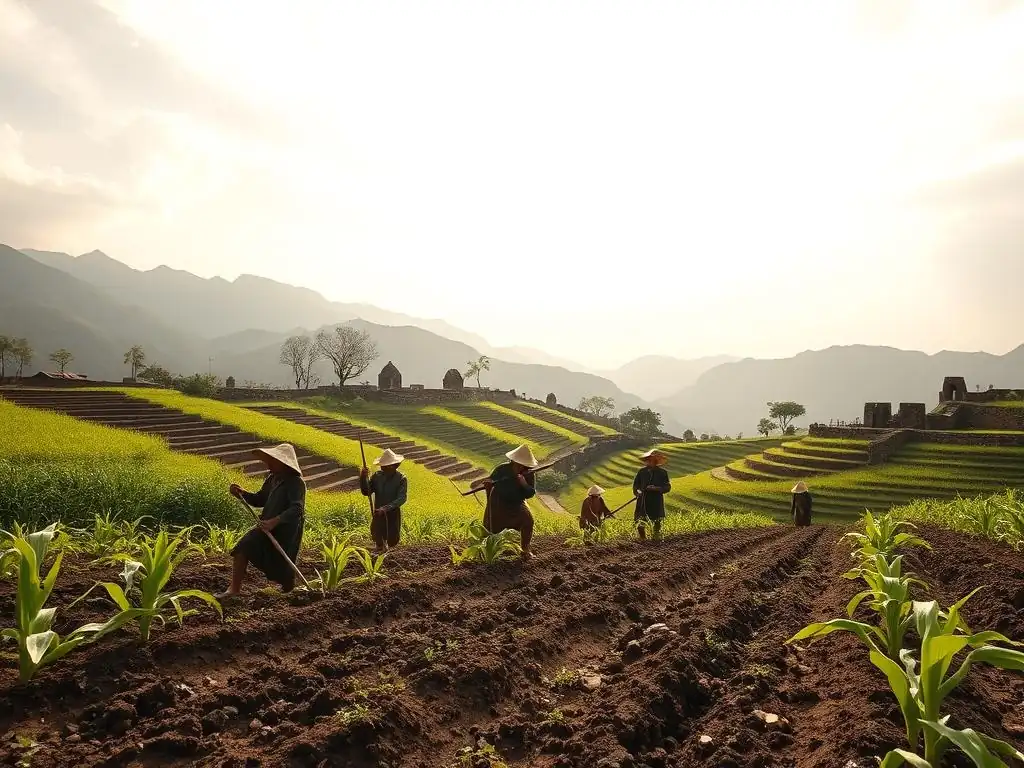
The Toltec civilization, known for its remarkable achievements in various fields, also demonstrated exceptional mastery in sustainable farming techniques. These practices not only ensured the efficient use of resources but also laid the foundation for agricultural resilience. Here, we will explore some of the key techniques employed by the Toltecs that contributed to their agricultural success.
Crop Rotation and Diversity
The Toltecs implemented sophisticated crop rotation practices, which played a crucial role in maintaining soil fertility and preventing pest infestations. By alternating the types of crops planted in a given field, they minimized the depletion of specific nutrients from the soil.
- Diverse Crops: The Toltecs cultivated a variety of crops, including maize, beans, and squash, often referred to as the "Three Sisters." This polyculture approach not only provided a balanced diet but also enhanced the resilience of their agricultural systems.
- Nutrient Cycling: Different crops have varying nutrient needs and contributions. For example, legumes like beans can fix nitrogen in the soil, benefiting subsequent crops. This technique allowed the Toltecs to maximize yields while minimizing the need for synthetic fertilizers.
Use of Organic Fertilizers
To enrich their soil naturally, the Toltecs utilized organic fertilizers derived from local resources.
- Animal Manure: The use of animal waste as fertilizer was a common practice. This not only recycled nutrients back into the soil but also improved its structure and moisture retention.
- Composting: The Toltecs also practiced composting, turning plant residues and organic matter into nutrient-rich compost. This practice enhanced soil health and supported sustainable agriculture by reducing reliance on external inputs.
Water Management Systems
Water management was central to the Toltec agricultural strategy, as it allowed them to optimize the use of water resources in a region often characterized by variable climate conditions.
The Role of Chinampas in Irrigation
Chinampas, or floating gardens, were innovative agricultural systems developed by the Toltecs and later adapted by the Aztecs. These man-made islands in shallow lake areas enabled year-round farming.
- Irrigation Efficiency: Chinampas were surrounded by water, which provided a constant source of moisture and enabled the growth of multiple crops per year. This method ensured that crops received adequate water without the need for extensive irrigation infrastructure.
- Soil Enrichment: The organic material from decaying plants and aquatic life contributed to rich, fertile soil, thus enhancing crop production while maintaining sustainable practices.
Rainwater Harvesting Techniques
In addition to chinampas, the Toltecs developed effective rainwater harvesting systems to capture and store precipitation.
- Catchment Systems: These systems included strategically placed ditches and reservoirs that collected rainwater during the wet season. This water was then used during drier periods, ensuring a consistent supply for irrigation.
- Sustainability: By relying on natural rainwater, the Toltecs reduced their dependence on external water sources, promoting long-term sustainability in their agricultural practices.
The Toltec sustainable farming techniques exemplify a harmonious relationship with the environment that prioritized resource management, biodiversity, and ecological balance. These innovations not only supported their civilization but also set a precedent for sustainable practices in agriculture that are still relevant today.
The Impact of Toltec Farming Innovations

The Toltec civilization, flourishing in central Mexico from around the 10th to the 12th centuries, is renowned for its impressive agricultural innovations that laid the groundwork for sustainable farming techniques. These practices not only enhanced food production but also fostered economic stability, environmental sustainability, and social cohesion among Toltec communities. Through their mastery of sustainable farming techniques, the Toltecs demonstrated a profound understanding of their environment and the importance of maintaining a balance between agricultural practices and resource conservation.
Economic Benefits of Sustainable Practices
The economic impact of Toltec sustainable farming techniques was significant, as they allowed for increased agricultural productivity while minimizing resource depletion. Key practices included:
- Terracing: The Toltecs implemented terracing on hilly terrain, which reduced soil erosion and maximized arable land. This method allowed for the cultivation of various crops, including maize, beans, and squash, which were staples in their diet.
- Crop Rotation: By rotating crops, the Toltecs maintained soil fertility and reduced pest populations. This practice not only ensured a steady food supply but also allowed them to trade surplus produce, boosting their economy.
- Agroforestry: Integrating trees into agricultural systems provided shade, improved soil quality, and enhanced biodiversity. The Toltecs cultivated fruit trees alongside staple crops, creating a diverse yield that contributed to both nutrition and trade.
These sustainable practices resulted in a robust economy that supported trade networks, not only within Toltec society but also with neighboring cultures, thereby enriching their cultural exchanges and fostering diplomatic relations.
Environmental Sustainability and Biodiversity
The Toltec approach to sustainable farming was deeply intertwined with their respect for nature. Their techniques promoted environmental sustainability and biodiversity, which are critical in maintaining healthy ecosystems. Key aspects include:
- Water Management: The Toltecs developed sophisticated irrigation systems, including canals and reservoirs, to optimize water use. This innovation allowed them to cultivate crops in arid regions, demonstrating an advanced understanding of hydrology.
- Soil Conservation: By employing methods such as mulching and composting, the Toltecs enhanced soil health, preventing degradation and promoting nutrient cycling. These practices helped maintain the ecological balance necessary for sustainable agriculture.
- Biodiversity Enhancement: The cultivation of a variety of crops and the preservation of wild plant species contributed to greater biodiversity. This diversity not only provided resilience against pests and diseases but also supported a range of wildlife, ensuring the stability of the ecosystem.
Through these practices, the Toltecs exemplified a sustainable relationship with their environment, ensuring that agricultural development did not come at the expense of ecological health.
The social implications of Toltec sustainable farming techniques were profound, reinforcing community ties and enhancing the quality of life for its members. Important factors include:
- Food Security: By implementing sustainable practices, the Toltecs ensured a reliable food supply, which was crucial for the survival of their communities. This stability allowed for population growth and the flourishing of cultural practices.
- Community Collaboration: Agricultural innovations often required collective efforts, fostering a sense of unity among community members. Shared labor in farming activities not only strengthened social bonds but also encouraged the exchange of knowledge and skills.
- Cultural Practices: The Toltecs integrated their agricultural techniques with cultural rituals, celebrating harvests and the natural cycles. This connection to agriculture reinforced their identity and values, promoting a sense of belonging within the community.
The impact of Toltec sustainable farming techniques extended beyond mere agricultural productivity; it shaped their economy, preserved their environment, and strengthened their social fabric, showcasing the holistic benefits of sustainable practices that resonate even today.
Comparison of Toltec Sustainable Techniques with Other Indigenous Practices

Similarities with Maya Agricultural Innovations
The Toltec civilization, renowned for its agricultural prowess, shares several similarities with the agricultural innovations of the Maya civilization. Both cultures developed sustainable farming techniques that allowed them to thrive in their respective environments. Here are some key similarities:
- Terracing: Much like the Maya, the Toltecs employed terracing as a method to maximize arable land on hilly terrain. This practice not only helped in soil conservation but also minimized erosion, allowing for the cultivation of crops in challenging landscapes.
- Crop Diversity: The Toltecs, similar to the Maya, cultivated a variety of crops, including maize, beans, and squash—often referred to as the "Three Sisters." This diverse planting strategy not only ensured food security but also enhanced soil fertility through companion planting.
- Irrigation Techniques: Both civilizations developed sophisticated irrigation systems. The Maya utilized canals and raised fields, while the Toltecs adapted similar methods to manage water resources effectively, crucial for sustaining agriculture during dry seasons.
- Use of Organic Fertilizers: The use of organic materials, such as animal manure and compost, was prevalent among both cultures. These practices enriched the soil, promoting healthier crops and reducing dependence on synthetic fertilizers.
- Agroforestry Practices: The integration of trees within agricultural systems was common in both cultures. These trees provided shade, reduced wind erosion, and contributed to biodiversity, showcasing a holistic approach to land management.
Differences in Farming Approaches Among Indigenous Cultures
While the Toltec sustainable farming techniques demonstrate significant overlaps with other indigenous practices, distinct differences are also evident when compared to other cultures such as the Incas and the North American Plains tribes. These differences reflect the unique environmental conditions and societal structures of each civilization.
- Geographical Adaptation:
- The Incas mastered high-altitude agriculture, using specialized techniques such as vertical farming and frost-resistant crops like quinoa. Their extensive terracing was tailored to the Andes mountains, showcasing their adaptation to altitude.
- In contrast, the Toltecs focused on arid and semi-arid regions, developing techniques like conservation tillage to prevent soil degradation in less hospitable environments.
- Crop Specialization:
- The North American Plains tribes predominantly relied on bison hunting and gathering, with agriculture playing a secondary role. They cultivated limited crops, primarily corn and sunflowers, but did not develop extensive agricultural systems.
- Conversely, the Toltecs established a more intensive agricultural model, with a focus on maximizing yield through crop rotation and polyculture, which allowed them to support larger populations.
- Community Organization:
- The Incan agricultural system was heavily centralized, with state control over land and resources, enabling large-scale projects like the Inca road system to facilitate trade and communication.
- The Toltec approach was likely more decentralized, with local communities managing their agricultural practices, fostering resilience and adaptation to their specific environments.
These variations underscore the rich tapestry of indigenous agricultural practices across the Americas, highlighting how each culture developed techniques that were best suited to their unique circumstances. The mastery of sustainable farming techniques by the Toltecs not only reflects their innovative spirit but also their deep connection to the land, contributing to a legacy that continues to inspire modern agricultural practices.
Modern Relevance of Toltec Sustainable Farming Techniques

Lessons for Contemporary Agriculture
The agricultural innovations of the Toltec civilization offer invaluable lessons for contemporary agriculture, particularly in the realm of sustainable farming techniques. The Toltecs, who thrived in central Mexico from around 900 to 1168 CE, developed methods that emphasized harmony with the environment, soil fertility, and resource conservation. These practices are increasingly relevant today as global agriculture faces challenges related to climate change, soil degradation, and water scarcity.
- Crop Rotation and Diversity: The Toltecs practiced crop rotation and intercropping, which not only improved soil health but also increased biodiversity. For example, they cultivated a mix of crops such as maize, beans, and squash, which complemented each other nutritionally and agriculturally. This technique can reduce pest outbreaks and enhance resilience against diseases—key issues in modern monoculture farming.
- Agroecology Principles: The principles of agroecology align closely with the Toltec methods. By working with natural ecosystems, farmers can create sustainable agricultural systems that mimic the diversity and resilience found in nature. The Toltecs utilized natural fertilizers, such as compost and green manures, which enhanced soil fertility without reliance on chemical inputs.
- Water Management: The Toltec civilization demonstrated advanced techniques in water management, such as terracing and the construction of irrigation systems. These methods are particularly relevant in arid regions where water conservation is critical. Modern farmers can learn from these ancient methods to implement efficient irrigation practices that minimize water waste while maximizing crop yield.
- Community-Centered Agriculture: The Toltecs emphasized community involvement and shared knowledge in farming practices. This collaborative approach can serve as a model for contemporary agricultural communities, fostering resilience through cooperative networks that share resources, techniques, and support.
Application in Modern Sustainable Farming Practices
Understanding and applying Toltec sustainable farming techniques can significantly influence modern agricultural practices. Here are several ways these ancient methods can be integrated into contemporary farming:
- Permaculture Design: Incorporating principles from Toltec agriculture into permaculture design can lead to more sustainable and self-sufficient farming systems. Emphasizing the use of native plants and creating polycultures can enhance ecosystem services and reduce dependency on external inputs.
- Organic Farming: The Toltecs’ reliance on organic methods, such as natural pest control and the use of organic fertilizers, aligns with the growing trend of organic farming. Modern farmers can adopt these practices to improve soil health and reduce chemical runoff, benefiting both the environment and human health.
- Education and Knowledge Sharing: Establishing educational programs that focus on traditional agricultural techniques can empower new generations of farmers. Workshops and community initiatives that promote the wisdom of the Toltecs can help revive interest in sustainable farming practices that prioritize ecological balance.
- Research and Innovation: Ongoing research into ancient agricultural practices can yield innovative solutions for today's farming challenges. By studying the techniques of the Toltecs, scientists and agronomists can develop new methods that integrate traditional knowledge with modern technology, leading to enhanced productivity and sustainability.
The sustainable farming techniques of the Toltec civilization not only provide insight into their successful agricultural practices but also offer valuable lessons and applications for modern agriculture. By embracing these ancient methods, contemporary farmers can contribute to a more sustainable future for food production, ensuring that agricultural practices support both ecological integrity and community resilience.
Conclusion: Legacy of Toltec Agricultural Innovations
The Toltec civilization, renowned for its agricultural innovations, has left an indelible mark on the landscape of sustainable farming techniques. Their mastery of agriculture not only contributed to their prosperity but also laid the groundwork for future generations of indigenous farmers across the Americas. By integrating a deep understanding of their environment with sophisticated farming practices, the Toltecs exemplified how sustainable methods could yield bountiful harvests while preserving the integrity of the land.
Lasting Influence on Indigenous Farming Techniques
The agricultural practices of the Toltecs have significantly influenced indigenous farming techniques throughout Mesoamerica. Their implementation of crop rotation, intercropping, and irrigation systems showcased a holistic approach to farming that prioritized soil health and water conservation.
- Crop Rotation: By alternating the types of crops planted in a given area, the Toltecs enhanced soil fertility and reduced pest populations. This practice has been adopted by many indigenous groups, demonstrating its effectiveness in maintaining sustainable agriculture.
- Intercropping: The Toltecs often planted complementary crops together, such as maize and beans, which provided mutual benefits. This technique not only maximized land use but also contributed to a diverse diet rich in nutrients.
- Irrigation Systems: Their advanced irrigation techniques, including the construction of canals and terraces, allowed for efficient water distribution. This was particularly crucial in regions with variable rainfall, ensuring that crops received adequate moisture without over-reliance on rainwater.
These foundational practices remain relevant today, as modern farmers increasingly turn to sustainable methods inspired by traditional indigenous techniques. The Toltec legacy in agriculture serves as a testament to the ingenuity and adaptability of indigenous peoples.
The Importance of Preserving Traditional Knowledge
Preserving traditional agricultural knowledge is crucial for maintaining biodiversity and sustainable practices in contemporary farming. The wisdom passed down through generations of indigenous farmers offers insights into resilient farming systems that can adapt to changing climates and environmental challenges.
- Biodiversity: The Toltecs recognized the importance of cultivating a wide variety of crops, which not only enhanced food security but also promoted ecological balance. This biodiversity is essential for the resilience of food systems against pests and diseases.
- Cultural Heritage: Traditional farming techniques are intertwined with cultural identities and practices. Protecting this knowledge helps preserve the cultural heritage of indigenous communities, fostering pride and continuity in their agricultural practices.
- Education and Awareness: Integrating traditional knowledge into modern agricultural education programs can bridge the gap between ancient wisdom and contemporary practices. This approach encourages collaboration between indigenous knowledge holders and modern agricultural scientists.
The Toltec sustainable farming techniques represent a remarkable achievement in agricultural innovation that continues to inspire contemporary practices. By valuing and preserving this traditional knowledge, we can foster sustainable agricultural systems that honor the legacy of the Toltecs and support the resilience of future generations.
Frequently Asked Questions
What were the Toltec sustainable farming techniques?
The Toltecs developed innovative farming practices that emphasized soil conservation, crop rotation, and the use of irrigation systems to enhance agricultural productivity.
How did the Toltec civilization influence farming in the Americas?
The Toltecs significantly influenced agriculture by promoting sustainable practices that were later adopted by other indigenous cultures, ensuring long-term food security and environmental health.
What crops were primarily cultivated using Toltec agricultural methods?
The Toltecs primarily cultivated staples like maize, beans, and squash, which were integral to their diet and agricultural economy, supported by their innovative farming techniques.
How did sustainable farming practices benefit the Toltec society?
The sustainable farming practices allowed the Toltec society to maintain a stable food supply, support a growing population, and foster economic prosperity through trade.
Are Toltec sustainable farming techniques still relevant today?
Yes, many Toltec sustainable farming techniques are still relevant and are being revisited today for their environmental sustainability and capacity to promote biodiversity in modern agriculture.
Final Reflection: Embracing the Wisdom of Toltec Sustainable Farming Techniques
The legacy of the Toltec mastery of sustainable farming techniques is more relevant today than ever, as we face pressing environmental challenges and a growing need for sustainable practices in agriculture. The wisdom of the Toltecs, who harmonized their agricultural methods with the natural world, offers us a blueprint for resilience in our modern farming systems. Their innovative approaches remind us that sustainability is not merely a trend but a necessity for our survival and the health of our planet.
The influence of Toltec sustainable farming techniques extends beyond their historical context; they resonate deeply within our contemporary cultural and social landscape. As we grapple with issues like climate change and food security, the principles of respect for nature and community-oriented practices become increasingly vital. We do not inherit the earth from our ancestors; we borrow it from our children.
This quote encapsulates the essence of the Toltec approach—an understanding that our agricultural choices today shape the world of tomorrow. By embracing these ancient techniques, we can foster a more sustainable future that honors both our heritage and our responsibility to future generations.
As you reflect on the teachings of the Toltecs, consider how you can incorporate their sustainable practices into your own life, whether through gardening, supporting local farmers, or advocating for environmentally friendly policies. Let the wisdom of the Toltecs inspire you to take action—every small step towards sustainability counts. Together, we can cultivate a future that thrives on the principles of balance, respect, and stewardship, ensuring that the earth remains a fertile ground for generations to come.
Unlock the Secrets of Sustainable Farming!
Thank you for taking the time to explore how the Toltec civilization mastered sustainable farming techniques. You've uncovered their innovative practices and recognized the significance of preserving our environment through agriculture. Now it’s time to put this knowledge into action and embrace sustainable farming methods in your own life!
Here’s how you can get started:
- Implement a sustainable technique in your garden today! Whether it's companion planting or using organic materials for fertilization, start small and observe how your garden flourishes.
- Join a local community garden or sustainability group to share your journey and learn from others who are passionate about eco-friendly farming practices.
- Spread the knowledge! Share this article with friends or on social media to inspire them to adopt these effective farming methods.
What sustainable agricultural practices have you tried, or are you curious to explore? Let's cultivate a conversation on how we can all contribute to a healthier planet!