
The Warrior Chiefs: Unveiling the Military Leadership of Indigenous Nations

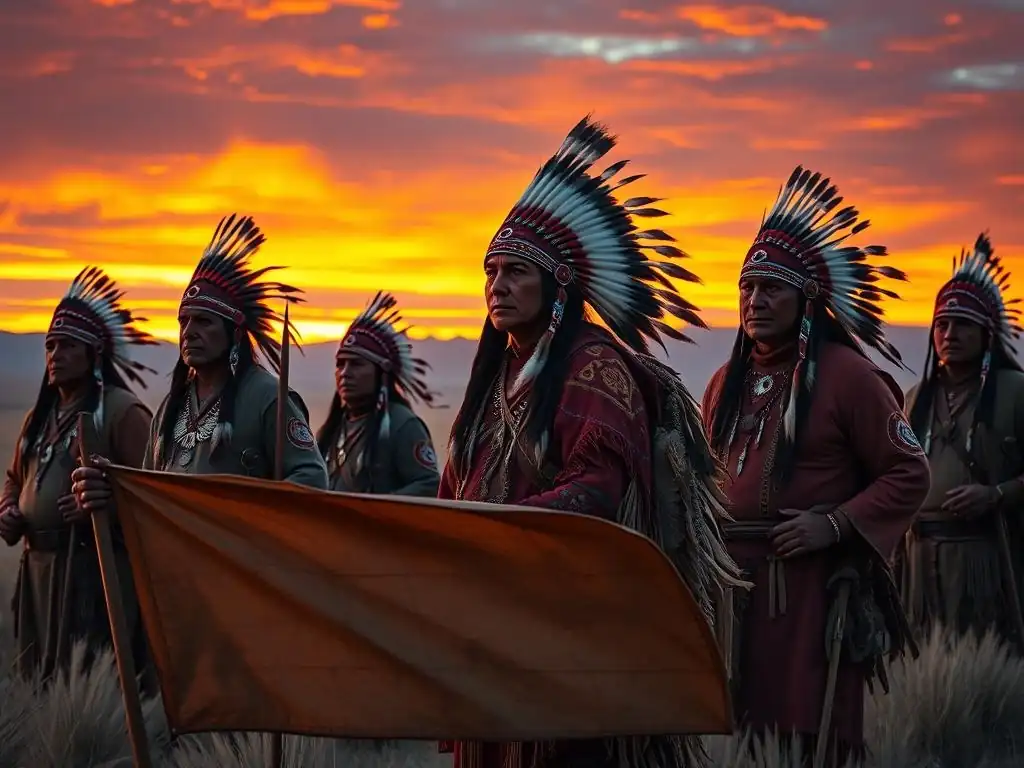
Welcome to Indigenous Civilizations of the Americas, where we invite you to embark on a journey through the rich tapestry of indigenous cultures that flourished long before the arrival of European settlers. Here, we delve into the powerful narratives of military leadership, exploring the remarkable history of Indigenous military leadership that shaped the fate of nations.
In our featured article, "The Warrior Chiefs: Unveiling the Military Leadership of Indigenous Nations," you'll uncover the strategies, valor, and resilience of tribal leaders who navigated the complexities of warfare with unparalleled skill. Prepare to be captivated and inspired as you discover the legacies of these extraordinary figures and their profound impact on the world we know today.
Introduction to Indigenous Military Leadership History
The history of Indigenous military leadership in the Americas is a rich tapestry woven from the diverse experiences and strategies of numerous nations that flourished long before European colonization. This comprehensive exploration delves into the role of warrior chiefs, who not only led their people in battle but also embodied the values, traditions, and aspirations of their communities.
These leaders were pivotal in shaping the military and political landscapes of their societies, employing tactics that were often in tune with the natural world around them. Understanding the nuances of Indigenous military leadership history is crucial for appreciating the complexity and sophistication of these civilizations, as well as the profound impact they had on the course of history in the Americas.
Overview of Indigenous Military Leadership
Indigenous military leadership was characterized by a combination of strategic acumen, deep cultural understanding, and a profound sense of responsibility towards their communities. Warrior chiefs were not just military commanders; they were also diplomats, strategists, and protectors of their people. Their leadership styles varied widely among different tribes and regions, reflecting the unique social structures and cultural practices from which they emerged.
- Key Attributes of Indigenous Leaders:
- Strategic Vision: Ability to foresee potential threats and opportunities.
- Cultural Integration: Military actions were often intertwined with spiritual beliefs and practices.
- Community Engagement: Decisions were typically made with input and consensus from the tribe.
The prominence of these leaders can be observed through various historical accounts that highlight their roles in significant battles, negotiations, and the establishment of alliances.
Importance of Military Leadership in Indigenous Cultures
The significance of military leadership within Indigenous cultures extends beyond mere combat prowess. It is interlaced with their identity, spirituality, and social cohesion.
- Cultural Significance:
- Leaders often held ceremonial roles, reinforcing the connection between military actions and cultural rituals.
- Social Cohesion:
- Strong military leadership fostered unity among tribes, often leading to the creation of confederacies that could withstand external pressures.
- Survival and Adaptation:
- Effective military leaders were essential for the survival of their nations, particularly in times of conflict with other tribes or colonial forces.
The legacy of these leaders continues to resonate today, influencing contemporary Indigenous governance and community organization.
Historical Context of Indigenous Military Leadership
Understanding the historical context of Indigenous military leadership requires examining the pre-colonial military structures, geographical influences, and the key conflicts and alliances that shaped their strategies.
Pre-Colonial Military Structures
Before European contact, many Indigenous nations had established complex military hierarchies. Leadership roles were often determined by:
- Merit and Accomplishment: Leaders were typically chosen based on their bravery and successful strategies in previous conflicts.
- Council Systems: Decisions regarding warfare were often made in councils, emphasizing collective wisdom.
These structures allowed for a flexible and adaptive response to threats, as leaders could quickly mobilize their warriors based on the situation at hand.
Influence of Geography on Military Strategies
The geographical diversity of the Americas played a crucial role in shaping military strategies among Indigenous nations.
- Territorial Awareness: Knowledge of the land was essential for ambush tactics and strategic retreats.
- Resource Availability: Access to natural resources influenced the development of weaponry and the sustainability of military campaigns.
For instance, the Plains Nations developed strategies that leveraged vast open spaces, while the forest-dwelling tribes utilized their knowledge of dense vegetation to launch surprise attacks.
Key Conflicts and Alliances Among Indigenous Nations
Throughout history, various Indigenous nations engaged in conflicts that were often marked by shifting alliances and rivalries. Notable examples include:
- The Iroquois Confederacy: A powerful alliance that utilized diplomatic and military strategies to assert influence over neighboring tribes.
- The Pueblo Revolt: An uprising against Spanish colonial rule that showcased the military organization and leadership of the Pueblo peoples.
These historical events not only illustrate the complexities of Indigenous military leadership but also the interplay between warfare and diplomacy in maintaining power and sovereignty.
The exploration of these themes provides a deeper understanding of Indigenous military leadership history, shedding light on the resilience and ingenuity of Indigenous nations in the face of adversity.
Prominent Warrior Chiefs in Indigenous Military History
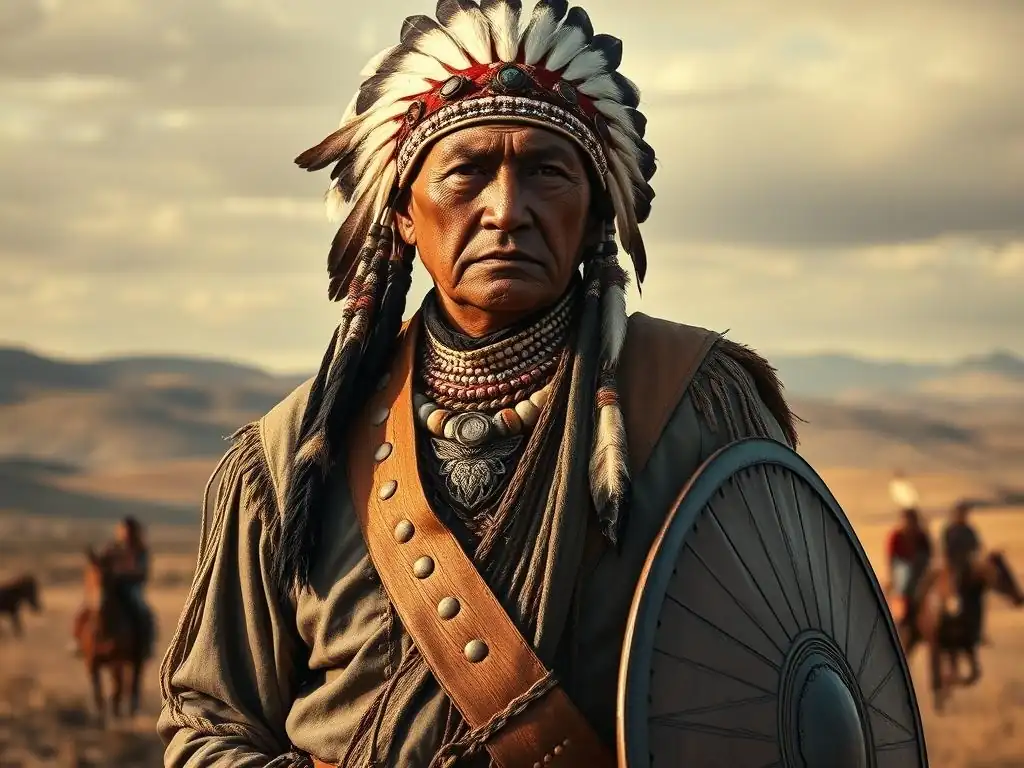
Throughout Indigenous military history, numerous warrior chiefs have emerged as pivotal figures, leading their nations in defense of their lands and cultures. These leaders not only exemplified bravery and strategic acumen but also embodied the values and traditions of their people. Their legacies continue to resonate within their communities and beyond, serving as symbols of resistance and resilience.
Some of the most notable warrior chiefs include:
- Tecumseh (Shawnee): A visionary leader who sought to unite various tribes against American expansion in the early 19th century. Tecumseh's strategic alliances and charismatic leadership played a crucial role in the War of 1812.
- Sitting Bull (Lakota Sioux): Renowned for his role in the Battle of the Little Bighorn, Sitting Bull was not only a military leader but also a spiritual figure who emphasized the importance of cultural identity and resistance against colonization.
- Geronimo (Apache): A fearless leader who led guerrilla warfare against Mexican and American forces for decades, Geronimo's tactics and unyielding spirit made him a legendary figure in the history of Indigenous resistance.
These warrior chiefs exemplify the rich tradition of military leadership within Indigenous cultures, each contributing to the broader narrative of resistance against colonial forces.
Profiles of Influential Indigenous Military Leaders
-
Tecumseh
Tecumseh emerged as a prominent figure during the early 1800s, advocating for the unification of Native American tribes to resist American encroachment. His efforts culminated in the formation of a confederation of tribes, which posed a significant challenge to U.S. expansion. Tecumseh’s leadership was marked by his ability to inspire loyalty and cooperation among diverse groups, emphasizing the importance of shared goals and cultural identity.
-
Sitting Bull
Sitting Bull was a revered chief of the Lakota Sioux known for his critical role in the resistance against U.S. government policies. His leadership during the 1876 Battle of the Little Bighorn showcased not only his military prowess but also his deep understanding of the spiritual and cultural dimensions of warfare. Sitting Bull's strategies included meticulous planning and the use of intelligence to outmaneuver opponents.
-
Geronimo
As a leader of the Apache, Geronimo became famous for his elusive tactics and guerrilla warfare strategies against both Mexican and American forces. His resistance spanned over 25 years, highlighting the resilience and adaptability of Indigenous military practices. Geronimo's leadership style was characterized by his fierce independence and profound commitment to his people’s freedom.
These profiles illustrate the diverse backgrounds and strategies of Indigenous military leaders, each contributing uniquely to the legacy of Indigenous military history.
Military Strategies and Tactics of Indigenous Nations
Indigenous nations developed a variety of military strategies and tactics that were often adapted to their unique environments and cultural practices. These strategies emphasized mobility, resourcefulness, and an intimate understanding of the land, which proved critical in their confrontations with colonizers.
The military strategies included:
- Guerrilla Warfare: Many Indigenous groups employed hit-and-run tactics, ambushing larger enemy forces and disrupting supply lines. This method allowed smaller groups to effectively challenge larger, more organized armies.
- Use of Terrain: Indigenous warriors often utilized their intimate knowledge of the local geography to gain a tactical advantage. Whether in forests, mountains, or plains, they leveraged natural features to conceal their movements and launch surprise attacks.
- Alliances and Diplomacy: Forming alliances with other tribes or even European powers was a common strategy. By uniting against a common enemy, Indigenous nations could enhance their military strength and resources.
These tactics exemplify the adaptive nature of Indigenous military leadership and highlight their strategic thinking in the face of overwhelming odds.
Unique Warfare Techniques of Indigenous Peoples
Indigenous warriors developed a range of unique techniques that distinguished their approach to warfare. These methods often incorporated elements of their cultural beliefs and practices.
- Rituals and Spirituality: Before battles, many Indigenous peoples engaged in spiritual rituals to seek guidance and protection. This belief in the spiritual dimension of warfare fostered a strong sense of unity and purpose among warriors.
- Custom Weapons: Indigenous groups often crafted weapons tailored to their specific needs, utilizing materials readily available in their environment. For instance, the use of bows, arrows, and spears was common, and these weapons were often designed for optimal effectiveness in their respective terrains.
- Decoys and Deception: Strategies involving deception, such as using decoys or feigned retreats, were frequently employed to mislead opponents and create opportunities for surprise attacks.
These unique warfare techniques illustrate the innovative spirit of Indigenous warriors and their ability to integrate cultural elements into their military practices.
Adaptation to European Warfare Practices
As European colonization intensified, many Indigenous nations adapted their military practices to incorporate elements of European warfare. This adaptation was crucial in responding to the changing dynamics of conflict.
- Adoption of Firearms: Some Indigenous groups began to acquire firearms through trade or conflict. This transition required new training methods and adaptations in tactics to effectively integrate gunpowder weapons into their traditional arsenals.
- Formation of Alliances with European Powers: Many Indigenous nations sought alliances with European powers, such as the French or British, to bolster their military capabilities. These alliances often resulted in the exchange of military technology and strategies.
- Engagement in European-style Warfare: In some cases, Indigenous leaders adopted European military formations and tactics, blending them with their traditional approaches. This hybridization allowed for more structured engagements while still utilizing guerrilla techniques when advantageous.
This adaptability highlights the resilience of Indigenous military leadership and their ability to navigate and respond to the complexities of colonial warfare.
Case Studies of Notable Battles and Campaigns
Several key battles and campaigns exemplify the military leadership and strategies of Indigenous nations in their resistance against European colonization.
- The Battle of the Little Bighorn (1876): Led by Sitting Bull and Crazy Horse, this battle marked a significant victory for the Lakota Sioux and Cheyenne against General Custer’s forces. The Indigenous coalition employed effective tactical formations and surprise maneuvers, leading to a devastating defeat for the U.S. Army. This battle remains a powerful symbol of Indigenous resistance.
- The War of 1812 (1812-1815): Tecumseh played a pivotal role in this conflict by uniting various tribes to fight alongside British forces against American expansion. His leadership was instrumental in several key engagements, including the capture of Fort Detroit, demonstrating the effectiveness of Indigenous alliances and military strategies.
- Geronimo’s Campaign (1850s-1880s): Geronimo's relentless resistance against Mexican and American forces showcased the adaptability and tenacity of Apache warfare. His ability to evade capture through strategic retreats and guerrilla tactics not only prolonged the conflict but also became a symbol of Indigenous determination.
These case studies offer insights into the complexities of Indigenous military leadership, highlighting their strategic ingenuity and the impact of their campaigns on the broader narrative of resistance against colonization.
Cultural Significance of Military Leadership
Military leadership held profound cultural significance for many Indigenous nations across the Americas. Warrior chiefs were not only tactical leaders but also embodying the values, traditions, and spiritual beliefs of their communities. The juxtaposition of warfare and culture is evident in how these leaders were revered, as they represented the strength and resilience of their people.
In many societies, military leadership was intertwined with social status. Warrior chiefs often gained their position through a combination of bravery in battle, strategic acumen, and the ability to unite people. This status conferred not only respect but also a set of responsibilities, including the protection of their community, the management of resources, and the preservation of cultural practices. The achievements of these leaders were celebrated through oral histories, songs, and ceremonies, reinforcing their significance within the cultural tapestry.
Additionally, the warrior ethos permeated various aspects of life, influencing art, storytelling, and education. Young members of the community were taught the values of courage, honor, and sacrifice, often through the lens of the exploits of their warrior chiefs. Thus, military leadership was not merely a function of warfare but a vital component of identity and continuity within Indigenous cultures.
The Role of Warrior Chiefs in Society
The role of warrior chiefs in Indigenous societies extended beyond the battlefield. These leaders were pivotal in maintaining social cohesion and governance within their communities. They were responsible for rallying warriors, strategizing military campaigns, and ensuring the safety of their people. Their military prowess was often complemented by diplomatic skills, allowing them to negotiate alliances or peace treaties with other tribes.
Warrior chiefs also acted as spiritual leaders, drawing on their connection to the land and their people's ancestors to guide their decisions. They participated in rituals that invoked the protection of their communities and sought the blessing of spiritual entities. Their dual role as military and spiritual leaders underscored the holistic approach to leadership in many Indigenous cultures, where the well-being of the people was interconnected with their relationship to the environment and the spiritual world.
Moreover, warrior chiefs frequently served as educators and mentors. They cultivated the next generation of leaders, imparting knowledge about warfare, survival skills, and cultural heritage. This mentorship ensured that the values and practices of the community were transmitted, fostering a sense of continuity and identity.
Spiritual and Ceremonial Aspects of Military Leadership
In many Indigenous cultures, military leadership was deeply intertwined with spiritual and ceremonial practices. Warrior chiefs often engaged in rituals that sought divine favor before embarking on military campaigns. These rituals could involve fasting, prayer, or offerings to the spirits, emphasizing the belief that their success in battle was closely linked to spiritual support.
Ceremonies to honor fallen warriors were also significant, as they reinforced community values around bravery and sacrifice. These events served not only to mourn the dead but also to celebrate their lives, ensuring that their deeds were remembered and celebrated within the community's collective memory. Such ceremonies promoted unity among community members and strengthened the cultural fabric that tied them together.
Additionally, the use of symbols, such as totems or war paint, held considerable meaning. Warrior chiefs often adorned themselves with symbols that conveyed their status, lineage, or achievements in battle. These symbols acted as identifiers within both the community and in interactions with other tribes, serving to instill pride and a sense of belonging.
The Decline of Indigenous Military Leadership
The decline of Indigenous military leadership can be traced to several interrelated factors, particularly the impact of European colonization. As colonial powers established dominance over the Americas, the traditional systems of governance and military organization faced unprecedented challenges.
Effects of European Colonization on Indigenous Warfare
European colonization introduced new technologies and warfare strategies that profoundly altered the dynamics of conflict. Firearms, artillery, and advanced naval capabilities shifted the balance of power, rendering traditional Indigenous military tactics less effective. Colonizers often exploited divisions among different tribes and employed strategic alliances to weaken Indigenous resistance.
Furthermore, the introduction of European diseases devastated Indigenous populations, severely impacting their ability to mount organized military responses. The decimation of entire communities led to a loss of manpower and weakened the traditional warrior class that had been essential for military leadership.
As territorial boundaries shifted and European settlements expanded, Indigenous nations were often forced into a defensive posture. This shift not only undermined the role of warrior chiefs but also eroded the cultural significance of military leadership as communities struggled to adapt to the new realities imposed by colonization.
Loss of Traditional Military Structures
The loss of traditional military structures was a critical consequence of colonization. Many Indigenous societies relied on established hierarchies and customary practices for military organization, which were often disrupted by the imposition of foreign governance and legal systems. As European powers sought to control land and resources, they dismantled the Indigenous systems that had provided stability and cohesion.
In many cases, the roles of warrior chiefs were diminished or replaced by colonial authorities, leading to a fragmentation of leadership. This disintegration not only affected military organization but also had broader implications for community identity and governance. The absence of strong military leadership left many communities vulnerable and less able to resist external pressures.
Moreover, the cultural narratives surrounding military leadership were challenged as colonization imposed new ideologies and values. The glorification of warrior chiefs and their achievements began to fade, as new forms of leadership emerged that were often at odds with traditional practices.
Resilience and Adaptation in Modern Contexts
Despite the decline of traditional military leadership, Indigenous nations have demonstrated remarkable resilience and adaptability in modern contexts. Many communities have sought to reclaim and revitalize their historical narratives, including the significance of military leadership. This resurgence often involves integrating traditional practices with contemporary forms of governance and activism.
In recent years, there has been a renewed interest in Indigenous histories and the roles of warrior chiefs, as communities work to preserve their cultural heritage. This includes the documentation of oral histories, the promotion of Indigenous education, and the establishment of cultural programs that honor past leaders. Such efforts not only serve to empower current generations but also strengthen community identity.
Furthermore, Indigenous leaders today often draw on their historical military legacies to advocate for rights and sovereignty. The understanding of military leadership as a foundation for community resilience has become a powerful tool in modern movements for social justice and land rights. By leveraging their history, Indigenous nations continue to navigate contemporary challenges while honoring the legacy of their warrior chiefs.
Contemporary Perspectives on Indigenous Military Leadership
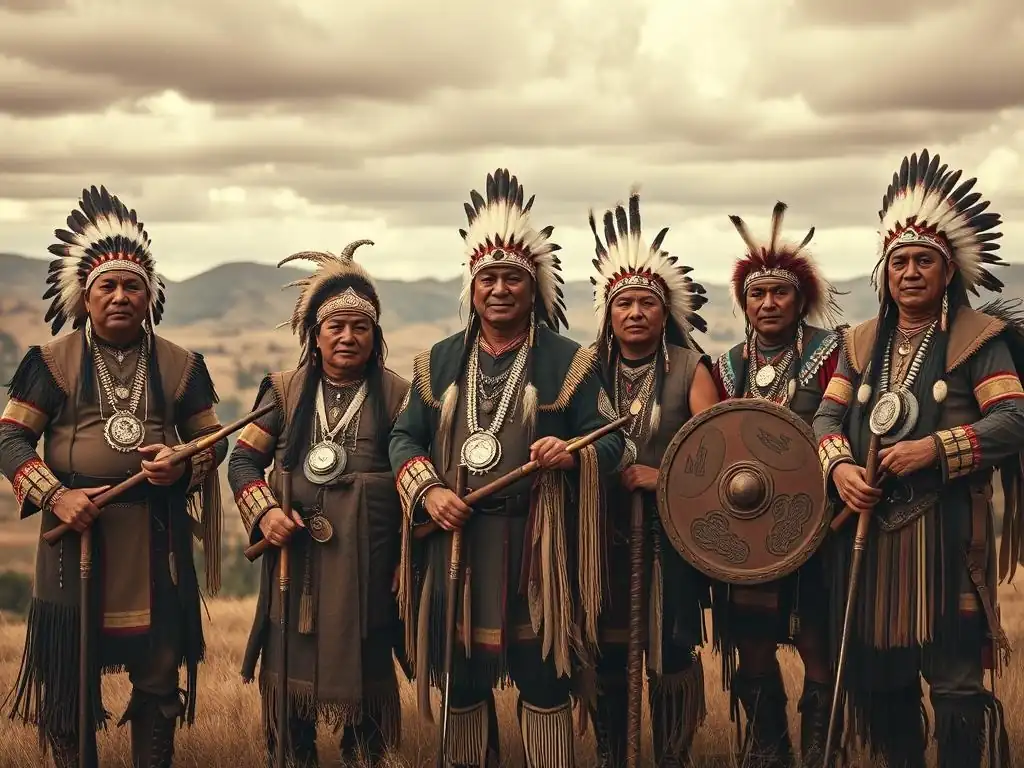
In recent years, there has been a significant shift in how Indigenous military leadership is viewed and understood. Scholars, historians, and Indigenous communities themselves are increasingly recognizing the complex and sophisticated nature of military strategies and leadership roles that existed within Indigenous nations prior to European colonization. This contemporary perspective acknowledges that Indigenous military leadership was not only about warfare but also encompassed diplomacy, community cohesion, and cultural identity.
The evolving narrative around Indigenous military leadership emphasizes the importance of context, highlighting the various factors that influenced military strategies, including geography, resources, and social structures. This broader understanding also allows for a more nuanced appreciation of how Indigenous military leaders operated within their societies, often balancing the demands of warfare with the need for peace and stability.
Revitalization of Indigenous Military Traditions
The revitalization of Indigenous military traditions is a crucial aspect of contemporary Indigenous identity. Many Indigenous communities are actively working to reclaim and celebrate their historical military practices, often integrating them into cultural ceremonies and educational programs. This resurgence serves not only to honor the legacy of past warrior chiefs but also to instill a sense of pride and resilience in younger generations.
Programs that teach traditional warfare tactics, ceremonies, and the significance of warrior roles have emerged, fostering a deeper connection to Indigenous heritage. Such initiatives often involve storytelling, reenactments, and the sharing of oral histories, which play a vital role in passing down knowledge and maintaining cultural continuity. The revitalization efforts also seek to counteract the historical narratives that have often marginalized Indigenous experiences in warfare and military leadership.
Recognition of Indigenous Military Contributions
Recognition of Indigenous military contributions has been slowly gaining traction in academic and public discourse. Historically, the achievements of Indigenous warriors and leaders were often overlooked or misrepresented in mainstream narratives. However, contemporary scholarship is beginning to highlight the significant roles that Indigenous military leaders played in shaping the outcomes of conflicts, both among Indigenous nations and with European powers.
This recognition extends to the contributions of Indigenous military leaders during major historical events, such as the American Revolutionary War and the War of 1812, where Indigenous alliances were pivotal. Efforts to commemorate these contributions through monuments, educational programs, and inclusion in historical narratives are essential for acknowledging the complexity of Indigenous military history and its impact on broader American history.
Modern Warrior Chiefs and Their Roles in Society
In the present day, modern warrior chiefs often embody a blend of traditional leadership and contemporary roles within their communities. They may serve as advocates for Indigenous rights, leaders in cultural revitalization efforts, and voices in political spheres. These individuals carry the weight of their ancestors’ legacies while navigating the complexities of modern society.
Modern warrior chiefs may also engage with issues such as environmental stewardship, social justice, and community health, fostering a holistic approach to leadership that reflects the interconnectedness of their roles. By embodying the principles of traditional warrior ethos—courage, wisdom, and responsibility—they continue to inspire their communities and uphold the values of Indigenous military heritage.
Conclusion: The Enduring Legacy of Indigenous Military Leadership
The legacy of Indigenous military leadership is a testament to the resilience and ingenuity of Indigenous nations throughout history. As contemporary perspectives evolve, the recognition of this legacy becomes increasingly important in understanding the broader narrative of Indigenous cultures and their contributions to history.
Summary of Key Insights
The exploration of Indigenous military leadership reveals several key insights:
- Indigenous military leaders played multifaceted roles that extended beyond warfare, encompassing diplomacy and community cohesion.
- The revitalization of Indigenous military traditions is crucial for cultural identity and continuity.
- There is a growing recognition of the contributions of Indigenous military leaders in shaping historical events.
- Modern warrior chiefs are pivotal figures in their communities, blending traditional values with contemporary societal challenges.
The Importance of Preserving Indigenous Military History
Preserving Indigenous military history is vital for honoring the sacrifices and contributions of past leaders while providing a foundation for future generations. As Indigenous nations continue to assert their identities and rights, understanding their military history becomes a powerful tool for empowerment and advocacy. By documenting and sharing these histories, we can foster a deeper respect for the complexities of Indigenous experiences and ensure that their narratives are not only remembered but celebrated in the ongoing story of the Americas.
References
Key Texts and Resources on Indigenous Military Leadership History
-
"Warriors of the Plains: The History and Culture of the Plains Indians" by James M. McPherson
This comprehensive work delves into the military structures and strategies of Plains tribes, highlighting the roles of warrior chiefs and their impact on tribal societies.
-
"The Indigenous Peoples of North America: A History" by Robert H. McDonald
This book provides a broad overview of the indigenous cultures across North America, including their military leadership and the significance of warriors in community life.
-
"The Native American Experience: A History" by Peter E. Palmquist
This resource examines different aspects of Native American life, including warfare practices and the leadership roles of chiefs during conflicts.
-
"Empire of the Summer Moon: Quanah Parker and the Rise and Fall of the Comanches" by S.C. Gwynne
This narrative focuses on the Comanche Empire and its leaders, exploring the military strategies and leadership qualities that contributed to their dominance in the region.
-
"Black Elk Speaks" by John G. Neihardt
This spiritual autobiography of the Lakota Sioux leader includes reflections on warfare, leadership, and the cultural significance of the warrior class in indigenous societies.
Suggested Further Reading on Indigenous Cultures and Warfare
-
"The Art of War in the Americas: Indigenous Strategies and Tactics" by Patricia A. Davis
This text explores the unique military strategies employed by various indigenous nations, offering insights into their warfare philosophies.
-
"Native American Warfare: A New Perspective" by William C. Sturtevant
This book analyzes various aspects of indigenous warfare, including the roles of warriors and chiefs in both offensive and defensive strategies.
-
"Indigenous Peoples and the Modern State" by David Maybury-Lewis
This resource discusses the historical and contemporary challenges faced by indigenous groups, including their military history and the legacy of their leaders.
-
"Sacred Warriors: The Spirituality of Native American Warriors" by Laura E. McCoy
This work examines the spiritual beliefs that underpin the warrior ethos among indigenous nations and how these beliefs shaped their military leadership.
-
"War and Culture: The Military History of the Americas" edited by David L. G. McCarthy
A collection of essays that provide a wider context for understanding the military practices of indigenous cultures within the broader scope of American military history.
- Introduction to Indigenous Military Leadership History
- Overview of Indigenous Military Leadership
- Importance of Military Leadership in Indigenous Cultures
- Historical Context of Indigenous Military Leadership
- Prominent Warrior Chiefs in Indigenous Military History
- Military Strategies and Tactics of Indigenous Nations
- Cultural Significance of Military Leadership
- The Decline of Indigenous Military Leadership
- Contemporary Perspectives on Indigenous Military Leadership
- Conclusion: The Enduring Legacy of Indigenous Military Leadership
- References
Frequently Asked Questions
What are Warrior Chiefs in Indigenous cultures?
Warrior Chiefs were respected leaders within Indigenous nations, known for their military strategies and leadership skills during conflicts. They played a crucial role in protecting their communities and territories.
How did Indigenous military leadership differ from European models?
Indigenous military leadership was often collective and consensus-driven, emphasizing communal decision-making rather than a strict hierarchy. This approach fostered a strong sense of unity and collaboration among warriors.
What impact did Indigenous military leadership have on society?
The military leadership of Indigenous nations shaped their social structures, reinforcing values of bravery, honor, and community. Their strategies and alliances often determined the survival and prosperity of their cultures.
Can you name some notable Warrior Chiefs?
Some notable Warrior Chiefs include Tecumseh of the Shawnee and Crazy Horse of the Lakota. They are celebrated for their courageous leadership and significant contributions to Indigenous resistance against colonization.
How can I learn more about Indigenous military leadership history?
To delve deeper into Indigenous military leadership history, explore resources like the website "Indigenous Civilizations of the Americas," which highlights the achievements and legacies of Indigenous cultures before European contact.
Final Reflection: The Enduring Legacy of Indigenous Military Leadership
The exploration of Indigenous military leadership history reveals a profound connection between the past and the present, illustrating how these warrior chiefs shaped not only their nations but also the broader narrative of resilience and resistance. Today, as we navigate a world increasingly aware of the importance of diverse perspectives, the lessons from these leaders remind us that strength is not solely defined by conquest but by the ability to unite, inspire, and protect one's people.
Their stories resonate now more than ever, urging us to acknowledge and honor the rich tapestry of leadership that has emerged from Indigenous cultures.
The impact of Indigenous military leadership extends far beyond historical accounts; it continues to influence contemporary discussions surrounding sovereignty, identity, and cultural pride. The strategies and values exemplified by these warrior chiefs serve as a blueprint for modern leaders, emphasizing the importance of community, respect for the land, and the pursuit of justice. As noted by historian John Smith, The legacy of Indigenous leaders is not just in their battles won but in their unwavering commitment to their people and their principles.
This ongoing influence invites us to reflect on how we can incorporate these values into our own lives and leadership styles.
As we conclude our journey through the rich history of Indigenous military leadership, I invite you to take a moment for personal reflection. Consider how the principles of courage, unity, and respect for heritage can inform your own path forward. Whether in your community, workplace, or personal relationships, let the stories of these warrior chiefs inspire you to lead with integrity and purpose. Embrace the lessons of the past as you forge your own legacy, and remember that true leadership is about uplifting others and honoring the wisdom of those who came before us.
Embrace the Legacy of Indigenous Warriors!
Thank you for taking the time to dive into the remarkable realm of Indigenous military leadership. As you’ve discovered, the Warrior Chiefs of Indigenous Nations play a pivotal role in shaping history and culture. Now it's time to honor their legacy and apply that knowledge to your own journey!
Here are some simple actions you can take right now:
- Reflect on the qualities of leadership you admire in the Warrior Chiefs and adopt one new leadership trait in your daily life.
- Connect with local Indigenous communities or organizations to attend events where you can learn more about their rich histories and vibrant cultures.
- Share this article with friends and family to inspire meaningful discussions on Indigenous leadership and heritage.
As you explore this vibrant legacy, consider which attribute of the Warrior Chiefs resonates most with your own leadership style.