
The Role of Maya Hieroglyphics in Record Keeping and Historical Narratives

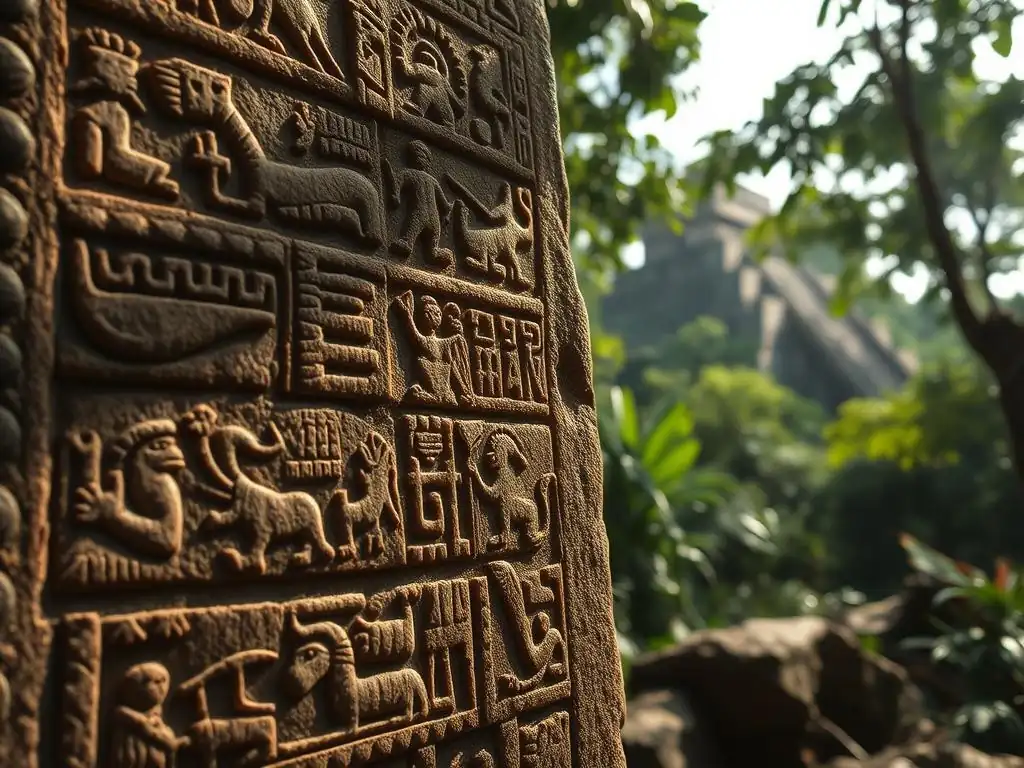
Welcome to Indigenous Civilizations of the Americas! Here, you will embark on a fascinating journey through the vibrant tapestry of indigenous cultures that flourished long before European colonization. Our site delves into the remarkable achievements and rich societies that shaped the Americas, highlighting their lasting impact on history and culture. In our featured article, we explore the historical significance of Maya hieroglyphics, revealing how these intricate symbols served not just as a means of record-keeping, but as a profound narrative of a civilization's identity. Are you ready to uncover the stories etched in stone and paper? Let's dive in!
Introduction to Maya Hieroglyphics
Maya hieroglyphics represent one of the most sophisticated writing systems developed in the ancient Americas. These intricate symbols and characters were not merely a means of communication but served as a critical tool for record keeping and preserving the historical narratives of the Maya civilization.
Spanning a vast region from present-day Mexico to Central America, the Maya culture was rich and complex, encompassing a myriad of achievements in various fields such as astronomy, mathematics, art, and governance. This article delves into the historical significance of Maya hieroglyphics, exploring their role in documenting the past and their profound impact on Maya society.
Overview of Maya Writing Systems
The Maya developed an impressive writing system that combined logograms and syllabic signs, allowing them to convey a wide range of information. This system consisted of approximately 800 distinct glyphs, each representing sounds, words, or concepts. The Maya utilized their hieroglyphics in various contexts, including:
- Monuments: Inscriptions on stelae and altars that commemorated rulers and significant events.
- Codices: Bark-paper books that housed texts on mythology, rituals, and history.
- Ceramics: Decorative pottery often featured hieroglyphic inscriptions that provided insights into daily life and beliefs.
This multifaceted approach enabled the Maya to capture their history and culture in unprecedented detail, ensuring the transmission of knowledge across generations.
Importance of Hieroglyphics in Maya Culture
Hieroglyphics held a central place in Maya culture, serving not only as a method of communication but also as a means of asserting power and identity. The ability to read and write hieroglyphics was often limited to the elite, including priests and nobles, highlighting the status associated with literacy. The significance of these symbols extended beyond mere record keeping, as they were integral to:
- Religious practices: Hieroglyphs were used to document rituals and ceremonies, reflecting the spiritual beliefs of the Maya.
- Political authority: Rulers employed hieroglyphics to legitimize their power and commemorate their achievements, reinforcing their dominance within society.
- Cultural continuity: Through their writing, the Maya preserved their stories, traditions, and knowledge, making hieroglyphics a crucial aspect of their cultural heritage.
Historical Significance of Maya Hieroglyphics
The historical significance of Maya hieroglyphics cannot be overstated; these symbols were vital in documenting the intricate tapestry of Maya history. Their use in various forms of written records provides a window into the past, illuminating the achievements and challenges faced by this remarkable civilization.
Role in Documenting Historical Events
Maya hieroglyphics played a pivotal role in recording historical events with precision. Inscriptions on monuments and codices chronicled significant occurrences, such as:
- Dynastic histories: Accounts of royal lineages and the succession of rulers.
- Wars and conquests: Detailed records of battles, treaties, and alliances, showcasing the political landscape of the time.
- Astronomical events: Observations of celestial phenomena that were crucial for agricultural and religious practices.
Such documentation not only preserved the past but also served as a reference for future generations, reflecting the Maya's understanding of time and history.
Contributions to Maya Society and Governance
The contributions of hieroglyphics to Maya society and governance were profound. By enabling effective communication and record keeping, hieroglyphics facilitated the organization of complex societies. Key contributions include:
- Administrative efficiency: Hieroglyphics were used for accounting and resource management, essential for sustaining large urban centers.
- Legal documentation: The recording of laws and agreements helped maintain order and justice within Maya communities.
- Cultural identity: The preservation of myths and legends through hieroglyphics reinforced a sense of shared identity among the Maya, solidifying communal bonds.
The historical significance of Maya hieroglyphics extends beyond their role as a writing system; they were integral to the governance, culture, and identity of the Maya civilization. Through their intricate glyphs, the Maya not only recorded their history but also ensured the survival of their rich cultural heritage for centuries to come.
Record Keeping Practices in Ancient Maya Civilization
The ancient Maya civilization is renowned for its sophisticated record-keeping practices, which played a crucial role in the administration, economy, and culture of their society. The Maya developed a complex system of hieroglyphics that allowed them to document a wide array of information, from historical events to astronomical observations. These records were essential for maintaining order within their city-states, facilitating trade, and preserving their rich cultural heritage.
Maya scribes were trained individuals who specialized in the art of writing and were highly regarded in society. They utilized a combination of ideographic and phonetic elements in their hieroglyphics, which enabled them to record information with remarkable precision. The practice of record-keeping was not merely utilitarian; it was also an expression of their cosmological beliefs, linking the temporal with the spiritual.
The Maya utilized various types of records, which were often inscribed on monuments, ceramics, and codices. These records served multiple purposes, including the commemoration of rulers, the documentation of significant events such as wars and rituals, and the maintenance of genealogies. The meticulous nature of these records illustrates the Maya's advanced understanding of time, history, and identity.
Types of Records Kept by the Maya
The Maya produced several types of records that reflected different aspects of their civilization. Some of the most significant categories include:
- Historical Records: These inscriptions detailed important events, such as battles, alliances, and the reigns of rulers. They often celebrated achievements and divine connections, reinforcing the legitimacy of leadership.
- Religious Texts: Hieroglyphics were used to document religious rituals, myths, and cosmological beliefs. These records were vital for understanding the Maya's worldview and their relationship with the divine.
- Astronomical Records: The Maya meticulously recorded astronomical phenomena, including solar and lunar cycles. These records were essential for their agricultural calendar and played a significant role in their religious practices.
- Genealogical Records: These inscriptions traced the lineage of rulers and noble families, highlighting the importance of ancestry in Maya society. They often served to legitimize power and authority within the ruling class.
Materials Used for Inscribing Hieroglyphics
The Maya employed various materials for inscribing their hieroglyphics, each chosen for its durability and visibility. Key materials included:
- Stone: Monuments, stelae, and altars were commonly used to inscribe important historical records. The hard surface of stone allowed for detailed carvings that have survived for centuries.
- Ceramics: Pottery was often decorated with hieroglyphics, serving both utilitarian and ceremonial purposes. These inscriptions provided insights into daily life, rituals, and trade.
- Codices: Made from bark paper or animal hide, codices were folded books that contained a wealth of information, including mythology, rituals, and astronomical data. Though many were destroyed during the Spanish conquest, a few examples still exist today.
- Wood: Objects made of wood often featured hieroglyphic inscriptions, which were more ephemeral than stone but could be intricately carved for ceremonial use.
Maya Hieroglyphics and Historical Narratives
Maya hieroglyphics are not only a means of communication but also an essential tool for crafting historical narratives. The intricate symbols and characters encapsulated stories that were vital for understanding the Maya's past, their achievements, and their cultural identity. Through hieroglyphics, the Maya were able to convey complex narratives that intertwined mythology, history, and social order.
The use of hieroglyphics in historical narratives enabled the Maya to document their civilization's evolution, preserving knowledge for future generations. These records provide invaluable insights into their understanding of time, history, and the cosmos, revealing how the Maya viewed their place in the world.
How Hieroglyphics Conveyed Stories and Myths
Maya hieroglyphics were adept at conveying rich narratives filled with layers of meaning. The combination of visual symbols and phonetic elements allowed for storytelling that was both intricate and accessible. Key features of this narrative style included:
- Symbolic Representation: Many glyphs represented not just sounds but also concepts or deities, allowing for a multifaceted approach to storytelling. This enabled the Maya to weave complex narratives that engaged both the intellect and the imagination.
- Non-linear Time: The Maya viewed time as cyclical, and their hieroglyphics reflected this perspective. Historical events could be depicted through a series of interconnected stories, emphasizing the continuity of their cultural heritage.
- Integration of Myth and History: The blending of mythological elements with historical accounts in hieroglyphics allowed for a deeper understanding of the Maya worldview. Rulers were often depicted as divine figures, reinforcing their authority through narratives that linked them to significant myths.
Case Studies of Significant Hieroglyphic Inscriptions
Several key inscriptions exemplify the historical significance of Maya hieroglyphics. Notable examples include:
- The Hieroglyphic Stairway at Copán: This monumental staircase features over 2,000 glyphs that chronicle the history of the Copán dynasty. It provides essential insights into the political and dynastic history of this important Maya city.
- The Dresden Codex: One of the few surviving pre-Columbian books, the Dresden Codex contains astronomical records, rituals, and historical narratives. It is invaluable for understanding Maya cosmology and their sophisticated knowledge of astronomy.
- Stelae of Tikal: The stelae at Tikal provide detailed accounts of rulers and their achievements. These inscriptions serve as both political propaganda and historical documentation, illustrating the power dynamics within Maya society.
Through these case studies, the profound historical significance of Maya hieroglyphics becomes evident, showcasing their role in preserving and narrating the civilization's complex legacy.
The Impact of Maya Hieroglyphics on Future Generations
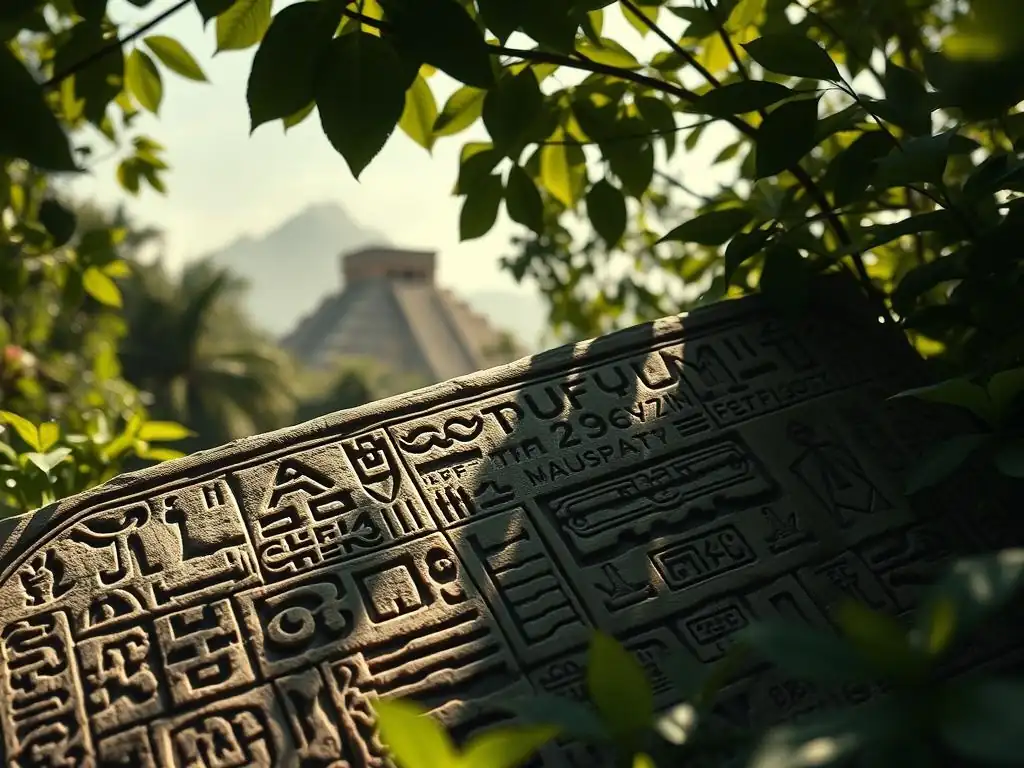
The legacy of Maya hieroglyphics extends far beyond the civilizations that initially developed and utilized this intricate system of writing. Their impact can be seen in various ways, particularly in how future generations interpreted and engaged with the historical narratives left behind. The hieroglyphic texts not only served as a means of recording events, rituals, and lineage but also influenced subsequent cultures throughout Mesoamerica.
Maya hieroglyphics provided a framework for understanding governance, spirituality, and societal structure, which later civilizations, including the Aztecs and other regional cultures, would adapt and incorporate into their own systems of record-keeping and storytelling. The reverence for the written word, as demonstrated in the Maya civilization, laid foundational beliefs about the importance of literacy and documentation that would resonate throughout Mesoamerican history.
Moreover, the study and interpretation of these texts have inspired generations of scholars, linguists, and historians. The quest to understand Maya hieroglyphics has fostered a greater appreciation for indigenous knowledge systems, highlighting their complexity and sophistication. As these scholars continue to unravel the meanings embedded in the glyphs, they contribute to a more nuanced understanding of Maya history, culture, and its influence on modern society.
Influence on Later Mesoamerican Cultures
The influence of Maya hieroglyphics on later Mesoamerican cultures is profound and multifaceted. The Aztecs, for instance, were known to have adopted certain aspects of Maya writing systems, integrating glyphs into their codices and ceremonial practices. This intermingling of cultures illustrates how the foundations laid by the Maya provided a template for record-keeping and storytelling in subsequent societies.
Additionally, the Maya's emphasis on calendrical systems and astronomical records became critical in shaping the timekeeping methods of later civilizations. The use of glyphs to denote dates and significant events paved the way for a more structured approach to history and governance, which would be reflected in the codices of the Aztecs and other cultures.
The reverence for written records and the practice of documenting important events and rituals continued long after the decline of the Maya civilization. This enduring legacy emphasizes the historical significance of Maya hieroglyphics, demonstrating how they influenced the administrative and spiritual practices of future Mesoamerican societies.
Preservation of Maya History through Written Records
Maya hieroglyphics played a crucial role in preserving the rich history and cultural heritage of the Maya civilization. Through their extensive written records, the Maya documented various aspects of their society, including political events, religious ceremonies, and genealogies of rulers. This meticulous record-keeping allowed for the transmission of knowledge across generations, ensuring that the accomplishments and beliefs of the Maya were not lost to time.
The surviving texts, inscribed on monuments, pottery, and codices, provide invaluable insights into the lives of the Maya people. They reveal not only the historical narratives but also the social norms, religious practices, and artistic expressions of the civilization. By maintaining these records, the Maya established a sense of identity and continuity that resonated throughout their history.
Moreover, the study of these texts has offered modern scholars a unique perspective on pre-Columbian societies. The ability to access and analyze these written accounts has enriched our understanding of the Maya and their contributions to the broader narrative of human history, highlighting the importance of written language as a tool for cultural preservation.
Challenges in Understanding Maya Hieroglyphics
Despite the profound significance of Maya hieroglyphics, understanding this ancient writing system presents numerous challenges. The complexity of the glyphs, combined with the limited number of surviving texts, complicates efforts to fully comprehend their meanings and context.
One primary challenge is the sheer diversity of the glyphs. The Maya developed a logo-syllabic script, where certain symbols represented entire words (logograms) while others represented sounds (syllables). This duality requires a sophisticated understanding of the language and context to accurately interpret the inscriptions.
Moreover, the loss of cultural continuity due to the disruption caused by European colonization further obscures our understanding of these ancient texts. Many aspects of the Maya language and cultural practices were severely impacted, leading to gaps in knowledge that modern researchers strive to fill.
Decipherment Efforts and Academic Research
The decipherment of Maya hieroglyphics has been a monumental academic endeavor, characterized by both breakthroughs and setbacks. Early efforts in the 19th and early 20th centuries were hindered by a lack of understanding of the script, with many scholars relying on inaccurate interpretations and assumptions.
In the latter half of the 20th century, significant progress was made thanks to the work of linguists and archaeologists who employed a variety of methods, including comparative linguistics and iconographic analysis. Researchers like Tatiana Proskouriakoff and David Stuart have been instrumental in advancing our understanding of the glyphs, revealing that many of them encode historical narratives and personal names, thus offering deeper insights into Maya society.
Despite these advancements, the decipherment of Maya hieroglyphics remains an ongoing process. The continued discovery of new inscriptions and artifacts keeps the academic community engaged, as they seek to unlock further layers of meaning within the texts. Each new finding enhances our comprehension of Maya history and emphasizes the significance of their written language.
Misinterpretations and Myths about Hieroglyphics
Misinterpretations and myths surrounding Maya hieroglyphics have persisted over time, often stemming from a lack of understanding or cultural biases. One common misconception is that the hieroglyphs functioned solely as a form of decoration or were merely artistic embellishments. In reality, the glyphs were an essential part of a sophisticated communication system that documented important historical events and societal structure.
Another myth revolves around the notion that Maya hieroglyphics were completely deciphered. While significant progress has been made, many aspects of the script remain elusive, and there is still much to learn about the nuances of the language. As a result, numerous interpretations exist, and conflicting views about certain glyphs and their meanings can lead to confusion in public understanding.
Additionally, the narrative that the Maya civilization was solely a primitive society has been challenged through research into their writing system. The complexity and depth of Maya hieroglyphics underscore the civilization's advanced intellectual and cultural achievements, countering stereotypes and promoting a more accurate representation of their historical significance.
A comprehensive understanding of Maya hieroglyphics is essential not only for appreciating the achievements of the Maya civilization but also for recognizing their influence on subsequent cultures and the ongoing relevance of their historical narratives.
Conclusion: The Lasting Legacy of Maya Hieroglyphics
The legacy of Maya hieroglyphics extends far beyond the ancient civilization that created them. This intricate writing system, composed of over 800 symbols, played a crucial role in the administration, culture, and spiritual life of the Maya. Its significance is evident not only in the preservation of historical events, royal lineages, and religious beliefs but also in the way it influenced subsequent generations of indigenous peoples in Mesoamerica. The revival of interest in Maya hieroglyphics today serves as a testament to their enduring impact and importance in understanding the complexities of Maya civilization.
Summary of Historical Significance
Maya hieroglyphics hold immense historical significance as they provide a window into the social, political, and economic structure of the Maya civilization. Through these inscriptions, we gain insights into the following aspects:
- Political History: Hieroglyphs document the reigns of kings, battles, and treaties, offering a chronological narrative of Maya governance.
- Cultural Practices: They reveal information about religious ceremonies, mythology, and cosmology, showcasing the spiritual depth of Maya society.
- Scientific Knowledge: The glyphs include records of astronomical observations and calendrical systems, demonstrating the advanced understanding the Maya had of time and celestial events.
- Daily Life: Inscriptions on pottery and monuments depict everyday activities, trade relations, and social hierarchies, enriching our understanding of daily life in Maya civilization.
This multifaceted historical significance has made Maya hieroglyphics a subject of extensive study, revealing the sophisticated nature of this ancient culture and its contributions to human civilization.
Reflection on the Importance of Preserving Indigenous Writing Systems
Preserving indigenous writing systems, such as Maya hieroglyphics, is critical for several reasons. Firstly, these systems are vital for maintaining the cultural heritage and identity of indigenous peoples. They encapsulate unique worldviews, histories, and traditions that are essential for the identity of contemporary descendants.
Moreover, the preservation of these writing systems contributes to the broader understanding of human history. By studying diverse forms of communication, scholars can appreciate the richness of human expression and the various ways societies have documented their experiences.
In an age where globalization often threatens indigenous cultures, the revitalization and study of Maya hieroglyphics can foster greater appreciation and respect for the contributions of indigenous peoples. Initiatives aimed at teaching these writing systems in schools and communities not only honor their historical significance but also empower current generations to connect with their cultural heritage. By ensuring that indigenous writing systems are preserved and celebrated, we can maintain a more inclusive narrative of human history, recognizing the diverse paths that have shaped our world today.
- Introduction to Maya Hieroglyphics
- Historical Significance of Maya Hieroglyphics
- Record Keeping Practices in Ancient Maya Civilization
- Maya Hieroglyphics and Historical Narratives
- The Impact of Maya Hieroglyphics on Future Generations
- Challenges in Understanding Maya Hieroglyphics
- Conclusion: The Lasting Legacy of Maya Hieroglyphics
Frequently Asked Questions
What are Maya hieroglyphics?
Maya hieroglyphics are a written language used by the Maya civilization, consisting of pictorial symbols that represent sounds and ideas essential for communication.
Why are Maya hieroglyphics historically significant?
Maya hieroglyphics hold historical significance as they provide insights into Maya culture, religion, and governance, allowing historians to understand the societal structure and achievements of this ancient civilization.
How did the Maya use hieroglyphics for record keeping?
The Maya utilized hieroglyphics for record keeping in various forms, including inscriptions on monuments, codices, and pottery, which documented events, rituals, and lineages of rulers.
What impact did the use of hieroglyphics have on Maya society?
The use of hieroglyphics fostered a complex society by enabling the preservation of knowledge, facilitating communication, and enhancing the organization of political and religious life among the Maya.
Are there any contemporary studies on Maya hieroglyphics?
Yes, contemporary studies on Maya hieroglyphics involve archaeologists and linguists who are working to decode and interpret these symbols, revealing more about their historical narratives and cultural significance.
Final Reflection: The Enduring Legacy of Maya Hieroglyphics
The exploration of Maya hieroglyphics reveals their profound historical significance in shaping our understanding of ancient civilizations and their narratives. Today, as we navigate an increasingly digital world, the importance of preserving and interpreting historical records remains more relevant than ever. The intricate symbols and stories etched in stone serve as a reminder of the power of written communication and its ability to transcend time.
Maya hieroglyphics have not only enriched our knowledge of the past but continue to influence contemporary culture and scholarship. The ongoing efforts to decode and understand these symbols reflect a deep-seated curiosity about human history and identity. As we engage with these ancient texts, we are reminded of the words of the renowned historian, David Carrasco: “The past is not dead; it is not even past.” This observation underscores the idea that the narratives captured by the Maya are alive in our collective consciousness, shaping our perspectives and cultural identities today.
As we reflect on the lessons of the Maya hieroglyphics, I invite you to consider how the stories of the past can inform your own narrative. Take a moment to explore your history, your roots, and the symbols that define your identity. By connecting with the past, we not only honor those who came before us but also empower ourselves to shape a more informed and enriched future. Let the legacy of the Maya inspire you to document your own journey, ensuring that your story, too, becomes a part of the historical tapestry that connects us all.
Unveil the Secrets of Maya Hieroglyphics Today!
Thank you for joining us on this fascinating exploration of Maya hieroglyphics and their vital role in record-keeping and historical narratives. You've uncovered the threads that weave together the rich tapestry of Maya civilization. Now, let’s empower you to dive deeper into this captivating world!
Here are a few ways you can continue your journey:
- Explore further: Visit our interactive gallery of Maya artifacts to see hieroglyphs in action and discover their meanings.
- Share your insights: Engage with fellow enthusiasts about Maya hieroglyphics in our community forum—let’s keep the conversation alive!
- Learn more: Check out our recommended readings and documentaries to broaden your understanding of Indigenous civilizations.
What is one unexpected fact about Maya culture that you would love to explore further?