
From Myths to History: Documentaries that Explore the Legacy of Indigenous Cultures in the Americas

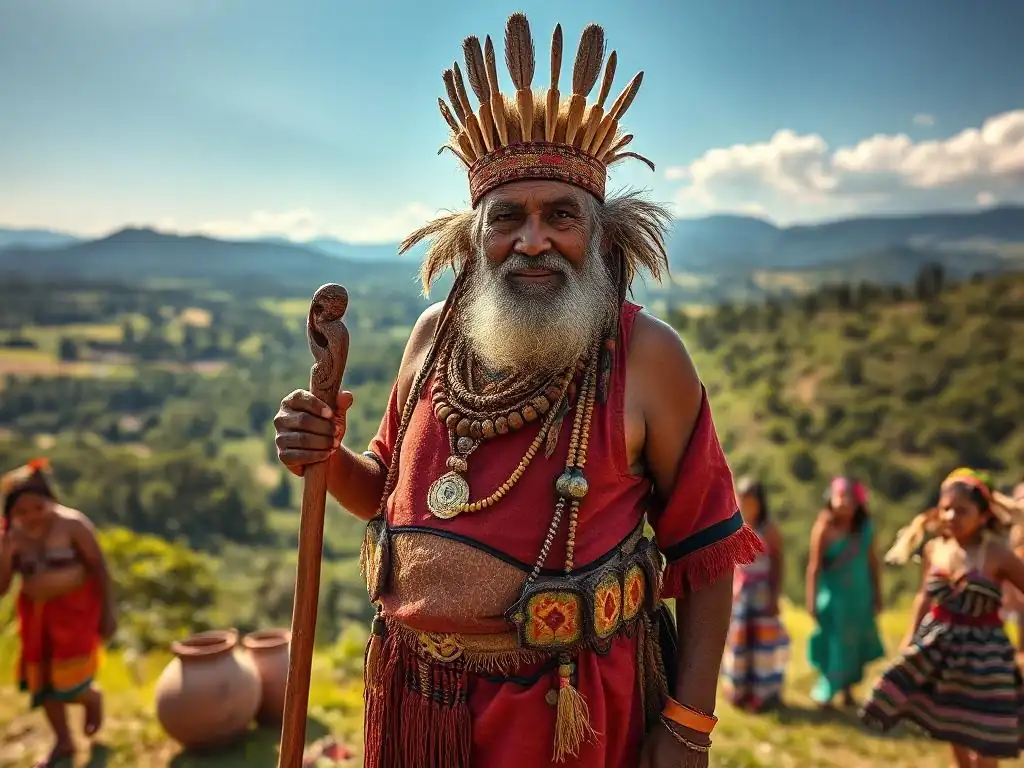
Welcome to Indigenous Civilizations of the Americas, where we invite you to embark on a captivating journey through the rich tapestry of indigenous cultures that flourished long before European arrival. Our featured article, "From Myths to History: Documentaries that Explore the Legacy of Indigenous Cultures in the Americas," delves into the powerful narratives captured in indigenous cultures documentaries. Discover the untold stories, remarkable achievements, and profound legacies of these vibrant societies, and join us as we unveil the history that has shaped our world. Prepare to be inspired and intrigued—your exploration begins now!
- Introduction to Indigenous Cultures Documentaries in the Americas
- Myths About Indigenous Cultures and Their Representation in Documentaries
- Historical Context of Indigenous Cultures in the Americas
- Top Documentaries That Explore Indigenous Cultures in the Americas
- The Lasting Legacy of Indigenous Cultures Through Documentaries
- How to Access Documentaries on Indigenous Cultures
- Conclusion: The Impact of Documentaries on the Understanding of Indigenous Cultures
-
Frequently Asked Questions
- What is the main focus of the article "From Myths to History"?
- Why are documentaries important for understanding indigenous cultures?
- How do these documentaries contribute to awareness of indigenous issues?
- Are there specific documentaries recommended in the article?
- How can I find more documentaries on indigenous cultures in the Americas?
- Final Reflection: Embracing the Legacy of Indigenous Cultures
- Unveil the Rich Tapestry of Indigenous Cultures!
Introduction to Indigenous Cultures Documentaries in the Americas
The indigenous cultures of the Americas are a rich tapestry of history, tradition, and resilience, embodying the diverse societies that flourished long before the arrival of Europeans. Documentaries have become an essential medium for exploring and understanding these cultures, offering viewers a window into the past and highlighting the achievements, rituals, and lifestyles of various indigenous groups.
This article delves into the significance of indigenous cultures documentaries in the Americas, illustrating how they serve as vital resources for education, appreciation, and preservation of the legacies of these remarkable civilizations. By examining the narratives presented in these films, we can gain a deeper insight into the complexities and richness of indigenous cultures, fostering a greater respect for their contributions to history and society.
Understanding the Importance of Documentaries
Documentaries play a crucial role in educating audiences about indigenous cultures, providing a platform where stories can be told from the perspectives of those who lived them. Here are some key reasons why these documentaries are important:
- Cultural Preservation: Documentaries capture and preserve the languages, traditions, and practices of indigenous peoples, ensuring that these legacies are not lost to time.
- Awareness and Recognition: By showcasing the rich histories and contributions of indigenous cultures, these films raise awareness about their struggles and triumphs, promoting greater recognition and respect within contemporary society.
- Educational Value: Many documentaries serve as valuable educational tools in classrooms, offering students a chance to learn about the complexities of indigenous societies beyond what traditional textbooks provide.
- Engagement and Dialogue: Documentaries foster discussions around important issues faced by indigenous communities today, encouraging viewers to engage with the ongoing impact of colonization and the efforts for cultural revitalization.
Overview of Indigenous Cultures in the Americas
The Americas were home to a vast array of indigenous cultures, each with its own unique traditions, languages, and societal structures. From the intricate societies of the Maya and Aztec civilizations in Mesoamerica to the diverse tribes of North America, the indigenous peoples shared a profound connection to the land and their communities. Here are some notable aspects of these cultures:
- Diversity of Cultures: The Americas boasted hundreds of distinct tribes and nations, each with its own customs, art forms, and belief systems. For instance, the Navajo Nation is known for its rich weaving tradition and connection to the land, while the Iroquois Confederacy showcased advanced political structures and alliances.
- Achievements: Indigenous cultures made remarkable advancements in various fields such as agriculture, astronomy, and architecture. The construction of monumental sites like Machu Picchu and Cahokia reflects their engineering prowess and deep understanding of their environment.
- Spiritual Beliefs: Many indigenous cultures have intricate spiritual beliefs tied to nature and the cosmos. These beliefs often manifest in rituals, ceremonies, and oral traditions that have been passed down through generations.
By examining documentaries that explore these themes, we can uncover the profound legacies of indigenous cultures in the Americas, enriching our understanding of their history and ongoing influence in the world today.
Myths About Indigenous Cultures and Their Representation in Documentaries
Common Misconceptions About Indigenous Histories
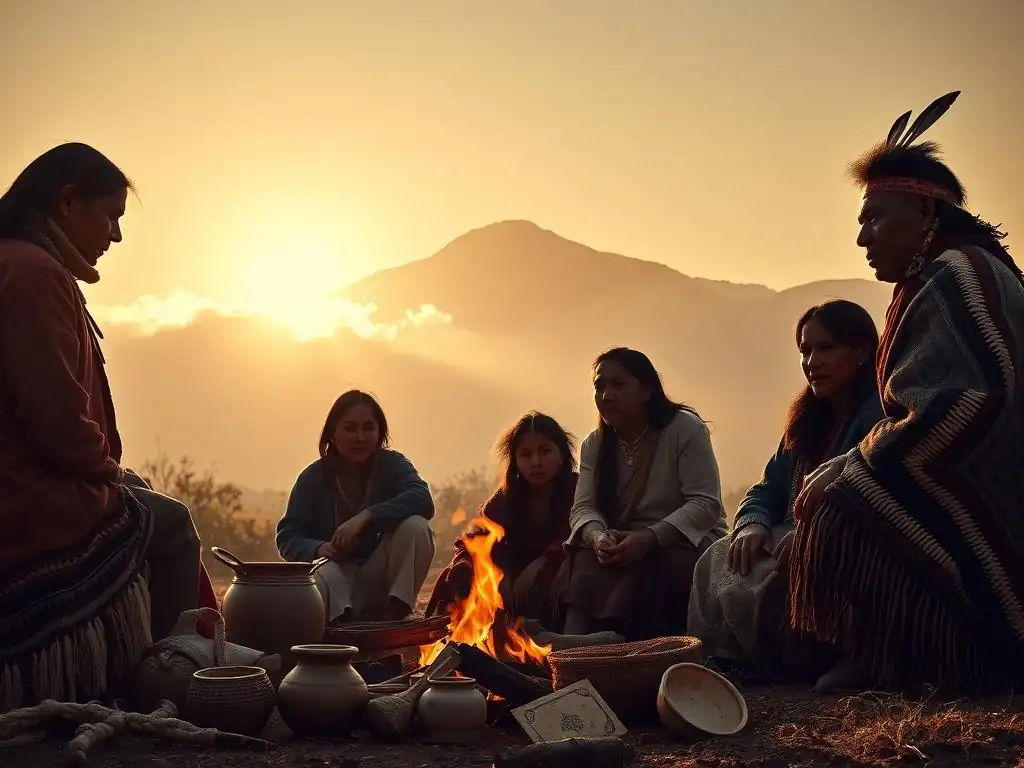
Indigenous cultures across the Americas are often surrounded by a myriad of myths and misconceptions that skew their historical narratives. These misconceptions can stem from a lack of understanding, oversimplification, or romanticized portrayals in popular media. Some prevalent myths include:
- Homogeneity: The belief that all indigenous groups share the same culture, language, and traditions. In reality, the indigenous peoples of the Americas are incredibly diverse, with thousands of distinct nations, each possessing unique customs and languages.
- Static Cultures: Many documentaries portray indigenous cultures as unchanging and stuck in the past. This ignores the dynamic nature of these societies, which have continually adapted and evolved in response to changing environments and external influences.
- Noble Savage Stereotype: The romanticized view of indigenous peoples as noble savages living in harmony with nature can be misleading. While many indigenous cultures do hold deep connections to the land, they also have complex social structures, political systems, and economic practices.
- Victimhood: Documentaries often depict indigenous peoples solely as victims of colonialism, neglecting their resilience and agency. Many indigenous communities have actively resisted colonization and continue to assert their rights and identities today.
These misconceptions can shape public perceptions and contribute to the marginalization of indigenous voices. Therefore, it is crucial for documentaries to accurately represent the complexity and diversity of indigenous histories.
The Role of Documentaries in Shaping Perceptions of Indigenous Peoples
Documentaries serve as powerful tools for education and awareness, playing a vital role in shaping perceptions of indigenous cultures in the Americas. They can illuminate the rich histories, achievements, and contemporary realities of indigenous peoples. Here are several key aspects of this role:
- Educational Value: Documentaries can provide in-depth knowledge about indigenous cultures, presenting factual information supported by research and firsthand accounts. This can help dismantle stereotypes and misconceptions while fostering a deeper understanding of indigenous histories.
- Cultural Representation: Well-crafted documentaries can highlight the voices and perspectives of indigenous peoples themselves, allowing them to tell their own stories. This representation is essential in countering the often Eurocentric narratives that dominate historical discourse.
- Awareness and Advocacy: Documentaries can raise awareness about ongoing issues faced by indigenous communities today, such as land rights, environmental challenges, and cultural preservation. By informing viewers about these issues, documentaries can inspire advocacy and support for indigenous rights.
- Visual Storytelling: The power of visual media can evoke empathy and connection with audiences. Documentaries that capture the beauty of indigenous cultures and landscapes can create a lasting impression, encouraging viewers to learn more and engage with indigenous issues.
- Promoting Dialogue: Documentaries can spark discussions about the past and present of indigenous cultures, inviting viewers to reflect on their own biases and assumptions. This dialogue can be instrumental in fostering mutual respect and understanding among diverse populations.
By accurately portraying the complexities and nuances of indigenous cultures, documentaries have the potential to challenge misconceptions and promote a more equitable representation of indigenous histories in the Americas.
Historical Context of Indigenous Cultures in the Americas
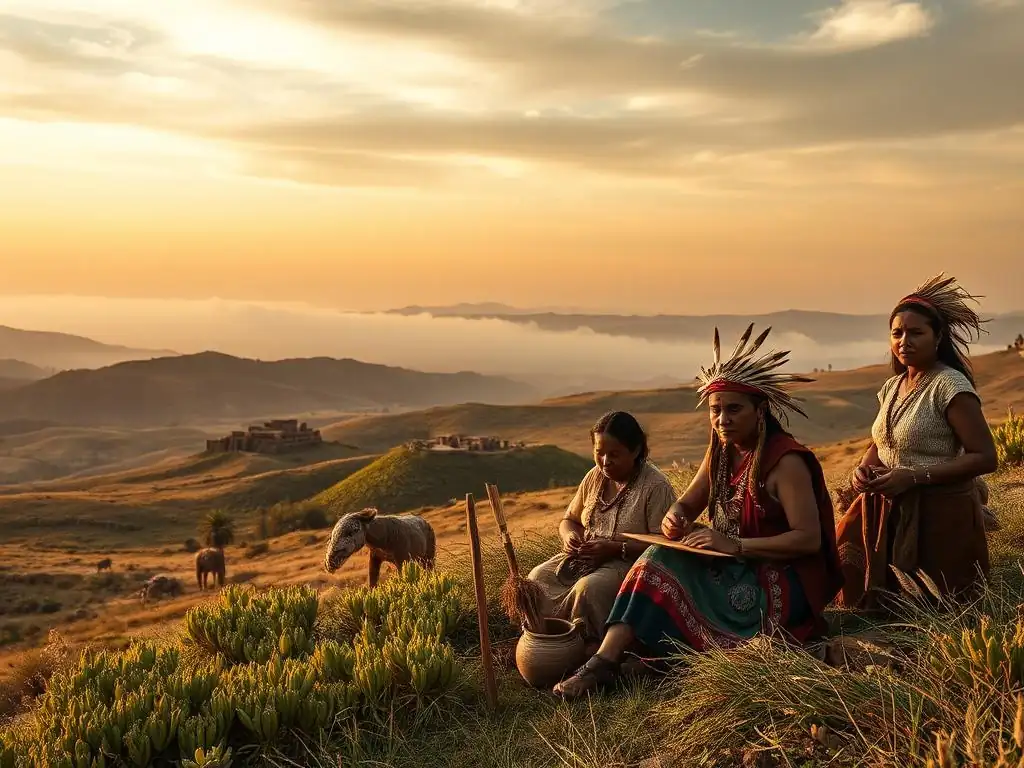
The historical context of indigenous cultures in the Americas is a rich tapestry woven from millennia of development, adaptation, and resilience. Prior to European colonization, the Americas were home to a vast array of indigenous societies, each with their own languages, customs, and belief systems. This diversity is one of the most defining characteristics of indigenous cultures and can be attributed to a variety of environmental, social, and political factors that shaped their evolution over time.
The Diversity of Indigenous Societies: A Brief Overview
Indigenous societies in the Americas were incredibly diverse, ranging from the complex urban centers of the Aztecs and Incas to the nomadic tribes of the Great Plains. Each group developed unique social structures, economies, and spiritual practices, influenced by their geographical locations and available resources.
- North America: The indigenous peoples of North America included the Iroquois Confederacy in the Northeast, known for their democratic governance structure, and the Pueblo peoples in the Southwest, who built intricate adobe dwellings and engaged in agriculture.
- Central America: In Central America, the Maya civilization flourished with advanced knowledge in mathematics, astronomy, and writing. The Maya constructed impressive cities with monumental architecture and a complex calendar system.
- South America: The Inca Empire, which extended across the Andes mountains, is renowned for its sophisticated agricultural techniques, extensive road networks, and the creation of an intricate system of communication through quipus (knot-based record-keeping).
The diversity among these societies not only highlights their unique cultural practices but also reflects the adaptability and ingenuity of indigenous peoples in response to their environments.
Major Achievements of Indigenous Cultures Before Colonization
Indigenous cultures in the Americas made significant contributions across various domains, many of which laid the groundwork for future advancements. Their achievements can be categorized into several key areas:
- Agriculture: Indigenous peoples were pioneers in agricultural practices. For instance:
- The cultivation of maize, potatoes, and beans transformed diets and economies not just in the Americas but globally.
- The Three Sisters method of planting maize, beans, and squash together promoted sustainable farming practices.
- Architecture: Remarkable architectural feats include:
- The construction of Machu Picchu by the Incas, showcasing advanced engineering and an understanding of the mountainous terrain.
- The pyramids of Teotihuacan and the temples of Tikal, which demonstrate sophisticated urban planning and religious significance.
- Art and Craftsmanship: Indigenous cultures produced exquisite art forms that included:
- Intricate pottery, textiles, and jewelry using materials such as clay, feathers, and gold, which reflected their spiritual beliefs and social status.
- Rock art and carvings that provide insight into their worldviews and narratives.
- Governance and Social Structures: Many indigenous societies developed complex governance systems:
- The Iroquois Confederacy created a model of democracy that influenced later political thought in the United States.
- Various clans and kinship systems promoted community cohesion and resource management.
- Scientific Knowledge: Indigenous peoples possessed extensive knowledge of their environments:
- Their understanding of medicinal plants and natural resources contributed to early medicine and agriculture.
- They utilized astronomy to guide agricultural calendars and navigation.
The achievements of indigenous cultures before colonization were not merely survival tactics; they were sophisticated systems of knowledge and practice that reflect a profound relationship with the land and a deep understanding of their social dynamics. Documentaries exploring these themes provide valuable insights into the legacies of these cultures, showcasing their enduring impact on contemporary society and culture.
Top Documentaries That Explore Indigenous Cultures in the Americas
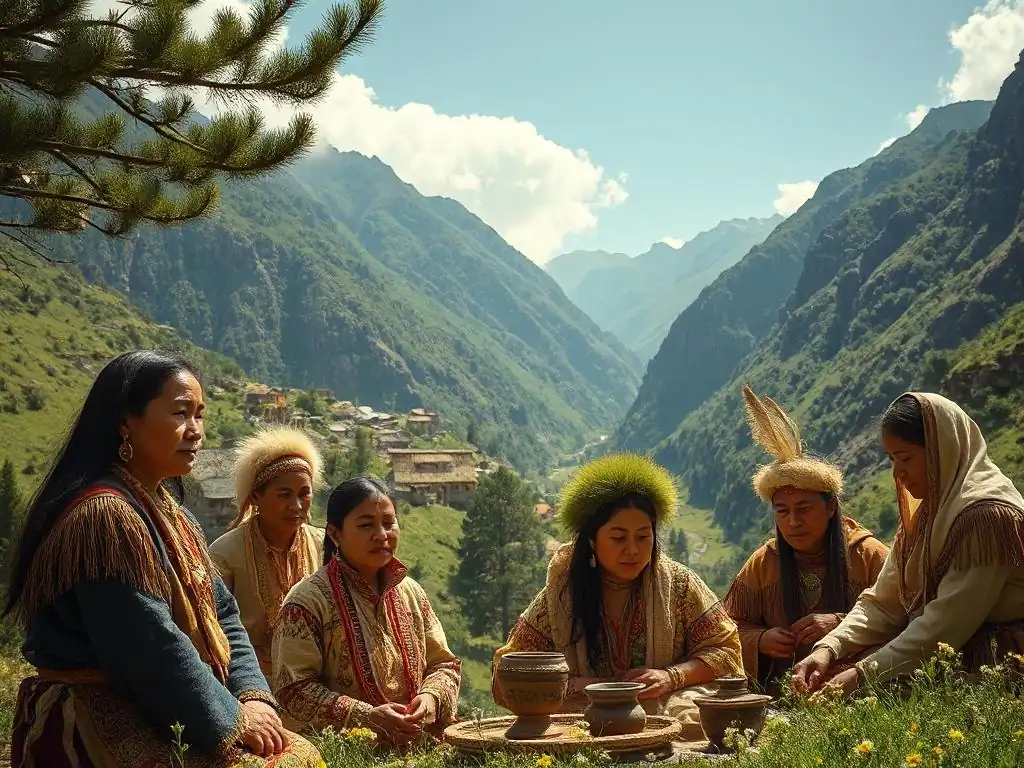
"The 1491s: A New History of Indigenous America"
"The 1491s: A New History of Indigenous America" is a groundbreaking documentary that challenges conventional narratives about Indigenous peoples in the Americas prior to European contact. This film draws its title from the widely recognized historical year, emphasizing what life was like before the arrival of Columbus and the ensuing colonial struggles.
In this documentary, the 1491s, a collective of Indigenous comedians and artists, utilize humor and storytelling to present a well-rounded view of their histories. The film features a blend of interviews, reenactments, and animated visuals that vividly illustrate the complexities of Indigenous life before colonization. It delves into various topics, including:
- Social Structures: An exploration of the intricate societal systems that existed across different tribes and nations.
- Cultural Practices: An examination of spiritual beliefs, art, and traditions that shaped Indigenous identities.
- Environmental Stewardship: Insights into how Indigenous peoples managed their lands and resources sustainably.
This documentary serves not only as a historical account but also as a vital resource for understanding the resilience and adaptability of Indigenous cultures in the face of adversity. By highlighting Indigenous voices and perspectives, it emphasizes the importance of reclaiming narrative control in the stories of their past.
"Invasion of the Body Snatchers: The Indigenous Experience"
"Invasion of the Body Snatchers: The Indigenous Experience" presents a unique perspective on the impacts of colonization through the lens of science fiction. This documentary draws parallels between the themes of identity loss and cultural erasure depicted in the classic film "Invasion of the Body Snatchers" and the experiences of Indigenous peoples in the Americas.
Through engaging interviews with scholars, activists, and members of Indigenous communities, the documentary explores the following themes:
- Cultural Identity: How colonization has led to the fragmentation of Indigenous identities and the ongoing struggle to reclaim them.
- Resistance and Resilience: Stories of activism and resistance that highlight the efforts of Indigenous peoples to preserve their cultures and languages.
- Vision for the Future: A discussion on the importance of cultural revitalization and the role of younger generations in moving forward.
By intertwining science fiction with real-life experiences, this documentary captivates audiences while providing a critical examination of the lingering effects of colonization on Indigenous cultures.
"Rumble: The Indians Who Rocked the World"
"Rumble: The Indians Who Rocked the World" is a powerful documentary that highlights the significant contributions of Indigenous musicians to the landscape of American rock music. This film showcases how Indigenous artists have shaped and influenced genres ranging from rock to jazz, while also addressing the broader cultural narratives surrounding Indigenous identities.
Key features of the documentary include:
- Musical Heritage: The exploration of traditional Indigenous music forms and how they have informed contemporary music styles.
- Influential Artists: Profiles of notable Indigenous musicians such as Jimi Hendrix, Buffy Sainte-Marie, and Robbie Robertson, emphasizing their cultural backgrounds and artistic legacies.
- Cultural Impact: An analysis of how these musicians have used their platforms to raise awareness about Indigenous issues and advocate for social change.
"Rumble" not only celebrates the artistic achievements of Indigenous musicians but also serves as a reminder of the rich cultural tapestry that has emerged from Indigenous influences in the music industry. Through powerful storytelling and evocative visuals, this documentary invites viewers to appreciate the lasting impact of Indigenous cultures on American music and beyond.
Bitterroot: The Untold Story of the Flathead Nation
"Bitterroot: The Untold Story of the Flathead Nation" is a compelling documentary that delves into the complex history and contemporary struggles of the Flathead Nation, located in Montana. This film not only recounts the rich cultural heritage of the Flathead people but also highlights their resilience in the face of adversity brought on by colonization and land disputes.
The documentary features interviews with tribal leaders, historians, and community members who share personal stories and historical insights. These narratives provide a deep understanding of the Flathead Nation's traditions, values, and the significance of the Bitterroot Valley in their cultural identity. The film emphasizes the importance of storytelling in preserving indigenous cultures, making it a vital resource for anyone interested in understanding the nuances of Native American life.
One of the key themes explored in "Bitterroot" is the ongoing battle for land rights and the preservation of sacred sites. The documentary sheds light on the legal struggles faced by the Flathead Nation, illustrating how historical treaties have been violated and the repercussions of these actions on the community. It serves as a poignant reminder of the need for awareness and advocacy in protecting indigenous rights and preserving their heritage.
Visually stunning and emotionally engaging, "Bitterroot: The Untold Story of the Flathead Nation" stands out not only as an educational piece but also as a call to action. It encourages viewers to reflect on the historical injustices faced by indigenous peoples and to recognize their ongoing contributions to the cultural fabric of America. This documentary is an essential viewing experience for anyone interested in the indigenous cultures of the Americas and their enduring legacies.
For those seeking to gain a comprehensive understanding of the complexities surrounding indigenous issues today, "Bitterroot" serves as an important educational tool and a testament to the strength of the Flathead Nation.
The Lasting Legacy of Indigenous Cultures Through Documentaries
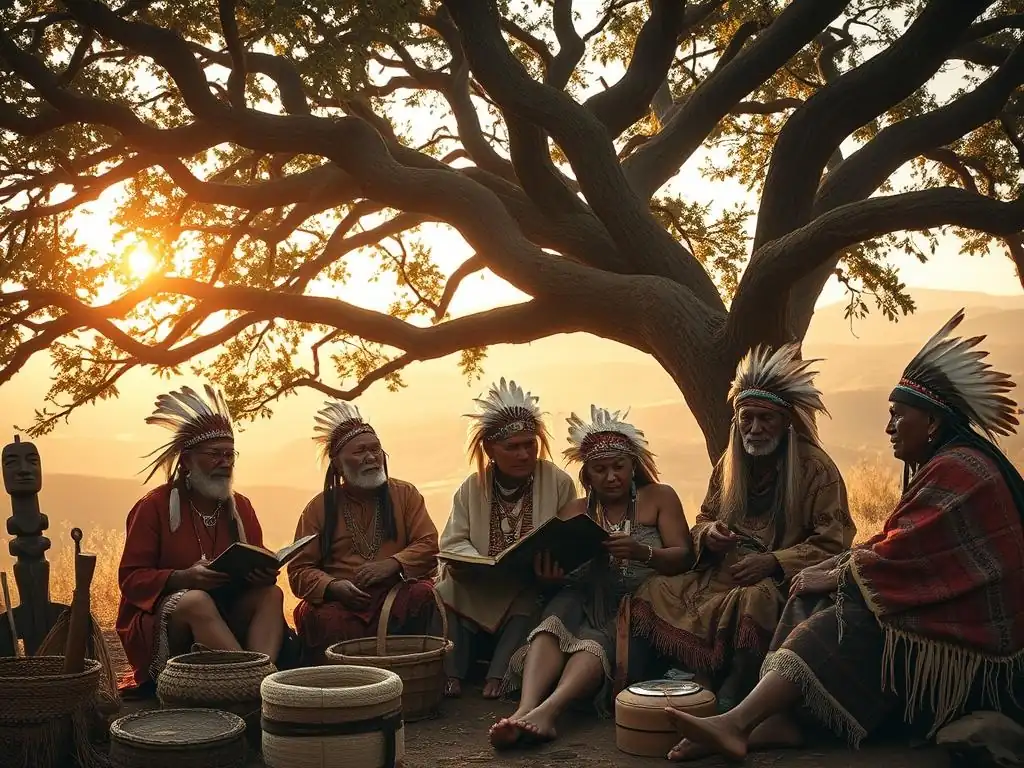
How Documentaries Preserve Indigenous Heritage
Documentaries serve as powerful tools for preserving the heritage of indigenous cultures in the Americas. By capturing the stories, traditions, and practices of these communities, filmmakers play a crucial role in ensuring that their legacies are not forgotten. Here are some key aspects of how documentaries contribute to this preservation:
- Visual Storytelling: Documentaries provide a visual representation of indigenous life, allowing viewers to connect with cultures on a deeper level. By showcasing rituals, festivals, and daily practices, filmmakers create a dynamic portrayal of these societies that written texts often cannot achieve.
- Interviews with Elders: Many documentaries feature interviews with tribal elders and community leaders. These conversations often encompass oral histories, cultural practices, and traditional knowledge that have been passed down through generations. This form of documentation not only preserves these narratives but also validates the voices of indigenous peoples.
- Focus on Contemporary Issues: Modern documentaries often highlight the ongoing struggles faced by indigenous communities, such as land rights, cultural preservation, and environmental challenges. By addressing these topics, filmmakers raise awareness and encourage discussions about the importance of protecting indigenous cultures in today’s world.
- Collaboration with Indigenous Filmmakers: Increasingly, documentaries are being produced by indigenous filmmakers who have firsthand experience and understanding of their cultures. This collaboration ensures authenticity and provides a platform for indigenous voices to tell their own stories.
The Educational Value of Documentaries for Future Generations
The educational impact of documentaries about indigenous cultures extends far beyond mere entertainment. These films serve as invaluable resources for learning about the rich tapestry of indigenous life in the Americas. Here are several ways in which documentaries fulfill this educational role:
- Curriculum Integration: Many educational institutions incorporate documentaries into their curricula, providing students with a visual and engaging way to learn about history, culture, and social justice. This integration helps to foster a deeper understanding of the complexities surrounding indigenous peoples.
- Promoting Cultural Awareness: Documentaries can significantly enhance cultural awareness among audiences. By exposing viewers to diverse perspectives, these films challenge stereotypes and misconceptions about indigenous cultures, fostering empathy and respect.
- Encouraging Critical Thinking: Engaging with documentaries encourages viewers to critically analyze the content, reflecting on issues such as representation, bias, and historical context. This critical engagement cultivates an informed and discerning audience.
- Inspiring Action: Many documentaries not only educate but also inspire action, prompting viewers to engage with indigenous rights movements or participate in cultural preservation efforts. This capacity to mobilize audiences is a powerful aspect of documentary filmmaking.
- Accessibility: With the rise of digital platforms, documentaries about indigenous cultures are more accessible than ever. This accessibility ensures that a wider audience can learn about and appreciate the diverse indigenous cultures of the Americas, fostering a greater sense of shared humanity.
The legacy of indigenous cultures in the Americas is significantly enriched through the medium of documentaries. These films not only preserve heritage but also educate and inspire future generations, ensuring that the stories and teachings of indigenous peoples continue to resonate in the collective memory of society.
How to Access Documentaries on Indigenous Cultures
Accessing documentaries that explore the rich tapestry of indigenous cultures in the Americas is easier than ever, thanks to the proliferation of streaming platforms and educational resources. These documentaries not only provide visual storytelling but also engage viewers with critical narratives that highlight the achievements, struggles, and resilience of indigenous peoples. Here, we outline how to effectively locate and access these valuable documentaries.
Streaming Platforms Offering Indigenous Documentaries
Numerous streaming platforms feature a wide range of documentaries focused on indigenous cultures. Here are some notable options:
- Netflix
- Notable Titles: Our Planet, The Last Indigenous People
- Netflix often curates documentaries that showcase indigenous perspectives and environmental issues affecting these communities.
- Amazon Prime Video
- Notable Titles: Rumble: The Indians Who Rocked the World, Inuit: The Last Place on Earth
- This platform includes a mix of documentaries that celebrate indigenous music, art, and history.
- PBS Documentaries
- Notable Titles: Native America, We Shall Remain
- PBS is renowned for its educational content, with several documentaries dedicated to exploring the history and cultures of indigenous peoples.
- CuriosityStream
- Notable Titles: First Peoples, The Story of Us: Native American History
- This platform is specifically designed for documentary lovers and offers a variety of programs on indigenous history and culture.
- YouTube
- Notable Channels: National Geographic, Indigenous Peoples' Television Network (IPTV)
- YouTube hosts a plethora of free documentaries and short films that focus on indigenous narratives from various regions in the Americas.
- Vimeo
- Notable Titles: Independent films and projects by indigenous filmmakers often find a home on this platform.
- Vimeo is a great place to discover unique documentaries that may not be available on larger streaming services.
Recommended Resources for Further Learning
To deepen your understanding of indigenous cultures beyond documentaries, consider exploring these additional resources:
- Books
- 1491: New Revelations of the Americas Before Columbus by Charles C. Mann
- The Heartbeat of Wounded Knee: Native America from 1890 to the Present by David Treuer
- Podcasts
- All My Relations - A podcast that discusses indigenous issues and culture through a contemporary lens.
- Native America Calling - A live radio show that addresses current topics affecting indigenous communities.
- Websites
- Native Knowledge 360° - An educational initiative from the National Museum of the American Indian that offers resources for teachers and students.
- Cultural Survival - An organization dedicated to promoting indigenous rights, culture, and languages.
- Documentary Film Festivals
- The American Indian Film Festival - Celebrating indigenous filmmakers and stories through annual screenings and events.
- The Toronto Indigenous Film Festival - Showcasing films that reflect indigenous experiences and perspectives.
By utilizing these resources, you can gain a broader and more nuanced understanding of the indigenous cultures that have shaped the Americas, enriching your experience as you watch the documentaries.
Conclusion: The Impact of Documentaries on the Understanding of Indigenous Cultures
The proliferation of documentaries focusing on indigenous cultures has significantly impacted how we understand and appreciate the rich histories and contributions of these societies. By combining archival materials, expert interviews, and vibrant storytelling, these films offer a nuanced portrayal of indigenous life, countering stereotypes and misconceptions that have persisted over the centuries.
Documentaries serve not only as educational tools but also as platforms for indigenous voices, allowing communities to share their narratives on their own terms. This self-representation fosters a deeper connection between viewers and the subject matter, encouraging empathy and respect for the diverse cultures of the Americas.
Encouraging Further Exploration of Indigenous Histories
As viewers engage with these documentaries, they are often inspired to delve deeper into the histories and traditions of indigenous peoples. Many documentaries include supplementary materials, such as recommended readings, discussion guides, and links to indigenous organizations, which further encourage exploration.
Here are a few ways documentaries motivate audiences to learn more about indigenous cultures:
- Increased Awareness: Documentaries highlight specific cultural practices, historical events, and societal structures, making viewers aware of the complexity and diversity within indigenous communities.
- Critical Thinking: By presenting various perspectives, these films challenge viewers to think critically about history, colonialism, and the ongoing impact of these issues on contemporary indigenous societies.
- Cultural Appreciation: Engaging with indigenous stories fosters a sense of appreciation for the arts, languages, and traditions that have developed over thousands of years.
By prompting further exploration of indigenous histories, these documentaries play a vital role in preserving and revitalizing cultural knowledge.
Call to Action: Engage with Indigenous Cultures Documentaries
To truly appreciate and understand the legacy of indigenous cultures in the Americas, viewers are encouraged to actively seek out and engage with documentaries dedicated to these topics. Here are a few ways to get involved:
- Watch and Share: Find recommended documentaries on platforms like Netflix, Amazon Prime, or local film festivals. Share your thoughts and insights with friends and family to spark discussions.
- Support Indigenous Filmmakers: Seek out works created by indigenous filmmakers and production companies. Supporting these creators ensures that authentic narratives are told and shared.
- Participate in Discussions: Join online forums or community events that focus on indigenous cultures, allowing you to engage with others who share your interests.
- Educate Yourself: Utilize additional resources provided at the end of documentaries to further your understanding. Books, articles, and workshops can deepen your knowledge and appreciation for indigenous cultures.
By taking these steps, you contribute to a broader recognition of the significance of indigenous cultures in the Americas and help ensure that their legacies continue to be honored and explored in meaningful ways.
Frequently Asked Questions
What is the main focus of the article "From Myths to History"?
The article explores documentaries that delve into the legacy of indigenous cultures in the Americas, highlighting their achievements and the impact they had prior to European colonization.
Why are documentaries important for understanding indigenous cultures?
Documentaries provide a visual narrative that helps to convey the rich history and diverse traditions of indigenous peoples, making their stories more accessible and engaging for a broader audience.
How do these documentaries contribute to awareness of indigenous issues?
They raise awareness about the challenges faced by indigenous communities today, fostering a deeper understanding of their cultures and the importance of preserving their heritage.
Are there specific documentaries recommended in the article?
Yes, the article lists several notable documentaries that focus on various aspects of indigenous cultures, showcasing their history, myths, and societal structures.
How can I find more documentaries on indigenous cultures in the Americas?
You can search for indigenous cultures documentaries through streaming platforms, educational websites, or libraries that offer curated lists focusing on the Americas and their indigenous heritage.
Final Reflection: Embracing the Legacy of Indigenous Cultures
The exploration of indigenous cultures through documentaries is not merely a retrospective glance; it is a vital engagement with the present and future. In an era where narratives are often dominated by mainstream perspectives, these documentaries serve as powerful tools to reclaim and celebrate the rich histories and traditions of Indigenous peoples in the Americas. They remind us that understanding our past is essential for shaping a more inclusive and respectful future.
The impact of these documentaries extends far beyond the screen, influencing cultural dialogues and fostering a deeper appreciation for the diversity of human experience. As we witness the resurgence of Indigenous voices in media, it becomes clear that these stories are not just historical accounts; they are living legacies that challenge stereotypes and inspire new generations. The stories we tell shape our understanding of who we are and who we can become.
This ongoing influence underscores the importance of amplifying Indigenous narratives and recognizing their rightful place in the tapestry of history.
As you reflect on the insights gained from this article, consider how you can engage with and support Indigenous cultures in your own life. Seek out these documentaries, share their stories, and foster conversations that honor the richness of Indigenous heritage. By doing so, you contribute to a broader movement that values diversity and promotes understanding, ensuring that the legacies of Indigenous peoples continue to thrive for generations to come.
Unveil the Rich Tapestry of Indigenous Cultures!
Thank you for taking the time to explore the profound legacy of Indigenous cultures through our curated documentary list! Your interest not only enhances your understanding but also honors the narratives and histories that deserve to be told. Now, let's take the next step in expanding your knowledge and appreciation.
Here’s how you can continue your journey:
- Dive deeper into the recommended documentaries and select one to watch this week. Experience the stories and insights that shape Indigenous identities!
- Share your newfound knowledge with friends or on social media—engage in conversation and inspire others to learn!
- Explore local Indigenous events or virtual discussions to connect with these cultures firsthand and actively support the community.
What documentary or aspect of Indigenous culture has resonated with you the most, and why?