
The Role of Women in Military Leadership Among Indigenous Cultures

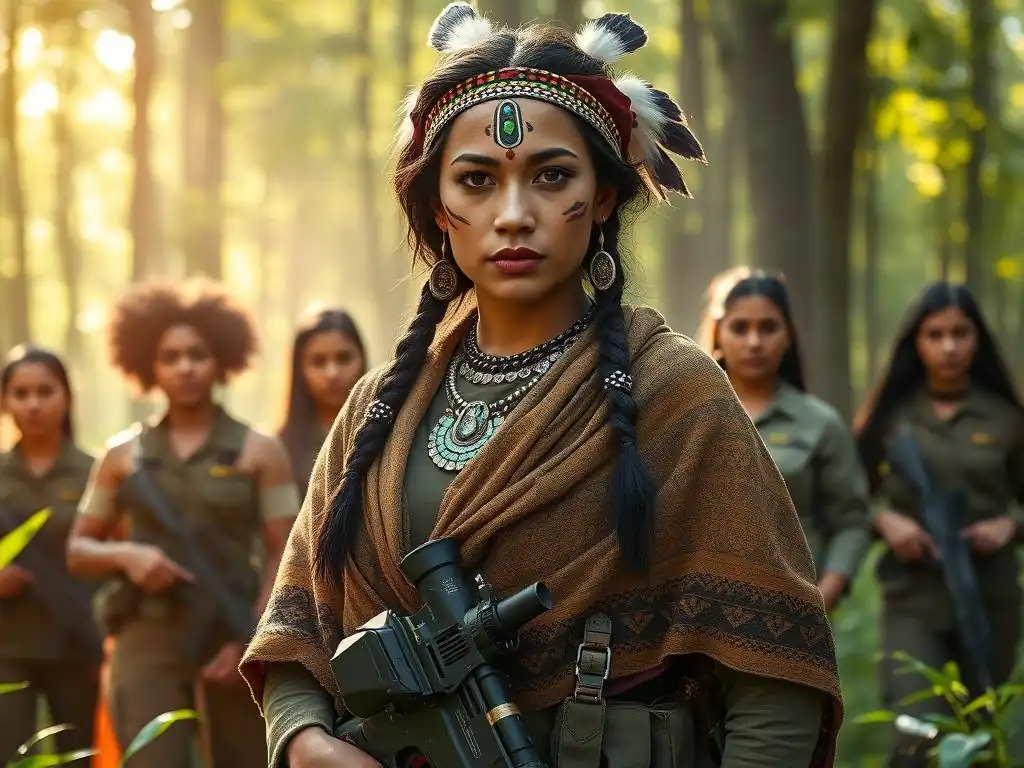
Welcome to Indigenous Civilizations of the Americas, where we invite you on a journey through the rich tapestry of indigenous cultures that flourished long before European colonization. Here, we delve into the remarkable achievements and profound legacies of these diverse societies, shining a light on often-overlooked narratives. In our featured article, "The Role of Women in Military Leadership Among Indigenous Cultures," we explore the powerful influence of indigenous women in warfare and military strategy.
Prepare to uncover stories that challenge conventional views and reveal the strength and resilience of women who shaped their communities through leadership. Join us as we unveil these captivating histories and their lasting impact on our world today!
Introduction to Indigenous Women's Military Leadership
Indigenous women's military leadership represents a pivotal yet often overlooked aspect of the rich tapestry of pre-colonial societies in the Americas. These women not only played vital roles within their communities but also emerged as formidable leaders in military contexts, challenging the traditional narratives of gender roles in warfare. Across various indigenous cultures, women participated in and sometimes led military efforts, contributing to the defense and sovereignty of their nations. The complexities of their involvement reveal a nuanced understanding of leadership that transcends gender, emphasizing the significance of strategic thinking, diplomacy, and resilience in the face of conflict.
This exploration sheds light on notable figures and collective practices among Indigenous peoples, highlighting how cultural beliefs and societal structures fostered environments where women could rise to leadership positions. By examining these historical precedents, we can appreciate the diverse expressions of military leadership and the integral roles women played, which have often been marginalized in mainstream historical accounts. As we delve into this topic, we aim to uncover the multifaceted contributions of Indigenous women to military leadership, challenging preconceived notions and celebrating their legacy.
Importance of Studying Military Leadership in Indigenous Cultures
Studying military leadership within indigenous cultures is essential for several reasons:
- Understanding Societal Structures: Analyzing military leadership among indigenous peoples provides insights into their societal organization, governance, and the roles allotted to various genders. This understanding challenges the binary notions of leadership, revealing how Indigenous cultures integrated women into significant military roles.
- Preserving History: Historical narratives often overlook indigenous perspectives, particularly regarding women's contributions. By documenting and studying these stories, we contribute to a more comprehensive view of history that honors the agency and impact of Indigenous women.
- Cultural Resilience and Adaptation: Indigenous military leadership reflects broader themes of resilience, adaptation, and survival. Exploring how women navigated leadership roles in the face of adversity offers lessons on strength and adaptability that remain relevant today.
- Empowerment and Representation: Highlighting the role of women in military leadership serves to empower contemporary indigenous communities and fosters representation in discussions about leadership and warfare. It emphasizes the importance of diverse voices in shaping narratives of power and influence.
The study of Indigenous women's military leadership is not just an academic pursuit; it is a vital exploration of identity, culture, and resilience that contributes to a richer understanding of the indigenous experience in the Americas. By recognizing and celebrating these leaders, we honor their legacies and the enduring impact they have on contemporary discussions surrounding military and societal leadership.
- Introduction to Indigenous Women's Military Leadership
- Importance of Studying Military Leadership in Indigenous Cultures
- What is the focus of the article "The Role of Women in Military Leadership Among Indigenous Cultures"?
- How did indigenous women participate in military leadership?
- Why is the topic of Indigenous women's military leadership significant?
- What are some examples of indigenous women known for their military leadership?
- How does the website "Indigenous Civilizations of the Americas" contribute to this topic?
Historical Context of Indigenous Women's Military Leadership
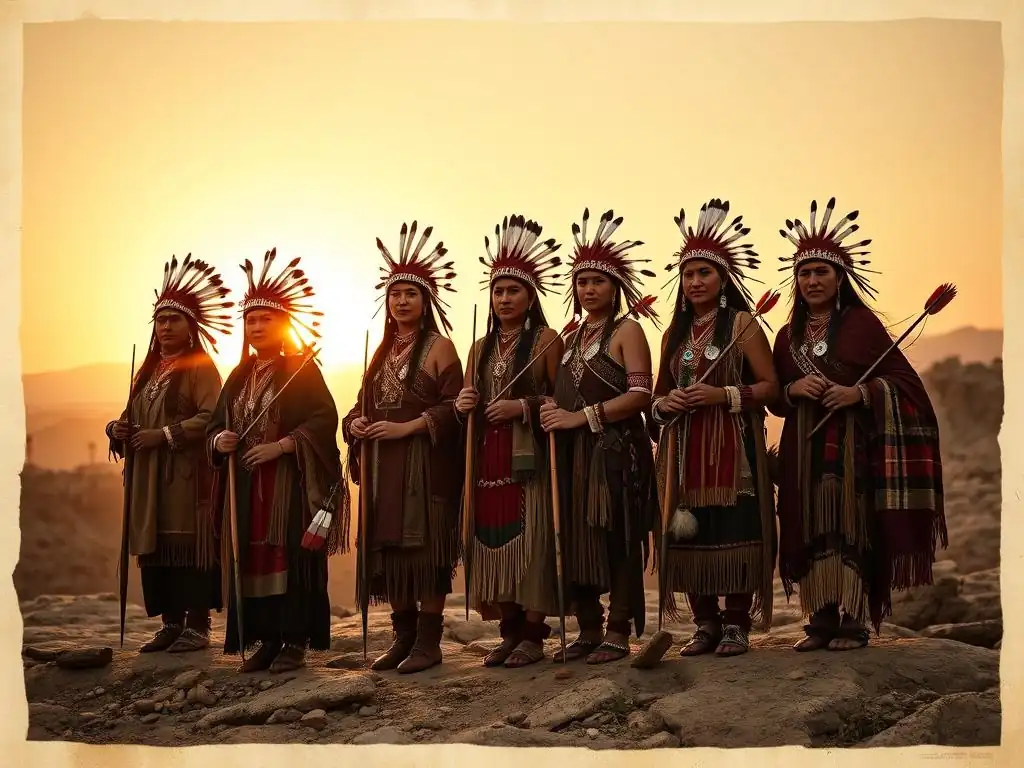
Overview of Indigenous Societies and Warfare
Indigenous societies across the Americas exhibited a rich tapestry of cultures, each with unique approaches to warfare and military leadership. Warfare was often intertwined with social, spiritual, and economic factors, leading to distinctive military strategies. Many Indigenous cultures recognized the critical roles that women played within these contexts, not just as supporters but as leaders.
In societies such as the Iroquois Confederacy, women held significant influence, particularly in political decisions concerning warfare. The Haudenosaunee, for instance, practiced a matrilineal system where women could appoint and depose chiefs, including those leading military campaigns. This structure empowered women to voice their opinions on matters of war and peace, reflecting their integral role in the society's military framework.
Key Attributes of Indigenous Warfare
- Strategic Alliances: Indigenous groups often formed alliances that were essential for their survival and success in warfare. Women were pivotal in these alliances, using their social networks to foster relationships and diplomacy.
- Cultural Significance: Warfare was not merely a matter of territorial expansion; it held cultural and spiritual significance. In many tribes, women participated in rituals that prepared warriors for battle, reinforcing their roles as essential to military success.
- Diverse Military Tactics: Indigenous groups employed various tactics that were often adapted to their environments and resources. Women contributed to these strategies, whether through direct involvement in battles or by supporting logistical operations.
The Evolution of Women's Roles in Military Contexts
The roles of Indigenous women in military leadership have evolved significantly over time, shaped by cultural, social, and historical changes. Initially, many Indigenous cultures recognized women as leaders and warriors, with examples of female figures who led troops or participated directly in battles, such as Queen Weetamoo of the Pocasset tribe during King Philip's War.
Factors Influencing Change
- Colonization: The arrival of European settlers disrupted traditional structures, often marginalizing women's roles. Despite this, many Indigenous women adapted and found new ways to assert their leadership.
- Cultural Resilience: While colonial pressures aimed to diminish the influence of women in military contexts, many Indigenous cultures maintained their traditions. Women continued to play crucial roles in guiding military strategies and ensuring community resilience.
- Modern Interpretations: In contemporary discussions about Indigenous women's military leadership, there is a renewed focus on historical narratives that highlight their contributions. This has led to a resurgence of interest in recognizing and honoring the roles of women in Indigenous military history.
Examples of Notable Indigenous Women Leaders
- Nanyehi (Nancy Ward): A prominent leader of the Cherokee, she was known for her military prowess and played a crucial role during the Anglo-Cherokee War.
- Lozen: A warrior and prophetess of the Apache, she fought alongside her brother Victorio against U.S. forces, demonstrating significant leadership in military campaigns.
Indigenous women's military leadership remains a vital aspect of understanding the broader narrative of Indigenous cultures in the Americas. Their contributions reflect a complex interplay of gender, culture, and warfare that continues to inspire and inform modern perspectives on leadership and resilience within Indigenous communities.
Prominent Indigenous Women Leaders in Military History
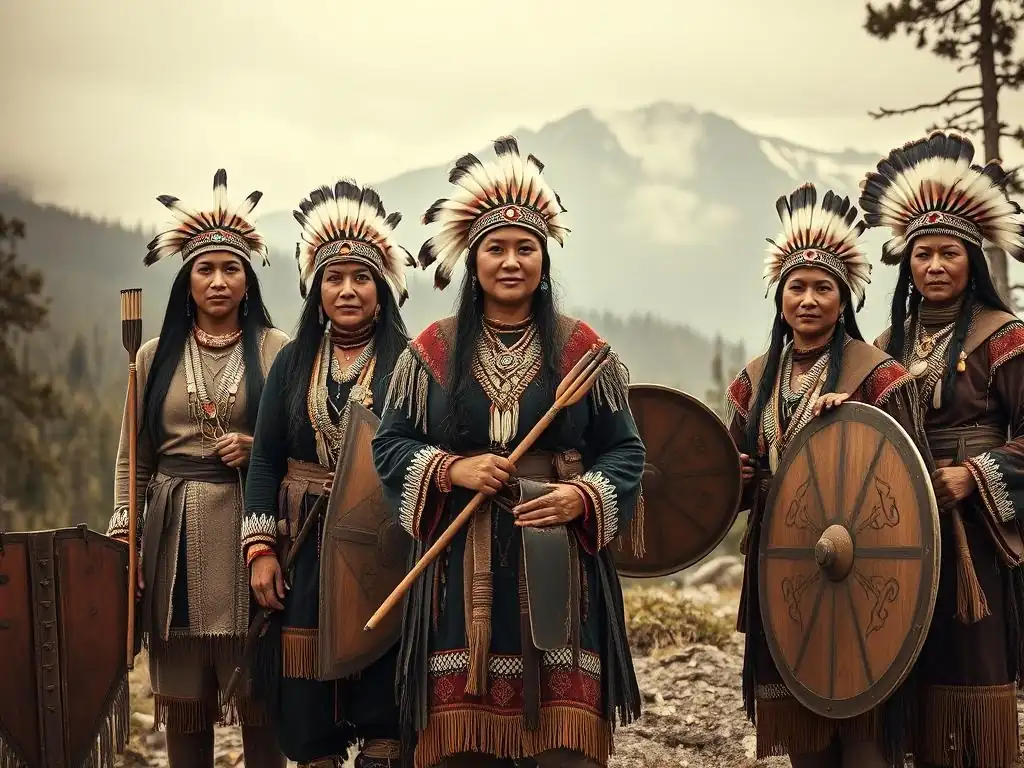
Case Study: Teyacapan (also known as "Woman Who Wields the Bow")
Teyacapan, a significant figure among the Indigenous cultures of North America, exemplifies the vital role of women in military leadership. Known as "Woman Who Wields the Bow," Teyacapan played a pivotal role in various military engagements, demonstrating prowess not only as a warrior but also as a leader who inspired her people.
Contributions to Military Strategies
Teyacapan was instrumental in developing innovative military strategies that emphasized agility and adaptability. Unlike conventional warfare tactics of her time, she advocated for guerrilla warfare, utilizing the terrain to her advantage. This strategy allowed her forces to conduct surprise attacks on larger, more traditionally organized enemy units.
- Use of Terrain: Teyacapan leveraged knowledge of local geography, using forests and mountains to conceal her troops and launch ambushes.
- Training of Warriors: She focused on training her warriors in archery and stealth, ensuring they could engage effectively in skirmishes rather than open battles.
Her strategies not only reduced casualties but also instilled a sense of confidence among her warriors, reinforcing the role of Indigenous women's military leadership in shaping effective combat tactics.
Impact on Community and Warfare
Teyacapan's leadership extended beyond the battlefield. Her role as a military leader had profound implications for her community's social structure and cultural identity.
- Empowerment of Women: By taking on a military role, Teyacapan challenged traditional gender roles, inspiring other women to participate actively in warfare and community defense.
- Cohesion and Morale: Her presence on the battlefield boosted morale, fostering a sense of unity and purpose among her people during times of conflict.
The impact of Teyacapan's leadership was felt long after her campaigns, as she became a symbol of resilience and strength in the face of adversity, reinforcing the significance of Indigenous women's military leadership in their societies.
Case Study: Lozen
Lozen, a military leader of the Apache people, is another notable example of Indigenous women's military leadership. Her exceptional skills as a warrior and strategist have left an indelible mark on her people and beyond.
Leadership Style and Tactics
Lozen's leadership style was characterized by her ability to blend traditional Apache values with innovative military tactics.
- Spiritual Guidance: She was known for her spiritual connection, often seeking visions to guide her military strategies. This unique approach set her apart from her contemporaries.
- Cavalry Tactics: Lozen excelled in cavalry tactics, leading her warriors in swift, mobile units that could outmaneuver larger forces. Her tactics often involved quick strikes followed by rapid retreats, minimizing risk while maximizing impact.
Her ability to adapt and innovate in military tactics showcased the remarkable capabilities of Indigenous women's military leadership during this tumultuous period.
Legacy and Influence
Lozen's legacy extends beyond her lifetime, influencing future generations and shaping the narrative of Indigenous women's roles in warfare.
- Cultural Icon: She has become a cultural icon, representing the strength and resilience of Indigenous women. Her story is often told to inspire young girls and women within Apache culture.
- Recognition of Women's Roles: Lozen’s contributions have catalyzed a broader recognition of women's roles in Indigenous military history, highlighting how their leadership was integral to the survival and resistance of their communities.
The enduring influence of Lozen serves as a testament to the vital role of Indigenous women's military leadership, emphasizing their contributions to the history of warfare in the Americas.
Characteristics of Indigenous Women's Military Leadership
Indigenous women's military leadership is a profound and multifaceted aspect of the histories and cultures of various Indigenous societies across the Americas. These leaders often demonstrated unique characteristics that distinguished them in military contexts.
Leadership Qualities of Indigenous Women in Warfare
Indigenous women in military leadership roles exhibited a variety of qualities that not only made them effective leaders but also earned them respect within their communities and among their allies. Key leadership qualities include:
- Courage and Resilience: Indigenous women displayed remarkable bravery in the face of conflict. Their ability to endure hardships and lead by example inspired their warriors and communities.
- Strategic Vision: Many female leaders possessed a keen understanding of both the battlefield and broader socio-political landscapes. This strategic insight allowed them to make informed decisions that often turned the tides of conflict in their favor.
- Diplomatic Skills: Women often acted as mediators in conflicts, leveraging their social roles to build alliances and negotiate peace. Their diplomatic abilities were crucial in both warfare and community stability.
- Cultural Knowledge: Indigenous women's deep understanding of their cultures and traditions informed their military strategies. They often incorporated cultural practices into warfare, reinforcing the community's values and identity.
- Empathy and Community Focus: Many female leaders prioritized the well-being of their people over personal glory. Their empathy and focus on community welfare helped maintain morale among troops and fostered loyalty.
These qualities were not only inherent to individual leaders but also reflected the broader cultural values of their societies, where women often played integral roles in governance and conflict resolution.
Strategies and Tactics Employed by Indigenous Female Leaders
Indigenous female leaders utilized a range of strategies and tactics that highlighted their ingenuity and adaptability in warfare. Some notable approaches included:
- Guerrilla Warfare: Many women led guerrilla tactics, utilizing the element of surprise and knowledge of the terrain to outmaneuver larger, more conventional forces. This approach often involved ambushes and hit-and-run tactics, minimizing direct confrontation while maximizing impact.
- Resource Utilization: Female leaders were adept at leveraging local resources, whether through the use of natural landscapes for cover or employing traditional weaponry. They understood how to make the most of their surroundings to gain an advantage.
- Psychological Warfare: Indigenous women sometimes employed psychological tactics to intimidate enemies, using storytelling and cultural symbols to create fear or uncertainty among opposing forces. This strategy could undermine the morale of adversaries before physical confrontations even began.
- Community Mobilization: Women often mobilized not just warriors but entire communities for support. By drawing on communal solidarity, they could rally more fighters and resources, creating a powerful collective front against adversaries.
- Training and Mentorship: Many female leaders took on the role of trainers for younger warriors, imparting skills and tactics that had been passed down through generations. This mentorship ensured the continuity of military knowledge within their cultures.
These strategies not only demonstrated the military acumen of Indigenous women but also highlighted their adaptability in various conflict scenarios, solidifying their roles as influential leaders in Indigenous military history.
Comparison of Indigenous Women’s Military Roles Across Cultures
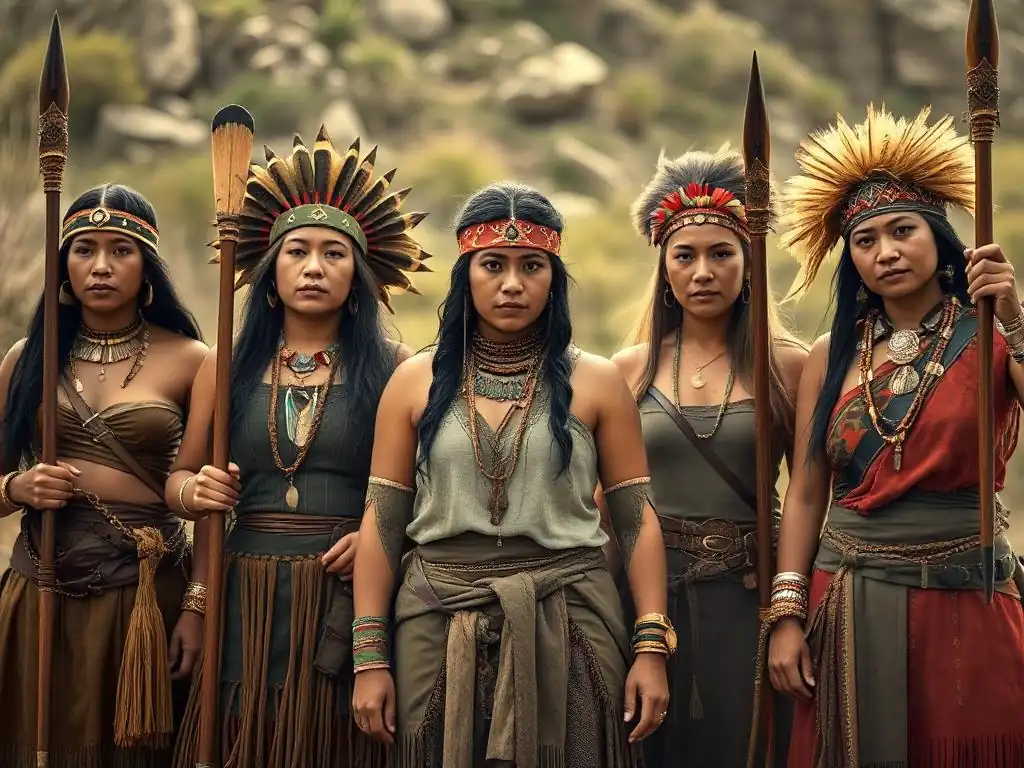
Similarities in Military Leadership Among Indigenous Cultures
Indigenous women's military leadership in the Americas showcases remarkable similarities across various cultures, despite the distinct social contexts in which these women operated. One of the most prominent shared aspects is the recognition of women's capabilities to lead in warfare, often stemming from their roles as nurturers and protectors of their communities.
- Strategic Insight: Women were frequently involved in strategic decision-making processes. They utilized their comprehensive understanding of the land and community needs to guide military actions. This insight was critical, as women often had a vested interest in the well-being of their families and tribes.
- Symbolic and Ritual Roles: In many Indigenous cultures, women held symbolic roles that were integral to military success. For instance:
- Spiritual Leadership: Women often served as spiritual leaders, invoking blessings for successful campaigns and protecting warriors through rituals.
- Motivational Figures: Women’s presence on the battlefield could serve as a morale booster, inspiring men and women alike to fight for their community’s survival.
- Collaboration with Male Leaders: There was often a collaborative dynamic between male and female leaders. Women frequently provided counsel and support, and in some cases, they led alongside male warriors, creating a balance that enhanced military effectiveness.
- Protection of the Community: Across various cultures, women's involvement in military leadership was closely tied to their role as protectors. They often organized defenses during invasions and played key roles in protecting the community's interests, especially in matriarchal societies.
Differences in Leadership Styles and Strategies
While there are notable similarities, the leadership styles and strategies exhibited by Indigenous women in military contexts also reveal significant differences shaped by cultural, geographical, and historical factors.
- Cultural Influences: The impact of specific cultural beliefs on women's military roles varied widely. For example:
- Among the Iroquois Confederacy, women held significant political power, which translated into military influence. They were involved in selecting leaders and making decisions regarding warfare.
- In contrast, the Lakota Sioux women often acted as logistical supporters, managing resources and ensuring the well-being of warriors rather than taking direct leadership roles in battle.
- Military Strategies: The strategies employed by Indigenous women in military leadership reflected their unique environmental contexts:
- Guerrilla Tactics: In regions where mobility and stealth were vital, such as the forested areas inhabited by the Algonquin tribes, women often spearheaded guerrilla tactics, using their knowledge of the terrain to ambush enemies.
- Defensive Strategies: Conversely, in more settled agricultural societies like the Pueblo peoples, women focused on reinforcing defenses around their communities, organizing collective efforts to fend off invaders.
- Recognition and Authority: The degree of authority and recognition granted to women varied significantly:
- In some cultures, such as the Navajo, women could assume leadership roles during times of conflict, clearly defined in cultural narratives and histories.
- In other tribes, women's roles were more advisory, with authority primarily resting with male leaders.
- Historical Context: The historical context of colonization also played a crucial role in shaping women's military leadership. As European forces began to encroach, many Indigenous women adapted their strategies in response to new threats, often taking on more prominent roles to defend their communities against colonization.
These differences highlight the adaptability and resilience of Indigenous women's military leadership, showcasing how they navigated their societies' complexities while contributing to their communities' survival and strength.
Challenges Faced by Indigenous Women in Military Leadership
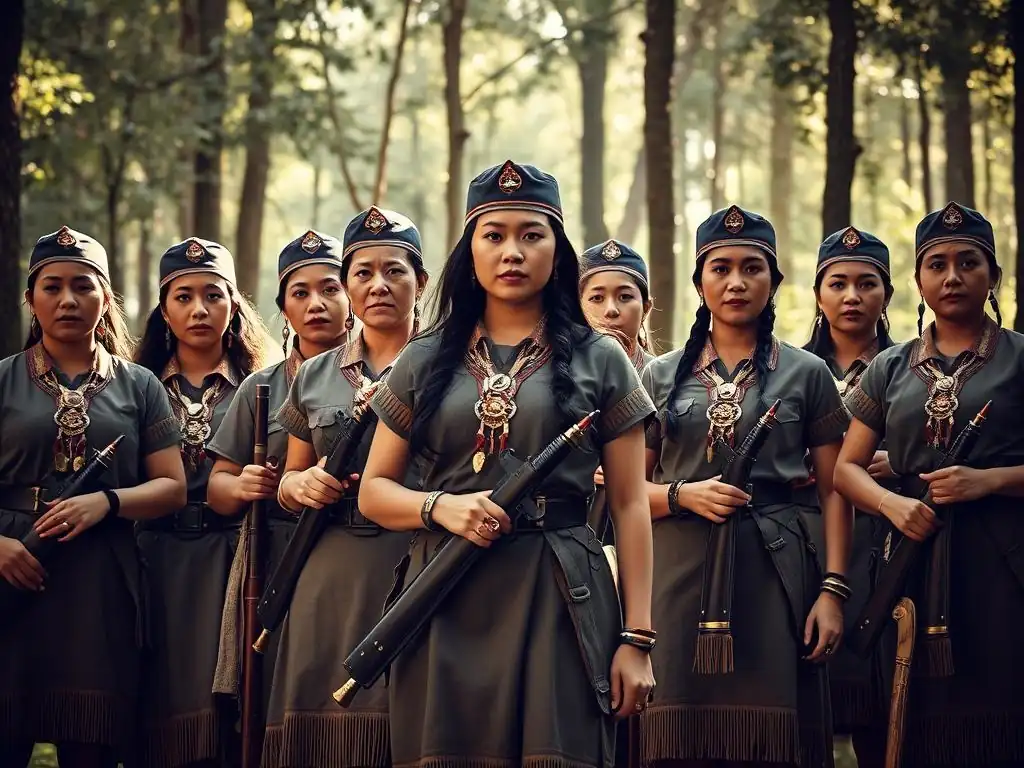
Indigenous women's military leadership has often been overshadowed by prevailing societal norms and historical events that shaped their communities. As these women took on roles in military leadership, they encountered various challenges that not only affected their participation but also shaped the narratives surrounding their contributions. Understanding these challenges is crucial in recognizing the full scope of Indigenous women's roles in warfare and military strategies.
Societal Perceptions and Gender Norms
In many Indigenous cultures, societal perceptions and gender norms have historically influenced the roles women could assume, including military leadership. Traditional views often positioned women primarily as caregivers and homemakers, which limited their participation in warfare. However, this perspective varied across different cultures:
- Matriarchal Societies: In some Indigenous groups, women held prominent roles in decision-making and warfare. For example, the Iroquois Confederacy recognized the influence of women, who selected chiefs and had a say in military strategies.
- Patriarchal Norms: In contrast, other cultures adhered to more patriarchal structures, where military leadership was predominantly male-dominated. In these societies, women who sought to engage in military activities faced significant resistance and skepticism regarding their capabilities.
Despite these challenges, many Indigenous women defied these norms. They often took on roles as strategists, warriors, and leaders during conflicts, showcasing their resilience and leadership skills. These women were sometimes viewed with suspicion or outright hostility, but their achievements in military contexts contributed to a gradual shift in perceptions about gender roles within their communities.
Historical Displacement and Its Impact on Leadership Opportunities
The historical displacement of Indigenous peoples due to colonization had profound effects on women's roles in military leadership. As communities faced invasion and oppression, many women stepped forward to protect their families and territories, yet their opportunities for leadership were often compromised by the following factors:
- Disruption of Traditional Structures: The imposition of colonial governance disrupted Indigenous societal structures, including those that empowered women in leadership roles. As traditional systems of governance were dismantled, women's voices in military leadership diminished.
- Loss of Land and Resources: Displacement often resulted in loss of land and resources, which were critical for maintaining the societal structures that supported women's roles in military leadership. The inability to sustain their communities weakened the capacity for organized military efforts led by women.
In addition, the trauma associated with colonization and the subsequent forced assimilation policies further marginalized Indigenous women. Their contributions to military efforts were frequently overlooked or minimized in historical narratives, leaving a gap in our understanding of their vital roles.
While Indigenous women's military leadership has a rich history marked by significant contributions, it has been challenged by societal perceptions, gender norms, and the impacts of historical displacement. Recognizing these challenges is essential for appreciating the complexities of Indigenous women's roles in military contexts and honoring their legacies in the face of adversity.
The Legacy of Indigenous Women's Military Leadership Today
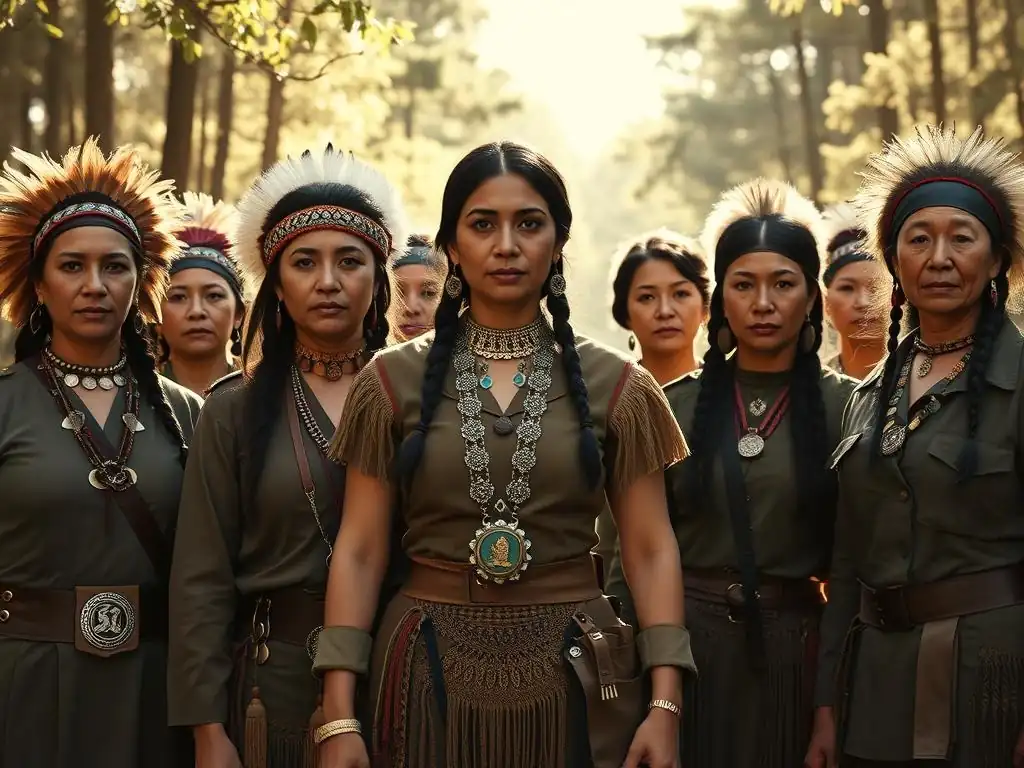
The legacy of Indigenous women's military leadership is profound and continues to resonate in modern Indigenous societies. Historically, women played crucial roles in military strategies, logistics, and decision-making processes, often leading to significant victories and the preservation of their communities. This legacy is not merely a relic of the past; it shapes contemporary Indigenous identity and empowerment.
Continuing Influence in Modern Indigenous Societies
In today's context, the influence of Indigenous women's military leadership is evident in various spheres, including community organization, political activism, and cultural preservation. Many modern Indigenous leaders draw inspiration from their ancestors who led in times of conflict and strife. This heritage fosters a sense of strength and resilience, encouraging women to take on leadership roles in both military and civilian contexts.
- Political Leadership: Many Indigenous women have emerged as political leaders, advocating for the rights and sovereignty of their nations. Their military leadership in the past serves as a powerful narrative that enhances their credibility and authority in negotiations and community governance.
- Cultural Revitalization: The stories of Indigenous women leaders are often used to teach younger generations about their history and heritage. These narratives not only uphold the values and teachings of their ancestors but also inspire young women to aspire to leadership roles.
- Community Defense: In some Indigenous communities, women continue to play vital roles in defense strategies against external threats, whether those be environmental injustices or socio-political challenges. Their historical military leadership informs modern approaches to community safety and resilience.
The continuation of these legacies emphasizes the strength and capability of Indigenous women, reaffirming their essential role in the fabric of their societies.
Recognition and Commemoration of Indigenous Women Leaders
Recognition of Indigenous women's military leadership has been growing, with various initiatives aimed at honoring their contributions. Many communities are actively working to ensure that the stories of these leaders are not forgotten but celebrated.
- Cultural Celebrations: Events such as powwows and festivals often include segments dedicated to honoring historical figures, including women who led in military contexts. These celebrations serve to educate the wider community about their contributions and reinforce the importance of women's roles in Indigenous history.
- Monuments and Memorials: Some Indigenous nations have erected monuments or memorials dedicated to women warriors. These serve as both a reminder of their sacrifices and a source of pride for current and future generations.
- Educational Programs: Schools and cultural centers increasingly incorporate Indigenous women's stories into their curricula. This educational approach not only preserves history but also fosters respect and understanding among non-Indigenous populations.
By recognizing and commemorating Indigenous women's military leadership, communities affirm their ongoing significance and ensure that their legacies inspire future generations. This process not only honors the past but also empowers women today, fostering a sense of identity and purpose within Indigenous societies.
Conclusion: The Lasting Impact of Indigenous Women's Military Leadership
The role of Indigenous women in military leadership has been a critical yet often overlooked aspect of history. Their involvement not only shaped the strategies and outcomes of conflicts but also influenced the societal structures within their communities. By stepping into leadership roles, Indigenous women demonstrated resilience, courage, and tactical acumen, challenging the traditional gender norms of their times. Their contributions are not merely historical footnotes; rather, they are fundamental to understanding the full narrative of Indigenous societies and their responses to external pressures.
Reflection on the Importance of Recognizing Indigenous Women in History
Recognizing Indigenous women's military leadership is essential for a comprehensive understanding of history. These women often held significant statuses within their tribes and played vital roles in decision-making processes related to warfare and diplomacy. Their influence extended beyond the battlefield, as they often guided their communities in times of peace and conflict alike.
- Cultural Heritage: Indigenous women's stories are woven into the cultural fabric of their societies. Acknowledging their military leadership helps preserve this heritage and promotes a more nuanced view of Indigenous cultures.
- Empowerment: Highlighting these women's roles serves as a source of empowerment for contemporary Indigenous women, inspiring them to take leadership positions in various fields today.
- Social Justice: This recognition is also a step toward social justice, as it addresses historical omissions and promotes a more equitable representation of Indigenous peoples in historical narratives.
By understanding the impact of Indigenous women's military leadership, we can better appreciate the complexities of Indigenous societies and the challenges they faced.
Future Perspectives on Indigenous Women's Roles in Leadership
The future of Indigenous women's roles in leadership, particularly in military contexts, holds promise and potential for change. As the focus on gender equity and representation grows globally, several trends may shape the roles of Indigenous women in leadership:
- Education and Awareness: Increased educational opportunities for Indigenous women can empower them to assume leadership roles both within and outside military contexts. Curriculum changes that include Indigenous perspectives and histories can foster a deeper understanding of their contributions.
- Community Engagement: Grassroots movements aimed at amplifying Indigenous voices can create platforms for women to share their experiences and lead initiatives that reflect their communities' needs.
- Policy Advocacy: As Indigenous organizations advocate for their rights, Indigenous women can take on pivotal roles in shaping policies that address their communities' unique challenges, including military and defense strategies.
- Cultural Revitalization: Efforts to revitalize Indigenous cultures often include reclaiming narratives of women's leadership in military contexts, providing a historical backdrop for current and future leaders.
By fostering an environment that values Indigenous women's contributions, societies can harness their leadership potential to address contemporary issues and enhance the resilience of Indigenous communities.
References and Further Reading on Indigenous Women's Military Leadership
For those interested in exploring the topic of Indigenous women's military leadership further, the following resources provide valuable insights and information:
- Books:
- "Warrior Women: Gender, Race, and the Transnational Politics of Memory" by Tera W. Hunter
- "Indigenous Women and Work: From Labor to Activism" by D. J. L. Wilson
- Articles:
- "Women Warriors in Indigenous Cultures: A Historical Perspective" - This article explores various Indigenous cultures and the roles women played in military leadership.
- "The Impact of Indigenous Women's Leadership on Historical Narratives" - A study highlighting the importance of including Indigenous women's perspectives in historical analyses.
- Websites:
- Indigenous Women's Network - A platform dedicated to advocating for Indigenous women's rights and leadership.
- Native American Women's Association - This organization focuses on empowering Indigenous women through leadership training and community support.
Engaging with these resources can deepen your understanding of the significant roles that Indigenous women have played and continue to play in military leadership and beyond.
Frequently Asked Questions
What is the focus of the article "The Role of Women in Military Leadership Among Indigenous Cultures"?
The article explores women's roles in military leadership within various indigenous cultures of the Americas, highlighting their achievements and impact on society before European colonization.
How did indigenous women participate in military leadership?
Indigenous women often held leadership positions in military contexts, showcasing their strategic abilities and courage in battles, thus challenging traditional gender roles.
Why is the topic of Indigenous women's military leadership significant?
Understanding the role of women in military leadership sheds light on the diversity of indigenous societies and their complex social structures, which often empowered women in ways that differ from European norms.
What are some examples of indigenous women known for their military leadership?
Historical figures such as Lozen of the Apache and Nanyehi (Nancy Ward) of the Cherokee exemplify strong military leaders who played crucial roles in their communities' defenses.
How does the website "Indigenous Civilizations of the Americas" contribute to this topic?
The website provides a comprehensive exploration of indigenous cultures, focusing on achievements like women's military leadership, thereby enhancing the understanding of historical contributions of indigenous women.
Final Reflection: Embracing Indigenous Women's Military Leadership
The exploration of Indigenous women's military leadership is not just a historical recount; it is a vital narrative that resonates deeply in today's world. As we navigate through contemporary discussions on gender equality and representation, the stories of Indigenous women in military roles serve as powerful reminders of resilience, strength, and the urgent need for inclusive leadership. The recognition of these leaders is essential, as it challenges traditional norms and paves the way for a more equitable future.
The influence of Indigenous women's military leadership extends beyond the battlefield; it shapes cultural identities and social structures within Indigenous communities. This ongoing legacy highlights the importance of honoring these leaders and their contributions to both their communities and the broader society. As noted by historian Dr. Kim Anderson, Indigenous women have always been at the forefront of their communities, navigating the complexities of leadership with grace and determination.
Their stories inspire us to rethink our understanding of leadership and to appreciate the diverse forms it can take.
As we reflect on the lessons learned from Indigenous women's military leadership, I invite you to consider how these insights can be applied in your own life. What can you learn from the resilience and courage of these women? Take a moment to reflect on your own leadership journey and the ways you can uplift and empower those around you. By embracing the principles of inclusivity and respect for diverse voices, we can all contribute to a more just and equitable world. Let us honor the past while actively shaping a future where all leaders are recognized and celebrated.
Empower Your Voice: Support Indigenous Women in Leadership!
Thank you for exploring the incredible contributions of women in military leadership within Indigenous cultures. Your interest in this topic highlights the significance of recognizing and amplifying these voices. Now that you’re inspired, here’s how you can take meaningful action:
- Advocate for Indigenous Women: Support organizations and initiatives that promote leadership training and opportunities for Indigenous women in your community.
- Share Your Knowledge: Engage in conversations about the roles of women in Indigenous military history. Share insights with friends, family, or on social media.
- Participate in Cultural Events: Attend local events or workshops led by Indigenous women leaders to deepen your understanding and appreciation for their contributions.
What unique qualities do you believe Indigenous women bring to leadership roles in today’s military context? Let's discuss!