
The Role of Warfare in Olmec Political Strategy: Conquest and Control

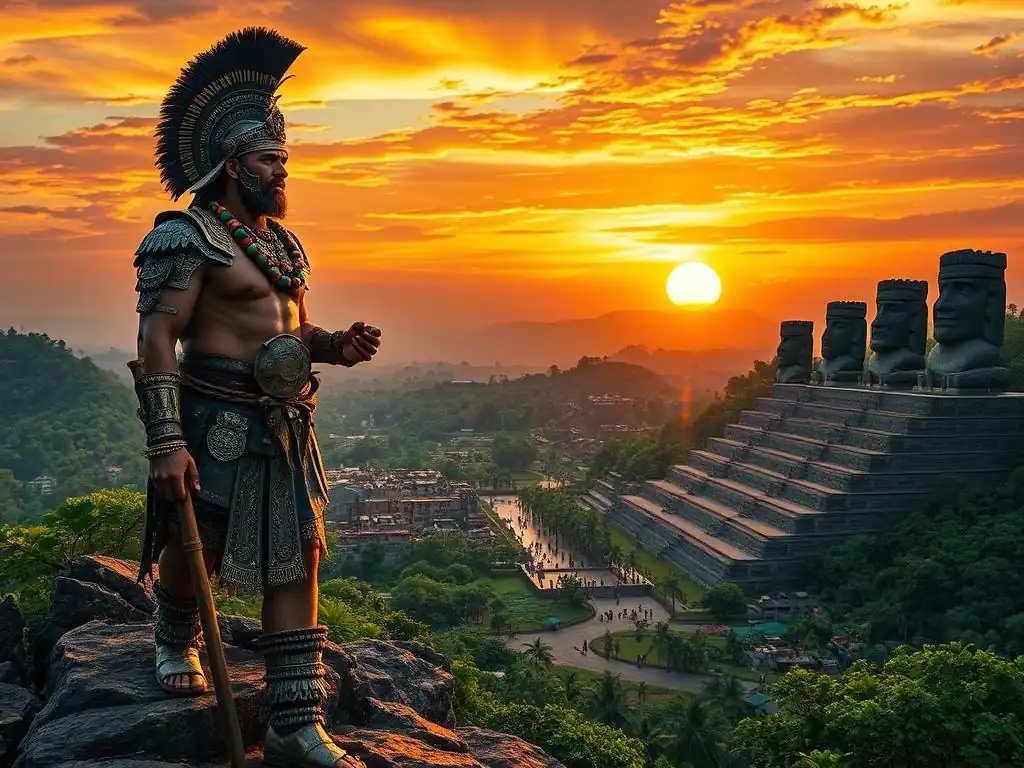
Welcome to Indigenous Civilizations of the Americas, where we embark on a fascinating journey through the rich tapestry of indigenous cultures that flourished long before European colonization. Here, we invite you to delve into the intricate world of the Olmec civilization and uncover the pivotal role of warfare in their political strategy.
As we explore the dynamics of conquest and control, you'll discover how these ancient peoples navigated power and influence, leaving a lasting impact on the history of the Americas. Prepare to be captivated by the stories that shaped a continent—read on to unveil the secrets of Olmec society!
Introduction to Olmec Warfare and Political Strategy
The Olmec civilization, often regarded as the "mother culture" of Mesoamerica, established a foundation for many subsequent societies through its innovative political strategies, including the use of warfare as a means of conquest and control. This article delves into the intricate relationship between warfare and political governance within the Olmec society, highlighting how military endeavors shaped their political landscape and contributed to their enduring legacy. Understanding the Olmec's approach to warfare not only provides insight into their societal structure but also reveals how they navigated challenges and opportunities in a dynamic and often hostile environment.
Understanding the Olmec Civilization
The Olmec civilization flourished between approximately 1200 BCE and 400 BCE along the Gulf Coast of Mexico, particularly in the regions that are now Veracruz and Tabasco. Characterized by monumental architecture, intricate art, and a complex social hierarchy, the Olmecs played a pivotal role in the cultural and political development of Mesoamerica. Their influence extended beyond their geographic boundaries, impacting later civilizations such as the Maya and Aztecs.
Key features of the Olmec civilization include:
- Monumental Art and Architecture: The Olmecs are famous for their colossal stone heads and ceremonial centers like La Venta and San Lorenzo.
- Social Stratification: A hierarchical society with a ruling elite, priests, artisans, and farmers marked Olmec life, suggesting a sophisticated political organization.
- Trade Networks: Evidence of extensive trade indicates that the Olmecs engaged in economic exchanges with neighboring cultures, further enhancing their political power.
Defining Warfare in the Context of Olmec Society
Warfare among the Olmecs was not merely a series of battles; it encompassed a broader strategy that intertwined military actions with political objectives. The Olmecs employed warfare to assert dominance over rival groups, expand their territories, and control vital resources. Key aspects of Olmec warfare include:
- Territorial Expansion: Military campaigns aimed at acquiring land and resources were central to Olmec political strategy.
- Ritual Warfare: Some conflicts were likely ritualistic, serving to establish social order and legitimacy rather than purely territorial gain.
- Symbolism in Warfare: Warfare was often laden with cultural significance, reflected in their art and religious practices, which reinforced the political authority of the elite.
Importance of Political Strategy in Olmec Governance
The Olmec's political strategy was heavily influenced by their understanding of warfare's role in governance. Warfare served not only to defend their territory but also to consolidate power and influence among the elite. The key elements of their political strategy included:
- Military Alliances: Forming alliances with other groups through warfare and diplomacy strengthened their political standing.
- Control of Resources: Securing control over agricultural and trade resources was essential for sustaining their civilization’s growth and stability.
- Legitimization of Rule: Military success often legitimized the authority of leaders, as victories were celebrated and used to reinforce social hierarchies.
Historical Context of Olmec Warfare
Overview of Pre-Columbian Warfare Practices
Warfare in pre-Columbian Mesoamerica was characterized by a range of practices that varied across cultures and regions. Common themes included:
- Raiding and Skirmishing: Many societies engaged in small-scale conflicts to acquire resources or assert dominance.
- Ritual Combat: Some cultures practiced warfare as a form of ritual, emphasizing honor and spiritual significance over sheer conquest.
- Political Consolidation: Warfare was often a means of unifying fragmented groups under a single political entity.
The Emergence of the Olmec Civilization
The rise of the Olmec civilization coincided with significant environmental and social changes in Mesoamerica, including:
- Agricultural Development: The transition to settled agriculture allowed for population growth and the establishment of complex societies.
- Inter-group Competition: As populations grew, competition for resources intensified, leading to increased warfare among emerging civilizations.
- Cultural Innovations: The Olmecs developed unique cultural practices that distinguished them from neighboring groups, contributing to their political cohesion.
Key Historical Events Influencing Olmec Warfare
Several pivotal events shaped the Olmec approach to warfare:
- Conflicts with Neighboring Groups: Encounters with rival civilizations necessitated a robust military strategy to defend and expand Olmec territories.
- Natural Disasters: Events such as volcanic eruptions and flooding may have altered political dynamics, prompting shifts in warfare strategies.
- Cultural Exchanges: Interaction with other Mesoamerican cultures facilitated the exchange of military tactics and technologies, influencing Olmec warfare practices.
The role of warfare in Olmec political strategy was multifaceted, encompassing various aspects of their society, governance, and historical context. By examining these elements, we gain a deeper understanding of how the Olmecs navigated their world, asserting control and influence through military means while laying the groundwork for future civilizations in the Americas.
The Mechanisms of Olmec Warfare Political Strategy
The Olmec civilization, often regarded as the mother culture of Mesoamerica, utilized warfare as a critical mechanism in its political strategy. Warfare among the Olmecs was not merely about territorial expansion; it was intricately linked to their governance, social organization, and economic systems. The strategic deployment of military power allowed the Olmecs to exert control over neighboring regions, enhance their resource base, and solidify their political authority.
Warfare served as a means of demonstrating power and prestige, essential for maintaining the hierarchical structures of Olmec society. Military campaigns were often public spectacles that reinforced the legitimacy of leaders while instilling fear among potential adversaries. The Olmecs’ ability to mobilize and coordinate military efforts reflected their advanced organizational capabilities, which were crucial for their survival and dominance in a competitive landscape.
Methods of Conquest in Olmec Societies
The Olmecs employed various methods of conquest that combined direct military action with psychological warfare. They initiated raids on neighboring territories to seize control of vital resources and assert dominance. These raids were often swift and calculated, aimed at destabilizing rival communities before they could mount an effective defense.
Additionally, the Olmecs were known for their use of fortifications, which protected their own settlements while intimidating potential aggressors. The construction of defensive structures, such as walls and ditches, allowed them to control key access points and limit enemy movements.
Moreover, the Olmec strategy included alliances with local tribes, where they would offer protection in exchange for loyalty. This diplomatic approach often led to the voluntary submission of rival groups, further expanding Olmec influence without the need for prolonged conflict.
Military Organization Within Olmec Communities
The military organization of the Olmecs was characterized by a centralized command structure, with leaders overseeing military operations. Evidence suggests that the Olmecs maintained a standing army composed of professional soldiers who were well-trained and skilled in various forms of combat. This organization allowed for efficient mobilization during times of conflict, as well as the ability to conduct prolonged military campaigns.
The Olmec military units were often composed of specialized groups, including archers, infantry, and shock troops, each trained for specific roles in battle. This specialization contributed to their effectiveness on the battlefield and allowed for strategic flexibility during engagements.
Furthermore, military service was likely tied to social status, with elite warriors enjoying privileges and recognition within Olmec society. The integration of military ranks with the social hierarchy helped reinforce the importance of warfare in maintaining political control and social order.
The Role of Leaders and Chieftains in Warfare
Leaders and chieftains played a pivotal role in shaping the Olmec warfare political strategy. They were responsible for making critical decisions regarding military campaigns and resource allocation. A successful leader was expected to demonstrate bravery and skill in battle, as well as the ability to inspire loyalty among their followers.
Chieftains often led military expeditions personally, which served to enhance their status and legitimacy. Their involvement in warfare was not only a demonstration of strength but also a means to foster unity among their people. The leader’s success in warfare was directly correlated with their political power, as victories on the battlefield translated into increased influence and control over both allies and adversaries.
Moreover, leaders utilized warfare as a tool for consolidating power within their communities. By engaging in successful military campaigns, they could redistribute resources and establish a network of loyal supporters, thereby reinforcing their authority and the stability of their political structure.
Conquest as a Tool for Political Control
Warfare was a crucial tool for the Olmecs in establishing and maintaining political control over their territories. The outcomes of military engagements significantly influenced the power dynamics within and between communities. Conquest allowed the Olmecs to assert dominance and deter potential threats, thereby securing their political landscape.
Territorial Expansion and Resource Acquisition
The primary aim of Olmec military endeavors was territorial expansion, which in turn facilitated resource acquisition. By conquering neighboring regions, the Olmecs gained access to essential resources such as fertile land, minerals, and trade routes. This expansion not only supported their economy but also provided a strategic advantage over rival groups.
Control over resources enabled the Olmecs to support their growing population and sustain their complex society. This economic leverage further solidified their political control, as communities that relied on Olmec governance for resource distribution were less likely to challenge their authority.
The Impact of Warfare on Olmec Political Structure
Warfare had a profound impact on the political structure of the Olmec civilization. Military success led to the elevation of certain leaders and elite classes, creating a stratified society based on martial prowess and loyalty. The outcomes of battles often dictated shifts in power, leading to the rise or fall of specific chieftains and their factions.
Additionally, the need for military organization and strategy fostered the development of a more centralized political system. As warfare became integral to maintaining control, the Olmec leadership adapted their governance structures to accommodate the demands of military logistics and coordination.
The consequences of warfare extended beyond immediate victories; they shaped the social fabric of Olmec society, reinforcing the importance of military capability in governance and political legitimacy.
Establishing Alliances Through Military Conquests
Military conquests also played a crucial role in establishing alliances within the Olmec political framework. Victorious campaigns allowed leaders to forge new relationships with conquered peoples, often integrating them into the Olmec sphere of influence through diplomacy and shared interests.
These alliances were not merely protective; they served to expand the Olmec political network, enhancing their power and resources. By incorporating conquered communities, the Olmecs could establish a sense of unity and cooperation, reducing the likelihood of rebellion and fostering a more stable political environment.
The strategic use of warfare by the Olmecs as a means of conquest and control was foundational to their political strategy. Through effective military organization, leadership, and alliance-building, they crafted a robust political structure that would leave a lasting impact on Mesoamerican history.
Case Studies of Olmec Warfare
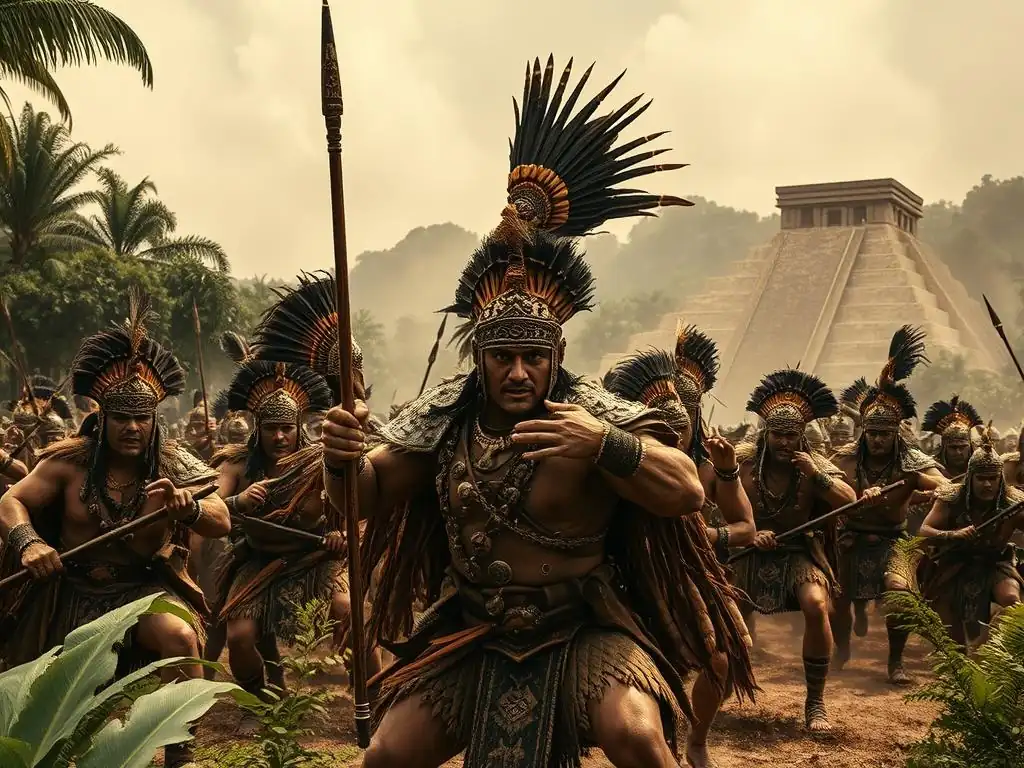
The Olmec civilization, often regarded as the "Mother Culture" of Mesoamerica, employed warfare as a critical component of its political strategy. Through various case studies, we can gain insights into how the Olmec engaged in military activities to establish dominance, maintain control, and influence neighboring regions. These studies illustrate the multifaceted role of warfare in their governance and territorial management.
Notable Battles and Their Political Outcomes
One of the most significant battles in Olmec history is believed to have occurred near the region of San Lorenzo, where the Olmec faced rival groups vying for control over trade routes and resources. The outcome of this battle was pivotal; it solidified Olmec authority and allowed for the expansion of their influence in the region. Not only did victories in warfare enhance the political power of the Olmec elites, but they also facilitated the acquisition of tribute from conquered regions, thereby enriching the Olmec economy and reinforcing their societal structure.
Another notable encounter involved the city of La Venta. Archaeological evidence suggests that La Venta was fortified, indicating a proactive approach to defense against potential aggressors. The successful defense of this city against invasions not only preserved Olmec dominance but also showcased the military prowess of their leadership, which in turn attracted alliances and further solidified their political standing.
Analysis of Specific Olmec Cities and Their Military Strategies
The analysis of Olmec cities, such as San Lorenzo and La Venta, reveals distinct military strategies that were employed for territorial control. San Lorenzo's strategic location allowed it to control trade routes and access to vital resources, making it a military and economic hub. The city's infrastructure, including large earthen mounds, may have served both ceremonial and defensive purposes, indicating a dual role in their military strategy.
La Venta, on the other hand, featured elaborate ceremonial centers that also functioned as fortifications. The positioning of these centers suggests that the Olmec integrated religious and military functions, using warfare not only for territorial expansion but also as a means to reinforce their cultural identity. The presence of colossal stone heads and other monumental artworks likely served as propaganda, projecting power and instilling fear in potential adversaries.
Lessons from Olmec Warfare for Understanding Indigenous Political Control
The study of Olmec warfare offers valuable lessons in understanding how indigenous political control was maintained through military might. Warfare was not merely a series of battles; it was a complex interplay of strategy, diplomacy, and cultural expression. The Olmec utilized military success to establish hierarchical structures within their society, integrating conquered peoples and leveraging their resources for further expansion.
Additionally, the Olmec approach to warfare illustrates the importance of alliances and trade networks in sustaining political power. By engaging in both military conquests and strategic partnerships, the Olmec were able to create a web of influence that extended beyond their immediate territory. This multifaceted approach to governance through warfare underscores the significance of military strategy in shaping indigenous political landscapes.
The Legacy of Olmec Warfare Political Strategy
The legacy of Olmec warfare political strategy has had lasting effects on subsequent Mesoamerican civilizations. Understanding this legacy requires an exploration of its influence on later societies, the shaping of Olmec identity and culture, and modern perspectives on their military practices.
Influence on Subsequent Mesoamerican Civilizations
The political strategies employed by the Olmec set the groundwork for the military practices of later civilizations, such as the Maya and Aztecs. These groups adopted and adapted Olmec military tactics, reinforcing the importance of warfare in their own political structures. The concept of using warfare as a means to project power and control over trade routes became a hallmark of Mesoamerican governance, shaping alliances, tribute systems, and territorial expansion in the centuries that followed.
Furthermore, the architectural innovations and ceremonial practices established by the Olmec influenced the development of city-states throughout Mesoamerica. The integration of military and religious functions in governance became a common theme, highlighting the enduring impact of Olmec political strategies on their successors.
Warfare’s Role in Shaping Olmec Identity and Culture
Warfare played a significant role in shaping the Olmec identity and culture. The narratives surrounding military victories and conquests were woven into the social fabric of their society, influencing artistic expression, religious practices, and communal identity. The creation of monumental art, such as the colossal heads, served not only as a testament to their military might but also as a symbol of their cultural heritage.
The Olmec’s militaristic ethos fostered a sense of unity and purpose among their people, reinforcing social hierarchies and cultural cohesion. This identity was crucial in maintaining internal stability, especially during periods of external threat or internal strife, showcasing how warfare can serve as both a divisive and unifying force within a civilization.
Modern Perspectives on Olmec Military Practices
Contemporary scholarship has begun to reevaluate Olmec military practices through a nuanced lens, recognizing the complexity of their warfare strategies. Archaeological findings and interdisciplinary studies have shed light on the sophisticated nature of Olmec military organization, suggesting that their practices were not merely primitive but rather indicative of an advanced understanding of strategy and logistics.
Modern perspectives also emphasize the interplay between warfare and social structure, exploring how military success influenced societal development and vice versa. This evolving understanding allows for a more comprehensive view of the Olmec as a civilization that leveraged military power not just for conquest, but as a fundamental aspect of their governance, culture, and legacy within the broader context of indigenous civilizations in the Americas.
Conclusion: The Significance of Warfare in Olmec Political Strategy
Warfare played a critical role in shaping the political landscape of the Olmec civilization. The strategic use of military power not only facilitated territorial expansion but also reinforced the authority of the ruling elite.
Through a combination of conquest and control, the Olmecs were able to establish a network of influence that extended beyond their immediate borders, creating a legacy that would impact subsequent indigenous civilizations in Mesoamerica. The intricacies of Olmec warfare reveal a sophisticated understanding of political strategy, where military might was intertwined with religious and economic motivations, ultimately contributing to the stability and continuity of their society.
Summary of Key Points on Olmec Warfare
- Military Organization: The Olmecs developed a structured approach to warfare that included the formation of specialized military units. This organization allowed for effective planning and execution of military campaigns.
- Conquest as a Political Tool: The Olmecs used warfare not solely for territorial gain but as a means to assert political dominance over rival groups. Warfare was often intertwined with rituals and ceremonies that reinforced the political power of the elite.
- Control through Fear and Tribute: The success of Olmec military campaigns resulted in the subjugation of neighboring tribes, which led to a system of tribute. This not only enhanced the wealth of the Olmec ruling class but also instilled a sense of fear among rival groups, further solidifying their control.
- Cultural Integration: Following military victories, the Olmecs often integrated conquered peoples into their society, promoting cultural exchange and the spread of Olmec traditions, which contributed to a unified regional identity.
- Legacy of Warfare Practices: The strategies employed by the Olmecs set a precedent for future Mesoamerican civilizations, influencing their own approaches to warfare, governance, and societal structure.
The Lasting Impact of Olmec Political Strategies on Indigenous Civilizations
The political strategies developed by the Olmecs had a profound influence on subsequent indigenous civilizations in the Americas. Their sophisticated approach to governance, which included elements of militarization, established a framework for later societies such as the Maya and the Aztec. These cultures adopted and adapted the Olmec methods of warfare, tribute systems, and political control, leading to complex hierarchies and expansive empires.
Moreover, the Olmecs' integration of religious practices with military campaigns set a precedent for the role of religion in legitimizing authority and justifying warfare among later civilizations. The emphasis on strategic alliances and territorial dominance continued to shape the political dynamics of Mesoamerica, showcasing the enduring influence of Olmec warfare political strategy on the region's history.
Future Research Directions in Olmec Studies
As interest in the Olmec civilization continues to grow, several avenues for future research can enhance our understanding of their warfare political strategy:
- Archaeological Investigations: Further excavation of Olmec sites may uncover artifacts that provide insights into military technology, strategies, and the socio-political implications of warfare.
- Interdisciplinary Approaches: Combining methodologies from archaeology, anthropology, and history can yield a more comprehensive picture of Olmec warfare and its societal impacts.
- Comparative Studies: Analyzing Olmec warfare practices in relation to other contemporary civilizations can highlight unique features and commonalities in political strategies across Mesoamerica.
- Impact of Environment: Investigating how geographical factors influenced warfare tactics and political organization can deepen our understanding of the Olmec adaptation to their environment.
- Cultural Memory and Legacy: Exploring how the Olmec legacy influenced later indigenous narratives and cultural identities can provide insights into the long-term effects of their political strategies.
References
Key Texts and Resources on Olmec Warfare and Political Strategy
- Coe, M. D. (2012). The Olmec World: Ritual and Rulership. This book provides a critical look at the Olmec civilization's political structures and the role warfare played within them.
- Marcus, J. (1998). Ancient Maya Political Dynamics: The Role of Warfare in State Formation. While primarily focused on the Maya, this text offers comparative insights into Olmec political strategies.
- Diehl, R. A. (2004). The Olmecs: America's First Civilization. A comprehensive overview of Olmec culture, including their military practices and political strategies.
Suggested Further Reading on Indigenous Civilizations of the Americas
- Hassig, R. (1988). Hunting and Hunting Societies in Pre-Columbian America. This text discusses the significance of hunting practices, which often intersect with warfare and political strategies.
- Smith, M. E. (2003). The Aztecs: A Very Short Introduction. While focused on the Aztecs, this book contextualizes the Olmec legacy within the broader tapestry of Mesoamerican civilization.
- Wright, K. I. (2009). The Pre-Columbian World: An Introduction to Mesoamerican History. This resource offers a broader understanding of the cultural and political dynamics in which the Olmecs operated, emphasizing their lasting impact on indigenous civilizations.
- Introduction to Olmec Warfare and Political Strategy
- Historical Context of Olmec Warfare
- The Mechanisms of Olmec Warfare Political Strategy
- Conquest as a Tool for Political Control
- Case Studies of Olmec Warfare
- The Legacy of Olmec Warfare Political Strategy
- Conclusion: The Significance of Warfare in Olmec Political Strategy
- References
Frequently Asked Questions
What were the main components of Olmec warfare?
The Olmec warfare involved strategic conquests to establish control over territories and resources, emphasizing the importance of military power in their political structure.
How did Olmec political strategy relate to warfare?
Warfare was a central element of Olmec political strategy, used to assert dominance, expand influence, and maintain stability among their societies through military might.
What were the consequences of Olmec conquests?
The Olmec conquests led to the assimilation of various cultures, the establishment of trade routes, and the spread of Olmec influence, shaping regional dynamics in pre-Columbian Mesoamerica.
How did the Olmec civilization influence later cultures?
The Olmec civilization laid the groundwork for future Mesoamerican societies by introducing concepts of political organization, religious practices, and artistic styles that would be adopted and adapted by later cultures.
What sources can provide more information on Olmec warfare and its strategies?
For an in-depth understanding of Olmec warfare and political strategy, explore scholarly articles, archaeological reports, and dedicated historical texts that analyze their military tactics and societal structures.
Final Reflection: The Enduring Legacy of Olmec Warfare in Political Strategy
The intricate relationship between warfare and political strategy in Olmec civilization remains profoundly relevant today. As we navigate a world where power dynamics continue to shift, understanding how the Olmec utilized conquest and control offers valuable insights into the foundations of political authority and social organization. The Olmec's strategic use of warfare not only shaped their own society but also laid the groundwork for future civilizations, illustrating that the lessons of history are timeless and essential for contemporary discourse.
Culture and society are inextricably linked to the strategies of power and control, as exemplified by the Olmec. Their approach to warfare was not merely about territorial expansion; it was a calculated method of establishing dominance and influence. As we reflect on this, we can see how the echoes of Olmec political strategies resonate in modern governance and conflict resolution. History is not a burden on the memory but an illumination of the soul.
This quote reminds us that understanding past strategies, like those of the Olmec, can illuminate our path forward in addressing current political challenges.
As we conclude this exploration, I invite you to reflect on the lessons of Olmec warfare and political strategy in your own life. Consider how the balance of power, control, and cooperation plays out in your personal and professional relationships. By recognizing the historical significance of these dynamics, you can better navigate the complexities of modern society and contribute to a more informed and engaged community. Embrace the wisdom of the past as a guide for the future, and let it inspire you to foster understanding and collaboration in your own spheres of influence.
Unleash Your Curiosity: Dive Deeper into Olmec Strategies!
Thank you for exploring the intriguing world of Olmec political strategies through warfare! We hope you’ve gained valuable insights into how conquest and control shaped their rise. Now, let’s put that knowledge into action and further expand your understanding of this ancient civilization.
Here are some exciting next steps you can take:
- Join a discussion group focused on Indigenous civilizations to share your thoughts and learn from others' perspectives.
- Explore related literature that delves into the connections between warfare and political structures in various cultures.
- Engage with local museums or online exhibitions that showcase Olmec artifacts and narratives, allowing you to see their strategies in practice.
What aspect of Olmec warfare intrigues you the most, and how might it inform our understanding of contemporary political strategies?