
Sacred Sites of the Olmecs: Exploring the Spiritual Landscapes of Ancient Mesoamerica

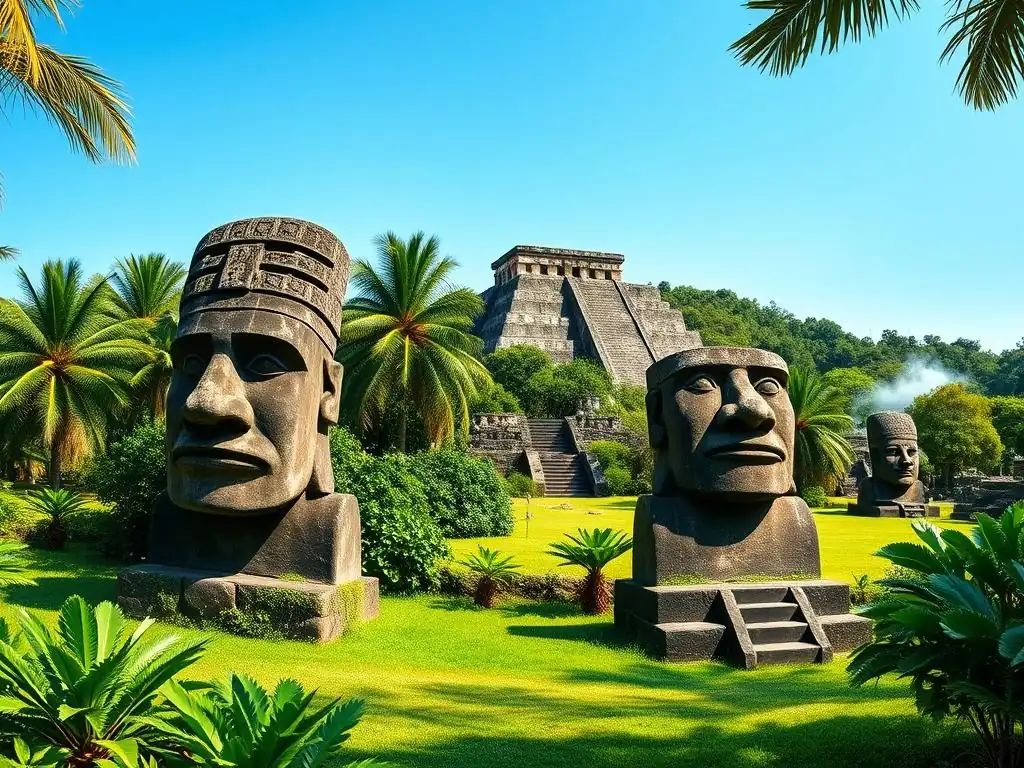
Welcome to Indigenous Civilizations of the Americas, where we embark on a captivating journey through the rich tapestry of indigenous cultures that flourished long before European contact. In our featured article, "Sacred Sites of the Olmecs: Exploring the Spiritual Landscapes of Ancient Mesoamerica," we delve into the profound significance of Olmec sacred sites exploration. Prepare to uncover the mysteries of these ancient civilizations, their remarkable achievements, and the enduring legacy they left behind.
Join us as we unveil the spiritual landscapes that shaped their world and continue to inspire curiosity today. Your adventure into the heart of Mesoamerican history begins now!
- Introduction to Olmec Sacred Sites Exploration
- Major Olmec Sacred Sites
- The Spiritual Landscape of the Olmecs
- Rituals and Ceremonies at Olmec Sacred Sites
- The Legacy of Olmec Sacred Sites
- Conclusion: The Importance of Olmec Sacred Sites Exploration
-
Frequently Asked Questions
- What is the significance of Olmec sacred sites?
- How did the Olmecs influence other Mesoamerican cultures?
- What types of artifacts have been found at Olmec sacred sites?
- How are modern researchers conducting Olmec sacred sites exploration?
- What impact do Olmec sacred sites have on contemporary indigenous cultures?
- Final Reflection: Embracing the Spiritual Legacy of the Olmecs
- Unveil the Secrets of Olmec Spirituality!
Introduction to Olmec Sacred Sites Exploration
The Olmec civilization, often regarded as the "mother culture" of Mesoamerica, flourished in the lowlands of southern Mexico from around 1200 BCE to 400 BCE. Renowned for their monumental art and complex societal structures, the Olmecs left an indelible mark on the cultural and spiritual landscapes of the Americas.
Central to their society were sacred sites—places imbued with profound spiritual significance that played a pivotal role in their religious practices, social organization, and community life. This article delves into the Olmec sacred sites exploration, examining their cultural importance, the spiritual beliefs that shaped these locations, and their lasting impact on subsequent Mesoamerican civilizations.
Significance of Sacred Sites in Olmec Culture
Sacred sites were not just geographical locations; they were the heart of Olmec spirituality and community identity. These sites served multiple functions, including:
- Religious Ceremonies: Olmecs gathered at sacred sites to conduct rituals, offerings, and ceremonies aimed at appeasing deities and ancestors.
- Astronomical Observations: Many sacred locations were strategically positioned to align with celestial events, showcasing the Olmecs' sophisticated understanding of astronomy.
- Cultural Identity: These sites fostered a sense of belonging among the Olmec people, reinforcing social cohesion and cultural continuity.
The reverence for these locations is evident in the large stone monuments and altars found at sites such as La Venta and San Lorenzo, which were often intricately carved with symbols that conveyed religious narratives and cosmological beliefs.
Overview of Olmec Civilization and Spirituality
The Olmec civilization is characterized by its complex societal structures and rich spiritual life. Their achievements in art, architecture, and urban planning set the foundation for later Mesoamerican societies. Key elements of Olmec spirituality include:
- Polytheism: The Olmecs worshipped a pantheon of gods, often represented through colossal stone heads and other artifacts, each embodying different aspects of nature and human experience.
- Shamanism: Shamans played a crucial role in Olmec society, acting as intermediaries between the human and spiritual realms. They conducted rituals to heal, predict the future, and connect with the divine.
- Mythology and Creation Stories: The Olmecs crafted rich mythologies that explained the origins of their world and humanity, often depicted in their art and ceremonial practices.
Through their sacred sites, the Olmecs expressed their spiritual beliefs and values, leaving a legacy that would influence generations of cultures in Mesoamerica. Understanding these sacred locations provides insight into the rich tapestry of Olmec civilization and its enduring impact on the spiritual landscapes of the Americas.
Major Olmec Sacred Sites
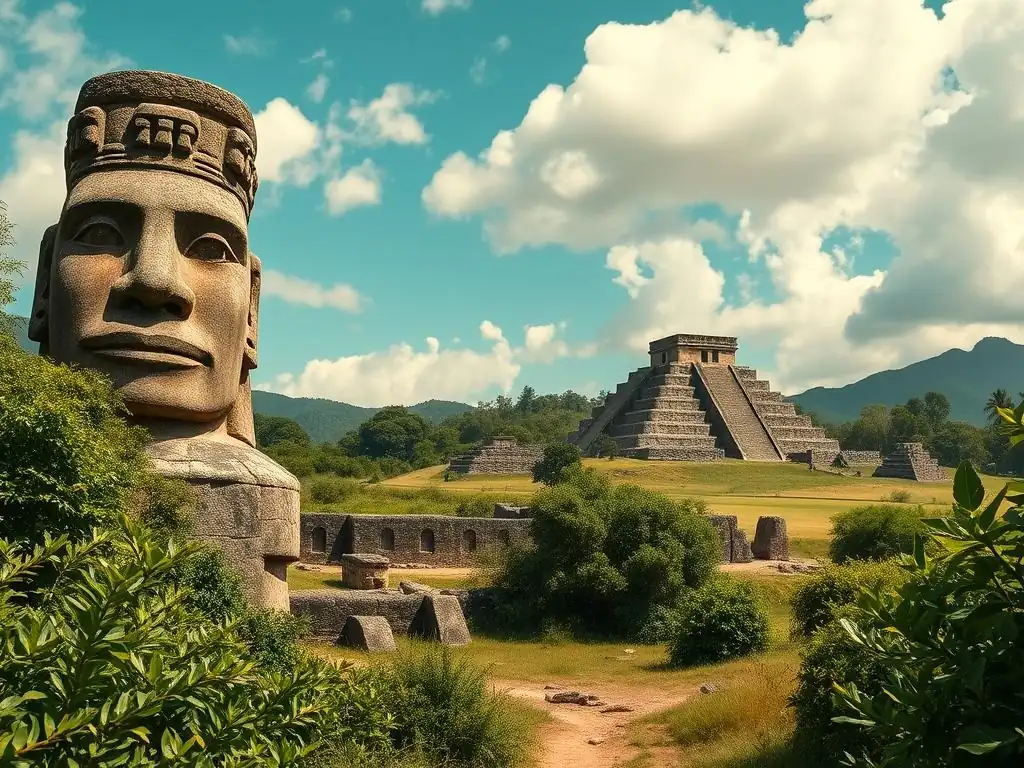
The Olmec civilization, often regarded as the "mother culture" of Mesoamerica, left behind a rich tapestry of sacred sites that reflect their spiritual beliefs and practices. These sites not only served as centers for religious rituals but also as crucial hubs for social and political activities. In this section, we will delve into two of the most significant Olmec sacred sites: La Venta and San Lorenzo, exploring their unique features and the religious importance they held within Olmec society.
La Venta: The Heart of Olmec Rituals
La Venta is one of the most renowned Olmec archaeological sites, located in the modern-day state of Tabasco, Mexico. Established around 900 BCE, this site is celebrated for its monumental architecture and rich ceremonial activities, making it a focal point for Olmec spirituality.
Key Features of La Venta
La Venta's layout is indicative of its significance as a sacred site. Key features include:
- The Great Pyramid: Standing approximately 34 meters tall, this structure is believed to have served not only as a ceremonial platform but also as a symbolic representation of the Olmec worldview.
- Colossal Heads: One of the most iconic symbols of the Olmec civilization, these massive stone heads, carved from basalt, are thought to represent Olmec rulers or deities. Each head varies in size, with the largest measuring over 3 meters in height.
- Altar 4: This altar features a sculpted figure that may represent a shaman or a deity, further emphasizing the site's spiritual significance.
These features collectively highlight La Venta's role as a center of Olmec ceremonial life, showcasing the civilization’s architectural prowess and religious depth.
Spiritual Practices and Ceremonies at La Venta
At La Venta, spiritual practices were deeply intertwined with daily life and governance. The Olmecs engaged in various ceremonies, which included:
- Ritual Offerings: Artifacts, such as jade objects and pottery, were often buried in ceremonial contexts, suggesting that they played a role in offerings to deities.
- Ball Game Rituals: The Olmecs are thought to have played a form of the Mesoamerican ball game, which had significant religious connotations and was often associated with themes of life, death, and rebirth.
- Astronomical Observations: Alignments of structures at La Venta suggest that the Olmecs practiced astronomy, using celestial events to guide their ceremonial calendar.
These practices underscore the spiritual landscape of La Venta, reflecting the Olmecs' complex relationship with their environment and the cosmos.
San Lorenzo: The First Olmec Capital
San Lorenzo, located in the state of Veracruz, Mexico, is recognized as the earliest known Olmec capital, flourishing from around 1200 to 900 BCE. This site played a crucial role in the development of Olmec culture and religion.
Archaeological Discoveries at San Lorenzo
The archaeological findings at San Lorenzo provide invaluable insights into Olmec society:
- Colossal Heads and Altars: Similar to La Venta, San Lorenzo features several colossal heads and altars, indicating the importance of elite representation and ritual practices.
- Complex Water Management Systems: Evidence of canals and drainage systems suggests that the Olmecs had advanced engineering skills, which may have been utilized for both agricultural and ritual purposes.
- Ceramic Artifacts: Numerous ceramic pieces have been discovered, often depicting ritualistic scenes and symbols, which reveal the artistic expression and religious beliefs of the Olmec people.
These discoveries reinforce San Lorenzo's status as a vital center of Olmec civilization, showcasing their architectural and artistic achievements.
The Role of San Lorenzo in Olmec Religion
San Lorenzo served as a crucial religious center for the Olmecs, influencing their spiritual practices and beliefs:
- Political and Religious Integration: The rulers of San Lorenzo likely held both political and religious authority, facilitating a governance structure that intertwined statecraft with spirituality.
- Sacred Geography: The location of San Lorenzo, situated near important natural features, may have been intentionally chosen for its spiritual significance, aligning the site with the cosmos and local geography.
- Ritual Sites: Specific areas within San Lorenzo were designated for elaborate rituals, including offerings, sacrifices, and communal gatherings, indicating a highly organized religious system.
San Lorenzo's role as the first Olmec capital was integral to the development of their religious practices, shaping the spiritual landscape of ancient Mesoamerica.
The exploration of Olmec sacred sites such as La Venta and San Lorenzo reveals the profound spiritual beliefs and practices that defined this ancient civilization. Through their architectural achievements and ritualistic traditions, the Olmecs left an enduring legacy that continues to influence our understanding of Mesoamerican cultures.
Tres Zapotes: A Hub of Olmec Spirituality
Tres Zapotes stands as one of the most significant archaeological sites associated with the Olmec civilization, located in the modern-day state of Veracruz, Mexico. This site is renowned for its extensive collection of monumental architecture and its role as a central hub of Olmec spirituality. Dating back to around 1200 BCE, Tres Zapotes offers invaluable insights into the religious practices, social organization, and cultural expressions of the Olmec people.
The layout of Tres Zapotes reflects the Olmec’s sophisticated understanding of urban planning and their spiritual beliefs. The site features large plazas, ceremonial structures, and stone monuments, which were likely designed to align with celestial events and facilitate communal rituals. The prominence of these structures indicates that Tres Zapotes was not merely a residential area but a vital center for spiritual engagement and community gatherings.
Unique Artifacts and Structures
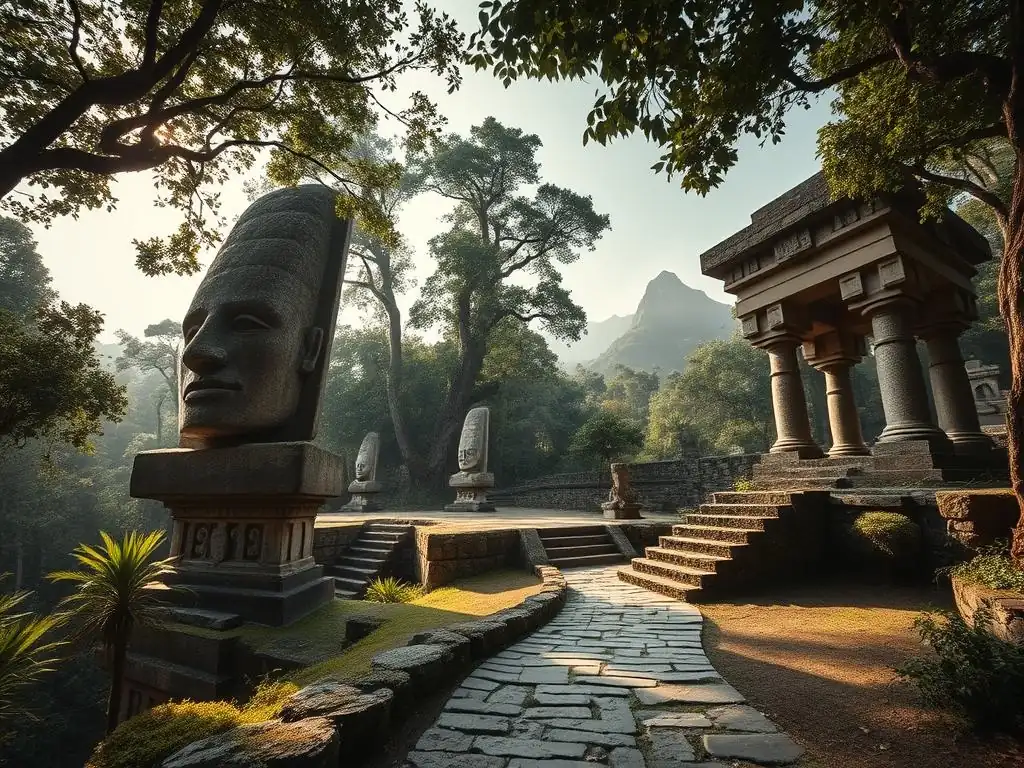
Among the most remarkable features of Tres Zapotes are its unique artifacts and structures, which provide a glimpse into the Olmec's artistic achievements and religious practices. The site is home to several colossal heads, carved from basalt, which are believed to represent rulers or deities. These monumental sculptures serve as a testament to the Olmec's advanced craftsmanship and their reverence for powerful figures within their society.
In addition to the colossal heads, Tres Zapotes contains stelae—large stone slabs inscribed with glyphs and images that likely convey significant historical narratives or religious beliefs. These stelae can be seen as a form of communication that connects the living with their ancestors and the spiritual realm. The presence of altars and other ceremonial structures further emphasizes the site's role as a religious center, where rituals and offerings could be conducted to honor the gods.
The artifacts unearthed at Tres Zapotes, including pottery, figurines, and tools, also reveal aspects of daily life and the spiritual beliefs of the Olmec people. Many of these items are adorned with intricate designs and motifs, indicative of the cultural significance attributed to various symbols in Olmec mythology.
Ritual Activities and Their Importance
Ritual activities at Tres Zapotes were integral to the Olmec civilization, serving as a means to connect with the divine and reinforce social cohesion. The site likely hosted a variety of ceremonies, including offerings, feasts, and communal gatherings, which were essential for maintaining the spiritual and social fabric of Olmec society.
One of the key aspects of ritual life at Tres Zapotes was the veneration of deities associated with fertility, agriculture, and the underworld. These rituals often involved elaborate performances, including music, dance, and the presentation of offerings, which were believed to appease the gods and ensure the community's prosperity. Such activities reinforced the power of the ruling elite and the importance of maintaining harmony with the natural and supernatural worlds.
Additionally, the rituals performed at Tres Zapotes likely served as a platform for political expression and the assertion of authority. Leaders would engage in these ceremonies to legitimize their power and foster unity among the populace. The communal nature of these events helped to strengthen social bonds and impart a shared identity among the Olmec, while also ensuring the transmission of cultural beliefs and practices to future generations.
Tres Zapotes stands as a monumental testament to the spiritual and cultural life of the Olmec civilization, illustrating the profound connection between their sacred sites, ritual practices, and societal structure. Through the exploration of Tres Zapotes, we gain a deeper appreciation for the complexities of Olmec spirituality and its enduring legacy in the broader context of Mesoamerican history.
The Spiritual Landscape of the Olmecs
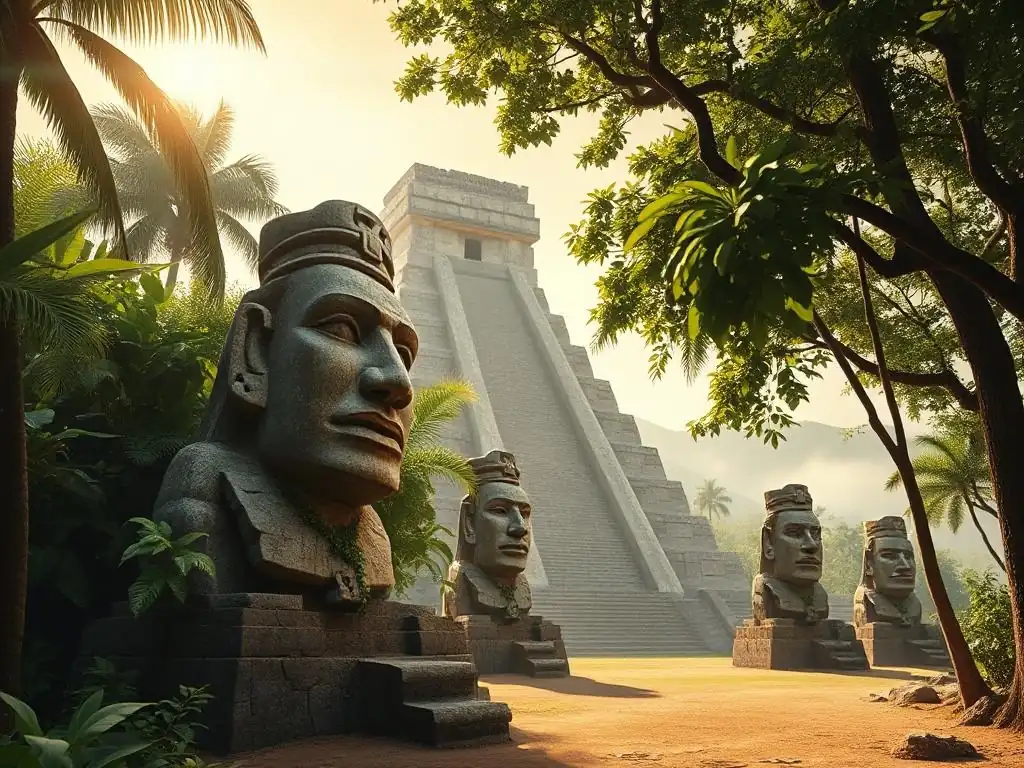
Understanding the Olmec Cosmology
The Olmec civilization, often regarded as the "mother culture" of Mesoamerica, possessed a rich and complex cosmology that profoundly influenced their spiritual practices and societal structures. Central to this cosmology was the belief in a dual universe, where the physical and spiritual realms were intricately connected. The Olmecs viewed the world as a dynamic interplay of opposites, such as light and darkness, life and death, and the earthly and the divine.
At the heart of Olmec cosmology was the concept of Teotl, a sacred force or divine essence that permeated all aspects of life. This belief system led to the veneration of various deities, each representing different elements of nature and human experience. The Olmecs also held sacred animals, such as jaguars and serpents, which were believed to embody these spiritual forces.
Elements of Olmec Beliefs and Mythology
Olmec mythology is rich with narratives that explain the origins of the world, the creation of humanity, and the cyclical nature of existence. These myths often featured powerful deities who influenced agricultural cycles, weather patterns, and the fertility of the land. The Olmecs celebrated these deities through elaborate rituals, often involving music, dance, and offerings.
One prominent figure in Olmec mythology is the Were-Jaguar, a creature that symbolizes strength, power, and the connection between the human and the divine. This figure was frequently depicted in Olmec art and sculpture, often with features that blended human and jaguar traits. Through these representations, the Olmecs expressed their reverence for the natural world and its spiritual significance.
Connections Between Nature and Spirituality
For the Olmecs, nature was not merely a backdrop for human activity but a vital component of their spiritual landscape. They believed that the mountains, rivers, and forests were imbued with sacred energy, and their physical presence was a reflection of the divine. This intrinsic connection to nature is evident in their ceremonial practices, where specific natural features were integrated into their rituals.
The Olmecs constructed their sacred sites in alignment with natural landscapes, often selecting locations that held specific astronomical or environmental significance. These choices reflected their deep understanding of the cosmos and its influence on earthly events, reinforcing the idea that the spiritual and natural worlds were inextricably linked.
Sacred Geography: The Role of Nature in Olmec Religion
Sacred geography played a crucial role in Olmec religious practices. The placement of temples and ceremonial centers was not random; rather, it was a deliberate act that mirrored their cosmological beliefs and the importance of specific natural elements. These sites served as focal points for ritual activities and communal gatherings, facilitating a deeper connection between the Olmecs and their environment.
Mountains, Rivers, and Their Spiritual Significance
Mountains held particular significance in Olmec spirituality, often viewed as sacred portals to the heavens. The Olmecs believed that these towering formations housed deities and ancestral spirits, serving as sites for pilgrimage and worship. For instance, the Sierra de los Tuxtlas was a revered location, where the Olmecs conducted ceremonies to honor the mountain gods and seek protection and fertility for their crops.
Rivers, too, were considered vital to Olmec spirituality. They were seen as life-giving forces that connected the physical world with the spiritual realm. The Papaloapan River, for example, was believed to be a conduit for divine energy, facilitating the movement of offerings and prayers to the gods. Rituals conducted along the banks of rivers often involved water as a purifying element, highlighting its essential role in the Olmec belief system.
Alignments with Celestial Bodies
The Olmecs exhibited a profound understanding of astronomy, which was reflected in their sacred architecture and urban planning. Many Olmec sites were strategically aligned with celestial bodies, enabling them to track lunar and solar cycles. This alignment was essential for agricultural practices, as it allowed the Olmecs to time their planting and harvesting according to the rhythms of nature.
Archaeological evidence suggests that the Olmecs constructed their ceremonial centers to align with specific astronomical events, such as solstices and equinoxes. These alignments underscored their belief in the interconnectedness of the cosmos and the earth, reinforcing the importance of celestial cycles in their spiritual and agricultural practices.
The exploration of Olmec sacred sites reveals a sophisticated understanding of the spiritual landscapes that shaped their civilization. The deep connections between nature, cosmology, and religious practices illustrate how the Olmecs navigated their world, leaving a lasting impact on the subsequent cultures of Mesoamerica.
Rituals and Ceremonies at Olmec Sacred Sites
Types of Ceremonies and Their Purposes
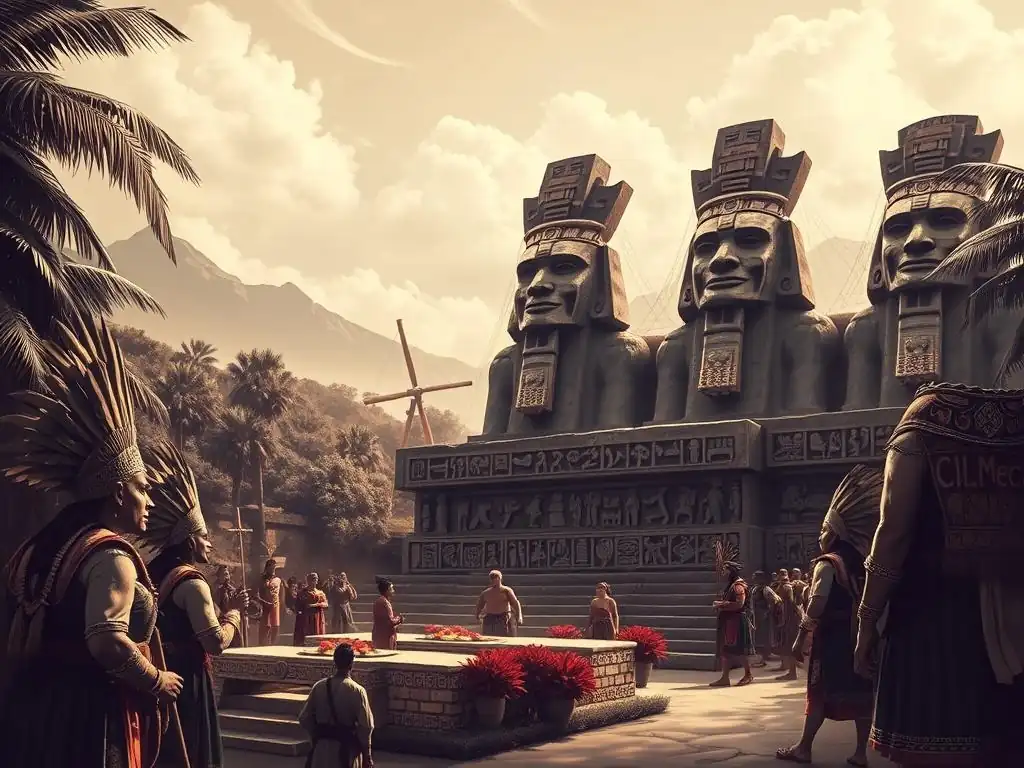
The Olmec civilization, recognized as one of the earliest complex societies in Mesoamerica, conducted a variety of rituals and ceremonies at their sacred sites. These ceremonies were integral to their religious practices and served multiple purposes, ranging from agricultural fertility to ancestor veneration.
-
Agricultural Ceremonies
These rituals were designed to ensure bountiful harvests. The Olmecs performed offerings and sacrifices, often involving maize, which was a staple of their diet. Ceremonies included:
- Planting Festivals: Celebrated at the onset of the planting season, these ceremonies invoked rain and fertility.
- Harvest Festivals: Marked the end of the agricultural cycle, giving thanks to deities for the crops.
-
Rituals for the Dead
Commemorating the deceased and honoring ancestors was crucial to Olmec spirituality. Practices included:
- Burial Rites: Elaborate tombs and grave goods were part of burial ceremonies, reflecting the status of the individual.
- Ancestor Worship: Rituals were performed to maintain a connection with ancestors, often involving offerings of food and incense.
-
Ceremonies for Cosmic Order
The Olmecs believed in maintaining balance in the universe. Ceremonies aimed at cosmic order included:
- Celestial Observations: Rituals aligned with astronomical events, such as solstices and equinoxes, were crucial for marking time and guiding agricultural activities.
- Creation Myths: Storytelling sessions often coincided with these rituals, reinforcing cultural identity and spiritual beliefs.
-
Divination and Healing
Spiritual leaders, including shamans, conducted ceremonies for healing and divination. These included:
- Healing Rituals: Involving herbs, chants, and possibly animal sacrifices to cure ailments.
- Divination Practices: Shamans interpreted signs and omens during ceremonies to provide guidance to the community.
The Role of Shamans and Priests in Olmec Religion
Shamans and priests were pivotal figures in the Olmec religious hierarchy, serving as intermediaries between the divine and the earthly realms. Their roles were multifaceted, encompassing spiritual, social, and political dimensions.
- Spiritual Leaders: Shamans were believed to possess unique abilities to communicate with gods and ancestors. They guided rituals and ceremonies, often utilizing altered states of consciousness through fasting, music, and hallucinogenic substances.
- Ceremonial Practitioners: Priests conducted formal rituals at sacred sites, managing the calendar of ceremonies and ensuring they aligned with agricultural cycles and celestial events. Their authority was often derived from their knowledge of rituals and their ability to interpret the will of the gods.
- Community Counselors: Both shamans and priests acted as advisors to leaders and the community. They provided counsel on matters of health, agriculture, and conflict resolution, reinforcing their pivotal role in maintaining social cohesion.
- Cultural Preservers: They played a crucial role in passing down oral traditions, myths, and religious teachings, thereby preserving the cultural identity of the Olmec civilization.
The rituals and roles of shamans and priests were essential to the Olmec sacred sites exploration, revealing a complex interplay between spirituality, agriculture, and community life in ancient Mesoamerica. These practices not only shaped the Olmec worldview but also laid the groundwork for future Mesoamerican cultures.
The Legacy of Olmec Sacred Sites
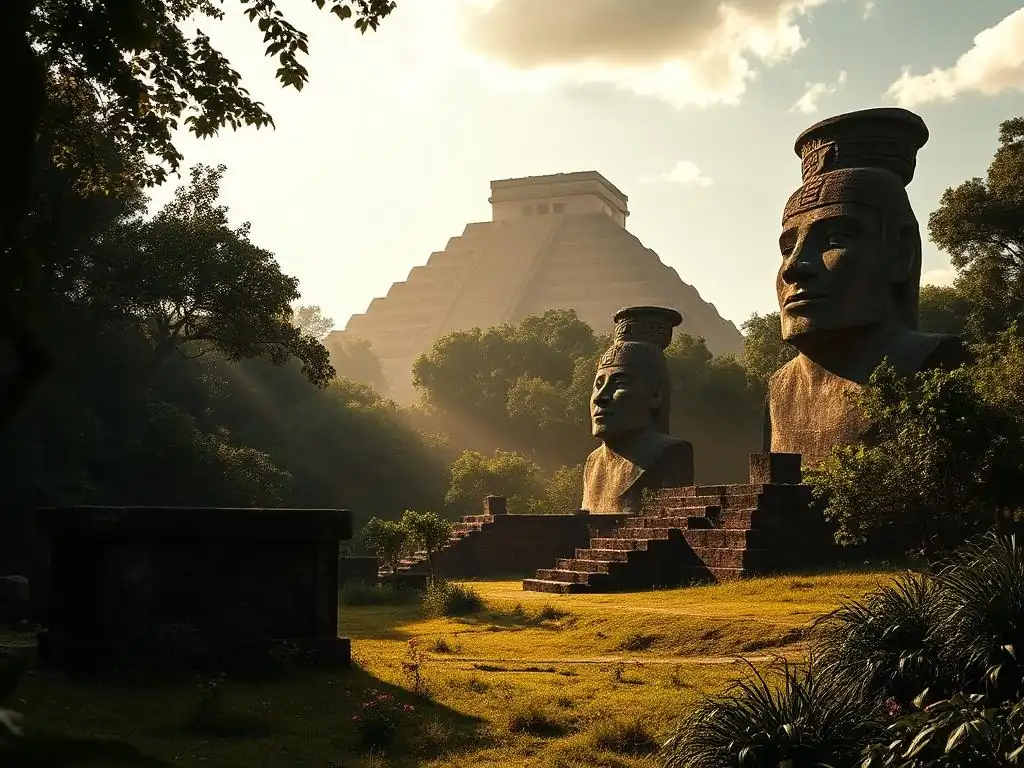
The Olmec civilization, often regarded as the "mother culture" of Mesoamerica, has left an indelible mark on the spiritual landscapes of the region through its sacred sites. These sites not only served as religious centers but also played a crucial role in shaping the spiritual practices and architectural styles of later Mesoamerican civilizations. The legacy of Olmec sacred sites can be seen in the enduring symbols, rituals, and community structures that emerged in subsequent cultures.
Influence on Later Mesoamerican Civilizations
The impact of Olmec sacred sites extends far beyond their initial construction. Key elements of Olmec spirituality, including the veneration of specific deities and the importance of ritualistic practices, were adopted and adapted by later civilizations such as the Maya and the Aztecs. For example:
- Architectural Styles: The monumental architecture of the Olmecs, including the construction of colossal heads and ceremonial platforms, influenced the design of temples and pyramids in later cultures. The use of large stone carvings became a hallmark of Mesoamerican architecture.
- Iconography and Symbolism: Many symbols found in Olmec art, such as the jaguar and the feathered serpent, became central to the mythologies of later civilizations. These symbols often represented power, fertility, and the duality of life and death, resonating through centuries of Mesoamerican belief systems.
- Ritual Practices: The Olmec practice of bloodletting and other sacrificial rites laid the groundwork for similar practices seen among the Maya and Aztecs. The significance of these rituals in connecting the earthly realm with the divine remained a consistent theme in Mesoamerican religions.
- Cosmology: The Olmec cosmological views, which emphasized the interconnectedness of nature and the divine, influenced the spiritual frameworks of later groups. The concepts of cycles, dualism, and the importance of agricultural fertility persisted in the mythologies of subsequent civilizations.
Preservation and Current Understanding of Olmec Sacred Sites
Understanding Olmec sacred sites today involves a meticulous process of archaeological exploration and cultural preservation. These efforts are essential not only for historical accuracy but also for honoring the indigenous heritage of the region. Key aspects of preservation and study include:
- Archaeological Excavation: Ongoing excavations at major Olmec sites like La Venta and San Lorenzo are revealing new insights into their construction, usage, and significance within the Olmec worldview. These sites are often characterized by intricate designs and alignments that reflect astronomical knowledge.
- Cultural Heritage Initiatives: Collaborative efforts between archaeologists and indigenous communities aim to preserve Olmec sites while respecting the cultural significance they hold. These initiatives often include educational programs that raise awareness about the importance of these sites within local and national contexts.
- Technological Advancements: Modern technologies such as ground-penetrating radar and 3D modeling are revolutionizing the way researchers study Olmec sacred sites. These tools allow for non-invasive exploration, helping to uncover hidden structures beneath the surface without damaging the sites.
- Public Engagement: Museums and cultural institutions are increasingly showcasing Olmec artifacts and providing educational resources about their sacred sites. This engagement fosters a deeper appreciation for the Olmec civilization's contributions to Mesoamerican history and spirituality.
The exploration of Olmec sacred sites reveals a rich tapestry of spiritual beliefs and practices that have profoundly influenced the cultural landscape of Mesoamerica. Their legacy continues to be a source of inspiration and reverence, as modern society seeks to understand and honor the profound connections between the past and present indigenous cultures of the Americas.
Conclusion: The Importance of Olmec Sacred Sites Exploration
The exploration of Olmec sacred sites is crucial not only for understanding the religious practices and spiritual beliefs of this ancient civilization but also for appreciating their broader cultural significance. These sacred sites, which include monumental architecture, ceremonial centers, and ritual landscapes, serve as windows into the intricate relationship the Olmecs had with their environment, cosmology, and society. By studying these locations, researchers gain insights into the social structures, artistic expressions, and religious ideologies that shaped Olmec life.
Reflection on Spiritual Heritage and Cultural Identity
The spiritual heritage of the Olmecs is intricately woven into the fabric of their cultural identity. Sacred sites such as La Venta and San Lorenzo are not merely archaeological remnants; they are repositories of rituals, beliefs, and communal memories that echo through time. These sites reflect the Olmec worldview, where the interplay between the natural and supernatural realms was paramount.
- Ritual Practices: The elaborate ritual practices conducted at these sites were essential for the Olmecs to connect with their deities, ancestors, and the cosmos. Offerings, including miniature sculptures and other artifacts, have been discovered, revealing the ceremonial importance of these locations.
- Cultural Continuity: Understanding these sacred spaces allows modern communities, particularly those descended from the Olmecs, to reconnect with their heritage. This continuity fosters a sense of belonging and identity, reinforcing the importance of preserving these sites for future generations.
- Educational Value: The narrative of the Olmecs as a foundational civilization in Mesoamerica enriches our understanding of cultural evolution in the Americas. By examining their spiritual landscapes, we can appreciate the complexities of their belief systems and their contributions to subsequent cultures.
Future Directions for Research and Exploration of Olmec Sacred Sites
As we look ahead, the research and exploration of Olmec sacred sites present numerous opportunities for deeper understanding. Scholars and archaeologists are encouraged to consider the following directions:
- Interdisciplinary Approaches: Collaborating with experts in anthropology, history, and environmental science can yield comprehensive insights into the ecological contexts of these sacred sites. This approach can illuminate how the Olmecs adapted their practices to their surroundings.
- Technological Advancements: Utilizing modern technologies such as LiDAR (Light Detection and Ranging) and GIS (Geographic Information Systems) can aid in the discovery and documentation of previously unexamined sites. These tools can reveal the spatial relationships between various sacred areas, enhancing our understanding of their significance.
- Community Engagement: Involving local communities in the research process can foster a deeper appreciation for the cultural heritage represented by these sites. Community-led initiatives can lead to the preservation and revitalization of traditional practices associated with Olmec spirituality.
- Comparative Studies: Analyzing Olmec sacred sites in comparison with those of contemporaneous civilizations, such as the Maya and Zapotecs, can highlight shared beliefs and practices, as well as unique innovations. This comparative lens can enrich our understanding of Mesoamerican religious development.
- Public Awareness and Education: Raising public awareness about the significance of Olmec sacred sites is vital for their protection. Educational programs, museum exhibitions, and digital resources can engage a broader audience and promote stewardship of these irreplaceable cultural treasures.
The Olmec sacred sites exploration is not only an academic endeavor but also a vital component of cultural heritage preservation. By continuing to investigate these spiritual landscapes, we honor the legacy of the Olmecs and contribute to a more nuanced understanding of ancient Mesoamerican civilizations.
Frequently Asked Questions
What is the significance of Olmec sacred sites?
Olmec sacred sites are crucial for understanding the spiritual practices and rituals of one of the earliest Mesoamerican civilizations. These sites often reflect their belief systems and sacred landscapes.
How did the Olmecs influence other Mesoamerican cultures?
The Olmecs are considered the "mother culture" of Mesoamerica, significantly influencing later civilizations such as the Maya and Aztecs through their art, architecture, and religious practices.
What types of artifacts have been found at Olmec sacred sites?
Artifacts such as colossal heads, jade sculptures, and ceramics have been discovered, revealing insights into their artistic expression and social structure.
How are modern researchers conducting Olmec sacred sites exploration?
Researchers utilize a combination of archaeological methods, remote sensing, and historical analysis to uncover and study the spiritual landscapes of the Olmecs.
What impact do Olmec sacred sites have on contemporary indigenous cultures?
These sites serve as important cultural heritage markers, fostering a sense of identity and continuity among modern indigenous groups, while also promoting awareness of their historical significance.
Final Reflection: Embracing the Spiritual Legacy of the Olmecs
The exploration of Olmec sacred sites is not merely an academic pursuit; it is a profound journey into the heart of ancient Mesoamerican spirituality that resonates with our contemporary quest for meaning. As we delve into the sacred landscapes of the Olmecs, we uncover not just the remnants of their civilization but also the enduring significance of their spiritual practices, which continue to inspire and inform our understanding of cultural identity and heritage today. The echoes of their rituals and beliefs remind us that the quest for connection to the divine is a timeless human experience.
Cultural landscapes are shaped by the beliefs and practices of those who inhabit them, and the Olmec sacred sites stand as testaments to a rich spiritual tradition that has influenced generations. The reverberations of their sacred spaces can be felt in the modern world, as we seek to understand our place within the continuum of history. The past is never dead. It's not even past.
— William Faulkner. This quote encapsulates the idea that the spiritual narratives of the Olmecs are woven into the fabric of our present, urging us to reflect on the legacies we inherit and the stories we choose to tell.
As you contemplate the sacred sites of the Olmecs, I invite you to reflect on your own spiritual journey and the landscapes that shape your beliefs. Consider how the exploration of these ancient sites can inspire you to seek deeper connections in your own life, fostering a sense of reverence for the past while embracing the possibilities of the future. Let the lessons of the Olmecs guide you in your quest for understanding, reminding you that the sacred is not confined to the past but is a living, breathing aspect of our existence today.
Unveil the Secrets of Olmec Spirituality!
Thank you for diving into the fascinating world of the Olmec sacred sites! We hope you found insights that connect you to the spiritual landscapes of ancient Mesoamerica. Now, it's time to take that inspiration and explore further with these actionable steps:
- Visit a local museum that showcases ancient Mesoamerican artifacts to deepen your understanding of Olmec culture.
- Join an online community dedicated to indigenous civilizations, where you can share your thoughts and learn from the experiences of others.
- Consider organizing a discussion group with friends to explore how ancient civilizations influence modern spirituality and practices.
What aspect of Olmec spirituality inspires you the most, and why? We invite you to share your thoughts with us below!