
Olmec Ritual Objects: Understanding Their Function and Symbolism

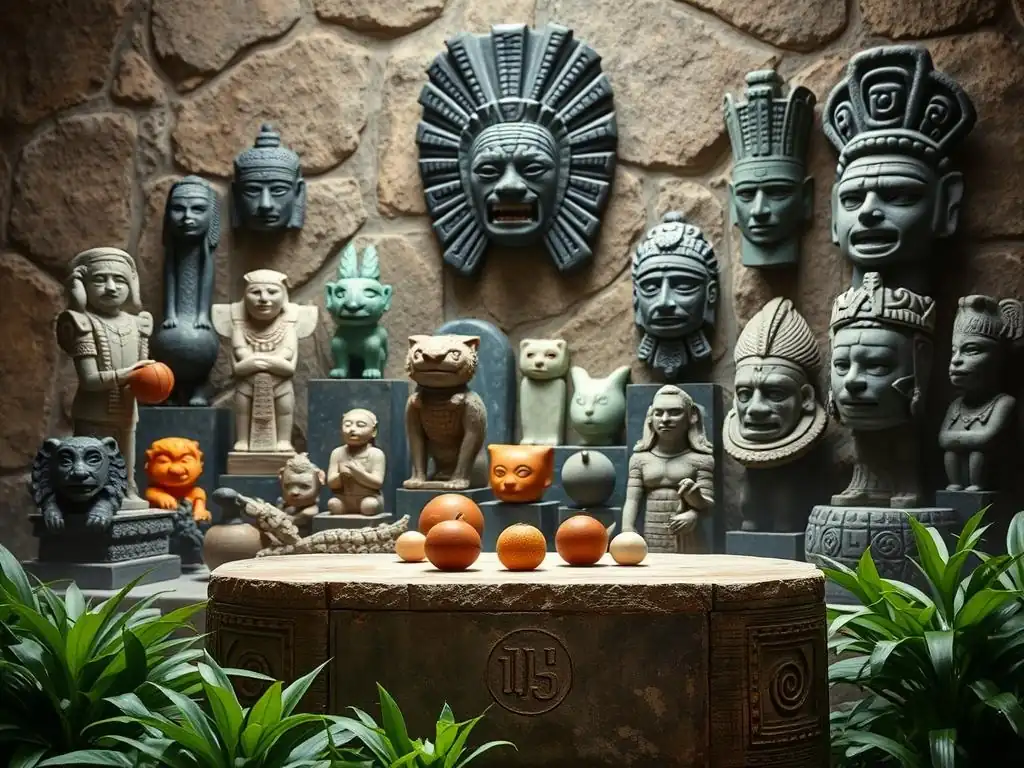
Welcome to Indigenous Civilizations of the Americas, where we invite you to embark on an enlightening journey through the rich tapestry of cultures that flourished long before European contact. Delve into the intriguing world of the Olmec civilization, renowned for its remarkable artistry and complex societal structures. In our featured article, "Olmec Ritual Objects: Understanding Their Function and Symbolism," we unveil the profound significance of these enigmatic artifacts and how they reflect the spiritual and social dynamics of the Olmec people.
Prepare to discover the layers of meaning behind these objects and the enduring legacy they left on future civilizations. Join us as we explore the past and uncover the stories that shaped the Americas!
- Introduction to Olmec Ritual Objects
- Types of Olmec Ritual Objects
- The Significance of Olmec Ritual Objects
- Interpretation of Symbolism in Olmec Ritual Objects
- Archaeological Discoveries and Their Implications
- Conclusion: The Lasting Legacy of Olmec Ritual Objects
- Frequently Asked Questions
- Final Reflection: The Enduring Significance of Olmec Ritual Objects
- Unveil the Mysteries of Olmec Culture!
Introduction to Olmec Ritual Objects
The Olmec civilization, often regarded as the "mother culture" of Mesoamerica, flourished between approximately 1400 and 400 BCE in the lush landscapes of present-day southern Mexico. Renowned for their monumental architecture, intricate art, and profound societal organization, the Olmecs left an indelible mark on subsequent cultures in the region. Among their most fascinating contributions are the ritual objects, which serve not only as artistic representations but also as vital components of their religious and social practices.
These artifacts provide crucial insights into the Olmec ritual objects significance, shedding light on their belief systems, social hierarchies, and the profound symbolism embedded within their material culture. This exploration invites readers to delve deeper into the intricate world of Olmec ritual objects, examining their multifaceted roles and the profound meanings attributed to them by the Olmec people.
Overview of Olmec Civilization and Its Cultural Context
The Olmec civilization emerged in the fertile coastal plains of the Gulf of Mexico, particularly in the present-day states of Veracruz and Tabasco. Characterized by their impressive urban centers such as San Lorenzo and La Venta, the Olmecs developed complex societies that exhibited significant advancements in art, architecture, and governance.
- Key Features of Olmec Civilization:
- Society: The Olmec society was hierarchical, with a ruling elite that likely wielded considerable power and influence over the common population.
- Religion: Religion played a central role in Olmec life, with a pantheon of deities representing various aspects of nature and human experience.
- Artistic Expression: The Olmecs are particularly known for their colossal stone heads and intricate jade carvings, which often held ritual significance.
The cultural context of the Olmecs is essential for understanding the significance of their ritual objects. These items were not only functional but also served as conduits for spiritual communication, embodying the beliefs and values of the Olmec society. Ritual objects, therefore, were integral to ceremonies, signifying power, divinity, and the interconnectedness between the material world and the spiritual realm.
Importance of Ritual Objects in Olmec Society
Ritual objects in Olmec society were essential for various ceremonies and practices, acting as symbols of social status, religious devotion, and cultural identity. The significance of these artifacts can be explored through several facets:
- Symbolism and Meaning: Many Olmec ritual objects were imbued with deep symbolic meanings, reflecting their beliefs about life, death, and the cosmos. For instance, certain objects were believed to facilitate communication with deities or ancestors.
- Social Hierarchy: The creation and use of ritual objects often delineated social hierarchies within Olmec society. High-ranking individuals likely possessed more elaborate and finely crafted items, which served to affirm their status and authority.
- Ceremonial Practices: Ritual objects were indispensable in various ceremonial practices, ranging from offerings to elaborate rituals intended to ensure agricultural fertility, health, and prosperity for the community.
The analysis of Olmec ritual objects unveils a rich tapestry of cultural significance, reflecting the intricate interplay between art, religion, and society in one of the earliest civilizations of the Americas. Through these objects, we gain a deeper appreciation for the Olmec worldview and the profound legacy they left behind.
Types of Olmec Ritual Objects
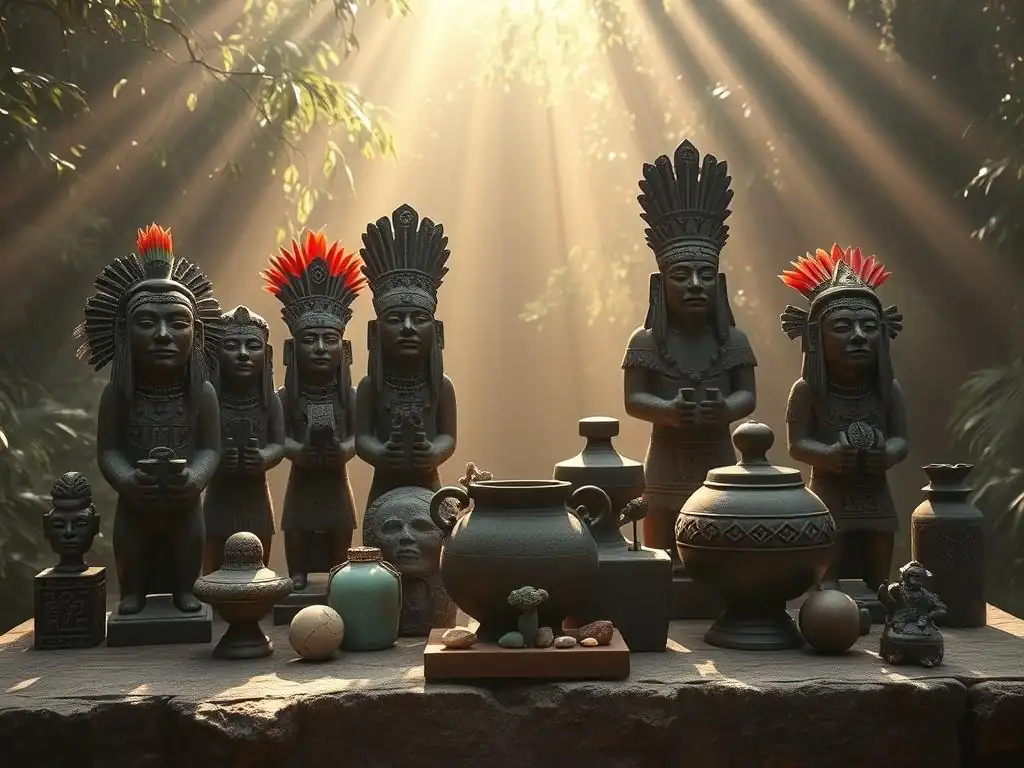
The Olmec civilization, often regarded as one of the earliest complex societies in Mesoamerica, produced a variety of ritual objects that played significant roles in their religious and cultural practices. These objects were not only functional but also rich in symbolism, reflecting the beliefs and values of the Olmec people. Below, we explore the primary types of Olmec ritual objects, each contributing uniquely to their ceremonial life.
Carvings and Sculptures: Symbolism and Function
Olmec carvings and sculptures are perhaps the most iconic representations of their artistic tradition. These objects include colossal heads, stelae, and smaller figurines, each imbued with deep cultural significance.
- Colossal Heads: These monumental sculptures, often exceeding 3 meters in height, are believed to represent rulers or important figures within the Olmec society. Crafted from basalt, the heads exhibit unique facial features that suggest a connection to the elite class or deities. The sheer size and craftsmanship indicate the importance of these figures in Olmec culture, serving as both political symbols and religious icons.
- Figurines: Smaller carvings, often made from jade or ceramic, depict various figures such as shamans, animals, and hybrid creatures. These figurines were likely used in personal rituals or as offerings. The intricate details demonstrate the Olmec's skilled artisanship and their beliefs in the spiritual world, where animals and humans frequently interacted.
- Stelae: These upright stone slabs often feature carvings that narrate significant events, such as divine encounters or important rituals. The inscriptions and imagery on stelae provide insight into the Olmec worldview, including their cosmology and social hierarchy.
The carvings and sculptures of the Olmec civilization were not merely decorative; they were integral to the society's religious practices and served as conduits for communication with the divine.
Ceremonial Masks: Their Role in Rituals
Ceremonial masks hold a prominent place in the Olmec ritual landscape. These objects were crafted from various materials, including jade, stone, and clay, and served multiple purposes during ceremonies.
- Ritual Use: Masks were typically worn by priests or shamans during important rites, allowing them to embody deities or ancestral spirits. This transformation was believed to facilitate communication with the supernatural, invoking the presence of gods during ceremonies.
- Symbolic Representation: Many masks feature exaggerated facial features, such as large eyes or wide mouths, which may symbolize specific characteristics attributed to the gods or spiritual beings. For instance, masks depicting jaguars or other powerful animals suggest a connection to strength, ferocity, and fertility, emphasizing the dual relationship between humans and the natural world.
- Burial Practices: In some instances, masks were placed in tombs alongside the deceased as offerings, indicating a belief in an afterlife where the individual would continue to require protection and guidance from the spiritual realm. The inclusion of masks in burial sites underscores the significance of these objects in the Olmec understanding of life, death, and rebirth.
Through their ceremonial masks, the Olmec civilization expressed complex religious beliefs and the importance of ritual participation in their society.
Altars and Offerings: Significance in Religious Practices
Altars and offerings were central to the Olmec's religious practices, serving as focal points for worship and communication with the gods.
- Altars: Constructed from stone or earth, these raised platforms were often elaborately decorated and used for sacrifices or other offerings. They were typically located in sacred spaces, such as temples or ceremonial centers, signifying their importance in the Olmec cosmological framework. Altars provided a physical space for the community to gather and engage in rituals, reinforcing social cohesion.
- Offerings: The Olmec often placed offerings on altars, which included food, incense, figurines, and even precious materials like jade. These offerings were intended to appease the gods and ensure their favor, reflecting the reciprocal relationship between the Olmec people and their deities. The act of giving was a significant aspect of their spirituality, emphasizing gratitude and respect toward the divine.
- Ritual Practices: The combination of altars and offerings showcases the Olmec's complex ritual practices, where community involvement was crucial. Ceremonies often included music, dance, and the participation of various social classes, highlighting the collective nature of their religious life.
The significance of altars and offerings in Olmec rituals underscores the civilization's deep spiritual beliefs and the role of community engagement in their religious practices.
Pottery and Figurines: Everyday Use vs. Ritual Use
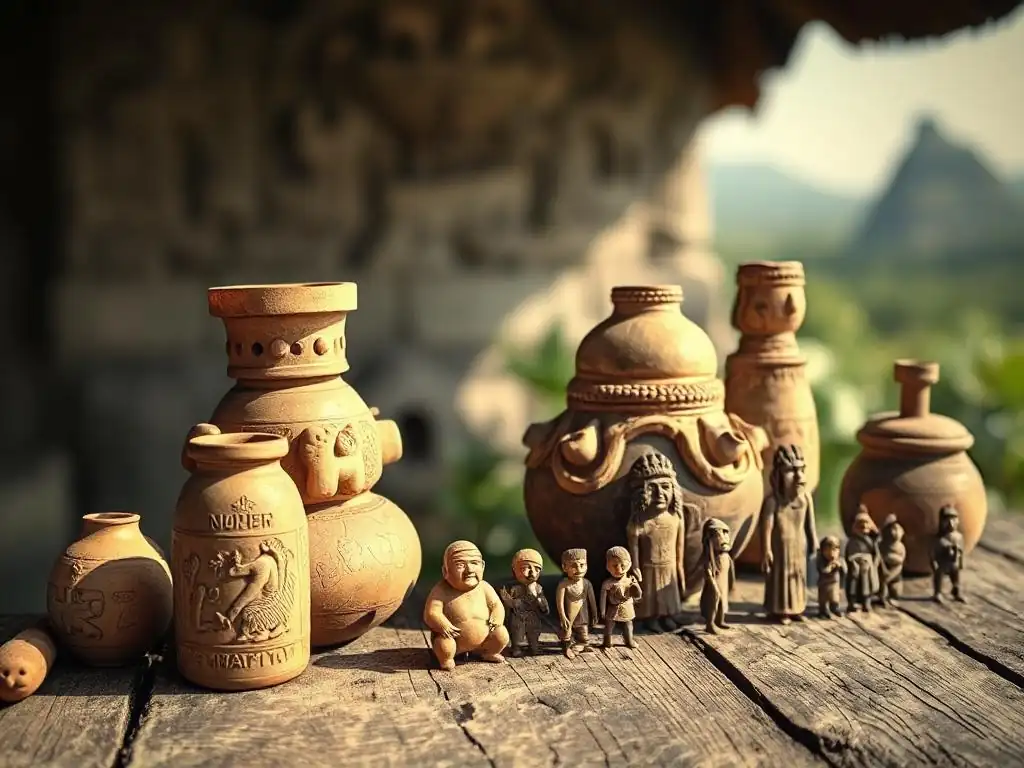
The Olmec civilization, often referred to as the "mother culture" of Mesoamerica, produced a wide array of pottery and figurines that played significant roles in both everyday life and religious rituals. These artifacts not only served practical purposes but also held deep symbolic meanings that reflected the Olmec worldview.
Everyday Use of Pottery
In the daily lives of the Olmec people, pottery was primarily utilitarian. They crafted a variety of vessels, including:
- Cooking pots: Used for preparing food, these pots were essential for sustaining the community.
- Storage jars: These larger containers held grains, liquids, and other food items, showcasing the Olmec's agricultural practices.
- Serving dishes: Elaborate platters and bowls were used during communal meals, reflecting social structures and community dynamics.
The design of everyday pottery was often simple, focusing on functionality. However, even these utilitarian items occasionally featured decorative elements, hinting at the artistic sensibilities of the Olmec artisans.
Ritual Use of Pottery and Figurines
Contrasting with their everyday counterparts, ritual pottery and figurines held profound spiritual significance. These objects were intricately designed and often imbued with symbolic meanings, serving various purposes in religious and ceremonial contexts. Some key aspects of ritual use include:
- Ceremonial vessels: These were often used in offerings or during important rituals, such as birth, death, and agricultural cycles. Their intricate designs often depicted deities or mythical creatures, connecting the physical world with the spiritual realm.
- Figurines: The Olmec created a wealth of figurines representing gods, ancestors, and supernatural beings. These small statues served as powerful symbols that were believed to facilitate communication with the divine. Some figurines were specifically designed to be placed in graves, suggesting a belief in an afterlife where such objects would provide protection and guidance.
- Symbolic art: The motifs and decorations on ritual pottery often conveyed complex narratives and cosmological beliefs. For instance, certain symbols might represent fertility, rain, or the duality of life and death, emphasizing the Olmec's deep connection to nature and the cosmos.
Conclusion
The distinction between everyday and ritual use of pottery and figurines in Olmec culture highlights their multifaceted significance. While everyday pottery served practical functions, ritual objects conveyed rich symbolic meanings that were integral to Olmec spirituality and social organization. Understanding this duality enhances our appreciation of the Olmec civilization's artistic achievements and cultural depth, offering insights into how they viewed their world and their place within it.
The Significance of Olmec Ritual Objects
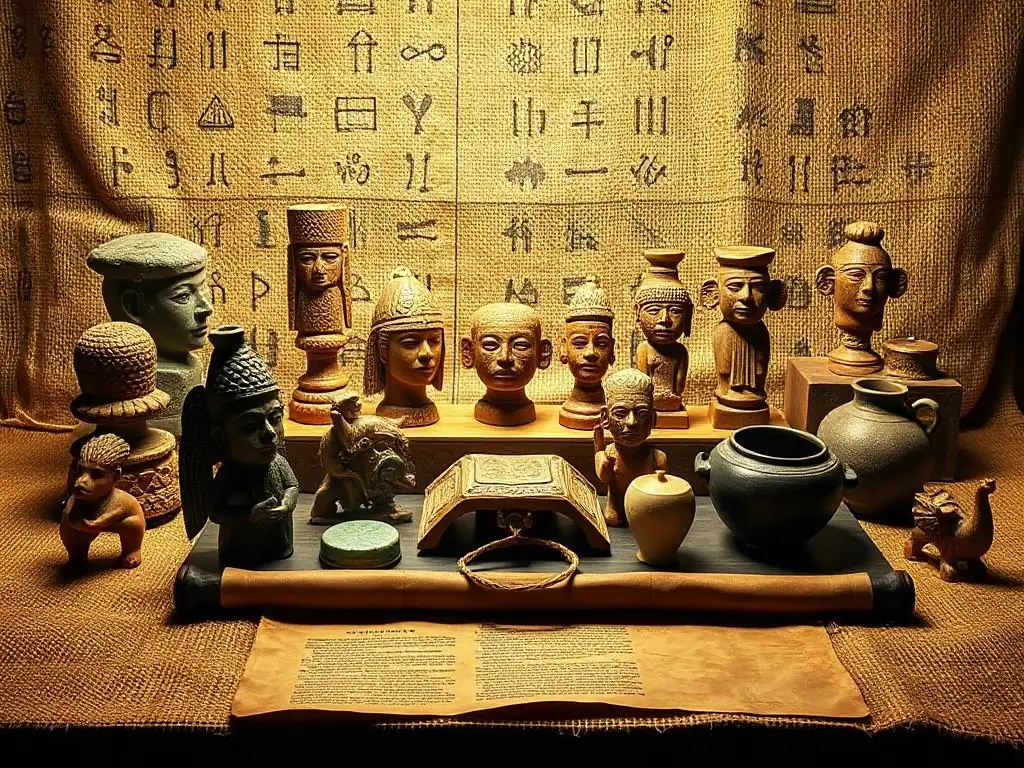
Olmec ritual objects hold profound significance within the context of their civilization, acting as essential elements that reflect their spiritual, societal, and cultural values. These artifacts not only served religious purposes but also played a crucial role in defining the identity of Olmec communities. Through an in-depth exploration of their functions and symbolism, we can gain a clearer understanding of the intricate layers of meaning behind these remarkable creations.
Spiritual and Religious Functions of Olmec Artifacts
Olmec ritual objects were deeply intertwined with their spiritual beliefs and practices. Many artifacts were designed for use in ceremonies that aimed to connect the natural and supernatural worlds. Items such as figurines, altars, and carved jade played significant roles in rituals dedicated to deities, ancestors, and the forces of nature.
- Ceremonial Figurines: Often depicting human and animal forms, these figurines were believed to embody spiritual entities. They were used as offerings in rituals to invoke blessings or protection.
- Jade Objects: Jade was considered a sacred material, symbolizing life, fertility, and power. Its use in ritual objects, such as masks and ornaments, highlights the reverence the Olmecs had for this stone.
- Altar Stones: Carved stones served as focal points for rituals, where offerings were made to honor the gods. These altars were often elaborately decorated, signifying their importance in the spiritual life of the Olmec people.
The connection between the Olmec and their ritual artifacts reveals a culture deeply rooted in spirituality and the quest for understanding the cosmos.
Societal Implications of Ritual Objects in Olmec Culture
The presence and use of ritual objects within Olmec society reflect broader societal structures and hierarchies. These artifacts were not only tools for worship but also symbols of status and authority. The following points illustrate their societal implications:
- Social Stratification: Certain ritual objects were exclusive to the elite, indicating their power and connection to the divine. These items were often used in public ceremonies, reinforcing the authority of leaders and priests.
- Community Cohesion: Rituals involving these objects fostered a sense of community and shared identity among the Olmecs. Group participation in ceremonies helped to strengthen social bonds and collective memory.
- Cultural Transmission: The creation and use of ritual objects facilitated the transmission of cultural knowledge and practices across generations. They served as educational tools, teaching younger members about their heritage and beliefs.
| Aspect | Description |
|---|---|
| Role in Society | Markers of status and power within the community |
| Community Role | Fostering unity and shared identity through collective rituals |
| Cultural Significance | Vehicles for passing down traditions and beliefs |
The Role of Ritual Objects in Olmec Identity and Community
Ritual objects were fundamental in shaping Olmec identity and reinforcing community values. They served as tangible connections to their ancestors, traditions, and spiritual beliefs. Here are some key aspects of their role in identity formation:
- Cultural Heritage: Ritual objects encapsulated the Olmec worldview, reflecting their understanding of existence, nature, and the cosmos. Each artifact tells a story, preserving the cultural memory of the Olmec people.
- Identity Markers: The distinct styles and symbols found in Olmec ritual objects helped to define their cultural identity, distinguishing them from neighboring civilizations. These artifacts served as expressions of Olmec artistry and craftsmanship.
- Community Rituals: Regular ceremonies involving ritual objects were essential for maintaining social order and communal harmony. These events reinforced collective values and beliefs, such as respect for nature and the importance of family ties.
The significance of Olmec ritual objects transcends mere artistic expression; they are integral to understanding the spiritual, social, and cultural fabric of Olmec civilization. Their multifaceted roles continue to influence modern perceptions of indigenous cultures in the Americas, highlighting the enduring legacy of the Olmec people.
Interpretation of Symbolism in Olmec Ritual Objects
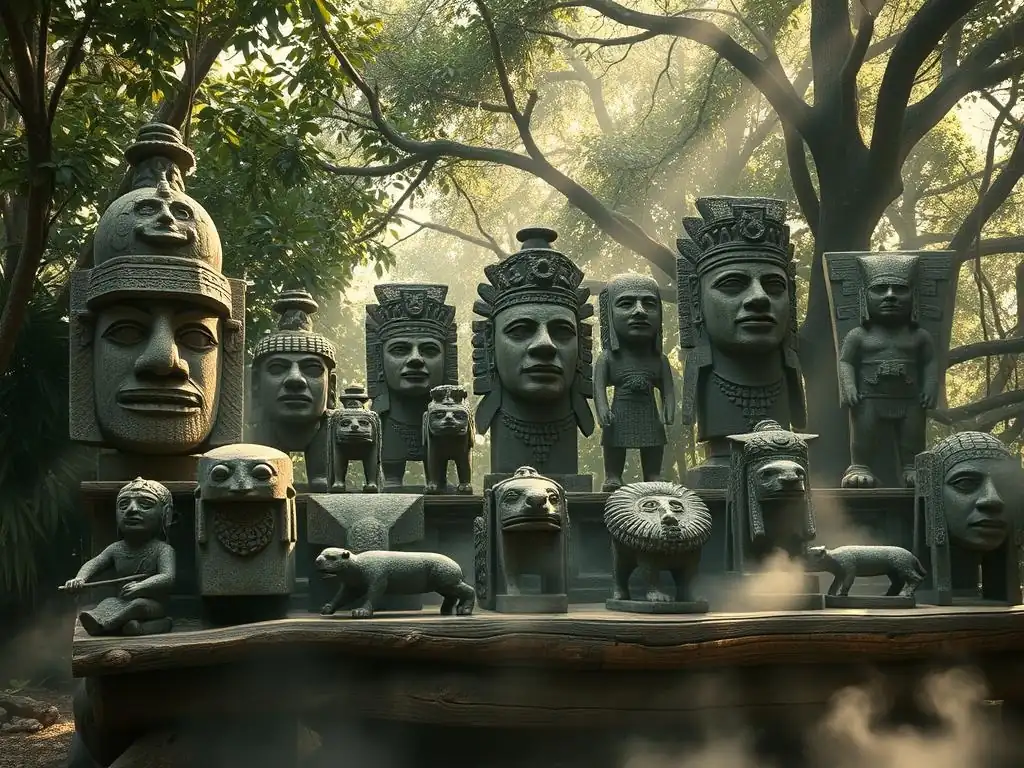
Olmec ritual objects are rich in symbolism, serving as crucial components in understanding the cultural and spiritual life of the Olmec civilization. The interpretation of these symbols can reveal insights into their religious beliefs, social hierarchies, and worldviews. The Olmecs, often regarded as the "mother culture" of Mesoamerica, utilized these objects not only as ceremonial tools but also as expressions of their identity and values.
Common Themes and Motifs in Olmec Art
Olmec art is characterized by several recurring themes and motifs that reflect their societal values and beliefs.
- Jaguar Imagery: The jaguar is perhaps the most prominent motif, representing power, the underworld, and fertility. Many Olmec sculptures depict jaguars or jaguar-like figures, often intertwined with human forms, highlighting their belief in the interconnectedness of nature and the spiritual realm.
- Duality: The concept of duality is prevalent in Olmec art, symbolizing the balance between opposing forces. This is often illustrated through representations of figures that combine human and animal traits, suggesting a harmonious relationship between humanity and nature.
- Transformation: Many artifacts depict transformation themes, showcasing the fluidity between different states of being. For example, human figures that transition into animals signify the Olmec belief in shape-shifting and the importance of transformation in spiritual practices.
Table: Common Motifs in Olmec Art
| Motif | Symbolism |
|---|---|
| Jaguar | Power and fertility |
| Duality | Balance between opposing forces |
| Transformation | Fluidity of existence |
Mythological References in Olmec Ritual Artifacts
Olmec ritual objects often embody mythological narratives that played a vital role in their culture. These artifacts serve as tangible links to their cosmology and the stories that shaped their understanding of the world.
- Creation Myths: Many artifacts include iconography that references creation myths, such as the depiction of gods or celestial phenomena. These symbols were likely used in rituals to invoke divine favor and ensure harmony in their community.
- Heroic Legends: The Olmecs also celebrated legendary figures through their art. Statues and carvings often depict these heroes, suggesting that their stories were integral to societal values and moral teachings. The presence of these figures in ritual objects underscores the significance of ancestral worship in Olmec culture.
- Ceremonial Context: The context in which these artifacts were used is crucial. Many were discovered in ceremonial sites, indicating their role in rituals intended to communicate with the divine. This reinforces the idea that these objects were not merely artistic expressions but were imbued with spiritual significance.
The Relationship Between Nature and Olmec Ritual Objects
Nature played a fundamental role in the creation and use of Olmec ritual objects, reflecting their deep connection to the environment and its resources.
- Materials: The Olmecs often crafted their ritual objects from locally sourced materials such as jade, basalt, and clay. Each material carried its own significance; for example, jade was valued not only for its beauty but also for its associations with life and fertility.
- Natural Elements in Design: Many ritual objects incorporate natural elements, such as water motifs or representations of plants and animals, symbolizing the Olmec reverence for nature. This is evident in their sculptures and ceremonial masks that often depict floral designs or animal forms intertwined with human features.
- Agricultural Significance: The Olmec civilization was agrarian, and their ritual objects often reflected agricultural cycles and deities associated with fertility and harvest. This connection underscores the importance of agriculture in their daily lives and the spiritual rituals that accompanied it.
The interpretation of Olmec ritual objects reveals a complex tapestry of symbolism, reflecting their cultural beliefs, mythological narratives, and profound relationship with nature. Understanding these aspects is vital to appreciating the significance of these artifacts in the broader context of Olmec civilization and its enduring legacy.
Archaeological Discoveries and Their Implications
The study of Olmec ritual objects has been significantly enhanced by various archaeological discoveries. These findings not only illuminate the aesthetic qualities of Olmec artistry but also reveal the deeper cultural, religious, and social implications of these artifacts. Through careful excavation and analysis, archaeologists have unearthed a wealth of information that sheds light on the significance of Olmec ritual objects within their society.
Major Sites of Olmec Ritual Objects Findings
Significant archaeological sites such as San Lorenzo, La Venta, and Tres Zapotes have been pivotal in uncovering Olmec ritual objects. Each site offers unique insights into the artistic styles, religious practices, and social structures of the Olmec civilization:
- San Lorenzo: This site is considered one of the earliest Olmec centers and contains numerous colossal heads, altars, and intricately carved objects. The presence of these items indicates a complex society with sophisticated ritualistic practices.
- La Venta: Here, the discovery of elaborate tombs and ceremonial offerings provides evidence of the importance of the afterlife and ancestor worship in Olmec culture. The site features significant jade artifacts, which are believed to hold spiritual significance.
- Tres Zapotes: Known for its monumental sculptures and inscriptions, Tres Zapotes has yielded findings that suggest the Olmec engaged in complex political and religious activities. The site includes ceremonial ball courts, further indicating the role of ritual in social cohesion.
Insights Gained from Recent Excavations
Recent excavations have revealed a variety of Olmec ritual objects that offer deeper understanding into their significance. For example, new findings of jade figurines and ceremonial axes have provided evidence of the materials and craftsmanship valued by the Olmec:
- Jade Figurines: Often associated with fertility and the spiritual realm, these objects indicate the Olmec's connection to nature and the divine. Their intricate designs suggest they were not merely decorative but held profound meanings in rituals.
- Ceremonial Axes: These objects, sometimes adorned with symbolic carvings, reflect the Olmec's beliefs in the power of the earth and the heavens. They were likely used in rituals that connected the community to their ancestors and the cosmos.
- Burial Goods: Discoveries of grave goods within tombs suggest a belief in the afterlife that influenced how the Olmec treated their dead. Ritual items placed with the deceased indicate the importance of these objects in ensuring safe passage and favor from the gods.
The Impact of Discoveries on Understanding Olmec Ritual Practices
The implications of these archaeological discoveries are profound. They have reshaped our understanding of Olmec ritual practices in several key ways:
- Cultural Significance: The artifacts illustrate a society rich in symbolic meanings and spiritual beliefs. The significance of Olmec ritual objects extends beyond aesthetics; they serve as a testament to the civilization's complex worldview.
- Social Structure: The distribution of ritual objects suggests a hierarchy within Olmec society. Elite individuals likely had access to more elaborate items, indicating their status and role in religious ceremonies.
- Ritual Complexity: Discoveries have shown that Olmec rituals were intricate and varied, possibly involving music, dance, and offerings. The ceremonial use of objects emphasizes the community's connection to their environment and their ancestors.
The archaeological discoveries related to Olmec ritual objects not only contribute to our understanding of their artistic achievements but also provide a window into the spiritual life and social dynamics of this ancient civilization. Through ongoing research and excavation, the significance of these artifacts continues to unfold, enriching our appreciation for the Olmec culture and its enduring legacy.
Conclusion: The Lasting Legacy of Olmec Ritual Objects
The Olmec civilization, often regarded as the "mother culture" of Mesoamerica, left behind a rich tapestry of ritual objects that serve as a testament to their complex society and spiritual beliefs. These artifacts, ranging from colossal stone heads to intricate jade figurines, not only reflect the artistic prowess of the Olmec people but also their deep-seated connection to the spiritual and natural worlds. Understanding the significance of these Olmec ritual objects is essential for appreciating their impact on subsequent civilizations and their enduring legacy in contemporary Indigenous cultures.
Reflection on Olmec Ritual Objects Significance in Contemporary Indigenous Cultures
The significance of Olmec ritual objects extends far beyond their historical context; they resonate within the cultural narratives of contemporary Indigenous communities across Mesoamerica. For many of these groups, the Olmec artifacts symbolize ancestral heritage and the continuity of cultural practices. The reverence for such objects can be seen in various forms:
- Cultural Identity: Modern Indigenous peoples often view Olmec artifacts as symbols of their identity and connection to their ancestors. This connection fosters a sense of pride and belonging, reinforcing cultural continuity.
- Ritual Practices: Some contemporary rituals may draw inspiration from Olmec traditions, adapting ancient practices to fit modern contexts. For example, the use of certain materials, such as jade, continues to hold spiritual significance in various Indigenous ceremonies.
- Artistic Inspiration: The aesthetic qualities of Olmec ritual objects have influenced contemporary Indigenous artists, who incorporate similar themes and motifs in their work, thereby revitalizing ancient traditions in a modern framework.
In this way, the Olmec ritual objects significance transcends time, serving as a bridge between past and present, and highlighting the resilience of Indigenous cultures.
Future Research Directions on Olmec Art and Ritual Practices
As the study of Olmec civilization continues to evolve, several avenues for future research can enhance our understanding of their art and ritual practices:
- Interdisciplinary Approaches: Combining archaeology, anthropology, and art history can provide a more holistic understanding of Olmec ritual objects. This interdisciplinary perspective can help clarify their functions and meanings within the broader context of Olmec society.
- Technological Advances: Utilizing advanced imaging techniques, such as 3D scanning and analysis, can reveal details about the production methods, materials, and wear patterns of Olmec artifacts. This data may shed light on their usage and significance in rituals.
- Comparative Studies: Examining the similarities and differences between Olmec ritual practices and those of neighboring cultures, such as the Maya and Zapotec, can provide insights into the exchange of ideas and influences among early Mesoamerican civilizations.
- Engagement with Contemporary Communities: Collaborating with modern Indigenous communities that claim descent from the Olmec can offer valuable perspectives on the cultural significance of these artifacts today. Their insights can inform research and foster a deeper appreciation for the living legacy of Olmec traditions.
The Olmec ritual objects significance is multifaceted, intertwining historical reverence with contemporary cultural identities. Continued research in this area promises to illuminate the depth of Olmec civilization's influence and its lasting impact on the Indigenous cultures of the Americas.
Frequently Asked Questions
What are Olmec ritual objects?
Olmec ritual objects are ceremonial items created by the Olmec civilization, significant for their spiritual and cultural symbolism. They include sculptures, masks, and altars, reflecting the society's beliefs and practices.
Why are these objects considered significant?
These objects hold great significance as they provide insight into the religious practices and social structure of the Olmec. They are key to understanding the cultural identity and influence of this early civilization in the Americas.
How did the Olmec use ritual objects?
Olmec ritual objects were used in various ceremonial practices, including offerings, burials, and public rituals. They served to connect the spiritual world with the material, reinforcing the community's beliefs.
What materials were commonly used for these objects?
Olmec artisans typically utilized materials like jade, basalt, and ceramic to create their ritual objects. These materials were significant not only for their durability but also for their cultural meanings.
How do Olmec ritual objects influence modern understanding of indigenous cultures?
Studying these objects enhances our comprehension of ancient societies, their artistic expressions, and their spiritual beliefs, fostering a deeper appreciation of the rich tapestry of indigenous cultures in the Americas.
Final Reflection: The Enduring Significance of Olmec Ritual Objects
The exploration of Olmec ritual objects reveals their profound significance in understanding the cultural and spiritual life of one of Mesoamerica's earliest civilizations. Today, as we delve into the rich tapestry of human history, the significance of these artifacts transcends mere archaeological interest, serving as a bridge to comprehend the complexities of ancient beliefs and practices. The Olmec civilization, often regarded as the "mother culture" of Mesoamerica, offers invaluable insights into the rituals that shaped their society and, by extension, the cultural foundations of later civilizations.
Clearly, the legacy of Olmec ritual objects continues to resonate in contemporary discussions about identity, spirituality, and cultural heritage. These artifacts not only reflect the artistic prowess of the Olmec people but also embody their worldview and social structures. As we navigate our own cultural landscapes, it is essential to recognize how these ancient practices inform our understanding of community and connection today. Artifacts are not just remnants of the past; they are the keys to understanding who we are and where we come from.
As we reflect on the significance of Olmec ritual objects, I invite you to consider how the lessons from these ancient practices can inspire your own journey. What rituals or symbols hold meaning in your life? By engaging with the past, we can cultivate a deeper appreciation for our own traditions and the shared human experience. Let us honor the legacy of the Olmec by embracing the power of ritual and symbolism in our lives, fostering connections that transcend time and culture.
Unveil the Mysteries of Olmec Culture!
Thank you for diving into the fascinating world of Olmec ritual objects with us! Your curiosity about their intricate functions and rich symbolism is the first step in deepening your understanding of this incredible civilization. Now, let’s take that knowledge and turn it into action!
- Explore more: Visit our website’s dedicated section on Olmec artifacts to discover detailed discussions and images of these remarkable objects.
- Share your insights: Join our community by sharing your thoughts on social media or in the comments below—how do you think Olmec rituals influence contemporary culture?
- Participate in our next webinar: Sign up for our upcoming event where experts will provide deeper insights into the significance of ritual practices in ancient civilizations.
What aspect of Olmec ritual objects has intrigued you the most, and why do you believe their symbolism continues to resonate today?