
Engineering Wonders: The Advanced Architecture of Tiahuanaco

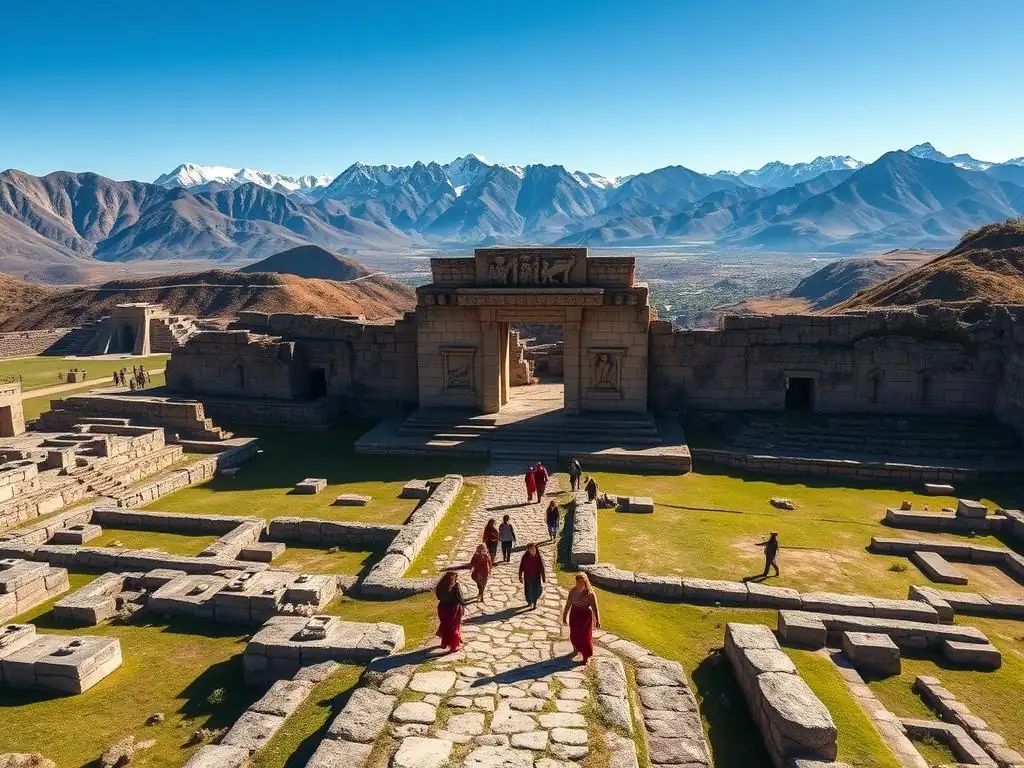
Welcome to Indigenous Civilizations of the Americas, where history comes alive through the rich tapestry of indigenous cultures that flourished long before European contact. In today's featured article, we delve into the remarkable achievements of the Tiahuanaco advanced architecture culture, revealing how these ancient builders crafted engineering wonders that continue to inspire awe. Discover the ingenuity and sophistication of their structures, and explore the profound legacy they left behind. Are you ready to uncover the secrets of Tiahuanaco? Join us on this captivating journey and ignite your curiosity!
- Introduction to Tiahuanaco Advanced Architecture Culture
- Historical Context of Tiahuanaco Architecture
- Key Features of Tiahuanaco Advanced Architecture
- Cultural and Religious Significance of Architectural Elements
- Engineering Techniques of Tiahuanaco Builders
- Comparison with Other Indigenous Architectural Cultures
- Preservation and Study of Tiahuanaco Architecture Today
- Conclusion: The Lasting Legacy of Tiahuanaco Advanced Architecture Culture
- Frequently Asked Questions
- Final Reflection: The Enduring Legacy of Tiahuanaco's Advanced Architecture
- Unveil the Mysteries of Tiahuanaco!
Introduction to Tiahuanaco Advanced Architecture Culture
The ancient city of Tiahuanaco, located near the southern shores of Lake Titicaca in modern-day Bolivia, represents one of the most remarkable achievements of indigenous civilizations in the Americas. Renowned for its advanced architecture, Tiahuanaco showcases the ingenuity and sophistication of its builders, who developed techniques that were not only innovative for their time but also left a lasting impact on subsequent cultures.
This article delves into the intricate details of Tiahuanaco's advanced architecture culture, highlighting its significance within the broader context of indigenous achievements prior to European colonization. By exploring the architectural marvels of Tiahuanaco, we can better appreciate the complex societies that thrived in the Americas and their contributions to human civilization.
Overview of Tiahuanaco Culture and Its Importance
Tiahuanaco emerged as a significant cultural and political hub around 300 AD, flourishing until approximately 1000 AD. Its strategic location allowed it to become a melting pot of various cultural influences, leading to a unique blend of traditions and innovations. The society at Tiahuanaco is characterized by:
- Complex Social Structures: The Tiahuanaco people developed a hierarchical society with distinct social classes, including leaders, artisans, and farmers.
- Agricultural Innovations: Advanced agricultural techniques, such as raised-field farming, enabled the Tiahuanaco civilization to sustain a large population in the challenging high-altitude environment.
- Religious Practices: The culture placed a strong emphasis on spirituality, as evident by the numerous temples and ceremonial sites that dotted the landscape.
The importance of Tiahuanaco lies not only in its architectural feats but also in its role as a precursor to later Andean civilizations, such as the Inca. The city served as a center for trade, culture, and religion, influencing regions far beyond its immediate vicinity.
Significance of Advanced Architecture in Tiahuanaco
The advanced architecture of Tiahuanaco is a testament to the engineering prowess and artistic creativity of its people. Key features of this architectural culture include:
- Monolithic Structures: The city is famous for its massive stone constructions, including the impressive Akapana Pyramid and the enigmatic Gateway of the Sun. These structures demonstrate exceptional stone-cutting skills and a profound understanding of structural integrity.
- Astronomical Alignments: Many buildings in Tiahuanaco were constructed with precise astronomical alignments, reflecting the civilization's advanced knowledge of celestial bodies and their movements. This alignment not only served practical purposes, such as agricultural planning, but also held significant spiritual meaning.
- Sculptural Artistry: The intricate carvings and sculptures found throughout Tiahuanaco highlight the artistic capabilities of its inhabitants. These artistic expressions often depict deities, animals, and symbolic motifs, providing insight into the culture's beliefs and values.
The significance of Tiahuanaco's advanced architecture extends beyond mere aesthetics; it embodies the technological innovations and cultural achievements of the people who built it. By studying these architectural wonders, we gain valuable insights into the complexities of Tiahuanaco society and its enduring influence on the Americas.
Historical Context of Tiahuanaco Architecture
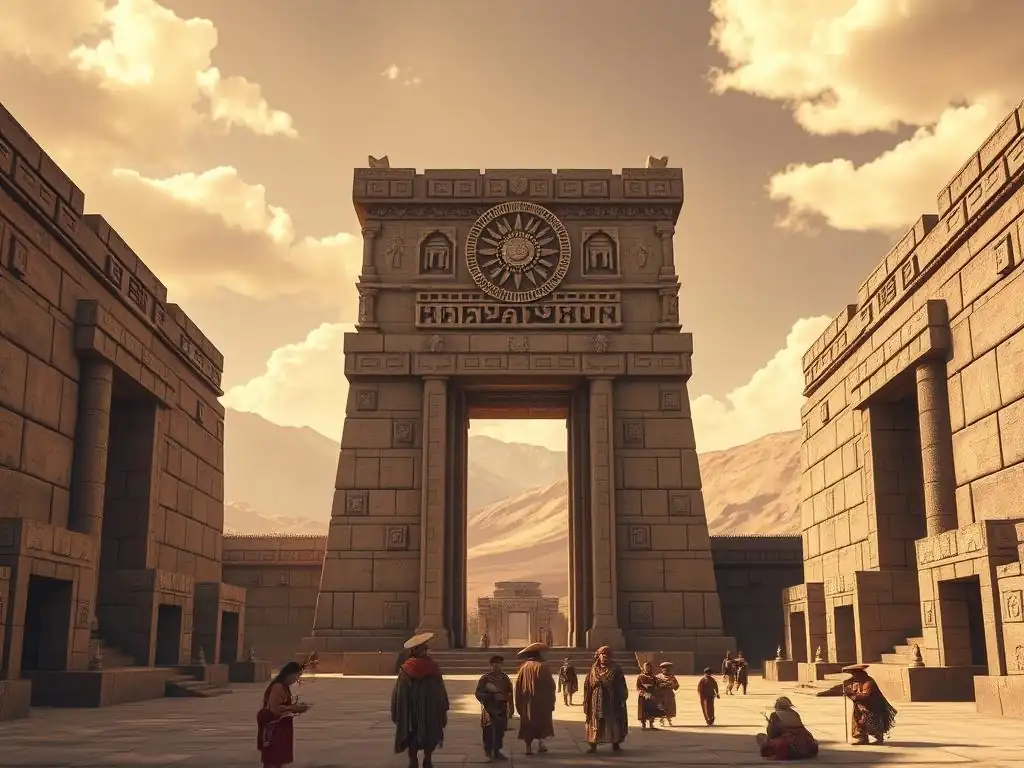
Timeline of Tiahuanaco Civilization Development
The Tiahuanaco civilization, primarily located near Lake Titicaca in modern-day Bolivia, boasts a rich architectural legacy that reflects its complex social structure and technological advancements. The development of Tiahuanaco architecture can be understood through the following key periods:
- Pre-Classic Period (c. 1500 - 500 BCE):
- This era marks the initial settlements in the Tiahuanaco region, where early agricultural practices began to emerge. Small adobe structures were likely the norm during this time, laying the groundwork for more sophisticated architecture.
- Classic Period (c. 500 - 1000 CE):
- Tiahuanaco reached its zenith during this period. The construction of monumental structures such as the Akapana Pyramid and the Kalasasaya Temple began, showcasing advanced engineering techniques and a distinct architectural style characterized by massive stone blocks fitted without mortar.
- Expansion Period (c. 1000 - 1200 CE):
- This phase saw the expansion of Tiahuanaco’s influence throughout the Andes. The architectural style became more elaborate, featuring intricate carvings and larger public spaces. The Gateway of the Sun, a notable structure from this period, exemplifies the artistry and engineering prowess of the Tiahuanaco culture.
- Decline (c. 1200 - 1400 CE):
- As environmental changes and sociopolitical factors took their toll, Tiahuanaco’s power waned. Many structures were abandoned, but the architectural techniques developed during its height influenced subsequent cultures, including the Inca.
Influences on Tiahuanaco Architecture from Other Cultures
Tiahuanaco's advanced architecture did not develop in isolation; it was significantly shaped by interactions with neighboring cultures. The following influences highlight the interconnectedness of ancient civilizations in the Andes:
- Aymara Culture:
- The Aymara people, who inhabited the region surrounding Tiahuanaco, contributed to the architectural style through shared religious beliefs and construction techniques. The use of stone and the alignment of structures with celestial events, such as solstices, are indicative of Aymara influence.
- Nazca and Moche Cultures:
- Architectural elements from the coastal Nazca and Moche cultures infiltrated Tiahuanaco's designs. These influences can be seen in the decorative motifs and ceremonial practices that were incorporated into Tiahuanaco’s monumental structures.
- Chavin Civilization:
- The early Chavin civilization's religious and artistic styles also played a role in shaping Tiahuanaco architecture. The use of intricate carvings and symbolic representations found in Chavin architecture can be observed in Tiahuanaco’s stonework, particularly in the Kalasasaya Temple.
- Inca Influence:
- Although the Tiahuanaco civilization predates the Inca Empire, the latter adopted many architectural techniques from Tiahuanaco during its expansion. The Inca's use of finely cut stonework and terracing methods can be traced back to Tiahuanaco innovations, emphasizing the lasting impact of this advanced architecture culture on subsequent Andean societies.
The architecture of Tiahuanaco is a testament to the advanced engineering capabilities of its people, influenced by various cultures and marked by a unique timeline of development. The intricate interplay of ideas, materials, and techniques from surrounding civilizations enriched the architectural legacy that continues to captivate scholars and enthusiasts alike.
Key Features of Tiahuanaco Advanced Architecture
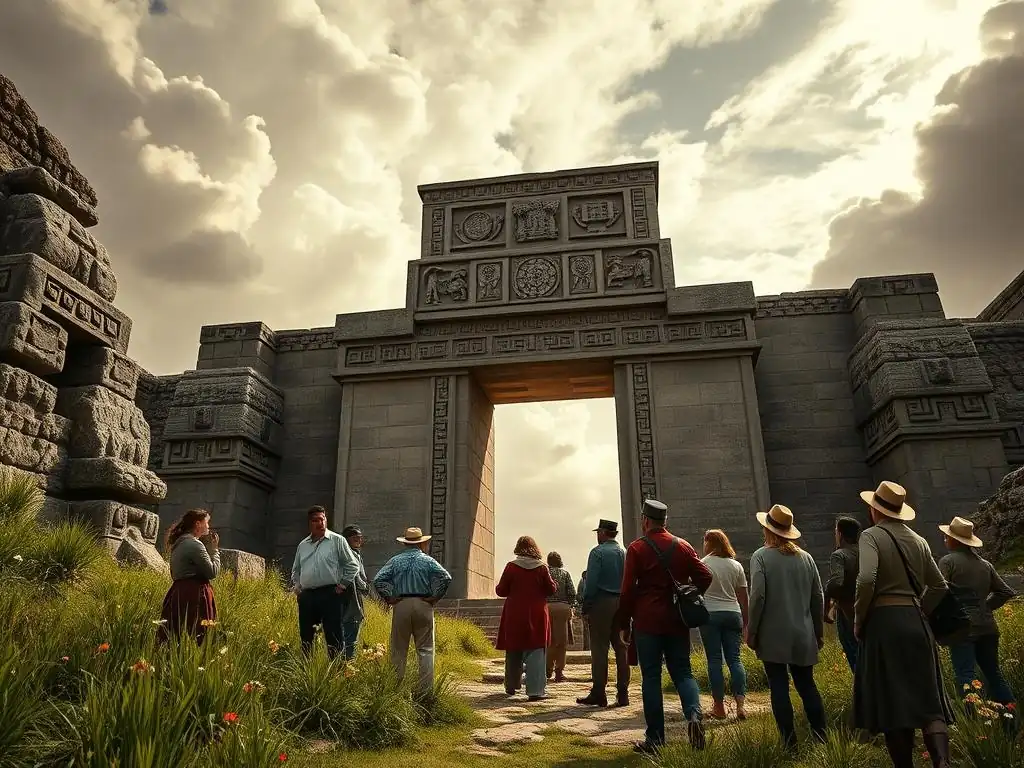
The advanced architecture of Tiahuanaco, a significant pre-Columbian civilization located near the southern shores of Lake Titicaca in present-day Bolivia, is a testament to their engineering prowess and cultural sophistication. This section delves into the essential characteristics that define Tiahuanaco's architectural achievements, showcasing their monumental structures, innovative construction techniques, and urban planning strategies.
Monumental Structures: Temples and Pyramids
Tiahuanaco is renowned for its impressive monumental structures, which serve as a reflection of the civilization's religious and social priorities. Among the most notable features are:
- The Akapana Pyramid: This massive step pyramid, standing approximately 18 meters tall, was constructed using huge stone blocks. Its strategic design possibly symbolizes the Andean cosmology, serving as a platform for ceremonial activities.
- The Temple of the Sun: This temple features intricately carved stonework and large terraces, suggesting its importance as a religious site. The precision of its construction indicates advanced knowledge of astronomy and alignment with solar events.
- The Gateway of the Sun: This iconic structure, adorned with detailed stone carvings, is believed to have served as an entrance to the sacred precinct. The gateway features a monolithic design that showcases the skill and artistic capabilities of Tiahuanaco artisans.
The focus on monumentalism in Tiahuanaco architecture reflects the civilization's hierarchical society and its emphasis on religious and ceremonial life, making these structures not only functional but also deeply symbolic.
Use of Stone in Tiahuanaco Construction Techniques
The Tiahuanaco culture is particularly noted for its sophisticated use of stone in construction, which can be summarized by several key aspects:
- Quarrying Techniques: Tiahuanaco builders sourced stones from nearby quarries, employing techniques that allowed them to transport heavy blocks over considerable distances. This required a deep understanding of leverage and engineering principles.
- Precision Stone Cutting: The stones used in Tiahuanaco structures exhibit remarkable precision in their cutting and fitting. The builders employed techniques such as polygonal masonry, where stones were shaped to fit tightly together without the use of mortar. This not only enhanced structural integrity but also provided resistance against seismic activity.
- Durability and Weather Resistance: The choice of volcanic tuff, a lightweight yet durable stone, contributed to the longevity of Tiahuanaco's structures. The material's resistance to weathering ensured that many buildings have survived through the centuries, allowing modern scholars to study their architectural methods.
The advanced stone construction techniques utilized by the Tiahuanaco civilization underscore their engineering capabilities and highlight their ability to manipulate materials to create enduring monuments.
Innovations in Urban Planning and Layout
Tiahuanaco's urban planning reflects a well-organized and strategically designed city that catered to its inhabitants' needs. Key innovations include:
- Grid Layout: The city of Tiahuanaco features a carefully planned grid layout, which facilitated efficient movement and organization of space. This indicates a high level of social organization and foresight in urban development.
- Water Management Systems: The civilization developed sophisticated water management systems, including canals and drainage solutions, to control flooding and ensure a reliable water supply. This innovation was crucial for agriculture and sustaining the population.
- Public Spaces and Ceremonial Areas: Tiahuanaco's urban design incorporated large public plazas and ceremonial areas, emphasizing the community's social and religious life. These spaces served as venues for gatherings, rituals, and celebrations, fostering a sense of unity within the society.
The urban planning and layout of Tiahuanaco not only showcase their architectural ingenuity but also reflect the cultural values and priorities of a civilization that thrived in harmony with its environment.
The engineering wonders of Tiahuanaco's advanced architecture provide invaluable insights into the civilization’s achievements. Through their monumental structures, innovative use of stone, and strategic urban planning, the Tiahuanaco culture has left a lasting legacy that continues to captivate scholars and enthusiasts alike.
Cultural and Religious Significance of Architectural Elements
The Role of Architecture in Tiahuanaco Religion and Rituals
The architecture of Tiahuanaco, a key center of pre-Columbian civilization located near Lake Titicaca in present-day Bolivia, is not merely a reflection of aesthetic values but is deeply intertwined with the spiritual and religious practices of its people. The monumental structures, such as the Akapana Pyramid and the Kalasasaya Temple, served as focal points for rituals and ceremonies that were essential to the Tiahuanaco belief system.
- Ritual Spaces:
- The Kalasasaya Temple is believed to have been a ceremonial site where rituals honoring the gods were conducted. Its orientation and layout suggest astronomical alignments that are thought to play a significant role in agricultural and seasonal ceremonies, emphasizing the connection between the cosmos and earthly life.
- Archaeological evidence indicates that the Akapana Pyramid may have functioned as a platform for offerings and sacrifices, further highlighting the importance of architecture in facilitating direct interaction with the divine.
- Communal Gatherings:
- Architecture also provided spaces for community gatherings and religious festivals, reinforcing social cohesion among the Tiahuanaco people. The expansive plazas surrounding major temples were likely venues for communal rituals, where the community could come together to celebrate significant events.
- Symbol of Power:
- The size and grandeur of Tiahuanaco's structures symbolized the power of its religious leaders and the centrality of religion in governance. The ability to construct such sophisticated architectural works demonstrated not only technological prowess but also the authority of the ruling class in directing communal resources towards religious ends.
Symbolism in Tiahuanaco Architectural Designs
The architectural designs of Tiahuanaco are rich with symbolism that reflects the civilization's worldview and cosmology. Each element of construction was carefully considered, conveying deeper meanings that resonated with the beliefs and values of the society.
- Stone Carvings and Iconography:
- The use of intricate stone carvings on buildings, particularly at the Gateway of the Sun, reveals a complex iconography that includes figures of deities, animals, and celestial motifs. These engravings not only served decorative purposes but were also believed to invoke spiritual protection and blessings upon the structures and their inhabitants.
- Common motifs, such as the Staff God, reveal the integration of religious iconography into daily life, encapsulating the Tiahuanaco perspective on the interplay between the spiritual and physical realms.
- Alignment with Natural Elements:
- The orientation of many Tiahuanaco structures is aligned with natural features and celestial events. For example, the Kalasasaya Temple is aligned with the sunrise during the winter solstice, suggesting that the architects incorporated astronomical knowledge to enhance the spiritual significance of their buildings.
- This alignment reflects a broader indigenous understanding of nature as a living entity to be respected and revered, demonstrating how architecture served as a bridge between the human experience and the natural world.
- Material Significance:
- The choice of materials, particularly the use of locally sourced andesite stone, is also emblematic of Tiahuanaco identity. The durability and strength of these materials not only underscore the civilization's engineering capabilities but also symbolize permanence and the enduring nature of their cultural heritage.
The advanced architecture of Tiahuanaco is not merely a testament to engineering ingenuity; it is embedded with cultural and religious significance that shaped the civilization's identity and continues to influence modern understanding of their achievements. The interplay between architecture, religion, and community life underscores the sophisticated nature of Tiahuanaco advanced architecture culture.
Engineering Techniques of Tiahuanaco Builders
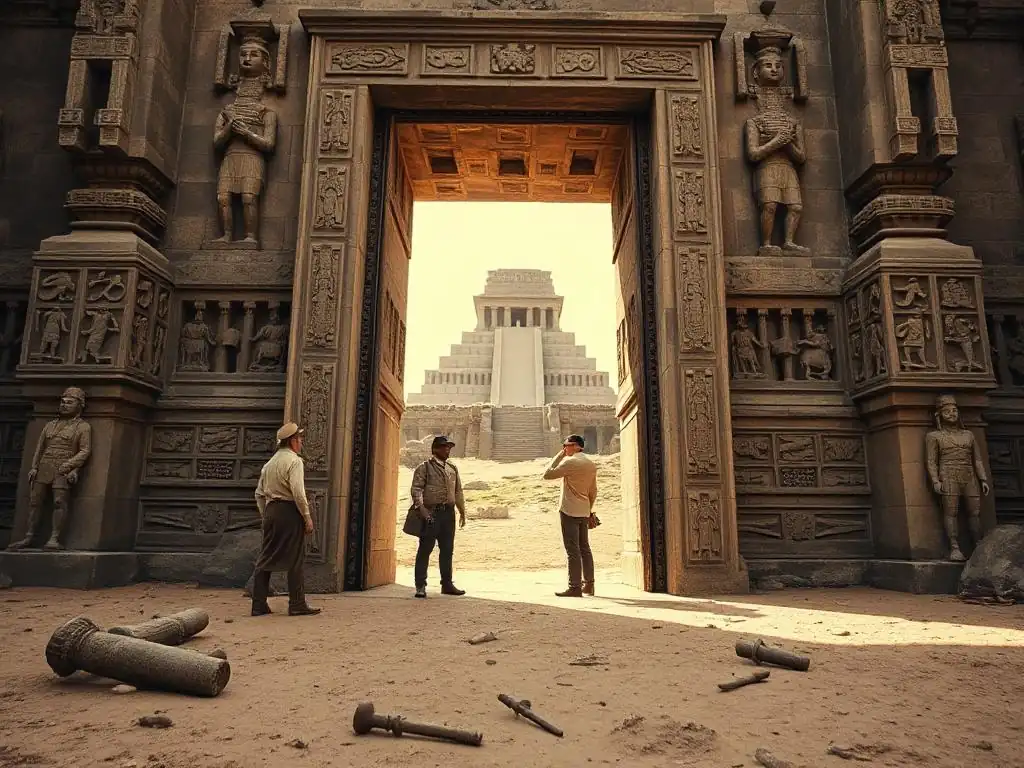
Advanced Stone Cutting and Transport Methods
The builders of Tiahuanaco demonstrated remarkable engineering skills, particularly in their advanced stone cutting and transport methods. Utilizing local materials such as volcanic rock, the Tiahuanaco culture achieved precision in stonework that has astounded modern archaeologists. The technique employed by these ancient builders involved the use of simple yet effective tools made from harder stones, which allowed them to create intricate carvings and finely cut blocks.
One notable example of their advanced stone cutting is the Gateway of the Sun, which features finely crafted stonework with precise jointing that has withstood the test of time. The stones were shaped using a process known as abrading, where harder stones were rubbed against softer ones to achieve the desired form. This technique allowed for the creation of blocks that fit together so tightly that mortar was not needed, demonstrating both skill and ingenuity.
Transporting these massive stones over considerable distances posed another significant challenge. Researchers believe that the builders used a combination of sledges and rollers made from logs, along with a system of canals that facilitated the movement of materials to construction sites. This method not only minimized the labor required but also capitalized on the region's natural resources.
Water Management Systems and Their Impact on Agriculture
Tiahuanaco's water management systems were integral to its agricultural success, showcasing an advanced understanding of hydraulic engineering. The civilization developed a network of canals, drainage systems, and reservoirs that allowed for effective irrigation in a challenging environment characterized by seasonal rainfall and high altitude.
The primary irrigation technique involved the construction of raised field systems, which were elevated plots of land surrounded by canals. This innovative approach not only provided adequate water supply but also improved soil fertility through the accumulation of organic matter in the surrounding water. The raised fields helped to mitigate the effects of frost and increased the yield of crops such as potatoes and quinoa, which were staple foods of the Tiahuanaco people.
Moreover, the sophisticated water management systems had a social impact on Tiahuanaco's society. The collective effort required to build and maintain these irrigation networks fostered community cooperation and played a vital role in the organization of labor. This collaboration not only supported agricultural production but also strengthened social bonds within the community.
The engineering techniques employed by the Tiahuanaco culture, particularly in stone cutting and water management, reflect an advanced architectural culture that not only responded to the environmental challenges of the Andes but also laid the foundation for a thriving civilization. The integration of these practices ensured the sustainability of their agricultural systems, contributing significantly to the prosperity of Tiahuanaco.
Comparison with Other Indigenous Architectural Cultures
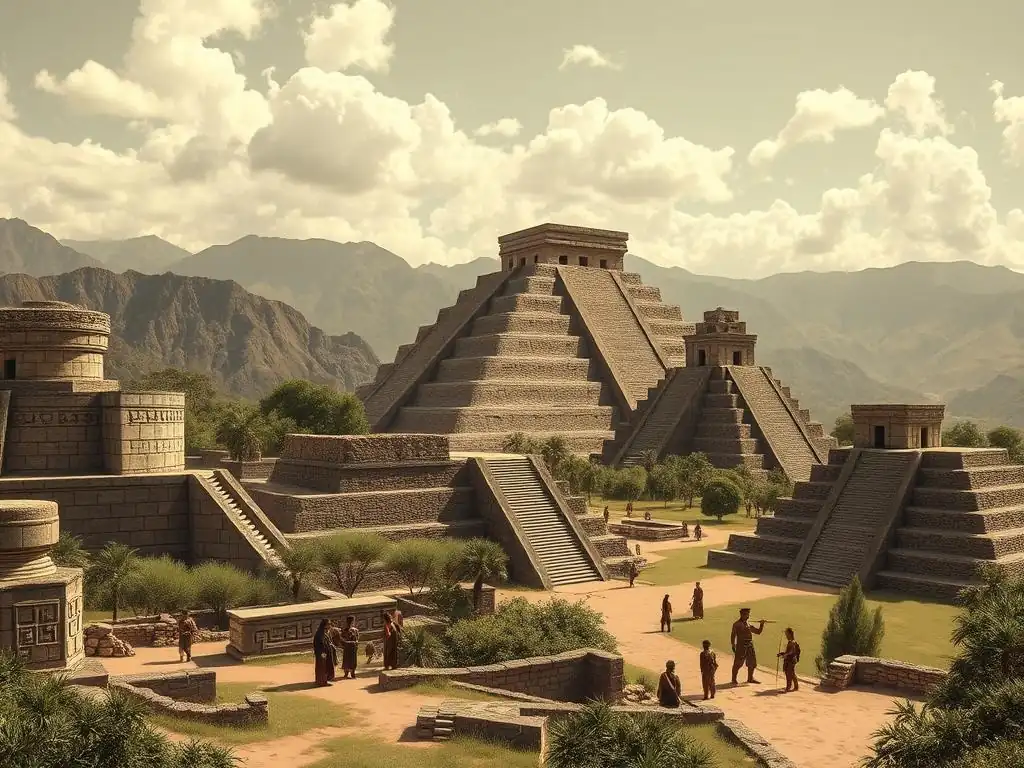
Tiahuanaco vs. Inca Architecture: Similarities and Differences
The architectural achievements of Tiahuanaco, located near Lake Titicaca in present-day Bolivia, provide a fascinating contrast to the later Inca civilization. Both cultures are renowned for their advanced engineering and monumental structures, yet they exhibit distinct characteristics that reflect their unique social, environmental, and technological contexts.
Similarities
-
Use of Stone:
Both Tiahuanaco and Inca architecture prominently feature large stone blocks. The precision with which these stones were cut and fitted is remarkable, particularly in Tiahuanaco, where stones were shaped to fit together without the use of mortar.
-
Terracing and Agriculture:
Both cultures employed terracing techniques to enhance agricultural productivity in the challenging Andean landscape. This method not only maximized arable land but also helped prevent soil erosion.
-
Religious Significance:
Architecture in both cultures often had religious connotations. Structures such as the Temple of the Sun in Tiahuanaco and the Coricancha in Cusco served as important ceremonial sites, reflecting the deep spiritual beliefs of their societies.
Differences
-
Construction Techniques:
Tiahuanaco is known for its megalithic constructions, which include massive stone gateways and intricate carvings. Their technique, termed "ashlar masonry," involved crafting stones to fit perfectly together. In contrast, the Incas utilized a technique known as "polygonal masonry," which allowed for greater flexibility in construction, enabling them to withstand seismic activity.
-
Urban Planning:
Tiahuanaco's urban layout is characterized by a central plaza surrounded by temples and administrative buildings, reflecting a more centralized governance structure. In contrast, Inca architecture often emphasized road networks and administrative outposts that connected various regions of their expansive empire.
-
Iconography and Style:
The artistic style and iconography of Tiahuanaco, including its distinctive monolithic statues and reliefs, differ significantly from the more utilitarian and less ornate styles of Inca architecture, which often emphasized function over form.
Influence of Tiahuanaco Architecture on Future Civilizations
The architectural innovations of Tiahuanaco had a profound impact on subsequent Andean cultures, including the Inca civilization. This influence can be observed in various aspects of architecture, engineering, and urban planning.
-
Adoption of Construction Techniques:
The precision in stonework seen in Tiahuanaco laid the groundwork for Inca masonry. The Incas not only adopted these techniques but also refined them, leading to the development of structures that could better withstand earthquakes.
-
Cultural Integration:
As the Inca Empire expanded, it incorporated many elements of Tiahuanaco culture, including religious practices and architectural styles. The Inca capital of Cusco reflects this integration, showcasing Tiahuanaco's influence in its temples and plazas.
-
Architectural Legacy:
The architectural principles established by Tiahuanaco can be seen in later indigenous cultures throughout the Andes. The emphasis on monumental construction and religious significance in architecture persisted long after Tiahuanaco's decline, influencing the design of sacred spaces among various indigenous groups.
The Tiahuanaco advanced architecture culture not only showcased innovative engineering and aesthetic beauty but also played a crucial role in shaping the architectural landscape of future Andean civilizations. Through its intricate designs and construction techniques, Tiahuanaco left a lasting legacy that continued to resonate in the architecture of the Inca and beyond.
Preservation and Study of Tiahuanaco Architecture Today
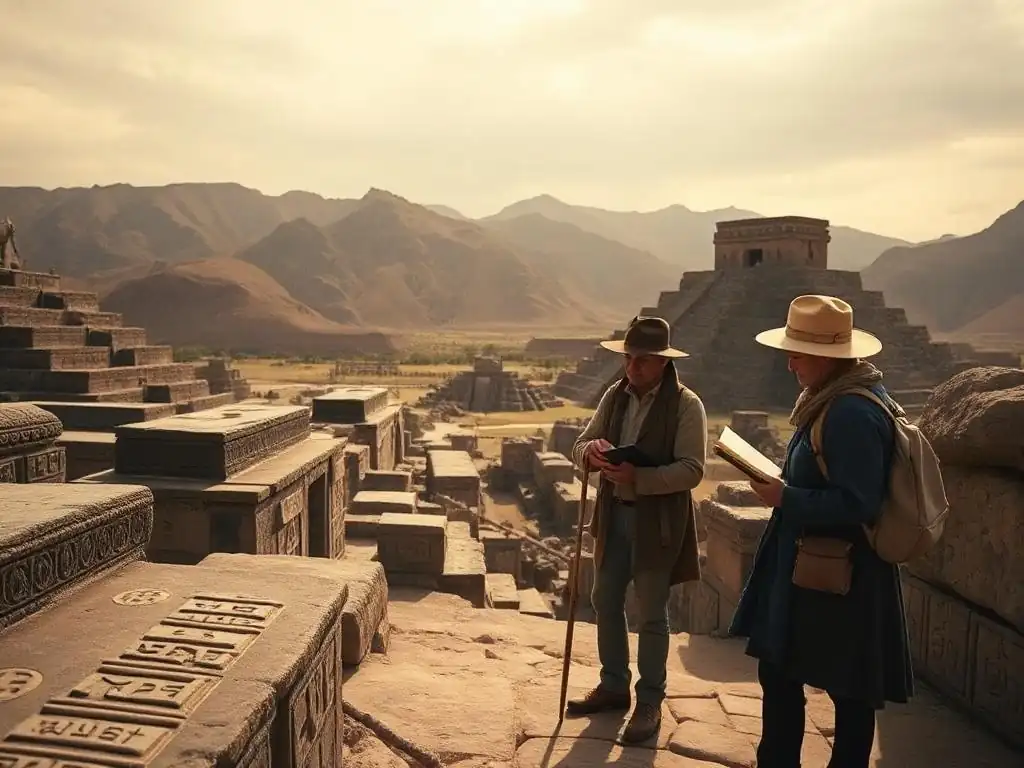
The preservation and study of Tiahuanaco's advanced architecture is essential not only for understanding the cultural and historical context of the site but also for safeguarding its legacy for future generations. As a UNESCO World Heritage site, Tiahuanaco has garnered international attention, leading to various archaeological and conservation efforts aimed at preserving its remarkable structures.
Current Archaeological Efforts in Tiahuanaco
The archaeological efforts in Tiahuanaco have expanded significantly over the past few decades. Researchers and archaeologists are employing modern techniques to document and analyze the site’s architecture and artifacts. Some of the notable efforts include:
- Excavation and Restoration Projects: Ongoing excavations are revealing new insights into the urban planning and construction techniques used by the Tiahuanaco civilization. Restoration projects focus on stabilizing and reconstructing key structures, such as the Akapana Pyramid and the Temple of the Sun, to prevent further deterioration.
- Technological Integration: The use of advanced technologies, such as ground-penetrating radar (GPR) and 3D modeling, has revolutionized the study of Tiahuanaco. These methods allow researchers to visualize underground structures without invasive digging, aiding in the mapping of the ancient city.
- Multidisciplinary Approaches: Collaboration among various fields—including anthropology, archaeology, and engineering—has enriched our understanding of Tiahuanaco’s architectural styles and their significance. This interdisciplinary approach helps in comprehensively analyzing the materials, techniques, and societal implications behind the construction of these monumental structures.
- Public Engagement and Education: Initiatives aimed at engaging the local community and educating visitors about Tiahuanaco's cultural heritage have also gained traction. Workshops, guided tours, and informational signage help foster appreciation for this significant site and encourage its preservation.
Challenges Facing the Preservation of Tiahuanaco Structures
Despite the ongoing efforts to preserve Tiahuanaco's advanced architecture, several challenges impede these initiatives:
- Environmental Factors: The climate in the Andean region poses significant threats to the preservation of Tiahuanaco structures. Seasonal rains, erosion, and temperature fluctuations contribute to the degradation of stone materials. Additionally, the high altitude can accelerate the weathering process, leading to structural damage.
- Human Impact: Increased tourism brings economic benefits but also poses risks to the integrity of the site. The foot traffic from visitors can lead to soil compaction and erosion around key structures. Moreover, unauthorized excavations and vandalism threaten the preservation of invaluable archaeological resources.
- Insufficient Funding: Many preservation projects face financial constraints, limiting the scope of research and restoration efforts. Securing adequate funding from government bodies and international organizations remains a critical challenge, hindering long-term preservation strategies.
- Cultural Sensitivity and Community Engagement: Balancing archaeological research with the interests of local indigenous communities is essential. Ensuring that preservation efforts align with the cultural values and heritage of the Aymara people, who consider Tiahuanaco a sacred site, is crucial for fostering community support.
The preservation and study of Tiahuanaco's advanced architecture are vital for understanding the complexities of its civilization. While current archaeological efforts are promising, addressing the challenges of environmental factors, human impact, insufficient funding, and community engagement is essential for the sustainable preservation of this remarkable site.
Conclusion: The Lasting Legacy of Tiahuanaco Advanced Architecture Culture
Reflection on the Impact of Tiahuanaco on Indigenous Civilizations
The Tiahuanaco advanced architecture culture has had a profound and lasting impact on indigenous civilizations throughout the Americas. Renowned for its monumental constructions and sophisticated urban planning, Tiahuanaco served as a pivotal hub for cultural exchange and innovation. The architectural techniques and artistic expressions developed in Tiahuanaco influenced neighboring cultures and left an enduring imprint on the Andean region.
Key aspects of Tiahuanaco's impact include:
- Architectural Techniques: The use of precise stone-cutting and construction methods, exemplified by structures such as the Akapana Pyramid and the Kalasasaya Temple, set high standards in engineering. These techniques were later adopted by various cultures, including the Inca, who are known for their impressive masonry.
- Cultural Exchange: Tiahuanaco functioned as a center of trade and interaction, facilitating the exchange of ideas, materials, and technologies. This exchange enriched the artistic and architectural vocabulary of surrounding civilizations, leading to a fusion of styles and practices.
- Religious and Cosmological Significance: The architecture of Tiahuanaco was deeply intertwined with spiritual beliefs. Structures were often aligned with astronomical events, reflecting the civilization's advanced understanding of celestial movements. This cosmological perspective influenced the religious practices of later indigenous cultures.
- Sociopolitical Influence: As a prominent political entity, Tiahuanaco's governance and societal organization served as a model for emerging states in the region. The administrative and social frameworks established by Tiahuanaco were mirrored in subsequent civilizations, contributing to the development of complex societies.
Future Research Directions in Tiahuanaco Architecture Studies
As scholars continue to explore the Tiahuanaco advanced architecture culture, several directions for future research emerge, promising to deepen our understanding of this remarkable civilization:
- Technological Advancements: Investigating the specific tools and methods used in Tiahuanaco's stonework can provide insights into the technological capabilities of the time. Analyzing artifacts and remnants from excavation sites may reveal more about their construction processes.
- Cultural Interactions: Further research into the interactions between Tiahuanaco and contemporary civilizations, such as the Wari and Inca, will shed light on how architectural practices were shared, adapted, and transformed across cultures.
- Environmental Adaptations: Understanding how Tiahuanaco's architecture responded to the harsh environmental conditions of the Altiplano region can inform discussions on sustainability and adaptation in ancient societies. Studies could focus on how materials were sourced and how structures were designed to withstand natural elements.
- Symbolism and Iconography: Analyzing the symbolic elements integrated into Tiahuanaco architecture, including motifs and carvings, could enhance our comprehension of their cultural narratives and belief systems. This would involve interdisciplinary approaches, combining archaeology, anthropology, and art history.
- Impact of Climate Change: Exploring how climate fluctuations affected Tiahuanaco's development and decline can offer valuable lessons about resilience and adaptation in the face of environmental challenges. Such research is increasingly relevant given contemporary discussions about climate change.
By pursuing these research avenues, scholars can contribute to a richer understanding of the Tiahuanaco advanced architecture culture and its significant role in the tapestry of indigenous civilizations across the Americas.
Frequently Asked Questions
What is Tiahuanaco known for?
Tiahuanaco is known for its advanced architecture, which includes massive stone structures and intricate carvings that showcase the engineering prowess of its builders.
How did Tiahuanaco influence other cultures?
The influence of Tiahuanaco extended to neighboring regions, as its architectural techniques and urban planning served as a model for other civilizations in the Andes.
What are some notable structures in Tiahuanaco?
Notable structures include the Templete Semisubterraneo and Puma Punku, which highlight the sophisticated construction methods and the use of large stone blocks.
When did the Tiahuanaco civilization thrive?
The Tiahuanaco civilization thrived between approximately 300 AD and 1000 AD, marking a period of significant cultural and architectural development in the region.
What materials were used in Tiahuanaco's architecture?
Tiahuanaco's builders primarily used local stone, such as sandstone and granite, demonstrating advanced quarrying techniques and a deep understanding of their materials.
Final Reflection: The Enduring Legacy of Tiahuanaco's Advanced Architecture
The exploration of Tiahuanaco's advanced architecture reveals not only the remarkable engineering feats of an ancient civilization but also their profound cultural significance that resonates with us today. As we navigate a world increasingly defined by technological advancements, the ingenuity displayed in Tiahuanaco serves as a powerful reminder of humanity's capacity for innovation and creativity. The architectural marvels of this ancient site challenge us to appreciate the intricate relationship between culture and engineering, urging us to recognize how past achievements can inspire contemporary practices.
Tiahuanaco's architectural legacy continues to shape our understanding of ancient cultures and their contributions to society. The precision and artistry evident in structures like the Akapana Pyramid and the Gateway of the Sun reflect a deep connection to the environment and a sophisticated understanding of engineering principles. As we study these wonders, we are reminded of the words of architect Louis Kahn: A great building must begin with the unmeasurable, must go through measurable means when it is being designed and in the end must be unmeasurable.
This quote encapsulates the essence of Tiahuanaco, where the unmeasurable spirit of innovation and cultural identity transcends time, influencing modern architecture and engineering.
As we reflect on the lessons from Tiahuanaco's advanced architecture, let us consider how we can apply these insights in our own lives and communities. Embrace the spirit of innovation and cultural appreciation that Tiahuanaco embodies. Whether through sustainable building practices, community engagement, or simply fostering a deeper understanding of our shared history, we have the opportunity to carry forward the legacy of this remarkable civilization. Let us be inspired to create spaces that honor our past while paving the way for a future rich in creativity and cultural significance.
Unveil the Mysteries of Tiahuanaco!
Thank you for diving into the fascinating world of Tiahuanaco with us! We hope the insights you've gained ignite your curiosity about this magnificent civilization and its architectural wonders. Now, it’s time to take your newfound knowledge and put it into action!
- Explore your local libraries or online resources to discover more about Indigenous civilizations and their remarkable architectural achievements.
- Share this article with friends or on social media to spark conversations about the incredible legacies left by ancient cultures.
- Visit a local museum or cultural event to connect with the art and innovations of Indigenous peoples today.
What aspect of Tiahuanaco's architecture, or Indigenous engineering in general, resonates with you the most? How can it inspire your own creative projects?