Stone and Sky: The Symbolism Behind Tiahuanaco's Iconic Monuments
🌄 The Tiahuanaco monuments symbolize the profound connection between stone and sky, reflecting the history of indigenous cultures in the Americas. This…
Read article
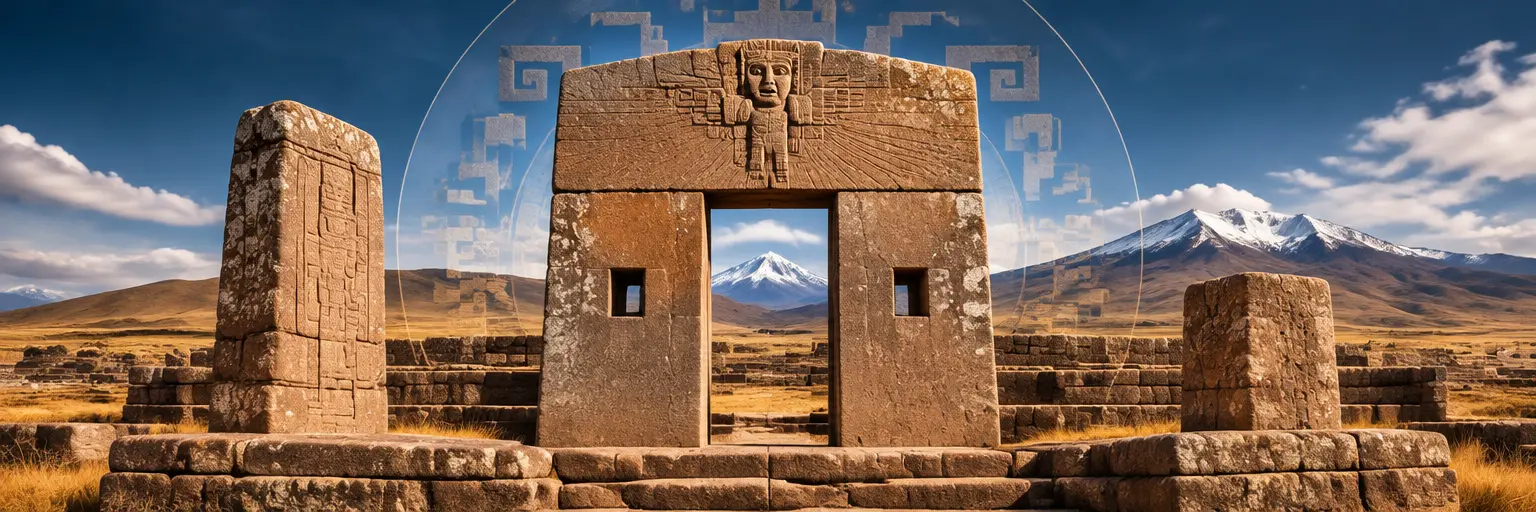
Discover the enigmatic Tiahuanaco Culture, one of the most influential pre-Columbian civilizations of the ancient Andes, whose legacy still fascinates archaeologists and historians alike. Flourishing near Lake Titicaca in modern-day Bolivia, this remarkable society mastered advanced engineering, monumental stone architecture, and astronomical precision long before the Inca Empire rose to power. From the iconic Gateway of the Sun to intricate agricultural terraces that defied harsh high-altitude conditions, Tiahuanaco’s innovations in water management, political organization, and religious symbolism shaped the cultural landscape of South America for centuries. Explore how this civilization’s cosmology, artistic expressions, and economic networks influenced later societies, and uncover the mysteries of its rise, peak, and eventual transformation. Dive into the heart of Andean heritage and understand why Tiahuanaco remains a cornerstone of indigenous history, offering timeless insights into human ingenuity, resilience, and the deep connection between people and their sacred environment.
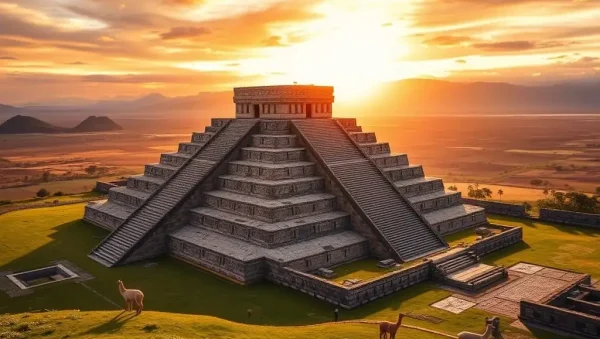
🌄 The Tiahuanaco monuments symbolize the profound connection between stone and sky, reflecting the history of indigenous cultures in the Americas. This…
Read article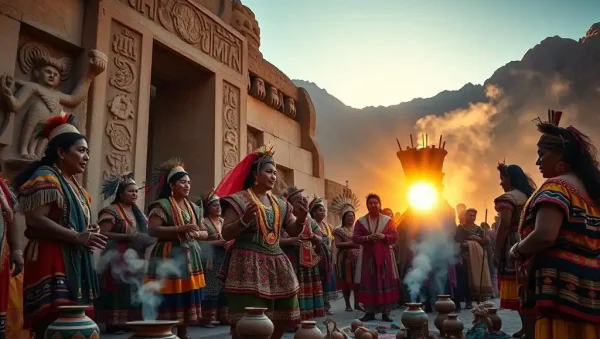
🌟 Tiahuanaco rituals and art intertwine profoundly, serving as vital expressions of spirituality and community identity. This article explores how these ceremonial…
Read article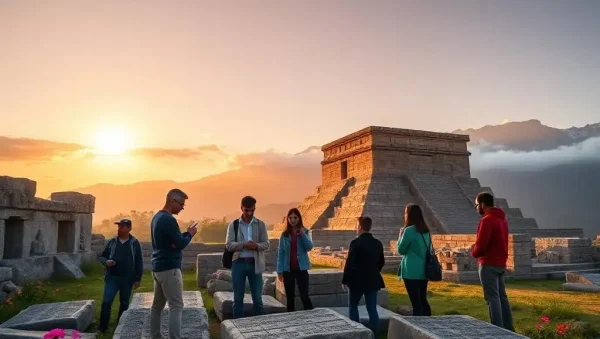
🌍 The Tiahuanaco linguistic heritage exploration unveils the intricate communication systems of this ancient civilization, revealing how their unique language shaped societal…
Read article
🌍 Discover how Tiahuanaco civilization leadership insights reveal the strategies and governance that fostered a thriving society in ancient Andean culture. Explore…
Read article
🌍 The Tiahuanaco textile trade history reveals the intricate connections between weaving culture and economic prosperity in pre-colonial societies. Textiles served not…
Read article
🌍 The Tiahuanaco ancient timekeeping system reveals the sophisticated understanding of astronomy and seasonal cycles by this remarkable civilization. By examining their…
Read article
🌍 Discover the fascinating world of Andean metallurgy ancient techniques as we explore Tiahuanaco's innovative contributions. This deep dive reveals how ancient…
Read article
Tiahuanaco cultural influence in the Americas profoundly shaped neighboring societies, fostering advancements in agriculture, architecture, and spirituality. This article explores the rich…
Read article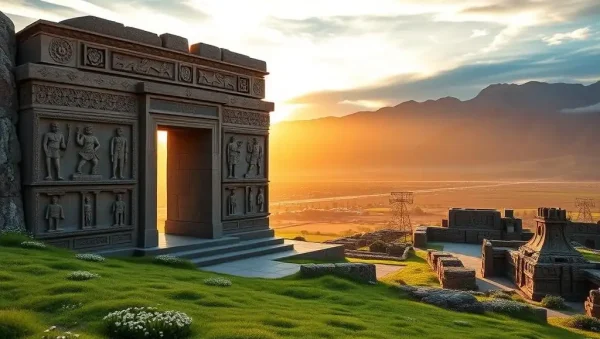
🌍 The Aymara architecture cultural significance at Tiahuanaco reveals a profound connection to the region's indigenous heritage, showcasing advanced engineering and cosmological…
Read article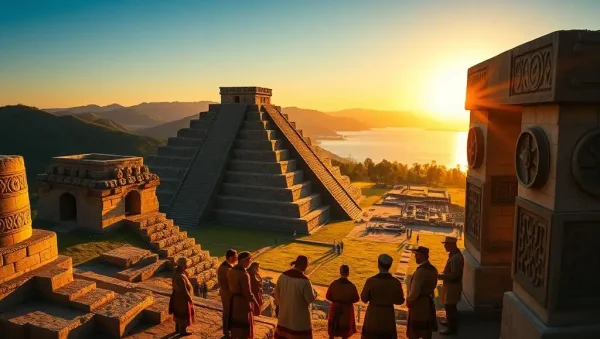
🌍 Discover the intricate tapestry of Tiahuanaco urban life history, where ancient rituals seamlessly intertwined with daily living. This exploration unveils the…
Read article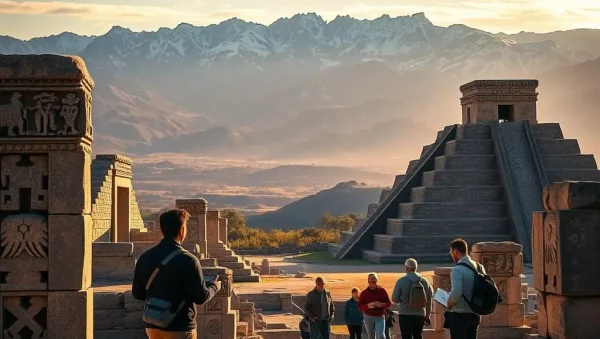
🌍 This article delves into Tiahuanaco societal structure analysis, revealing the intricate relationships between social classes and political power in one of…
Read article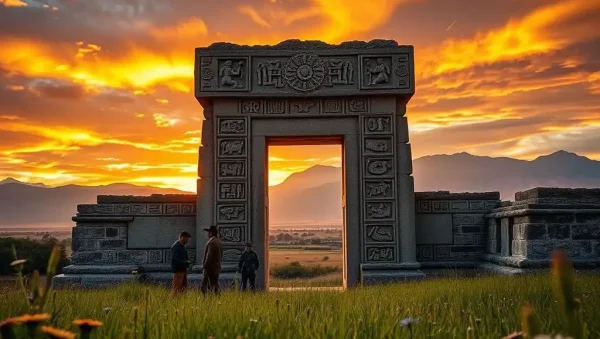
🌍 Discover how Tiahuanaco religious symbols explained illuminate the spiritual beliefs and societal structures of this ancient civilization. Unravel the meanings behind…
Read articleWelcome to our deep dive into the Tiahuanaco Culture, one of the most enigmatic and influential pre-Columbian civilizations of the Andes. Also known as Tiwanaku, this society flourished near Lake Titicaca in modern-day Bolivia between 500 and 1000 CE. Here, you will discover its sophisticated governance, resilient agricultural systems, profound religious beliefs, and remarkable architectural feats that influenced later empires like the Inca. Use the sections below to navigate through specific aspects of this fascinating culture.
The Tiahuanaco political system is thought to have been a theocratic state, where religious leaders held supreme authority, blending spiritual and administrative power. Unlike centralized empires, Tiahuanaco may have used a segmentary model, with a core elite controlling the ceremonial center and regional elites managing outlying colonies. This allowed for effective resource redistribution and cultural cohesion across diverse ecological zones, from the highlands to coastal valleys. Their governance relied on reciprocity and ritual obligations, securing loyalty without heavy military force.
Although Tiahuanaco collapsed centuries before the Spanish arrival, this section explores how its legacy interacted with European conquest. When Inca rulers, who revered Tiahuanaco as a sacred origin site, were overthrown by the Spanish, the colonial powers plundered Tiahuanaco's stone monuments for building materials. European chroniclers later documented indigenous oral histories that connected Tiahuanaco to creation myths, while colonial administrators dismissed its advanced engineering as impossible for native peoples—a narrative scholars now debunk, emphasizing the culture's true ingenuity.
To sustain a large population in the harsh high-altitude environment, Tiahuanaco developed raised-field agriculture (waru waru). These elevated planting beds, surrounded by water channels, retained heat and moisture, mitigating frost and drought. The economy was based on camelid herding (llamas and alpacas) and crops like potatoes, quinoa, and maize. Extensive trade networks exchanged textiles, obsidian, and marine resources from the Pacific coast. This diversified subsistence strategy fueled urban growth and supported ceremonial activities at the capital.
Religion was the bedrock of Tiahuanaco identity, centered on the Gateway of the Sun and the Staff God, a central deity often depicted with radiating rays and holding staffs. Mythology linked Lake Titicaca to the creation of humanity, with the god Viracocha emerging from its waters. Rituals included human and llama sacrifices, elaborate feasts, and ancestor veneration. The alignment of temples with astronomical events underscores a worldview where celestial cycles governed agricultural and political life, reinforcing the divine authority of rulers.
The Tiahuanaco culture emerged around 300 BCE from earlier formative period communities near Lake Titicaca. By 500 CE, the city of Tiahuanaco expanded into a major ceremonial center with monumental structures like the Akapana pyramid and Kalasasaya temple. Its apex (600–1000 CE) saw regional influence extending into Peru, Bolivia, and Chile. A prolonged drought around 1000 CE likely triggered state collapse, but its cultural patterns persisted through successor groups, leaving an indelible mark on Andean history as a foundational civilization.
Tiahuanaco scientists excelled in astronomy, aligning structures with solstices and equinoxes to create precise agricultural calendars. They engineered advanced hydraulic systems, including underground channels and fountains, controlling water flow in raised fields. Their metallurgy involved crafting copper-bronze tools and ornamental gold objects. Moreover, their stone masonry demonstrates incredible precision—some blocks weigh over 100 tons and were fitted without mortar, indicating sophisticated measurement and planning techniques that challenge modern engineers.
Tiahuanaco art is iconic for its geometric and iconographic style, featuring stylized felines, condors, and human-feline hybrids. Their ceramics—kero drinking vessels and offering bowls—were decorated with vivid polychrome paints. Fine textiles, made from alpaca and vicuña wool, displayed intricate symbolic patterns and served as status markers and trade goods. Music and dance played ritual roles, with shell trumpets and drums. This cultural expression not only reinforced social hierarchy but also spread Tiahuanaco aesthetics across vast networks, influencing later Andean art.
The city of Tiahuanaco was a planned urban center covering roughly 6 square kilometers, featuring monumental temples, plazas, and residential areas. Key structures include the Akapana Pyramid (a 18-meter-high stepped mound), the Kalasasaya courtyard with its famous monoliths, and the Pumapunku complex, noted for its finely cut stone blocks. Urban planning integrated ceremonial axes aligned to cardinal directions, with drainage systems and sunken courts for ritual viewing. This architecture required massive labor coordination and remains a testament to Tiahuanaco's organizational prowess.
The Tiahuanaco culture flourished from approximately 300 BCE to 1000 CE, with its peak between 600 and 1000 CE. Its decline is attributed to a severe, prolonged drought affecting the Lake Titicaca basin, which undermined agricultural production and social stability, leading to the gradual disintegration of state control around 1000 CE.
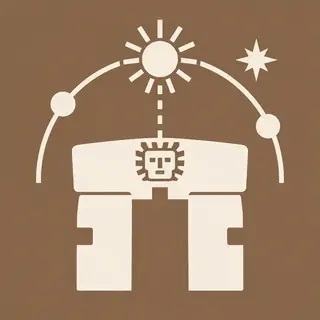
The Gateway of the Sun is a monolithic stone archway at Tiahuanaco, intricately carved with the Staff God deity and 48 winged figures. It is crucial because it represents the culture's religious cosmology, astronomical knowledge, and artistic mastery. Some speculate it functioned as a calendar, aligning with solar events to guide ritual and agricultural cycles.
Tiahuanaco relied on raised-field technology (waru waru): elevated mounds of soil separated by water channels. These channels absorbed solar heat during the day and released it at night, preventing frost damage. This system also enabled water retention and nutrient recycling, allowing intensive cultivation of potatoes, quinoa, and other crops despite challenging conditions.
Yes, profoundly. The Inca considered Tiahuanaco a sacred ancestral site, and their myths traced their origins to Lake Titicaca. Many Andean architectural and religious elements—such as the use of trapezoidal doors, stone masonry, and solar worship—echo Tiahuanaco traditions. The Inca even incorporated Tiahuanaco iconography into their royal ceremonies.
The primary cause was a major climatic shift—a prolonged drought starting around 1000 CE lowered Lake Titicaca levels, disrupting rainfall and raised-field agriculture. This led to food shortages, social unrest, and the breakdown of trade networks. Gradual abandonment of urban centers followed, though rural communities continued Tiahuanaco cultural practices for centuries.