
The Legacy of Indigenous Servitude: Cultural Impacts and Historical Narratives

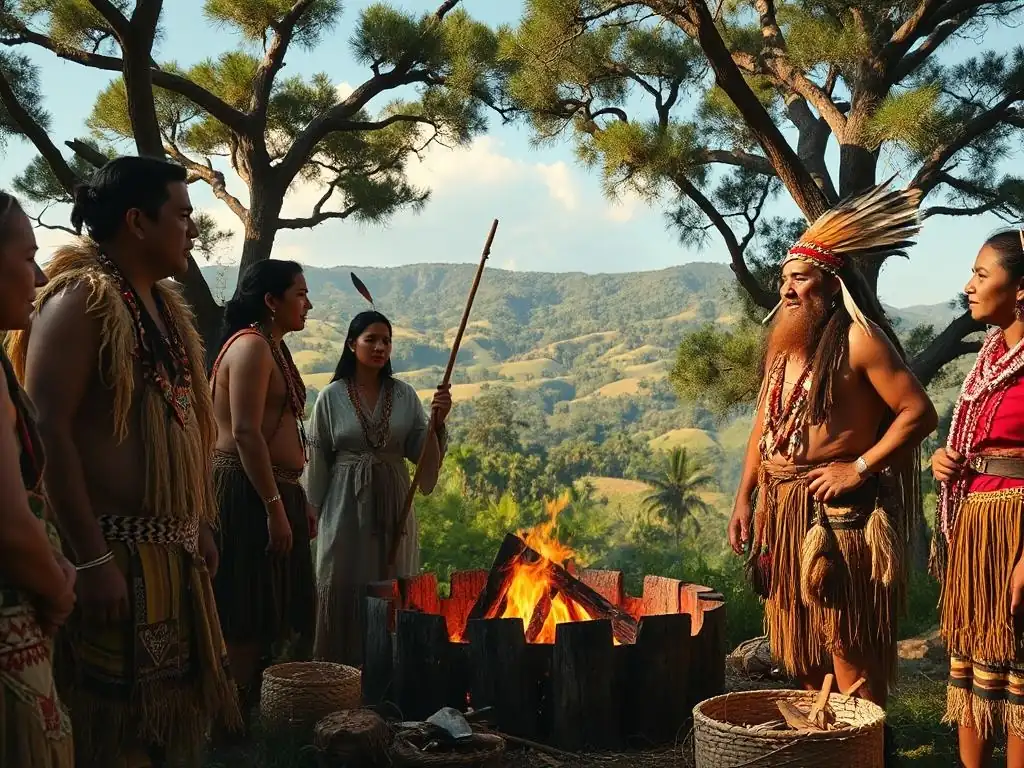
Welcome to Indigenous Civilizations of the Americas! Here, we invite you to embark on a captivating journey through the rich tapestry of indigenous cultures pre-colonization. Discover how these vibrant societies not only flourished but also left an indelible mark on history, shaping the landscape of the Americas long before European contact.
Our featured article, The Legacy of Indigenous Servitude: Cultural Impacts and Historical Narratives, delves into the complexities of indigenous experiences and their profound influence on contemporary society. Prepare to be intrigued and inspired as you explore the remarkable achievements and enduring legacies of these remarkable cultures. Dive in and uncover the stories that have shaped our world!
Introduction to Indigenous Cultures Pre-Colonization
The indigenous cultures of the Americas, rich in diversity and complexity, flourished long before European colonization reshaped their societies. These cultures were characterized by intricate social structures, profound spiritual beliefs, and advanced agricultural practices, among many other achievements. Understanding the legacy of indigenous servitude within these societies is crucial, as it sheds light on the nuanced interactions between various indigenous groups, as well as their responses to external pressures. By delving into the historical narratives surrounding indigenous servitude, we can better appreciate the resilience and adaptability of these cultures while recognizing their profound impacts on contemporary society.
Overview of Indigenous Societies in the Americas
Indigenous societies across the Americas were not monolithic; they varied dramatically in terms of governance, economic systems, and cultural practices. Some key characteristics include:
- Diverse Governance Structures: From the matrilineal clans of the Iroquois Confederacy to the complex city-states of the Maya, governance was often deeply tied to cultural values and ecological contexts.
- Sophisticated Agricultural Techniques: Cultivation of staple crops like maize, beans, and squash showcased advanced agricultural knowledge and sustainable practices.
- Rich Spiritual Traditions: A deep connection to the land and a rich tapestry of myths and rituals characterized the spiritual lives of many indigenous peoples.
These societies laid the groundwork for rich cultural legacies that continue to influence contemporary discussions about identity and heritage.
Importance of Understanding Indigenous Servitude
Exploring the concept of servitude within indigenous cultures is essential for several reasons:
- Cultural Insight: Understanding servitude practices provides insight into social hierarchies and relationships within indigenous communities.
- Historical Impact: Indigenous servitude practices often intersected with European colonization, revealing complex dynamics and adaptations in response to external forces.
- Legacy of Resilience: Examining the historical narratives around servitude highlights the resilience and agency of indigenous peoples in the face of systemic oppression.
Recognizing these aspects allows us to appreciate the depth of indigenous histories and their ongoing influences.
Historical Context of Indigenous Servitude
To fully understand the legacy of indigenous servitude, it is vital to consider the historical context in which these practices developed. The interplay of cultural traditions, economic needs, and external pressures shaped the evolution of servitude among indigenous peoples.
The Evolution of Servitude Among Indigenous Cultures
Indigenous servitude was not a static concept; it evolved through various phases influenced by internal and external factors:
- Pre-Colonial Practices: Many indigenous cultures had forms of servitude that were often tied to social obligations, warfare, or kinship ties.
- Colonial Influence: The arrival of Europeans introduced new dynamics, leading to the commodification of indigenous labor and shifts in traditional practices.
- Adaptation and Resistance: Indigenous groups responded to colonial pressures with both adaptation of servitude practices and resistance, demonstrating agency in their cultural narratives.
This evolution reflects a complex interplay of cultural integrity and external influence.
Key Events Leading to Indigenous Servitude Practices
Several key events played a crucial role in shaping the practices and perceptions of indigenous servitude:
- Early Contact with Europeans: Initial encounters often disrupted traditional social structures and introduced new systems of labor.
- The Spread of Diseases: Epidemics caused by European diseases drastically reduced indigenous populations, altering labor dynamics and creating a reliance on servitude.
- Colonial Policies: The implementation of colonial policies that enforced labor systems further entrenched the practices of servitude within indigenous communities.
These events not only transformed the nature of servitude but also left lasting impacts on the cultural fabric of indigenous societies, which continue to resonate today.
Cultural Impacts of Indigenous Servitude
The legacy of indigenous servitude has left a profound impact on the cultural fabric of various societies that existed in the Americas prior to European colonization. This servitude, often characterized by complex social dynamics, influenced not only economic structures but also social hierarchies, cultural practices, and community relationships. Understanding these impacts requires a deep dive into how servitude reshaped the lives and identities of indigenous peoples, as well as the long-lasting effects of these changes.
Social Structures and Hierarchies in Pre-Colonization Cultures
Indigenous cultures pre-colonization often exhibited intricate social structures where servitude played a critical role. Different forms of servitude existed, ranging from voluntary servitude as a means of debt repayment to more coercive forms imposed through warfare and conquest. These relationships were not merely transactional; they were embedded in a broader social context that dictated status and power dynamics within communities.
In many indigenous societies, those in servitude were integrated into the community, contributing to the collective well-being. However, this integration often came with implications for social hierarchies. Individuals in servitude could attain elevated status through loyalty or exceptional service, highlighting a fluidity in social roles that contrasted sharply with European notions of fixed class systems. This adaptability allowed for a restructuring of relationships, creating a sense of interdependence among community members.
The Role of Servitude in Indigenous Economic Systems
Servitude also played a pivotal role in the economic systems of pre-colonization indigenous cultures. Various forms of labor, including agricultural work, hunting, and craft production, were often organized around servitude, with individuals taking on roles that supported the economic stability of their communities. This labor division allowed societies to thrive, as communal resources were pooled, and skills were shared.
Moreover, servitude facilitated the exchange of goods and services among different tribes and communities. Individuals in servitude often acted as intermediaries, fostering trade relationships that enriched local economies. This economic interconnectivity was essential for survival and prosperity, highlighting how servitude was woven into the very fabric of indigenous economic life.
Cultural Traditions and Practices Influenced by Servitude
The cultural traditions and practices of indigenous societies were significantly influenced by the institution of servitude. Rituals, ceremonies, and communal gatherings often incorporated elements of servitude, emphasizing the interconnectedness of individuals within the community. For example, certain rites of passage or ceremonies of gratitude might acknowledge the contributions of those in servitude, reinforcing their importance within the social structure.
Additionally, the experiences of individuals in servitude contributed to the development of unique cultural expressions, such as storytelling, music, and art. These cultural narratives often reflected the complexities of servitude, illustrating the dual experiences of hardship and resilience. Over generations, these cultural practices became embedded within the identity of communities, serving as a testament to their historical experiences and collective memory.
Historical Narratives Surrounding Indigenous Servitude
The historical narratives surrounding indigenous servitude are multifaceted and have evolved over time, influenced by both indigenous perspectives and external interpretations. These narratives are crucial for understanding the legacy of servitude and its implications for contemporary indigenous identities.
Oral Histories and Their Importance in Indigenous Cultures
Oral histories hold a sacred place in many indigenous cultures, serving as vital tools for preserving collective memory and cultural identity. These narratives often encompass the experiences of servitude, reflecting the complexities and nuances of those relationships. Elders and community leaders play a central role in passing down these stories, ensuring that the lessons and legacies of the past are not lost.
Through oral traditions, indigenous peoples convey their histories, values, and social norms, enriching their cultural heritage. These narratives serve as a means of resistance against colonial erasure, allowing communities to reclaim their stories and assert their identities in the face of historical challenges. The importance of oral histories cannot be overstated; they are essential for fostering a sense of belonging and continuity within indigenous societies.
Written Accounts: Perspectives on Indigenous Servitude
Written accounts from both indigenous and European perspectives provide additional layers to the understanding of servitude in indigenous cultures. Early European explorers and settlers often documented their interactions with indigenous peoples, frequently portraying servitude through a biased lens influenced by their own cultural frameworks. These accounts can reveal the misconceptions and stereotypes that emerged during initial contact, shaping historical narratives that persist to this day.
Conversely, indigenous written records—when available—offer invaluable insights into the lived experiences of those in servitude. These documents can highlight the agency and resilience of indigenous individuals, challenging dominant narratives that depict them solely as passive victims. Understanding these varying perspectives is essential for constructing a more nuanced and accurate historical narrative surrounding indigenous servitude.
The Role of European Colonization in Shaping Narratives
European colonization significantly altered the narratives surrounding indigenous servitude, often framing these relationships within a colonial context that emphasized exploitation and domination. As colonizers imposed their own systems of labor and servitude, indigenous practices were frequently marginalized or misrepresented. This shift not only impacted the realities of indigenous servitude but also influenced how these histories were recorded and understood.
The colonial narrative often sought to erase or diminish indigenous cultures, which included reinterpreting their systems of servitude as inherently inferior or barbaric. In contrast, contemporary scholarship increasingly recognizes the sophistication of indigenous social structures and the vital roles that servitude played within them. This recognition is crucial for acknowledging the resilience of indigenous cultures and their ongoing influence in contemporary society. Through reclaiming their narratives, indigenous peoples continue to assert their identities and challenge the historical injustices inflicted upon them.
Comparative Analysis of Indigenous Servitude Across Cultures
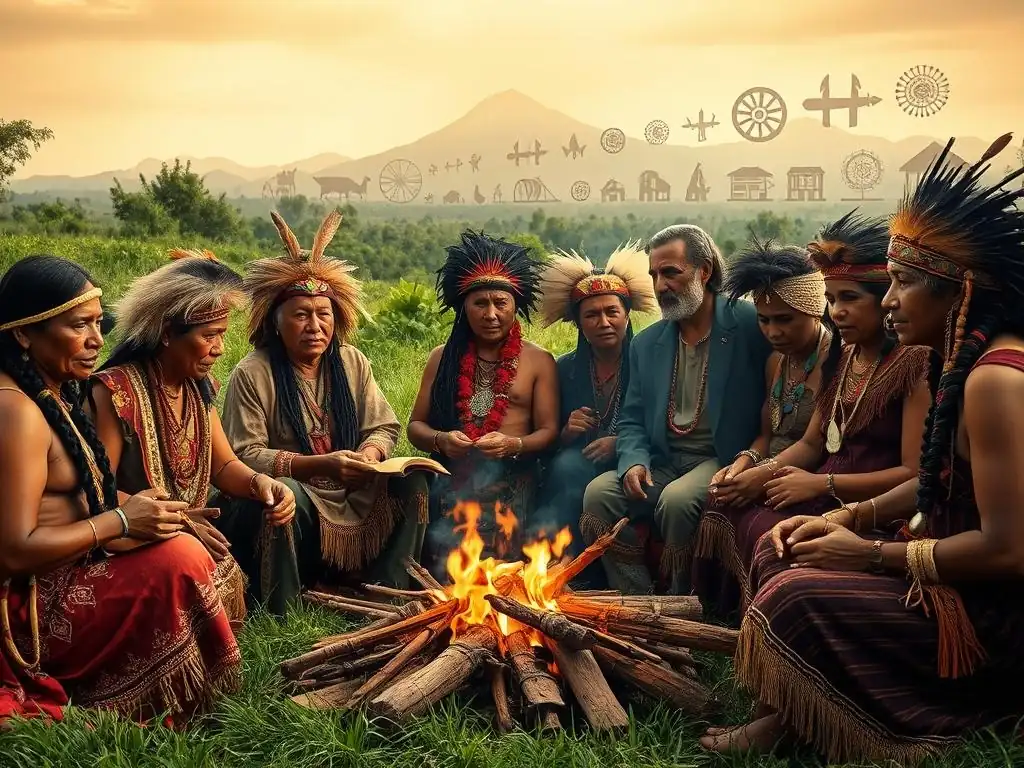
Indigenous servitude in the Americas varied significantly among different cultural groups, reflecting the diverse social structures, spiritual beliefs, and economic needs of each society. A comparative analysis reveals how practices of servitude were influenced by environmental factors and the distinct histories of each indigenous nation. For instance, in the Great Plains, some tribes utilized forms of servitude as a means to integrate captives from conflicts, while in the Southwest, agricultural societies often had different approaches that centered on labor exchange rather than outright ownership.
The nature of servitude was also shaped by the relationships between tribes and their political landscapes. In some cases, servitude functions as a means of social organization, where individuals could ascend in status through their service. This form of servitude often contrasted starkly with European notions of slavery, which were rooted in racial hierarchies and dehumanization. Understanding these nuances allows for a richer appreciation of the complexities of indigenous cultures pre-colonization.
Variations in Servitude Practices Among Different Indigenous Groups
The practices of servitude varied widely among indigenous groups, influenced by their unique cultural contexts. For example:
- Northeast Woodlands Tribes: These tribes often engaged in a system of adoption where captives from rival tribes could be integrated into the community, taking on roles that provided them with social status and kinship ties.
- Mesoamerican Societies: In cultures such as the Aztecs and Mayans, individuals could be captured in war and could serve in various capacities, from agricultural labor to ritualistic roles within religious ceremonies. However, servitude was not necessarily a permanent state, and individuals had opportunities for social mobility.
- Pacific Northwest Tribes: Here, servitude was often linked to potlatch ceremonies, where individuals could be obligated to serve their hosts in exchange for gifts and social recognition, demonstrating a complex interplay between servitude and social capital.
These variations underscore that servitude was not merely a tool for oppression but often played a role in community dynamics and cultural expression.
Similarities and Differences with Other Forms of Servitude
While indigenous servitude shares similarities with other forms of servitude practiced globally, significant differences exist, particularly in the context of indigenous cultures pre-colonization.
- Similarities:
- Labor Exchange: Like many societies, indigenous groups often used servitude as a means of labor exchange, where individuals would work in return for protection, food, or social benefits.
- Social Hierarchies: Both indigenous servitude and other forms of servitude reflect underlying social hierarchies, where status and roles within the community dictate the conditions of servitude.
- Differences:
- Cultural Integration: Unlike many forms of servitude that enforced alienation, many indigenous practices aimed for integration and kinship, allowing for a more fluid transition into the community.
- Temporary vs. Permanent: Indigenous servitude often had a temporary nature, with opportunities for individuals to gain status or freedom, contrasting sharply with the permanent status of enslaved individuals in European colonial contexts.
These distinctions highlight the need to view indigenous servitude within its own cultural framework rather than through a Eurocentric lens.
The Lasting Legacy of Indigenous Servitude
The legacy of indigenous servitude continues to resonate through modern indigenous communities, shaping their identities, cultural practices, and social structures. The impacts of servitude, both positive and negative, have woven themselves into the fabric of contemporary life, influencing how communities interact with their histories and each other.
Impact on Modern Indigenous Communities
The historical practices of servitude have left an indelible mark on modern indigenous communities. Many groups today reflect on these legacies as they navigate contemporary issues such as land rights, cultural preservation, and social justice. For instance:
- Cultural Revitalization: Some indigenous communities are actively working to revive traditional practices that honor their ancestors, including those related to servitude and labor. This revitalization often includes storytelling, ceremonies, and communal work that reflect their historical narratives.
- Social Structures: The remnants of servitude practices can be seen in the communal and cooperative structures that many indigenous communities maintain, emphasizing interdependence and mutual support, contrasting with individualistic modern societal norms.
These impacts demonstrate that the legacy of indigenous servitude is not merely a historical concern but a living influence that continues to shape identities and communal relationships.
Reflection on Indigenous Identity and Cultural Heritage
The history of servitude among indigenous peoples is crucial in shaping contemporary indigenous identity and cultural heritage. Many communities engage in a process of reconciliation with their past, recognizing how servitude contributed to both their resilience and challenges.
- Cultural Narratives: By reflecting on their history of servitude, indigenous peoples can reclaim narratives that highlight strength, adaptability, and community cohesion. These narratives challenge the often negative portrayals found in colonial histories.
- Educational Initiatives: Increasingly, indigenous groups are incorporating their histories, including the complexities of servitude, into educational programs. This not only empowers younger generations but also fosters a deeper understanding of their cultural heritage and identity.
The legacy of indigenous servitude plays a significant role in the ongoing journey of cultural preservation and identity reconstruction for modern indigenous communities. Emphasizing the richness and diversity of these histories allows for a more nuanced understanding of the indigenous cultures pre-colonization.
Conclusion: Recognizing the Importance of Indigenous Cultures Pre-Colonization
The history of indigenous cultures pre-colonization is a tapestry of rich traditions, sophisticated social structures, and profound contributions to humanity. Understanding the legacy of indigenous servitude sheds light on the resilience and adaptability of these cultures, which have often been marginalized in historical narratives. By recognizing their achievements, we can appreciate the complexity of their societies and the lasting impact they have had on the Americas.
Indigenous cultures, with their diverse languages, practices, and governance systems, exemplify the depth of human creativity and social organization. These cultures not only survived in the face of external pressures but also thrived, making significant advancements in agriculture, architecture, and trade. The acknowledgment of their historical experiences, including servitude and resilience, is crucial for a comprehensive understanding of the Americas' past.
Summary of Key Insights
- Cultural Richness: Indigenous cultures pre-colonization were characterized by their unique traditions, languages, and social structures, which varied greatly across regions.
- Contributions to Society: Indigenous peoples made invaluable contributions to agriculture, medicine, and ecology, with innovations such as the cultivation of corn, potatoes, and other staple crops.
- Impact of Colonization: The legacy of indigenous servitude highlights the complexities of colonial encounters, where indigenous peoples were often subjected to forced labor, yet retained elements of their cultural identity.
- Historical Narratives: Many historical accounts have overlooked the significant roles played by indigenous cultures, necessitating a reevaluation of their contributions and experiences in pre-colonial and colonial times.
- Modern Relevance: The ongoing influence of indigenous cultures today underscores the need to recognize and respect their rights, traditions, and contributions to contemporary society.
Call to Action for Further Research and Understanding
As we continue to explore the legacy of indigenous cultures pre-colonization, it is essential for scholars, students, and the general public to engage in further research and dialogue. Here are some actionable steps to deepen understanding:
- Educational Initiatives: Advocate for the inclusion of indigenous history in educational curricula to ensure that future generations appreciate the complexity and richness of these cultures.
- Community Engagement: Participate in local indigenous cultural events and initiatives to foster connections and learn directly from indigenous communities about their traditions and perspectives.
- Support Indigenous Voices: Amplify indigenous voices in literature, art, and scholarship to ensure that their narratives are shared and respected in broader societal contexts.
- Research Projects: Encourage academic and community-based research projects focused on indigenous histories, contributions, and contemporary issues, helping to fill gaps in historical narratives.
By taking these steps, we can honor the legacy of indigenous cultures and ensure that their stories and contributions are recognized and celebrated in our collective histories.
- Introduction to Indigenous Cultures Pre-Colonization
- Historical Context of Indigenous Servitude
- Cultural Impacts of Indigenous Servitude
- Historical Narratives Surrounding Indigenous Servitude
- Comparative Analysis of Indigenous Servitude Across Cultures
- The Lasting Legacy of Indigenous Servitude
- Conclusion: Recognizing the Importance of Indigenous Cultures Pre-Colonization
- What are indigenous cultures pre-colonization about?
- How did indigenous cultures influence modern society?
- What role did servitude play in indigenous cultures?
- How does the website explore the historical narratives of these cultures?
- Why is it important to study indigenous cultures before colonization?
Frequently Asked Questions
What are indigenous cultures pre-colonization about?
Indigenous cultures pre-colonization refer to the diverse societies and traditions that existed in the Americas before European contact, showcasing their achievements in art, governance, and community life.
How did indigenous cultures influence modern society?
The legacy of these cultures can be seen in various aspects of contemporary society, including art, language, and agricultural practices, which continue to reflect their historical significance.
What role did servitude play in indigenous cultures?
Servitude in indigenous cultures often involved complex systems of labor and social organization, influencing community dynamics and leading to significant cultural exchanges both internally and with Europeans.
How does the website explore the historical narratives of these cultures?
The website offers an in-depth examination of historical narratives, focusing on the achievements, societal structures, and the lasting impacts of indigenous peoples, shedding light on their rich histories.
Why is it important to study indigenous cultures before colonization?
Studying indigenous cultures pre-colonization helps us understand the diversity of human experiences, the rich traditions that shaped societies, and the historical contexts that led to significant cultural transformations.
Final Reflection: Embracing the Legacy of Indigenous Cultures Pre-Colonization
The exploration of Indigenous cultures pre-colonization reveals profound truths about resilience, adaptation, and the rich tapestry of human experience. Today, as we confront the ongoing impacts of colonization and systemic inequalities, understanding these legacies is more crucial than ever. The narratives of Indigenous peoples are not merely historical footnotes; they are vibrant stories that continue to shape our world and challenge us to rethink our collective identity.
Cultural narratives rooted in Indigenous experiences remind us of the importance of honoring diverse perspectives. The legacy of Indigenous servitude has left an indelible mark on our social fabric, influencing everything from art and language to land stewardship and community values. As we reflect on these influences, we must acknowledge the words of Indigenous scholar Vine Deloria Jr.: The great challenge of the future is to find a way to live together in harmony.
This call to unity emphasizes the need for understanding and respect for Indigenous cultures, which have thrived for millennia despite the adversities faced.
As we conclude this journey through the legacy of Indigenous cultures, I invite you to reflect on your own connection to these narratives. Consider how you can honor and amplify Indigenous voices in your community and daily life. Whether through education, advocacy, or simply by engaging with Indigenous art and stories, each of us has a role to play in fostering a more inclusive and respectful society. Let us carry forward the lessons learned from the past, ensuring that the rich heritage of Indigenous cultures continues to inspire and guide us into a future of shared understanding and respect.
Unveil the Truth: Take Action for Indigenous Legacy!
Thank you for taking the time to explore the profound legacy of Indigenous servitude and its cultural impacts. Your interest plays a vital role in reshaping narratives and honoring the rich histories of Indigenous peoples. Now, let’s transform this knowledge into action!
Here are a few impactful steps you can take today:
- Join a local Indigenous cultural event or workshop to deepen your understanding and connection with Indigenous communities.
- Share this article with your friends, family, and social media networks to help raise awareness and start meaningful conversations.
- Explore further by researching local Indigenous histories or engaging with local authors and artists to amplify Indigenous voices.
What reflections or insights have you gained about the historical narratives of Indigenous peoples that you'd like to discuss with others?