
How Indigenous Women Shaped Culinary Traditions: A Tribute to Community

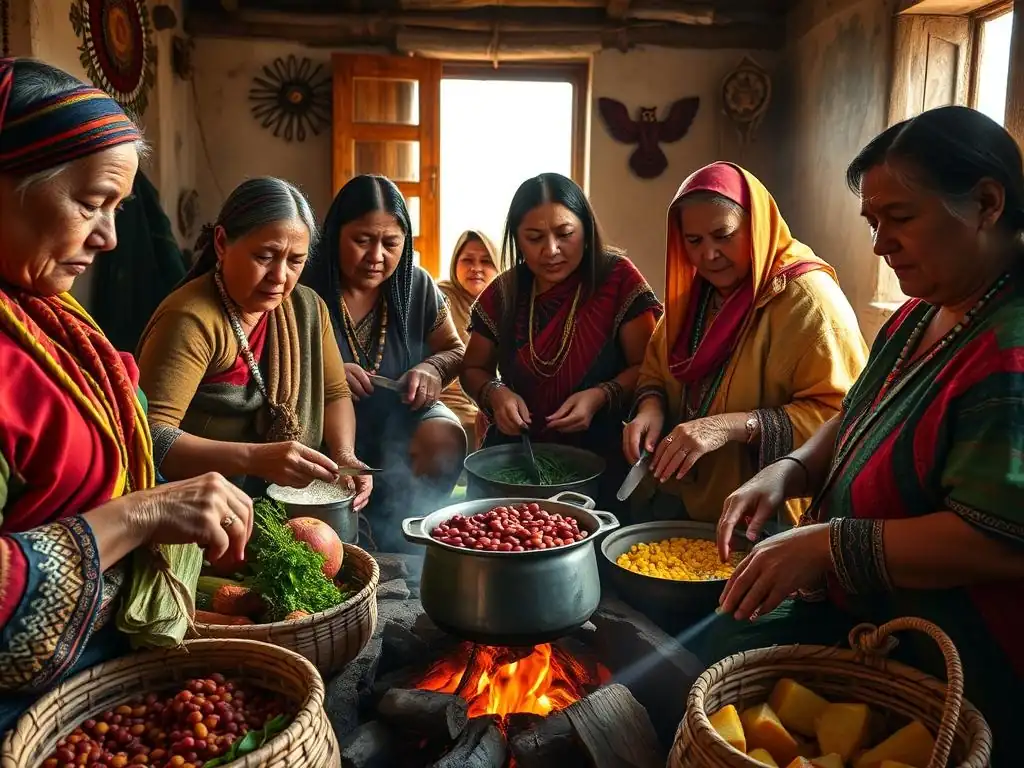
Welcome to Indigenous Civilizations of the Americas, where we embark on a fascinating journey through the richly woven tapestry of indigenous cultures that flourished across the continent long before European colonization. Here, we invite you to delve into our featured article, "How Indigenous Women Shaped Culinary Traditions: A Tribute to Community," which uncovers the vital role of Indigenous women in crafting diverse culinary traditions that not only nourished their communities but also preserved their heritage.
Prepare to be inspired as you explore the remarkable achievements and enduring legacies of these women, whose stories are essential to understanding the vibrant mosaic of society and culture in the Americas. Your adventure into this profound history begins now!
- Introduction to Indigenous Women Culinary Traditions
- Historical Context of Indigenous Women in Culinary Practices
- Key Ingredients and Their Cultural Significance
- Methods and Techniques of Indigenous Culinary Traditions
- Celebrations and Rituals Involving Food
- Contemporary Impact of Indigenous Women on Culinary Traditions
- Challenges Faced by Indigenous Women in Culinary Fields
- Conclusion: Honoring Indigenous Women in Culinary Traditions
-
Frequently Asked Questions
- What role did Indigenous women play in culinary traditions?
- How did cultural practices influence Indigenous culinary traditions?
- What types of ingredients were commonly used in Indigenous cooking?
- How have women’s roles in culinary traditions evolved over time?
- Why is it important to recognize the contributions of Indigenous women in culinary history?
- Final Reflection: Celebrating the Legacy of Indigenous Women in Culinary Traditions
- Celebrate and Support Indigenous Culinary Heritage!
Introduction to Indigenous Women Culinary Traditions
Indigenous women have played a pivotal role in shaping the culinary traditions of the Americas, contributing to the rich tapestry of flavors and practices that define diverse cultures across the continent. This article explores the significant impact that Indigenous women have had on food systems, from the cultivation of staple crops to the preparation and sharing of meals that foster community bonds.
By delving into these culinary traditions, we can gain a deeper understanding of how these women not only nurtured their families but also preserved cultural identities and passed down essential knowledge through generations. Through this tribute, we celebrate the resilience, creativity, and influence of Indigenous women in the culinary landscape, underscoring their vital contributions to society and culture.
Importance of Culinary Traditions in Indigenous Cultures
Culinary traditions in Indigenous cultures serve as a bridge between past and present, encapsulating a wealth of knowledge and practices that have been meticulously cultivated over centuries. Food is not merely sustenance; it embodies cultural identity, spirituality, and communal ties. Here are a few key aspects that highlight the importance of these traditions:
- Cultural Identity: Culinary practices are deeply intertwined with the identity of Indigenous communities. Ingredients, preparation methods, and rituals associated with food reflect the history and values of these cultures.
- Sustainable Practices: Indigenous culinary traditions often emphasize sustainable practices, including the use of local ingredients and methods that respect the land. This relationship with nature promotes biodiversity and ecological balance.
- Community and Connection: Sharing food is a fundamental aspect of social life among Indigenous peoples. Meals are occasions for storytelling, teaching, and strengthening community bonds, fostering an environment of unity and collaboration.
Overview of Indigenous Women's Roles in Food Systems
Indigenous women have historically been the backbone of food systems within their communities, not only as gatherers and nurturers but also as educators and innovators. Their roles encompass various aspects of food production, preparation, and preservation. Here are some key contributions:
- Agricultural Knowledge: Women have traditionally managed the cultivation of vital crops, such as maize, beans, and squash—often referred to as the "Three Sisters." Their knowledge of planting cycles and agricultural practices has been crucial for food security.
- Culinary Arts: Beyond cultivation, women are often the primary cooks in their communities, skilled in traditional cooking techniques and recipes that have been passed down through generations. They play a key role in maintaining culinary heritage.
- Cultural Transmission: Indigenous women are instrumental in teaching younger generations about food traditions, ensuring that important cultural practices and values are preserved and celebrated.
Through these roles, Indigenous women have not only sustained their families but have also ensured the survival and evolution of their cultural identities through culinary traditions.
Historical Context of Indigenous Women in Culinary Practices
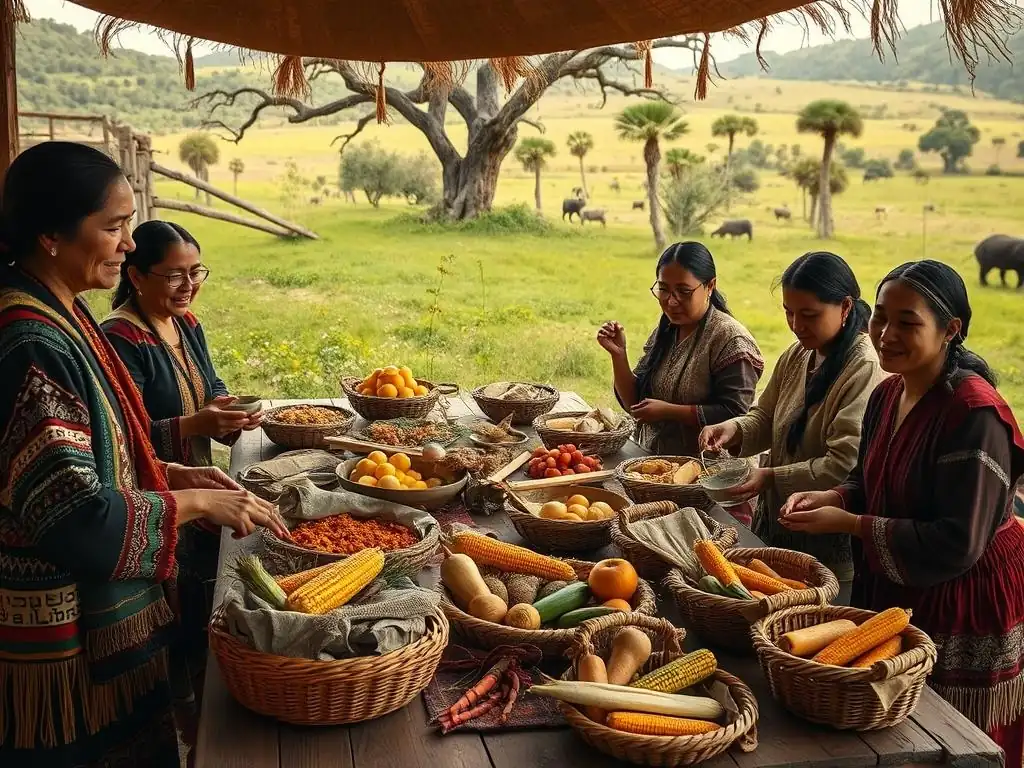
The culinary traditions of Indigenous peoples across the Americas are deeply intertwined with their cultural identity, societal structures, and historical experiences. Indigenous women played a pivotal role in shaping these culinary practices, not only as primary food gatherers and preparers but also as custodians of traditional knowledge. Understanding the historical context of these roles provides insight into how Indigenous women have influenced and continue to influence culinary traditions today.
Pre-Colonial Food Systems and Gender Roles
In pre-colonial societies, the division of labor often dictated that men and women had distinct roles within the community, with women frequently assuming the responsibility for food production and preparation. This division was not merely a matter of practicality; it was also a reflection of the cultural values that recognized women as the nurturers and sustainers of life.
- Agricultural Practices: Many Indigenous cultures relied heavily on agriculture, where women played a central role in cultivating crops such as maize, beans, and squash—the so-called "Three Sisters." This agricultural triad was not only essential for sustenance but also held spiritual significance, often incorporated into rituals and community gatherings.
- Gathering and Foraging: Women were the primary foragers, collecting wild plants, herbs, and fruits that enriched the diet of their communities. This practice required extensive knowledge of local ecosystems, plant properties, and seasonal cycles, showcasing women's deep connection to the land.
- Cooking and Preservation: Beyond gathering and farming, women were responsible for cooking and food preservation techniques. They employed methods such as smoking, drying, and fermenting to ensure food security throughout the year. These culinary techniques were often passed down through generations, evolving into complex recipes that reflect a community's history and cultural identity.
The impact of these gender roles on culinary traditions cannot be overstated. The practices and knowledge held by Indigenous women were foundational to the sustenance and survival of their communities, and their contributions laid the groundwork for the rich culinary heritage that persists today.
Traditional Knowledge Passed Down Through Generations
The transmission of culinary knowledge among Indigenous women is a profound aspect of their cultural heritage. This knowledge is often conveyed through storytelling, hands-on experiences, and communal gatherings, emphasizing the importance of community and the collective memory of food traditions.
- Storytelling and Oral Traditions: Oral history plays a crucial role in preserving culinary knowledge. Women share stories about the origins of certain dishes, the significance of specific ingredients, and the cultural practices associated with food preparation. These narratives not only educate younger generations but also connect them to their ancestors and cultural identity.
- Culinary Education: Traditionally, young girls learned culinary skills from their mothers and grandmothers, engaging in food preparation from an early age. This mentorship fostered a sense of pride in their culinary heritage and reinforced the importance of their roles within the community. Skills such as harvesting, cooking, and food preservation became a shared experience that strengthened familial bonds and cultural continuity.
- Adapting to Change: As Indigenous women navigated the challenges posed by colonization and modernity, they adapted their culinary practices while maintaining core traditions. This resilience is evident in the incorporation of new ingredients and techniques while preserving the essence of Indigenous culinary identity. These adaptations demonstrate how Indigenous women have been instrumental in sustaining their communities through changing landscapes.
The role of Indigenous women in culinary traditions is integral to understanding the broader context of Indigenous cultures in the Americas. Their contributions, rooted in historical practices and enriched by the transmission of knowledge through generations, have significantly shaped the culinary landscape, ensuring the survival and celebration of Indigenous culinary heritage.
Key Ingredients and Their Cultural Significance
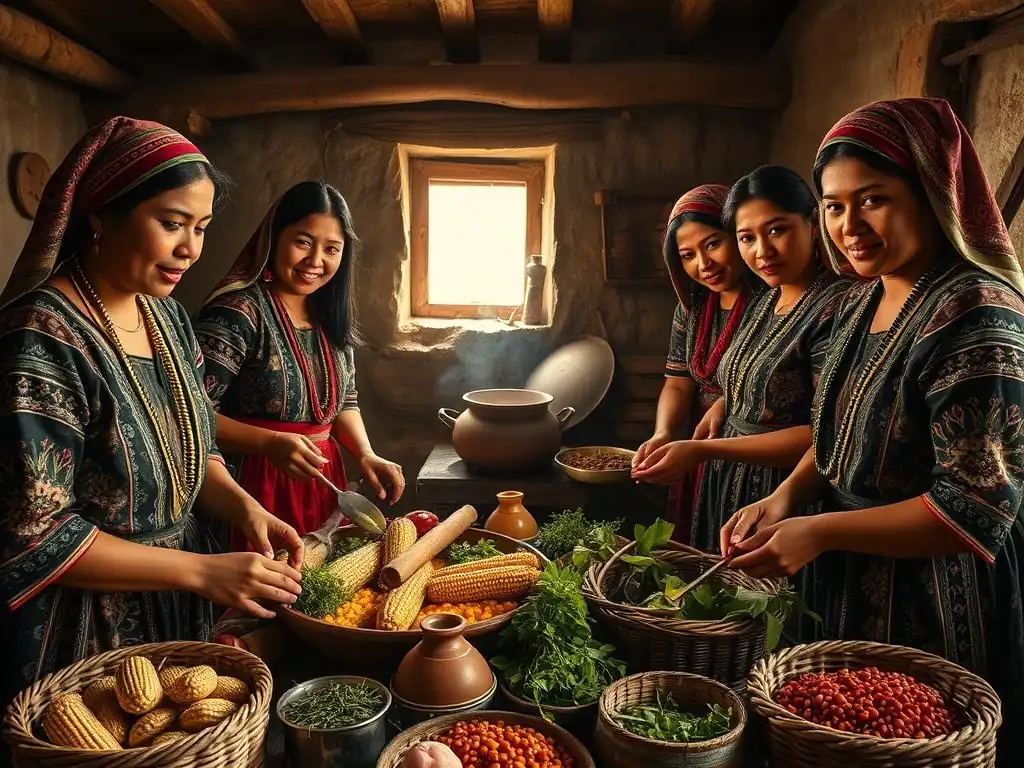
Indigenous women played a pivotal role in shaping the culinary traditions of their communities, often selecting and cultivating key ingredients that held deep cultural significance. These ingredients were not merely sustenance; they represented the identity, history, and spirituality of the peoples who cultivated them. Understanding these key ingredients helps illuminate the broader impact of Indigenous women on culinary practices.
Staple Foods Contributed by Indigenous Women
Indigenous women were primarily responsible for the cultivation and preparation of staple foods that became the foundation of many diets across the Americas. Some of the most significant contributions include:
- Maize (Corn):
- Corn is perhaps the most iconic staple food associated with Indigenous cultures. Women were instrumental in its cultivation, utilizing various techniques to enhance its growth. Corn held profound spiritual significance, often associated with fertility and life. Many Indigenous myths and rituals center around the corn plant, reflecting its importance in both daily sustenance and cultural identity.
- Beans:
- Beans were cultivated alongside corn, forming a complementary protein source. This "Three Sisters" agricultural practice, which also includes squash, showcases the collaborative efforts of women in farming. The cultivation of beans helped improve soil fertility through nitrogen fixation, demonstrating a sophisticated understanding of sustainable agriculture.
- Squash:
- Squash, like corn and beans, was a staple that provided essential vitamins and nutrients. It was often prepared in various ways, from roasting to making soups. Women were key in selecting varieties that thrived in their specific environments, thus enhancing culinary diversity.
- Wild Rice:
- In regions such as the Great Lakes, Indigenous women harvested wild rice, or "manoomin." This aquatic grain was not only a food source but also an integral part of cultural ceremonies and community gatherings. The process of harvesting wild rice involved traditional knowledge passed down through generations, showcasing the women’s role as custodians of this vital resource.
Regional Variations in Culinary Ingredients
The vast diversity of Indigenous cultures across the Americas led to regional variations in culinary ingredients, with Indigenous women adapting their practices to local environments:
- Northeast:
- In the Northeastern Woodlands, women utilized ingredients such as berries, nuts, and fish. The cultivation of maple trees for syrup was a significant seasonal activity. The deep connection to the land is reflected in the use of seasonal ingredients, which informed traditional diets.
- Southwest:
- Indigenous women in the Southwest cultivated crops like chilies, tomatoes, and various beans. The arid climate required innovative agricultural practices, including the development of irrigation systems. These ingredients contributed to the rich flavors characteristic of Southwestern cuisine, showcasing the adaptability of women in food preparation.
- Pacific Northwest:
- The coastal Indigenous communities relied heavily on seafood, with women playing a crucial role in processing and preserving fish and shellfish. This region’s culinary traditions often include the use of berries and roots, reflecting the rich biodiversity of the area. The emphasis on communal cooking and sharing was a tradition that highlighted the role of women in fostering community bonds.
- Plains:
- In the Great Plains, Indigenous women were vital in the processing of bison and gathering wild plants. The combination of animal proteins and plant-based foods created a balanced diet. Techniques for drying and preserving meat were often passed down through generations, ensuring that communities could thrive year-round.
Through these varied practices and ingredients, Indigenous women not only shaped the culinary landscape of their cultures but also ensured the transmission of knowledge and traditions that continue to resonate today. Their contributions remain a testament to the integral role women played in sustaining their communities through food.
Methods and Techniques of Indigenous Culinary Traditions
Traditional Cooking Methods Employed by Indigenous Women
Indigenous women played a pivotal role in the culinary traditions of their communities, employing a variety of traditional cooking methods that reflect their deep understanding of local resources and ecosystems. These methods not only preserved the flavors of their ingredients but also embodied the cultural significance of food. Here are some notable cooking methods utilized by Indigenous women:
- Roasting: Many Indigenous cultures favored roasting as a primary cooking technique. This method involved cooking meats and vegetables over an open flame or hot stones, allowing for the development of rich flavors and textures. For instance, the Māori of New Zealand used the hangi, a traditional earth oven, to roast meats and root vegetables, creating a communal feast.
- Steaming: Steaming was another prevalent technique, particularly in coastal regions where women would wrap fish and vegetables in leaves and place them over hot stones. This method preserved moisture and nutrients, resulting in tender dishes that showcased the natural flavors of the ingredients.
- Boiling: Indigenous women often utilized boiling to create soups and stews. Using clay pots or woven baskets, they would extract flavors from a variety of ingredients, including meats, grains, and wild plants, creating hearty dishes that nourished their families and communities.
- Fermentation: The art of fermentation was also practiced by Indigenous women, particularly in the preparation of beverages and preservation of vegetables. For example, the Inuit used fermentation to prepare seal oil, while Native American cultures fermented corn to create a nutritious drink known as chicha.
These cooking methods not only highlight the ingenuity of Indigenous women but also emphasize the importance of community and sharing in their culinary practices.
Preservation Techniques and Their Importance
Preservation techniques are fundamental to Indigenous culinary traditions, as they allowed communities to store food for long periods, ensuring sustenance during times of scarcity. Indigenous women employed various methods, each with distinct cultural significance:
- Drying: One of the oldest preservation techniques, drying involved removing moisture from fruits, meats, and herbs. This method not only extended the shelf life of food but also concentrated flavors. For example, the Pueblo people dried corn and beans, which were staples in their diets.
- Smoking: Smoking was another crucial technique for preserving meats and fish. By exposing food to smoke from burning wood, Indigenous women infused flavors while also inhibiting bacterial growth. The Ojibwe people, for example, traditionally smoked fish to ensure it could be stored and consumed throughout the winter months.
- Pickling and Salting: These methods were also common, particularly for preserving vegetables and fish. The process involved immersing food in brine or vinegar, which not only extended its shelf life but also enhanced its flavor. Indigenous communities in the Pacific Northwest developed unique pickling techniques that showcased the region's abundant seafood.
- Storage in Natural Containers: Indigenous women often utilized natural materials for food storage. For instance, they used woven baskets, clay pots, and animal hides to store dried and preserved foods, allowing for easy access and transport.
The importance of these preservation techniques extends beyond mere sustenance; they are a testament to the knowledge and skills passed down through generations of Indigenous women, reflecting their deep connection to the land and their communities. By understanding and implementing these methods, Indigenous women ensured the survival of their culinary traditions and the cultural identity of their peoples.
Celebrations and Rituals Involving Food
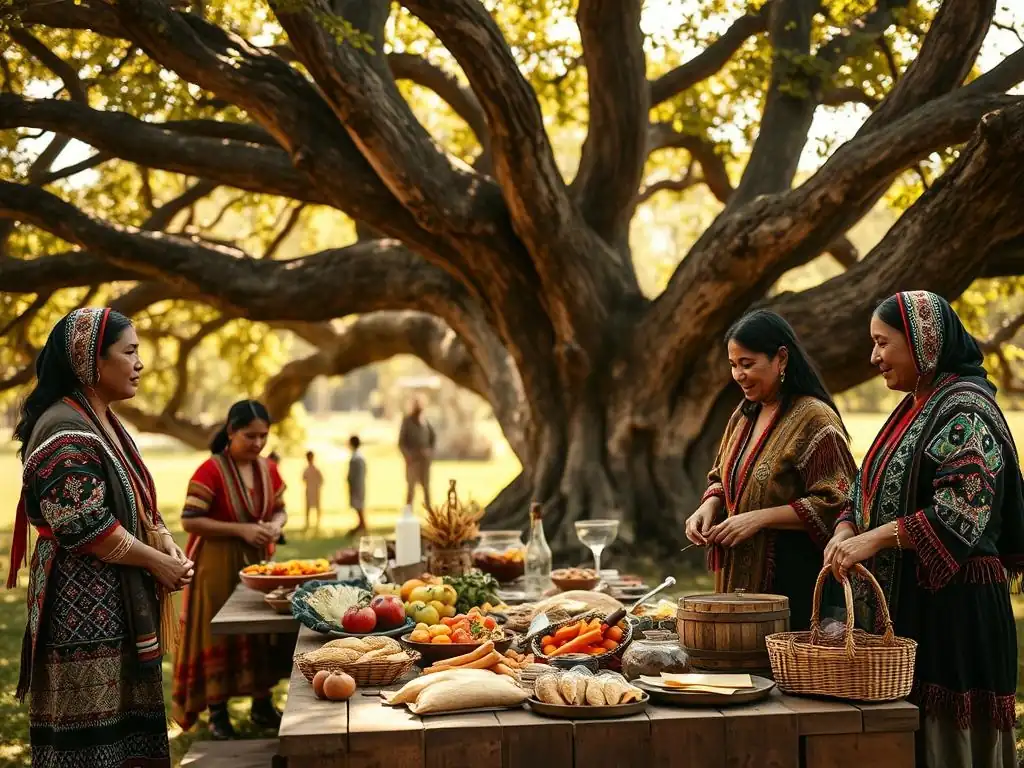
Food has always played a central role in the celebrations and rituals of Indigenous cultures across the Americas. These gatherings not only serve as opportunities to share meals but also act as vital expressions of identity, community, and spirituality. Through various ceremonies, Indigenous peoples honor their ancestors, recognize seasonal changes, and celebrate significant life events, all while embedding their culinary traditions into the fabric of these rituals.
Community Gatherings and Culinary Practices
Community gatherings are often marked by the sharing of traditional dishes that have been passed down through generations. These culinary practices vary widely among Indigenous groups, reflecting the diversity of ecosystems and cultural histories across the Americas. Common elements in these gatherings include:
- Feasting: Large communal meals often accompany festivals, harvests, and ceremonies. These feasts typically feature staple foods such as corn, beans, squash, and various meats, which are prepared using time-honored methods.
- Potlatches: In some Northwest Coast Indigenous cultures, potlatches serve as a form of redistribution and social status display, where lavish feasts are held to honor guests and share resources. The food shared during these events reinforces social bonds and community ties.
- Seasonal Festivals: Many Indigenous cultures celebrate the changing seasons with specific foods that are harvested or available at that time. For example, the celebration of the autumn harvest may feature dishes made from harvested corn and squash, symbolizing gratitude for the land's bounty.
These community gatherings reinforce the importance of food as a communal experience, fostering unity and connection among participants.
Indigenous women have historically played a pivotal role in shaping culinary traditions and practices within their communities. Their contributions extend beyond the kitchen, deeply intertwining with the rituals and ceremonies that honor the community's heritage. Key aspects of their involvement include:
- Cultural Preservation: Indigenous women are often the keepers of traditional recipes and cooking methods, ensuring that these practices are passed down through generations. They serve as educators, teaching younger women and children the significance of specific dishes and their preparation.
- Ceremonial Cooking: In many Indigenous cultures, women are primarily responsible for preparing the food for ceremonies and celebrations. This includes not only the physical act of cooking but also the spiritual preparation, where women often invoke blessings and intentions for the food being prepared.
- Symbolism of Ingredients: The foods chosen for ceremonies often carry significant cultural meanings. For instance, maize symbolizes life and sustenance in many Mesoamerican cultures. Women, as custodians of these meanings, ensure that traditional foods are connected to the spiritual and cultural narratives of their people.
Indigenous women’s influence on culinary traditions is profound and multifaceted, playing an essential role in both the preparation of food and the facilitation of cultural rituals. Their contributions ensure that the culinary heritage remains vibrant, relevant, and deeply connected to the community's identity and values.
Contemporary Impact of Indigenous Women on Culinary Traditions
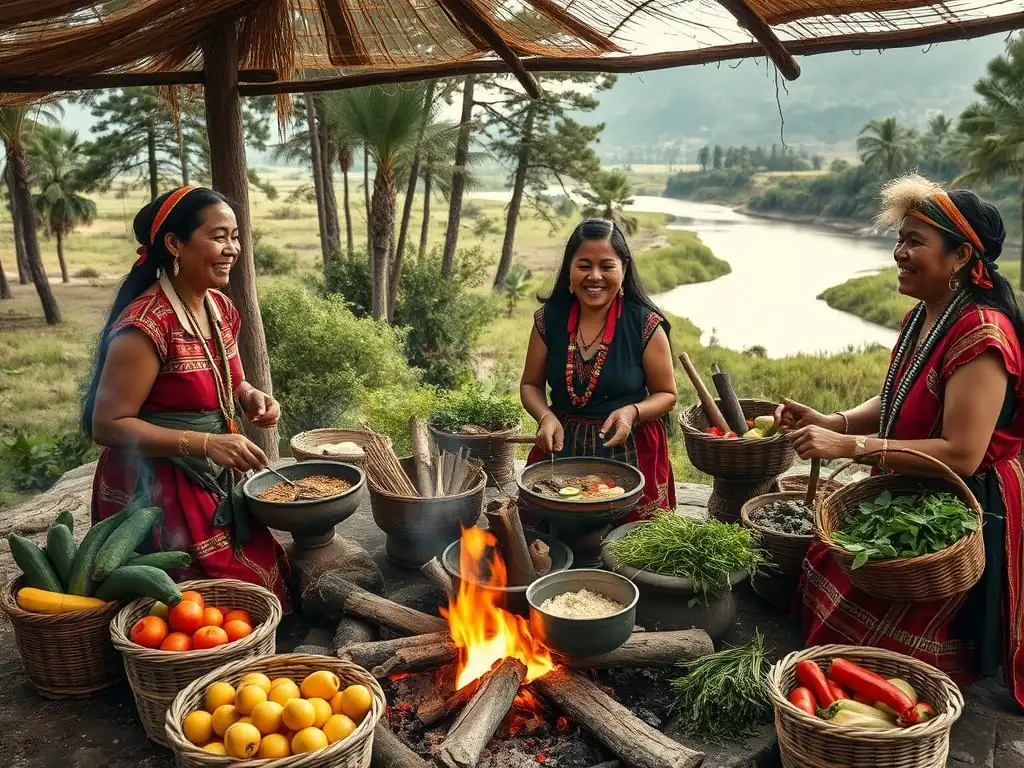
Indigenous women have played a pivotal role in shaping culinary traditions, both in their communities and in the broader culinary landscape. Their influence is evident not only in the preservation of traditional recipes but also in the innovation that blends ancient practices with contemporary culinary trends. This section explores how Indigenous women continue to impact culinary traditions today, focusing on the revitalization of traditional recipes and their influence on modern cuisine and cultural identity.
Revitalization of Traditional Recipes
The revitalization of traditional recipes is a vital aspect of Indigenous women’s contributions to culinary traditions. Many Indigenous communities have witnessed a resurgence in interest in traditional foods, driven largely by women who are passionate about preserving their heritage. This movement often involves:
- Community Workshops: Indigenous women organize workshops that teach younger generations how to prepare traditional dishes. These gatherings not only impart culinary skills but also serve as a forum for sharing stories, cultural practices, and the significance of certain foods within their communities.
- Foraging and Sustainable Practices: Women are often the custodians of knowledge regarding local flora and fauna. They lead initiatives that emphasize foraging for traditional ingredients, such as wild herbs, berries, and game, promoting sustainable practices that honor the land and its resources.
- Cookbooks and Documentation: Many Indigenous women have authored cookbooks that document traditional recipes along with their historical and cultural context. These books serve as educational tools for both Indigenous and non-Indigenous audiences, highlighting the importance of culinary heritage.
- Restoration of Heirloom Seeds: Women are increasingly involved in agricultural projects that focus on restoring heirloom seeds and traditional crops that have been integral to their diets for centuries. This not only supports food sovereignty but also ensures the continuation of traditional foodways.
The revitalization of these recipes not only strengthens community bonds but also fosters a deeper appreciation for Indigenous culinary practices among wider audiences.
Influence on Modern Cuisine and Cultural Identity
The influence of Indigenous women on modern cuisine is profound, as they bring unique flavors, techniques, and philosophies to contemporary culinary arts. This influence manifests in several ways:
- Culinary Fusion: Indigenous women chefs are at the forefront of culinary fusion, blending traditional ingredients with modern techniques. Dishes that incorporate Indigenous staples such as maize, beans, and squash are gaining popularity in fine dining and casual restaurants. For example, the use of native herbs in gourmet dishes not only enhances flavor but also introduces diners to the richness of Indigenous food culture.
- Cultural Identity and Representation: As chefs and food activists, Indigenous women are reclaiming their culinary heritage and asserting their identity in a society that often marginalizes Indigenous narratives. By showcasing traditional dishes at culinary events, they not only celebrate their heritage but also educate the public about the historical significance of these foods.
- Advocacy for Indigenous Rights: Many Indigenous women use their platforms to advocate for Indigenous rights, food sovereignty, and environmental issues. Through cooking demonstrations and public speaking, they raise awareness about the importance of preserving Indigenous food systems and the detrimental effects of colonization on these practices.
- Social Media and Culinary Influence: Social media has allowed Indigenous women to share their culinary traditions with a global audience. Platforms like Instagram and TikTok are used to showcase traditional cooking methods, modern adaptations, and the stories behind the dishes, creating a vibrant online community that celebrates Indigenous culinary arts.
The impact of Indigenous women on culinary traditions is multifaceted, encompassing the revitalization of traditional recipes and the influence on modern cuisine and cultural identity. Their contributions not only honor their ancestors but also pave the way for future generations to embrace and celebrate Indigenous culinary heritage.
Challenges Faced by Indigenous Women in Culinary Fields
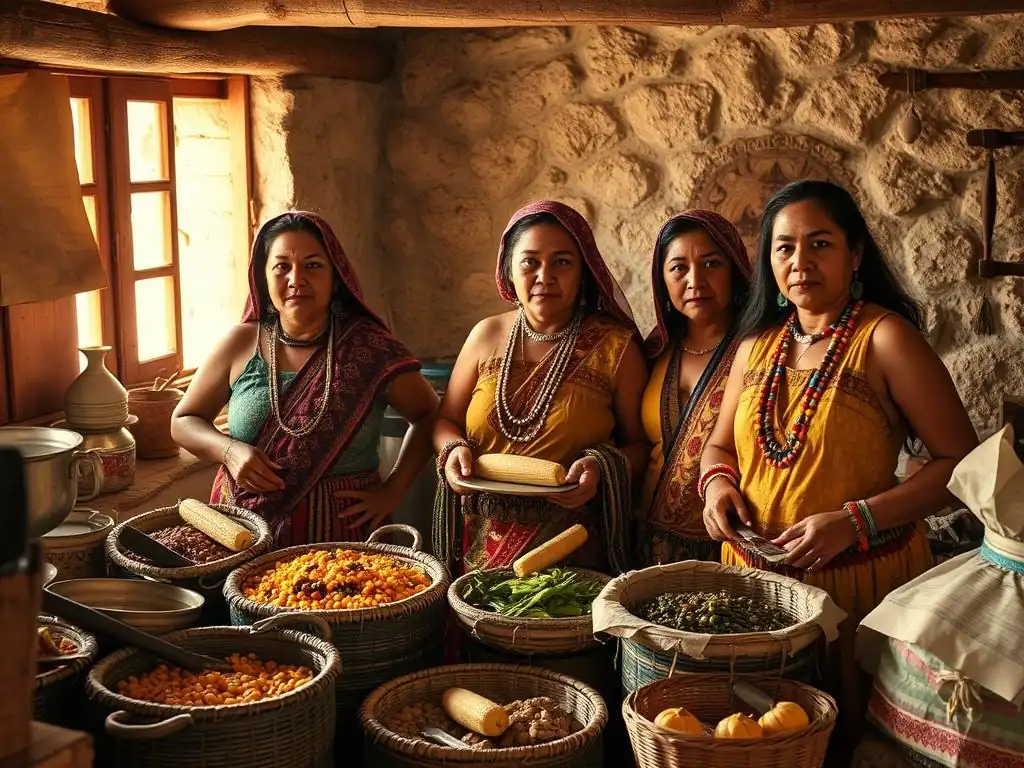
Indigenous women have played a pivotal role in shaping culinary traditions within their communities, but their contributions often remain unrecognized. Despite their deep knowledge of food systems, which includes foraging, farming, and traditional cooking methods, these women face numerous challenges in gaining acknowledgment and support for their culinary practices.
Barriers to Recognition and Support
Indigenous women confront several barriers that hinder their recognition in culinary fields, including:
- Lack of Representation: Indigenous women are frequently underrepresented in culinary institutions, competitions, and media. This lack of visibility limits opportunities for them to showcase their culinary skills and heritage.
- Cultural Appropriation: Many traditional recipes and cooking techniques have been appropriated without crediting their origins. This not only dilutes the cultural significance of these foods but also undermines the efforts of Indigenous women who have preserved these practices for generations.
- Limited Access to Resources: Many Indigenous communities lack access to essential resources such as funding, training, and infrastructure to support culinary enterprises. This can significantly impact Indigenous women’s ability to start businesses or participate in culinary events.
- Socioeconomic Factors: High rates of poverty and unemployment in many Indigenous communities can limit economic opportunities for women, affecting their ability to invest in culinary ventures or gain formal training.
- Stereotypes and Misconceptions: Indigenous women often face stereotypes that diminish their expertise and contributions. These misconceptions can discourage them from pursuing careers in culinary fields or sharing their knowledge publicly.
By addressing these barriers, there is potential for a resurgence of Indigenous women’s voices in the culinary landscape, allowing for a broader appreciation of their rich culinary traditions.
Efforts to Preserve Culinary Heritage
Despite the challenges they face, Indigenous women are at the forefront of efforts to preserve and revitalize culinary heritage. Their initiatives include:
- Community-Based Workshops: Many Indigenous women organize workshops to teach traditional cooking methods, gardening techniques, and foraging practices to younger generations. These workshops not only ensure the transmission of knowledge but also strengthen community bonds.
- Culinary Festivals and Events: Indigenous women are increasingly participating in and organizing culinary festivals that celebrate their food traditions. These events provide a platform for showcasing traditional dishes and connecting with a broader audience, thereby fostering appreciation and understanding of Indigenous cuisines.
- Collaborations with Chefs and Organizations: Some Indigenous women collaborate with non-Indigenous chefs and organizations to highlight their culinary heritage in broader culinary contexts. These partnerships can create opportunities for mentorship and skill-sharing while also raising awareness about Indigenous foodways.
- Documentation Projects: Efforts to document traditional recipes and cooking techniques through books, documentaries, and online platforms are gaining momentum. These projects preserve invaluable knowledge while also promoting Indigenous voices in the culinary narrative.
- Advocacy for Food Sovereignty: Many Indigenous women advocate for food sovereignty, emphasizing the importance of reclaiming traditional food systems and practices. This movement not only seeks to protect indigenous foodways but also addresses the broader issues of health and well-being within Indigenous communities.
These efforts are crucial in ensuring that Indigenous women’s culinary traditions are not only preserved but also celebrated, contributing to a richer understanding of the diverse culinary landscape of the Americas.
Conclusion: Honoring Indigenous Women in Culinary Traditions
The Lasting Legacy of Indigenous Women in Food Culture
Indigenous women have played a pivotal role in shaping culinary traditions across the Americas, contributing not only to the survival of their communities but also to the richness of global cuisine. Their contributions can be seen in various aspects of food culture, including the cultivation of crops, preparation of meals, and the transmission of culinary knowledge across generations.
For instance, many traditional ingredients, such as maize, beans, and squash—often referred to as the "Three Sisters"—were cultivated and nurtured by Indigenous women. These staples formed the backbone of numerous diets and are still celebrated in contemporary cooking. The practice of planting these crops together, which enhances their growth through mutual support, reflects the deep agricultural wisdom passed down through female lineages.
Moreover, Indigenous women have been the custodians of culinary techniques that define regional cuisines. From the intricate processes of making masa for tortillas to the art of smoking fish and drying meats, these methods are not merely practical; they embody cultural stories and practices that connect past and present. For example, the traditional practice of foraging for wild herbs and plants, which is often led by women, continues to influence the flavors of modern Indigenous dishes.
The legacy of Indigenous women in culinary traditions extends beyond the kitchen. Their leadership in community food systems and advocacy for food sovereignty has inspired movements that reclaim Indigenous foodways. Initiatives that focus on sustainable farming practices and the protection of traditional knowledge highlight the essential role of women in preserving these practices for future generations.
Call to Action for Recognition and Support of Indigenous Culinary Practices
Recognizing and supporting Indigenous women in culinary traditions is crucial for preserving the rich tapestry of diverse food cultures across the Americas. Here are some actionable steps that individuals and organizations can take to honor and uplift these vital contributions:
- Educate Yourself and Others: Take the time to learn about the specific culinary practices of various Indigenous groups. Share this knowledge within your community to raise awareness about the importance of Indigenous women in food traditions.
- Support Indigenous-Owned Businesses: Purchase food products and culinary items from Indigenous women and businesses. This not only helps sustain these enterprises but also promotes the visibility of Indigenous culinary practices in the marketplace.
- Participate in Local Events: Attend cultural events, workshops, and food festivals that feature Indigenous cuisines. Engaging with these experiences fosters appreciation and understanding of the culinary heritage.
- Advocate for Food Sovereignty: Support initiatives that aim to reclaim Indigenous food systems and promote sustainable agriculture. This advocacy can be a powerful way to honor the legacies of Indigenous women who have long been caretakers of their communities' food traditions.
- Engage in Conversations: Facilitate discussions about the importance of Indigenous women's roles in culinary traditions. This can include hosting community dialogues, cooking classes, or panel discussions that highlight their contributions and challenges.
By taking these steps, we can collectively honor the legacy of Indigenous women in culinary traditions and ensure that their invaluable knowledge and practices continue to thrive for generations to come.
Frequently Asked Questions
What role did Indigenous women play in culinary traditions?
Indigenous women were central to the development of culinary practices, often acting as primary caregivers and food producers, ensuring the transmission of culinary knowledge through generations.
How did cultural practices influence Indigenous culinary traditions?
Cultural practices, including ceremonies and rituals, deeply influenced Indigenous culinary traditions, integrating spiritual significance into food preparation and consumption, reflecting a connection to nature.
What types of ingredients were commonly used in Indigenous cooking?
Indigenous cooking featured a wide variety of local ingredients, such as corn, beans, squash, and various wild plants, which were essential for creating nutritious and sustainable meals.
How have women’s roles in culinary traditions evolved over time?
While Indigenous women originally held significant roles in food preparation, colonization and modernization have altered these roles, often leading to a reclamation of traditional practices as part of cultural resurgence.
Why is it important to recognize the contributions of Indigenous women in culinary history?
Recognizing the contributions of Indigenous women honors their heritage and acknowledges their vital role in shaping culinary traditions, which continue to influence contemporary cuisine and promote cultural identity.
Final Reflection: Celebrating the Legacy of Indigenous Women in Culinary Traditions
Indigenous women have been the backbone of culinary traditions, weaving their knowledge and practices into the fabric of our communities. Today, as we navigate a world increasingly disconnected from its roots, the wisdom and resilience of these women serve as a powerful reminder of the importance of cultural heritage and sustainability. Their contributions are not just historical footnotes; they are vital to understanding our contemporary food systems and fostering a deeper appreciation for the land and its resources.
The influence of Indigenous women on culinary traditions extends far beyond the kitchen; it resonates throughout our cultural and social landscapes. Their roles as caretakers of knowledge and custodians of food practices have shaped not only the dishes we enjoy but also the values we uphold in our communities. As we honor their legacy, we recognize that their teachings about respect for nature and communal sharing are more relevant than ever. Food is a way of connecting with our ancestors and our land; it is a living tradition that nourishes both body and spirit.
As we reflect on the lessons imparted by Indigenous women, let us commit to honoring their contributions by embracing and promoting these culinary traditions in our daily lives. Take a moment to explore your own culinary heritage, seek out Indigenous recipes, and share them with your community. By doing so, we not only celebrate the past but also ensure that these vital traditions continue to thrive for future generations. Together, we can cultivate a deeper understanding of our interconnectedness and foster a more inclusive and respectful food culture.
Celebrate and Support Indigenous Culinary Heritage!
Thank you for taking the time to explore the profound influence of Indigenous women on culinary traditions. Your interest underscores the importance of recognizing their contributions and the rich cultural tapestry they have woven. Now, let’s take meaningful steps together to honor and promote this heritage.
Here are a few ways you can help uplift Indigenous culinary traditions:
- Try a Traditional Recipe: Choose one of the traditional recipes you learned about in this article and create it at home. Share your experience with friends or family and introduce them to the flavors of Indigenous cuisine.
- Support Indigenous Chefs and Restaurants: Dine at or order from Indigenous-owned restaurants. This directly contributes to the community while allowing you to taste authentic dishes and learn more about their stories.
- Share Your Knowledge: Start a conversation with your network about Indigenous culinary traditions. Consider hosting a potluck featuring dishes inspired by these traditions to foster appreciation and awareness.
How can you integrate Indigenous culinary traditions into your own cooking or gatherings? Your thoughts and stories might inspire others!