
Ingenious Engineering: How Toltec Architecture Defied Time and Nature

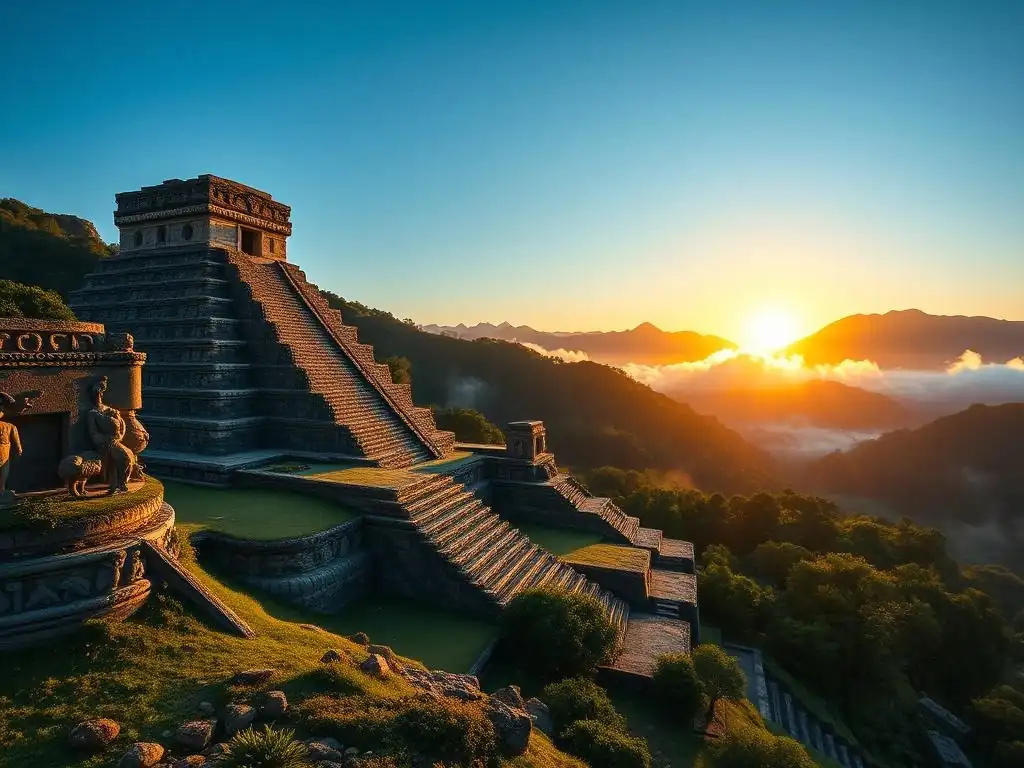
Welcome to Indigenous Civilizations of the Americas, where we embark on a fascinating journey through the rich tapestry of cultures that flourished long before European contact. Our exploration begins with the incredible story of the Toltec civilization, renowned for its architectural achievements that not only defied the challenges of time and nature but also showcased their ingenuity and artistry. What secrets lie within the ruins they left behind?
Join us as we delve deeper into the remarkable engineering feats of the Toltecs and uncover the lasting impact they had on the world around them. Your adventure into the past starts here!
Introduction to Toltec Architectural Achievements
The Toltec civilization, flourishing in central Mexico between the 10th and 12th centuries, is renowned for its remarkable contributions to architecture and engineering. This article delves into the Toltec architectural achievements, showcasing how their innovative designs and construction techniques not only reflect their artistic vision but also demonstrate a profound understanding of their environment. By examining the monumental structures and the cultural significance behind their creations, we can appreciate the Toltecs' lasting impact on subsequent Mesoamerican societies and their architectural legacy that continues to inspire awe today.
Overview of the Toltec Civilization
The Toltecs, often viewed as the cultural predecessors to the Aztecs, established a rich and complex society characterized by their advancements in various fields, including art, commerce, and religion. Centered in the city of Tula, the Toltec civilization is marked by its sophisticated urban planning and monumental architecture, which served not only as functional spaces but also as expressions of their cosmological beliefs and social hierarchies.
- Key Aspects of the Toltec Civilization:
- Time Period: 10th to 12th centuries
- Capital: Tula (Tollan)
- Cultural Influence: Precursor to the Aztec civilization
- Artistic Achievements: Notable for sculpture, pottery, and murals
Importance of Architecture in Indigenous Cultures
Architecture in indigenous cultures often transcends mere aesthetics; it embodies spiritual beliefs, social organization, and environmental adaptability. For the Toltecs, their architectural achievements were intrinsically linked to their worldview and served as a means of communicating their values and identity.
- Cultural Significance of Architecture:
- Spiritual Representation: Structures often aligned with celestial events
- Social Hierarchy: Public buildings reflected the power dynamics within society
- Environmental Harmony: Designs adapted to local climates and resources
Key Features of Toltec Architecture
Toltec architecture is distinguished by its unique characteristics that set it apart from other Mesoamerican architectural styles. Their structures are not only aesthetically pleasing but also ingeniously designed to withstand the test of time and the elements.
Unique Design Elements of Toltec Structures
Toltec architecture is marked by several distinctive elements that reflect both their artistic flair and functional needs.
- Key Design Features:
- Pyramidal Forms: Ascending structures often served religious purposes
- Colossal Statues: Monolithic stone figures, such as the Atlantean warriors at Tula
- Intricate Carvings: Depictions of deities and mythological themes
Materials Used in Toltec Construction
The choice of materials played a critical role in the durability and aesthetics of Toltec architecture.
- Common Materials:
- Stone: Primarily basalt and limestone, known for durability
- Adobe: Used in smaller structures, providing insulation
- Wood: Employed for roofing and decorative elements
Innovative Engineering Techniques
The engineering prowess of the Toltecs is evident in their construction methods, which reflected both innovation and a deep understanding of their environment.
- Engineering Techniques:
- Terracing: Utilization of sloped land for building stability
- Arched Structures: Early use of arches to enhance structural integrity
- Water Management: Advanced systems for irrigation and drainage
Through a comprehensive exploration of these aspects, we uncover the brilliance of Toltec architectural achievements and how they continue to resonate within the rich tapestry of indigenous civilizations in the Americas.
Major Toltec Architectural Sites
The Toltecs, known for their remarkable architectural achievements, left behind a legacy of monumental structures that continue to captivate historians and archaeologists alike. Among the most significant sites showcasing their ingenuity are Tula, the Pyramid of Quetzalcoatl, and the Atlantean Figures. These sites not only reflect the architectural prowess of the Toltecs but also serve as a testament to their cultural and spiritual beliefs.
Tula: The Heart of Toltec Civilization
Tula, located in the modern state of Hidalgo, Mexico, was the principal city of the Toltec civilization and serves as a vital archaeological site. Established around the 10th century, Tula was characterized by its impressive urban planning and monumental architecture. The city is best known for its grand pyramids, expansive plazas, and intricate stone carvings that depict various deities and warriors.
One of the most notable features of Tula is its layout, which follows a geometric design that highlights the Toltecs’ advanced understanding of urban design. The site includes the Templo de Tlahuizcalpantecuhtli, dedicated to the god of dawn, and the Templo de los Atlantes, which houses the iconic Atlantean figures. These monumental stone sculptures not only served as structural supports but also as representations of Toltec mythology and power.
The strategic location of Tula, situated along trade routes, allowed it to flourish economically and culturally, influencing neighboring regions. Tula’s architectural innovations, such as the use of columns and the integration of sculpture into architecture, set a precedent for subsequent Mesoamerican civilizations.
The Pyramid of Quetzalcoatl: Symbolism and Structure
The Pyramid of Quetzalcoatl, also known as the Temple of the Feathered Serpent, stands as one of the most iconic structures in Tula. This pyramid, which measures approximately 40 meters in height, is dedicated to Quetzalcoatl, the feathered serpent deity revered by the Toltecs and later by the Aztecs.
Architecturally, the pyramid showcases a unique combination of talud-tablero construction, a characteristic style where sloping walls (talud) are topped with vertical panels (tablero). This design not only added to the aesthetic appeal but also provided structural stability. The pyramid is adorned with intricate stone carvings and reliefs that depict Quetzalcoatl and various mythological motifs, emphasizing the spiritual significance of the structure.
The Pyramid of Quetzalcoatl served both as a religious center and a platform for rituals. Its grand scale and elaborate design reflect the Toltecs’ engineering skills and their deep connection to cosmological beliefs. The alignment of the pyramid with celestial events further illustrates the sophistication of Toltec astronomical knowledge.
Atlantean Figures: Engineering Marvels of Tula
The Atlantean Figures, colossal stone sculptures that stand guard over the Templo de los Atlantes, are among the most remarkable engineering feats of the Toltec civilization. These statues, each approximately 4.5 meters tall, represent warriors and are believed to symbolize the military strength and spiritual authority of the Toltec society.
Crafted from local basalt, the figures exhibit a high level of artistry and craftsmanship. The intricate details of their attire and weaponry provide insights into the martial culture of the Toltecs. The engineering behind these statues is equally impressive; the method of quarrying and transporting such heavy stones showcases the advanced techniques used by the Toltecs.
The placement of the Atlantean Figures atop the temple adds to their grandeur, as they overlook the ceremonial plaza below, reinforcing the connection between architecture and social hierarchy. These figures not only serve as architectural supports but also as powerful symbols of Toltec identity and resilience.
The Influence of Toltec Architecture on Later Cultures
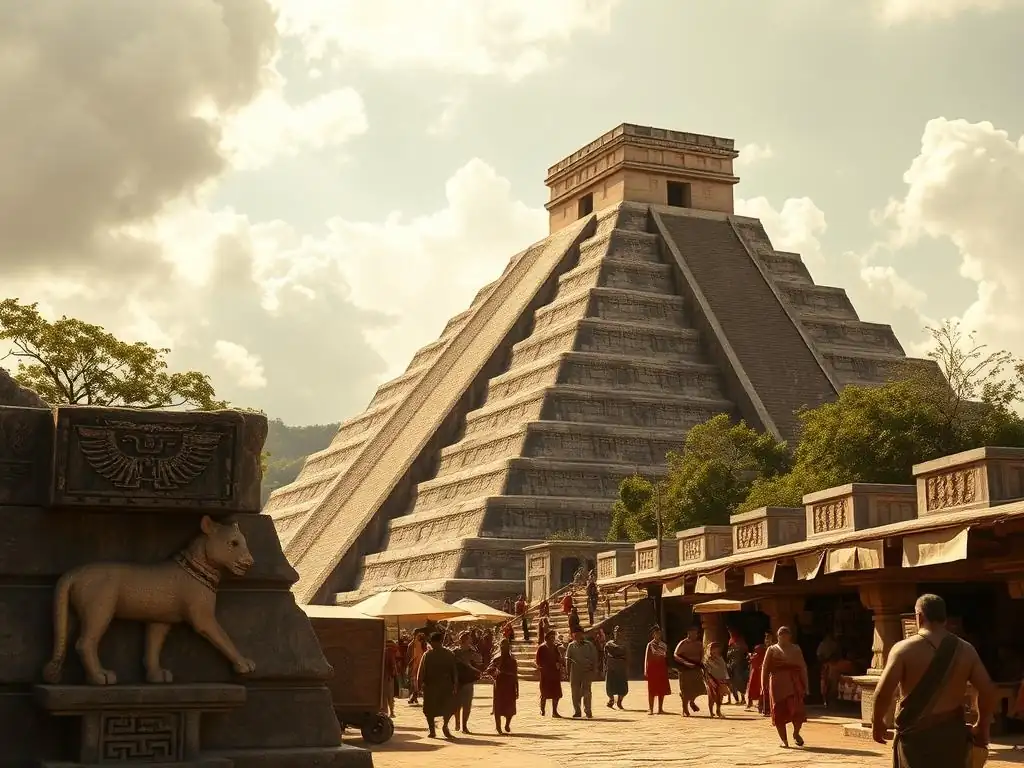
The influence of Toltec architectural achievements extends beyond their own civilization, significantly impacting subsequent cultures in Mesoamerica, particularly the Aztecs. The architectural innovations and stylistic elements developed by the Toltecs were assimilated and adapted by later societies, showcasing the enduring legacy of Toltec engineering.
Impact on Aztec Architecture
The Aztecs, who rose to prominence in the Valley of Mexico after the decline of the Toltec civilization, were heavily inspired by Toltec architectural styles. The Aztec capital, Tenochtitlan, incorporated elements of Toltec design, such as the use of pyramidal structures, ceremonial plazas, and intricate stone carvings.
One of the most notable examples of this influence is the Templo Mayor, the central temple of Tenochtitlan, which reflects the talud-tablero construction style first popularized by the Toltecs. The incorporation of motifs and deities revered by the Toltecs into Aztec architecture illustrates the continuity of cultural and religious practices in Mesoamerica.
The Aztecs also emulated the grandiosity of Toltec architecture, using expansive plazas and monumental structures to convey power and religious significance. This blending of styles helped to solidify the Toltecs' architectural legacy as a foundational element of Mesoamerican civilization.
Legacy in Mesoamerican Building Techniques
The architectural techniques developed by the Toltecs had a lasting impact on Mesoamerican building practices. Their innovations in urban planning, structural engineering, and decorative arts laid the groundwork for future civilizations. The use of local materials, such as stone and adobe, became standard practice, allowing for the construction of durable and visually striking structures.
Moreover, the Toltec emphasis on integrating architecture with cosmological and religious beliefs influenced the design of temples and ceremonial sites across Mesoamerica. This approach to architecture, which combined functionality with spiritual significance, became a hallmark of Mesoamerican design.
Overall, the Toltec architectural achievements not only showcased their ingenuity but also set a precedent for future civilizations, ensuring that their influence would be felt long after their decline. The enduring legacy of Toltec architecture continues to be a subject of study and admiration, reflecting the rich tapestry of indigenous cultures in the Americas.
Challenges Faced by Toltec Architects
Toltec architects encountered a myriad of challenges that tested their ingenuity and resilience. These obstacles stemmed from both natural and environmental factors, compelling them to devise innovative solutions that allowed their remarkable structures to endure through time. Acknowledging these challenges is crucial to understanding the depth of Toltec architectural achievements, as their responses not only showcase their skill but also reflect their profound connection to the land they inhabited.
Natural Disasters: Resilience in Design
The Toltec civilization, like many others in Mesoamerica, faced the threat of natural disasters, including earthquakes and flooding. These events posed significant risks to architectural stability and safety. In response, Toltec architects developed structures with flexible designs that could withstand seismic activity. For instance, they utilized a technique known as "floating foundations" which distributed weight evenly and provided stability during tremors. This innovative method allowed buildings to absorb shocks rather than crumble under pressure.
Additionally, the strategic placement of their structures in relation to the landscape mitigated the impact of natural disasters. By situating their cities on elevated terrains, such as the highlands of central Mexico, they reduced the risk of flood damage. These foresighted decisions exemplified the architects’ ability to integrate environmental awareness into their designs, ensuring that their constructions could endure the test of time and nature’s fury.
Environmental Factors: Adapting to the Landscape
The diverse and often harsh landscapes of Mesoamerica presented unique challenges that the Toltec architects had to overcome. They had to adapt their building techniques to the varied geography, which included mountainous regions, valleys, and arid areas. One key adaptation involved the use of local materials that were not only readily available but also suited to the environmental conditions.
For example, the Toltecs employed volcanic stone, abundant in the region, to construct enduring monuments and temples like the famous Tula. This stone was not only sturdy but also resistant to the elements, allowing the structures to last for centuries. Furthermore, the architects skillfully designed their buildings to optimize natural light and ventilation, enhancing comfort and functionality in a range of climatic conditions.
The integration of water management systems, such as aqueducts and reservoirs, also highlights their adaptability. These systems ensured a reliable water supply even in the arid seasons, demonstrating the Toltec commitment to sustainable living in harmony with their environment.
Conclusion: The Timelessness of Toltec Architectural Achievements
The architectural achievements of the Toltec civilization stand as a testament to their advanced engineering skills and resilience. Their ability to confront and overcome the various challenges posed by natural disasters and environmental factors is not just a reflection of their ingenuity but also an essential part of their cultural identity. The structures they built continue to inspire awe and admiration, showcasing the sophistication of Toltec society.
Lasting Impact on Indigenous Civilizations
The influence of Toltec architectural achievements can be seen across numerous subsequent indigenous civilizations. Their innovations in construction techniques and urban planning set a precedent for future societies, including the Aztecs, who adopted and adapted many aspects of Toltec architecture. This interconnectedness highlights the importance of the Toltec legacy in shaping Mesoamerican history and architectural practices.
Moreover, the endurance of Toltec structures serves as a cultural touchstone for contemporary indigenous peoples, reinforcing their historical narratives and identities. By studying and preserving these architectural marvels, modern societies can gain insight into the values and achievements of the Toltec civilization, fostering a deeper appreciation for indigenous heritage.
The Significance of Preserving Toltec Heritage
Preserving the architectural heritage of the Toltec civilization is vital not only for historical understanding but also for cultural continuity. These structures are more than mere remnants of the past; they embody the collective memory and identity of indigenous peoples. Efforts to maintain and restore these sites contribute to the resilience of modern indigenous communities, allowing them to honor their ancestors and pass down their legacy to future generations.
Furthermore, the study of Toltec architecture provides valuable lessons in sustainable building practices and environmental stewardship. As contemporary societies grapple with issues such as climate change and urbanization, the wisdom embedded in Toltec architectural designs can inform modern approaches to construction and urban planning. Thus, preserving Toltec heritage is not only an act of remembrance but also a pathway toward a more sustainable future.
- Introduction to Toltec Architectural Achievements
- Key Features of Toltec Architecture
- Major Toltec Architectural Sites
- The Influence of Toltec Architecture on Later Cultures
- Challenges Faced by Toltec Architects
- Conclusion: The Timelessness of Toltec Architectural Achievements
- What are the Toltec architectural achievements?
- How did the Toltec civilization influence later cultures?
- What materials were primarily used in Toltec architecture?
- Which sites are known for their Toltec architectural significance?
- How did the engineering techniques of the Toltecs differ from other civilizations?
Frequently Asked Questions
What are the Toltec architectural achievements?
The Toltec architectural achievements include remarkable structures such as pyramids, temples, and ball courts, showcasing their advanced engineering and artistic skills.
How did the Toltec civilization influence later cultures?
The Toltec civilization set a foundation for later cultures, particularly the Aztecs, who adopted many of their architectural styles and religious practices, demonstrating the cultural continuity in Mesoamerica.
What materials were primarily used in Toltec architecture?
Toltec architecture primarily utilized stone, adobe, and other local materials, allowing them to create durable structures that have withstood the test of time.
Which sites are known for their Toltec architectural significance?
Key sites such as Tula and Chichen Itza are renowned for their Toltec architectural significance, featuring iconic structures that highlight their engineering prowess and artistic expression.
How did the engineering techniques of the Toltecs differ from other civilizations?
The engineering techniques of the Toltecs were characterized by their use of precise alignments, innovative construction methods, and a deep understanding of local geology, setting them apart from many other contemporary societies.
Final Reflection: The Enduring Legacy of Toltec Architectural Achievements
The remarkable ingenuity of Toltec architectural achievements continues to resonate in today's world, reminding us of the profound connection between culture and innovation. As we explore the intricate designs and resilient structures crafted by the Toltecs, we uncover not only their technical prowess but also their deep understanding of the environment and community. This legacy serves as a powerful testament to the idea that architecture can transcend time and nature, leaving an indelible mark on future generations.
The influence of Toltec architecture is not merely a relic of the past; it actively shapes our cultural and social landscapes today. From sustainable building practices to the integration of art and functionality, the principles established by the Toltecs inspire contemporary architects and designers. As we strive for innovation in our own constructions, we can draw from the wisdom of those who came before us. Architecture is the learned game, correct and magnificent, of forms assembled in the light.
— Le Corbusier. This quote encapsulates the essence of how Toltec achievements continue to illuminate our understanding of architectural beauty and purpose.
As we reflect on the lessons embedded in Toltec architectural achievements, I invite you to consider how these principles can be applied in your own life. How can you incorporate resilience, creativity, and sustainability into your daily practices? Whether in your home, community projects, or personal endeavors, let the spirit of the Toltecs inspire you to build not just structures, but a legacy that honors both innovation and the environment. Embrace the challenge to create spaces that reflect your values and withstand the test of time, just as the Toltecs did centuries ago.
Unveil the Secrets of Toltec Design!
Thank you for taking the time to explore the incredible ingenuity behind Toltec architecture with us! You’ve gained fascinating insights into how these remarkable structures have stood the test of time, showcasing a perfect blend of creativity and resilience. Now, let’s put that inspiration into motion!
Here are some actionable steps you can take right now:
- Dive Deeper: Visit a local exhibit or museum that showcases Indigenous artifacts or architecture. Connecting with the past can deepen your appreciation for these ancient civilizations.
- Share the Inspiration: Discuss your newfound knowledge with friends or share it on social media. Spread the word about the brilliance of Toltec engineering!
- Get Creative: Design your own structure inspired by Toltec principles. Gather materials for a small model project to bring history into your own creative process.
What aspect of Toltec architecture surprised you the most, and how will that influence your view of modern engineering?