
The Impact of Trade Routes on Culinary Diversity Among Indigenous Nations

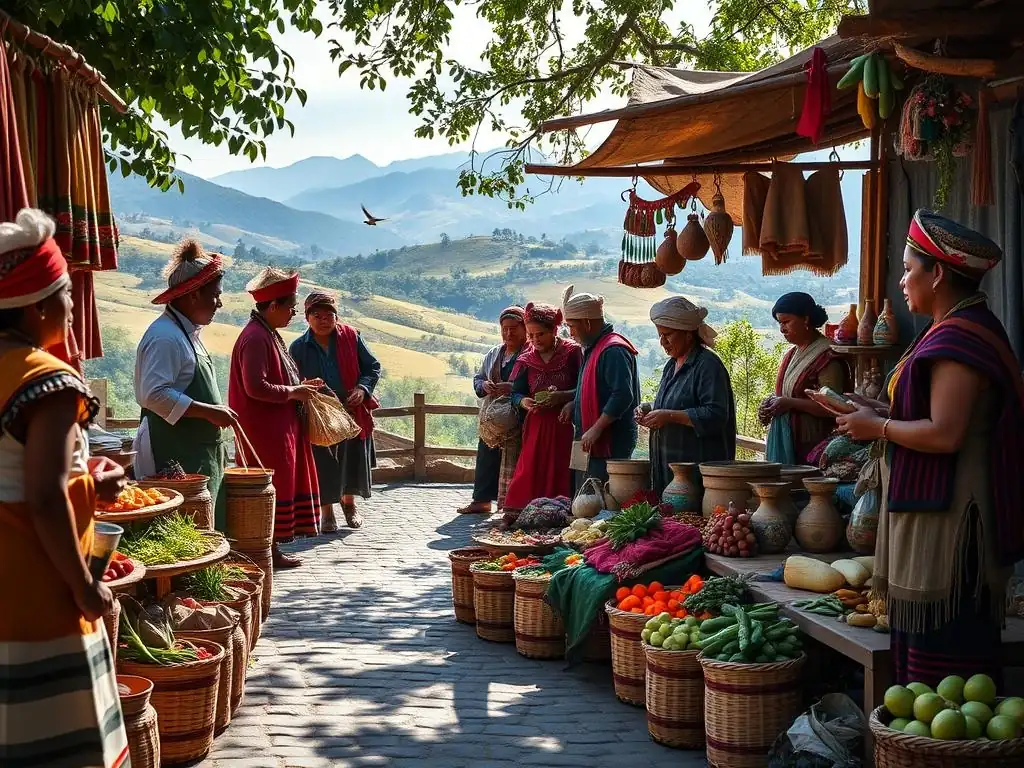
Welcome to Indigenous Civilizations of the Americas, where we take you on a journey through the rich tapestry of cultures that flourished long before the arrival of European settlers. Dive into our featured article, "The Impact of Trade Routes on Culinary Diversity Among Indigenous Nations," to uncover the fascinating indigenous culinary trade routes that not only shaped the diets of various communities but also fostered a remarkable exchange of ideas and traditions.
Prepare to be intrigued as we reveal how these ancient pathways contributed to the vibrant mosaic of flavors and practices that continue to influence modern cuisine. Explore with us and discover the legacies that resonate to this day!
Introduction to Indigenous Culinary Trade Routes
The intricate web of trade routes established by Indigenous nations across the Americas played a pivotal role in shaping their culinary diversity. Long before European colonization, these networks facilitated the exchange of not only goods but also cultural practices, agricultural knowledge, and culinary techniques. Indigenous culinary trade routes were the arteries of cultural exchange, allowing diverse societies to interact, adapt, and innovate in their food traditions. This article delves into the significance of these trade routes, exploring how they contributed to the rich tapestry of Indigenous cuisine, and highlights the lasting impact they have on contemporary culinary practices.
Definition of Indigenous Culinary Trade Routes
Indigenous culinary trade routes refer to the established paths and networks that Indigenous nations used to exchange food items, agricultural products, and cooking techniques. These routes were often linked to geographical features, such as rivers, mountains, and plains, which facilitated travel and trade. Through these routes, diverse Indigenous groups shared staple crops like maize, beans, and squash, as well as spices and herbs unique to their regions. The exchange of these culinary resources not only enriched diets but also fostered a sense of community and kinship among the various nations.
Importance of Trade Routes in Indigenous Cultures
The significance of trade routes in Indigenous cultures extends far beyond mere economics; they were integral to social, political, and cultural interactions. Trade routes facilitated:
- Cultural Exchange: Different groups shared their unique culinary practices and traditions, leading to the evolution of diverse food customs.
- Resource Sharing: Nations could obtain essential resources that may not have been available in their immediate environment, leading to a more varied diet.
- Strengthening Alliances: Trade often fostered alliances and relationships between different tribes, promoting peace and cooperation.
- Economic Stability: Successful trade relationships contributed to the economic well-being of communities, allowing them to thrive and sustain their populations.
Historical Context of Trade Routes in Indigenous Societies
The history of trade routes among Indigenous nations is rich and complex, reflecting the diverse geographies and cultures of the Americas. These routes were not static; they evolved over time in response to environmental changes, social dynamics, and technological advancements. Understanding this historical context is essential to appreciate the culinary diversity that emerged from these networks.
Major Trade Routes Across the Americas
Several key trade routes existed across the Americas, each influencing the culinary practices of the Indigenous nations involved:
- The Inca Road System: This extensive network in South America connected various regions, allowing for the exchange of crops like potatoes and quinoa.
- The Mississippi River Trade Network: This waterway served as a crucial artery for trade among various tribes in North America, facilitating the exchange of fish, game, and agricultural products.
- The Great Plains Trade Routes: Indigenous groups in this region traded buffalo meat and hides, as well as agricultural goods, fostering intertribal relationships.
Key Indigenous Nations and Their Trade Practices
Different Indigenous nations developed unique trade practices that reflected their cultures and environments. For example:
- The Pueblo Peoples: Known for their agricultural innovations, they traded corn and beans with neighboring tribes, exchanging their pottery and textiles in return.
- The Iroquois Confederacy: This alliance of tribes utilized their extensive trade network to exchange goods like maple syrup and tobacco, influencing culinary traditions across the northeastern United States.
- The Tlingit: In the Pacific Northwest, these coastal tribes traded fish and marine resources, which were essential to their diets and cultural practices.
By examining these elements, we can better understand the profound impact of Indigenous culinary trade routes on the rich and diverse food traditions of the Americas.
The Role of Trade in Culinary Diversity
Trade routes played a crucial role in shaping the culinary diversity among indigenous nations by facilitating the exchange of ingredients, techniques, and cultural practices. These trade networks were not merely pathways for economic transactions; they were also conduits for cultural exchange that enriched the diets and cooking methods of various indigenous groups.
The interconnectivity fostered by trade allowed communities to access a wider variety of food sources, which in turn influenced their culinary traditions and preferences. This exchange has left a lasting impact on the food systems of indigenous peoples, highlighting the significance of trade in the evolution of their cuisines.
Exchange of Ingredients and Flavors
The exchange of ingredients and flavors among indigenous nations was a fundamental aspect of their culinary diversity. For instance, the Mesoamerican trade routes enabled the flow of staple foods such as maize, beans, and squash, which are often referred to as the "Three Sisters." These ingredients were not only central to the diets of many indigenous peoples but also formed the basis of numerous recipes that showcased regional flavors.
Additionally, ingredients such as cacao, chilies, and tomatoes, which originated in the Americas, spread to various regions through trade. The introduction of these items allowed different cultures to experiment with new flavors and cooking methods, leading to the development of unique dishes that reflected a blend of influences. For example, the use of chili peppers in various cuisines transformed local dishes, adding heat and complexity that had not been previously experienced.
Influence of Trade on Cooking Techniques
As indigenous nations exchanged not just ingredients but also culinary techniques, trade routes significantly influenced cooking methods across regions. For example, the introduction of new cooking implements, such as pottery and stone tools, through trade allowed for different preparation methods like boiling, steaming, and baking.
Moreover, the fusion of techniques, such as the use of open-fire cooking combined with steaming methods from different indigenous communities, led to innovative culinary practices. This blending of styles contributed to the richness and diversity of indigenous cuisines, as communities adapted and integrated new techniques into their traditional practices. The result was a dynamic culinary landscape that reflected the interconnectedness of various indigenous cultures.
Case Study: The Pueblo Peoples and Their Trade Practices
The Pueblo peoples of the Southwestern United States provide a compelling case study of how trade routes influenced culinary practices. Historically, the Pueblo communities engaged in extensive trade with neighboring tribes, exchanging goods such as pottery, textiles, and food items. This trade allowed them to access ingredients that were not locally available, such as maize, beans, and various types of wild game.
The Pueblo peoples developed unique cooking methods, including the use of adobe ovens known as hornos, which were introduced through trade. These ovens allowed for the baking of bread and other foods, enhancing their culinary repertoire. Furthermore, the Pueblo peoples utilized trade networks to acquire spices and herbs that enriched their dishes, showcasing the impact of trade on their culinary diversity. This integration of external influences helped shape their identity and fostered a rich cultural heritage that is still celebrated today.
Impact of Geography on Culinary Traditions
Geography significantly influenced the culinary traditions of indigenous peoples by determining the types of ingredients available and the methods of preparation. The diverse landscapes of the Americas, ranging from coastal regions to mountainous areas, created distinct environments where various food sources thrived. This geographic diversity contributed to the development of unique culinary practices that reflected local resources and cultural preferences.
Regional Variations in Food Based on Trade Routes
Regional variations in food across different indigenous nations were often shaped by the trade routes that interconnected them. For instance, coastal tribes had access to a plethora of seafood, leading to a diet rich in fish, shellfish, and sea vegetables, while inland tribes relied heavily on hunting and agriculture, resulting in a diet centered around game and cultivated crops.
Trade routes enabled the exchange of these foodstuffs, introducing inland tribes to coastal ingredients and vice versa. The influence of such exchanges can be seen in dishes that incorporate both sea and land elements, showcasing the adaptability of indigenous culinary traditions. These regional variations highlight the dynamic nature of indigenous cuisines and their ability to evolve through trade and geographical influences.
How Geography Shaped Indigenous Culinary Practices
Geography not only dictated the availability of ingredients but also influenced the methods of food preparation and preservation. For example, in arid regions, indigenous peoples developed techniques for drying and preserving food, such as jerky-making, which allowed them to store meat for longer periods. In contrast, communities in wetter climates developed fermentation practices for preserving fish and vegetables.
Moreover, the geographic distribution of indigenous nations facilitated the exchange of knowledge about agricultural practices and cooking techniques, further diversifying culinary traditions. This exchange was essential for adapting to local environments and optimizing food production, ultimately shaping the culinary identity of each community. The interplay between geography and trade thus played a pivotal role in the evolution of indigenous culinary practices, creating a rich tapestry of flavors and techniques that continue to resonate today.
Cultural Significance of Culinary Exchange
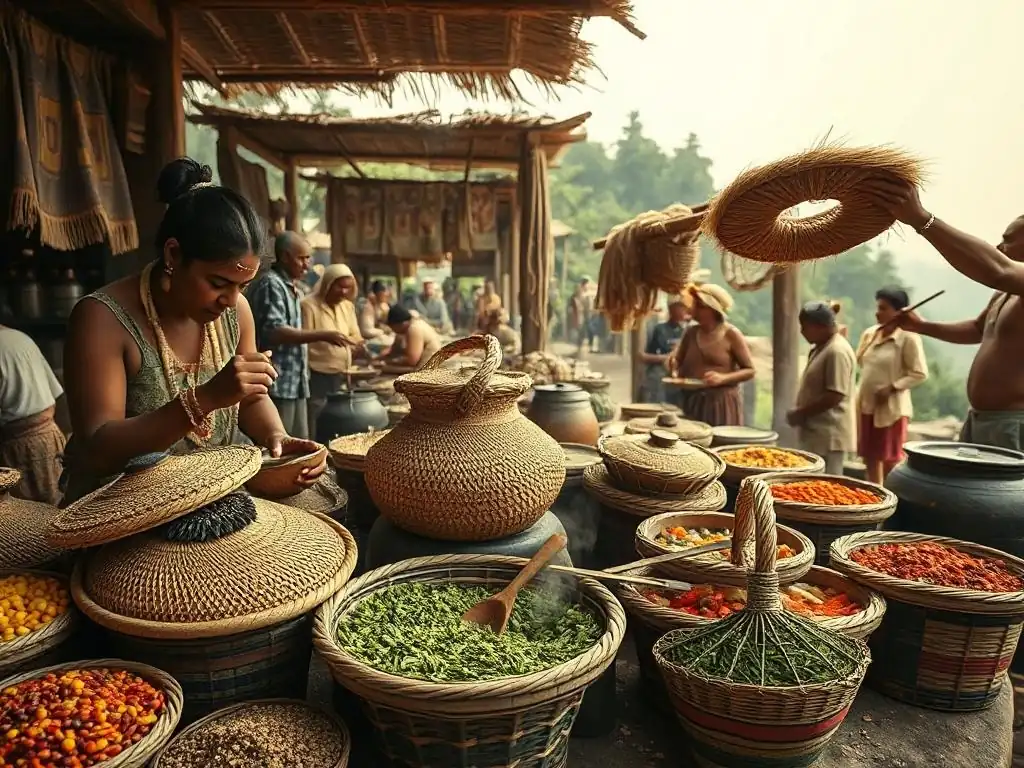
The exchange of culinary practices and ingredients along trade routes among Indigenous nations was not merely a matter of sustenance; it played a crucial role in shaping cultural identities and fostering community ties. Food acts as a medium through which traditions and values are transmitted across generations. In this context, culinary exchange can be seen as a vibrant tapestry that weaves together the stories, beliefs, and histories of various Indigenous groups.
Trade routes facilitated the movement of not only food items but also knowledge about cooking techniques, preservation methods, and agricultural practices. This exchange enriched the cuisines of Indigenous nations, allowing them to adapt and innovate based on the available resources and culinary influences they encountered. As a result, food became a powerful symbol of cultural resilience and adaptability, showcasing the ability of these communities to thrive in diverse environments.
Culinary Traditions as a Reflection of Identity
Indigenous culinary traditions are deeply intertwined with the cultural identities of various communities. The specific ingredients, preparation methods, and presentation styles reflect the unique histories and environments of each nation. For instance, the use of maize among Mesoamerican cultures is more than just a dietary staple; it embodies spiritual significance and cultural heritage, often featuring in rituals and ceremonies.
Moreover, the variations in culinary practices among different Indigenous groups highlight the diversity of cultural expressions. For example, the distinct ways of preparing fish among the coastal tribes of the Pacific Northwest differ significantly from the methods used by the tribes of the Great Lakes. These culinary differences serve as markers of identity, reinforcing a sense of belonging and continuity within communities.
Food has historically played a pivotal role in social and economic interactions among Indigenous nations. Culinary exchanges fostered relationships between different groups, promoting cooperation and alliance building. These interactions often took place at trading posts or during communal gatherings, where food acted as a catalyst for dialogue and collaboration.
The economy of many Indigenous nations was intricately linked to trade routes that facilitated the exchange of food items and culinary knowledge. For example, the trade of salt from the Great Salt Lake or dried fish from coastal areas created networks of interdependence that strengthened economic ties. This not only ensured food security but also supported the exchange of goods, cultural practices, and social norms, further enriching the culinary landscape of Indigenous nations.
Examples of Indigenous Culinary Trade Route Success Stories
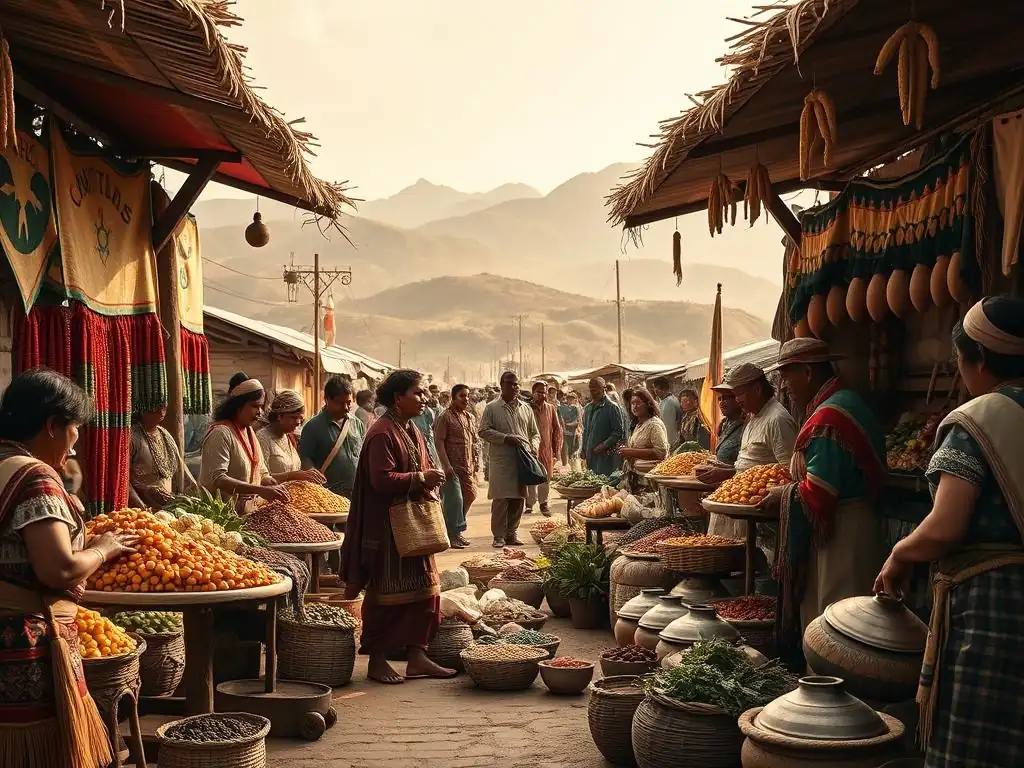
The impact of Indigenous culinary trade routes can be illustrated through various success stories that showcase the resilience and creativity of these communities. Trade routes led to the development of sophisticated food systems that adapted to changing environments and market demands.
One notable example is the extensive trade network of the Ancestral Puebloans, who exchanged corn, beans, and squash with neighboring tribes, leading to the establishment of rich agricultural practices. Similarly, the extensive trade routes of the Mississippian culture facilitated the spread of culinary practices and ingredients across the Southeast, creating a diverse and interconnected food culture.
Notable Ingredients Traded and Their Cultural Impact
Throughout history, several key ingredients have been traded among Indigenous nations, leaving a lasting cultural impact. Some of these notable ingredients include:
- Maize (Corn): Central to the diets of many Indigenous cultures, maize was traded widely and adapted into various dishes, from tortillas to polenta, reflecting the agricultural practices of different regions.
- Cacao: Highly valued by Mesoamerican civilizations, cacao was not only a food source but also a key component in ceremonial practices, symbolizing wealth and social status.
- Chiles: Integral to the cuisines of the Americas, chiles were traded for their flavor and preservative qualities, leading to the development of diverse spicy dishes across cultures.
These ingredients not only enhanced culinary diversity but also served as cultural symbols, representing the interconnectedness of Indigenous nations and their shared histories.
Celebrations and Festivals Highlighting Culinary Diversity
Many Indigenous communities celebrate their culinary diversity through festivals and communal gatherings that emphasize the importance of food in cultural identity. These events serve as platforms for showcasing traditional dishes, cooking techniques, and the stories behind them.
For instance, the Gathering of Nations festival in New Mexico features a cultural market where various Indigenous tribes come together to share their culinary traditions, from frybread to traditional stews. Similarly, the Powwow celebrations often include food as a central element, where communities gather to enjoy traditional dishes and reminisce about their culinary heritage.
These celebrations not only highlight the richness of Indigenous culinary practices but also reinforce social bonds within and between communities, fostering a sense of pride and continuity in their food traditions.
Challenges Faced by Indigenous Culinary Trade Routes
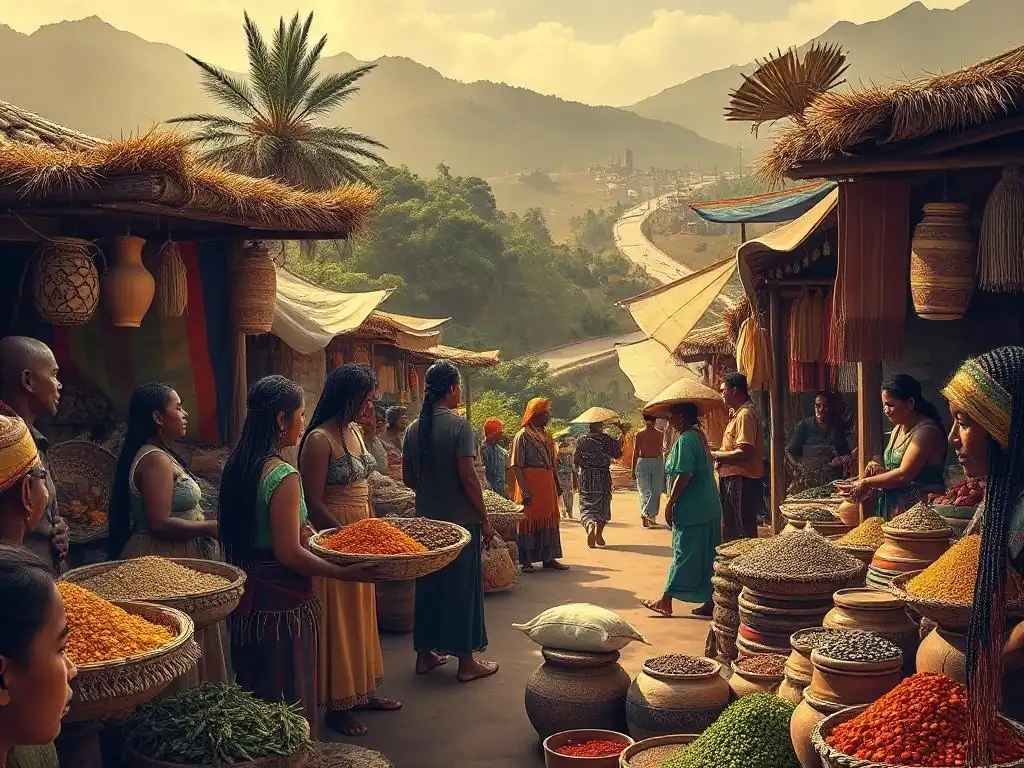
Indigenous culinary trade routes were not just pathways for the exchange of goods; they were essential veins connecting diverse cultures, ideas, and agricultural practices across vast landscapes. However, several challenges have hindered the full realization and continuity of these trade routes throughout history.
One of the most significant challenges has been the impact of colonization. European expansion not only disrupted indigenous lifestyles but also dismantled established trade networks. The introduction of new policies and land ownership systems often marginalized indigenous traders, pushing them out of their traditional roles and restricting their ability to engage in commerce. Additionally, diseases brought by Europeans decimated indigenous populations, leading to a drastic reduction in the workforce that supported these trade systems.
Another challenge has been the environmental impact of climate change and industrialization. Many traditional crops that thrived in specific regions faced extinction or decline due to altered climates and land-use practices. This not only affected the availability of ingredients but also diminished the cultural significance of certain foods that were integral to indigenous identities.
Finally, globalization has introduced a homogenized food culture that often overshadows local culinary traditions. As fast food and processed foods have become prevalent, indigenous culinary practices and their unique trade routes face the risk of being forgotten or overshadowed by mainstream diets.
Effects of Colonization on Trade Networks
The effects of colonization on indigenous culinary trade networks were profound and multi-faceted. Initially, colonizers disrupted existing trade routes by imposing new territorial boundaries. This fragmentation made it difficult for indigenous peoples to maintain intertribal relationships that were essential for the exchange of goods such as spices, grains, and other traditional foods.
Moreover, colonization introduced foreign agricultural practices and crops, which often replaced indigenous varieties. For instance, the introduction of European crops like wheat and sugar changed local agricultural practices and dietary preferences, thereby undermining traditional food sovereignty. The focus on cash crops for export also led to a decline in the cultivation of indigenous staple foods, altering local diets and availability.
The impact of colonization extended beyond trade; it also involved a cultural imposition where European culinary practices were favored over indigenous ones. This shift not only led to the loss of traditional recipes but also contributed to a broader cultural erasure, as the knowledge surrounding indigenous culinary practices was not passed down through generations.
Modern Implications for Indigenous Culinary Traditions
Today, the implications of historical disruptions to indigenous culinary trade routes are still evident. Many indigenous communities are grappling with the loss of traditional knowledge related to food production, preparation, and trade. The disconnection from their culinary heritage has led to a decline in dietary diversity and an increase in health issues such as obesity and diabetes, which are often linked to the consumption of processed foods.
Moreover, the commodification of indigenous foods in modern markets has created a paradox. While there is a growing interest in "native" ingredients and sustainable practices, this interest can sometimes exploit indigenous cultures without providing equitable benefits to the communities themselves. As a result, many indigenous peoples are advocating for the recognition of their culinary rights and the importance of traditional food systems in fostering cultural identity and resilience.
Despite these challenges, there is a burgeoning movement among indigenous communities to reclaim their culinary heritage. This revival is not only focused on rediscovering traditional recipes but also on re-establishing trade routes that honor ancestral practices and promote food sovereignty.
Revitalization of Indigenous Culinary Trade Routes Today
Revitalization of indigenous culinary trade routes is gaining momentum as communities seek to reconnect with their heritage and embrace sustainable practices. This movement is characterized by a growing awareness of the importance of indigenous knowledge in fostering culinary diversity and resilience against global homogenization.
Efforts to revive these routes often include the reintroduction of traditional crops and cooking methods. Many indigenous communities are working to reclaim heirloom seeds and promote biodiversity by cultivating plants that have cultural significance. This not only enhances food security but also strengthens cultural identity tied to specific agricultural practices.
Furthermore, collaborations between indigenous peoples and local farmers' markets have emerged, allowing for the exchange of traditional foods and recipes. These initiatives help to bridge the gap between indigenous culinary practices and contemporary food culture, thereby re-establishing trade routes based on mutual respect and recognition of indigenous contributions.
Contemporary Efforts to Reestablish Trade Practices
Contemporary efforts to reestablish indigenous culinary trade practices are varied and innovative. Many indigenous communities are leveraging technology and social media to promote their culinary heritage and connect with broader markets. Online platforms allow for the sharing of traditional recipes and ingredients, fostering a renewed interest in indigenous foods.
Moreover, organizations dedicated to indigenous food sovereignty are facilitating workshops and training programs that educate community members about traditional food systems, gardening, and cooking techniques. These initiatives not only empower individuals with knowledge but also encourage communal participation in reviving culinary practices that have been lost or forgotten.
Some indigenous chefs are also playing a crucial role in these efforts by highlighting traditional ingredients in modern culinary contexts. By incorporating indigenous foods into contemporary menus, they not only celebrate their heritage but also create a demand for native ingredients, thereby reinforcing the importance of culinary trade routes.
The Role of Indigenous Chefs in Promoting Culinary Heritage
Indigenous chefs are at the forefront of promoting culinary heritage through their innovative approaches to traditional cooking. They serve as cultural ambassadors, showcasing indigenous flavors and techniques while educating the public about their significance and history.
These chefs often emphasize the use of locally sourced ingredients, many of which have been historically traded among indigenous nations. By doing so, they not only elevate the status of these ingredients but also highlight their cultural importance and the stories behind them. This approach fosters a deeper appreciation for indigenous culinary practices and encourages consumers to support local food systems.
In addition to their culinary contributions, many indigenous chefs are involved in advocacy work aimed at preserving food sovereignty and encouraging sustainable practices. They collaborate with agricultural programs to support the cultivation of traditional crops and promote the importance of biodiversity in food production.
Through their culinary creations and community engagement, indigenous chefs are revitalizing interest in indigenous culinary trade routes, educating others about their rich culinary heritage, and ensuring that these traditions endure for future generations.
Conclusion: The Lasting Impact of Trade Routes on Indigenous Culinary Diversity
The intricate web of trade routes established by Indigenous nations across the Americas played a pivotal role in shaping culinary diversity. These routes facilitated not only the exchange of goods but also the sharing of agricultural practices, cooking techniques, and cultural traditions. As a result, Indigenous culinary traditions became a rich tapestry woven from the diverse influences encountered through trade.
Foods such as corn, beans, and squash, which later became staples, were disseminated along these trade networks, leading to regional adaptations and innovations that enriched the diets and culinary practices of various tribes. The blending of flavors and cooking styles fostered by these interactions highlights the dynamic nature of Indigenous food systems, which were not static but rather continually evolving in response to new influences.
Moreover, the impact of these trade routes extends beyond mere ingredients; they also fostered community relationships and cultural exchange. By collaborating through trade, various Indigenous nations were able to strengthen alliances, share knowledge, and promote mutual understanding. The culinary practices that emerged from these interactions reflect the interconnectedness of these societies and their ability to adapt and thrive in diverse environments. Today, the legacy of these trade routes can be seen in the continued celebration and revitalization of Indigenous cuisines, which serve as a testament to their resilience and creativity.
Summary of Key Points
- Culinary Exchange: Indigenous culinary trade routes were instrumental in the exchange of diverse ingredients and cooking techniques across different cultures, leading to a rich culinary diversity.
- Cultural Interconnectedness: These trade networks facilitated not only the trade of goods but also the forging of cultural relationships, enhancing social cohesion among Indigenous nations.
- Adaptation and Innovation: The blending of culinary traditions through trade led to regional variations and innovations, showcasing the adaptability of Indigenous food systems.
- Legacy of Trade Routes: The ongoing appreciation and revitalization of Indigenous culinary practices today underscore the lasting impact of historical trade routes on contemporary food traditions.
Final Thoughts on the Importance of Preserving Indigenous Culinary Traditions
Preserving Indigenous culinary traditions is not merely about maintaining recipes or cooking methods; it is about honoring and acknowledging the rich histories, cultural identities, and values of Indigenous peoples. These culinary practices are deeply intertwined with their environmental knowledge, agricultural practices, and community life. By valuing and promoting Indigenous cuisines, we contribute to the broader efforts of cultural preservation and recognition of Indigenous rights.
As we navigate the complexities of globalization and homogenization of food systems, it becomes increasingly important to support Indigenous communities in their culinary endeavors. This can be achieved through initiatives that promote local food sovereignty, encourage the use of traditional ingredients, and create platforms for Indigenous chefs and food artisans to share their knowledge and creativity.
Preserving these culinary traditions not only enriches our global food culture but also fosters respect, understanding, and appreciation for the diverse Indigenous nations that have shaped the Americas long before colonization. Ultimately, recognizing the impact of Indigenous culinary trade routes is a crucial step in celebrating the vibrant and diverse tapestry of Indigenous cultures and their contributions to humanity's culinary heritage.
- Introduction to Indigenous Culinary Trade Routes
- Historical Context of Trade Routes in Indigenous Societies
- The Role of Trade in Culinary Diversity
- Impact of Geography on Culinary Traditions
- Cultural Significance of Culinary Exchange
- Culinary Traditions as a Reflection of Identity
- Role of Food in Social and Economic Interactions Among Nations
- Examples of Indigenous Culinary Trade Route Success Stories
- Notable Ingredients Traded and Their Cultural Impact
- Celebrations and Festivals Highlighting Culinary Diversity
- Challenges Faced by Indigenous Culinary Trade Routes
- Revitalization of Indigenous Culinary Trade Routes Today
- Conclusion: The Lasting Impact of Trade Routes on Indigenous Culinary Diversity
Frequently Asked Questions
What are indigenous culinary trade routes?
Indigenous culinary trade routes refer to the networks established by Native American tribes that facilitated the exchange of food items, cooking techniques, and culinary practices among different cultures before European colonization.
How did trade routes influence culinary diversity?
Trade routes allowed for the exchange of ingredients and cooking methods, leading to a rich tapestry of culinary diversity as various indigenous nations integrated each other's foods into their own traditions.
What are some notable achievements of indigenous culinary practices?
Indigenous culinary practices are marked by their sustainable agriculture, use of native plants, and the development of unique dishes that reflect the environment and traditions of specific regions.
Why is understanding indigenous trade routes important today?
Studying these trade routes helps us appreciate the cultural heritage of indigenous peoples and their significant contributions to culinary arts, which continue to influence modern cuisine.
How can I learn more about indigenous trade and culinary practices?
You can explore resources such as books, documentaries, and websites like "Indigenous Civilizations of the Americas" that offer comprehensive insights into the diverse cultures and their culinary legacies.
Final Reflection: The Culinary Tapestry of Indigenous Trade Routes
The exploration of Indigenous culinary trade routes reveals a profound connection between culture, identity, and the exchange of flavors that continues to resonate today. As we navigate a globalized world, the significance of these ancient pathways becomes increasingly relevant, reminding us of the rich tapestry woven by diverse culinary traditions. The impact of these trade routes is not merely historical; it shapes our contemporary understanding of food as a vehicle for cultural expression and community bonding.
The legacy of Indigenous culinary trade routes is a testament to the resilience and adaptability of cultures, influencing not only local cuisines but also the broader culinary landscape. These routes facilitated the exchange of ingredients, techniques, and stories, fostering a sense of unity among diverse nations. As we reflect on this ongoing influence, we are reminded of the words of culinary historian Michael Twitty: Food is the most intimate expression of culture; it is the language of our ancestors.
This sentiment underscores the importance of recognizing and honoring the culinary traditions that have been passed down through generations, enriching our collective heritage.
As we conclude this exploration, I invite you to reflect on the culinary journeys that shape your own identity and community. Consider how you can honor and celebrate the diverse flavors that surround you, perhaps by seeking out local Indigenous cuisines or engaging with the stories behind the dishes you enjoy. Let us embrace the lessons of the past and commit to preserving and promoting the culinary diversity that enriches our lives, ensuring that the legacy of Indigenous trade routes continues to thrive in the future.
Unveil the Flavors of Culinary Diversity!
Thank you for diving into the rich tapestry of culinary traditions shaped by trade routes among Indigenous Nations. You’ve explored how these connections have influenced flavors, ingredients, and cooking techniques across various cultures. Now, it’s time to take what you’ve learned and put it into action!
Here are some specific steps you can take:
- Try your hand at a traditional dish from an Indigenous community featured in the article. Explore local ingredients and share your culinary creations with friends or family!
- Join a local cultural event or workshop focused on Indigenous cuisines to deepen your understanding and appreciation. Connect with others and learn new recipes firsthand.
- Share your newfound knowledge! Discuss what you’ve learned about culinary diversity with your social circles on social media using #IndigenousCulinaryJourney to spark conversations and raise awareness.
What dish or ingredient are you most excited to explore that has been influenced by these historic trade routes? Share your thoughts in the comments below!