
From Corn to Cacao: The Staples of Mayan Culinary Heritage

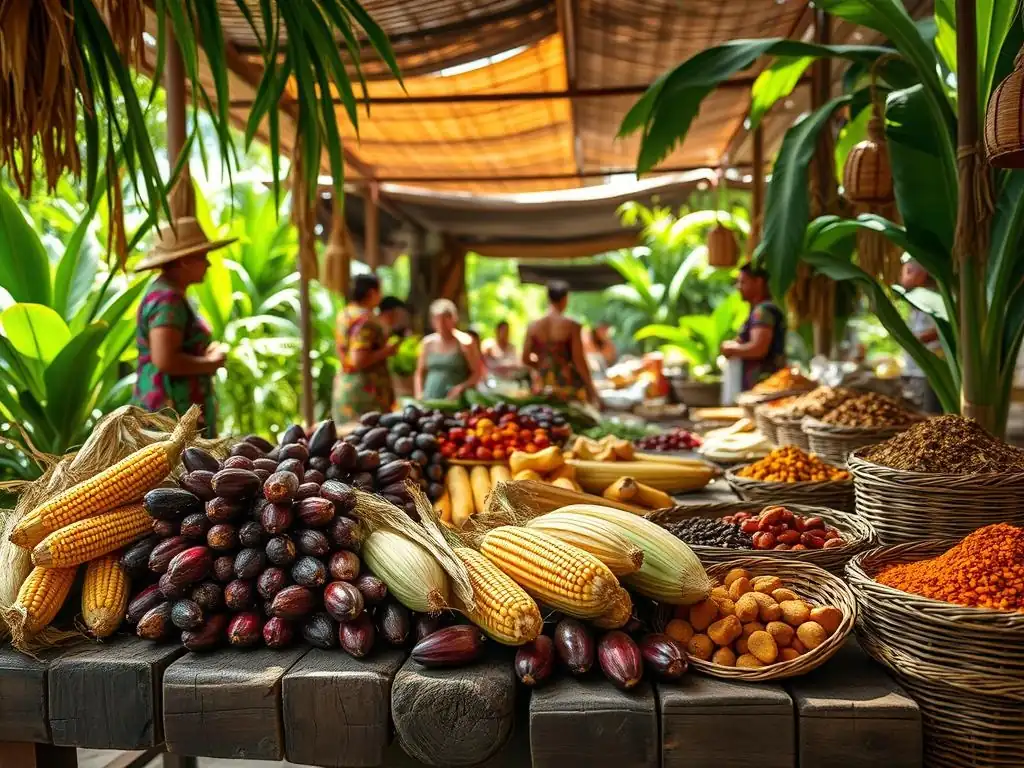
Welcome to Indigenous Civilizations of the Americas, where we delve into the rich tapestry of the diverse indigenous cultures that flourished long before European colonization. Prepare to embark on a journey through time as we explore the remarkable achievements and enduring legacies of these vibrant societies. In our featured article, "From Corn to Cacao: The Staples of Mayan Culinary Heritage," we invite you to uncover the fascinating Mayan culinary traditions and ingredients that not only shaped their daily lives but also continue to influence cuisines today.
Let your curiosity lead you as you discover the flavors, rituals, and stories woven into the very fabric of Mayan culture. Dive in and uncover the secrets behind these ancient culinary practices!
- Introduction to Mayan Culinary Traditions and Ingredients
- Key Ingredients in Mayan Culinary Traditions
- Traditional Mayan Dishes Featuring Key Ingredients
- Modern Interpretations of Mayan Culinary Traditions
- Conclusion: The Lasting Impact of Mayan Culinary Traditions
- Additional Resources for Exploring Mayan Culinary Traditions
- Frequently Asked Questions
- Final Reflection: Embracing the Richness of Mayan Culinary Traditions
- Savor the Flavors: Connect with Mayan Culinary Traditions!
Introduction to Mayan Culinary Traditions and Ingredients
Mayan culinary traditions and ingredients represent a vibrant tapestry of flavors, techniques, and cultural significance that have evolved over centuries. Long before European colonization, the Maya civilization thrived in what is now Mexico, Guatemala, Belize, and parts of Honduras and El Salvador.
The Mayans developed complex agricultural systems, cultivating a variety of staples that not only sustained their communities but also played a central role in their cultural and spiritual practices. This article will delve into the essential ingredients that defined Mayan cuisine, with a particular focus on staples such as corn and cacao, and explore their profound impact on both the culinary landscape and the broader cultural identity of the Maya.
Overview of the Importance of Mayan Cuisine
Mayan cuisine is much more than just food; it is a reflection of the Maya's rich history, social structures, and interactions with the environment. The food not only nourished the body but also served as a medium for socialization and cultural expression. Key elements that highlight the importance of Mayan cuisine include:
- Cultural Identity: Food is a significant marker of identity among the Maya. Traditional dishes often carry historical and familial ties that have been passed down through generations.
- Spiritual Significance: Many ingredients and dishes are deeply intertwined with Mayan rituals and beliefs, showcasing the spiritual connection the Maya have with their food.
- Biodiversity: The use of diverse ingredients reflects the ecological richness of the regions inhabited by the Maya, showcasing their agricultural ingenuity and knowledge of local flora.
The Role of Staples in Mayan Food Culture
Staples such as corn, beans, and cacao play a pivotal role in the dietary practices and food culture of the Mayan people. Each staple not only provides essential nutrients but also embodies unique cultural stories and traditions. Here's a closer look at these staples:
- Corn (Maize): Arguably the most vital of all Mayan staples, corn is deeply rooted in Mayan mythology and daily life. It is used in various forms, from tortillas to tamales, and is often considered sacred. The preparation of corn involves traditional methods such as nixtamalization, which enhances its nutritional value and flavor.
- Beans: Often paired with corn, beans are a rich source of protein that complements the Mayan diet. Varieties like black beans and red beans are commonly used in various dishes, contributing to the nutritional balance essential for the community's health.
- Cacao: Once used as currency and integral to rituals, cacao is revered in Mayan culture. The preparation of chocolate drinks, often flavored with spices like chili and vanilla, exemplifies the sophisticated culinary practices of the Maya. Cacao's significance extends beyond nutrition; it symbolizes wealth and social status in Mayan society.
The staples of Mayan culinary traditions not only satiate hunger but also narrate the story of a civilization that harmonized food with its cultural and spiritual ethos. Understanding these ingredients allows us to appreciate the depth and richness of Mayan cuisine, which continues to influence contemporary culinary practices in the region.
Key Ingredients in Mayan Culinary Traditions
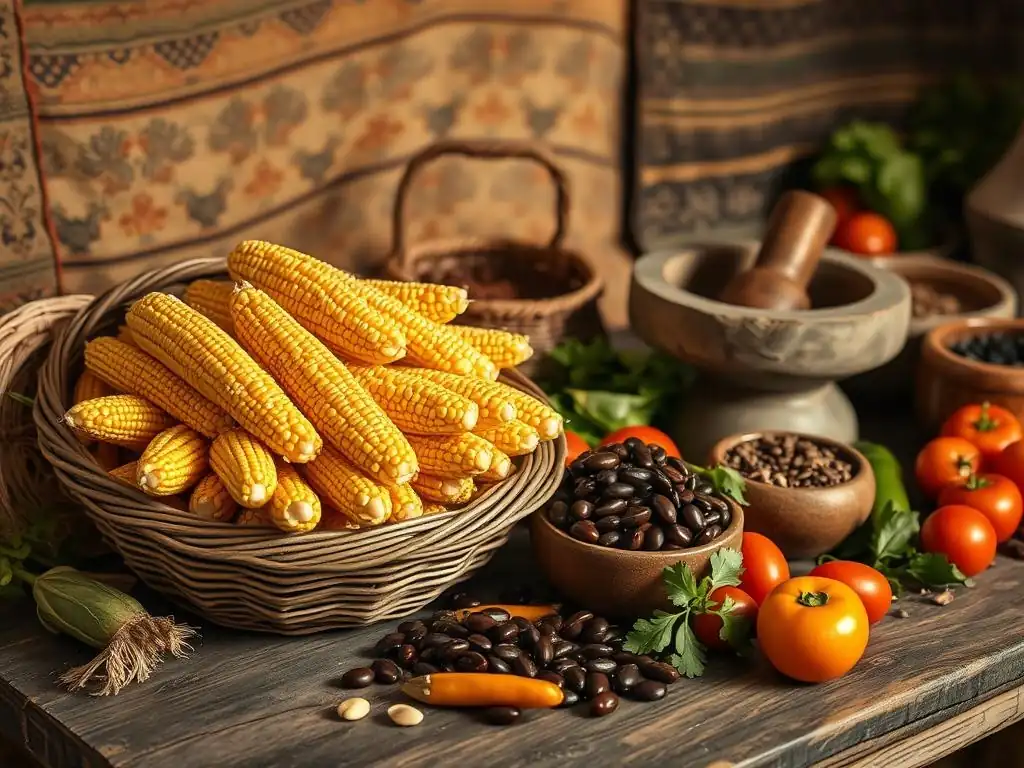
Mayan culinary traditions and ingredients are deeply rooted in the culture and history of the Maya civilization. Two of the most essential components that shape these traditions are corn and cacao. These ingredients not only serve as staples in their diet but also carry significant cultural and spiritual meanings, reflecting the Mayans' relationship with their environment.
Corn: The Foundation of Mayan Cuisine
Corn, or maize, is often regarded as the cornerstone of Mayan culinary traditions. It is more than just a food source; it is a symbol of life, sustenance, and community.
Historical Significance of Corn in Mayan Society
The Mayans revered corn, considering it a gift from the gods. According to their mythology, humans were created from maize dough, making it a sacred ingredient. Corn played a pivotal role in their agricultural practices, with extensive cultivation techniques that included crop rotation and the use of milpas (swidden fields) to sustain their communities.
The significance of corn extended beyond mere sustenance; it was integral to various rituals and ceremonies. For example, the planting and harvesting of corn were celebrated with festivals, reflecting the communal ties and cultural identity of the Maya. The Maya also utilized corn in their cosmology, viewing it as a symbol of abundance and fertility.
Varieties of Corn Used in Traditional Dishes
The Mayans cultivated several varieties of corn, each with unique flavors and textures, tailored to different culinary applications. Some notable varieties include:
- White Corn: Commonly used for making tortillas, tamales, and various snacks.
- Yellow Corn: Often reserved for preparing traditional dishes such as pozole, a hearty hominy soup.
- Blue Corn: Valued for its nutty flavor, this variety is used in dishes like blue corn tortillas and atole, a traditional hot drink.
These varieties are typically ground into masa (dough), which serves as the base for many traditional Mayan dishes, illustrating the versatility and importance of corn in their cuisine.
Cacao: The Sacred Food of the Gods
Cacao holds a revered position in Mayan culinary traditions, often associated with wealth, power, and spirituality. It was not only a source of nourishment but also an integral part of rituals and social customs.
The Role of Cacao in Mayan Rituals and Daily Life
In Mayan society, cacao was regarded as a divine gift. It was used in sacred ceremonies, such as weddings and religious rituals, where cacao beverages were consumed to honor the gods. The Mayans prepared a frothy drink from cacao beans, often flavored with spices like chili and vanilla. This drink was not only for the elite but also became a central part of community gatherings.
Cacao beans were so valuable that they were used as currency, further emphasizing their importance in trade and economy. The connection between cacao and the divine is reflected in the Mayan belief that the cacao tree was a bridge between the earthly and the spiritual realms.
Different Forms of Cacao in Mayan Cooking
The Mayans utilized cacao in various forms, showcasing its versatility in both savory and sweet dishes. Some notable uses include:
- Cacao Drinks: The traditional chocolate beverage, often flavored and enjoyed by the elite during ceremonial occasions.
- Cacao Sauce: Used as a rich and complex sauce for meats, particularly in dishes like mole.
- Cacao Nibs: Roasted cacao beans that were ground to create a paste, used in various sweets and medicinal remedies.
These forms of cacao highlight its multifaceted role in Mayan culinary traditions, illustrating how it transcended the boundaries of mere sustenance to become a cultural emblem.
Corn and cacao are not just ingredients in Mayan culinary traditions; they are deeply intertwined with the cultural identity, spirituality, and agricultural heritage of the Mayan civilization. Their enduring significance continues to influence contemporary Mayan cuisine, preserving a rich legacy of flavors and traditions.
Other Essential Ingredients in Mayan Cooking
Mayan culinary traditions are rich and diverse, showcasing an array of ingredients that contributed to their unique flavors and nutritional profiles. Beyond corn, cacao, and beans, several other essential ingredients play a significant role in Mayan cooking. These include chili peppers, squash, tomatoes, and various herbs and spices. Each ingredient carries its cultural significance and culinary applications, reflecting the ingenuity and resourcefulness of the Mayan civilization.
The integration of these ingredients into daily meals not only provided sustenance but also enhanced the community's social and cultural practices. Meals often served as a means of bonding for families and communities, and the use of local ingredients exemplified the Mayans' connection to their land.
Beans: Protein Powerhouses in Mayan Diets
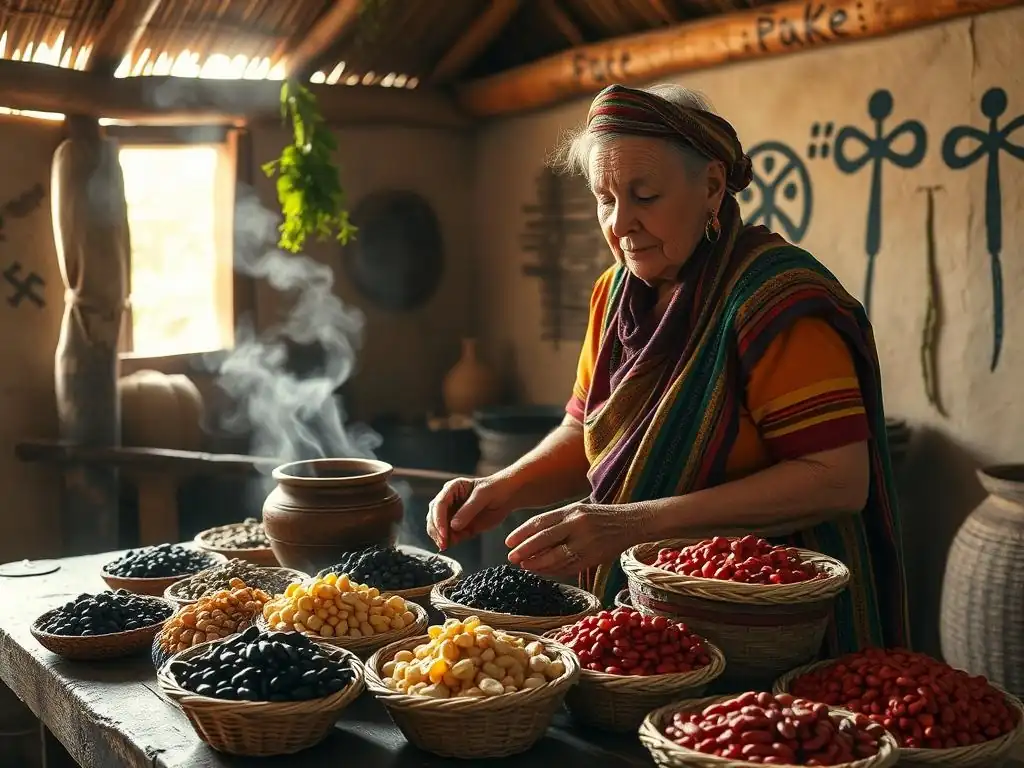
Beans have long been a staple in Mayan diets, serving as essential sources of protein, fiber, and micronutrients. Varieties such as black beans, red beans, and pinto beans were commonly cultivated and consumed. They were often combined with corn to create the traditional dish known as "tamales," where the nutritional balance of legumes and grains was utilized to sustain the community.
In addition to their nutritional benefits, beans held cultural significance within Mayan society. They were often included in ceremonial offerings and were considered sacred in some contexts. The preparation of beans typically involves soaking them overnight and then boiling or stewing them, allowing for a variety of flavors to be incorporated through spices and other ingredients.
- Nutritional benefits:
- High in protein
- Rich in fiber
- Good source of vitamins and minerals
Chili Peppers: The Spice of Life
Chili peppers are another cornerstone of Mayan culinary traditions, adding heat and depth to a wide range of dishes. The Mayans cultivated several varieties of chili, including habanero, jalapeño, and poblano peppers. These peppers not only enhanced flavor but also contributed to the preservation of food, as their acidity and heat can deter spoilage.
In Mayan cuisine, chili peppers are often used in salsas, sauces, and marinades. The preparation often involves roasting or drying the peppers to intensify their flavor before incorporating them into dishes. The use of chili peppers reflects the Mayan understanding of balance in cooking—combining heat with other ingredients to create harmonious flavors.
- Common uses:
- Salsas and sauces
- Marinades for meats and vegetables
- Flavoring for soups and stews
Squash: Versatile and Nutritious
Squash, particularly varieties like pumpkin and zucchini, played a vital role in the Mayan diet. It is a key ingredient in many traditional dishes, offering versatility in both sweet and savory preparations. Squash was often harvested alongside corn and beans, forming part of the "Mayan triad," which represented the essential trio of agricultural products.
The nutritional value of squash is significant, providing vitamins A and C, potassium, and dietary fiber. In cooking, squash can be roasted, boiled, or included in soups and stews, contributing a subtle sweetness and creamy texture to various dishes. Its seeds are also a valuable source of protein and healthy fats, showcasing the Mayans' efficient use of resources.
- Culinary applications:
- Soups and stews
- Roasted dishes
- Desserts and snacks (like pumpkin seeds)
The inclusion of beans, chili peppers, and squash in Mayan culinary traditions highlights the sophistication and diversity of their food culture. Each ingredient not only provided sustenance but also played a role in the social and cultural fabric of Mayan life, showcasing their deep connection to the land and their culinary heritage.
Traditional Mayan Dishes Featuring Key Ingredients
Tamales: A Corn-Based Delight
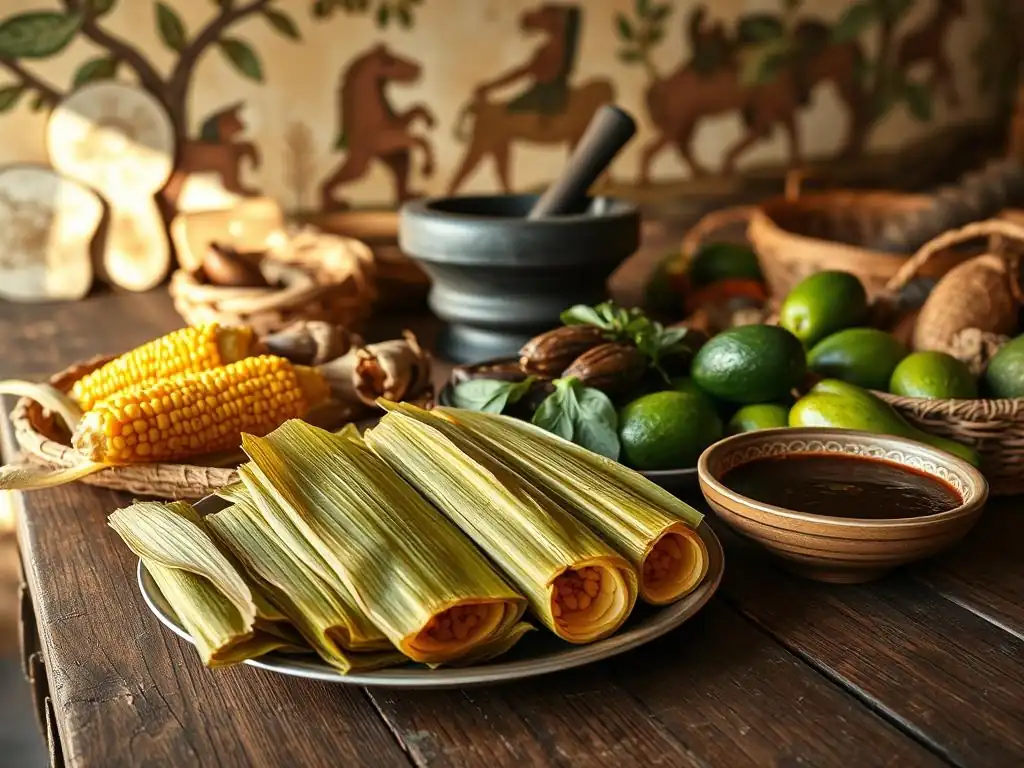
Tamales are a quintessential part of Mayan culinary traditions, with their origins deeply rooted in the agricultural practices surrounding corn. This versatile staple has been a significant component of Mayan cuisine for centuries, symbolizing both sustenance and cultural identity.
Ingredients and Preparation Methods
The primary ingredient in tamales is masa, a dough made from nixtamalized corn, which is treated with an alkaline solution to enhance flavor and nutritional value. This dough is often mixed with various ingredients such as:
- Lard or vegetable shortening: To give the tamales a rich texture.
- Broth: Chicken, beef, or vegetable broth can be added for moisture and flavor.
- Fillings: Common fillings include shredded meats (chicken, pork, or turkey), vegetables, chiles, and cheeses.
Preparation involves spreading a layer of masa onto a corn husk or banana leaf, adding the desired filling, and then folding the husk to create a sealed package. The tamales are steamed until cooked through, resulting in a soft and flavorful dish.
Variations Across Regions
Mayan regions have distinct variations of tamales, showcasing local ingredients and traditions:
- Tamales Rojos: Found in the Yucatán Peninsula, these tamales are often filled with spicy pork and colored with achiote paste.
- Tamales de Elote: A sweet variant made from fresh corn, often enjoyed as a dessert.
- Tamales de Puerco: Popular in Guatemala, filled with seasoned pork and accompanied by a rich tomato-based sauce.
These regional differences highlight the diversity within Mayan culinary traditions, reflecting local tastes and agricultural practices.
Mole: The Richness of Cacao in Sauces
Mole is another integral part of Mayan culinary heritage, celebrated for its complex flavors and rich history. This sauce, often characterized by its use of cacao, symbolizes the fusion of indigenous ingredients and cooking techniques that define Mayan gastronomy.
How to Make Authentic Mayan Mole
Creating authentic Mayan mole involves a meticulous process, incorporating a variety of ingredients that contribute to its depth of flavor. Key components include:
- Dried chiles: Such as ancho, mulato, and pasilla, which provide heat and earthy tones.
- Cacao: Unsweetened cacao nibs or ground cacao are essential for richness and complexity.
- Spices: Cinnamon, cloves, and black pepper add aromatic notes.
- Nuts and seeds: Almonds or sesame seeds contribute creaminess and texture.
Preparation begins with toasting the chiles and spices, followed by blending them with cacao and other ingredients to achieve a smooth sauce. The mole is then simmered to develop its flavor, often served over meats or vegetables.
Pairing Mole with Traditional Dishes
Mole is traditionally paired with various Mayan dishes, enhancing their flavors and providing a harmonious balance. Common pairings include:
- Pollo en Mole: Chicken cooked in mole, often served with rice and tortillas.
- Enchiladas: Corn tortillas filled with meat or cheese, smothered in mole sauce.
- Tamales: Tamales can also be served with a drizzle of mole, adding richness to the dish.
The versatility of mole allows it to complement a wide array of traditional Mayan ingredients, showcasing the culinary creativity and cultural significance of these dishes.
Pepian: A Hearty Mayan Stew
Pepian is one of the most celebrated traditional dishes in Mayan culinary heritage, embodying the rich history and diverse ingredients that characterize this cuisine. This hearty stew is a perfect representation of the fusion of flavors and textures, utilizing a myriad of ingredients that reflect the agricultural bounty of the region. At its core, Pepian is a thick, spicy stew that typically includes meats such as chicken, turkey, or pork, along with a variety of vegetables and a base of roasted spices and seeds.
The preparation of Pepian is an art form, often involving the roasting of ingredients before they are blended into a smooth, flavorful sauce. This technique enhances the depth of flavor and creates a robust profile that is both comforting and nourishing. Served with rice or corn tortillas, Pepian is not just a meal but a communal experience, often enjoyed during significant celebrations and family gatherings.
Ingredients Breakdown and Cooking Techniques
The preparation of Pepian involves several key ingredients that are essential to its unique flavor. Here’s a detailed breakdown:
- Proteins: Commonly used proteins include:
- Chicken
- Turkey
- Pork
- Sometimes, beef or even meat alternatives for vegetarian versions.
- Vegetables:
- Tomatoes
- Bell peppers
- Onions
- Carrots
- Potatoes
- Spices and Seeds:
- Achiote (annatto)
- Cumin
- Coriander
- Sesame seeds
- Pumpkin seeds (pepitas)
- Herbs:
- Fresh cilantro
- Bay leaves
Cooking Techniques:
- Roasting: The ingredients, especially the spices and seeds, are often roasted to bring out their natural oils and intensify their flavors.
- Blending: Roasted ingredients are blended into a smooth paste, which forms the base of the stew.
- Simmering: The blended paste is combined with the proteins and vegetables, then simmered until everything is cooked through and the flavors meld beautifully.
- Serving: Pepian is traditionally served hot, accompanied by rice and corn tortillas, making it a hearty and satisfying meal.
Cultural Significance of Pepian in Mayan Meals
Pepian holds a special place in Mayan culture, serving not only as a nutritious meal but also as a symbol of community and tradition. It is often prepared for special occasions, such as weddings, religious ceremonies, and festivals, where families come together to celebrate and share in the culinary heritage of their ancestors.
The act of preparing Pepian is steeped in ritual, where each family may have its own unique recipe, passed down through generations. This dish represents the agricultural practices of the Mayans, highlighting the importance of corn, beans, and other local ingredients that were staples of their diet.
Moreover, Pepian is a reflection of the Mayan worldview, emphasizing the connection between food, family, and spirituality. It encapsulates the idea of nurturing relationships through shared meals, reinforcing bonds within families and communities. As such, Pepian is not just food; it is a testament to the resilience and richness of Mayan culture, reminding us of the importance of preserving these culinary traditions for future generations.
Modern Interpretations of Mayan Culinary Traditions
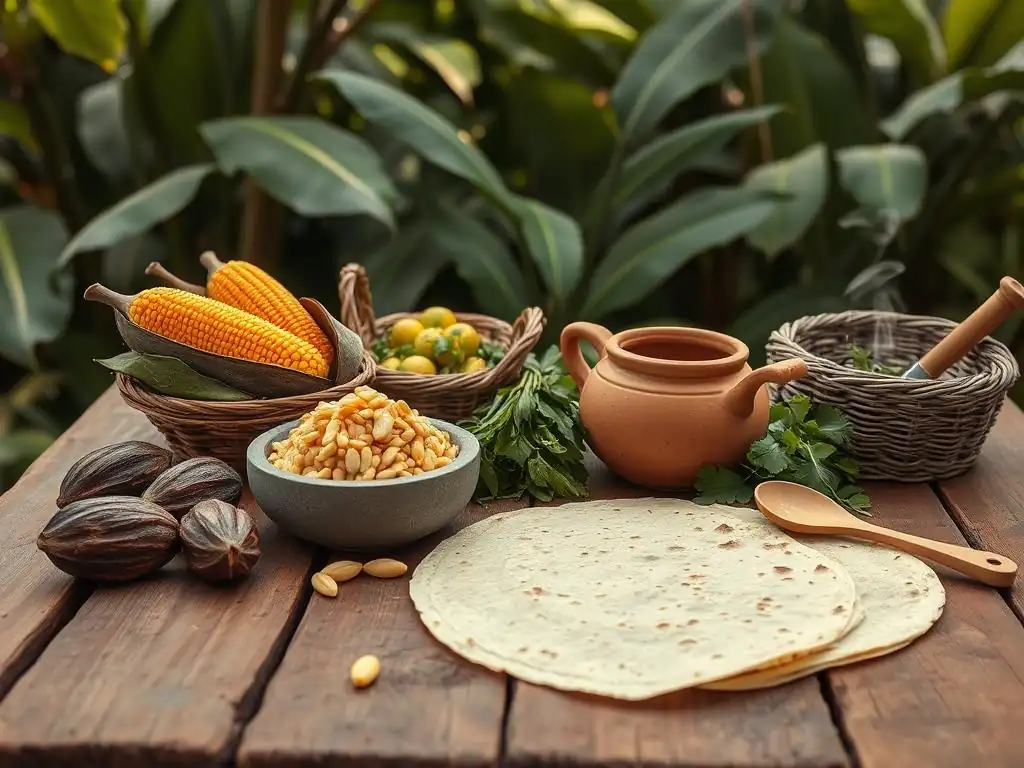
Mayan culinary traditions and ingredients have evolved over centuries, but modern interpretations breathe new life into these ancient flavors. Chefs and home cooks alike are increasingly inspired by the rich tapestry of Mayan cuisine, often merging traditional elements with contemporary techniques and global influences. This fusion creates exciting culinary experiences that honor the past while appealing to modern palates.
Fusion Cuisine: Blending Ancient and Contemporary Flavors
Fusion cuisine is a dynamic way to celebrate Mayan culinary traditions. By integrating ancient ingredients like corn, cacao, and chiles with modern cooking techniques and global flavors, chefs can create innovative dishes that pay homage to the rich history of the Mayan civilization.
Examples of Modern Dishes Inspired by Mayan Ingredients
- Cacao Mole: This dish combines traditional Mayan chocolate with contemporary spices and techniques. Mole sauce, often used in Mexican cuisine, is reimagined with rich cacao, creating a complex flavor profile that enhances grilled meats or roasted vegetables.
- Corn Tortilla Tacos: Reinterpreted with gourmet fillings, these tacos utilize heirloom corn varieties, such as blue corn, which has historical significance in Mayan culture. They may be filled with contemporary ingredients like grilled octopus or avocado crema, showcasing a blend of old and new.
- Chili-Infused Oils: Inspired by the Mayan use of chiles, chefs are crafting oils infused with a variety of peppers. These oils can be drizzled over dishes or used in dressings, adding a spicy kick that highlights traditional flavors.
- Mayan Quinoa Salad: By incorporating quinoa, a superfood, with traditional Mayan vegetables like tomatillos and avocados, this dish creates a vibrant and nutritious option that respects ancient agricultural practices.
- Tamarind Glazed Ribs: Drawing on the Mayan affinity for tamarind, this dish features a tangy glaze that beautifully complements slow-cooked pork or beef, merging classic recipes with modern grilling techniques.
Preserving Mayan Culinary Heritage Today
As modern interpretations flourish, efforts to preserve the authenticity of Mayan culinary traditions are equally crucial. These initiatives ensure that ancient knowledge and practices are not lost but rather celebrated and taught to future generations.
Community Efforts and Culinary Schools
Many communities are establishing culinary schools and workshops focused on traditional Mayan cooking techniques. These schools often emphasize:
- Local Ingredients: Teaching students about the importance of using locally sourced, seasonal ingredients that are part of the Mayan heritage.
- Culinary Techniques: Preserving and teaching ancient cooking methods, such as nixtamalization (the process of treating corn with an alkaline solution), which is fundamental to making masa for tortillas.
- Cultural Education: Incorporating lessons about the history and significance of Mayan foodways, fostering a deeper appreciation for their culinary heritage.
These community efforts not only promote knowledge but also strengthen local economies by encouraging sustainable practices.
Products Supporting Sustainable Mayan Agriculture
The resurgence of interest in Mayan culinary traditions has led to the development of products that support sustainable agriculture. Some key aspects include:
- Heirloom Seed Banks: Initiatives to preserve and promote heirloom varieties of corn, beans, and other crops that are essential to Mayan cuisine. These seeds are often maintained by local farmers and agricultural organizations.
- Fair Trade Products: Many artisans produce chocolate and other products using traditional methods, ensuring fair compensation for farmers and preserving sustainable practices.
- Farm-to-Table Initiatives: Restaurants and markets are increasingly sourcing ingredients directly from Mayan communities, promoting both sustainable agriculture and the authenticity of Mayan flavors.
By supporting these products and practices, consumers can play a significant role in the preservation of Mayan culinary heritage, ensuring that these traditions continue to thrive in the modern world.
Conclusion: The Lasting Impact of Mayan Culinary Traditions
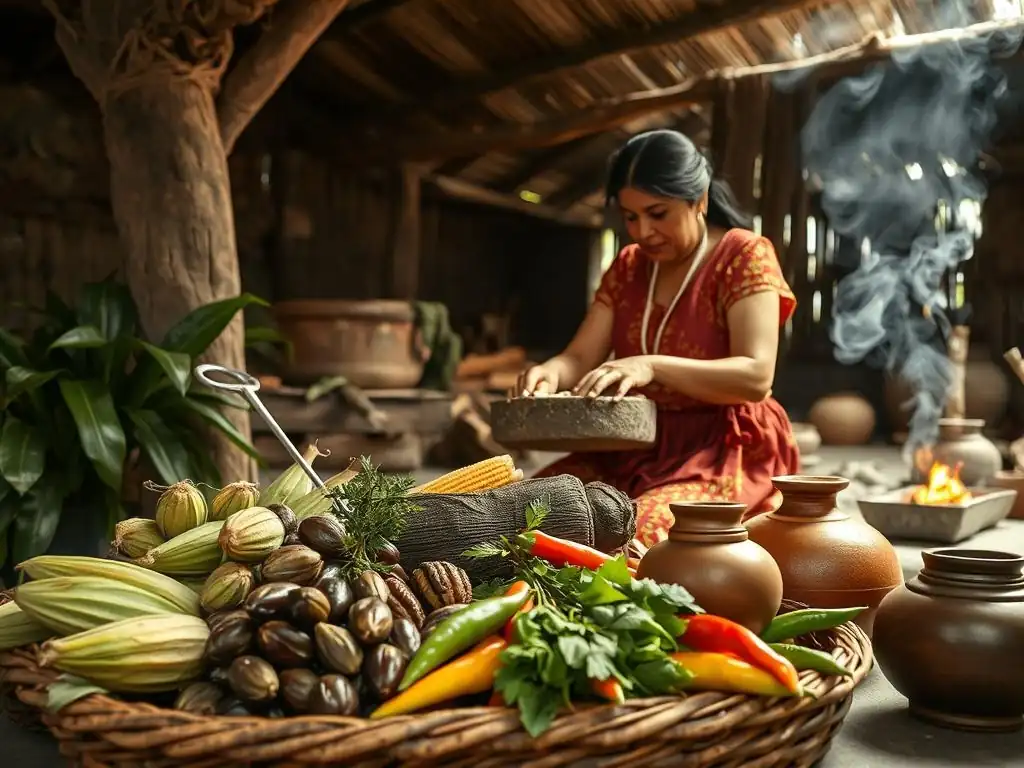
The culinary traditions of the Maya are not just a reflection of their historical practices; they are a vibrant testament to a culture that has thrived for millennia. The use of staple ingredients such as corn, beans, and cacao is deeply embedded in their identity, showcasing a sophisticated understanding of agriculture and food preparation. These staples serve not only as dietary essentials but also as cultural symbols that connect the Maya to their ancestors and to the land they inhabit.
Preserving these culinary traditions is crucial, as they represent a rich tapestry of knowledge passed down through generations. They embody the connection between the people and their environment, revealing how the Maya adapted to and flourished in their diverse ecosystems. Recognizing the significance of these foods and recipes allows for a deeper appreciation of the Maya's ingenuity and resilience.
Reflections on the Importance of Preserving Indigenous Foods
The preservation of indigenous foods is paramount for several reasons:
- Cultural Identity: Indigenous foods are key components of cultural identity. They carry stories, rituals, and traditions that define a community. By preserving these foods, we also preserve the narratives and histories associated with them.
- Biodiversity: The cultivation of traditional ingredients supports biodiversity. Many indigenous crops, such as heirloom varieties of corn and beans, are often more resilient to climate change and pests than commercial varieties. This biodiversity is essential for sustainable agriculture and food security.
- Health Benefits: Traditional diets are often more nutritious than modern processed foods. Emphasizing whole, natural ingredients contributes to better health outcomes for communities.
- Economic Opportunities: Promoting indigenous foods can create economic opportunities for local farmers and artisans. By valuing and investing in traditional food systems, communities can thrive economically while maintaining their cultural practices.
Encouragement to Explore and Celebrate Mayan Cuisine
Embracing and celebrating Mayan culinary traditions is an enriching experience that can benefit both individuals and communities. Here are some ways to explore and appreciate this incredible heritage:
- Culinary Workshops: Participate in workshops that focus on traditional cooking methods and recipes. Learning from indigenous chefs can provide valuable insights into the significance of ingredients and preparation techniques.
- Farmers' Markets: Support local farmers and artisans who cultivate traditional Mayan ingredients. Purchasing these items not only promotes economic sustainability but also encourages the continuation of cultural practices.
- Cookbooks and Resources: Explore cookbooks that focus on Mayan cuisine. These resources often include historical context and recipes that reflect the rich culinary heritage of the Maya.
- Cultural Festivals: Attend festivals that celebrate indigenous food and culture. These events often feature traditional foods, performances, and educational opportunities to learn more about the Mayan way of life.
- Home Cooking: Experiment with Mayan recipes in your own kitchen. Incorporating traditional ingredients like corn, cacao, and various herbs into your meals can deepen your connection to this vibrant culture.
By actively engaging with Mayan culinary traditions, we not only honor the legacy of the Maya but also foster a greater appreciation for the diverse food practices that enrich our global heritage. 🍽️
Additional Resources for Exploring Mayan Culinary Traditions
Recommended Books on Mayan Cooking
Delving into the rich tapestry of Mayan culinary traditions is made easier with a selection of insightful literature. Here are some recommended books that provide not only recipes but also contextualize the ingredients and cooking methods within the cultural heritage of the Maya:
-
"The Art of Maya Cooking" by John D. McCauley
This comprehensive cookbook offers a deep dive into traditional Mayan dishes, complete with historical anecdotes and preparation techniques. It emphasizes local ingredients and seasonal cooking.
-
"Maya Cuisine: Recipes from the Yucatan" by Maria de los Angeles
Focusing on the Yucatan Peninsula, this book showcases authentic recipes and explores the significance of various dishes in Mayan rituals and celebrations.
-
"The Maya: A Very Short Introduction" by Matthew Restall
While not exclusively a cookbook, this book provides essential background on the Maya civilization, including their agricultural practices and how these influence their culinary traditions.
-
"The Essential Cuisines of Mexico" by Diana Kennedy
This classic work includes sections on the culinary practices of the Maya, offering insights into their ingredients, preparation methods, and the cultural importance of food in their society.
Online Courses and Workshops on Indigenous Culinary Practices
For those looking to deepen their understanding and skills in Mayan culinary traditions, several online courses and workshops are available:
-
Culinary Institute of America - Mexican Cuisine Course
This course includes modules focused on indigenous ingredients and traditional cooking methods, with emphasis on Mayan influences.
-
Udemy - Cooking with Indigenous Ingredients
This platform offers various courses that explore traditional cooking techniques and ingredients, including those unique to Mayan culture.
-
Local Workshops
Many local culinary schools and cultural organizations offer in-person workshops that focus on Mayan cooking. Check community centers or cultural associations for upcoming events.
Where to Find Authentic Mayan Ingredients
Acquiring authentic ingredients is crucial for recreating traditional Mayan dishes. Here are some suggested sources:
-
Local Farmers' Markets
Many markets feature local farmers who grow traditional Mayan crops such as maize, cacao, chiles, and tomatoes. Engaging with farmers can also provide insights into how these ingredients were historically used.
-
Specialty Grocery Stores
Look for stores that specialize in Latin American or specifically Mexican ingredients. Products like masa harina (corn dough) and epazote (an herb) are often found in such places.
-
Online Retailers
Websites like MexGrocer and Amazon offer a wide variety of Mayan ingredients, from dried chiles to specialty spices. Ensure to read reviews to select high-quality products.
-
Cultural Festivals
Attending events that celebrate Mayan culture often provides opportunities to purchase authentic ingredients from vendors specializing in traditional foods.
By utilizing these resources, you can deepen your appreciation and understanding of Mayan culinary traditions and ingredients, allowing you to recreate the flavors of this rich heritage in your own kitchen.
Frequently Asked Questions
What are the main ingredients in Mayan culinary traditions?
Mayan culinary traditions primarily revolve around corn, beans, squash, and cacao. These staples form the foundation of their diet and are integral to their cultural practices.
How did the Mayans utilize corn in their cuisine?
The Mayans considered corn sacred and used it in various forms, such as tortillas, tamales, and drinks like atole. This versatile grain was a cornerstone of their daily meals and rituals.
What role did cacao play in Mayan society?
Cacao was not only a food source but also a ceremonial item. The Mayans often consumed it as a bitter drink during rituals and used cacao beans as a form of currency.
How have Mayan culinary traditions influenced modern cuisine?
Mayan culinary practices have significantly influenced modern Mexican cuisine, particularly in the use of ingredients like chiles, tomatoes, and spices. Their traditional cooking methods continue to inspire contemporary chefs.
Are there any unique cooking methods associated with Mayan cuisine?
Yes, the Mayans employed various unique cooking methods such as nixtamalization for corn and cooking in underground ovens known as pibs. These techniques enhance the flavors and nutritional value of their dishes.
Final Reflection: Embracing the Richness of Mayan Culinary Traditions
The culinary heritage of the Mayan civilization is not just a relic of the past; it is a vibrant tapestry that continues to shape our understanding of food and culture today. As we explore the journey from corn to cacao, we uncover the profound significance of these staple ingredients, which are deeply intertwined with the identity and traditions of the Mayan people. This exploration reminds us that food is more than sustenance; it is a vessel of history, culture, and community that deserves our attention and appreciation.
Mayan culinary traditions and ingredients have left an indelible mark on the social and cultural landscape, influencing modern cuisine and fostering a deeper connection to our roots. The resurgence of interest in indigenous ingredients and cooking methods highlights a growing recognition of the importance of preserving these traditions. As we savor the flavors of cacao and corn, we are reminded of the wisdom and resilience of the Mayan people. Food is our common ground, a universal experience.
— James Beard. This quote encapsulates the essence of how food can unite us, transcending borders and generations.
As we reflect on the lessons from Mayan culinary heritage, let us carry forward the spirit of curiosity and respect for the ingredients that have nourished generations. I invite you to explore these traditions in your own kitchen, to experiment with ancient recipes, and to share the stories behind the ingredients you use. By doing so, we not only honor the Mayan culture but also enrich our own lives and communities. Let us celebrate the flavors of the past while paving the way for a future that values and preserves culinary diversity.
Savor the Flavors: Connect with Mayan Culinary Traditions!
Thank you for diving into the rich tapestry of Mayan culinary heritage with us! Your exploration of how corn and cacao shaped their culture opens the door to a deeper appreciation of these incredible ingredients. Now, let’s turn that inspiration into action!
Here’s how you can connect further with these vibrant traditions:
- Experiment with Recipes: Try your hand at a traditional Mayan dish using corn or cacao. Share your culinary creations with friends and family!
- Explore Local Markets: Visit your local farmers' market to find fresh ingredients and learn more about traditional cooking methods from knowledgeable vendors.
- Join a Community Group: Connect with others who are passionate about indigenous cuisines. Consider attending workshops or cooking classes that focus on Mayan dishes and their unique ingredients.
What culinary impact do you think these age-old staples have on modern cuisine? Share your thoughts and join the conversation!