
The Influence of Native American Flavors on Modern Cuisine: A Fusion of Cultures

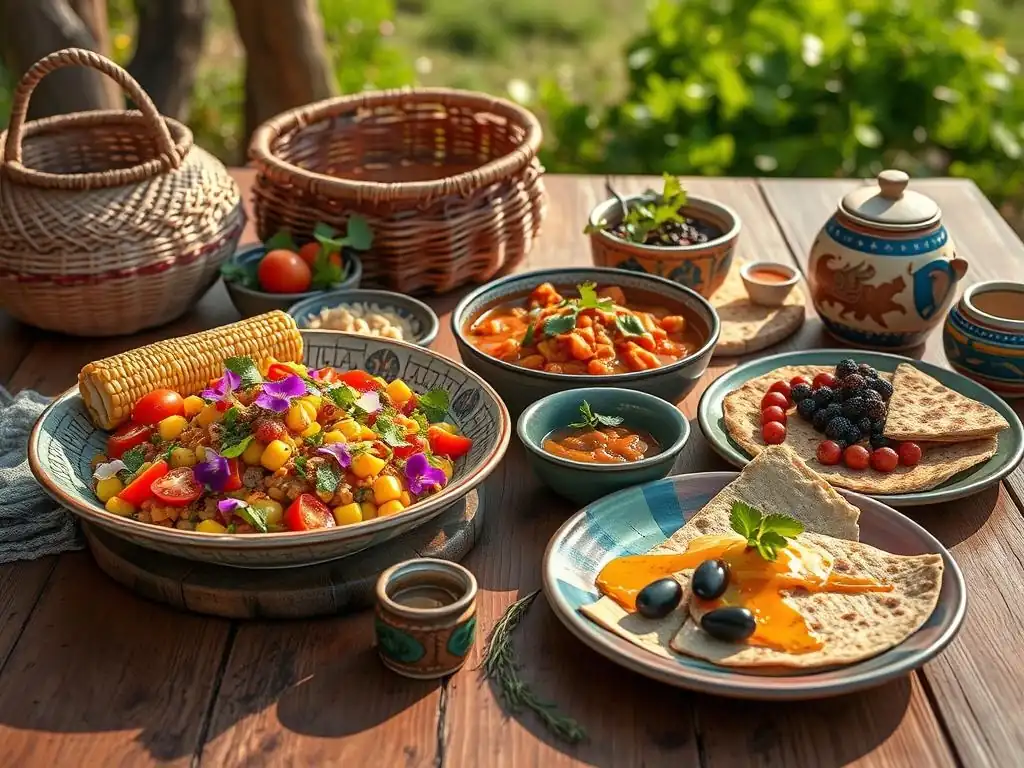
Welcome to Indigenous Civilizations of the Americas, where we invite you to embark on an enlightening journey through the rich tapestry of indigenous cultures that flourished long before European contact. Delve into the fascinating world of Native American culinary influences, a vital thread woven into the fabric of modern cuisine. Discover how ancient flavors, techniques, and ingredients continue to shape our culinary landscape today.
Prepare to uncover the stories behind these vibrant traditions and their profound impact on the food we enjoy. Join us as we explore the fusion of cultures that has enriched our palates and celebrate the legacy of these remarkable civilizations.
The culinary landscape of the Americas is rich and diverse, shaped significantly by the indigenous cultures that flourished long before European contact. Native American culinary influences not only reflect the unique traditions and practices of various tribes but also demonstrate an enduring legacy that continues to enrich modern cuisine.
This article will delve into the profound impact of Native American flavors on contemporary cooking, exploring the historical roots, key ingredients, and the innovative ways chefs today are fusing these traditional elements with modern culinary techniques. By understanding the depth of these influences, we can appreciate the vibrant tapestry of flavors that Native American cultures have contributed to the broader culinary world.
Understanding Native American Culinary Influences
The Historical Context of Native American Flavors
The origins of Native American culinary practices are deeply intertwined with the land and its resources. Indigenous peoples developed sophisticated agricultural techniques, utilizing a variety of crops such as corn, beans, and squash, often referred to as the "Three Sisters." These staples not only served as a foundation for their diets but also played a crucial role in their social and cultural practices.
- Regional Variations: Different tribes adapted their culinary practices based on local resources and climate. For example:
- The Northeast embraced fish and game, while cultivating crops like maize.
- The Southwest focused on drought-resistant crops, such as the various types of beans and chilies.
Indigenous peoples also engaged in foraging and hunting, ensuring a diverse and sustainable diet. This historical context is essential for understanding how these culinary traditions were shaped and adapted over centuries.
Key Ingredients and Their Significance in Indigenous Cooking
Central to Native American culinary influences are a variety of ingredients that hold significant cultural and nutritional value. Some key ingredients include:
- Corn (Maize): A sacred crop, often used in ceremonies and central to many dishes.
- Wild Rice: Particularly important in the Great Lakes region, symbolizing the connection to water and land.
- Bison: Once a staple for many Plains tribes, offering nourishment and materials for tools and shelter.
These ingredients not only provide flavor but also serve as a connection to heritage and identity, illustrating the deep respect that Native American cultures have for their natural environment.
The Evolution of Native American Culinary Influences in Modern Cuisine
Fusion Cuisine: Merging Traditional and Contemporary Cooking
In recent years, there has been a resurgence of interest in Native American flavors, particularly within the realm of fusion cuisine. Chefs are increasingly experimenting with indigenous ingredients, combining them with global culinary techniques to create innovative dishes that honor tradition while appealing to modern palates.
- Examples of Fusion Dishes:
- Dishes that incorporate bison burgers with Native spices and contemporary toppings.
- Corn-based pastas infused with traditional herbs and sauces.
This blending of flavors not only revitalizes traditional recipes but also introduces Native American culinary influences to a broader audience, fostering appreciation and understanding of these rich traditions.
Notable Chefs Celebrating Native American Flavors
A number of chefs have emerged as pioneers in showcasing Native American culinary influences, each bringing their unique perspective and creativity. Some noteworthy figures include:
- Sean Sherman (The Sioux Chef): Renowned for his dedication to reclaiming indigenous ingredients and culinary practices.
- Freddy Bitsoie: A Navajo chef who emphasizes the use of traditional ingredients while educating diners about their cultural significance.
These chefs are not only redefining modern cuisine but also playing a crucial role in preserving and promoting Native American foodways, ensuring their legacy continues to thrive in contemporary culinary dialogues.
Through this exploration of Native American culinary influences, we gain insight into a rich heritage that continues to evolve, reminding us of the importance of cultural connection and respect for the traditions that have shaped our food landscape.
Key Components of Native American Culinary Influences
Native American culinary influences are a rich tapestry woven from diverse cultures, traditions, and ingredients that span across the vast territories inhabited by Indigenous peoples. Central to these influences are the concepts of sustainability and seasonality, which dictate the way food is sourced, prepared, and consumed. The use of locally available ingredients has not only shaped the flavors of traditional dishes but has also laid the groundwork for contemporary cuisine.
Key components of these culinary influences include:
- Herbs and Spices: Many indigenous herbs such as sage, juniper, and sweetgrass are integral to flavoring dishes, providing unique profiles that modern chefs are increasingly embracing.
- Cooking Techniques: Methods such as smoking, roasting over an open fire, and steaming in pits are traditional practices that enhance flavor and preserve ingredients.
- Cultural Storytelling: Food preparation and consumption are often steeped in cultural narratives, reflecting the spirituality and connection to the land that Indigenous peoples maintain.
These components create a foundation for a culinary revival that honors the past while innovating for the future.
Essential Native Ingredients in Modern Dishes
Modern cuisine has seen a resurgence in the use of essential Native ingredients that were once staples in Indigenous diets. These ingredients not only enhance flavor but also bring a sense of history and identity to contemporary dishes. Some of the most prominent ingredients include:
- Corn: A cornerstone of many Native diets, corn is used in various forms, from cornmeal to hominy, and is featured in dishes like cornbread and polenta.
- Beans: Known as the "Three Sisters" alongside corn and squash, beans are celebrated for their nutritional value and versatility, appearing in soups, stews, and salads.
- Squash: Varieties such as butternut and acorn squash are often roasted or pureed, adding sweetness and depth to both savory and sweet dishes.
- Wild Game and Fish: Bison, venison, and salmon are traditional proteins that are being reintroduced into modern menus, celebrated for their unique flavors and sustainable sourcing.
- Berries and Nuts: Ingredients like blueberries, cranberries, and pine nuts offer natural sweetness and texture, often used in desserts or as toppings for savory dishes.
These ingredients not only reflect the agricultural practices of Indigenous peoples but also inspire culinary creativity in modern kitchens.
Traditional Cooking Methods Revived
The revival of traditional cooking methods has become a significant aspect of integrating Native American flavors into modern cuisine. Chefs and home cooks alike are rediscovering techniques that honor the heritage and sustainability practices of Indigenous cultures. Some of these methods include:
- Pit Roasting: This ancient method involves cooking food in a pit lined with hot stones, imparting a smoky flavor that is difficult to replicate with modern appliances.
- Smoking: From meats to fish, smoking not only preserves food but also enhances its flavor profile, connecting back to traditional practices used by many tribes.
- Open Fire Cooking: Cooking over an open flame brings a rustic quality to dishes, allowing for a direct connection to the land and the elemental aspects of cooking.
- Foraging Techniques: Modern cooks are incorporating foraging into their culinary practices, seeking out wild herbs, edible plants, and mushrooms that were traditionally gathered by Indigenous peoples.
These methods not only enhance the flavor of dishes but also create a deeper appreciation for the historical context of Native American cuisines.
Popular Dishes Inspired by Native American Culinary Influences
Numerous modern dishes are inspired by Native American culinary influences, showcasing the rich tapestry of flavors and techniques that have emerged from Indigenous traditions. Some popular dishes that highlight these influences include:
- Bison Burgers: A modern take on a traditional protein, bison burgers offer a leaner alternative to beef while delivering rich, savory flavors.
- Corn Chowder: This dish often features a blend of fresh corn, potatoes, and herbs, evoking the agricultural practices of Indigenous peoples.
- Wild Rice Pilaf: A dish that celebrates the nutritional powerhouse of wild rice, often combined with nuts, cranberries, and herbs to create a vibrant side dish.
- Three Sisters Stew: A hearty stew that combines corn, beans, and squash, reflecting traditional agricultural practices and providing a wholesome meal.
These dishes not only pay homage to Native American culinary traditions but also engage diners with the history and culture behind the ingredients.
How Modern Restaurants Incorporate Indigenous Flavors
Many modern restaurants are recognizing the value of Indigenous flavors and are actively incorporating them into their menus. Chefs are experimenting with Native ingredients and traditional cooking methods, creating a fusion that respects the past while appealing to contemporary palates. Some strategies include:
- Seasonal Menus: Many chefs focus on seasonal ingredients, sourcing local Native produce and proteins that reflect the agricultural cycles of Indigenous peoples.
- Cultural Collaboration: Collaborating with Indigenous chefs and communities allows restaurants to authentically represent Native flavors and cooking techniques.
- Storytelling through Food: Many establishments use their menus to tell stories about the ingredients and their significance to Indigenous cultures, enriching the dining experience.
- Highlighting Sustainability: By emphasizing the sustainable practices of Indigenous agriculture, restaurants attract environmentally-conscious diners who appreciate ethically sourced ingredients.
This incorporation of Indigenous flavors not only diversifies the culinary landscape but also fosters a greater appreciation for Native American cultures.
Recipes that Highlight Native American Ingredients
To fully appreciate Native American culinary influences, trying your hand at recipes that feature traditional ingredients is essential. Here are a few recipes that showcase these flavors:
- Native Cornbread:
- Ingredients: Cornmeal, baking powder, milk, eggs, honey, and butter.
- Instructions: Combine dry ingredients, whisk in wet ingredients, pour into a greased pan, and bake until golden.
- Bison Chili:
- Ingredients: Ground bison, kidney beans, tomatoes, onions, garlic, chili powder, and cumin.
- Instructions: Brown the bison with onions and garlic, add beans and tomatoes, stir in spices, and simmer for flavor development.
- Wild Rice and Mushroom Pilaf:
- Ingredients: Wild rice, mushrooms, vegetable broth, onions, and herbs.
- Instructions: Sauté onions and mushrooms, add wild rice, cover with broth, and simmer until rice is tender.
By incorporating these recipes into your cooking, you can experience the rich flavors and cultural significance of Native American culinary traditions.
The Impact of Native American Culinary Influences on Global Cuisine
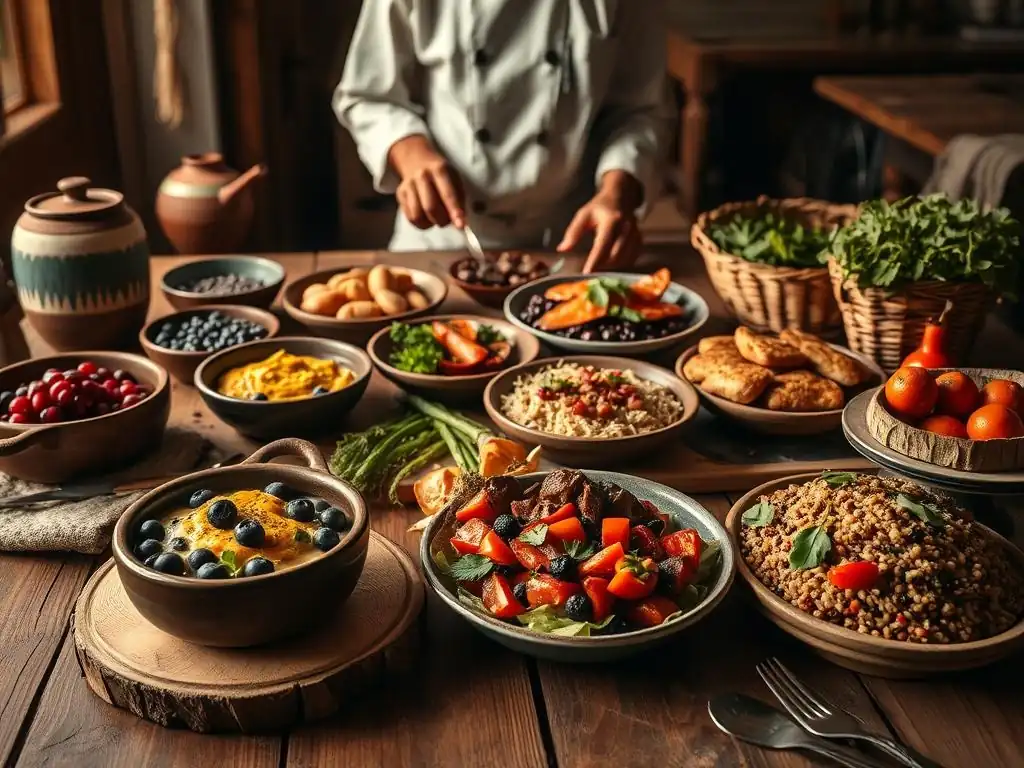
Native American culinary influences have significantly shaped global cuisine by introducing a variety of unique ingredients, flavors, and cooking techniques. The richness of these contributions reflects the diverse ecosystems and cultures from which they originate. Key elements such as maize (corn), beans, squash, and various spices have not only enhanced traditional dishes but have also found their way into mainstream cooking, creating a fusion that celebrates both heritage and innovation.
The introduction of Native American ingredients has led to a broader appreciation for indigenous food systems. For instance, the use of wild game, fish, and foraged plants emphasizes a connection to the land that is often missing in contemporary culinary practices. Moreover, the practice of using local and seasonal ingredients resonates with the increasing demand for sustainability in food sourcing. As chefs and home cooks explore these flavors, they also engage in a dialogue about the historical and cultural significance of these foods.
How Indigenous Flavors are Shaping Culinary Trends
Indigenous flavors are increasingly becoming a focal point in culinary trends, as chefs seek to create authentic and innovative dishes that highlight Native American heritage. Restaurants are incorporating traditional cooking methods, such as pit roasting and smoking, which elevate the dining experience by connecting patrons to the past. This movement is not merely about the flavors; it’s also about storytelling—sharing the rich histories and cultural significance of the ingredients used.
Furthermore, the rise of farm-to-table dining has paralleled the resurgence of interest in indigenous ingredients. Chefs are crafting menus that feature heirloom varieties of corn, wild rice, and native herbs, providing a platform for these flavors to shine. This trend not only enriches the culinary landscape but also promotes biodiversity and supports local farmers who cultivate native crops.
The Role of Native Ingredients in Sustainable Cooking
Native ingredients play a crucial role in sustainable cooking by promoting biodiversity and encouraging the use of local resources. Ingredients such as indigenous grains, nuts, and plants are often more resilient to climate changes and require fewer resources compared to their non-native counterparts. By incorporating these foods into modern cuisine, chefs can help sustain the agricultural practices that have been passed down through generations.
Moreover, these ingredients often come with a lower carbon footprint, as they are typically grown in the regions where they are consumed. This reduces the need for long-distance transportation, which is a significant contributor to environmental degradation. The revival of native culinary practices also fosters a deeper understanding of the interdependence between food systems and ecosystems, encouraging sustainable practices that honor the land.
Challenges and Opportunities in Reviving Native American Culinary Influences
Reviving Native American culinary influences presents both challenges and opportunities. One significant challenge is the misrepresentation of indigenous cuisines, which can lead to stereotypes and a lack of authenticity in how these foods are presented. Many non-indigenous chefs may unintentionally appropriate indigenous culinary practices without fully understanding their cultural significance, leading to a diluted or distorted representation of these rich traditions.
However, this revival also creates opportunities for collaboration between indigenous communities and culinary professionals. By working together, chefs and indigenous food advocates can create authentic dining experiences that honor traditional practices while educating the public about the history and significance of the ingredients used. This collaboration can help foster a greater appreciation for Native American cultures and their contributions to the culinary world.
Misrepresentation and Cultural Appropriation in Cuisine
Misrepresentation and cultural appropriation are critical issues within the realm of Native American culinary influences. Often, elements of indigenous cuisines are taken out of context, leading to a superficial understanding that neglects the rich history and cultural significance behind them. This can result in dishes that are marketed as "native" but lack authenticity, which can be detrimental to the communities whose cultures are being represented.
To combat these issues, it is essential for chefs and restaurants to engage with indigenous communities, seek permission for the use of traditional recipes and ingredients, and provide accurate representations of the cultural context. This respectful approach not only honors the heritage of Native American cuisines but also helps to educate diners about their importance.
Supporting Indigenous Communities Through Culinary Education
Supporting indigenous communities through culinary education is a vital step in preserving and revitalizing Native American culinary influences. Programs that focus on teaching traditional cooking methods and sustainable practices can empower indigenous youth and adults to reconnect with their culinary heritage. By fostering a sense of pride in traditional foods, these educational initiatives contribute to cultural preservation and community resilience.
Moreover, culinary education can create economic opportunities for indigenous communities. By equipping individuals with skills in cooking and food production, they can engage in entrepreneurship and establish businesses that highlight their culinary traditions. This not only supports local economies but also promotes a greater understanding and appreciation of Native American cuisines in the broader culinary landscape.
Conclusion: Embracing Native American Culinary Influences for Future Generations
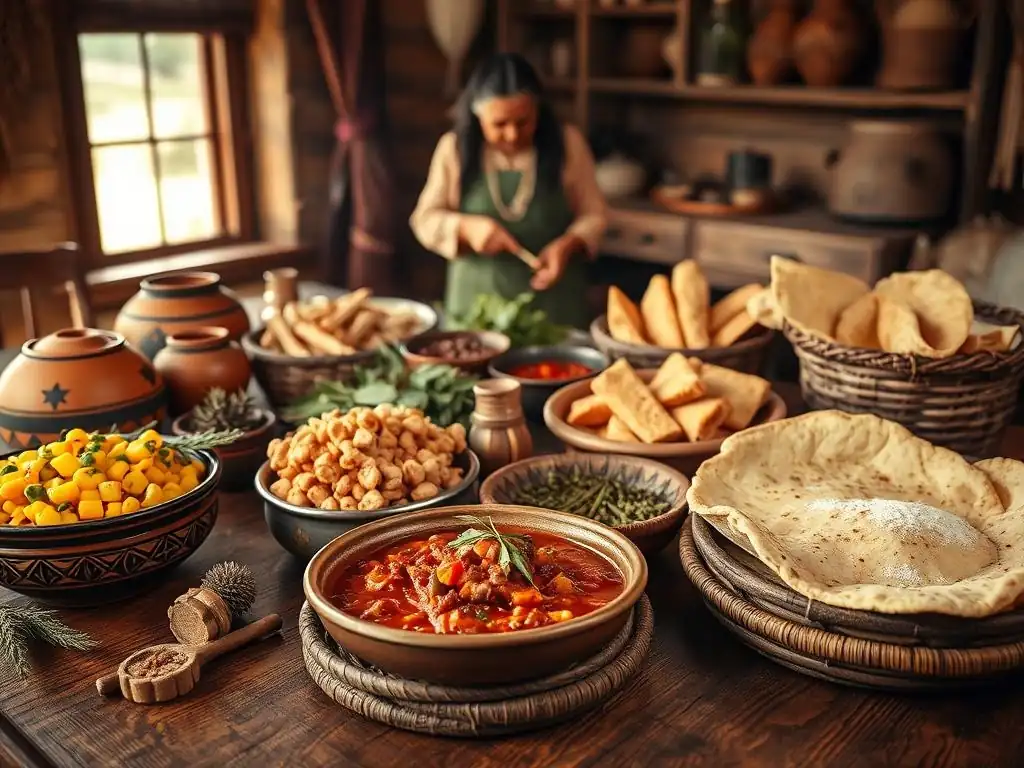
The richness of Native American culinary influences provides a unique lens through which we can understand and appreciate the diverse cultures that existed long before European contact. By incorporating these flavors into modern cuisine, we not only celebrate the heritage of indigenous peoples but also foster a deeper connection to the land and its resources.
As we explore these culinary traditions, it becomes evident that they offer more than just ingredients and recipes; they are a pathway to understanding the values, practices, and histories of Native American communities. This embrace of Native American flavors promotes diversity in our food culture and encourages future generations to appreciate and preserve these significant culinary traditions.
The Importance of Cultural Preservation in Modern Cooking
Cultural preservation is vital to ensure that the knowledge and practices of Native American culinary arts are not lost to time. As globalization spreads, many indigenous food practices risk being overshadowed by dominant culinary trends. By actively incorporating Native American flavors into modern cooking, we honor the traditions and histories of these cultures while also enriching our own culinary experiences.
Preserving these culinary traditions involves:
- Documentation: Capturing recipes, cooking methods, and stories from indigenous communities can help safeguard their culinary heritage.
- Education: Teaching others about Native American foods and their cultural significance fosters respect and appreciation for these traditions.
- Sustainable Practices: Many Native American cooking methods emphasize the sustainable use of natural resources, which can be a model for modern cooking that prioritizes environmental stewardship.
By valuing and preserving these culinary practices, we can create a more inclusive food landscape that respects the past while nourishing the future.
How to Explore and Enjoy Native American Flavors at Home
Exploring Native American flavors in your home kitchen can be a rewarding and enriching experience. Here are some practical steps to get started:
- Research Ingredients: Familiarize yourself with traditional ingredients such as corn, beans, squash, wild rice, and various herbs and spices unique to Native American cuisines.
- Try Authentic Recipes: Seek out recipes that reflect the diverse indigenous cultures of the Americas. This could include dishes like fry bread, succotash, or roasted meats seasoned with indigenous herbs.
- Attend Workshops: Look for local workshops or cooking classes that focus on Native American culinary traditions. These often provide hands-on experience and a deeper understanding of the techniques involved.
- Support Indigenous Chefs: Many indigenous chefs are redefining Native American cuisine and sharing their heritage through innovative dishes. Dining at their restaurants or trying their recipes at home can provide authentic experiences.
- Season with Tradition: Experiment with traditional spices and flavor profiles that are emblematic of Native American cooking, such as sage, juniper berries, and chili peppers.
By engaging with these practices, you bring a piece of Native American culinary wisdom into your kitchen, fostering appreciation for these rich traditions.
Additional Resources
To further explore Native American culinary influences, consider the following resources that highlight the traditions, ingredients, and techniques of indigenous cooking.
Books and Documentaries on Native American Culinary Traditions
- "The Sioux Chef's Indigenous Kitchen" by Sean Sherman - This book offers a collection of recipes rooted in indigenous ingredients and cooking methods, celebrating the culinary heritage of Native Americans.
- "Foods of the Americas: Native Recipes and Traditions" by Fernando and Marcy Mendez: - This book dives into the historical significance of various indigenous foods and provides a range of recipes for home cooks.
- Documentary: "Gather": - This film explores the significance of food sovereignty among Native American communities and highlights the efforts to revive traditional food practices.
- Documentary: "The Last of the Tsunami": - This film offers insight into the culinary traditions of the Native American tribes of the Pacific Northwest, showcasing their sustainable practices and cultural heritage.
Online Courses for Learning Native American Cooking Techniques
- "Cooking with Native American Chefs" on Culinary Arts Academy - This online course features various indigenous chefs sharing their techniques and recipes, providing a comprehensive introduction to Native American cooking.
- "Indigenous Foodways" on Coursera - This course delves into the traditional practices of indigenous communities, emphasizing the importance of food in cultural identity and sustainability.
- "Heritage Cooking Workshops" by the Native American Culinary Association - This platform offers a range of workshops focused on traditional cooking methods, ingredients, and recipes, led by experienced indigenous chefs.
By engaging with these resources, you can deepen your understanding of Native American culinary influences and enhance your cooking repertoire with these enriching flavors.
- Understanding Native American Culinary Influences
- The Evolution of Native American Culinary Influences in Modern Cuisine
- Key Components of Native American Culinary Influences
- Popular Dishes Inspired by Native American Culinary Influences
- The Impact of Native American Culinary Influences on Global Cuisine
- How Indigenous Flavors are Shaping Culinary Trends
- The Role of Native Ingredients in Sustainable Cooking
- Challenges and Opportunities in Reviving Native American Culinary Influences
- Conclusion: Embracing Native American Culinary Influences for Future Generations
- The Importance of Cultural Preservation in Modern Cooking
- How to Explore and Enjoy Native American Flavors at Home
- Additional Resources
- What are some key Native American culinary influences on modern cuisine?
- How did indigenous cultures contribute to the diversity of modern flavors?
- What role does sustainable agriculture play in Native American cooking?
- Can you name some traditional dishes that reflect Native American influences?
- How can modern chefs incorporate Native American flavors into their menus?
Frequently Asked Questions
What are some key Native American culinary influences on modern cuisine?
Many Native American culinary influences include the use of corn, beans, squash, and various herbs and spices that have been integrated into contemporary dishes across the Americas.
How did indigenous cultures contribute to the diversity of modern flavors?
Indigenous cultures introduced unique cooking techniques and ingredients that formed the foundation of modern culinary practices, creating a fusion of flavors that is still celebrated today.
What role does sustainable agriculture play in Native American cooking?
Sustainable agriculture is crucial in Native American cooking, as many tribes emphasize the importance of environmental stewardship and the use of native plants, contributing to the preservation of their culinary heritage.
Can you name some traditional dishes that reflect Native American influences?
Traditional dishes like succotash, wild rice pilaf, and various stewed meats often reflect Native American influences, showcasing the use of local ingredients and traditional cooking methods.
Modern chefs can incorporate Native American flavors by using traditional ingredients like heirloom grains, wild game, and native herbs, as well as embracing the storytelling aspect of indigenous cooking to create authentic experiences.
Final Reflection: Embracing the Richness of Native American Culinary Influences
The exploration of Native American culinary influences is not just a journey into the past; it is a vibrant tapestry woven into the fabric of modern cuisine. Today, as we witness a growing appreciation for diverse food traditions, the flavors and techniques rooted in Native American cultures are gaining prominence, reminding us of the importance of honoring and integrating these rich culinary heritages into our everyday lives. This fusion of cultures not only enriches our palates but also deepens our understanding of the interconnectedness of food and identity.
The impact of Native American flavors on contemporary cooking is profound and far-reaching. As chefs and home cooks alike embrace indigenous ingredients and methods, we see a shift in how we perceive and celebrate food. This culinary renaissance is a testament to the resilience and creativity of Native American communities, whose traditions continue to inspire and innovate. Food is a way to connect with our ancestors and our land,
reflects a sentiment that resonates deeply as we navigate this fusion of flavors. By recognizing and valuing these influences, we foster a greater appreciation for the cultural narratives that shape our dining experiences.
As we conclude our exploration of Native American culinary influences, I invite you to reflect on how you can incorporate these rich traditions into your own cooking. Consider experimenting with indigenous ingredients, learning about their historical significance, and sharing these stories with others. By doing so, you not only expand your culinary repertoire but also contribute to the preservation and celebration of a culture that has much to offer. Let us embrace this fusion of cultures, honoring the past while creating a flavorful future together.
Savor the Fusion: Bring Native Flavors to Your Table!
Thank you for diving into the rich tapestry of Native American flavors and their impact on modern cuisine. Your journey through this cultural fusion has uncovered unique tastes and traditions that can elevate your cooking and deepen your culinary appreciation. Now, let’s transform that inspiration into action!
- Experiment with a Native Ingredient: Choose an indigenous ingredient such as **quinoa**, **wild rice**, or **black walnuts** and incorporate it into your next meal. Discover delightful new flavors and textures!
- Share Your Culinary Creation: Take a photo of your dish and share it on social media, tagging friends and using the hashtag **#IndigenousCuisine** to inspire others.
- Explore Local Indigenous Markets: Visit local farmers' markets or specialty stores that offer indigenous products, supporting native farmers and artisans in your community.
What new flavor combinations will you explore in your kitchen? Share your thoughts below!