
The Artistic Craftsmanship Behind Maya Hieroglyphics: Aesthetic and Function

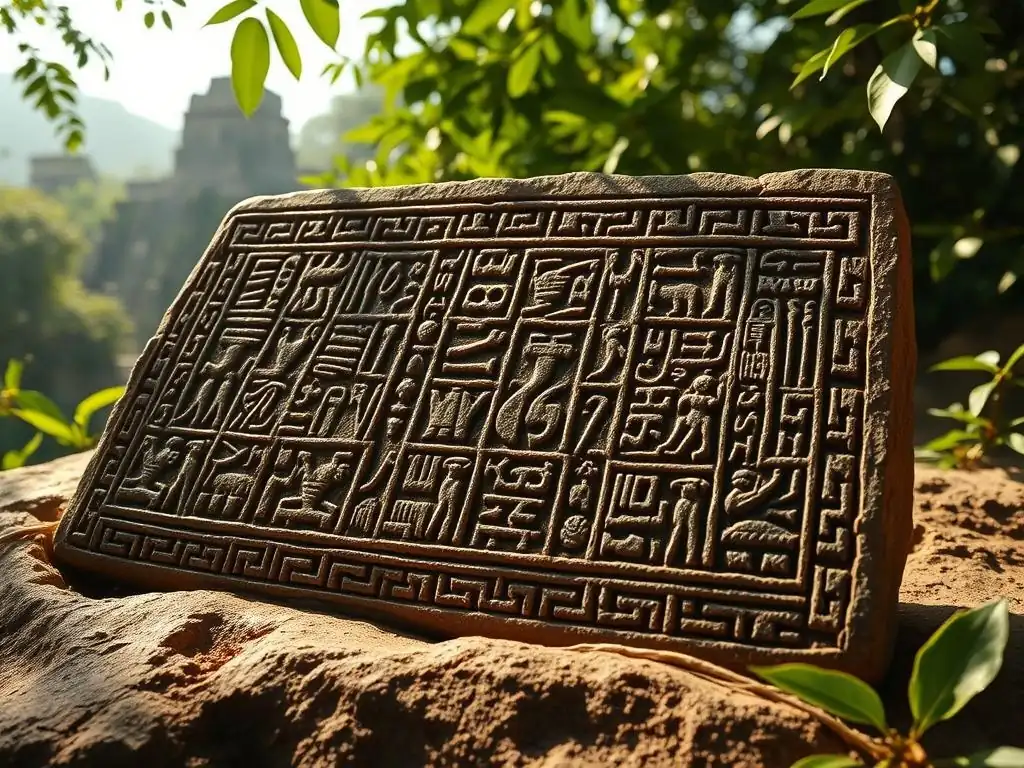
Welcome to Indigenous Civilizations of the Americas, where we invite you to embark on a fascinating journey through the rich tapestry of indigenous cultures that once flourished across this vast land. In our featured article, “The Artistic Craftsmanship Behind Maya Hieroglyphics: Aesthetic and Function,” we delve into the intricate world of Maya hieroglyphics artistic craftsmanship—a remarkable blend of beauty and utility that showcases the profound creativity and intellect of the Maya civilization. As you explore the artistry and significance behind these ancient symbols, you’ll uncover the stories and legacies that shaped societies long before European contact.
Are you ready to unlock the mysteries of the past? Dive in and discover more!
Introduction to Maya Hieroglyphics Artistic Craftsmanship
Maya hieroglyphics represent one of the most sophisticated writing systems of the ancient world, encapsulating a unique blend of artistic craftsmanship and functional communication. This intricate script, used by the Maya civilization for centuries, served not only to convey information but also to express their rich cultural identity and beliefs.
The artistic elements embedded in these glyphs reveal a deep appreciation for aesthetics, reflecting the Maya's profound connection to their environment, spirituality, and societal values. The exploration of Maya hieroglyphics thus unveils a fascinating narrative of creativity and meaning, emphasizing the importance of these symbols in understanding the broader context of Maya society before European colonization.
Overview of Maya Hieroglyphics
Maya hieroglyphics are a complex system consisting of logograms and syllabic signs that were used primarily in inscriptions on monuments, ceramics, and codices. The writing system is composed of approximately 800 distinct glyphs, each representing sounds, syllables, or entire concepts. This rich linguistic tapestry enabled the Maya to document their history, rituals, and astronomical knowledge, showcasing an advanced understanding of language and communication.
The earliest known examples of Maya hieroglyphics date back to around 300 BCE, with the most extensive use of the script occurring during the Classic Period (250-900 CE). These inscriptions not only served practical purposes but also played a crucial role in the ceremonial life of the Maya, often associated with the elite class and their lineage.
Importance of Artistic Craftsmanship in Maya Culture
Artistic craftsmanship in Maya hieroglyphics extends beyond mere functionality; it is a testament to the cultural sophistication of the Maya civilization. The creation of these glyphs involved meticulous attention to detail, with each carving or painting reflecting the artist's skill and the significance of the message conveyed. Hieroglyphic inscriptions often adorned temples, altars, and public spaces, reinforcing the social and political structures within Maya society.
Moreover, the aesthetic qualities of these glyphs served to elevate the status of the rulers and deities represented, imbuing the inscriptions with a sense of reverence and authority. As such, the craftsmanship behind Maya hieroglyphics is integral to understanding the artistic, social, and spiritual dimensions of Maya life.
Aesthetic Elements of Maya Hieroglyphics
Visual Characteristics of Maya Glyphs
The visual appeal of Maya glyphs is characterized by their intricate designs and varied forms. Many glyphs feature elaborate motifs, including spirals, curls, and geometric patterns, which contribute to their distinctive appearance. The glyphs often exhibit a combination of stylized figures and abstract representations, culminating in a visual language that transcends mere words.
The craftsmanship involved in creating these glyphs is evident in the precision of the carvings and the skillful use of negative space. Each glyph can be viewed as a small piece of art, where form and function harmoniously coexist to convey complex meanings.
Symbolism and Meaning in Maya Artistic Craftsmanship
Maya hieroglyphics are rich in symbolism, with each glyph often representing not only phonetic sounds but also broader cultural concepts. The artistic decisions made by the Maya artists were deeply intertwined with their cosmology and worldview. For instance, certain glyphs may symbolize fertility, death, or the cosmos, reflecting the Maya's understanding of their environment and existence.
This symbolic depth adds layers of meaning to the hieroglyphs, inviting interpretations that go beyond the literal translations. As such, the artistic craftsmanship of these glyphs is a crucial aspect of the storytelling tradition in Maya culture, allowing for a nuanced expression of their beliefs and values.
Color and Material Use in Hieroglyphics
The aesthetic experience of Maya hieroglyphics is further enhanced by the use of color and materials. Hieroglyphs were often painted in vibrant colors, utilizing natural pigments derived from minerals and plants. This attention to color not only beautified the inscriptions but also held significance in their meanings. For example, red might symbolize life or sacrifice, while blue could represent water and fertility.
The materials used in crafting these glyphs, whether stone, wood, or ceramic, also played a vital role in their artistic expression. Each medium allowed for different techniques and effects, showcasing the versatility and creativity of Maya artisans. The choice of material often reflected the importance of the message being conveyed, highlighting the relationship between aesthetics and function in Maya hieroglyphic art.
Functional Aspects of Maya Hieroglyphics
Maya hieroglyphics served not only as a writing system but also as a profound medium of artistic expression that reflected the complexities of Maya society. The functional aspects of these hieroglyphics can be categorized into various dimensions, primarily focusing on communication, record-keeping, and their roles in religious and political contexts. The craftsmanship involved in crafting these symbols was not merely utilitarian; it was infused with cultural significance, showcasing the artistry that characterized Maya civilization.
Communication and Record-Keeping in Maya Society
In the ancient Maya civilization, hieroglyphics were essential for communication, both in daily life and within the broader context of society. They were employed to record historical events, document the achievements of rulers, and convey important information across generations. The intricate system of glyphs allowed the Maya to maintain a rich oral tradition in written form, ensuring the preservation of their language and culture.
The hieroglyphs were utilized on various mediums, including stone monuments, pottery, and codices made from bark paper. These records provided insights into the Maya worldview, social hierarchy, and interactions with their environment. For instance, inscriptions on stelae (tall stone monuments) often commemorated significant events, while codices contained detailed accounts of astronomy, rituals, and daily life.
The Role of Hieroglyphics in Religious and Political Contexts
Maya hieroglyphics held a critical place in the religious and political spheres of the civilization. Religious texts often featured hieroglyphs that conveyed mythological narratives, ceremonial practices, and the significance of deities. The use of hieroglyphics in religious contexts underscored their role in connecting the mundane with the divine, facilitating communication with the gods.
Politically, hieroglyphics were instrumental in legitimizing authority and power. Rulers utilized glyphic inscriptions to assert their divine right to rule, commemorate military victories, and establish their legacy. These inscriptions not only conveyed messages of power but also served as a visual representation of the ruler's achievements, reinforcing their social standing within the community.
Integration of Craftsmanship in Everyday Life
The artistry involved in creating Maya hieroglyphics extended beyond monumental inscriptions; it permeated everyday life. Craftsmen skilled in hieroglyphic artistry produced a variety of items adorned with glyphs, including pottery, textiles, and tools. This integration of hieroglyphics into daily objects reflected the deep-seated cultural significance of these symbols in Maya society.
The craftsmanship required to produce these glyphs was meticulous and required a keen understanding of both artistic techniques and symbolic meanings. Artisans used their skills to infuse everyday life with cultural narratives, making the stories and traditions of the Maya accessible to all members of society, not just the elite.
Techniques and Methods of Maya Hieroglyphics Creation
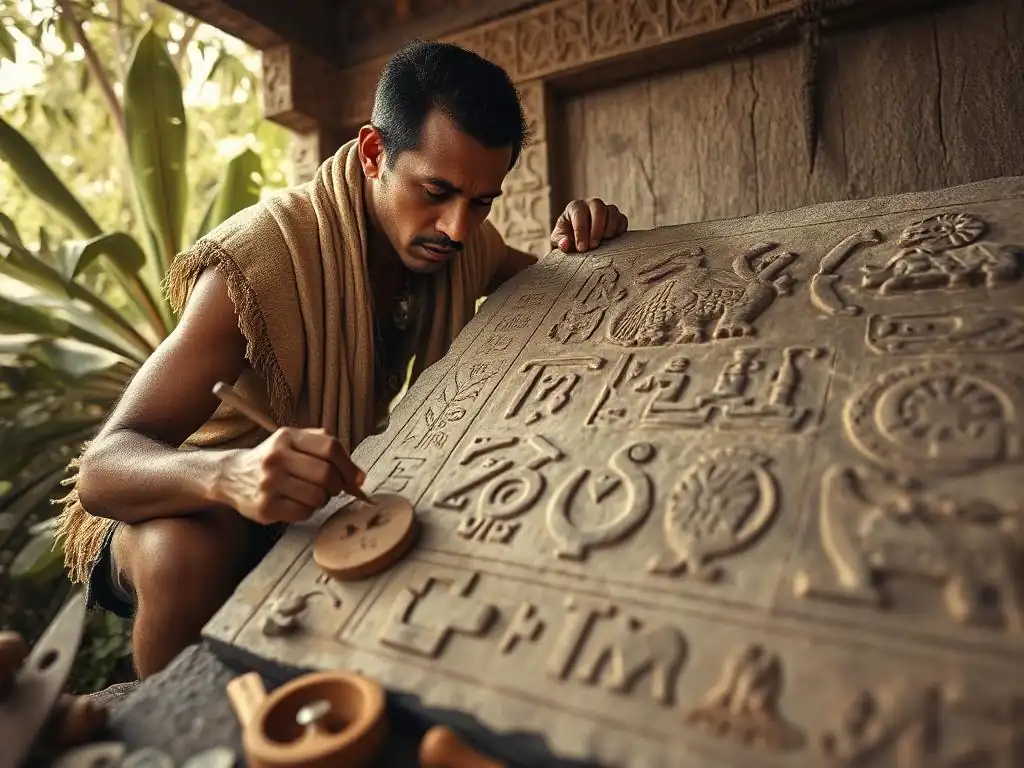
The creation of Maya hieroglyphics involved a combination of traditional techniques and innovative practices that showcased the artistic craftsmanship of the Maya civilization. Various tools and materials were employed in the production of glyphs, allowing for a diverse range of expressions that reflected the intricacies of their culture.
Tools and Materials Used in Glyph Production
Maya artisans utilized a variety of tools and materials to create their hieroglyphics. Commonly used tools included chisels, hammers, and obsidian blades, which allowed for precise carving into stone and wood. The choice of materials was equally significant; the Maya often used limestone for monumental inscriptions, while wooden surfaces were employed for codices and smaller artifacts.
In addition to stone and wood, the Maya also utilized pigments made from natural resources, such as minerals and plants, to paint hieroglyphs. This added a vibrant aesthetic to their creations, enhancing the visual appeal and communicative power of the glyphs. The combination of durable materials and vivid colors contributed to the longevity and impact of Maya hieroglyphics throughout history.
Traditional Techniques of Stone and Wood Carving
The traditional techniques of carving hieroglyphics into stone and wood were characterized by a high degree of craftsmanship and attention to detail. Stone carving involved meticulously chiseling the glyphs into the surface, often using a technique known as "bas-relief," where the design is only slightly raised from the background. This method allowed for intricate details and depth in the carvings.
Wood carving techniques were similarly complex, with artisans employing tools to create detailed glyphs on wooden surfaces. These carvings were often painted with vibrant colors, which not only beautified the pieces but also played a role in their communicative function. The skill involved in both stone and wood carving reflects the high standards of artistic craftsmanship that defined Maya hieroglyphics.
Innovations in Maya Writing and Artistic Expression
The Maya civilization was not static; it evolved over time, leading to innovations in their writing and artistic expression. As the society developed, so too did the complexity of their hieroglyphic system. New glyphs were created, and existing ones were adapted to accommodate changes in language and the needs of the society.
Innovative artistic expressions emerged as well, often blending traditional elements with new techniques. This creativity is evident in the diverse styles of pottery and sculpture that incorporated hieroglyphics, each reflecting regional variations and personal expressions of the artists. Such innovations not only enriched the visual language of the Maya but also contributed to the dynamic nature of their cultural heritage, ensuring that their artistic craftsmanship continued to evolve and inspire future generations.
The Cultural Significance of Hieroglyphics in Maya Society
Maya hieroglyphics were much more than a writing system; they were a profound expression of the Maya civilization's identity, worldview, and cosmology. Each glyph not only represented sounds but also encapsulated complex ideas, histories, and the intricate relationships between humans and their environment. This multifaceted nature of hieroglyphics reflects the sophistication of Maya culture, where art and communication were intertwined to convey meaning and preserve knowledge. Hieroglyphics were prominently featured in monumental architecture, pottery, and codices, showcasing the importance of literacy in governance, religion, and social organization.
The use of hieroglyphics allowed the Maya to document historical events, including the reigns of kings, significant battles, and astronomical observations. This documentation served both political and spiritual purposes, solidifying the divine right of rulers and reinforcing the community's connection to their gods. Furthermore, the hieroglyphs were an essential tool for ritualistic practices, as they often communicated prayers and offerings to deities, making them a critical component of Maya spirituality.
Hieroglyphics as a Reflection of Maya Worldview
The Maya worldview was deeply rooted in the interplay between the natural and supernatural realms, and hieroglyphics served as a bridge connecting these domains. Each glyph was imbued with symbolic meaning, often representing elements of the cosmos, such as celestial bodies, animals, and mythological figures. This interconnectedness is evident in the way the Maya recorded their understanding of time, seasons, and agricultural cycles.
Through hieroglyphics, the Maya expressed their beliefs about creation, the afterlife, and the cyclical nature of existence. The glyphs often illustrated narratives that depicted the origins of their world, the deeds of gods, and the journeys of ancestral heroes. As such, the hieroglyphic inscriptions acted as a cultural repository, providing insight into the moral and ethical values cherished by the Maya.
Artistic Craftsmanship and Its Role in Maya Identity
The artistic craftsmanship behind Maya hieroglyphics was a testament to the civilization's dedication to aesthetics and precision. Skilled artisans employed a range of materials, including stone, wood, and clay, to carve or paint intricate designs that reflected their cultural heritage. The process of creating these glyphs was meticulous, requiring not only technical skill but also an understanding of the symbolic language of the Maya.
This craftsmanship reinforced a sense of identity among the Maya, as it celebrated their achievements and narrated their history. Hieroglyphics were often adorned with decorative elements that enhanced their visual appeal, illustrating the belief that beauty and function were inseparable. The artistry involved in hieroglyphic creation served as a means of cultural expression, allowing Maya artisans to convey their unique perspectives and values through their work.
Preservation of Knowledge through Hieroglyphic Art
Maya hieroglyphics played a crucial role in the preservation of knowledge across generations. The glyphs served as a record of historical events, religious practices, and scientific observations, ensuring that vital information was not lost to time. Codices, which were folding books made of bark paper, housed many of these inscriptions and were invaluable for educational purposes.
The meticulous documentation provided by hieroglyphics allowed the Maya to maintain continuity in their cultural practices and societal structures. By inscribing their histories and rituals, they created a legacy that could be referenced by future generations. This dedication to knowledge preservation highlights the importance of hieroglyphic art in maintaining the integrity of Maya civilization and its cultural identity.
Conclusion: The Enduring Legacy of Maya Hieroglyphics Artistic Craftsmanship
The artistic craftsmanship behind Maya hieroglyphics is a profound testament to the civilization's intellectual and cultural sophistication. Through their unique writing system, the Maya expressed their worldview, documented their history, and preserved their knowledge, leaving a lasting impact on subsequent cultures and civilizations. The intricate designs of hieroglyphics continue to inspire awe and intrigue, reflecting the depth of Maya artistry.
Summary of Key Points
- Maya hieroglyphics were essential for documenting history, spirituality, and governance.
- The glyphs reflected the Maya worldview, connecting the natural and supernatural.
- Artistic craftsmanship was integral to Maya identity, celebrating cultural heritage.
- Hieroglyphics served as a means of preserving knowledge for future generations.
The Impact of Maya Hieroglyphics on Contemporary Understanding of Maya Culture
The study of Maya hieroglyphics has significantly enriched contemporary understanding of Maya culture. Researchers have deciphered many glyphs, revealing insights into the social, political, and religious dynamics of the civilization. The ongoing exploration of these inscriptions continues to uncover new facets of Maya life, offering valuable contributions to the fields of archaeology and anthropology.
Furthermore, the resurgence of interest in Maya hieroglyphics has fostered a greater appreciation for indigenous knowledge systems and their relevance today. By acknowledging the complexity and artistry of Maya hieroglyphics, modern society gains a deeper respect for the cultural contributions of indigenous peoples.
Future Research Directions in Maya Hieroglyphics and Artistic Craftsmanship
Future research on Maya hieroglyphics and artistic craftsmanship holds great promise for enhancing our understanding of this ancient civilization. Areas of exploration may include:
- Technological Analysis: Investigating the tools and techniques used by artisans to create hieroglyphics can shed light on their craftsmanship.
- Interdisciplinary Studies: Collaborating with linguists and anthropologists can provide a comprehensive view of the social and cultural contexts of hieroglyphic writing.
- Digital Humanities: Utilizing digital technology to create interactive databases of hieroglyphic inscriptions may facilitate broader access to this knowledge.
By pursuing these research directions, scholars can continue to unveil the rich tapestry of Maya civilization, ensuring that the artistic craftsmanship behind their hieroglyphics is appreciated for generations to come.
- Introduction to Maya Hieroglyphics Artistic Craftsmanship
- Aesthetic Elements of Maya Hieroglyphics
- Functional Aspects of Maya Hieroglyphics
- Techniques and Methods of Maya Hieroglyphics Creation
- The Cultural Significance of Hieroglyphics in Maya Society
- Conclusion: The Enduring Legacy of Maya Hieroglyphics Artistic Craftsmanship
Frequently Asked Questions
What are Maya hieroglyphics?
Maya hieroglyphics are a complex writing system used by the ancient Maya civilization, combining logograms and syllabic signs to convey language and meaning.
How did artistic craftsmanship influence Maya hieroglyphics?
The artistic craftsmanship behind Maya hieroglyphics reflects not only functional communication but also serves as a visual art form, showcasing intricate designs and symbolism in their inscriptions.
What materials were used in creating Maya hieroglyphics?
Maya hieroglyphics were typically carved into materials like stone, painted on ceramics, or inscribed in codices made from bark paper, demonstrating the diversity of media utilized in their artistry.
Why is the study of Maya hieroglyphics important today?
Understanding Maya hieroglyphics helps us appreciate the cultural heritage, history, and intellectual achievements of the Maya civilization, allowing for a deeper connection to their legacy.
How did European colonization affect the preservation of Maya hieroglyphics?
European colonization led to significant loss and destruction of many Maya texts and monuments, hindering the preservation of their historical records and impacting our understanding of their culture.
Final Reflection: The Enduring Legacy of Maya Hieroglyphics Artistic Craftsmanship
The intricate world of Maya hieroglyphics artistic craftsmanship serves as a testament to the profound connection between art and communication in ancient civilizations. Today, as we navigate an increasingly digital landscape, the significance of these symbols transcends mere aesthetics; they remind us of the power of visual language and the cultural narratives that shape our identities. The artistry embedded in each glyph speaks volumes about the sophistication of the Maya civilization, illustrating that creativity and functionality can coexist harmoniously.
The influence of Maya hieroglyphics extends far beyond their historical context, continuing to inspire contemporary artists, scholars, and cultural enthusiasts alike. The meticulous craftsmanship of these symbols not only reflects the values and beliefs of the Maya people but also invites us to explore our own cultural heritage. As the renowned artist and scholar, Dr. Elizabeth Graham, once said, Art is a bridge that connects us to our past, allowing us to understand our present and shape our future.
This enduring legacy encourages us to appreciate the artistry in our own stories and the narratives that define our communities.
As you reflect on the themes presented in this article, consider how the lessons of Maya hieroglyphics can be applied to your own life. Embrace the artistic craftsmanship within your personal and communal narratives. Whether through writing, visual arts, or other forms of expression, let the spirit of the Maya inspire you to create and communicate meaningfully.
Take a moment to explore the symbols that resonate with you, and allow them to guide your journey of self-discovery and cultural appreciation. The artistry of the past can illuminate the path forward, urging us to honor our heritage while crafting a vibrant future.
Unveil the Mysteries of Maya Hieroglyphics!
Thank you for taking the time to explore the fascinating world of Maya hieroglyphics with us. We've journeyed through the artistry and meaning behind these ancient symbols, gaining insight into their unique blend of aesthetic beauty and functional communication. Now, it's your turn to delve deeper and connect!
Here are some actions you can take to further enrich your understanding and appreciation:
- Explore local museums or online exhibitions that feature Maya artifacts. Witness the hieroglyphics in person and experience the craftsmanship firsthand.
- Share your newfound knowledge with friends. Host an informal discussion or start a conversation on social media about the significance of hieroglyphics in preserving cultural heritage.
- Create your own artwork inspired by Maya glyphs! Sketch or design your interpretation of these symbols, merging their historical significance with your unique creativity.
What new insights did you discover about the artistic craftsmanship of Maya hieroglyphics, and how will you share this rich heritage with others?