
Culinary Rituals: How Food Played a Role in Mayan Society

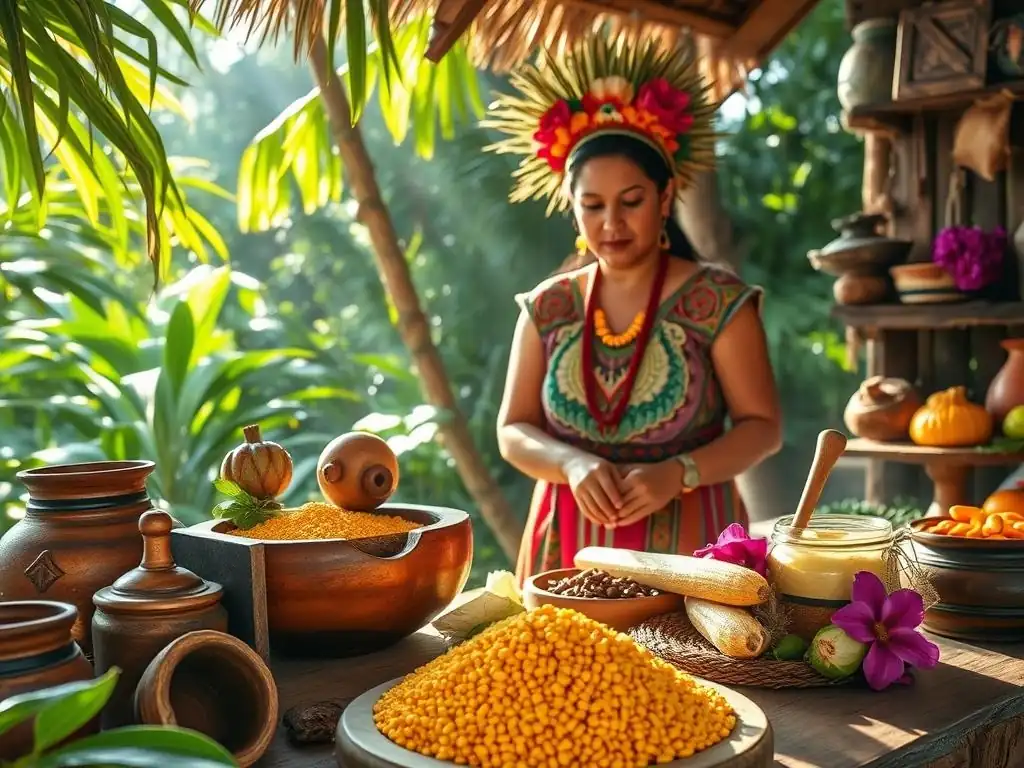
Welcome to Indigenous Civilizations of the Americas, where we invite you on an enlightening journey through the rich tapestry of indigenous cultures that flourished across the Americas before the arrival of European settlers. Delve into the intricate world of Mayan food rituals and culture, where culinary practices were not merely about sustenance but were deeply intertwined with spirituality and societal values. Discover how these vibrant traditions shaped the lives of the Maya and continue to influence contemporary customs. Are you ready to uncover the fascinating connections between food and identity in Mayan society? Explore further to satisfy your curiosity!
Introduction to Mayan Food Rituals and Culture
The rich tapestry of Mayan society is woven with intricate threads of culture, spirituality, and community, and at the heart of this civilization lies the significance of food rituals. These practices not only sustained the body but also nourished the spirit, serving as a vital element in Mayan food rituals and culture. The connection between food and identity in Mayan communities reflects a profound understanding of their environment, showcasing a variety of ingredients and cooking methods unique to their civilization.
Mayan food rituals were steeped in tradition and meaning, often intertwined with their cosmology and agricultural cycles. Each meal served as a reminder of the relationship between the people and their land, emphasizing respect for nature and the divine. The importance of these rituals can be seen in their ceremonies, which celebrated the harvest, honored deities, and fostered communal bonds. Through this exploration, we will uncover how these culinary practices shaped the Mayan way of life, demonstrating their lasting impact on modern culture.
The Historical Context of Mayan Culinary Traditions
Understanding the historical context of Mayan culinary traditions is crucial to appreciating their food rituals. The Mayan civilization, which flourished from approximately 2000 BC to 1500 AD, encompassed vast territories in present-day Mexico, Guatemala, Belize, and parts of Honduras and El Salvador. This region was characterized by diverse ecosystems, ranging from coastal areas to mountainous terrains, which influenced the availability of food resources.
The Mayan diet was primarily based on staple crops such as maize (corn), beans, and squash, often referred to as the "Mayan triad." These ingredients formed the foundation of their meals and were often prepared in various ways, including the use of nixtamalization for corn, enhancing both its nutritional value and flavor. Additionally, the Mayans cultivated a range of fruits, vegetables, and spices, such as tomatoes, avocados, and chili peppers, which contributed to the complexity of their cuisine.
Culinary traditions were not static; they evolved over time in response to climatic changes, trade interactions, and sociopolitical developments. As such, the rituals surrounding food reflect not only personal and communal practices but also the broader historical narrative of the Mayan civilization.
The Role of Agriculture in Mayan Food Rituals
Agriculture played a pivotal role in Mayan food rituals, as it was intricately linked to their spiritual beliefs and daily life. The agricultural calendar dictated the timing of various ceremonies, with planting and harvest periods marked by specific rituals to honor the gods and ensure a bountiful yield.
Key elements in these rituals included:
- Ceremonial Offerings: Farmers would present offerings of food, often maize-based dishes, to the deities in hopes of securing their favor for successful crops.
- Harvest Festivals: Celebrations such as the Mayan New Year were significant communal events where food was central to the festivities, reinforcing social bonds and cultural identity.
- Ritual Preparation: The process of preparing food for rituals was often steeped in symbolism, with specific dishes reserved for sacred occasions, emphasizing the connection between sustenance and spirituality.
Through these agricultural practices, the Mayans demonstrated a deep respect for the land, recognizing the vital role it played in their survival and cultural expression.
Influence of Religion on Mayan Food Practices
Religion profoundly influenced Mayan food practices, shaping not only what was eaten but also how meals were prepared and consumed. The Mayans held a complex belief system that included a pantheon of gods associated with various aspects of life, including agriculture, fertility, and the natural world.
Food was often viewed as a sacred offering, and certain dishes were prepared specifically for religious ceremonies. For example:
- Tamales and Tortillas: These staple foods were frequently used in rituals, symbolizing the earth and the sustenance it provided.
- Cacao: Revered as a divine gift, cacao was consumed in ceremonial drinks and often used in offerings to the gods.
- Ritual Feasts: Large communal feasts were organized to celebrate significant religious events, where food served not only as nourishment but also as a medium for social and spiritual connection.
The intertwining of food and religion in Mayan society illustrates how culinary practices were not merely about sustenance but were integral to their worldview, reflecting a deep respect for both the divine and the natural world.
Key Mayan Food Rituals
Mayan food rituals were deeply intertwined with their spiritual beliefs, daily life, and social structures. These rituals served not just as a means of sustenance but as a way to connect with their gods and the natural world. Central to these rituals were the practices surrounding the preparation and consumption of food, which were often accompanied by specific ceremonies and offerings.
The Mayans believed that food had spiritual significance; therefore, rituals were performed to honor the ingredients and the deities associated with them. This included offerings made before meals, where food was presented to the gods as a sign of gratitude and reverence. Such practices reinforced community bonds and were integral to maintaining social hierarchies, as they often involved communal gatherings that reinforced cultural identity.
Daily Food Practices in Mayan Culture
Daily food practices among the Maya were structured and ritualistic, reflecting their agrarian lifestyle and reliance on the land. Corn, or maize, was the staple food and held a sacred place in their diet. It was not only a fundamental source of nourishment but also a symbol of life and fertility. The process of grinding corn into masa for tortillas was often accompanied by prayers and blessings, making it a ritual in itself.
In addition to corn, beans and squash were essential components of their diet, commonly referred to as the "Mayan triad." Each meal was typically shared among family members, emphasizing the importance of community. The Mayans also practiced various food preservation techniques, such as drying and smoking, which were often ritualized to ensure a successful harvest and secure food security for the community.
Ceremonial Feasts and Rituals
Ceremonial feasts in Mayan society were grand events that marked significant occasions such as births, marriages, and religious festivals. These feasts were elaborate affairs, featuring an abundance of food and drink, often prepared through traditional methods that emphasized the connection to their ancestors. The preparation of these meals was a communal effort, involving multiple families and clans, reflecting the cooperative spirit of Mayan society.
During these ceremonies, specific dishes were prepared to honor the gods, featuring ingredients believed to have divine properties. Rituals often included the sacrifice of animals, such as turkey or deer, to appease deities, with the blood being offered to the gods as a token of gratitude. These feasting rituals not only nourished the body but also reinforced social ties and cultural identity, serving as a reminder of the community's shared heritage.
Ingredients and Their Symbolism in Mayan Cuisine
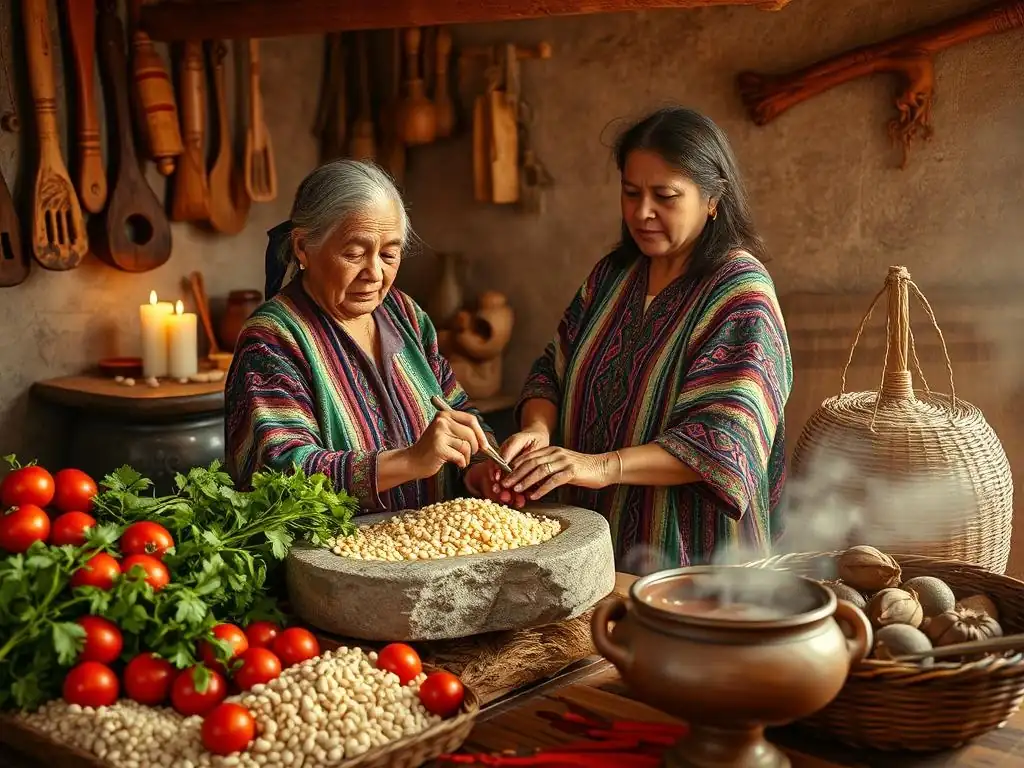
Mayan cuisine was rich in diverse ingredients, each carrying its own significance and symbolism. The use of local resources was not only practical but steeped in cultural meanings. Ingredients like corn, beans, and chili peppers were staples, and their preparation and consumption were often surrounded by rituals that highlighted their importance in Mayan life.
The focus on agricultural cycles also played a key role in determining which ingredients were used in various rituals. Seasonal ingredients were celebrated at specific times of the year, reinforcing the connection between the Mayans and the land they cultivated. This relationship with ingredients was rooted in respect and reverence, emphasizing the sacred nature of food.
Sacred Ingredients in Mayan Food Rituals
Several ingredients were considered sacred in Mayan food rituals, each associated with specific deities and spiritual beliefs. Maize was paramount, often seen as a divine gift from the gods and a symbol of life. The Mayans believed that humans were created from maize, which deepened its significance in all aspects of life.
Cacao was another sacred ingredient, used not only in beverages but also in rituals. It was believed to facilitate communication with the gods and was often consumed during important ceremonies. The bitterness of cacao represented the duality of life and was used in various offerings to symbolize gratitude and the complexity of human existence.
Honey, sourced from the stingless bee, was also revered for its sweetness and was used in ceremonial drinks. It symbolized fertility and abundance, often featured in rituals that celebrated life and renewal. The use of these sacred ingredients illustrated the Mayans' profound respect for nature and their understanding of the interconnectedness of life.
Modern Interpretations of Traditional Mayan Ingredients
In contemporary cuisine, many chefs and home cooks are rediscovering traditional Mayan ingredients, incorporating them into modern dishes while respecting their cultural significance. Ingredients like maize, cacao, and chili peppers are being used in innovative ways to create fusion dishes that honor Mayan heritage.
Additionally, there is a growing movement to promote sustainable farming practices that reflect ancient Mayan agricultural methods. This includes the use of heirloom varieties of maize and organic farming techniques that align with traditional Mayan values. By embracing these practices, modern chefs are not only preserving the culinary traditions of the Mayans but also advocating for environmental stewardship.
The revival of these ingredients is also seen in the increase of restaurants focusing on Mayan cuisine, showcasing dishes that highlight the cultural heritage and history of the region. This resurgence aids in keeping the Mayan food rituals alive, ensuring that future generations appreciate and understand the importance of their culinary heritage.
The Legacy of Mayan Food Rituals in Today's Society
The legacy of Mayan food rituals extends far beyond the ancient civilization itself, permeating modern culinary practices in Mexico and Central America. These rituals, steeped in tradition, not only influenced how food is prepared and consumed but also shaped cultural identities and social structures. The communal aspect of food preparation and consumption emphasized by the Maya is still prevalent today, where gatherings for feasting and celebrations are essential in family and community life.
Mayan food rituals often involved offerings to deities, reflecting the spiritual connection the Maya had with their food sources. This sacred relationship continues to resonate in contemporary practices, where many communities honor traditional foods during religious celebrations and festivals. Such rituals are a reminder of the interconnectedness between food, spirituality, and identity, showcasing how ancient practices can find relevance in modern societal contexts.
Influence on Modern Mexican and Central American Cuisine
Mayan food rituals have significantly influenced the culinary landscape of Mexico and Central America, contributing to a rich tapestry of flavors, techniques, and ingredients. Key staples such as maize (corn), beans, and squash, which were central to Mayan diets, remain foundational components of contemporary Mexican cuisine. The methods of cooking, such as nixtamalization of corn to make masa for tortillas, have deep roots in Mayan traditions.
Moreover, the use of spices and herbs like achiote, cacao, and various peppers can be traced back to ancient practices. Traditional dishes such as tamales, mole, and various forms of tortillas reflect this enduring legacy. Seasonal festivals and communal rituals surrounding food preparation and sharing are still celebrated, echoing the Mayan emphasis on community and connection through culinary traditions.
Preservation of Mayan Food Culture
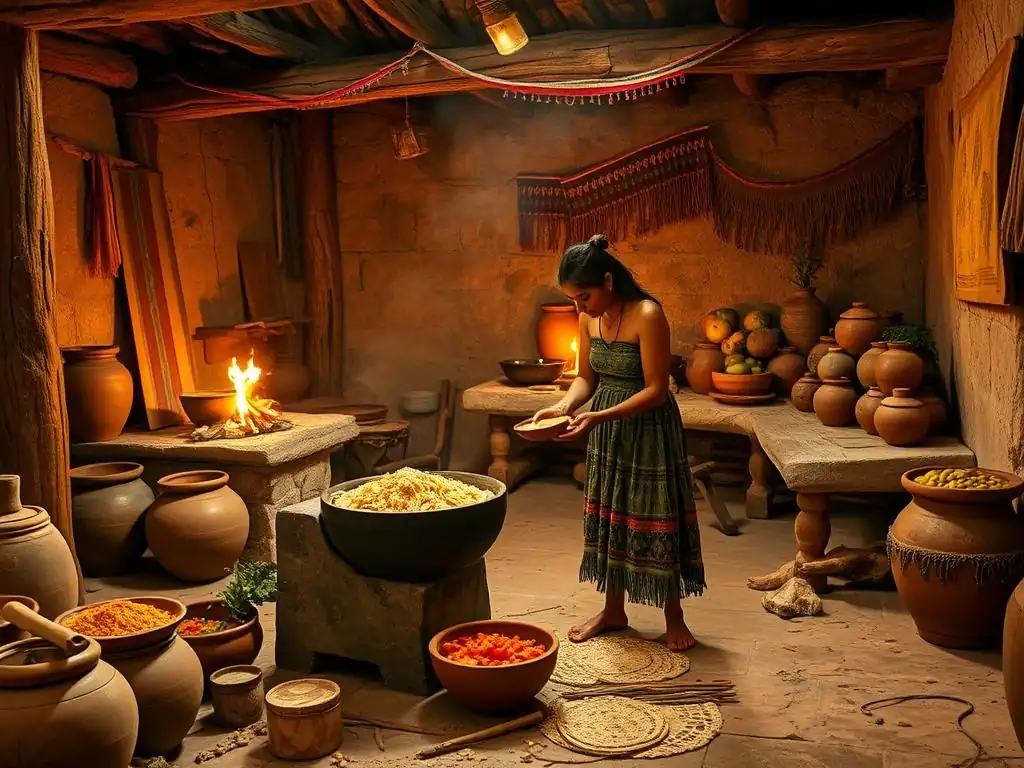
Efforts to preserve Mayan food culture are vital for maintaining the heritage and identity of indigenous communities. Organizations and local initiatives have emerged to document and teach traditional cooking methods, ensuring that the knowledge passed down through generations is not lost. This includes workshops, cooking classes, and community events focused on traditional Mayan recipes and practices.
Additionally, the resurgence of interest in heirloom crops and traditional farming techniques reflects a broader movement towards sustainable and culturally significant agriculture. The emphasis on organic farming and local sourcing aligns with the Mayan philosophy of respecting the land and its resources. Such initiatives not only safeguard culinary traditions but also promote biodiversity and environmental stewardship.
Conclusion: The Lasting Impact of Mayan Food Rituals and Culture
The impact of Mayan food rituals and culture on contemporary society is profound and multifaceted. These rituals have shaped not only the culinary practices of modern Mexico and Central America but also the cultural identities of their people. The spiritual connections to food, community gatherings, and traditional cooking methods continue to thrive, illustrating the resilience of Mayan heritage in a rapidly changing world.
As we explore and embrace these culinary traditions, we honor the legacy of the Maya and recognize the importance of food as a vital expression of culture, history, and identity. The preservation of these practices ensures that future generations can appreciate and participate in the rich tapestry of Mayan food rituals, fostering a deeper understanding of their significance in our shared human experience.
Additional Resources for Exploring Mayan Culinary Traditions
To deepen your understanding of Mayan culinary traditions, a variety of resources are available to explore. Below are some categories and specific types of resources that can enhance your knowledge of Mayan food rituals and culture.
Books
- "Maya Cuisine: Recipes from the Yucatán Peninsula" by David Sterling
- This book offers an in-depth look at traditional Mayan recipes, along with insights into their cultural significance. Sterling's work delves into ingredients, cooking techniques, and the historical context of the dishes.
- "The Food of the Maya: Authentic Recipes from the Maya of Mexico and Central America" by Zarela Martínez
- This cookbook provides a collection of authentic recipes and the stories behind them, highlighting the connection between food and Mayan identity.
- "Eating the Americas: A Culinary History of the Americas" by Michael A. G. Stoll
- This historical overview discusses the culinary practices of indigenous peoples, including the Mayans, and how food shaped their societies.
Documentaries and Films
- "The Maya: The Forgotten Civilization"
- This documentary explores the daily life of the Maya, including their agricultural practices and culinary traditions, offering visual insights into their food rituals.
- "Mayan Mythology and Cuisine"
- A documentary that connects Mayan mythology with culinary practices, illustrating how food has played a significant role in their spiritual and social lives.
Online Resources
- Culinary Institute of America: Mayan Culinary Traditions
- This online resource offers articles, recipes, and instructional videos focused on traditional Mayan cooking practices, making it an excellent starting point for culinary enthusiasts.
- YouTube Channels:
- There are several channels dedicated to exploring indigenous cuisines. Look for channels that specifically focus on Mayan culture and food, as they often provide tutorials on traditional recipes and cooking methods.
Cultural Centers and Museums
- Maya Museum in Cancun, Mexico
- Visiting this museum can provide firsthand experience of Mayan artifacts, including those related to food preparation and consumption. It often hosts workshops and cooking demonstrations.
- Mayan Heritage Center
- This center often organizes events celebrating Mayan culture, including cooking classes that focus on traditional recipes and food practices.
By exploring these resources, you can gain a richer appreciation for the intricate relationship between food, culture, and rituals in Mayan society. Whether through books, documentaries, or hands-on experiences, each resource provides unique insights into the culinary heritage of the Mayans, helping to preserve and celebrate their enduring legacy.
- Introduction to Mayan Food Rituals and Culture
- The Historical Context of Mayan Culinary Traditions
- Key Mayan Food Rituals
- Ingredients and Their Symbolism in Mayan Cuisine
- The Legacy of Mayan Food Rituals in Today's Society
- Influence on Modern Mexican and Central American Cuisine
- Preservation of Mayan Food Culture
- Conclusion: The Lasting Impact of Mayan Food Rituals and Culture
- Additional Resources for Exploring Mayan Culinary Traditions
- What are the main themes of the article "Culinary Rituals: How Food Played a Role in Mayan Society"?
- How did Mayan food rituals reflect their culture?
- What types of foods were commonly used in Mayan rituals?
- How did these food rituals influence Mayan society?
- What is the lasting impact of Mayan food rituals today?
Frequently Asked Questions
What are the main themes of the article "Culinary Rituals: How Food Played a Role in Mayan Society"?
The article explores the significance of food rituals in Mayan culture, highlighting how culinary practices influenced their social structure, spirituality, and daily life.
How did Mayan food rituals reflect their culture?
Mayan food rituals were deeply intertwined with their spiritual beliefs and social customs, often involving offerings to gods and the use of specific ingredients that held symbolic meanings.
What types of foods were commonly used in Mayan rituals?
The Mayans utilized a variety of foods, including maize, beans, and chili peppers, which were not only staples but also held cultural significance in their rituals and celebrations.
How did these food rituals influence Mayan society?
Food rituals reinforced community bonds and were essential for ceremonial occasions, helping to maintain the social hierarchy and cultural identity among the Mayans.
What is the lasting impact of Mayan food rituals today?
Mayan food rituals continue to influence modern Mesoamerican cuisine and cultural practices, showcasing the rich heritage and traditions that persist in contemporary societies.
Final Reflection: The Enduring Legacy of Mayan Food Rituals and Culture
Culinary rituals in Mayan society are not merely remnants of the past; they are vibrant threads woven into the fabric of contemporary culture. Today, as we explore the significance of food in the Mayan civilization, we uncover a profound connection between culinary practices and identity, spirituality, and community. The rituals surrounding Mayan food remind us that every meal is an opportunity to honor our heritage and foster connections with those around us.
Mayan food rituals have left an indelible mark on the cultural landscape, influencing not only the descendants of this ancient civilization but also the broader culinary world. These practices serve as a reminder of the importance of food as a means of storytelling and cultural expression. As we engage with these traditions, we are reminded of the words of food historian Michael Pollan: > “Eating is an agricultural act.” This quote encapsulates the idea that our food choices are deeply intertwined with our cultural narratives and the environment, urging us to consider the implications of our culinary practices.
As we reflect on the lessons of Mayan food rituals, I invite you to embrace the power of food in your own life. Consider how your meals can serve as a bridge to your heritage, a way to connect with others, and a means to honor the earth. Whether you are preparing a traditional dish or exploring new flavors, let each culinary experience be an opportunity for reflection and connection. By doing so, we not only celebrate the rich tapestry of Mayan culture but also cultivate a deeper appreciation for the role of food in our own lives.
Unveil the Secrets of Mayan Culinary Traditions!
Thank you for taking the time to explore the fascinating role of food in Mayan society! Your journey into these culinary rituals has revealed not only their cultural significance but also the deep connections between cuisine and community in ancient civilizations. Now, it's time to take action and immerse yourself further in the world of Mayan traditions.
Here are a few steps you can take to enhance your understanding and appreciation of this rich heritage:
- Dive Deeper: Research traditional Mayan recipes and try preparing a dish at home—experience the flavors that shaped this remarkable culture!
- Share Your Experience: Document your culinary journey and share it with friends or on social media. Use the hashtag #MayanFlavors to foster a conversation about food and culture.
- Explore Further: Consider visiting a local museum or cultural center to learn more about the Mayans and their history firsthand.
How will you integrate what you've learned about Mayan cuisine into your daily life or your next gathering?