
The Role of Agriculture in PreColumbian Societies: A Deep Dive

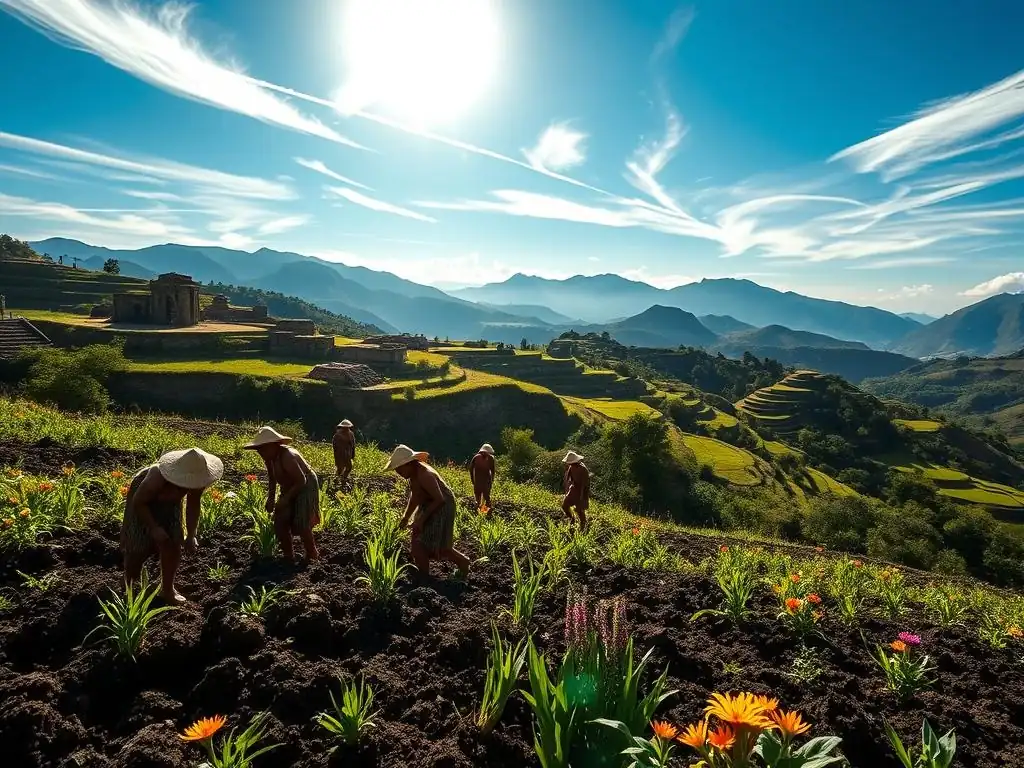
Welcome to Indigenous Civilizations of the Americas, where we delve into the rich tapestry of cultures that flourished long before European contact. In our featured article, "The Role of Agriculture in PreColumbian Societies: A Deep Dive," we uncover the innovative preColumbian agricultural practices that shaped the lives and societies of these remarkable peoples. From intricate farming techniques to the development of staple crops, the influence of agriculture was profound and far-reaching.
Join us on this journey of discovery and gain a deeper understanding of how these ancient practices continue to resonate in today’s world. Get ready to explore the past and uncover the legacies that still thrive!
Introduction to PreColumbian Agricultural Practices
Agriculture played a pivotal role in the development and sustainability of PreColumbian societies across the Americas. Long before European colonization, indigenous cultures had established sophisticated agricultural systems that not only supported their populations but also shaped their social structures, economies, and spiritual practices. The diverse climates and ecosystems of the Americas fostered a variety of agricultural practices, enabling societies to adapt to their environments while cultivating a rich tapestry of crops and food traditions. This article delves into the intricate world of PreColumbian agricultural practices, highlighting their significance and exploring the profound impact they had on indigenous civilizations.
Overview of PreColumbian Societies
PreColumbian societies were incredibly diverse, ranging from the highly organized civilizations of the Aztec and Inca empires to the smaller, nomadic tribes of North America. Each group developed unique agricultural techniques suited to their specific environments. For example, the fertile valleys of the Andes allowed for the cultivation of potatoes and quinoa, while the temperate forests of the Eastern Woodlands supported the farming of maize, beans, and squash—often referred to as the "Three Sisters."
Here are some key characteristics of PreColumbian societies:
- Social Structure: Many societies had complex hierarchies, with rulers, priests, and commoners.
- Trade Networks: Agricultural surplus facilitated trade, leading to economic interdependence between different groups.
- Cultural Practices: Agriculture was often intertwined with spiritual beliefs, with rituals dedicated to planting and harvesting.
Importance of Agriculture in Indigenous Cultures
Agriculture was not merely a means of sustenance; it was central to the identity and cultural practices of indigenous peoples. The cultivation of crops fostered community ties and shared responsibilities, as people worked together to plant and harvest. Furthermore, agricultural practices were deeply embedded in the spiritual beliefs of many cultures. For instance, the planting of maize was often accompanied by rituals invoking the spirits of the land to ensure a bountiful harvest.
- Sustenance and Survival: Agriculture provided a stable food source, reducing the need for nomadic lifestyles.
- Cultural Identity: Many indigenous groups developed unique food traditions that reflected their agricultural practices and local resources.
- Innovation and Adaptation: PreColumbian societies demonstrated remarkable ingenuity in developing techniques for irrigation, crop rotation, and soil management, adapting to the challenges posed by their environments.
Major PreColumbian Agricultural Practices
As we explore the major agricultural practices of PreColumbian societies, it's essential to recognize how these methods were tailored to the diverse climates and environments across the Americas. From the terraced fields of the Andes to the sophisticated irrigation systems of the Southwest, indigenous peoples harnessed their knowledge of the land to cultivate a wide array of crops.
Crop Cultivation Techniques
The techniques used in crop cultivation varied widely among PreColumbian cultures, but many shared common practices that showcased their ingenuity:
- Slash-and-Burn Agriculture: This method involved clearing land by cutting down forests and burning the underbrush, enriching the soil with nutrients.
- Terracing: In mountainous regions like the Andes, terraces were carved into the hillsides to create flat surfaces for farming, preventing soil erosion and maximizing arable land.
- Raised Field Agriculture: Used by the ancient Maya, this technique involved building fields above the natural water level to manage flooding and improve drainage.
Domestication of Plants and Animals
The domestication of plants and animals was a crucial aspect of PreColumbian agricultural practices. Indigenous peoples selectively bred crops and animals to enhance desirable traits, leading to the development of many staple foods that are still vital today.
- Key Domesticated Crops:
- Maize: Perhaps the most important crop, maize was cultivated extensively and formed the basis of many diets.
- Potatoes: Domesticated in the Andes, potatoes became a critical food source for many cultures.
- Beans and Squash: Often grown alongside maize, these crops complemented each other's nutritional value.
- Animal Domestication: While less common than in other parts of the world, certain animals were domesticated for specific purposes, such as llamas for transportation and turkeys for food.
Through these practices, PreColumbian societies not only ensured their survival but also laid the groundwork for the rich culinary traditions that continue to influence modern cuisine. The legacy of these agricultural innovations remains evident in today's food systems, reminding us of the profound connection between culture and agriculture in the indigenous societies of the Americas.
Regional Variations in PreColumbian Agricultural Practices
PreColumbian agricultural practices varied significantly across the Americas, influenced by regional climates, topography, and cultural traditions. These variations led to distinct agricultural systems that showcased the ingenuity and adaptability of indigenous peoples.
In Mesoamerica, civilizations such as the Maya and Aztecs developed sophisticated farming techniques that utilized the region's tropical climate and diverse ecosystems. Techniques such as slash-and-burn agriculture, terracing, and raised-field farming were common. In contrast, the Andean highlands saw the development of agricultural practices tailored to mountainous terrain, utilizing methods like vertical farming and the cultivation of diverse crops suited to varying altitudes. Meanwhile, North American indigenous groups adapted their agricultural methods to the diverse environments across the continent, from the fertile plains to arid deserts, employing practices like companion planting and crop rotation to enhance yield and sustainability.
Mesoamerican Agricultural Innovations
Mesoamerican societies were pioneers in agricultural innovations that laid the groundwork for future agricultural practices. One of the most significant contributions was the domestication of staple crops such as maize (corn), beans, and squash—often referred to as the “Mesoamerican triad.” This complementary planting system maximized resource use and soil fertility, leading to higher yields.
Moreover, Mesoamericans developed advanced irrigation techniques and managed water resources through the construction of canals, terraces, and chinampas—floating gardens that allowed for year-round cultivation in swampy areas. These innovations not only increased agricultural productivity but also supported the growth of urban centers, enabling complex societies to flourish.
Andean Agricultural Systems
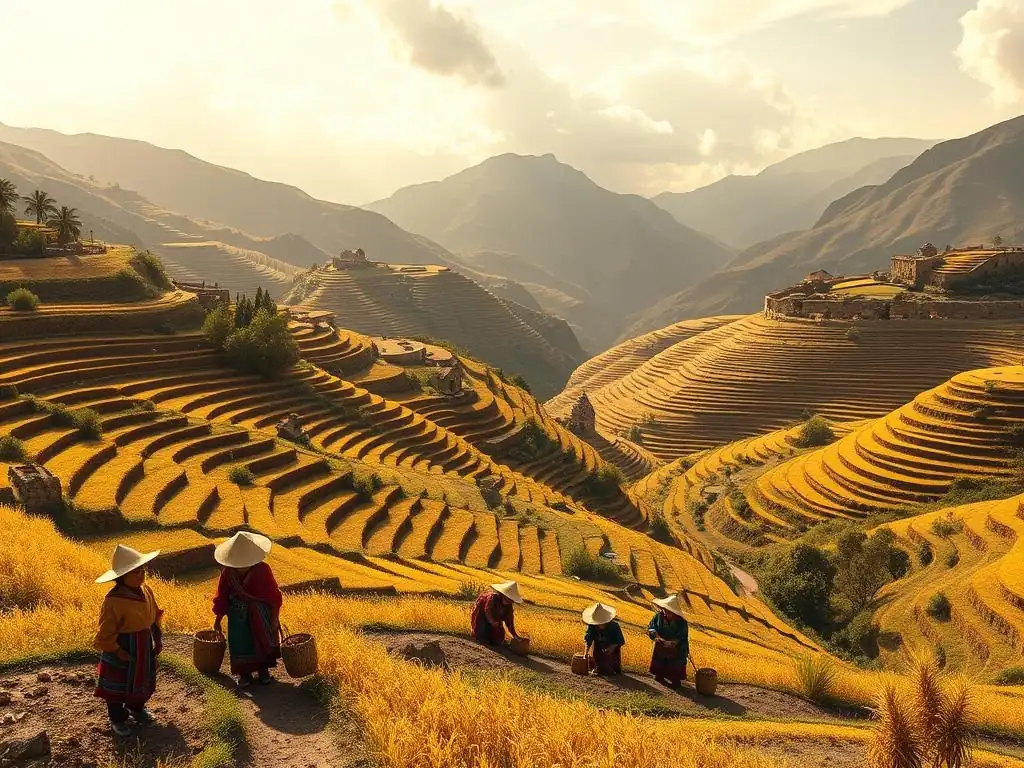
In the Andean region, the unique geography played a crucial role in shaping agricultural practices. The Inca Empire, for instance, implemented an extensive and organized agricultural system that included the use of terracing to maximize arable land on steep slopes. This method prevented soil erosion and allowed for the cultivation of crops at various altitudes, from potatoes at lower elevations to quinoa and maize at higher altitudes.
A notable feature of Andean agriculture was the development of a sophisticated system of agronomy, which included crop rotation and the use of fallow periods to maintain soil health. The Incas also relied on a diverse array of crops, which enhanced resilience against crop failure due to climatic events. The use of llamas and alpacas for transportation and as pack animals further supported agricultural productivity and trade.
North American Indigenous Agricultural Practices
North American indigenous agricultural practices were as diverse as the various tribes and regions across the continent. In the eastern woodlands, Native American groups cultivated crops like maize, beans, and squash, employing a method known as “Three Sisters” planting, where these crops were grown together for mutual benefits. This technique improved soil health and pest resistance while optimizing space and resources.
In the Great Plains, tribes such as the Sioux and Cheyenne practiced a more nomadic lifestyle, relying heavily on bison hunting. However, they also engaged in agriculture, growing crops like sunflowers and maize in fertile river valleys. On the West Coast, coastal tribes utilized the rich marine resources alongside agriculture, growing berries and root vegetables, while in the arid Southwest, the Pueblo peoples developed intricate irrigation systems to cultivate crops like corn, beans, and squash in desert conditions.
The Societal Impact of Agriculture in PreColumbian Cultures
Agriculture played a pivotal role in shaping the societal structures of PreColumbian cultures. It was not merely a means of sustenance but a foundation for social organization, governance, and trade. Through the establishment of agricultural practices, communities could support larger populations, leading to the development of complex social hierarchies and political systems.
The rise of agriculture allowed for the emergence of sedentary communities, which fostered social stratification. As food production increased, societies could sustain specialized roles beyond subsistence farming, including artisans, religious leaders, and traders. This division of labor led to the development of social classes and complex governance structures, with elite classes often controlling land and resources.
In Mesoamerica, for instance, the accumulation of agricultural surpluses enabled the rise of powerful city-states governed by ruling elites. These elites often linked agricultural success to their political legitimacy, with rituals and ceremonies centered around agriculture reinforcing their authority. Consequently, agriculture not only provided food but also helped shape the cultural and social fabric of civilizations.
Agriculture and Trade Networks
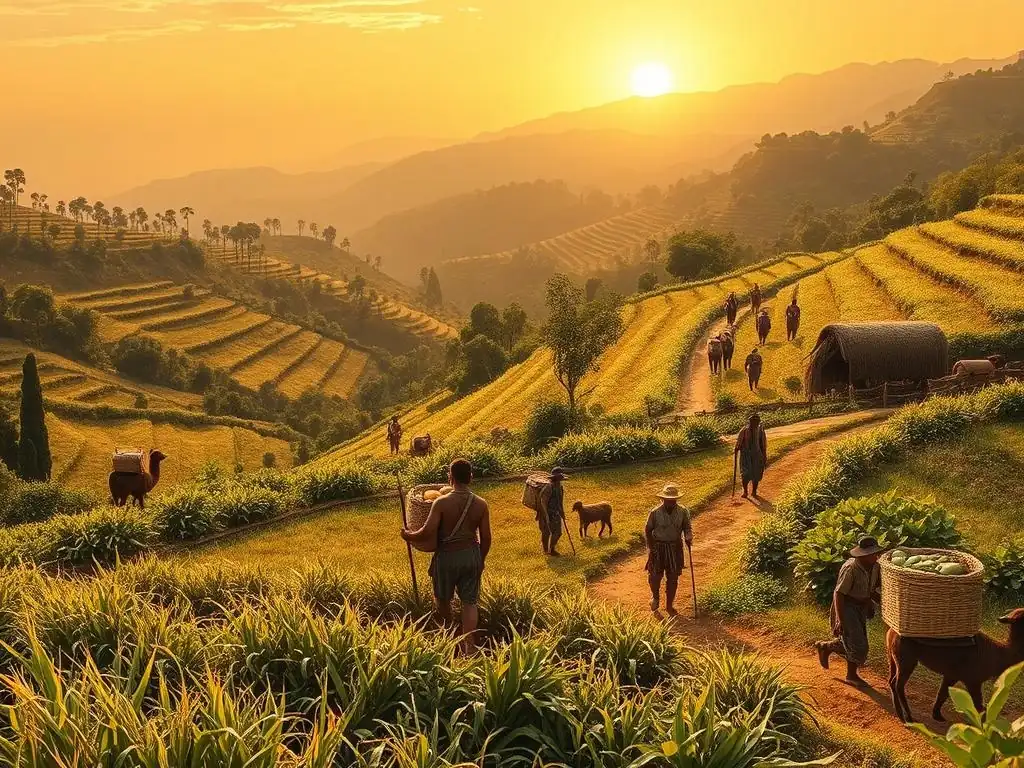
Agricultural surpluses were crucial in establishing extensive trade networks among PreColumbian societies. The ability to produce excess food allowed communities to engage in trade with neighboring regions, exchanging not only agricultural products but also goods, ideas, and cultural practices.
For example, the Inca Empire developed a vast network of roads that facilitated the movement of agricultural goods across diverse regions, linking remote agricultural areas with urban centers. Similarly, in Mesoamerica, the Aztecs created a sophisticated marketplace system where agricultural products were traded, further integrating economies and cultures. These trade networks were essential for the exchange of not just crops, but also technologies, contributing to the overall development and prosperity of PreColumbian societies.
Environmental Management in PreColumbian Agriculture
PreColumbian societies exhibited remarkable environmental management techniques that were fundamental to their agricultural practices. They understood their local ecosystems deeply, which enabled them to cultivate diverse crops while maintaining the health of the land. Cultivators utilized various methods to adapt to their environments, such as crop rotation, intercropping, and agroforestry.
By practicing crop rotation, they replenished soil nutrients and reduced pest populations. This method involved alternating crops in a specific sequence to prevent soil depletion. In regions like the Andes, farmers rotated potatoes with other tubers to maximize yield and maintain soil fertility. Intercropping, or planting multiple crops in proximity, was also common; for example, the Three Sisters method employed by the Iroquois combined corn, beans, and squash, promoting mutual growth and minimizing weed competition.
Agroforestry practices integrated trees with crops and livestock, creating sustainable ecosystems that provided food, timber, and habitat for wildlife. By understanding the interdependencies in their environments, PreColumbian societies not only enhanced agricultural productivity but also contributed to the conservation of biodiversity.
Sustainable Practices in PreColumbian Farming
Sustainability was at the core of PreColumbian agricultural practices. Indigenous farmers employed a variety of sustainable techniques that ensured the longevity of their crops and the health of their ecosystems. One prominent practice was terracing, particularly prevalent in the Andes, where steep slopes were transformed into flat, manageable plots. This technique minimized soil erosion and maximized arable land, allowing for effective water management.
Additionally, the use of permaculture principles was evident, with farmers designing their agricultural landscapes to work harmoniously with natural processes. This included the creation of swales—contoured ditches that helped capture and retain water, enhancing irrigation without depleting local water sources.
The cultivation of native crops, such as quinoa, amaranth, and various beans, was another sustainable practice. These crops were well-adapted to local conditions, requiring fewer inputs than introduced species. The cultivation of diverse crop varieties also fostered resilience against pests and diseases, ensuring food security over the long term.
Impact of Agriculture on Biodiversity
The agricultural practices of PreColumbian societies had a profound impact on biodiversity. By cultivating a wide variety of crops, indigenous peoples contributed to the genetic diversity of plant species. This diversity was crucial not only for food security but also for the resilience of ecosystems.
For instance, the domestication of crops like maize, potatoes, and beans led to the development of numerous varieties adapted to different climates and soils across the Americas. This rich genetic library supports biodiversity and provides resources for future agricultural innovation.
Moreover, the agricultural practices promoted by PreColumbian societies often worked in concert with natural ecosystems. The use of companion planting, where different crops are grown together for mutual benefit, encouraged a balanced ecosystem that supported beneficial insects and reduced the need for chemical interventions.
Conclusion: Legacy of PreColumbian Agricultural Practices
The legacy of PreColumbian agricultural practices is profound and continues to influence modern farming methods. The techniques developed by indigenous societies reflect a deep understanding of local environments and sustainable practices that are increasingly relevant in today’s context of climate change and environmental degradation.
Lasting Impact on Contemporary Indigenous Agriculture
Contemporary indigenous agriculture often draws on the wisdom of PreColumbian practices. Many indigenous communities today are revitalizing traditional methods, such as the cultivation of heirloom varieties and the use of organic farming techniques, which honor their ancestral knowledge. This resurgence not only supports food sovereignty but also strengthens cultural identity and community resilience.
For example, the resurgence of traditional maize varieties among Native American tribes illustrates a commitment to preserving genetic diversity and cultural heritage. Such practices not only contribute to sustainable agriculture but also promote healthier diets and ecosystems.
The Relevance of PreColumbian Agricultural Knowledge Today
The agricultural knowledge of PreColumbian civilizations holds significant relevance in addressing contemporary global challenges. With the rising concerns over food security, climate change, and biodiversity loss, the sustainable practices developed by indigenous peoples offer valuable insights.
Modern agriculture can learn from the principles of biodiversity, crop diversity, and ecological stewardship that characterized PreColumbian farming. By integrating these ancient practices into contemporary agricultural systems, we can create more resilient, sustainable food systems that honor both the past and the future. The wisdom of these civilizations, rooted in a profound relationship with the land, continues to inspire us to seek balance and sustainability in our agricultural endeavors.
References and Suggested Further Reading
To gain a deeper understanding of PreColumbian agricultural practices and their significance in the development of indigenous societies in the Americas, the following resources are invaluable. These materials encompass a range of perspectives, from historical accounts to modern analyses, providing a comprehensive view of how agriculture shaped the lives of various cultures before European contact.
Books on PreColumbian Agriculture
-
"Seeds of Change: Five Plants That Transformed Mankind" by Henry Hobhouse
This book explores the transformative role of five crops—sugar, cotton, tobacco, and others—in shaping human history, with a focus on their origins and the indigenous agricultural practices that cultivated them.
-
"Agriculture in Ancient Mesoamerica" by John E. Staller and Robert F. Tykot
This comprehensive text delves into the agricultural systems of Mesoamerica, examining crop domestication, farming techniques, and the socio-cultural implications of agriculture in ancient civilizations.
-
"The Farming of Prehistoric America" by William D. Lipe
Lipe's work provides an in-depth analysis of the agricultural practices of prehistoric Native American societies, emphasizing the various methods of cultivation and the environmental adaptations made by these communities.
-
"Native American Agriculture: An Introduction to the Crops and Cultures of Native Peoples" by Andrew J. W. McGowan
This book offers a broad overview of the agricultural practices of Native Americans, highlighting the diversity of crops and techniques used across different regions.
Academic Articles on Indigenous Agricultural Practices
-
"The Role of Agriculture in the Development of Indigenous Societies" by Timothy J. Pauketat
This article discusses how agriculture was pivotal in the emergence of complex societies among indigenous groups, emphasizing the interplay between environmental factors and agricultural innovations.
-
"Indigenous Knowledge and Agricultural Practices: The Case of the Maya" by Michael D. Coe
Coe's research presents an analysis of the agricultural strategies employed by the Maya civilization, focusing on traditional knowledge systems and sustainable practices that have persisted over centuries.
-
"Pre-Columbian Agriculture: The Impacts of Climate Change and Human Activity" by Sara J. Schmitt
This scholarly article examines the relationship between climate variability and agricultural practices among PreColumbian societies, exploring how these groups adapted to changing environmental conditions.
-
"Agroecology and Indigenous Knowledge: Transforming Pre-Columbian Farming Practices" by Laura L. Derry
Derry discusses the integration of traditional ecological knowledge with modern agroecological practices, highlighting the enduring contributions of indigenous farming techniques to contemporary agriculture.
These resources will provide readers with a richer understanding of the agricultural practices that defined PreColumbian societies and their lasting legacies in the Americas.
- Introduction to PreColumbian Agricultural Practices
- Major PreColumbian Agricultural Practices
- Regional Variations in PreColumbian Agricultural Practices
- Mesoamerican Agricultural Innovations
- Andean Agricultural Systems
- North American Indigenous Agricultural Practices
- The Societal Impact of Agriculture in PreColumbian Cultures
- Agriculture and Social Structure
- Agriculture and Trade Networks
- Environmental Management in PreColumbian Agriculture
- Conclusion: Legacy of PreColumbian Agricultural Practices
- References and Suggested Further Reading
- What are PreColumbian agricultural practices?
- How did agriculture influence indigenous societies?
- What crops were commonly cultivated by PreColumbian civilizations?
- How did agricultural innovations contribute to societal development?
- What lasting impacts did PreColumbian agriculture have on modern practices?
Frequently Asked Questions
What are PreColumbian agricultural practices?
PreColumbian agricultural practices refer to the diverse farming techniques and methods developed by indigenous cultures in the Americas before European contact, showcasing their innovative approaches to cultivation and resource management.
How did agriculture influence indigenous societies?
Agriculture was a cornerstone of indigenous societies, enabling them to establish permanent settlements, develop complex social structures, and trade networks, thus significantly impacting their cultural evolution.
What crops were commonly cultivated by PreColumbian civilizations?
PreColumbian civilizations cultivated a variety of crops, including maize, beans, and squash, often referred to as the "Three Sisters," which formed the basis of their dietary and agricultural systems.
How did agricultural innovations contribute to societal development?
Innovations such as irrigation systems, terracing, and crop rotation not only improved yields but also supported population growth and the rise of complex societies among indigenous peoples.
What lasting impacts did PreColumbian agriculture have on modern practices?
The agricultural techniques developed by indigenous peoples have influenced modern farming, as many of their methods promote sustainability and biodiversity, offering valuable insights for contemporary agricultural challenges.
Final Reflection: The Enduring Legacy of PreColumbian Agricultural Practices
The exploration of PreColumbian agricultural practices reveals not only the ingenuity of ancient societies but also their profound connection to the land. Today, as we face pressing issues such as climate change and food security, understanding these practices becomes increasingly relevant. The sustainable methods employed by these societies offer valuable lessons that can inform modern agricultural strategies and inspire a more harmonious relationship with our environment.
The impact of PreColumbian agricultural practices extends far beyond their historical context; they continue to shape our cultural and social landscape. From the intricate terracing of the Andes to the sophisticated irrigation systems of Mesoamerica, these innovations reflect a deep understanding of ecological balance. As we strive for sustainability in our own agricultural practices, we can draw inspiration from the words of historian Charles Mann: The Americas were not a pristine wilderness before European arrival; they were a landscape shaped by human hands, cultivated and cared for over millennia.
As we reflect on the lessons of PreColumbian agricultural practices, let us consider how we can apply these insights in our daily lives. I invite you to explore your own relationship with food and the land, recognizing the importance of sustainable practices in your community. By honoring the legacy of those who came before us, we can cultivate a future that respects the earth and nurtures the generations to come.
Cultivate Your Curiosity: Dive Deeper into Pre-Columbian Agriculture!
Thank you for exploring the fascinating role of agriculture in Pre-Columbian societies with us! You've taken an important step towards understanding how these ancient practices shaped civilizations. Now, let's take your journey a step further!
Here are a few ways you can engage more deeply:
- Join our community: Share your insights and questions about agriculture in indigenous societies in the comments below! Engage with fellow readers and enrich your understanding.
- Explore further: Check out additional resources and articles on our website to uncover more about the agricultural techniques and innovations of these remarkable cultures.
- Spread the knowledge: Help raise awareness about these vibrant societies by sharing this article with friends and on social media! Every share contributes to preserving their legacy.
What aspect of Pre-Columbian agricultural practices intrigues you the most, and how do you think they have influenced modern farming techniques?