
Tiahuanaco's Agricultural Innovations: Techniques That Transformed the Andean Landscape

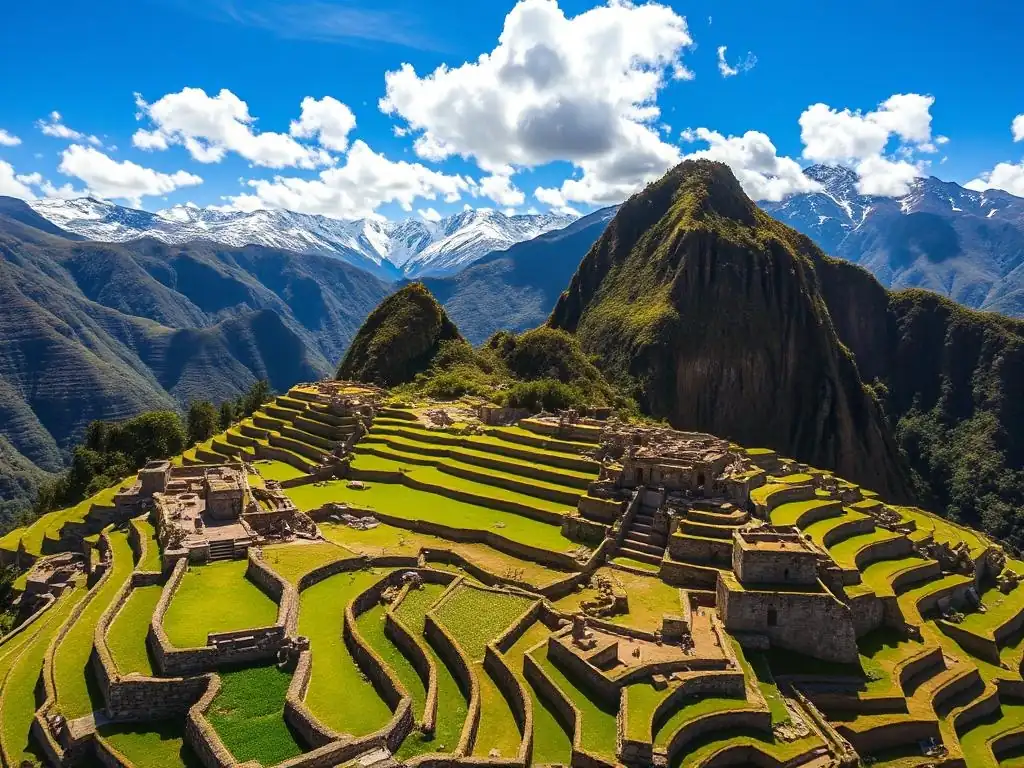
Welcome to Indigenous Civilizations of the Americas, where we invite you to embark on a journey through the rich tapestry of indigenous cultures that flourished across the Americas long before European influence. Here, we delve deep into the remarkable achievements and societal structures of these vibrant communities.
In our featured article, "Tiahuanaco's Agricultural Innovations: Techniques That Transformed the Andean Landscape," discover how the ingenious agricultural techniques of Tiahuanaco not only reshaped the Andean landscape but also laid the groundwork for sustainable practices that resonate to this day. Curiosity awaits as you explore the profound impact of these civilizations—join us in uncovering their legacies!
- Introduction to Tiahuanaco's Agricultural Innovations
- Historical Context of Tiahuanaco Agricultural Techniques
- Key Tiahuanaco Agricultural Techniques
- Impact of Tiahuanaco Agricultural Innovations on the Andean Landscape
- Legacy of Tiahuanaco Agricultural Techniques in Modern Andean Agriculture
- Conclusion: The Significance of Tiahuanaco's Agricultural Innovations
-
Frequently Asked Questions
- What were the key agricultural techniques developed by Tiahuanaco?
- How did Tiahuanaco's techniques impact the Andean landscape?
- What crops were primarily cultivated using Tiahuanaco's techniques?
- How did Tiahuanaco's innovations influence later Andean civilizations?
- Are any of Tiahuanaco's agricultural techniques still used today?
- Final Reflection: The Enduring Legacy of Tiahuanaco's Agricultural Innovations
- Unveil the Secrets of Ancient Agriculture!
Introduction to Tiahuanaco's Agricultural Innovations
The Tiahuanaco civilization, flourishing around Lake Titicaca in present-day Bolivia from approximately 400 to 1000 CE, stands as a remarkable testament to the ingenuity and resourcefulness of indigenous peoples in the Americas. Known for its advanced agricultural techniques, Tiahuanaco significantly transformed the Andean landscape, enabling its society to thrive in a challenging environment characterized by high altitudes and variable climates.
This article delves into the innovative agricultural practices of Tiahuanaco, exploring how they not only supported a flourishing society but also set a foundation for agricultural advancements in the Andean region. By understanding Tiahuanaco's agricultural legacy, we can appreciate the sophistication and sustainability of pre-Columbian agricultural systems and their influence on modern practices.
Overview of Tiahuanaco Civilization
The Tiahuanaco civilization is often regarded as one of the most important pre-Columbian cultures in the Americas. At its zenith, Tiahuanaco was a major political and religious center, characterized by monumental architecture, intricate stonework, and a complex social structure. The civilization's capital, Tiahuanaco (or Tiwanaku), served as a hub for trade, agriculture, and cultural exchange among various Andean communities.
The society was organized around a well-defined hierarchy, with priestly elites overseeing agricultural production and religious ceremonies. This organization allowed for the efficient management of resources, which was essential for sustaining a growing population. Notably, the civilization's strategic location near Lake Titicaca provided access to diverse ecological zones, from highland to lowland, enabling them to cultivate a wide variety of crops.
Key Features of Tiahuanaco Civilization:
- Innovative Architecture: Structures like the Akapana Pyramid and the Gateway of the Sun showcase advanced engineering skills.
- Cultural Syncretism: Tiahuanaco was a melting pot of diverse cultures, integrating various traditions and practices.
- Religious Significance: The civilization was deeply spiritual, with agriculture closely tied to their cosmology and rituals.
Importance of Agriculture in Andean Societies
Agriculture was the backbone of Andean societies, providing sustenance and stability in an otherwise harsh environment. In Tiahuanaco, advanced agricultural techniques were critical for maximizing crop yields and supporting a dense population. The indigenous peoples of the Andes faced unique challenges, such as altitude, climate variability, and seasonal droughts, which necessitated innovative solutions.
Key agricultural practices included:
- Raised Field Agriculture: Tiahuanaco developed a system of raised fields, or suka kollus, that involved constructing embankments to create plots for cultivation. This method enhanced drainage and temperature regulation, allowing for year-round farming.
- Crop Diversification: The Tiahuanaco cultivated a variety of crops, including potatoes, quinoa, and maize, which were adapted to local conditions, ensuring food security.
- Irrigation Systems: Ingenious irrigation methods allowed for the efficient distribution of water, crucial for agriculture in the arid highlands.
The agricultural innovations of Tiahuanaco not only sustained their civilization but also influenced surrounding cultures, laying the groundwork for future agricultural practices throughout the Andes. Understanding these techniques is vital for appreciating the depth of knowledge and adaptability that characterized pre-Columbian societies in the Americas.
Historical Context of Tiahuanaco Agricultural Techniques
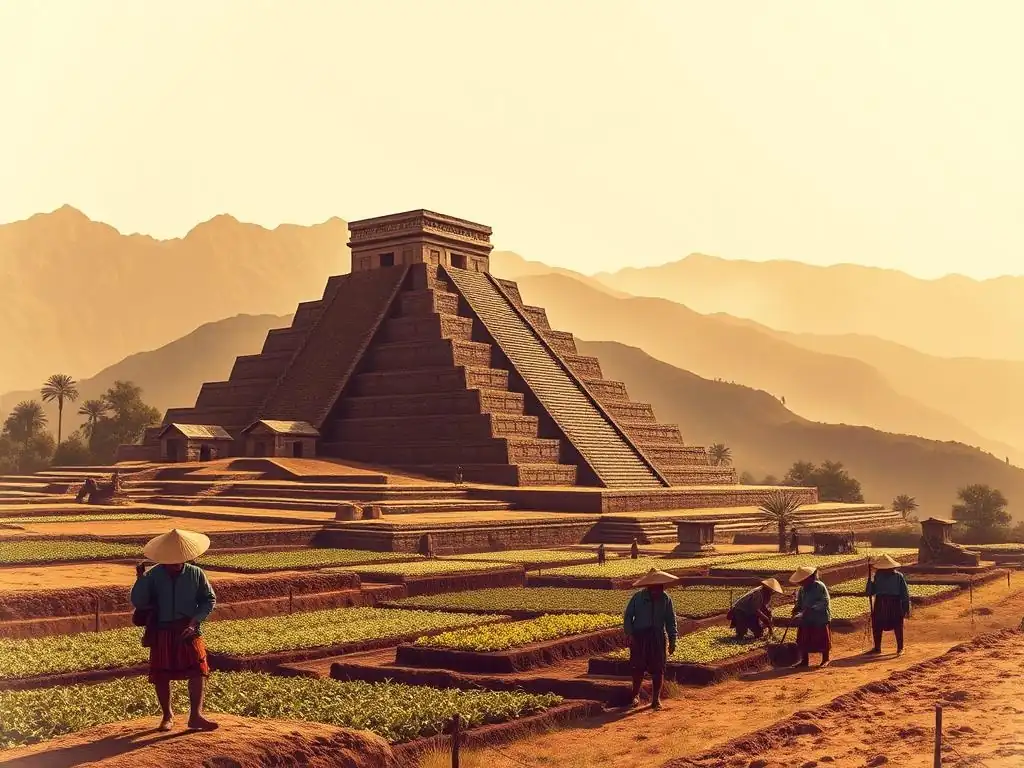
The Tiahuanaco civilization, flourishing from around 300 AD to 1000 AD in the highlands of present-day Bolivia, is renowned for its innovative agricultural techniques that significantly transformed the Andean landscape. Understanding the historical context of these agricultural practices involves examining the pre-Columbian Andes, where diverse environmental conditions and topography shaped farming methods.
Evolution of Agriculture in the Andean Region
The Andean region witnessed a gradual evolution in agricultural practices long before the rise of Tiahuanaco. Early inhabitants of the Andes developed farming techniques tailored to the harsh mountainous environment, which included:
- Terracing: Farmers created stepped fields along hillsides to combat soil erosion and maximize arable land. This technique allowed for efficient water management and reduced the impact of harsh weather.
- Irrigation Systems: The use of canals and aqueducts enabled the diversion of water from rivers to irrigate crops, particularly in arid regions. These systems were crucial for sustaining agriculture in high-altitude areas.
- Domestication of Crops: The Andes were home to numerous native crops, such as quinoa, potatoes, and maize. Early agriculturalists selectively bred these plants to enhance yields and adaptability to local conditions.
By the time Tiahuanaco emerged as a dominant cultural center, these foundational techniques had already been established, providing a framework upon which the civilization built its agricultural innovations.
Tiahuanaco's Role in Agricultural Advancements
Tiahuanaco's agricultural techniques significantly advanced the existing practices of the Andean region, introducing several innovations that enhanced productivity and sustainability:
- Raised Field Agriculture: Tiahuanaco is particularly noted for its raised field systems, known locally as suka kollos. These fields were elevated above the natural landscape, creating microclimates that improved crop yields and facilitated drainage during the rainy season. This system not only increased arable land but also allowed for the cultivation of diverse crops.
- Soil Fertility Management: The Tiahuanaco civilization developed sophisticated methods for enhancing soil fertility, which included the use of organic materials and crop rotation. By integrating different crops into their farming systems, they maintained soil health and ensured sustainable agricultural practices.
- Water Management Techniques: Tiahuanaco's engineers constructed an intricate network of canals and reservoirs to optimize water storage and distribution. This not only supported crop irrigation but also mitigated the risks associated with droughts and floods.
- Crop Diversification: The civilization expanded the variety of crops cultivated, notably including potatoes, quinoa, and various legumes. This diversification not only improved dietary nutrition but also contributed to the resilience of their agricultural system against pests and diseases.
These agricultural innovations by Tiahuanaco not only transformed their society but also laid the groundwork for agricultural practices that influenced subsequent Andean cultures. The techniques developed during this period reflect a deep understanding of environmental management and sustainable practices that resonate with modern agricultural challenges.
Key Tiahuanaco Agricultural Techniques
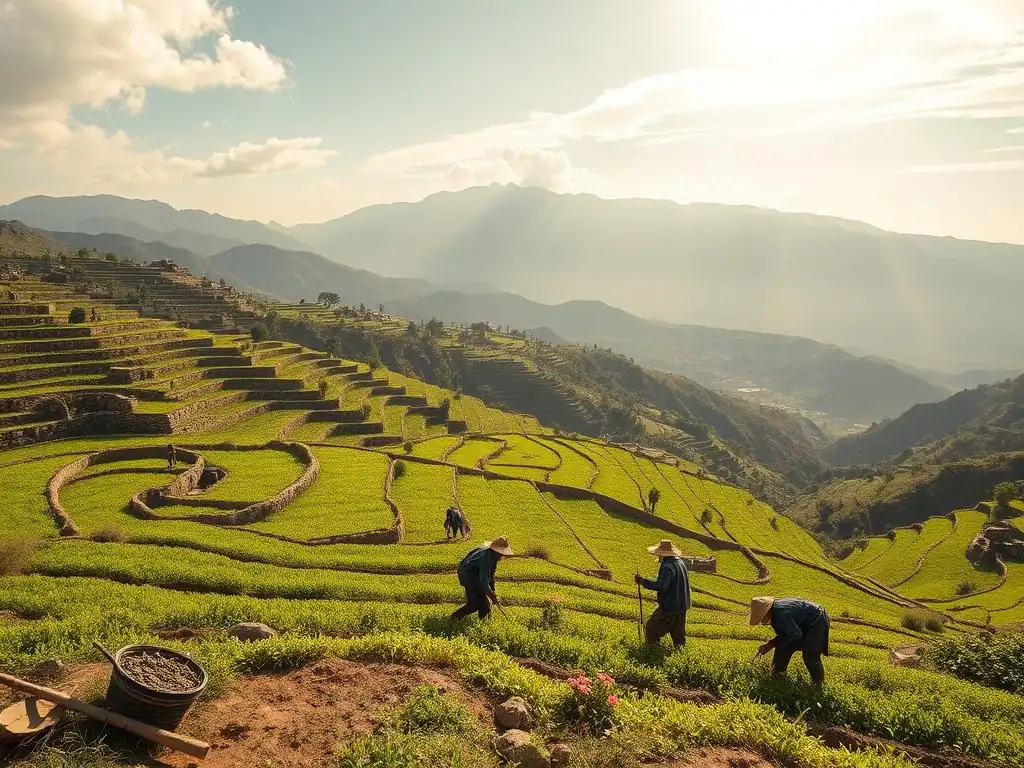
The Tiahuanaco civilization, flourishing in the Andean region from approximately 300 to 1000 CE, is renowned for its innovative agricultural techniques that significantly transformed the landscape and enhanced food production. These techniques not only supported a thriving population but also influenced agricultural practices in surrounding cultures. The two most notable methods employed by the Tiahuanaco were raised field agriculture and sophisticated irrigation systems.
Raised Field Agriculture (Waru Waru)
Raised field agriculture, known locally as Waru Waru, involved constructing elevated platforms surrounded by water-filled ditches. This ingenious method allowed the Tiahuanaco people to cultivate crops in an otherwise challenging environment.
Benefits of Raised Fields in Andean Agriculture
The raised fields provided several key advantages:
- Enhanced Soil Fertility: The surrounding water helped to maintain moisture and nutrients, leading to richer soil conditions. This was crucial in the nutrient-poor soils of the Altiplano.
- Flood and Frost Mitigation: The elevation of the fields protected crops from flooding during the rainy season and reduced damage from frost, a common risk in the high Andean climate.
- Microclimate Creation: The water-filled ditches created a unique microclimate that could support diverse crops. The Tiahuanaco cultivated potatoes, quinoa, and maize, which thrived in these conditions.
- Increased Crop Yields: The combination of improved soil fertility and protection from environmental extremes resulted in significantly higher crop yields compared to traditional farming methods.
The Waru Waru system exemplifies Tiahuanaco's ability to adapt to and manipulate their environment, showcasing their agricultural ingenuity.
Irrigation Systems in Tiahuanaco
Another remarkable aspect of Tiahuanaco agricultural techniques was their advanced irrigation systems. The civilization developed an intricate network of canals and reservoirs that facilitated the efficient distribution of water for farming.
Techniques for Water Management in Arid Environments
Tiahuanaco's irrigation techniques included:
- Canal Construction: Engineers built extensive canals to transport water from nearby lakes and rivers directly to the fields. This infrastructure allowed for the cultivation of crops in areas that would otherwise be unsuitable for agriculture.
- Reservoirs and Storage: They created large reservoirs to capture and store water during the rainy season, ensuring a steady supply during drier periods. These reservoirs were strategically placed to maximize water availability across the agricultural landscape.
- Terracing: In conjunction with their irrigation systems, the Tiahuanaco employed terracing on sloped land. This method minimized soil erosion and allowed for greater water retention, further enhancing agricultural productivity.
- Distribution Systems: The Tiahuanaco utilized a network of channels that could be adjusted to control the flow of water, ensuring that all fields received adequate moisture. This flexibility was vital in managing water resources effectively, especially in response to varying climatic conditions.
These advanced irrigation techniques not only supported Tiahuanaco's agricultural output but also laid the groundwork for future Andean civilizations, demonstrating the lasting impact of Tiahuanaco agricultural innovations on the region's agricultural practices.
Crop Diversification and Soil Fertility
The agricultural practices of the Tiahuanaco civilization were marked by an impressive level of innovation, particularly in the realm of crop diversification and soil fertility. This multifaceted approach allowed them to optimize their agricultural output in the challenging Andean environment, where variations in altitude, climate, and soil type can significantly impact farming success.
The Tiahuanaco people cultivated a wide range of crops, including staples such as potatoes, quinoa, and maize. By growing different types of crops, they not only minimized the risk of total crop failure due to pests or adverse weather conditions but also ensured a more balanced diet for their communities. This practice of crop diversification helped to maintain soil health and fertility, as different plants contribute to the ecosystem in various ways.
To enhance soil fertility, the Tiahuanaco developed sophisticated techniques that included the use of natural fertilizers derived from animal waste and crop residues. They also practiced crop rotation, which allowed the soil to recover and replenish nutrients over time. This dynamic and sustainable farming practice is a testament to their deep understanding of the land and its resources.
Importance of Biodiversity in Tiahuanaco Farming Practices
Biodiversity was a cornerstone of the Tiahuanaco agricultural model, shaping not only their farming techniques but also their economy and social structure. By cultivating a variety of crops, the Tiahuanaco civilization created a resilient agricultural system that could withstand environmental stressors and fluctuations in climate.
The diversity of crops grown by the Tiahuanaco also played a crucial role in pest management. Different plants can attract various insects, some of which are beneficial for pollination or pest control, thereby reducing the need for chemical interventions. This natural approach to pest management further highlights the sophistication of Tiahuanaco agricultural techniques.
Additionally, the integration of diverse crops into their agricultural practices contributed to soil health and reduced erosion. The roots of different plants help to stabilize the soil, preventing degradation and loss of fertility. This sustainable approach not only sustained the Tiahuanaco civilization for centuries but also laid the groundwork for future agricultural practices in the Andes.
The emphasis on crop diversification and the promotion of biodiversity were vital components of Tiahuanaco agricultural techniques. These practices not only ensured food security for their communities but also exemplified a profound understanding of ecological principles that resonate with modern sustainable agriculture concepts.
Impact of Tiahuanaco Agricultural Innovations on the Andean Landscape
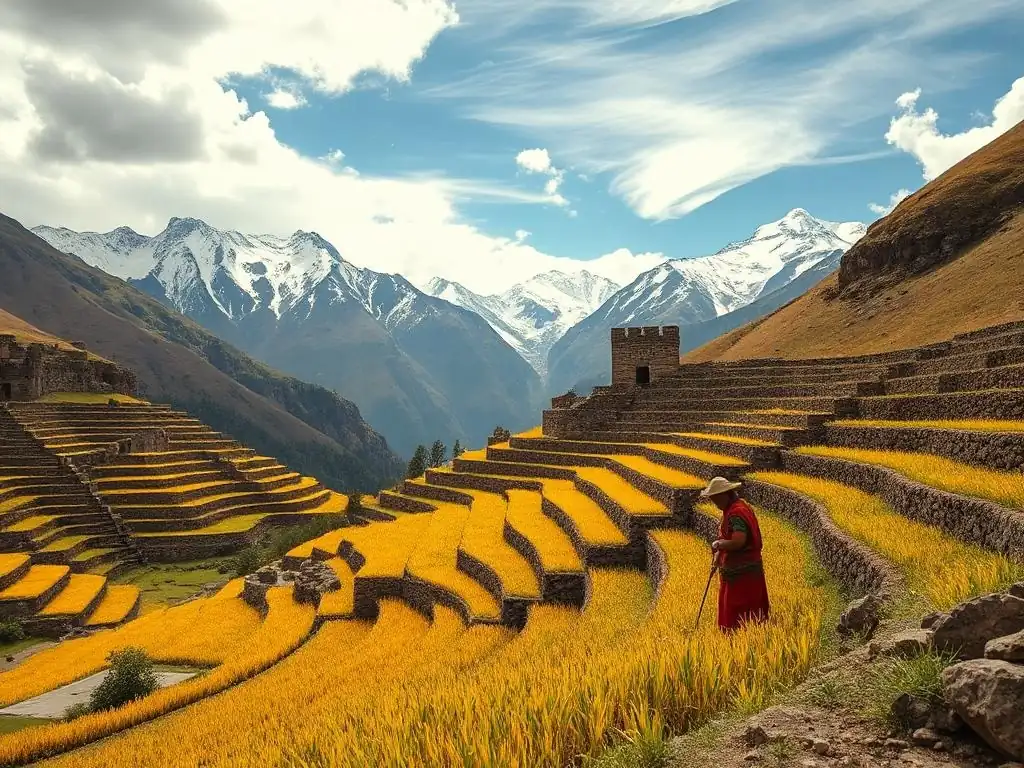
The agricultural innovations developed by the Tiahuanaco civilization significantly transformed the Andean landscape, enabling the society to thrive in a challenging environment. Located near Lake Titicaca, Tiahuanaco's strategic adaptations to its high-altitude surroundings allowed for the maximization of agricultural output, which in turn supported its population and contributed to its cultural and economic development.
Transforming the Andean Ecosystem
The Tiahuanaco civilization, flourishing from around 300 AD to 1000 AD, implemented several groundbreaking agricultural practices that reshaped the Andean ecosystem. Their techniques included:
- Raised Field Agriculture: The construction of raised fields, or suka kollos, was one of the most notable innovations. These elevated beds were surrounded by canals that not only improved drainage but also helped retain moisture during dry seasons. This method allowed for the cultivation of crops in areas that would otherwise be unsuitable for agriculture due to flooding or drought.
- Soil Fertility Management: Tiahuanaco farmers employed sophisticated soil management techniques, including the use of organic fertilizers derived from local resources. They incorporated ashes, decomposed plants, and animal manure into the soil, enriching it and enhancing crop yields. This practice was crucial for sustaining productivity in the nutrient-poor soils typical of high-altitude regions.
- Crop Diversification: The Tiahuanaco civilization cultivated a variety of crops, including potatoes, quinoa, and maize. By diversifying their agricultural output, they reduced the risk of crop failure and ensured food security. Additionally, the integration of different crops helped to maintain the health of the soil and the surrounding ecosystem.
The impact of these innovations was profound, allowing the Tiahuanaco to establish a stable food supply that supported a growing population and stimulated trade with neighboring cultures.
Sustainability Practices in Tiahuanaco Agriculture
Tiahuanaco's agricultural techniques were not only innovative but also sustainable, demonstrating an advanced understanding of environmental stewardship. Key sustainability practices included:
- Water Management Systems: The civilization developed an extensive network of irrigation canals that facilitated the efficient distribution of water across their agricultural fields. This system minimized water waste and maximized the use of available resources, ensuring a reliable supply of moisture for crops.
- Terracing: To combat erosion and maximize arable land, Tiahuanaco farmers constructed terraces on the mountainsides. These terraces reduced soil runoff and increased the surface area for cultivation, allowing crops to flourish even in steep terrains.
- Biodiversity Promotion: By maintaining a diverse range of crops and utilizing crop rotation practices, Tiahuanaco agriculture promoted biodiversity. This approach not only helped to sustain soil health but also provided resilience against pests and diseases.
- Community Involvement: Tiahuanaco’s agricultural practices were often community-oriented, with collective efforts in farming and resource management. This communal approach fostered social cohesion and ensured that agricultural knowledge was passed down through generations, contributing to long-term sustainability.
The Tiahuanaco agricultural techniques were instrumental in transforming the Andean landscape, creating a sustainable model of agriculture that not only supported their civilization but also had a lasting impact on the region's ecological balance. The legacy of these practices continues to be a point of reference for contemporary sustainable agriculture in the Andes.
Legacy of Tiahuanaco Agricultural Techniques in Modern Andean Agriculture
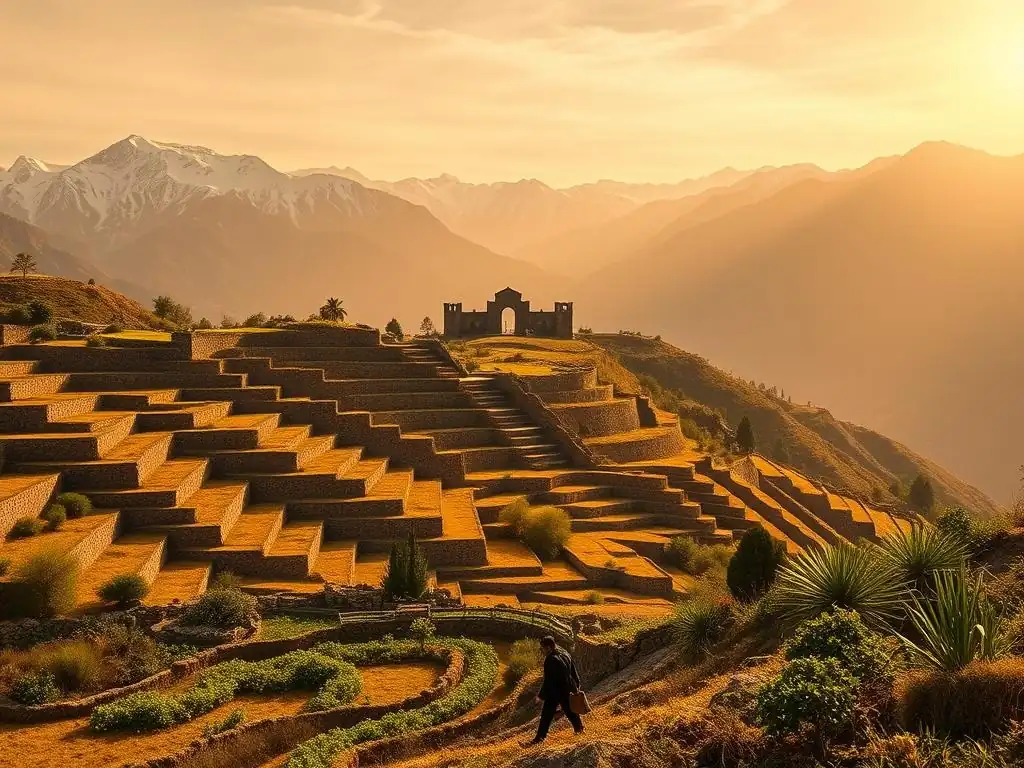
The agricultural techniques developed by the Tiahuanaco civilization have left a profound legacy that continues to influence modern agricultural practices in the Andes. These ancient innovations not only transformed the landscape of Andean agriculture but also set the stage for sustainable farming methods that are increasingly relevant in today's context.
Tiahuanaco's agricultural ingenuity was characterized by sophisticated systems such as raised-field agriculture, irrigation channels, and soil management practices. These methods were designed to optimize the unique environmental conditions of the high-altitude Andes, allowing for the successful cultivation of diverse crops despite challenging climatic conditions.
Influence on Contemporary Farming in the Andes
The principles of Tiahuanaco agricultural techniques remain relevant and are often integrated into contemporary farming practices throughout the Andes. Many smallholder farmers today are rediscovering and adapting these ancient methods to increase productivity and resilience in the face of climate change. Some key influences include:
- Raised-Field Agriculture: This technique, which consists of building raised beds surrounded by water-filled canals, helps to regulate soil temperature and moisture. Modern farmers have begun to adopt similar practices to enhance crop yields and manage water resources more efficiently.
- Irrigation Systems: The ingenious irrigation channels developed by the Tiahuanaco have inspired modern systems that ensure efficient water distribution in mountainous terrains. Communities are now implementing gravity-fed irrigation techniques that mirror ancient practices, promoting sustainable water use.
- Agroecological Approaches: The Tiahuanaco civilization practiced crop rotation and intercropping, which are now recognized as essential components of agroecology. These methods not only improve soil fertility but also enhance biodiversity, making farming systems more resilient to pests and diseases.
The revival of these techniques has not only improved agricultural productivity but also fostered a sense of cultural identity and pride among Andean communities. By honoring their ancestors' innovations, farmers are forging a path toward sustainable agriculture that respects both tradition and the environment.
Reviving Ancient Techniques for Sustainable Practices
In recent years, there has been a concerted effort to revive Tiahuanaco's agricultural techniques as a means of promoting sustainability in the Andean region. Various initiatives aim to integrate these ancient practices into modern farming systems, emphasizing their relevance in addressing contemporary challenges such as climate change and food security.
- Community Workshops: Organizations are conducting workshops to educate farmers about Tiahuanaco agricultural techniques. These workshops focus on practical applications, demonstrating how ancient methods can be adapted to modern contexts.
- Research Collaborations: Scholars and agricultural experts are collaborating with local communities to study Tiahuanaco's practices and their ecological benefits. This research not only validates the effectiveness of ancient techniques but also provides a scientific basis for their integration into current agricultural systems.
- Sustainable Crop Development: By utilizing traditional knowledge of crop varieties cultivated by the Tiahuanaco, modern agricultural programs are exploring the potential for developing resilient crops that can thrive in harsh conditions. This approach aligns with the principles of biodiversity and sustainability.
The revival of Tiahuanaco agricultural techniques serves as a testament to the enduring wisdom of indigenous practices. As contemporary Andean farmers embrace these methods, they are not only enhancing their agricultural productivity but also contributing to a sustainable future that honors their cultural heritage. The legacy of Tiahuanaco continues to inspire and guide agricultural innovation in the region, ensuring that the lessons of the past remain relevant in shaping the future of Andean agriculture.
Conclusion: The Significance of Tiahuanaco's Agricultural Innovations
The agricultural innovations developed by the Tiahuanaco civilization were not merely techniques for food production; they were transformative practices that fundamentally altered the Andean landscape. The Tiahuanaco people demonstrated a deep understanding of their environment, which allowed them to thrive in the challenging altitudes of the Andes. By mastering various agricultural techniques, they laid the groundwork for sustainable farming practices that would influence future generations.
Summary of Key Techniques and Their Impacts
The Tiahuanaco civilization is renowned for several innovative agricultural techniques, each contributing significantly to their ability to cultivate crops in a demanding environment. Here are some of the key practices:
- Raised Field Agriculture: Tiahuanaco farmers constructed elevated fields, known as sukakollos, which allowed for better drainage and temperature regulation. This method not only enhanced crop yields but also minimized the risk of crop failure due to flooding or drought.
- Irrigation Systems: The civilization developed sophisticated irrigation systems that included canals and reservoirs. These systems ensured a reliable water supply, essential for sustaining agriculture in the arid regions of the Andes.
- Crop Rotation and Diversification: By rotating crops and diversifying their plantings, Tiahuanaco farmers maintained soil fertility and reduced the risk of pest infestations. This practice enabled the cultivation of a variety of crops, including potatoes, quinoa, and maize, all critical to their diet and economy.
- Soil Enrichment Techniques: The use of organic materials, such as compost and animal manure, enriched the soil. This practice helped to sustain long-term agricultural productivity, allowing the Tiahuanaco civilization to support a large population.
The impacts of these techniques were profound. The increased agricultural output not only sustained the Tiahuanaco people but also facilitated trade and cultural exchange with neighboring regions, further enhancing their societal development.
Lasting Contributions of Tiahuanaco to Andean Agricultural Practices
The agricultural innovations of Tiahuanaco have left a lasting legacy on Andean agricultural practices that continue to be relevant today. The techniques they developed provide insights into sustainable farming methods that are increasingly important in the face of modern environmental challenges. Here are some lasting contributions:
- Sustainable Farming Practices: The principles of raised field agriculture and effective irrigation are studied and utilized by contemporary Andean farmers. These methods are vital for managing water resources and adapting to climate variability.
- Biodiversity in Cropping: The emphasis on crop rotation and diversification has informed modern agricultural practices, promoting biodiversity which is essential for ecological balance and resilience against diseases and pests.
- Cultural Heritage: The Tiahuanaco people’s agricultural innovations are a source of pride and cultural identity for Andean communities. They serve as a reminder of the ingenuity and adaptability of indigenous peoples in the face of environmental challenges.
- Research and Education: The agricultural techniques of Tiahuanaco have become a subject of research for agronomists and historians alike. Understanding these practices contributes to a broader comprehension of indigenous knowledge systems and their relevance to modern agriculture.
The agricultural techniques of the Tiahuanaco civilization represent a remarkable achievement in the history of Andean cultures. Their innovations not only transformed their landscape but also provided a foundation for future agricultural practices that continue to influence Andean societies today.
Frequently Asked Questions
What were the key agricultural techniques developed by Tiahuanaco?
Tiahuanaco introduced innovative farming methods such as raised-field agriculture, which enhanced crop yields and improved soil fertility in the Andean region.
How did Tiahuanaco's techniques impact the Andean landscape?
The agricultural innovations of Tiahuanaco transformed the Andean landscape by creating sustainable farming systems that supported large populations and diversified crops.
What crops were primarily cultivated using Tiahuanaco's techniques?
Tiahuanaco's agricultural practices focused on potatoes, quinoa, and maize, which were staple foods for their civilization and contributed to their economic stability.
How did Tiahuanaco's innovations influence later Andean civilizations?
The agricultural techniques pioneered by Tiahuanaco set a foundation for subsequent Andean societies, influencing their agricultural practices and contributing to their cultural development.
Are any of Tiahuanaco's agricultural techniques still used today?
Yes, some of Tiahuanaco's agricultural practices, particularly raised-field farming, are still utilized in modern Andean agriculture, showcasing their lasting impact on the region.
Final Reflection: The Enduring Legacy of Tiahuanaco's Agricultural Innovations
The agricultural techniques developed by the Tiahuanaco civilization are not just relics of the past; they are timeless innovations that continue to resonate in today's agricultural practices. As we face the challenges of climate change and food security, the ingenuity of the Tiahuanaco people offers valuable insights into sustainable farming methods that can adapt to diverse environments. Their ability to transform the Andean landscape serves as a striking reminder of how ancient wisdom can inform modern solutions.
The influence of Tiahuanaco's agricultural techniques extends far beyond their historical context; they have shaped the cultural and social fabric of the Andean region and beyond. These techniques highlight the importance of community, resourcefulness, and respect for the environment. As we witness a resurgence in interest in sustainable agriculture, the principles established by Tiahuanaco continue to inspire contemporary practices. The greatest threat to our planet is the belief that someone else will save it.
– Robert Swan. This quote encapsulates the urgency of embracing these ancient practices as we strive for a more sustainable future.
As you reflect on the lessons of Tiahuanaco's agricultural innovations, consider how you can incorporate these principles into your own life. Whether it's adopting sustainable practices in your garden, supporting local farmers, or advocating for environmentally friendly policies, every action counts. Let the legacy of Tiahuanaco inspire you to be a steward of the land, fostering a deeper connection with nature and a commitment to preserving our planet for future generations. Embrace the challenge and become part of the solution!
Unveil the Secrets of Ancient Agriculture!
Thank you for taking the time to explore the incredible agricultural innovations of Tiahuanaco. Your curiosity about this transformative era not only enriches your knowledge but also honors the ingenuity of ancient civilizations. Now, let's take that inspiration and put it into action!
- Dive Deeper: Research and read more about various ancient agricultural techniques that shaped civilizations across the Americas. Discover how these methods can be applied to modern practices and contribute to sustainability.
- Share the Knowledge: Engage in discussions about these fascinating techniques with friends or on social media. Invite your community to participate in conversations regarding the significance of indigenous agricultural methods in the contemporary world.
- Experiment Yourself: Implement a small-scale version of ancient agricultural practices in your garden. Whether it’s raised beds or companion planting, observe how these time-tested methods can enhance your personal farming or gardening experience!
Which indigenous agricultural technique are you most eager to explore or incorporate into your own life? Let's keep the conversation going!