
A New Perspective: How Documentaries Shape Our Understanding of Indigenous Civilizations

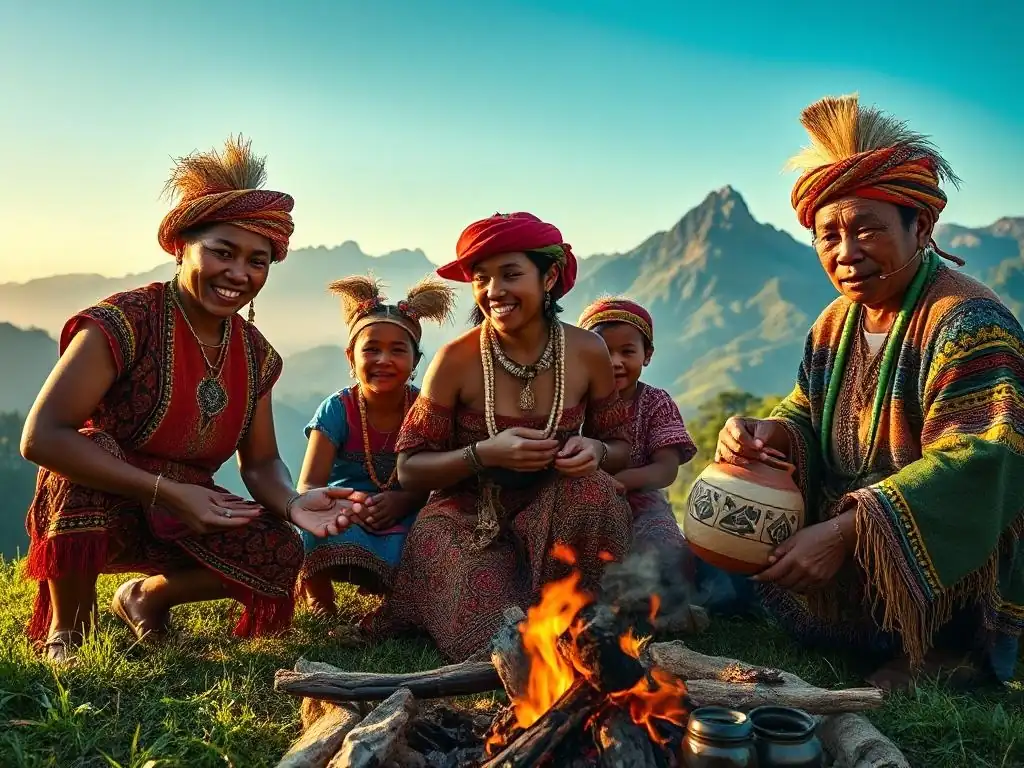
Welcome to Indigenous Civilizations of the Americas, where we embark on a fascinating journey through the rich tapestry of cultures that flourished long before European colonization. Here, we delve into the extraordinary achievements and societal structures of these vibrant communities, uncovering their enduring legacies. In our featured article, "A New Perspective: How Documentaries Shape Our Understanding of Indigenous Civilizations," we explore the impact of documentaries on indigenous cultures and how these visual narratives influence our perception and appreciation of their histories.
Prepare to discover insights that will not only enrich your knowledge but also inspire a deeper connection to the stories that have shaped the Americas. Join us as we unveil the remarkable threads of the past and their relevance in today’s world!
Documentaries have emerged as powerful tools in shaping our understanding of the rich tapestry of indigenous cultures across the Americas. By bringing to light the intricate societies that flourished long before European colonization, these films serve as vital educational resources that challenge prevalent stereotypes and misconceptions. As the world increasingly seeks to engage with diverse narratives, the impact of documentaries on indigenous cultures has become an essential topic of exploration. This article delves into how these visual narratives not only document history but actively participate in the ongoing conversation about identity, heritage, and representation.
Introduction to Documentaries and Indigenous Cultures
Documentaries provide a unique lens through which audiences can engage with the complexities of indigenous civilizations. Unlike fictional portrayals, documentaries aim to present factual and immersive accounts, allowing viewers to witness the traditions, struggles, and achievements of these communities. This genre often collaborates with indigenous voices, making it a crucial medium for authentic representation.
- Educational Purpose: Documentaries serve as a bridge to understanding indigenous histories, often highlighting:
- Traditional practices and beliefs
- The impact of colonization
- Contemporary issues faced by indigenous peoples
- Cultural Preservation: By documenting stories and rituals, these films play a role in preserving languages and customs at risk of fading away.
- Community Engagement: Many documentaries involve indigenous communities in their creation process, fostering a sense of ownership and empowerment.
As we explore the broader implications of these documentaries, it becomes clear that they not only inform but also inspire advocacy and awareness surrounding indigenous rights and cultural heritage.
The Impact of Documentaries on Indigenous Cultures
The impact of documentaries on indigenous cultures is profound and multifaceted. They not only enlighten viewers about the past but also influence current perceptions and policies regarding indigenous communities. Here are some key areas of impact:
- Raising Awareness: Documentaries often highlight pressing issues such as land rights, environmental justice, and cultural appropriation. By shedding light on these topics, they mobilize public interest and support.
- Challenging Stereotypes: Many documentaries confront and debunk myths about indigenous peoples, replacing outdated stereotypes with nuanced portrayals that reflect the realities of these cultures.
- Fostering Dialogue: Through storytelling, documentaries encourage conversations about identity, resilience, and the ongoing struggles of indigenous communities. This dialogue is essential for reconciliation and understanding.
- Inspiring Action: Documentaries can serve as catalysts for social change, inspiring viewers to advocate for indigenous rights and engage with these communities in meaningful ways.
The interplay between documentaries and indigenous cultures is not just about storytelling; it is a dynamic relationship that fosters understanding and respect. As we continue to examine this impact, it becomes evident that these visual narratives are crucial for appreciating the depth and diversity of indigenous civilizations in the Americas.
Key Documentaries Exploring Indigenous Civilizations
Documentaries have played a crucial role in raising awareness and understanding of indigenous cultures throughout the Americas. They serve as a powerful medium to bring forth the voices and stories of indigenous peoples, often highlighting their rich histories, traditions, and contemporary challenges. Below are some impactful documentaries that delve into various indigenous civilizations.
1. "The Last of the Tsamanes"
"The Last of the Tsamanes" is a poignant documentary that chronicles the life and struggles of the Tsamanes people, an indigenous group in the Amazon rainforest. This film not only showcases their deep connection to the land but also emphasizes the threats they face from deforestation and outside exploitation.
Through intimate interviews and stunning visuals of the Amazon, the documentary captures the resilience of the Tsamanes culture and their fight to preserve their heritage in the face of modern challenges. The narrative is woven with traditional practices, beliefs, and the community's harmonious relationship with nature, providing viewers with a profound understanding of their way of life.
2. "In the Light of Reverence"
"In the Light of Reverence" is a compelling documentary that explores the sacred lands of Native American tribes in the United States, particularly focusing on the conflict between indigenous sacred sites and modern development. This film highlights three case studies, including the struggle against the desecration of Bear Butte in South Dakota and the battle to protect the sacred lands of the Paiute and Shoshone tribes.
Through the voices of tribal leaders and activists, the documentary emphasizes the spiritual significance of these lands and the ongoing efforts to reclaim and protect them. It effectively illustrates the cultural importance of sacred sites and sheds light on the broader issues of indigenous rights and environmental conservation.
3. "Our Spirits Don’t Speak English"
"Our Spirits Don’t Speak English" is a groundbreaking documentary that recounts the experiences of Native American children who were subjected to the Indian boarding school system in the United States. This film uncovers a painful chapter in U.S. history, detailing how these institutions aimed to assimilate indigenous children by erasing their languages and cultures.
Through personal testimonies and historical context, the documentary reveals the lasting impact of this systemic oppression on indigenous communities. By highlighting the resilience of survivors and their ongoing efforts to reclaim their identities, "Our Spirits Don’t Speak English" serves as a powerful reminder of the importance of cultural preservation and healing.
How Documentaries Shape Public Understanding
Documentaries provide an essential platform for educating the public about indigenous cultures, often challenging misconceptions and promoting a deeper appreciation for their histories and contributions. This impact can be attributed to their ability to combine storytelling with visual media, making complex issues accessible and relatable to a wide audience.
The Power of Visual Storytelling
Visual storytelling is a compelling aspect of documentaries that engages viewers on an emotional level. By combining rich visuals, personal narratives, and expert interviews, documentaries can evoke empathy and foster a connection between the audience and the subjects portrayed. This immersive experience allows viewers to witness the beauty and struggles of indigenous cultures firsthand, often leading to a more nuanced understanding. Moreover, the use of cinematography highlights the intricate details of cultural practices, landscapes, and artifacts, effectively drawing attention to the significance of indigenous traditions and their relevance in contemporary society.
Misrepresentation vs. Authentic Representation
While documentaries have the potential to elevate indigenous voices, they can also perpetuate misrepresentation if not handled with care. Historically, many documentaries have portrayed indigenous peoples through a colonial lens, often emphasizing stereotypes or focusing solely on past tragedies. This approach can lead to a skewed understanding of indigenous cultures, diminishing their vibrancy and resilience.
In contrast, authentically representing indigenous communities involves collaborating with members of those communities, ensuring their narratives are accurately portrayed and respected. Documentaries that prioritize authenticity can challenge prevailing stereotypes, celebrate cultural diversity, and contribute to a more informed and respectful public discourse about indigenous peoples and their histories.
The Role of Filmmakers and Indigenous Voices
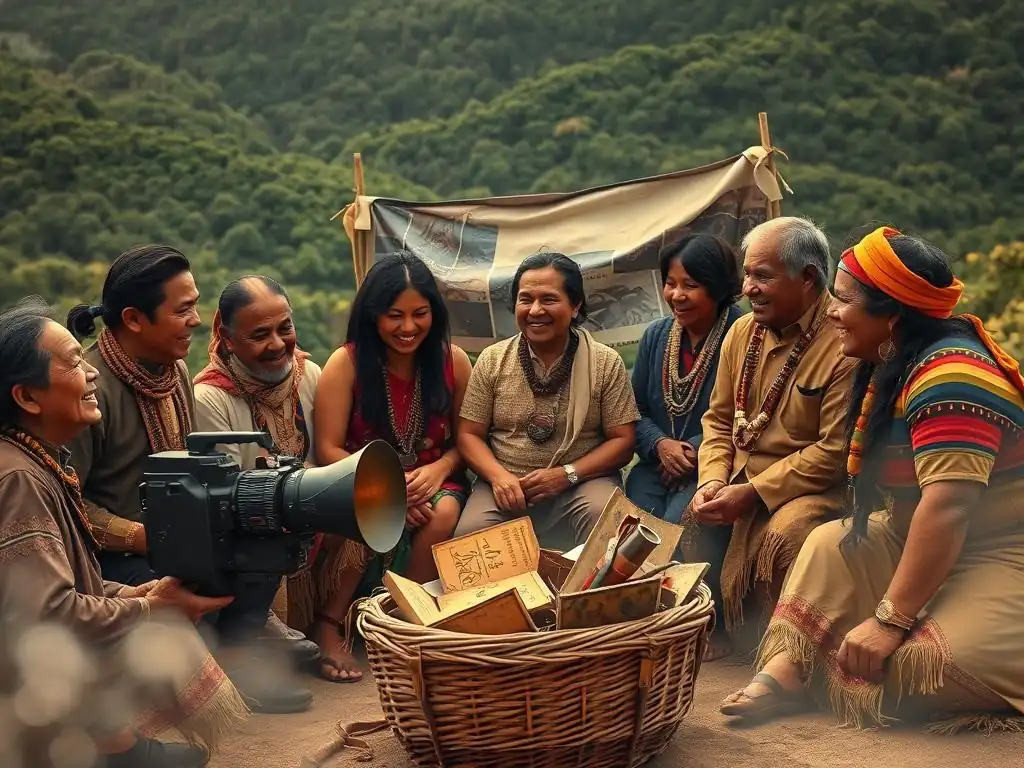
Filmmakers play a crucial role in shaping the narrative surrounding indigenous civilizations through documentaries. Their perspectives can either reinforce stereotypes or challenge them, making it essential for filmmakers to approach the subject matter with sensitivity and respect. In recent years, there has been a notable shift towards including indigenous voices in the filmmaking process. This collaborative approach not only enriches the storytelling but also ensures that the narratives accurately reflect the cultures, traditions, and histories of indigenous peoples.
Indigenous filmmakers, in particular, bring a unique perspective that is rooted in their cultural experiences. They often highlight issues that matter most to their communities, such as land rights, cultural preservation, and the impacts of colonization. By prioritizing these themes, documentaries can foster a deeper understanding of the complexities indigenous people face today. Furthermore, the integration of traditional storytelling methods and indigenous languages in these films enhances authenticity, allowing viewers to engage more profoundly with the content.
Moreover, the participation of indigenous voices in the documentary process empowers communities to reclaim their narratives. This aspect is crucial, as it counters the historical tendency of outsiders to speak on behalf of indigenous cultures. When indigenous people tell their own stories, it not only validates their experiences but also invites audiences to appreciate the richness and diversity of their civilizations.
Educational Impact of Documentaries on Indigenous Knowledge
Documentaries serve as powerful educational tools that can significantly enhance public understanding of indigenous cultures. By presenting historical contexts, cultural practices, and contemporary issues, these films can bridge gaps in knowledge and foster greater appreciation for indigenous contributions to society. They often explore themes like sustainability, spirituality, and community interconnectedness, which are integral to indigenous ways of life.
One of the key benefits of documentaries is their ability to engage diverse audiences. Visual storytelling can evoke emotional responses that written texts may not achieve. This emotional engagement is vital in fostering empathy and understanding, encouraging viewers to reflect on their own perspectives regarding indigenous issues. Educational institutions are increasingly utilizing documentaries in curricula to provide students with a more nuanced understanding of history and culture, emphasizing the importance of indigenous knowledge systems.
Furthermore, documentaries often include interviews with scholars, tribal leaders, and community members, providing a multifaceted view of indigenous realities. This approach not only enriches the narrative but also validates indigenous knowledge as credible and critical to contemporary discourse. By showcasing the voices of those directly impacted by historical events and ongoing challenges, documentaries can inspire advocacy and support for indigenous rights.
Conclusion: The Lasting Legacy of Documentaries on Indigenous Cultures
The impact of documentaries on indigenous cultures is profound and lasting. They have the power to reshape perceptions, educate audiences, and promote cultural awareness and sensitivity. By spotlighting indigenous achievements and challenges, these films contribute to a more equitable understanding of history, moving beyond simplistic narratives often found in mainstream media.
As more filmmakers prioritize collaboration with indigenous communities, the potential for documentaries to foster positive change increases. These films not only preserve knowledge and traditions for future generations but also serve as platforms for advocacy and empowerment. They remind viewers of the resilience and richness of indigenous cultures, highlighting that these civilizations are not relics of the past but vibrant, living communities with valuable insights to offer.
The impact of documentaries on indigenous cultures cannot be overstated. They serve as vital instruments for education, cultural preservation, and social justice, ensuring that the stories of indigenous peoples continue to resonate and inspire across generations.
- Introduction to Documentaries and Indigenous Cultures
- The Impact of Documentaries on Indigenous Cultures
- Key Documentaries Exploring Indigenous Civilizations
- How Documentaries Shape Public Understanding
- The Role of Filmmakers and Indigenous Voices
- Educational Impact of Documentaries on Indigenous Knowledge
- Conclusion: The Lasting Legacy of Documentaries on Indigenous Cultures
- What is the main focus of the article?
- How do documentaries influence public perception of indigenous cultures?
- What are some examples of documentaries mentioned in the article?
- Why is it important to focus on indigenous cultures through documentaries?
- How can viewers critically engage with documentaries about indigenous cultures?
Frequently Asked Questions
What is the main focus of the article?
The article explores the impact of documentaries on our understanding of indigenous civilizations in the Americas, highlighting how visual storytelling can reshape perceptions and awareness of these diverse cultures.
How do documentaries influence public perception of indigenous cultures?
Documentaries can significantly alter public perception by providing authentic narratives and showcasing the achievements and societal structures of indigenous peoples, countering stereotypes and misinformation.
What are some examples of documentaries mentioned in the article?
The article references several influential documentaries that have brought attention to the rich histories and contributions of indigenous cultures, helping to foster a greater appreciation and understanding among viewers.
Why is it important to focus on indigenous cultures through documentaries?
Focusing on indigenous cultures through documentaries is crucial because it allows for the preservation of their histories and traditions, while also promoting cultural sensitivity and respect for their contributions to society.
How can viewers critically engage with documentaries about indigenous cultures?
Viewers are encouraged to approach these documentaries with a critical eye, evaluating the accuracy of the representations and seeking out first-person narratives to gain a more nuanced understanding of the cultures depicted.
Final Reflection: The Transformative Impact of Documentaries on Indigenous Cultures
The exploration of indigenous civilizations through documentaries has never been more relevant than it is today. In an age where narratives are often dominated by mainstream media, documentaries serve as a powerful tool for amplifying the voices and stories of indigenous peoples. They not only educate viewers about the rich histories and cultures that have been marginalized but also challenge preconceived notions and stereotypes. The impact of documentaries on indigenous cultures is profound, as they foster understanding and empathy in a world that desperately needs it.
Culturally, documentaries have the potential to reshape societal perceptions and foster a deeper appreciation for the diversity of indigenous experiences. They create a space for dialogue and reflection, allowing audiences to engage with the complexities of these civilizations. As we witness the ongoing struggles for rights and recognition faced by indigenous communities, it becomes increasingly clear that documentaries play a crucial role in raising awareness and promoting social justice. Documentaries are not just films; they are a means of preserving history and advocating for change.
As we move forward, I invite you to reflect on the documentaries you consume and consider their impact on your understanding of indigenous cultures. Let these films inspire you to seek out more stories, engage in conversations, and advocate for the representation of indigenous voices in all forms of media. By doing so, we can collectively contribute to a more inclusive narrative that honors the richness of indigenous civilizations and acknowledges their rightful place in history.
Unveil the Stories of Indigenous Civilizations!
Thank you for taking the time to explore the transformative power of documentaries in shedding light on Indigenous civilizations. By delving into these narratives, you've opened the door to a deeper understanding of rich cultures and histories that often go untold. Now, let’s take your newfound knowledge and turn it into meaningful action!
- Dive deeper: Choose a documentary that particularly interests you and set aside an evening to watch it. Take notes on the aspects that resonate most with you!
- Share what you learn: Engage in discussions with friends or on social media. Continuing the conversation amplifies Indigenous voices and stories.
- Engage with the community: Participate in local events or online forums focused on Indigenous issues and documentaries. Embrace the opportunity to connect and learn from others who share your passion for this subject.
What is one documentary that has changed the way you view Indigenous cultures, and what aspects of it resonated with you?