
The Art of War: Military Tactics Employed by Indigenous Civilizations

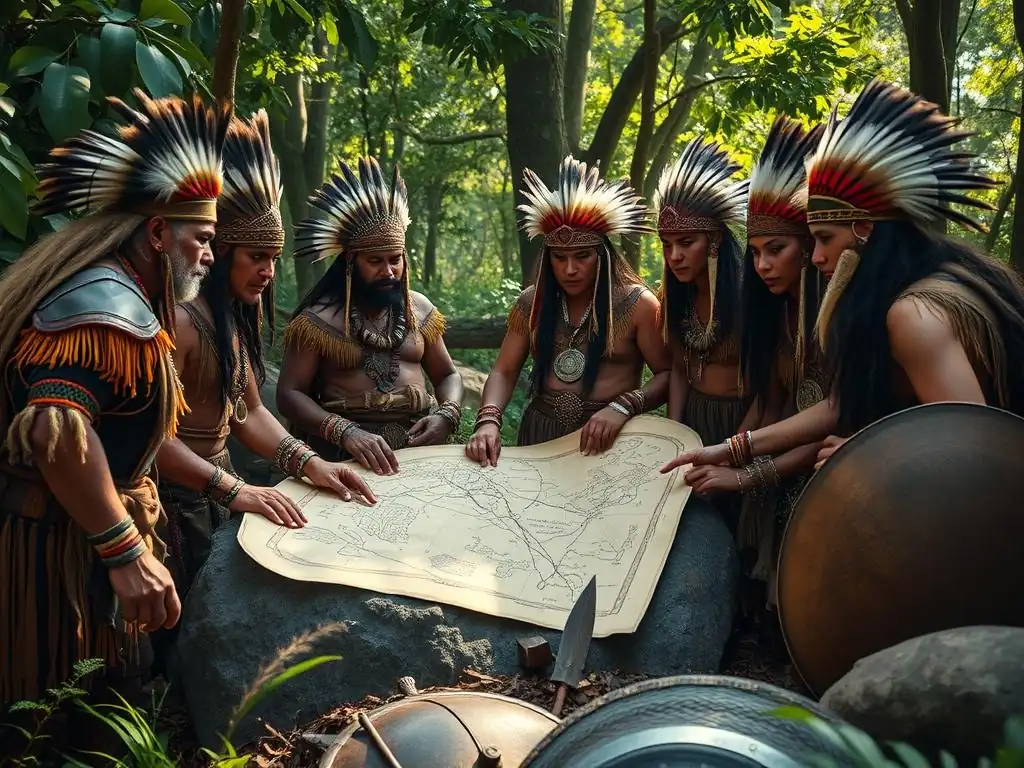
Welcome to Indigenous Civilizations of the Americas, where we embark on a journey through the rich tapestry of cultures that flourished long before European footprints graced these lands. In this exploration, we delve into the intriguing history of indigenous military tactics, revealing the sophisticated strategies and practices that shaped the outcomes of countless conflicts.
Prepare to uncover the remarkable achievements of these civilizations, and discover how their innovative approaches to warfare not only defined their societies but also left an indelible mark on history. Join us as we unravel the art of war and invite you to explore the depths of this fascinating topic!
Introduction to Indigenous Military Tactics History
The military tactics employed by indigenous civilizations across the Americas represent a rich tapestry of strategic ingenuity and adaptation to diverse environments and challenges. Long before European colonization reshaped the continent, indigenous groups developed sophisticated methods of warfare that were deeply intertwined with their cultural practices, social structures, and ecological knowledge. From the organized formations of the Aztec warriors to the guerrilla tactics of the Native American tribes, these strategies not only served to protect their communities but also to assert their sovereignty and cultural identity.
Understanding the history of indigenous military tactics is crucial for several reasons. It provides insight into the complex societal hierarchies and the leadership structures that existed within these civilizations. Moreover, it highlights the innovations and adaptations made in response to the varying landscapes, resources, and opponents they faced. By recognizing these strategies, we can appreciate the resilience and resourcefulness of indigenous peoples in the face of adversity, and how their military practices influenced the course of history in the Americas.
Importance of Studying Indigenous Warfare Strategies
Studying the warfare strategies of indigenous civilizations is vital for several key reasons:
- Cultural Insight: Understanding the military tactics used by these societies offers a window into their cultural values, beliefs, and social dynamics. Warfare was often not just about conflict but also about ritual, honor, and community cohesion.
- Historical Context: Analyzing indigenous military tactics helps to situate these civilizations within the broader narrative of American history. It sheds light on their interactions with European colonizers and how these tactics evolved in response to new threats.
- Military Innovation: Indigenous civilizations often employed innovative strategies that were adapted to their unique environments. These tactics can provide valuable lessons in resourcefulness, adaptability, and strategic planning that are relevant even today.
- Preservation of Heritage: As we study and document these historical military practices, we contribute to the preservation of indigenous heritage and acknowledgment of their historical significance. This fosters a deeper respect for the cultures that have shaped the Americas long before European contact.
The exploration of indigenous military tactics not only enriches our understanding of warfare in the Americas but also honors the legacy of these remarkable civilizations, showcasing their achievements and enduring influence.
- Introduction to Indigenous Military Tactics History
- Importance of Studying Indigenous Warfare Strategies
- What are some key military tactics used by indigenous civilizations?
- How did geography influence indigenous military tactics?
- What role did alliances play in indigenous military strategies?
- How did indigenous military tactics differ from European methods?
- What is the lasting impact of indigenous military tactics on modern warfare?
Overview of Indigenous Civilizations in the Americas
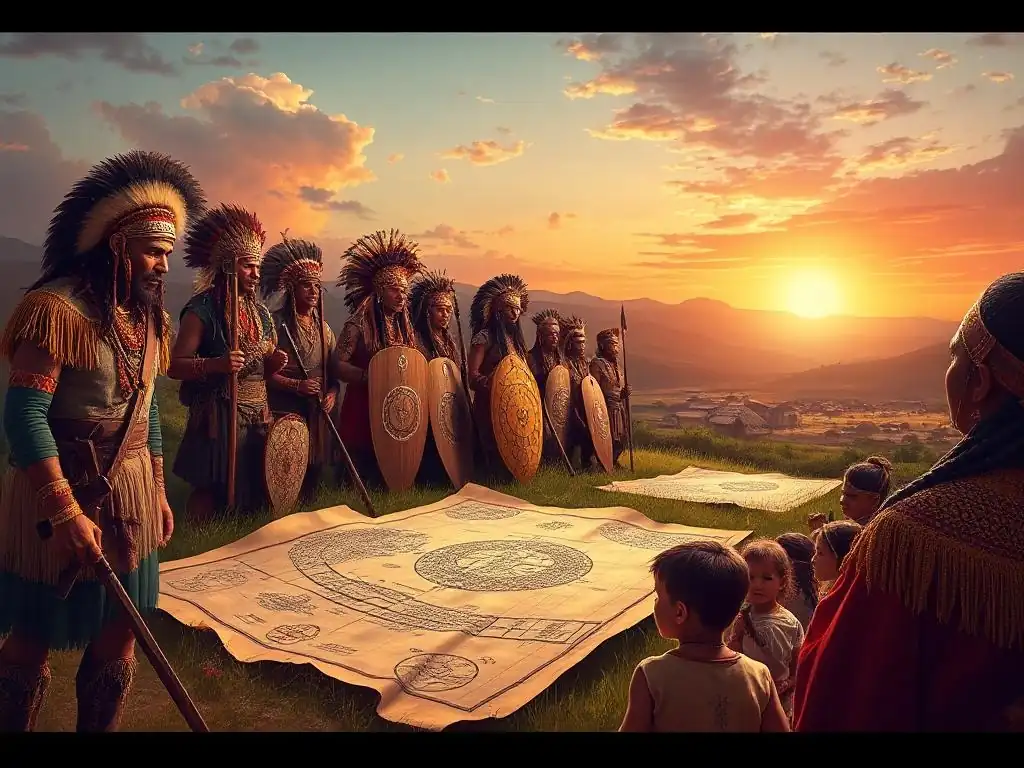
Indigenous civilizations in the Americas exhibited a rich tapestry of cultures, each with its own unique history, traditions, and military practices. Before European colonization, these societies developed sophisticated systems of governance, economy, and warfare. Warfare was not merely a series of battles but an integral part of their social fabric that shaped alliances, territorial disputes, and cultural exchanges.
The indigenous military tactics history reveals a blend of strategic acumen, deep understanding of the terrain, and mastery of various weapons. Each civilization adapted its military practices to its environment, utilizing resources available to them. The study of these tactics offers insights into their societal values, community structures, and the way they perceived conflict and resolution.
Key Indigenous Cultures and Their Military Practices
The Aztecs
The Aztec civilization, centered in present-day Mexico, was known for its highly structured military. The Eagle Warriors and Jaguar Warriors formed elite units that were both feared and respected. They utilized a combination of:
- Psychological Warfare: The Aztecs often engaged in ritual warfare, emphasizing intimidation through displays of power and human sacrifices.
- Chinampas: Their unique floating gardens allowed for sustainable food sources, enabling them to support large armies during campaigns.
The Inca
In the Andes, the Inca Empire developed a vast network of roads facilitating rapid troop movement across diverse terrains. Their military tactics included:
- Guerrilla Warfare: The Incas employed hit-and-run tactics, taking advantage of their knowledge of mountainous terrain.
- Alliances: They often formed strategic alliances with local tribes, integrating them into their military hierarchy for greater reach and strength.
The Plains Tribes
The Plains tribes, such as the Lakota and Cheyenne, were renowned for their equestrian skills. Their military practices featured:
- Mobility and Speed: Horseback riding allowed for quick maneuvers and surprise attacks, a game-changer in their warfare strategies.
- Scouting: Effective use of scouts to gather intelligence on enemy movements and terrain was crucial for planning their attacks.
Geographic Influence on Military Tactics
The geographical diversity of the Americas played a pivotal role in shaping indigenous military tactics. Different environments presented unique challenges and opportunities, influencing how societies organized their forces and conducted warfare.
- Mountainous Regions:
- Cultures like the Inca utilized steep terrains to create natural defenses and ambush points, optimizing their guerrilla tactics.
- Plains and Grasslands:
- The vast open spaces favored mobility, leading to the development of cavalry-based warfare among the Plains tribes. Their tactics emphasized speed and surprise.
- Forested Areas:
- Forest-dwelling tribes, such as the Iroquois, employed stealth and camouflage, using the dense underbrush to conceal their movements and launch ambushes.
- Coastal and Riverine Areas:
- Societies along the coasts adapted their strategies to include naval warfare. The use of canoes and boats for both transport and surprise attacks was common.
The indigenous military tactics history reflects a complex interplay between culture, environment, and social organization. Understanding these tactics not only sheds light on their military efficacy but also reveals the profound connections between their warfare practices and broader societal dynamics.
Core Principles of Indigenous Military Tactics
Adaptability and Resourcefulness in Warfare
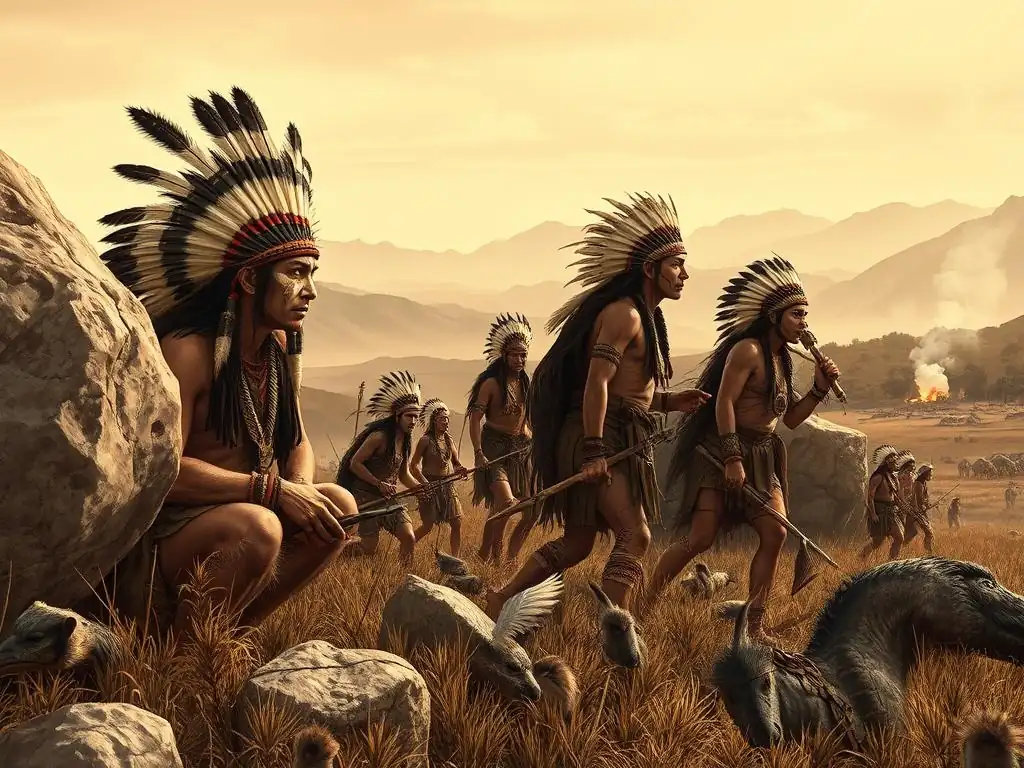
Indigenous military tactics were deeply rooted in the unique environments and cultural landscapes of the Americas, showcasing a remarkable level of adaptability and resourcefulness. These civilizations often faced diverse challenges, from territorial disputes with neighboring tribes to the encroachment of European powers. Their military strategies reflected a profound understanding of their surroundings, allowing them to leverage natural resources and local geography to their advantage.
One of the key aspects of adaptability was the use of guerrilla tactics. For instance, the Apache and Comanche tribes employed hit-and-run strategies, utilizing their intimate knowledge of the terrain to conduct surprise attacks on larger, more organized forces. This method not only undermined the enemy’s morale but also allowed smaller groups to effectively combat forces that vastly outnumbered them.
Moreover, the integration of diverse weaponry and tools was a hallmark of indigenous military tactics. Indigenous peoples often modified and adapted European weapons, such as firearms, to suit their needs. For example, the Iroquois Confederacy excelled in creating composite bows that combined traditional craftsmanship with newly acquired materials from European traders. This innovation exemplified a crucial aspect of adaptability—embracing new technologies while retaining traditional practices.
Community and Collective Defense Strategies
The concept of community and collective defense was central to the military strategies of many indigenous civilizations. Warfare was not merely an individual endeavor but a communal effort that involved all members of the society, from warriors to non-combatants. This collective approach ensured that everyone played a role in the defense of their territory and culture, fostering a strong sense of unity and purpose.
- Cultural Cohesion: Many tribes, such as the Lakota and Navajo, emphasized the importance of community in their military endeavors. Ceremonies and rituals often accompanied military preparations, strengthening bonds among warriors and reinforcing their commitment to the collective good. This cultural aspect was vital, as it motivated individuals to fight not just for personal glory but for the survival of their people.
- Alliances and Confederacies: Strategic alliances were also a crucial part of indigenous military tactics. Tribes would often form confederacies, such as the Iroquois Confederacy, to unify their strengths against common foes. This collaboration allowed for the pooling of resources, shared intelligence, and coordinated military campaigns. The Tawantinsuyu (Incan Empire) also demonstrated this principle by integrating various ethnic groups into a single military structure, thereby enhancing their collective defensive capabilities.
The core principles of indigenous military tactics were rooted in adaptability, resourcefulness, community, and collective defense. These strategies not only enabled indigenous civilizations to navigate the complexities of warfare but also reflected their deep connection to their environments and societies. The history of indigenous military tactics highlights the rich and diverse approaches these civilizations employed in the face of adversity, providing valuable insights into their resilience and ingenuity.
Notable Indigenous Military Tactics and Strategies
Indigenous civilizations across the Americas developed a rich tapestry of military tactics and strategies that were uniquely adapted to their environments, societies, and the challenges they faced. This section delves into some of the notable military tactics employed by these societies, which often emphasized resourcefulness, adaptability, and deep knowledge of their surroundings. Understanding these tactics provides insight into the complex history of indigenous military practices and their impact on encounters with European powers.
Guerrilla Warfare Techniques Used by Indigenous Groups
Guerrilla warfare emerged as a prominent tactic among various indigenous groups in the Americas, particularly in their resistance against European colonization. This form of warfare is characterized by small, mobile groups of combatants engaging in hit-and-run tactics and ambushes, as opposed to conventional battle formations.
- Mobility and Surprise: Indigenous warriors often leveraged their intimate knowledge of the land to execute surprise attacks. For instance, the Apache and the Comanche tribes utilized swift horseback raids to disrupt supply lines and launch sudden assaults on larger enemy forces.
- Decentralized Command: The lack of a centralized military command allowed for greater flexibility in operations. Leaders such as Tecumseh and his confederacy exemplified this strategy by coordinating multiple tribes to conduct independent operations against colonial forces.
- Disruption of Logistics: Indigenous groups aimed to undermine the enemy's supply lines and morale by targeting resources and reinforcements. The use of ambushes and decoys was common, as seen in the tactics employed by the Sioux during their conflicts with settlers and military expeditions.
Use of Terrain and Natural Resources in Indigenous Warfare
Indigenous military strategies often capitalized on the diverse terrains of the Americas, from dense forests to arid deserts, adapting their tactics to exploit these environments effectively.
- Natural Fortifications: Many tribes used natural features such as mountains, rivers, and dense vegetation as defensive structures. The Iroquois, for instance, constructed their villages near strategically advantageous locations that provided both protection and access to resources.
- Environmental Adaptation: The Inuit and other arctic tribes developed unique strategies that utilized the freezing conditions of their homelands. They employed tactics such as hiding in snowdrifts to launch surprise attacks on unsuspecting enemies, showcasing their ability to transform the environment into an ally.
- Resource Utilization: Indigenous warfare often involved the clever use of local resources. The Plains tribes, for example, utilized bison herds not only for sustenance but also to create diversionary tactics during conflicts, leading enemies into traps or ambushes.
Psychological Warfare Tactics in Indigenous Military History
Psychological warfare played a crucial role in the military strategies of indigenous civilizations, often aimed at instilling fear and confusion among their enemies.
- Symbolism and Rituals: Many tribes employed elaborate rituals and displays of strength to intimidate opponents. The Aztecs, for instance, were known for their ceremonial practices that included sacrifices, intended to demonstrate their power and resolve.
- Misinformation and Deception: Indigenous leaders often spread misinformation to mislead their adversaries. Techniques such as feigned retreats or the use of decoys were common, creating opportunities for ambushes and surprise attacks.
- Cultural Narratives: The use of storytelling and cultural narratives to bolster morale among warriors could significantly influence the outcome of confrontations. By invoking ancestral spirits or framing conflicts as righteous causes, leaders inspired bravery and unity among their people, enhancing their fighting spirit.
The indigenous military tactics employed throughout the Americas were diverse and innovative, reflecting a deep understanding of their environments and an ability to adapt to changing circumstances. These strategies were not only vital for survival but also left a lasting impact on the military history of the continent, influencing both indigenous and European approaches to warfare.
Case Studies of Indigenous Military Engagements
The Pueblo Revolt: An Example of Indigenous Resistance
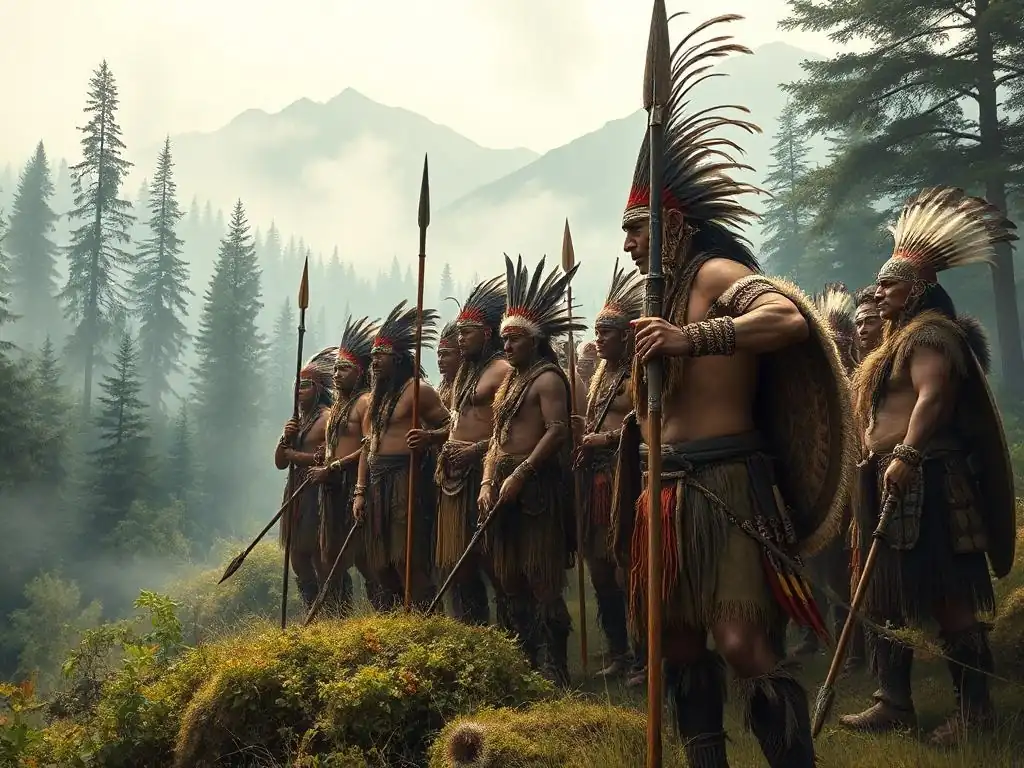
The Pueblo Revolt of 1680 stands as one of the most significant examples of indigenous resistance against European colonization in North America. This uprising, orchestrated by the Pueblo peoples of present-day New Mexico, was a response to the oppressive policies and cultural impositions of Spanish colonizers.
The revolt was meticulously planned over several years, highlighting the strategic military tactics employed by the indigenous leaders. Key aspects of the Pueblo strategy included:
- Unity Among Tribes: Different Pueblo groups, such as the Taos, Picuris, and Acoma, joined forces despite their individual differences. This cooperation was pivotal in undermining Spanish control.
- Covert Communication: The use of runners and symbolic messengers facilitated discreet communication among tribes, ensuring that plans remained undisclosed until the uprising began.
- Timing and Surprise: The revolt erupted on August 10, 1680, when the Spanish were least prepared, capitalizing on the element of surprise. The Pueblos coordinated simultaneous attacks on Spanish missions and settlements.
The success of the Pueblo Revolt demonstrated not only their military capabilities but also their deep understanding of guerrilla warfare. The Pueblos utilized the terrain to their advantage, employing hit-and-run tactics that disrupted Spanish supply lines and communication.
The Iroquois Confederacy: Cooperative Military Strategy
The Iroquois Confederacy, formed by the Mohawk, Oneida, Onondaga, Cayuga, and Seneca tribes, exemplified an advanced cooperative military strategy that allowed them to operate effectively in warfare. The confederacy was not merely a political alliance but also a sophisticated military organization that fostered unity and collective action.
Key components of the Iroquois military strategy included:
- Consensus Decision-Making: Military actions were decided by consensus, ensuring that all member nations had a voice. This approach fostered solidarity and commitment among the tribes involved.
- Specialized Roles: Each tribe within the confederacy specialized in certain military roles, from scouts to frontline warriors, allowing for a more efficient and organized fighting force.
- Diplomatic Maneuvering: The Iroquois adeptly navigated relationships with European powers, often playing them against each other to maintain their autonomy and influence in the region.
Their military tactics were characterized by strategic ambushes, organized raids, and the use of fortified villages. The Iroquois were known for their ability to adapt and incorporate new techniques and technologies, including firearms, into their combat strategies, demonstrating a dynamic approach to warfare.
The Aztec Military System: Organization and Tactics
The Aztec Empire, one of the most powerful and sophisticated civilizations in pre-Columbian America, had a highly organized military system that was central to its expansion and control over Mesoamerica. The Aztec military was characterized by a structured hierarchy, strategic organization, and a unique approach to warfare.
Key elements of the Aztec military system included:
- Military Hierarchy: The Aztec military was led by a series of ranks, with the tlatoani (emperor) at the top, followed by various commanders known as cuauhtli and tlacatecolotl, who oversaw different military campaigns.
- Warrior Societies: The Aztecs had distinct classes of warriors, such as the Eagle Warriors and Jaguar Warriors, each with its own training, rituals, and responsibilities. Membership in these societies was prestigious and motivated warriors to excel in battle.
- Use of Tactics and Strategy: The Aztecs employed a combination of direct assaults and psychological warfare, including the use of intimidation through their reputation and the display of captured enemies. They also utilized the element of surprise, often launching attacks during religious festivals or other significant events when their opponents were least prepared.
The Aztec military was not only a tool for expansion but also a means of reinforcing social and political order within the empire. Captured enemies were often used in ritual sacrifices, demonstrating the intertwining of warfare, religion, and societal structure in Aztec culture.
The history of indigenous military tactics is rich and varied, reflecting the unique cultures and contexts of each civilization. From the Pueblo Revolt's strategic unity to the Iroquois Confederacy's cooperative strategies and the Aztec military's sophisticated organization, these examples underscore the complexity and effectiveness of indigenous military practices prior to European colonization.
Comparison of Indigenous and European Military Tactics
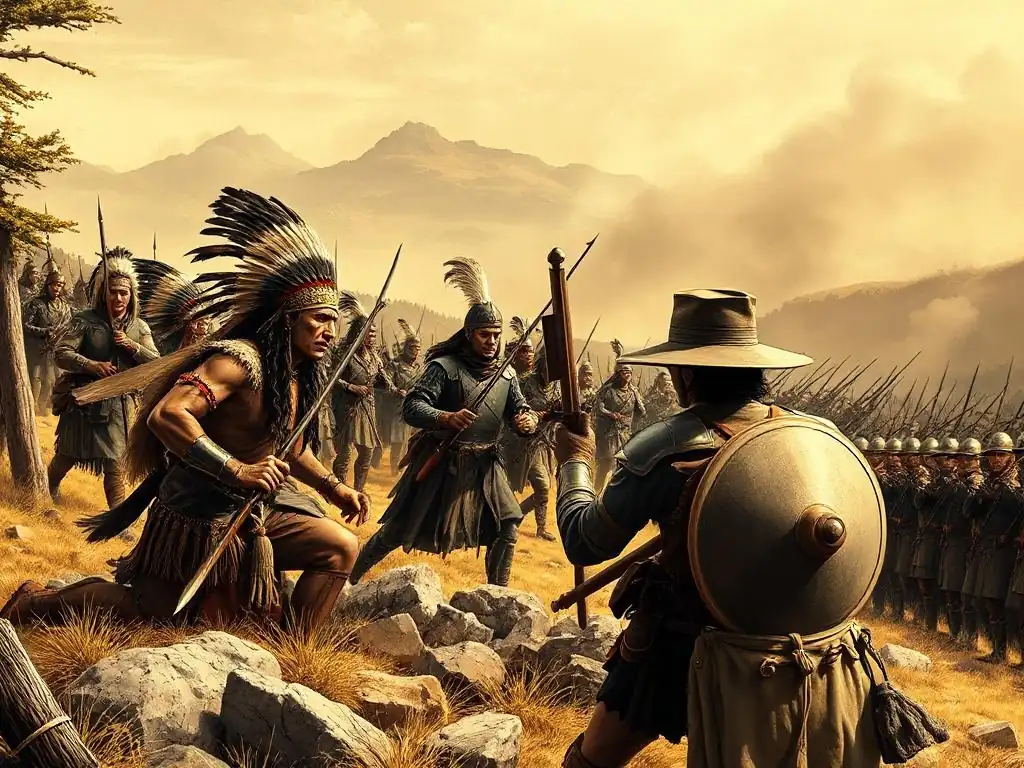
The military tactics employed by indigenous civilizations of the Americas were distinct in philosophy and execution compared to those developed by European powers. This comparison sheds light on the diverse approaches to warfare, highlighting the ingenuity and adaptability of indigenous military strategies that evolved in response to their unique environments and sociopolitical contexts.
Differences in Warfare Philosophy and Strategy
Indigenous military tactics were heavily influenced by their cultural values, social organization, and environmental factors.
- Cultural Context:
- Indigenous warfare often focused on defense and community survival, rather than outright conquest. Many tribes viewed war as a means to protect their territory or retaliate against aggression, which fostered a more conservative approach to military engagement.
- In contrast, European military philosophy was largely driven by ideas of expansion and dominance. Conquests were often seen as a way to acquire resources, land, and power, leading to more aggressive strategies aimed at overwhelming and subjugating opponents.
- Tactics and Techniques:
- Indigenous tactics frequently involved guerrilla warfare, utilizing the natural landscape for ambushes and surprise attacks. This included the use of hit-and-run tactics, where smaller, mobile groups would strike swiftly and retreat before sustaining significant casualties.
- European forces, particularly in the early modern period, relied on linear formations and heavy artillery. The emphasis was on organized ranks and firepower, often leading to large-scale battles where positioning and discipline were critical.
- Military Organization:
- Indigenous groups often organized their military efforts through loose alliances and coalitions, allowing for flexible responses to threats. Leadership in these contexts was typically based on merit and respect, rather than formal hierarchies.
- European armies were characterized by rigid structures and formal ranks, with a clear chain of command. This hierarchy was crucial for coordinating large-scale maneuvers during battle.
- Psychological Warfare:
- Indigenous civilizations often employed psychological tactics, such as the use of fearsome rituals or displays of prowess, to intimidate opponents before battles even began. The aim was to demoralize enemies and reduce the likelihood of conflict.
- Europeans, while also recognizing the importance of morale, frequently relied on propaganda and the display of military might to project strength and deter opposition.
The differences in warfare philosophy and strategy between indigenous and European military tactics reflect deeper cultural values and societal structures, shaping their approaches to conflict in significant ways.
Influence of Indigenous Tactics on European Military Practices
Despite the initial underestimation of indigenous military capabilities by European powers, there was a notable influence of indigenous tactics on European military practices, particularly during the early contact period and subsequent colonial wars.
- Adaptation of Guerrilla Warfare:
- European armies began to acknowledge the effectiveness of indigenous guerrilla tactics. As they faced resistance from indigenous populations, they adapted some of these strategies into their own military doctrines. This was particularly evident in conflicts such as the French and Indian War, where European forces employed more fluid tactics to counter indigenous ambush strategies.
- Integration of Indigenous Allies:
- Many European military campaigns sought alliances with indigenous groups, recognizing their knowledge of the terrain and warfare. This collaboration often involved training European soldiers in indigenous combat techniques and utilizing indigenous warriors in the field. The use of Native American scouts became a crucial component of European military strategy.
- Cultural Exchange in Weaponry and Tactics:
- There was also an exchange of technologies and tactics. For instance, European forces adopted certain indigenous weapons and tools, such as the tomahawk and bow and arrow, which proved effective in various combat scenarios. Conversely, indigenous groups sometimes adapted European firearms into their warfare.
- Long-Term Military Reforms:
- The lessons learned from indigenous warfare influenced European military reforms in the long term. The recognition of the need for mobility and adaptability led to changes in military training and tactics, culminating in more modern approaches seen in later conflicts.
The interaction between indigenous military tactics and European military practices not only shaped the outcomes of specific battles but also had lasting impacts on the evolution of warfare strategies in the Americas. The legacy of indigenous military ingenuity continues to be evident in contemporary military thought and practice.
Legacy of Indigenous Military Tactics in Modern Context
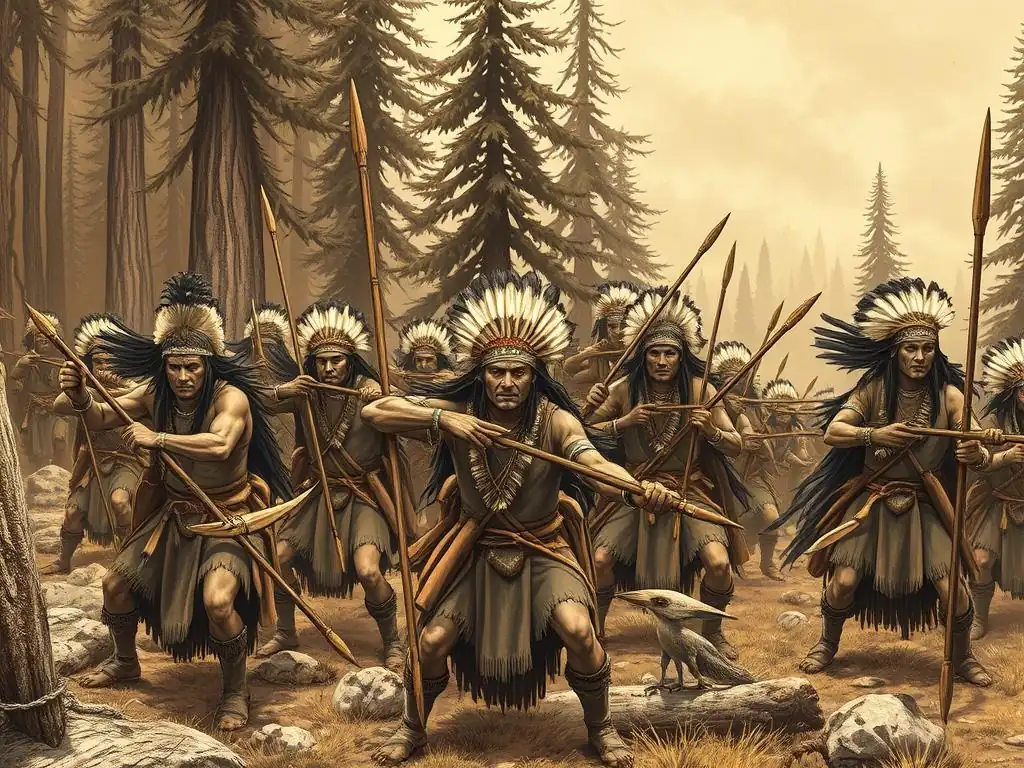
The military tactics employed by indigenous civilizations in the Americas have left a profound legacy that can still be observed in modern military strategies and practices. These tactics were not only innovative for their time but also reflected a deep understanding of the land, community, and the intricate dynamics of warfare.
Indigenous military tactics history reveals a blend of guerrilla warfare, strategic alliances, and a profound respect for the environment and resource management. The adaptability of indigenous warriors, who often employed hit-and-run tactics, ambushes, and the utilization of natural terrain to their advantage, has influenced modern military doctrine. In contemporary conflicts, many military forces study these indigenous strategies to improve their own operational effectiveness.
Continuing Influence of Indigenous Warfare Strategies Today
The influence of indigenous warfare strategies continues to resonate in various aspects of modern military operations. For instance, the principles of mobility and the element of surprise, hallmarks of indigenous tactics, are now integral to many military training programs. Here are some notable examples of how these strategies have been integrated:
- Guerrilla Warfare: The tactics used by indigenous groups, such as the Apache and the Lakota, have informed contemporary guerrilla warfare strategies. Modern insurgent groups often adopt similar hit-and-run tactics, which are evident in various global conflicts.
- Environmental Adaptability: Indigenous warriors were adept at using their knowledge of the land to gain tactical advantages. Today, military training emphasizes the importance of understanding the terrain and utilizing it strategically, reflecting this indigenous approach.
- Psychological Warfare: Indigenous groups often engaged in psychological tactics to intimidate opponents, such as creating elaborate war cries or engaging in rituals that showcased their strength. Modern military strategies incorporate psychological operations (PSYOPS) to influence enemy morale and perceptions.
These continuing influences illustrate how indigenous military tactics history not only shaped the past but also continues to inform present-day military strategies.
Recognition and Preservation of Indigenous Military History
The recognition and preservation of indigenous military history are crucial for understanding the complexities of warfare in the Americas. Institutions and organizations dedicated to this cause play a significant role in ensuring that these histories are not lost. Efforts include:
- Documentation of Oral Histories: Many indigenous cultures rely on oral traditions to pass down their histories. Recording these narratives helps preserve the military strategies and experiences of indigenous peoples.
- Academic Research: Universities and scholars are increasingly focusing on indigenous military history, conducting research that highlights the sophisticated tactics and strategies employed by these civilizations. This research often culminates in publications and documentaries that reach a wider audience.
- Cultural Workshops and Re-enactments: Some indigenous communities conduct workshops and historical re-enactments that educate both members of their community and the public about their military history. These activities help keep the memory of indigenous military tactics alive while fostering a deeper appreciation for their cultural heritage.
- Integration into Educational Curricula: Many educational institutions are beginning to incorporate indigenous military history into their curricula, providing students with a more comprehensive understanding of the diverse ways in which warfare has been approached throughout history.
By recognizing and preserving indigenous military history, we not only honor the legacies of these civilizations but also enrich our understanding of the broader context of warfare and its evolution over time.
Conclusion: The Lasting Impact of Indigenous Military Tactics
The study of indigenous military tactics history reveals a complex and sophisticated understanding of warfare that has had a lasting impact on military strategies worldwide. Indigenous civilizations across the Americas cultivated unique approaches to combat, often tailored to their specific environments and societal structures. The lessons learned from these strategies continue to resonate in modern military discussions, emphasizing the ingenuity and resilience of indigenous peoples.
Summary of Key Indigenous Military Strategies
Indigenous military tactics were not merely reactive; they were characterized by strategic foresight and adaptability. Here are several key strategies employed by various indigenous groups:
- Guerrilla Warfare: Many indigenous groups, such as the Lakota and the Apache, utilized guerrilla tactics to capitalize on their intimate knowledge of the terrain. This involved ambushes, hit-and-run attacks, and the use of natural cover to outmaneuver larger, more conventional forces.
- Psychological Warfare: The use of psychological tactics was prevalent, with indigenous warriors often employing fear tactics to intimidate opponents. This included war cries, symbolic displays, and the strategic use of color and decoration on their bodies and weapons to convey strength and unity.
- Mobility and Speed: Indigenous military forces frequently emphasized mobility. The Plains tribes, for example, were renowned for their horsemanship, allowing them to move swiftly across vast territories and engage in battles at their choosing.
- Coalition Building: Forming alliances with other tribes was a crucial aspect of indigenous military strategy. For instance, the Iroquois Confederacy exemplified how strategic partnerships could enhance military strength and political influence.
- Resource Utilization: Indigenous tactics were often grounded in sustainable practices, utilizing local resources for weaponry and fortifications. This included crafting tools and weapons from available materials, ensuring that their military capabilities were both effective and environmentally sustainable.
The Importance of Understanding Indigenous Military History in Contemporary Discussions on Warfare
Understanding the indigenous military tactics history is not only vital for appreciating the rich tapestry of indigenous cultures but also for informing contemporary military and political strategies. Here’s why this understanding is essential:
- Reevaluation of Military Narratives: Indigenous military history challenges traditional narratives that often overlook the sophistication of non-European warfare. This reevaluation can help modern military leaders draw lessons from diverse strategies that have proven effective in various contexts.
- Cultural Sensitivity in Warfare: Recognizing the historical significance of indigenous military tactics fosters a deeper cultural sensitivity, which is crucial in contemporary military engagements, especially in regions with indigenous populations. This can lead to more respectful and effective interactions.
- Inspiration for Modern Strategies: Elements of indigenous military strategies, such as guerrilla warfare and coalition building, can inspire modern military tactics, particularly in asymmetric warfare scenarios where traditional forces face unconventional threats.
- Preservation of Indigenous Knowledge: Acknowledging and studying indigenous military history contributes to the preservation of indigenous knowledge systems. This not only honors the contributions of indigenous peoples but also enriches the global understanding of warfare.
- Educational Impact: Incorporating indigenous military history into military education programs can provide future leaders with a broader perspective on conflict resolution, strategy implementation, and the socio-political dimensions of warfare.
The exploration of indigenous military tactics offers valuable insights into historical and contemporary warfare, highlighting the ingenuity, adaptability, and resilience of indigenous civilizations. By recognizing and understanding these tactics, we not only honor the legacy of these cultures but also enhance our own strategic frameworks in the ever-evolving landscape of conflict.
Frequently Asked Questions
What are some key military tactics used by indigenous civilizations?
Indigenous civilizations employed various strategies such as guerrilla warfare, ambush tactics, and hit-and-run techniques to effectively counter larger European forces.
How did geography influence indigenous military tactics?
The diverse landscapes of the Americas, from dense forests to open plains, shaped the strategies and tactics that indigenous peoples developed, allowing them to utilize their environment to their advantage.
What role did alliances play in indigenous military strategies?
Alliances among different tribes were crucial, as they allowed for the pooling of resources, sharing of intelligence, and the ability to mount larger-scale defenses against common enemies.
How did indigenous military tactics differ from European methods?
Indigenous tactics often emphasized mobility and adaptability, contrasting with the more formalized and linear approaches of European military forces, which relied heavily on cavalry and infantry formations.
What is the lasting impact of indigenous military tactics on modern warfare?
Many modern military strategies can trace their roots to indigenous tactics, particularly in the use of asymmetrical warfare and the importance of terrain in planning military operations.
Final Reflection: The Enduring Legacy of Indigenous Military Tactics
The exploration of indigenous military tactics reveals not only the ingenuity of these civilizations but also their profound relevance in today's discussions about strategy and resilience. As we navigate a world rife with conflict and competition, understanding the historical context and effectiveness of these tactics can inspire contemporary approaches to conflict resolution and community defense. The lessons from the past are not merely historical footnotes; they are vital blueprints for modern strategy.
The influence of indigenous military tactics extends beyond the battlefield, permeating cultural narratives and shaping social structures. These tactics exemplify a deep connection to the land and community, emphasizing the importance of strategic thinking and adaptability. In war, the way is to avoid what is strong and to strike at what is weak.
This quote encapsulates the essence of indigenous strategies, highlighting their focus on understanding the environment and the opponent, a principle that remains relevant in various aspects of life today.
As we reflect on the rich history of indigenous military tactics, let us consider how these lessons can inform our actions and decisions in the present. I invite you to explore the strategies of resilience and adaptability in your own life, drawing inspiration from the past to navigate the complexities of the future. By acknowledging and honoring the wisdom of indigenous civilizations, we can cultivate a deeper understanding of conflict, cooperation, and the art of strategy in our own communities.
Unveil New Perspectives on Indigenous Military Tactics!
Thank you for taking the time to explore the fascinating military strategies of Indigenous civilizations. Your interest helps to shed light on the rich histories and brilliant tactics that have often been overlooked. Now, let’s take the next step in understanding and celebrating these unique cultures.
Here’s how you can dive deeper:
- Join a local historical group or online community focused on Indigenous history to discuss strategies and tactics with others. Sharing insights can deepen your appreciation and understanding.
- Explore further: Check out additional articles on our website that delve into the diverse Indigenous civilizations and their remarkable military histories.
- Share your knowledge! Post about your discoveries on social media to inspire your friends and community to appreciate this vital aspect of Indigenous heritage.
What strategic insights from Indigenous military tactics do you think could be applied to modern problem-solving and teamwork today?