
The Culinary Legacy of the Aztecs: Ingredients and Innovations

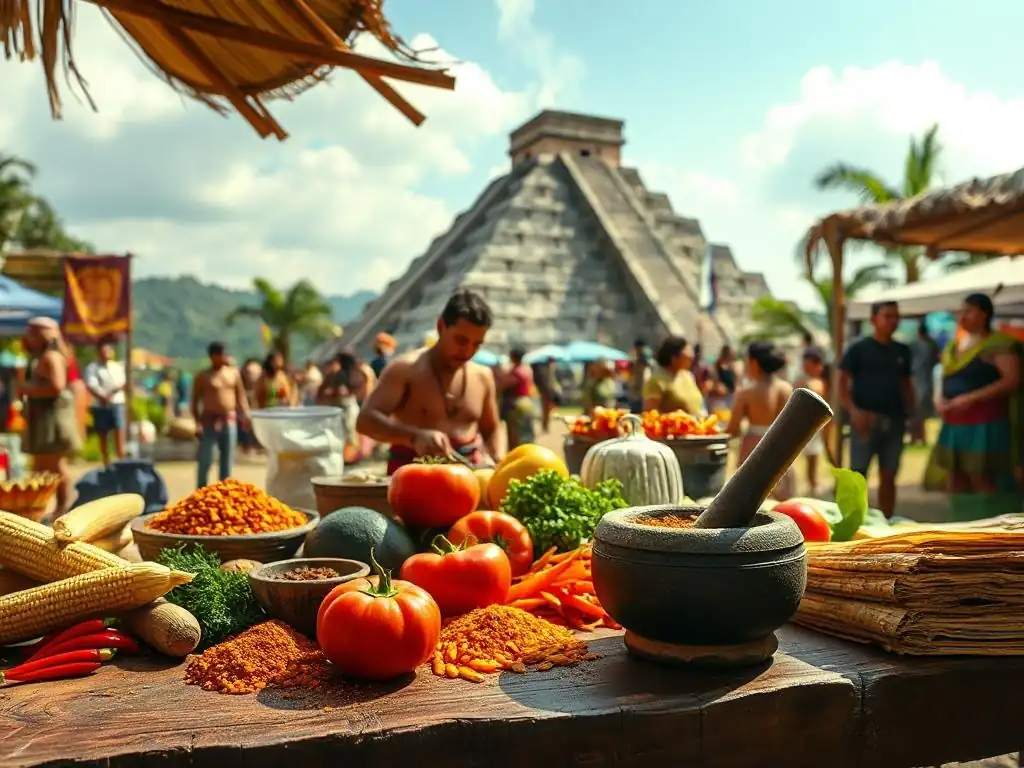
Welcome to Indigenous Civilizations of the Americas, where we embark on a captivating journey through the rich tapestry of indigenous cultures that flourished long before European contact. In this space, we delve into the remarkable achievements and societal intricacies of these vibrant civilizations. Today, we invite you to explore the fascinating world of Aztec culinary traditions and innovations.
Discover how these ancient culinary practices not only shaped their society but also left a lasting legacy that continues to influence modern cuisine. Prepare to be intrigued as we unfold the secrets behind their ingredients and culinary prowess—read on to uncover the flavors that define a culture!
Introduction to Aztec Culinary Traditions and Innovations
The culinary traditions of the Aztecs represent a rich tapestry of flavors, techniques, and cultural significance that have had a profound impact on the cuisine of modern-day Mexico and beyond. Before the arrival of European colonizers, the Aztecs developed a sophisticated food system that not only sustained their population but also reflected their beliefs, social structure, and agricultural advancements. Understanding the Aztec culinary traditions and innovations allows us to appreciate the complexity of their society and the lasting legacy they have left on culinary practices.
Overview of Aztec Society and Its Relationship with Food
The Aztec Empire, flourishing from the 14th to the 16th century, was a highly organized society that relied heavily on agriculture, trade, and tribute systems. Food was not merely sustenance; it played a central role in religious rituals, social gatherings, and the economy. The Aztecs cultivated a variety of crops using advanced farming techniques, such as chinampas (floating gardens), which maximized land use and productivity.
- Key roles of food in Aztec society:
- Religious significance: Many dishes were offerings to the gods, reflecting the spiritual connection to food.
- Social hierarchy: Certain foods were reserved for the elite, while others were staples for the common people, highlighting social stratification.
- Trade and economy: The exchange of food items and ingredients facilitated trade networks, fostering economic growth.
Importance of Culinary Practices in Aztec Culture
Culinary practices in Aztec culture were deeply intertwined with their identity and traditions. Meals were occasions for community bonding, and the preparation of food often involved intricate rituals. The Aztecs used cooking as a means of expression, creativity, and craftsmanship, leading to a diverse range of dishes that showcased their agricultural bounty.
- Culinary rituals included:
- Ceremonial feasts: Celebrations that honored deities and marked significant events in the Aztec calendar.
- Food offerings: Prepared dishes that were presented to gods during rituals, emphasizing the sacred nature of food.
Key Ingredients in Aztec Cuisine
The foundation of Aztec cuisine was built upon a variety of indigenous ingredients that were integral to their diet. Each ingredient contributed unique flavors, nutritional benefits, and cultural significance, shaping the culinary landscape of the Aztec Empire.
Maize: The Staple of Aztec Diet
Maize, or corn, was the cornerstone of the Aztec diet and held immense cultural importance. It was not only a primary food source but also a symbol of life and fertility. The Aztecs consumed maize in various forms, including tortillas, tamales, and drinks like atole.
- Nutritional benefits:
- Rich in carbohydrates and essential nutrients.
- Versatile ingredient used in countless dishes.
Beans: Nutritional Value and Culinary Uses
Beans were a vital source of protein in the Aztec diet, often consumed alongside maize to create a complete protein. The Aztecs cultivated several varieties, including black beans, pinto beans, and kidney beans.
- Culinary uses:
- Often featured in stews, soups, and as a filling for tamales.
- Important for their nutritional value and ability to enrich the soil in which they were grown.
Chili Peppers: Flavor and Significance in Aztec Cooking
Chili peppers were essential to Aztec cooking, adding heat and depth to dishes. They were not only used for flavor but also had medicinal properties and were believed to ward off evil spirits.
- Cultural significance:
- Different varieties of chili peppers were used in various dishes, showcasing the diversity of Aztec cuisine.
- Integral to the preparation of salsas, sauces, and marinades.
Tomatoes: The Foundation of Aztec Sauces and Salsas
Tomatoes were another key ingredient in Aztec cuisine, forming the base for many sauces and salsas that accompanied their meals. The Aztecs appreciated the tomato's vibrant flavor and versatility.
- Culinary applications:
- Used fresh in salads or cooked into sauces.
- Paired with chilies and other ingredients to create flavorful dishes.
Cacao: From Beverage to Sacred Ingredient
Cacao held a sacred place in Aztec society. It was consumed as a drink, often spiced with chili and vanilla, and was also used in religious rituals. Beyond its ceremonial use, cacao beans served as currency and were a symbol of wealth.
- Culinary impact:
- The precursor to modern chocolate, cacao was celebrated for its rich flavor and energizing properties.
- Integral to both sweet and savory dishes, showcasing the ingenuity of Aztec culinary practices.
Understanding these key ingredients and their significance helps us appreciate the rich culinary heritage of the Aztecs, which has influenced cuisines around the world to this day.
Innovations in Aztec Cooking Techniques
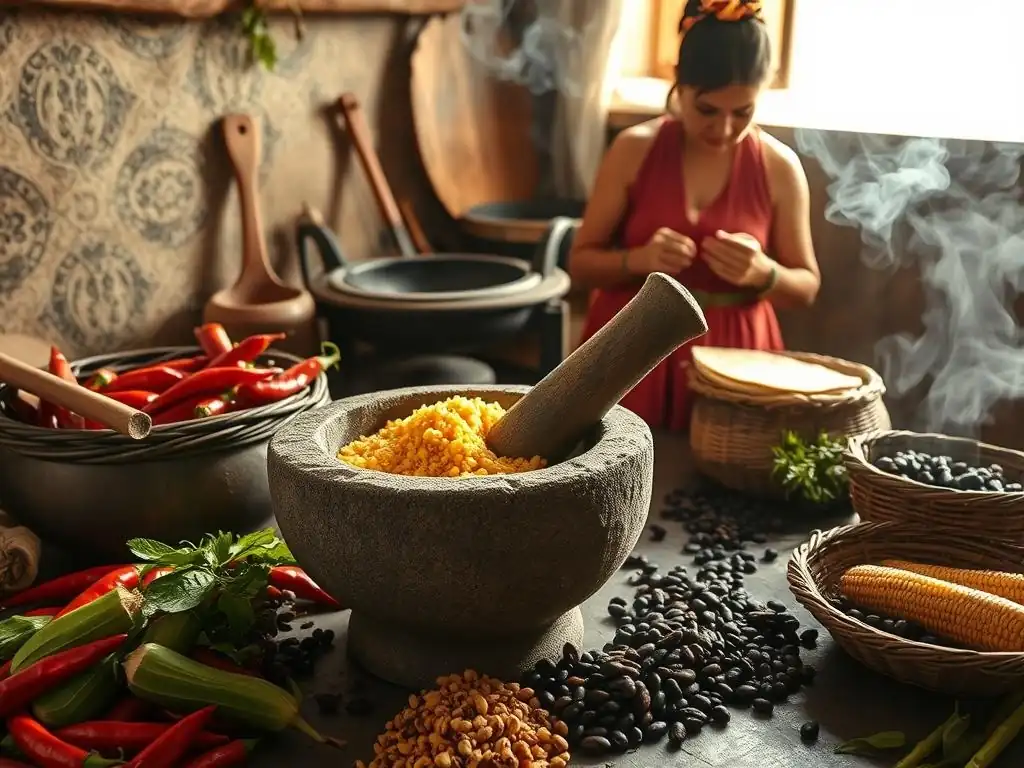
The Aztecs were remarkable innovators when it came to cooking techniques, which not only enhanced the flavors and preservation of their food but also reflected their complex societal structure and cultural beliefs. These innovations laid the groundwork for modern Mexican cuisine and influenced culinary practices far beyond their time. The incorporation of various cooking methods, the use of specialized tools, and preservation techniques were pivotal in defining Aztec culinary traditions and innovations.
Cooking Methods: Boiling, Roasting, and Steaming
The Aztecs employed a variety of cooking methods that highlighted their ingenuity.
- Boiling was commonly used for grains, such as maize, which was a staple in their diet. By boiling maize, they could produce a dough called masa, essential for making tortillas and tamales.
- Roasting was another prevalent method, particularly for meats and vegetables. This technique not only enhanced flavors but also allowed for the development of unique textures. Roasting over an open flame was particularly common, offering a smoky taste that is still celebrated in contemporary cooking.
- Steaming was utilized primarily in the preparation of tamales, which are made by wrapping masa around fillings and cooking them in a steam bath. This method retained moisture and flavor, showcasing the Aztecs' understanding of heat and moisture in cooking.
These methods reflect a sophisticated understanding of food preparation that allowed the Aztecs to maximize the nutritional value and taste of their ingredients.
Use of Tools: Grinding Stones and Clay Cookware
The Aztecs developed various tools that were integral to their culinary practices.
- Grinding stones, known as metates, were essential for processing maize into flour. This tool facilitated the preparation of staple foods, allowing for a smoother texture and enabling the creation of various dishes.
- Clay cookware, including pots and comales, played a crucial role in daily cooking. The porous nature of clay helped to evenly distribute heat, while its ability to retain moisture was vital for stews and sauces. These vessels were also used in ceremonial contexts, showcasing their importance in both everyday and ritualistic food preparation.
The innovation in tool-making not only improved efficiency in food preparation but also reflected the artistry and craftsmanship of Aztec society.
Preservation Techniques: Drying, Salting, and Fermentation
To ensure a stable food supply throughout the year, the Aztecs mastered several preservation techniques:
- Drying was commonly used for fruits, vegetables, and meats, extending their shelf life and allowing for storage during times of scarcity. Dried foods were often rehydrated in soups or stews.
- Salting was another method employed for preserving fish and meats, enhancing the flavor while preventing spoilage. This technique was crucial for trade and transportation of food items over long distances.
- Fermentation was used to create alcoholic beverages like pulque, derived from the agave plant. This not only preserved the beverage but also contributed to its unique flavor profile. Fermented foods were also believed to hold nutritional benefits, a practice that continues in various cultures today.
These preservation methods were significant in ensuring food security and maintaining the Aztec economy, illustrating their sophisticated approach to food management.
The Role of Food in Aztec Society
Food was not merely a sustenance source for the Aztecs; it played a multifaceted role in their society, reflecting cultural, social, and economic dynamics.
Culinary Practices in Religious Ceremonies
Food was deeply intertwined with Aztec religious practices. Various dishes were prepared for ceremonies honoring gods, and certain foods were considered sacred. For example, the consumption of chocolatl (a frothy chocolate drink) was reserved for nobility and used in rituals. Offerings of food, such as maize and fruits, were made to deities, illustrating the belief that food was a divine gift. These culinary practices reinforced social bonds and community identity, connecting the people through shared rituals centered around food.
Food as a Symbol of Social Status and Power
In Aztec society, food was a clear indicator of social status. The elite consumed an array of exotic foods, including cacao, which was highly valued and often used as currency. The preparation and presentation of food at feasts demonstrated wealth and power, as lavish banquets displayed the host's ability to provide an abundance of food. Commoners, on the other hand, primarily relied on maize, beans, and squash, reflecting a more modest diet. This distinction in culinary access reinforced class structures and social hierarchies within Aztec civilization.
The Influence of Trade on Aztec Cuisine
Trade played a critical role in the diversity and richness of Aztec cuisine. The Aztecs established an extensive trade network that allowed them to acquire ingredients not native to their region, such as spices, tropical fruits, and other delicacies. This exchange not only introduced new flavors but also facilitated the spread of culinary techniques across different cultures.
As a result, the Aztec diet was a fusion of local and foreign ingredients, enhancing their culinary repertoire and allowing for the development of unique dishes that would influence future generations. The importance of trade in shaping Aztec culinary traditions and innovations cannot be overstated, as it contributed to their cultural identity and economic prosperity.
Aztec Culinary Innovations and Their Global Impact
The Aztecs made significant contributions to culinary practices that not only shaped their own society but also had far-reaching effects on global cuisine. Their innovative use of local ingredients, advanced agricultural techniques, and sophisticated cooking methods laid the groundwork for many modern culinary practices. By integrating diverse flavors and creating new dishes, the Aztecs helped establish a rich culinary tradition that continues to resonate today.
Introduction of New Ingredients to the World
The Aztecs were pioneers in the cultivation and use of a variety of ingredients that are now staples in kitchens worldwide. Among their most notable contributions were:
- Maize (Corn): The cornerstone of Aztec agriculture, maize was used in various forms, including tortillas, tamales, and beverages like atole and pulque. Its versatility has made it a fundamental ingredient in many cultures globally.
- Chili Peppers: The use of chili peppers in Aztec cuisine introduced a new level of spice and flavor, revolutionizing dishes across the Americas and eventually the world.
- Chocolate: The Aztecs were among the first to cultivate cacao, using it to create a frothy, bitter drink known as xocoatl. This beverage would later evolve into the sweetened chocolate we enjoy today.
- Avocado: The Aztecs not only consumed avocados but also recognized their nutritional value, leading to their widespread popularity in modern dishes.
These ingredients exemplify how Aztec culinary practices contributed to a broader understanding of food and flavor.
Influence on Modern Mexican Cuisine
The culinary innovations of the Aztecs have profoundly influenced modern Mexican cuisine, which continues to celebrate and build upon these traditional practices. Key influences include:
- Tortillas: The use of maize in making tortillas remains a staple in Mexican diets, serving as a base for countless dishes such as tacos, enchiladas, and quesadillas.
- Salsas and Sauces: The incorporation of chilies into sauces and salsas reflects the Aztec emphasis on bold flavors. Modern variations often pay homage to traditional recipes while introducing new ingredients and techniques.
- Complex Dishes: The Aztecs’ approach to combining various ingredients and spices has paved the way for the intricate dishes found in contemporary Mexican cuisine, which often features layers of flavor and texture.
These elements not only highlight the Aztecs' culinary legacy but also underscore their relevance in today's food culture.
Legacy of Aztec Culinary Traditions in Contemporary Cooking
The legacy of Aztec culinary traditions is evident in many contemporary cooking practices, both in Mexico and around the globe. This legacy can be observed in:
- Sustainable Farming Practices: The Aztecs utilized advanced agricultural methods, such as chinampas (floating gardens), which inspired modern sustainable farming practices and permaculture.
- Culinary Fusion: As the world has become more interconnected, Aztec ingredients and techniques have blended with those of other cultures, leading to creative culinary fusions that honor the original traditions while innovating new flavors.
- Cultural Festivals and Gastronomy: Many modern culinary festivals celebrate traditional Aztec cuisine, showcasing ancient recipes and cooking methods, thereby ensuring that these traditions are preserved and appreciated.
The ongoing evolution of these culinary traditions serves as a reminder of the enduring impact the Aztecs have had on global cuisine.
Conclusion: The Enduring Influence of Aztec Culinary Innovations
The culinary innovations of the Aztecs are a testament to their creativity and resourcefulness. Their contributions have not only enriched their own society but have also shaped food practices worldwide, making their legacy a vital part of culinary history.
Reflection on the Importance of Preserving Indigenous Food Traditions
Preserving indigenous food traditions, such as those of the Aztecs, is essential for maintaining cultural identity and heritage. These traditions provide insights into the historical context of various ingredients and cooking methods, fostering a deeper appreciation for the diversity of culinary practices. By safeguarding these traditions, we can honor the past while enriching contemporary cuisine.
Future Exploration of Aztec Cuisine and Its Global Relevance
As culinary trends continue to evolve, there is a growing interest in exploring the relevance of Aztec cuisine in today's world. This exploration could involve:
- Research and Documentation: Studying ancient recipes and cooking techniques to understand their historical significance and potential applications in modern culinary arts.
- Culinary Education: Incorporating Aztec culinary traditions into culinary school curricula, allowing future chefs to appreciate and innovate upon these foundational practices.
- Cultural Exchange: Encouraging cross-cultural culinary experiences that highlight the contributions of indigenous cuisines, fostering respect and understanding among diverse food traditions.
By embracing and promoting Aztec culinary innovations, we can ensure their enduring influence and relevance in the global culinary landscape.
- Introduction to Aztec Culinary Traditions and Innovations
- Overview of Aztec Society and Its Relationship with Food
- Importance of Culinary Practices in Aztec Culture
- Key Ingredients in Aztec Cuisine
- Innovations in Aztec Cooking Techniques
- The Role of Food in Aztec Society
- Aztec Culinary Innovations and Their Global Impact
- Conclusion: The Enduring Influence of Aztec Culinary Innovations
Frequently Asked Questions
What are some key ingredients in Aztec cuisine?
The Aztecs utilized a variety of ingredients, including maize, beans, chili peppers, and tomatoes. These staples formed the foundation of their diet and culinary practices.
How did Aztec culinary traditions influence modern Mexican cuisine?
Aztec culinary traditions laid the groundwork for many modern Mexican dishes. Techniques such as nixtamalization and the use of indigenous ingredients continue to shape contemporary Mexican food.
What role did spices play in Aztec cooking?
Spices were crucial in Aztec cooking, enhancing flavors and preserving food. Commonly used spices included vanilla, cacao, and various herbs, contributing to their culinary innovations.
How did the Aztecs incorporate agriculture into their culinary practices?
The Aztecs developed advanced agricultural techniques, such as chinampas (floating gardens), to cultivate crops. This innovation allowed them to sustain a diverse and rich diet.
What are some notable cooking techniques used by the Aztecs?
Aztec cooking techniques included grilling, boiling, and steaming. They also employed methods like roasting and stone grinding, showcasing their culinary innovations.
Final Reflection: Embracing the Richness of Aztec Culinary Traditions and Innovations
The culinary legacy of the Aztecs is not just a historical footnote; it is a vibrant tapestry that continues to influence modern gastronomy. Today, as we explore diverse culinary landscapes, the significance of Aztec ingredients and innovations resonates more than ever. The resurgence of ancient grains, the appreciation for indigenous flavors, and the sustainable practices rooted in Aztec traditions remind us that our culinary choices are deeply intertwined with our cultural heritage.
The impact of Aztec culinary traditions extends beyond the kitchen; it shapes our understanding of identity, community, and sustainability. As we navigate a world increasingly focused on food sourcing and cultural appreciation, the lessons from the Aztecs serve as a guiding light. Their innovative use of local ingredients and respect for the environment are principles that can inspire contemporary chefs and home cooks alike. Food is a universal language that transcends borders and unites us in our shared humanity.
As you reflect on the culinary innovations of the Aztecs, I invite you to consider how you can incorporate these lessons into your own life. Embrace the flavors of your heritage, seek out local ingredients, and celebrate the stories behind the food you prepare. By doing so, you not only honor the past but also contribute to a more sustainable and interconnected future. Let the culinary legacy of the Aztecs inspire you to explore, innovate, and connect with the rich tapestry of global cuisines.
Unveil the Secrets of Aztec Cuisine!
Thank you for exploring the rich culinary legacy of the Aztecs with us! By diving into their ingredients and innovations, you’ve unlocked a treasure trove of knowledge that can enhance your cooking and appreciation for indigenous cultures. Now, it’s time to take that knowledge and put it into action!
Here are some simple yet impactful steps you can take next:
- Experiment with Ancient Ingredients: Visit your local market or online store and try cooking with **dried chilies, amaranth, or nopales**. Embrace the flavors of the past and enrich your meals!
- Share Your Culinary Creations: Post pictures and recipes of your Aztec-inspired dishes on social media using the hashtag **#AztecCuisine**. Let’s celebrate this incredible heritage together!
- Join a Cooking Class: Look for workshops that focus on indigenous ingredients or Mesoamerican cooking techniques. Learning with others can deepen your appreciation and skills!
What traditional Aztec dish would you love to recreate in your own kitchen? Share your thoughts in the comments!