
Lessons from the Past: Military Leadership Principles from Indigenous Civilizations

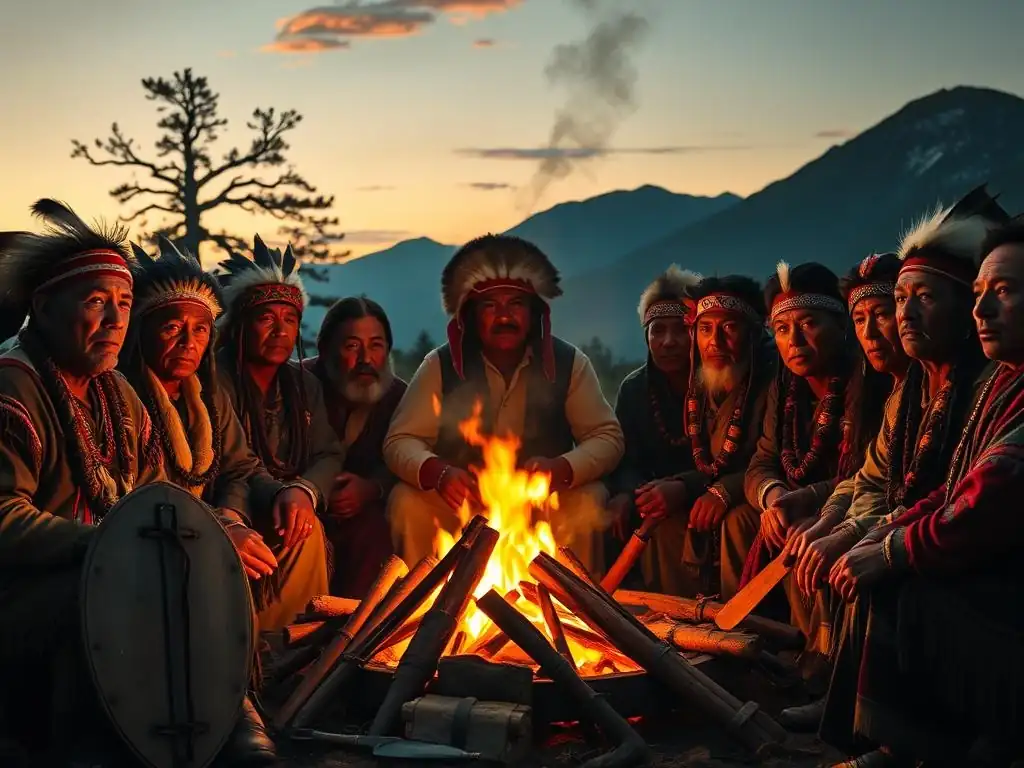
Welcome to Indigenous Civilizations of the Americas, where the rich tapestry of pre-colonial cultures unfolds before you. Our journey begins with the captivating article, “Lessons from the Past: Military Leadership Principles from Indigenous Civilizations,” which uncovers the profound insights of Indigenous military leadership lessons. As we delve into the strategies and philosophies that shaped resilient societies, you'll discover how these ancient principles resonate in today's world. Join us as we explore the achievements and enduring legacies of those who once thrived on this land, igniting your curiosity to learn more about their extraordinary contributions to history.
- Introduction to Indigenous Military Leadership Lessons
- Historical Context of Indigenous Military Leadership
- Core Principles of Indigenous Military Leadership
- Lessons from Indigenous Military Leaders
- Indigenous Military Leadership in Modern Context
- Preserving Indigenous Military Heritage
- Conclusion: The Lasting Impact of Indigenous Military Leadership
-
Frequently Asked Questions
- What are the key military leadership lessons from Indigenous civilizations?
- How did Indigenous military leaders train their warriors?
- What role did community play in Indigenous military strategies?
- Can modern military organizations apply these lessons?
- What lasting impacts did Indigenous military leadership have?
- Final Reflection: Embracing Indigenous Military Leadership Lessons for a Resilient Future
- Unleash the Wisdom of Indigenous Leadership!
Introduction to Indigenous Military Leadership Lessons
The indigenous civilizations of the Americas present a rich tapestry of cultures, each with its own unique approaches to military leadership and warfare. Long before European colonization, these societies developed sophisticated strategies and principles that guided their military endeavors, reflecting their values, social structures, and environmental contexts.
This article seeks to uncover indigenous military leadership lessons, highlighting the remarkable achievements of these civilizations and how their insights can inform contemporary discussions on military leadership. By exploring the strategic wisdom embedded in these ancient practices, we can gain a deeper understanding of the complexities of warfare and the enduring impact of indigenous cultures.
Overview of Indigenous Civilizations in the Americas
The Americas were home to a multitude of indigenous civilizations, each exhibiting distinct characteristics, governance systems, and military practices. Among the most notable were:
- The Aztecs: Renowned for their advanced urban planning and powerful military, the Aztecs utilized a combination of alliances and fierce combat tactics to expand their empire. Their leadership was characterized by a strong hierarchical structure, where military leaders held significant power.
- The Maya: Known for their achievements in mathematics and astronomy, the Maya also engaged in warfare, often to gain resources or territory. Their leaders were not only military figures but also spiritual guides, reflecting a deep intertwining of military and religious authority.
- The Inca: The Inca Empire was distinguished by its extensive road networks and efficient communication systems, which enhanced their military operations. Leadership here was centralized, with the Sapa Inca (emperor) wielding absolute power and strategic prowess in warfare.
Importance of Military Leadership in Indigenous Cultures
Military leadership in indigenous cultures was not solely about achieving victory on the battlefield; it encompassed a broader understanding of community, ethics, and sustainability. Key aspects include:
- Collective Responsibility: Military leaders were often seen as guardians of their people, emphasizing the importance of collective well-being over individual glory. Decisions were made with community impact in mind.
- Adaptability and Strategy: Indigenous leaders demonstrated remarkable adaptability to their environments and opponents. They employed guerrilla tactics and strategic alliances, showcasing their ability to think critically and respond to changing situations.
- Cultural Significance: Warfare was often imbued with cultural and spiritual significance. Leaders were expected to embody the values of their cultures, guiding their warriors not only through tactics but also through morale and inspiration.
Purpose of the Article: Exploring Leadership Principles
This article aims to delve into the core leadership principles derived from the military practices of indigenous civilizations. By examining historical examples and case studies, we will uncover vital lessons that can be applied to modern military contexts, as well as leadership in general. Key focus areas will include:
- The role of ethics and community in leadership: Understanding how indigenous leaders balanced military objectives with social responsibilities.
- Strategies for modern leadership: Drawing parallels between historical practices and contemporary leadership challenges in various fields.
- Decentralized leadership models: Learning from the collective decision-making processes that characterized many indigenous military organizations.
Through this exploration, we hope to shed light on the profound wisdom of indigenous military leadership and its relevance today, inspiring leaders to reflect on their practices and principles.
Historical Context of Indigenous Military Leadership
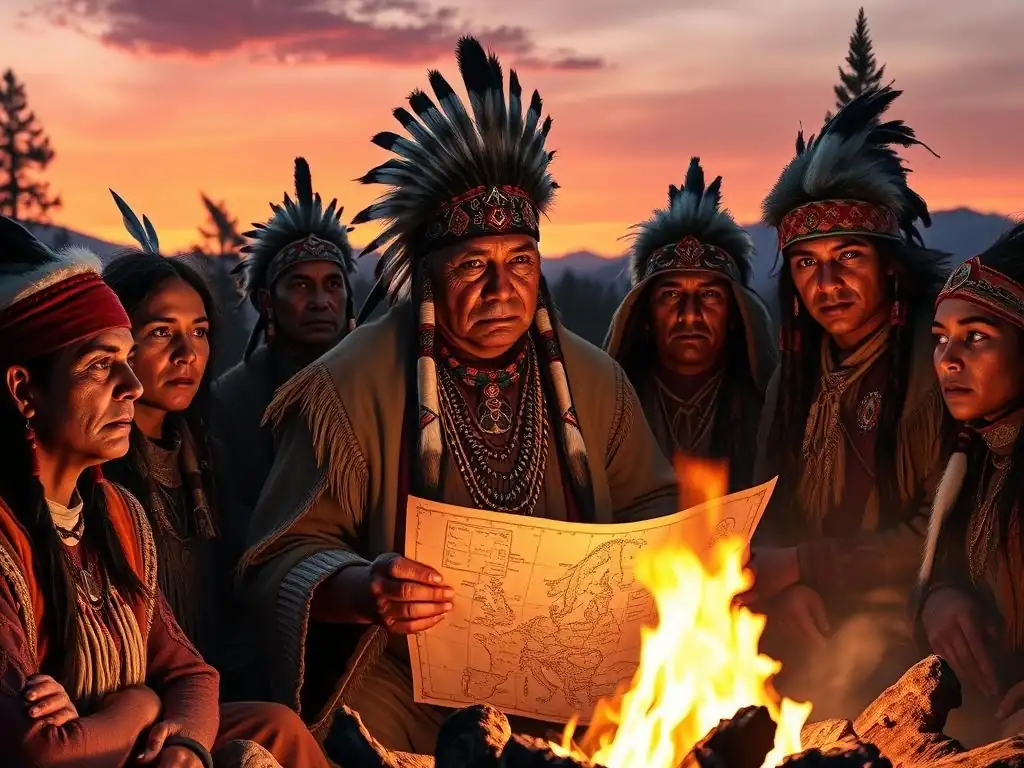
Indigenous military leadership in the Americas was marked by a rich tapestry of strategies, cultures, and philosophies that evolved in response to the unique challenges faced by different civilizations. Before European colonization, various indigenous groups developed sophisticated military tactics that were deeply intertwined with their social structures, spiritual beliefs, and environmental contexts. Understanding this historical backdrop is crucial for recognizing the enduring impact of these leadership principles today.
Key Indigenous Civilizations and Their Warfare Strategies
Indigenous civilizations across the Americas showcased a multitude of warfare strategies and leadership styles. Each group developed distinct methods tailored to their societal needs, geography, and interactions with neighboring tribes. Here are some notable examples:
The Aztecs: Organization and Strategy
The Aztec Empire, which thrived in central Mexico from the 14th to the 16th centuries, exemplified a highly organized military structure. Their approach to warfare was characterized by:
- Hierarchical Command: The Aztec military was divided into various ranks, with the tlatoani (king) at the top, followed by nobles and common soldiers. This hierarchy ensured clear lines of authority and decision-making.
- Strategic Alliances: The Aztecs formed alliances with other city-states, which allowed them to pool resources and military strength. They often used diplomacy to secure their interests before engaging in warfare.
- Religious Motives: Warfare for the Aztecs was not solely about conquest but also about securing captives for religious sacrifices. This belief system fueled their military campaigns and created a unique urgency in their warfare.
The Aztec military was not only formidable in battle but also adept at psychological warfare, using intimidation and the display of power to demoralize their enemies.
The Iroquois Confederacy: Unity and Diplomacy
The Iroquois Confederacy, composed of several nations including the Mohawk, Oneida, Onondaga, Cayuga, Seneca, and later the Tuscarora, was a remarkable example of military leadership through unity and diplomacy:
- Council of Chiefs: Military decisions were made collectively by a council of chiefs representing each nation. This democratic approach fostered cooperation and mutual respect among the member nations.
- Consensus-Building: The Iroquois emphasized consensus in decision-making, which helped maintain peace and unity. This principle allowed them to present a united front against external threats.
- Diplomatic Engagements: The Confederacy was skilled in diplomacy, often negotiating peace treaties and alliances with European powers and other tribes. Their diplomatic acumen was as essential as their military prowess.
The Iroquois' ability to unite diverse groups under a common goal was instrumental in their success in both warfare and diplomacy.
The Sioux Nation: Adaptability and Mobility
The Sioux Nation, known for their nomadic lifestyle on the Great Plains, showcased unique military leadership principles rooted in adaptability and mobility:
- Horse Culture: Following the introduction of horses by Europeans, the Sioux adapted their military strategies to enhance mobility, allowing for rapid movement and surprise attacks.
- Decentralized Leadership: Sioux military leadership was often decentralized, with each band having its own leaders who made decisions based on the immediate needs of their community. This adaptability allowed for quick responses on the battlefield.
- Strategic Retreats: The Sioux practiced strategic retreats, allowing them to conserve resources and regroup for counterattacks. This flexibility in tactics was crucial for their survival against more technologically advanced enemies.
The Sioux's ability to adapt to changing circumstances and leverage their environment for military advantage highlights important lessons in leadership that remain relevant today.
By examining these key indigenous civilizations and their military strategies, we can uncover valuable indigenous military leadership lessons that emphasize unity, adaptability, and strategic thinking in the context of warfare. These principles not only shaped the past but continue to resonate in contemporary leadership and conflict resolution strategies.
Core Principles of Indigenous Military Leadership
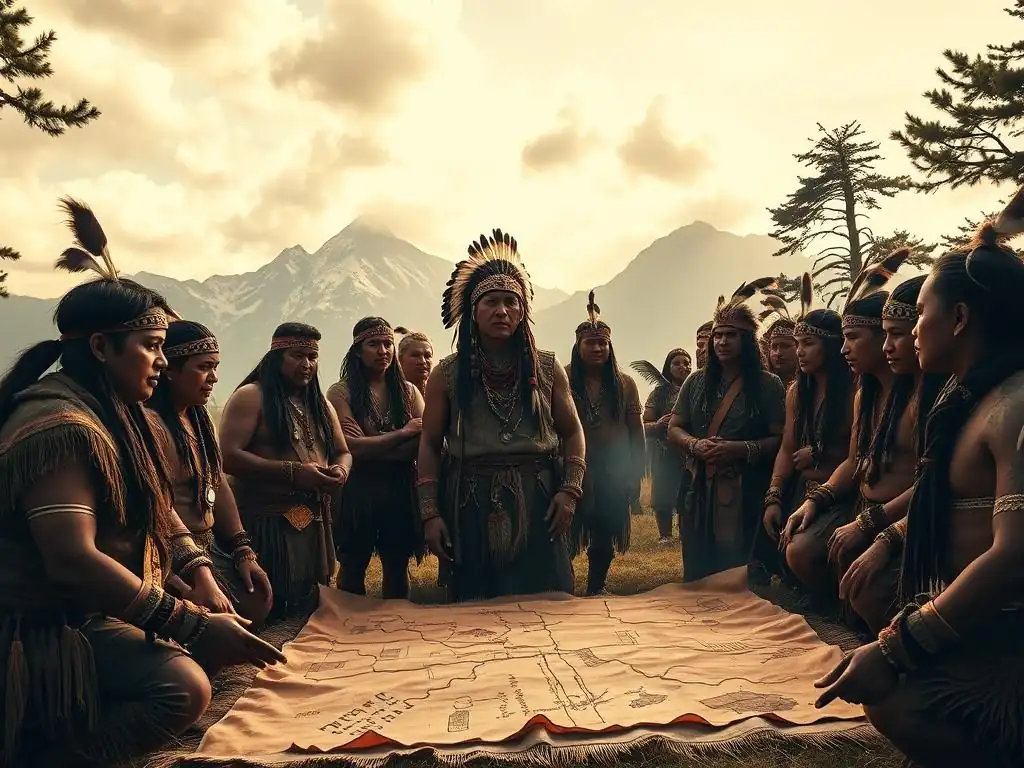
Exploring the indigenous military leadership lessons reveals a rich tapestry of strategies and philosophies that were pivotal in the success of various tribes and nations throughout the Americas. These principles, deeply ingrained in the cultural fabrics of indigenous societies, not only shaped their military endeavors but also their social structures and community dynamics. Here, we delve into the key leadership qualities and strategic approaches that characterized indigenous military leadership.
Leadership Qualities in Indigenous Military Contexts
Wisdom and Experience
Wisdom and experience are foundational attributes of effective indigenous military leaders. Leaders were often chosen based on their extensive knowledge accumulated through years of participation in warfare and community affairs. This wisdom was not just military; it encompassed understanding the land, the people, and the intricate relationships between them.
- Mentorship: Experienced leaders would mentor younger warriors, passing down critical insights and strategies. This created a strong legacy of knowledge, ensuring that the lessons learned in past conflicts were not lost.
- Adaptability: Leaders demonstrated great adaptability, learning from each encounter and adjusting tactics accordingly. This ability to evolve was crucial in the face of changing circumstances, whether due to enemy tactics or environmental challenges.
Community Involvement and Consensus
Indigenous military leadership was characterized by a strong emphasis on community involvement and consensus-building. Leaders were not merely figureheads; they engaged with their communities to gather input and unite efforts.
- Collective Decision-Making: Military strategies were often the result of collective discussions, ensuring that all voices were heard. This fostered a sense of shared purpose and commitment among community members.
- Role of Elders: Elders played a significant role in military councils, offering wisdom and historical perspective that guided decision-making. Their involvement ensured that strategies were aligned with cultural values and social norms.
Strategic Approaches to Warfare
Terrain Utilization and Knowledge
A deep understanding of the terrain was a hallmark of indigenous military strategies. Leaders utilized their intimate knowledge of the land to gain advantageous positions in warfare.
- Natural Resources: Leaders often leveraged natural resources effectively, using the environment to their advantage. For example, they would use forests for ambushes or rivers for strategic movement.
- Mapping and Navigation: Oral traditions included detailed geographical knowledge that was passed down through generations. This knowledge allowed for precise navigation and strategic planning during campaigns.
Psychological Warfare and Deception
Indigenous military leaders also excelled in psychological warfare and deception, employing tactics that went beyond mere physical confrontation.
- Misinformation: Leaders would often spread misinformation to confuse enemies, leading them into traps or ambushes. This included feigned retreats or false signals to mislead opponents.
- Rituals and Symbolism: The use of rituals and symbolism played a crucial role in warfare. Demonstrating strength through elaborate displays or ceremonies could intimidate adversaries and bolster the morale of their own warriors.
The study of indigenous military leadership lessons reveals not only effective strategies for warfare but also profound insights into community dynamics, the importance of wisdom, and the strategic use of psychology in conflicts. These principles continue to resonate and provide valuable lessons for contemporary military leadership.
Lessons from Indigenous Military Leaders
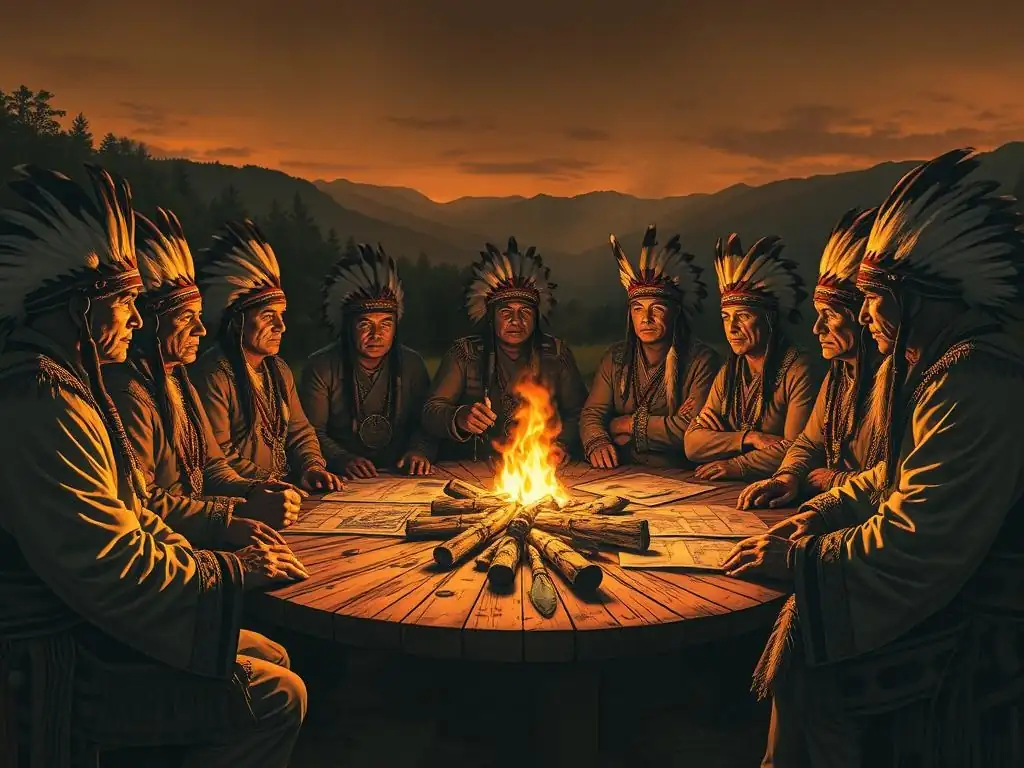
The rich tapestry of indigenous cultures across the Americas reveals profound insights into military leadership. By examining the strategies, philosophies, and practices of these leaders, we can extract valuable lessons that resonate even in contemporary contexts. The principles of indigenous military leadership emphasize adaptability, community involvement, and strategic foresight, reflecting a deep connection to their environment and people.
Case Studies of Prominent Indigenous Military Leaders
Tecumseh: Visionary Leadership and Resistance
Tecumseh, a Shawnee chief, is renowned for his role in uniting various tribes against encroachment by European settlers in the early 19th century. His visionary leadership was characterized by:
- Unity and Coalition Building: Tecumseh understood that strength lay in unity. He worked tirelessly to forge alliances among diverse tribes, creating a confederation aimed at resisting colonial expansion.
- Cultural Revitalization: He promoted a return to traditional values and practices, fostering a sense of identity and purpose among his followers. This cultural grounding was vital in rallying support against common adversaries.
- Tactical Warfare: Tecumseh employed guerrilla tactics, utilizing the geography of the land to his advantage. His strategies showcased an understanding of terrain that allowed smaller, mobile groups to effectively challenge larger forces.
Tecumseh's legacy not only emphasizes military strategy but also highlights the importance of vision in leadership, illustrating that effective leaders inspire and mobilize their communities.
Sitting Bull: Strategic Defense and Diplomacy
Sitting Bull, a Hunkpapa Lakota leader, is best known for his pivotal role in the resistance against U.S. government policies and military actions. His leadership style incorporated elements of both defense and diplomacy:
- Defensive Strategies: Sitting Bull was adept at using the natural landscape for defensive purposes, exemplified in the Battle of Little Bighorn where his forces successfully outmaneuvered and defeated General Custer.
- Diplomatic Engagement: He recognized the power of negotiation and dialogue. Sitting Bull often sought peace with other tribes and even with U.S. officials when advantageous, demonstrating that military strength is often complemented by diplomatic acumen.
- Cultural Resilience: His commitment to preserving Lakota culture amidst external pressures reinforced his leadership. He inspired his people to maintain their identity while resisting assimilation.
Sitting Bull's approach illustrates the balance between military action and diplomacy, a lesson in leadership that remains relevant in conflict resolution today.
Analyzing Leadership Styles and Their Impact
Collaborative Leadership vs. Autocratic Leadership
Indigenous military leaders often exemplified collaborative leadership styles, contrasting sharply with more autocratic models seen in various global military traditions:
- Collaboration: Leaders like Tecumseh engaged their communities in decision-making processes, fostering loyalty and shared purpose. This collective approach often resulted in innovative strategies and stronger commitment from followers.
- Decentralization: Many indigenous cultures operated with decentralized leadership structures, allowing for local leaders to make decisions based on their unique circumstances. This adaptability enabled swift responses to changing situations.
The effectiveness of collaborative leadership in indigenous military contexts serves as a powerful reminder of the benefits of inclusivity and shared responsibility in leadership roles.
Flexibility and Adaptation in Strategy
Indigenous military leaders showcased remarkable flexibility in their strategies, adjusting to the evolving landscape of warfare:
- Adaptive Tactics: Leaders like Sitting Bull often modified their military strategies based on the strengths and weaknesses of their opponents. This adaptability allowed them to exploit vulnerabilities and enhance their chances of success.
- Environmental Awareness: Indigenous leaders possessed a profound understanding of their surroundings, using knowledge of local ecosystems to inform their strategies. This deep connection to the land provided tactical advantages that were often overlooked by their adversaries.
The emphasis on flexibility and adaptation underscores the significance of environmental awareness and the ability to change tactics in response to shifting circumstances, a principle that remains critical in military leadership today.
Indigenous Military Leadership in Modern Context
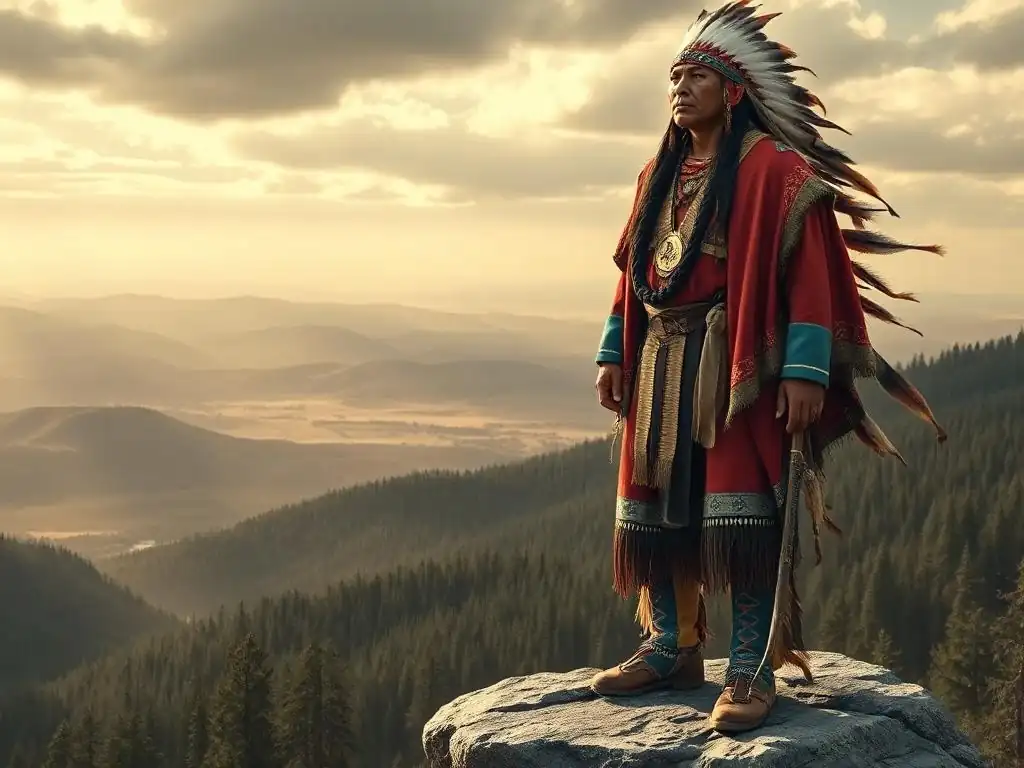
Applying Indigenous Leadership Lessons Today
Indigenous military leadership lessons offer a wealth of insights that can be applied to contemporary military contexts. These lessons are rooted in the rich histories of diverse indigenous cultures, which emphasize holistic approaches to leadership, community, and strategy. The principles derived from these cultures can enhance modern military effectiveness by fostering adaptability, resilience, and a deep understanding of one’s environment.
Lessons for Contemporary Military Leaders
- Community-Centric Leadership: Indigenous leaders often prioritize the well-being of their communities over individual glory. This approach encourages collaboration and collective responsibility, fostering trust and unity within military units. Contemporary military leaders can benefit from adopting this mindset, as it enhances morale and cohesion.
- Adaptability and Innovation: Indigenous warriors were known for their ability to adapt strategies based on the terrain and circumstances. Modern military leaders can learn from this flexibility, recognizing that rigid strategies may not be effective in dynamic environments. Emphasizing critical thinking and creativity in decision-making processes can lead to more effective responses in modern warfare.
- Holistic Understanding of Warfare: Indigenous military strategies often incorporated spiritual, cultural, and psychological dimensions. Understanding the broader implications of warfare, including the impact on civilians and the environment, can lead to more ethical military conduct. Leaders today can implement this principle by considering the long-term consequences of their actions on communities and ecosystems.
- Respect for Knowledge Systems: Many indigenous cultures have developed sophisticated knowledge systems regarding navigation, resource management, and environmental stewardship. Contemporary leaders should value and integrate these indigenous perspectives into military planning and operations, enhancing strategic effectiveness and sustainability.
The Relevance of Indigenous Strategies in Modern Warfare
Indigenous military strategies, characterized by their emphasis on guerrilla tactics, terrain familiarity, and community involvement, remain relevant in contemporary warfare. For instance, the successful use of asymmetric warfare by indigenous groups against larger, conventional forces has been mirrored in various modern conflicts.
- Guerrilla Tactics: Inspired by indigenous warfare, contemporary forces can gain insights into effective guerrilla tactics that utilize speed, surprise, and knowledge of the local environment. These strategies have been particularly useful in counterinsurgency operations, where conventional forces face non-traditional adversaries.
- Strategic Alliances: Indigenous groups often formed alliances based on shared interests and mutual benefit. Modern military leaders can learn from this practice by recognizing the importance of building coalitions and partnerships with local populations to achieve strategic objectives.
- Cultural Intelligence: Understanding the cultural context of conflict is vital for military success. Indigenous military leadership emphasizes the importance of understanding one’s opponent's culture, values, and motivations, which can inform more effective engagement strategies in diverse operational theaters.
Preserving Indigenous Military Heritage
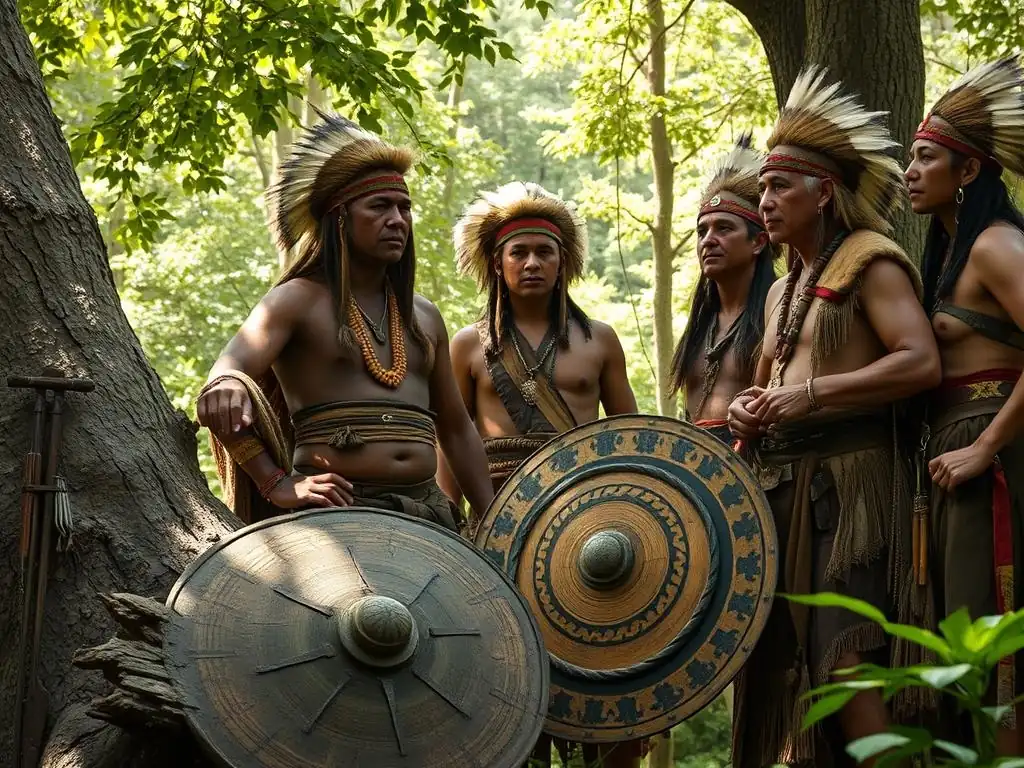
Importance of Oral Traditions and Storytelling
Oral traditions and storytelling play a crucial role in preserving indigenous military heritage. These narratives convey not only historical events but also the lessons learned from them. They serve as a medium for transmitting values, strategies, and ethical considerations related to warfare.
- Cultural Preservation: Oral histories help maintain the cultural identity of indigenous peoples and ensure that their military achievements and strategies are recognized and respected. This preservation is essential for fostering pride and resilience within communities.
- Educational Tools: Storytelling can serve as an effective educational tool for contemporary military training. By incorporating indigenous narratives into military curricula, leaders can impart valuable lessons on strategy, ethics, and leadership.
Revitalizing Indigenous Knowledge in Military Education
The revitalization of indigenous knowledge within military education is crucial for fostering a more inclusive and effective military leadership framework. Integrating these teachings can enhance cultural competence and strategic acumen among military personnel.
- Curriculum Development: Military educational institutions should collaborate with indigenous leaders to develop curricula that reflect indigenous military traditions and philosophies. This collaboration can enrich the learning experience and promote a deeper understanding of diverse perspectives.
- Workshops and Training: Implementing workshops that focus on indigenous military history and strategies can provide contemporary leaders with practical insights. Engaging with indigenous elders and knowledge keepers allows military personnel to learn directly from those who have lived these experiences.
By embracing and integrating indigenous military leadership lessons, modern military leaders can enhance their effectiveness, foster ethical practices, and honor the rich heritage of indigenous civilizations throughout the Americas.
Conclusion: The Lasting Impact of Indigenous Military Leadership
The military leadership principles exhibited by indigenous civilizations of the Americas were not only revolutionary for their time but also laid foundational strategies that resonate in contemporary military thought. These principles were rooted in a deep understanding of their environment, community cohesion, and strategic adaptability. The lessons drawn from indigenous military leadership can inform modern practices in conflict resolution, strategic planning, and collaborative leadership.
Indigenous military leaders often emphasized the importance of unity and collective strength. They understood that successful military endeavors required the participation and commitment of the entire community, which led to strong bonds and loyalty among warriors. This principle of inclusivity is a powerful reminder of the significance of morale and collective purpose in any military organization.
Furthermore, indigenous leaders showcased exceptional adaptability in their tactics. They would often modify their strategies based on terrain, enemy behavior, and available resources. This flexibility is a crucial lesson in today's fast-paced and ever-changing military landscape, where rigid plans can lead to failure. By fostering a culture of learning and adaptation, modern military leaders can enhance their effectiveness in diverse operational environments.
Summary of Key Indigenous Military Leadership Lessons
- Community Cohesion: Indigenous military leaders prioritized unity, fostering strong relationships among warriors and the broader community.
- Adaptability: The ability to modify strategies based on situational demands is a key principle that remains relevant today.
- Resourcefulness: Effective use of available resources, including terrain and allied relationships, exemplified indigenous strategies.
- Inclusivity in Leadership: Engaging various segments of the community in decision-making processes contributed to greater commitment and morale among troops.
- Cultural Intelligence: Understanding the cultural dynamics of both allies and adversaries facilitated more effective military operations.
By examining these principles, we can better appreciate the sophisticated military strategies employed by indigenous civilizations and their enduring relevance in modern contexts.
Encouraging Further Exploration of Indigenous Cultures and Strategies
The exploration of indigenous military leadership lessons offers a rich field for further study. Scholars, military professionals, and enthusiasts are encouraged to delve deeper into the diverse strategies and approaches used by various indigenous cultures across the Americas.
Consider the following avenues for exploration:
- Historical Case Studies: Analyze specific battles and strategic decisions made by indigenous leaders to understand their tactical innovations.
- Cultural Practices: Investigate how indigenous cultural practices influenced military strategies and leadership styles.
- Comparative Analysis: Compare indigenous military principles with contemporary military doctrines to identify similarities and contrasts.
- Interdisciplinary Research: Engage with anthropology, sociology, and history to gain a holistic view of indigenous military leadership.
By embracing these explorations, we can honor the legacy of indigenous military leaders and apply their lessons to contemporary military and leadership contexts. The wisdom and strategies of these civilizations offer invaluable insights that can enhance our understanding of effective leadership in any arena.
Frequently Asked Questions
What are the key military leadership lessons from Indigenous civilizations?
Indigenous civilizations offer valuable insights into strategic thinking, community engagement, and adaptive tactics that can enhance modern military leadership approaches.
How did Indigenous military leaders train their warriors?
Indigenous military leaders emphasized mentorship, practical training, and cultural teachings to prepare warriors, focusing on both combat skills and the importance of unity.
What role did community play in Indigenous military strategies?
Community involvement was crucial; Indigenous leaders fostered a sense of collective responsibility and shared purpose, which enhanced morale and effectiveness in military campaigns.
Can modern military organizations apply these lessons?
Yes, modern military organizations can benefit from adopting principles like collaborative leadership, cultural respect, and flexible strategies that resonate with Indigenous practices.
What lasting impacts did Indigenous military leadership have?
The strategies and tactics developed by Indigenous leaders have influenced contemporary military thought, promoting the importance of adaptability and community cohesion in leadership.
Final Reflection: Embracing Indigenous Military Leadership Lessons for a Resilient Future
The lessons gleaned from Indigenous military leadership are not just relics of the past; they resonate profoundly in today's complex world. As we navigate modern challenges, the principles of unity, adaptability, and respect for the land and community that Indigenous civilizations exemplified remind us that effective leadership transcends time and culture. These lessons are a clarion call for contemporary leaders to embrace a holistic approach that values collaboration and sustainability.
The enduring influence of Indigenous military leadership principles is evident in our cultural and social landscapes today. From grassroots movements advocating for environmental stewardship to community-led initiatives promoting social justice, these principles inspire a new generation of leaders who prioritize collective well-being over individual ambition. We do not inherit the earth from our ancestors; we borrow it from our children.
This quote encapsulates the essence of Indigenous wisdom, urging us to lead with foresight and responsibility.
As you reflect on the insights shared in this article, consider how you can integrate these Indigenous military leadership lessons into your own life and leadership style. Embrace the call to action: foster unity within your community, adapt to the ever-changing landscape around you, and cultivate a deep respect for the interconnectedness of all beings. By doing so, you not only honor the wisdom of the past but also pave the way for a more resilient and harmonious future.
Unleash the Wisdom of Indigenous Leadership!
Thank you for exploring the profound lessons in military leadership from Indigenous civilizations with us. You’ve uncovered valuable insights that can reshape your understanding of leadership, strategy, and community. Now, let’s take that knowledge and turn it into action!
Here are a few ways you can engage with these principles:
- Reflect and Implement: Take a moment to identify one leadership principle that resonates with you and apply it in your personal or professional life this week.
- Join the Conversation: Share your thoughts on Indigenous leadership with friends, family, or colleagues. Engage in discussions that honor these teachings and encourage others to reflect as well.
- Explore Further: Dive deeper into this topic by visiting our website and discovering more articles related to Indigenous military strategies and leadership principles. Consider connecting with local community groups that focus on preserving Indigenous wisdom.
As you reflect on these teachings, consider this: How can the lessons from Indigenous leadership shape the way you approach challenges today? We invite you to join the discussion below!