
From Rituals to Residences: Exploring the Multifaceted Urban Life of Tiahuanaco

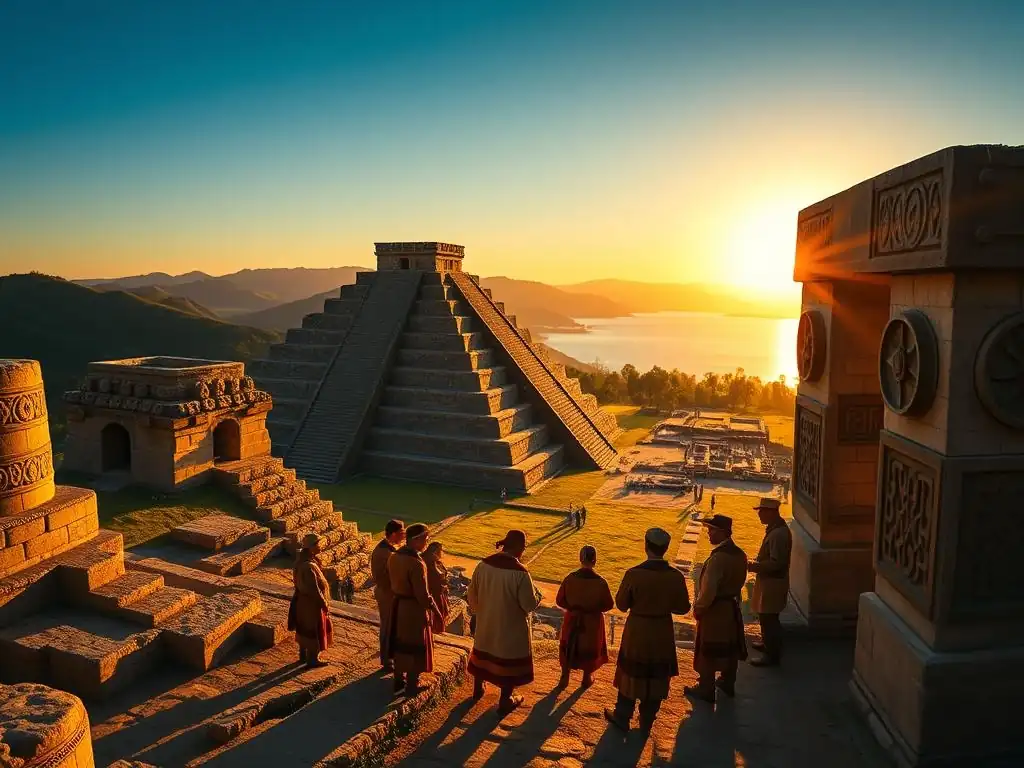
Welcome to Indigenous Civilizations of the Americas, where we invite you to embark on a fascinating journey through the rich tapestry of indigenous cultures that flourished long before European colonization. In our featured article, “From Rituals to Residences: Exploring the Multifaceted Urban Life of Tiahuanaco,” we delve into the captivating history of Tiahuanaco urban life, uncovering the remarkable achievements and societal structures that defined this ancient civilization.
Join us as we unearth the stories that shaped their world, revealing the profound impact and legacy that continues to resonate today. Are you ready to explore the vibrant past of the Americas?
Introduction to Tiahuanaco Urban Life History
Tiahuanaco, a remarkable archaeological site located near the southern shores of Lake Titicaca in present-day Bolivia, serves as a testament to the sophisticated urban life of pre-Columbian civilizations. This ancient city flourished between approximately 300 AD and 1000 AD, representing a center of innovation and cultural exchange in the Andes.
As we delve into the Tiahuanaco urban life history, we will explore the intricate social structures, architectural achievements, and the ceremonial practices that defined the urban landscape. The study of Tiahuanaco not only highlights the ingenuity of its inhabitants but also underscores the profound impact that indigenous urbanism has had on contemporary understandings of architecture and urban planning.
Overview of Tiahuanaco Culture
The culture of Tiahuanaco is characterized by its advanced agricultural techniques, religious rituals, and intricate craftsmanship. The civilization is renowned for:
- Agricultural Innovation: Utilizing raised field agriculture and irrigation systems, Tiahuanaco's inhabitants maximized the productivity of their environment.
- Artistic Expression: The artisans of Tiahuanaco created stunning stone carvings, pottery, and textiles that reflected their cosmological beliefs and social hierarchy.
- Religious Practices: Rituals played a vital role, with the construction of monumental structures such as the Akapana Pyramid and the Gateway of the Sun serving as focal points for spiritual gatherings.
These elements combined to create a vibrant urban life that was deeply intertwined with the social, economic, and religious fabric of Tiahuanaco.
Significance of Urban Life in Indigenous Civilizations
Urban life in indigenous civilizations like Tiahuanaco is crucial for understanding the complexities of pre-Columbian societies. Key aspects include:
- Social Organization: The structure of urban centers allowed for specialized labor, leading to advancements in various fields such as architecture, agriculture, and governance.
- Cultural Exchange: Urban centers served as hubs for trade and cultural interchange, fostering relationships among various groups and contributing to the diffusion of ideas and technologies.
- Sustainability: The urban planning strategies employed by Tiahuanaco demonstrate an early understanding of sustainable practices that balanced environmental needs with urban growth.
The Historical Context of Tiahuanaco Urban Development
The historical context of Tiahuanaco's urban development reveals the factors that contributed to its emergence as a prominent civilization in the Andes.
Timeline of Tiahuanaco Urbanization
- 300 AD: Initial settlements established, utilizing local resources for agriculture and habitation.
- 500 AD: Significant urban expansion, marked by the construction of monumental architecture and ceremonial centers.
- 800 AD: Height of Tiahuanaco's influence, with extensive trade networks and cultural exchange with surrounding regions.
- 1000 AD: Gradual decline due to climatic changes and social upheaval, leading to the eventual abandonment of the site.
This timeline illustrates the dynamic evolution of urban life in Tiahuanaco and its pivotal role in shaping the cultural landscape of the Andes.
Influences on Tiahuanaco Architecture and Urban Planning
Tiahuanaco's architecture and urban planning were influenced by various factors, including:
- Geographical Considerations: The proximity to Lake Titicaca provided essential resources and facilitated trade routes.
- Cultural Interactions: Engagement with neighboring cultures led to the adoption and adaptation of architectural styles and urban designs.
- Religious Beliefs: The city's layout and monumental structures were often aligned with astronomical events and spiritual beliefs, reflecting the civilization's deep connection to the cosmos.
These influences contributed to the unique character of Tiahuanaco, making it a focal point of urban life in the ancient Americas.
Key Features of Tiahuanaco Urban Life
The urban life of Tiahuanaco, a significant pre-Columbian civilization located near the southern shores of Lake Titicaca, is characterized by its sophisticated architecture, intricate social organization, and vibrant cultural practices. One of the most notable features of Tiahuanaco’s urban environment is its monumental architecture, which includes impressive stone structures such as the Akapana Pyramid and the Gateway of the Sun. These structures were not only designed for aesthetic appeal but also served as focal points for religious and ceremonial activities.
Tiahuanaco’s urban planning reflects a well-organized society that prioritized communal living and collective identity. The layout of the city was carefully structured, integrating residential, religious, and commercial spaces. This thoughtful arrangement facilitated social interaction and community cohesion, allowing inhabitants to engage in both daily activities and significant cultural practices.
Another key feature of Tiahuanaco urban life is the integration of agricultural practices within the urban framework. The civilization developed innovative farming techniques, such as raised-field agriculture, which supported a growing population and fostered economic sustainability. This agricultural foundation was crucial in establishing Tiahuanaco as a thriving urban center.
Rituals and Religious Practices in Urban Spaces
Rituals and religious practices played a central role in the urban life of Tiahuanaco, shaping the cultural identity of its inhabitants. The city was home to numerous temples and ceremonial sites, where rituals were conducted to honor deities and ancestors. The most prominent of these was the Temple of the Sun, which served as a sanctuary for the worship of solar deities, reflecting the civilization's deep connection to astronomy and agriculture.
These religious practices often involved elaborate ceremonies, including offerings of food, textiles, and pottery, which were believed to ensure fertility and prosperity. The rituals also provided a means of reinforcing social hierarchies, as leaders and priests held significant sway over the community through their roles in these activities.
Public gatherings for festivals and rituals fostered a sense of community, bringing together individuals from various sectors of the city. These events often featured music, dance, and the sharing of food, reinforcing social bonds and cultural continuity among the diverse population of Tiahuanaco.
Residential Structures and Community Layout
Residential structures in Tiahuanaco exhibited a remarkable level of complexity, reflecting the social organization and cultural values of the inhabitants. Homes were typically constructed from locally sourced materials, such as stone and adobe, and were often arranged in clusters that promoted communal living. This layout facilitated interaction among families, fostering a sense of belonging and mutual support.
The residential areas were strategically placed in relation to public spaces, such as markets and temples, ensuring that essential services and communal activities were within easy reach. The architectural design of these homes also included features such as courtyards and communal gathering areas, which encouraged social interaction and cultural exchange.
Furthermore, evidence suggests that the social structure of Tiahuanaco was hierarchical, with distinct areas designated for the elite and commoners. This differentiation in residential layout emphasizes the inherent social stratification within the urban environment, where the elite occupied larger and more elaborate homes, while commoners lived in simpler dwellings.
Public Spaces: Markets, Temples, and Gathering Areas
Public spaces in Tiahuanaco were vital to urban life, serving as hubs for social interaction, commerce, and spiritual gatherings. The markets were bustling centers where goods such as textiles, pottery, and food were exchanged. These marketplaces not only facilitated trade but also provided a space for the community to come together, share news, and strengthen social ties.
Temples and ceremonial sites were strategically located throughout the city, serving as focal points for religious observance and communal activities. The design of these spaces reflected the civilization's architectural prowess and spiritual beliefs, with intricate carvings and monumental structures that inspired awe and reverence.
Gathering areas within the urban layout were essential for festivals, rituals, and public meetings. These spaces allowed for the congregation of large groups, fostering a sense of unity and shared identity among the residents. The significance of these public spaces in Tiahuanaco underscores the importance of community engagement in the daily lives of its inhabitants, highlighting the interconnectedness of urban life and cultural practices.
The Role of Agriculture in Tiahuanaco Urban Life
Agriculture played a pivotal role in sustaining and shaping the urban life of Tiahuanaco. The civilization's innovative agricultural practices allowed for the efficient cultivation of crops, which in turn supported a growing population and increased urban density. Tiahuanaco’s agricultural landscape was characterized by the use of raised fields, which enhanced crop productivity and allowed for the cultivation of diverse crops, including potatoes, quinoa, and maize.
The integration of agriculture into the urban framework not only provided essential food resources but also influenced social organization and economic interactions. The surplus generated from agricultural activities enabled the development of trade networks and fostered economic stability, allowing the city to thrive as a cultural and commercial center.
Agricultural Techniques and Their Impact on Urban Growth
Tiahuanaco's agricultural techniques were groundbreaking for their time, particularly the raised-field agriculture method. This technique involved constructing elevated planting beds surrounded by ditches, which helped to manage water resources effectively and improve soil fertility. The raised fields allowed for increased agricultural output, even in the challenging climate of the Altiplano region.
The success of these agricultural practices directly contributed to urban growth, as a reliable food supply supported population increases and the expansion of urban infrastructure. As the population grew, so did the demand for additional resources, leading to advancements in trade and commerce. This agricultural prosperity laid the foundation for Tiahuanaco’s rise as a prominent urban center in the Andean region.
The impact of agriculture on urban life extended beyond mere sustenance; it also influenced social structures and cultural practices. Agricultural cycles dictated communal activities, rituals, and the organization of labor, further intertwining the lives of individuals within the urban setting.
Trade Networks and Economic Interactions
Trade networks were fundamental to Tiahuanaco's economy and urban life. The city was strategically located near key trade routes that connected various regions across the Andes, facilitating the exchange of goods, ideas, and cultural practices. Tiahuanaco served as a vital hub within these networks, allowing it to access resources from distant areas, such as metals, textiles, and pottery.
The economic interactions fostered by trade not only enriched the community but also stimulated technological advancements and cultural exchanges. Artisans in Tiahuanaco produced high-quality goods that were sought after in other regions, enhancing the city’s reputation as a center of craftsmanship and innovation.
Moreover, these trade relations contributed to the establishment of social hierarchies, as wealth generated from trade allowed certain individuals and families to gain prominence within the community. The intricate web of economic interactions underscored the significance of trade in shaping the urban landscape of Tiahuanaco, reinforcing its status as a thriving civilization in the pre-Columbian Americas.
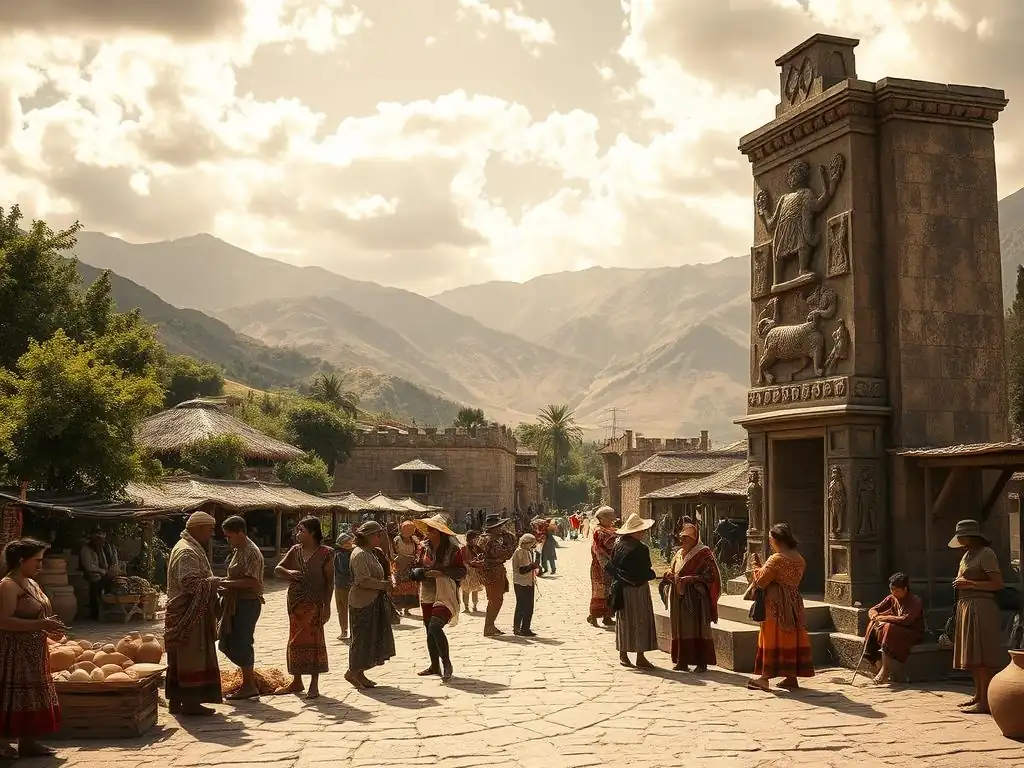
The urban life of Tiahuanaco was deeply intertwined with its social structure, which was characterized by a complex hierarchy that influenced every aspect of daily life. The society was organized into distinct classes, each with its unique roles and responsibilities. At the top of this hierarchy were the elite, who held political and religious power.
They were responsible for governing the city and overseeing the spiritual practices that were central to Tiahuanaco culture. Below them were the artisans and skilled laborers, who contributed to the city’s architectural and artistic achievements. Farmers and laborers formed the lower class, working the fertile lands surrounding Tiahuanaco and providing the necessary food supplies for the urban population.
Daily life in Tiahuanaco was a blend of communal activities, religious rituals, and labor. The inhabitants engaged in various tasks, from agricultural work to crafting goods, while also participating in ceremonies that honored their deities. Markets played a vital role in the community, where people traded goods like textiles, pottery, and agricultural products. Family ties were strong, and social gatherings often included storytelling and music, reflecting the rich cultural heritage of the Tiahuanaco people.
Class Hierarchies and Their Reflection in Urban Planning
The social stratification of Tiahuanaco was vividly reflected in its urban planning. The layout of the city was designed to reinforce the power dynamics of the society. The elite lived in prominent locations near significant structures such as temples and government buildings, ensuring their visibility and control over the populace. This strategic placement also facilitated their participation in religious activities, which were essential for maintaining their authority.
Public spaces were designed to accommodate large gatherings, reflecting the importance of communal life in Tiahuanaco. The central plaza served as a hub for both social and ceremonial activities, demonstrating how urban design served not just practical needs but also reinforced social hierarchies. Furthermore, the careful arrangement of residential areas indicated the importance placed on community organization, where proximity to elite classes might influence one's social mobility and access to resources.
Daily Activities and Lifestyles of Tiahuanaco Inhabitants
Daily life for the inhabitants of Tiahuanaco involved a myriad of activities that showcased their skills and cultural practices. Agriculture was a primary occupation, with crops such as quinoa and potatoes being cultivated in the surrounding areas. The farming techniques included terracing and irrigation, demonstrating an advanced understanding of their environment.
In addition to agriculture, many inhabitants were skilled artisans who created intricate textiles, pottery, and metalwork. These goods were not only essential for daily life but also played a significant role in trade with neighboring cultures. The marketplace was a vibrant aspect of urban life, where people exchanged goods, shared news, and engaged socially.
Religious practices were also integral to daily routines, with rituals often taking place in public spaces or at home. These rituals were aimed at appeasing the gods and ensuring the community's well-being. Festivals and communal events fostered a sense of belonging and cultural identity among the residents, highlighting the importance of both individual and collective contributions to Tiahuanaco’s urban life.
Architectural Innovations of Tiahuanaco
Tiahuanaco is renowned for its architectural innovations, which reflect the advanced engineering skills and artistic vision of its people. The construction techniques employed in Tiahuanaco were remarkable, characterized by precise stone-cutting and the use of local materials that allowed structures to endure the test of time. The architectural style was distinct, featuring massive stone blocks fitted together without mortar, a testament to the builders' craftsmanship and understanding of structural integrity.
The buildings and monuments of Tiahuanaco were not merely functional; they also held deep cultural significance. The architecture was designed to incorporate spiritual beliefs, with many structures aligned with astronomical events, thereby linking the physical space to their cosmological worldview. This architectural approach created a harmonious relationship between the urban environment and the natural world, further enhancing the cultural identity of Tiahuanaco.
Techniques and Materials Used in Tiahuanaco Construction
The construction techniques in Tiahuanaco were advanced for their time, utilizing local materials such as sandstone and volcanic rock. The builders employed a technique known as "ashlar masonry," where stones were meticulously cut to fit together without the need for mortar. This method not only provided structural stability but also contributed to the aesthetic appeal of the buildings.
Innovative construction methods included the use of terraces for stability on the uneven terrain of the Altiplano region. These terraces allowed for the creation of multi-level structures that maximized space and facilitated drainage, an essential feature considering the region's rainfall patterns. The use of ramps and scaffolding enabled the construction of towering edifices, showcasing the ingenuity of Tiahuanaco engineers.
Iconic Structures and Their Cultural Significance
Among the most iconic structures in Tiahuanaco is the Puma Punku complex, known for its massive stone blocks and intricate carvings. This site is believed to have served as a ceremonial center, reflecting the spiritual and political power of the Tiahuanaco civilization. The precision of the stonework and the alignment of the structures with celestial bodies indicate the sophisticated understanding of astronomy held by the Tiahuanaco people.
Another significant structure is the Akapana Pyramid, which served as a central religious site. Its stepped design and terraced surfaces illustrate the architectural prowess of the civilization and its emphasis on religious practices. The temple complex at Tiahuanaco further emphasizes the integration of urban life with spirituality, demonstrating how architecture was a reflection of the cultural values and beliefs of the society.
These iconic structures not only served functional purposes but also acted as symbols of the Tiahuanaco civilization's identity, influencing future generations and leaving a lasting impact on the architectural landscape of the Americas.
The Decline of Tiahuanaco Urban Life
The decline of Tiahuanaco urban life marks a significant turning point in the history of one of the most prominent pre-Columbian civilizations in the Americas. At its peak, Tiahuanaco was a vibrant urban center characterized by remarkable architectural achievements, intricate social structures, and a thriving economy. However, around the 11th century AD, Tiahuanaco began to experience a gradual decline that would ultimately lead to its abandonment. Understanding the factors that contributed to this decline provides vital insights into the complexities of urban life in ancient civilizations.
Factors Contributing to Urban Decline
Several interrelated factors contributed to the decline of urban life in Tiahuanaco, shaping its eventual downfall:
- Environmental Changes: One of the critical factors was the deterioration of environmental conditions in the Altiplano region. Climatic shifts, such as prolonged droughts, severely impacted agricultural production, which was the backbone of Tiahuanaco’s economy. As crop yields decreased, food insecurity likely increased, leading to social unrest.
- Resource Depletion: The intensive agricultural practices, along with the demands of a growing population, may have led to the overexploitation of local resources, particularly water and arable land. This unsustainable use of environmental resources could have contributed to the urban decline.
- Political Instability: Internal conflicts and power struggles within the ruling elite may have weakened the political structures that supported Tiahuanaco's urban society. As leadership became fragmented, the ability to respond to crises diminished, resulting in social fragmentation and eventual abandonment.
- External Pressures: The rise of neighboring cultures and external trade disruptions might have also played a role in Tiahuanaco’s decline. Changes in trade routes and competition for resources with other emerging civilizations could have led to economic challenges that further weakened Tiahuanaco’s urban stability.
The Legacy of Tiahuanaco Urbanism in Contemporary Indigenous Cultures
Despite its decline, the legacy of Tiahuanaco urbanism continues to resonate within contemporary indigenous cultures across the Andes. The architectural techniques, agricultural practices, and social structures developed during the height of Tiahuanaco have had a lasting impact on subsequent generations.
- Architectural Influence: The monumental stone structures and urban planning principles of Tiahuanaco have influenced the architectural styles and urban layouts of later indigenous communities. The use of finely crafted stonework, such as that seen in the Kalasasaya Temple and the Gateway of the Sun, remains a point of cultural pride and continuity.
- Agricultural Practices: The advanced agricultural techniques pioneered by Tiahuanaco, including raised-field farming, have been adapted and preserved by contemporary indigenous farmers. These practices demonstrate resilience and innovation in the face of environmental challenges.
- Cultural Significance: Many aspects of Tiahuanaco's cosmology and rituals have been integrated into the spiritual lives of modern indigenous peoples. Ceremonial practices and cultural narratives that originated in Tiahuanaco continue to play a crucial role in the identity and beliefs of these communities.
Conclusion: The Lasting Impact of Tiahuanaco Urban Life History
The urban life history of Tiahuanaco serves as a profound testament to the achievements and complexities of indigenous civilizations in the Americas. The rise and fall of this remarkable urban center reflect broader themes of resilience, adaptation, and cultural continuity.
Reflection on Indigenous Contributions to Urbanism
The achievements of Tiahuanaco in urban planning and architecture offer valuable lessons about the contributions of indigenous peoples to urbanism. Their sophisticated understanding of environmental management, social organization, and community engagement provides a rich legacy that informs contemporary discussions on sustainability and urban development.
Future Research Directions on Tiahuanaco and Similar Civilizations
As scholars continue to explore the intricacies of Tiahuanaco and similar civilizations, several avenues for future research emerge:
- Interdisciplinary Approaches: Integrating archaeology, anthropology, and environmental science can provide a more comprehensive understanding of the factors influencing Tiahuanaco's urban life and decline.
- Cultural Revitalization: Research into the ways contemporary indigenous cultures draw upon Tiahuanaco’s legacy can shed light on cultural resilience and identity formation in the modern context.
- Climate Change Studies: Investigating the impact of climate change on ancient urban centers like Tiahuanaco can enhance our understanding of how past societies adapted to environmental stressors, offering insights applicable to present-day challenges.
By examining the multifaceted urban life of Tiahuanaco and its enduring legacy, we gain a deeper appreciation for the complexities of indigenous cultures and their contributions to the history of human civilization.
- Introduction to Tiahuanaco Urban Life History
- The Historical Context of Tiahuanaco Urban Development
- Key Features of Tiahuanaco Urban Life
- The Role of Agriculture in Tiahuanaco Urban Life
- Social Structure and Daily Life in Tiahuanaco
- Architectural Innovations of Tiahuanaco
- The Decline of Tiahuanaco Urban Life
- Conclusion: The Lasting Impact of Tiahuanaco Urban Life History
- What is Tiahuanaco known for in terms of urban life?
- How did the rituals influence the daily life of Tiahuanaco's inhabitants?
- What are some key achievements of Tiahuanaco civilization?
- How did Tiahuanaco's urban life differ from other indigenous cultures in the Americas?
- What is the lasting impact of Tiahuanaco on modern societies?
Frequently Asked Questions
What is Tiahuanaco known for in terms of urban life?
Tiahuanaco is recognized for its complex urban planning, advanced architecture, and the integration of rituals within everyday life, showcasing a sophisticated society.
How did the rituals influence the daily life of Tiahuanaco's inhabitants?
Rituals played a central role in Tiahuanaco, as they were deeply embedded in the social structure and daily activities, affecting everything from agriculture to community gatherings.
What are some key achievements of Tiahuanaco civilization?
The Tiahuanaco civilization is known for its innovative agricultural techniques, monumental stone constructions, and a rich artistic tradition that reflects their cultural values.
How did Tiahuanaco's urban life differ from other indigenous cultures in the Americas?
Tiahuanaco's urban life was marked by large-scale architecture and a well-organized societal hierarchy, which set it apart from many other indigenous cultures that had different social structures.
What is the lasting impact of Tiahuanaco on modern societies?
The legacy of Tiahuanaco can be seen in modern Andean cultures, where elements of their art, religion, and agricultural practices continue to influence local communities today.
Final Reflection: Embracing the Legacy of Tiahuanaco's Urban Life
The exploration of Tiahuanaco's urban life history reveals a profound connection between ancient rituals and modern living, underscoring the significance of cultural heritage in shaping contemporary society. As we navigate the complexities of urban life today, the lessons from Tiahuanaco remind us that our cities are not just physical spaces but living narratives that reflect our values, traditions, and aspirations. The intricate interplay of community, spirituality, and architecture in Tiahuanaco serves as a powerful reminder of how past civilizations have laid the groundwork for our current urban experiences.
The influence of Tiahuanaco's urban life extends beyond its historical context, resonating deeply within our cultural and social landscapes today. The remnants of its architectural marvels and the enduring spirit of its rituals continue to inspire modern urban planning and community engagement. As we reflect on this legacy, we are reminded of the words of anthropologist Victor Turner: Ritual is a means of transforming the social order, creating new meanings and connections.
This transformation is evident in how we seek to integrate cultural heritage into our urban environments, fostering a sense of belonging and identity in an increasingly globalized world.
As we close this exploration of Tiahuanaco, I invite you to reflect on the lessons embedded in its urban life history. Consider how the rituals and communal practices of the past can inform your own experiences in the cities you inhabit. Embrace the opportunity to engage with your community, honor your cultural heritage, and contribute to the ongoing narrative of urban life. By doing so, you not only pay homage to the legacy of Tiahuanaco but also become an active participant in shaping the future of your own urban landscape.
Unveil the Richness of Tiahuanaco’s Urban Life!
Thank you for diving into the fascinating world of Tiahuanaco with us! Your interest unlocks a deeper understanding of the vibrant urban life and complex society that defined this remarkable civilization. Now, it’s time to transform that knowledge into action!
Here’s how you can continue your exploration and share the legacy of Tiahuanaco:
- Join a local or online community group dedicated to Indigenous cultures to discuss your insights and learn from others.
- Visit related archaeological sites to experience firsthand the incredible advancements of Tiahuanaco and their influence on urban development.
- Share this article with friends and family to raise awareness about Indigenous civilizations and inspire discussions about their rich histories.
Which aspects of Tiahuanaco’s urban life captivate you the most, and in what ways do you believe they impact contemporary urban living?